Introduction
Sponsorship exclusivity can be a double-edged sword for festival producers. On one hand, offering a brand exclusive rights in a category is a powerful bargaining chip to secure lucrative deals. On the other hand, poorly defined exclusivity – like a vague all-encompassing “official beverage” sponsor – can handcuff a festival’s flexibility, lead to sponsor conflicts, and even sour relationships. The key is to grant exclusivity without restricting growth or attendee experience.
As an example, beverage brands are among the most active festival sponsors today. According to Marketing Brew’s report on festival sponsorship dominance, nearly every large event faces decisions around an “official drink” partner. If those deals are too broad – covering every drink under the sun – it can shut out potential revenue from other brands and limit choices for attendees. This requires precision in how exclusivity is defined, time-scoped, and managed.
This guide shares wisdom from veteran festival organisers across the globe on achieving “category exclusivity without handcuffs.” It offers practical strategies, real-world examples, and lessons learned to help the next generation of festival producers craft win-win sponsorship agreements. From venue selection considerations to contract clauses, and from budgeting to risk management, we’ll explore how to keep sponsors happy with exclusivity while keeping your festival free to thrive.
What is Category Exclusivity? A Working Definition
At its core, category exclusivity is a type of sponsorship occurring when only one product in a specific product category is approved for sponsorship, preventing competing companies from advertising or selling at the event. For festival organizers, this means granting a brand the sole rights to market their specific class of goods or services to your attendees. Understanding the exact category exclusivity meaning is crucial before signing any contracts, as it dictates how much inventory you can sell to other prospective partners. When executed correctly, an exclusive sponsorship elevates the brand’s visibility while maximizing the festival’s overall partnership revenue.
Free Tool: Project Your Bar Revenue
Per-head spend benchmarks by event type turned into projected bar and food revenue, with a stock-mix estimate and gross-margin line. Free calculator.
To fully grasp the exclusive sponsor meaning in a live event context, organizers must look beyond the basic definition. Being an exclusive sponsor signifies that a brand has purchased a protective moat around their investment. For the festival producer, this translates to a strategic partnership where the sponsor pays a premium to guarantee a clutter-free environment, ensuring their messaging isn’t diluted by rival companies. This dynamic shifts the relationship from a simple vendor transaction to a high-value, integrated brand alliance.
In academic and industry terms, this is often referred to interchangeably as product exclusivity. Consider the classic broadcast scenario where an announcer states, “Brand X is the official soft drink of today’s event.” This is a textbook example of product exclusivity in action. For festival producers, the equivalent is securing a deal where a specific brand is the sole provider and advertiser of that item across the festival grounds, effectively locking out rival signage and sales.
Planning a Festival?
Ticket Fairy's festival ticketing platform handles multi-day passes, RFID wristbands, and complex festival operations.
To further illustrate, if a sportscaster states, “Coca-Cola is the official soft drink of today’s game,” this is an example of product exclusivity that extends into media and signage entitlement. Festival producers can apply this exact broadcast-level logic to their own live streams and after-movies. By guaranteeing that no competing logos appear in official video content, you elevate the sponsorship from a mere on-site vendor deal to a comprehensive media entitlement.
Define Categories by Product Class and Activation (Not Broad “Blobs”)
One of the most common mistakes in sponsorship deals is using overly broad categories. Labels like “Exclusive Beverage Sponsor” or “Official Food Partner” sound straightforward, but they can create confusion and limit revenue opportunities. Instead, smart festival producers define exclusivity by specific product classes and activation types:
- Product Class Specificity: Break broad categories into clear sub-categories. For example, instead of granting a single sponsor the rights to all “beverages,” distinguish between beer, wine, spirits, energy drinks, soft drinks, water, and so on. This level of detail is essential when drafting event sponsorship agreements. This way, you can have multiple sponsors (each in their own niche) rather than one sponsor blocking all others.
- Case in point: Coachella (produced by Goldenvoice in California) secures numerous alcohol sponsors by sub-category. You’ll find an official beer (e.g., Heineken), an official vodka (e.g., Absolut), an official wine (like Cupcake Vineyards), an official hard seltzer, etc., rather than a single “official beverage” sponsor. Market research on why alcohol brands sponsor music festivals confirms that this segmentation allows each brand its spotlight and revenue streams from several sponsors instead of just one.
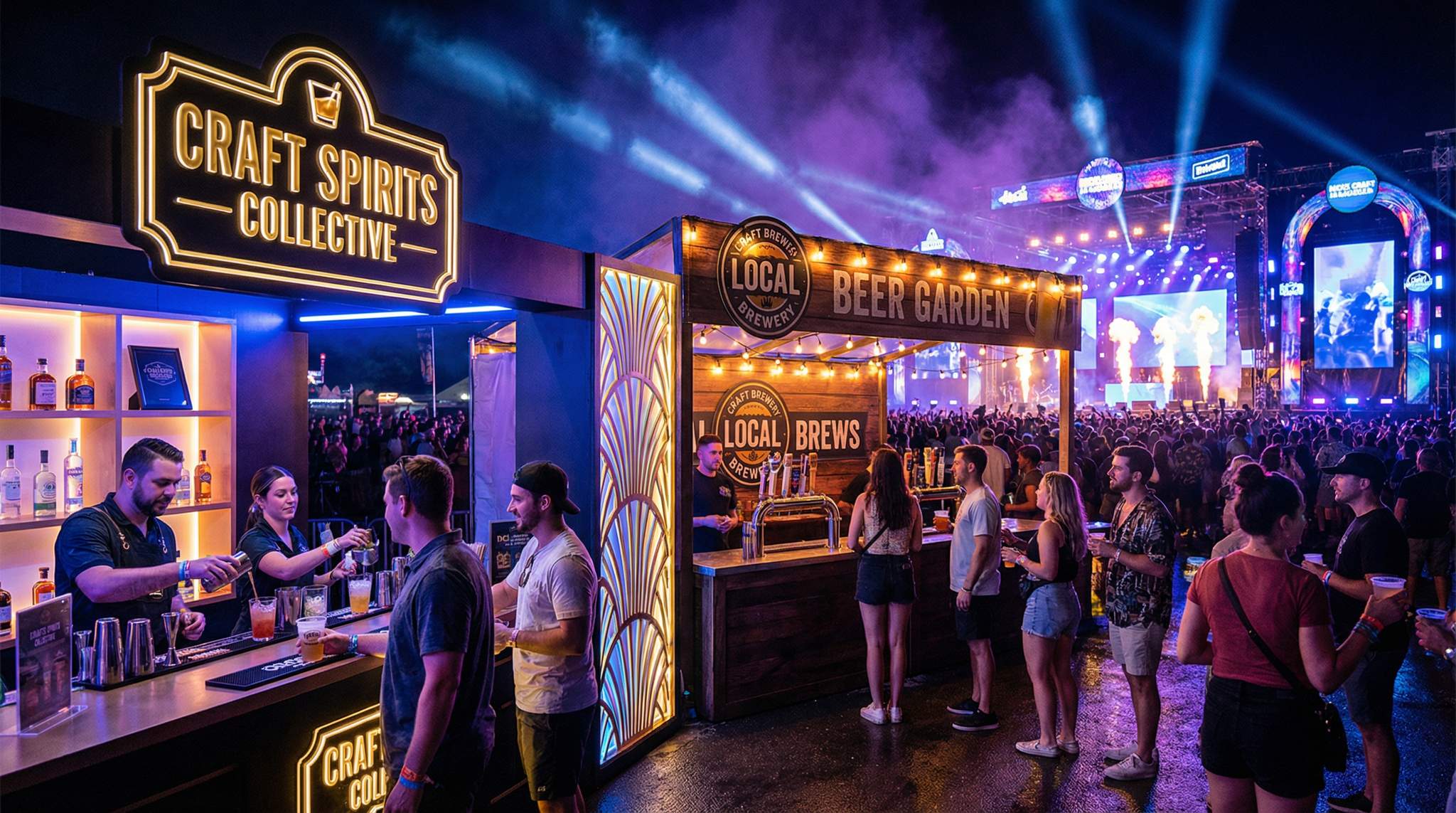
- Another example: In India, the multi-city Bacardi NH7 Weekender festival has a title sponsor in a spirits category (Bacardi rum), but still welcomes an energy drink sponsor (like Red Bull) and a beer sponsor for different beverage niches. Each brand activates differently – the rum sponsor might host cocktail lounges while the beer sponsor runs the beer gardens – avoiding overlap.
- Activation Type Specificity: Define how and where the sponsor can activate their brand exclusively. Being “official beer sponsor” might grant pouring rights at festival bars and logo placement on cups, but maybe it doesn’t automatically grant stage naming rights or media exclusivity unless specified. Outline whether exclusivity covers on-site sales, advertising, stage or tent sponsorships, backstage hospitality, etc. For instance, a coffee brand could be the exclusive coffee vendor on-site, but that doesn’t mean another brand can’t sponsor a backstage artists’ lounge if the contract carves that out clearly.
- Example: At some large EDM festivals, an energy drink company might secure exclusive rights to sell their drinks and brand the main stage, while a water brand might be allowed to exclusively sponsor all free water refill stations. These are different activation types (commercial sales vs. a free utility service) and can be treated separately to keep both sponsors satisfied.
- Avoiding Overlap: The more precisely you define a category, the less chance of overlap or disputes. If you designate a sponsor as the “Official Energy Drink,” the contract should define what counts as an energy drink and perhaps list out what is not included to prevent confusion. For example, the festival can specify: “Energy drinks are defined as carbonated or caffeinated canned beverages marketed for energy boost; this excludes coffee, tea, and naturally caffeinated drinks.” Such clarity means a coffee company could still come in as a sponsor without violating the energy drink deal. The result? More sponsorship slots and no hurt feelings.
Real-World Exclusive Sponsorship Examples
Looking at an example of exclusive sponsorship in action helps clarify how these deals are structured in the wild. When an alcohol brand music festival sponsor agreement is negotiated, it rarely covers all liquor. Instead, you see highly segmented deals.
- The Ride-Share Partner: A major music festival might sign a specific app as their exclusive ride-share sponsor. This prevents competing apps from setting up an official pickup lounge or advertising on the festival grounds, but it doesn’t stop a local taxi company from utilizing public drop-off zones.
- The Payment Processor: Cashless festivals frequently offer exclusive sponsorship to a single credit card provider. The sponsor gets sole branding on wristband top-up stations and exclusive presale access, effectively locking out competing financial institutions from on-site marketing.
- The Non-Alcoholic Pouring Rights: A classic exclusive sponsorship example is the “cola wars.” If one major soda brand holds the exclusive non-alcoholic beverage rights, vendors are strictly prohibited from selling their primary competitor’s products. However, the festival might still carve out a separate category for a dedicated energy drink or kombucha brand.
- The VIP Glamping Provider: As multi-day events expand their premium offerings, securing a single luxury camping partner is a prime illustration of product exclusivity. By locking out competing tent rental or boutique camping companies, the chosen provider can confidently invest in building a high-end, cohesive village for your top-tier attendees.
These exclusive sponsorship examples highlight why category exclusivity is valuable: it allows the partner to dominate their specific market niche at your event, making the investment highly worthwhile for them, while leaving adjacent categories open for you to monetize.
Data-Driven Event Marketing
Track ticket sales, demographics, marketing ROI, and social reach in real time. Exportable reports give you the insights to make smarter decisions.
Beyond food and beverage, another powerful exclusive sponsorship example involves festival technology and infrastructure. For instance, securing an exclusive ticketing partner or a sole VIP lounge sponsor allows B2B service providers to showcase their platforms directly to your premium attendees. When pitching these exclusive sponsorship opportunities, emphasize the undivided attention the brand will receive. By locking out competing tech vendors or hospitality brands, the sponsor gains a pristine environment to demonstrate their product’s value, which justifies a premium investment.
Another layer of sponsorship exclusivity involves media and broadcast rights. If your festival live-streams performances, an exclusive partner might demand that their competitors’ logos are excluded from the broadcast frame. Navigating these multi-channel exclusive sponsorships requires organizers to align on-site physical branding with digital distribution, ensuring the sponsor’s protective moat extends to the virtual audience as well.
Need Festival Funding?
Get the capital you need to book headliners, secure venues, and scale your festival production.
Beyond physical footprints and live streams, organizers must also consider sponsored content exclusivity in a category. In today’s digital-first marketing landscape, a brand’s protective moat extends to your festival’s social media channels, mobile app, and email newsletters. If an energy drink secures digital exclusivity, competing brands cannot be featured in your official “countdown to the festival” Instagram reels or sponsored push notifications. Managing this digital inventory carefully ensures that online brand alignments mirror the physical product exclusivity established on the festival grounds.
When evaluating an alcohol brand music festival sponsor proposal, organizers should also consider the physical footprint required for activation. A major liquor or beer partner won’t just want their logo on a flyer; they expect to build immersive, branded bar experiences or VIP viewing decks. By granting this level of physical exclusive sponsorship within their specific beverage tier, producers can charge a premium while elevating the overall production value of the event space.
Strategies for Securing Premium Beverage Partners
A frequent question among emerging promoters is exactly how to get alcohol sponsors for an event when competing against massive mega-festivals. The secret weapon is leveraging the very concept of category exclusivity we’ve been discussing. Beverage companies are inundated with generic pitch decks; to stand out, you must offer a highly targeted, data-backed opportunity.
First, utilize your ticketing platform’s demographic data to prove your audience aligns with the brand’s target market. If you are pitching a premium tequila brand, show them the purchasing power and age breakdown of your VIP ticket holders. Second, frame the pitch around protective exclusivity. Don’t just offer them a logo on a banner; offer them ownership of a specific festival asset, such as an exclusive agave-tasting lounge or sole pouring rights at the main stage VIP bar. By demonstrating that you understand how to protect their investment from competitors, you transition from a standard sponsorship request to a strategic brand partnership.
Smart Promo Codes & Presale Access
Create percentage or flat-rate discount codes with usage limits, date ranges, and ticket type restrictions. Plus unlock codes for private presales.
When an alcohol brand evaluates a music festival sponsor opportunity, they are looking closely at on-site consumption metrics and brand safety. To win these deals, organizers must present a clear operational plan showing how the brand’s exclusivity will be enforced at every bar and vendor stall. If a premium spirits company knows their product won’t be sitting on a shelf next to a discount competitor, they are far more likely to commit to a multi-year, high-tier partnership.
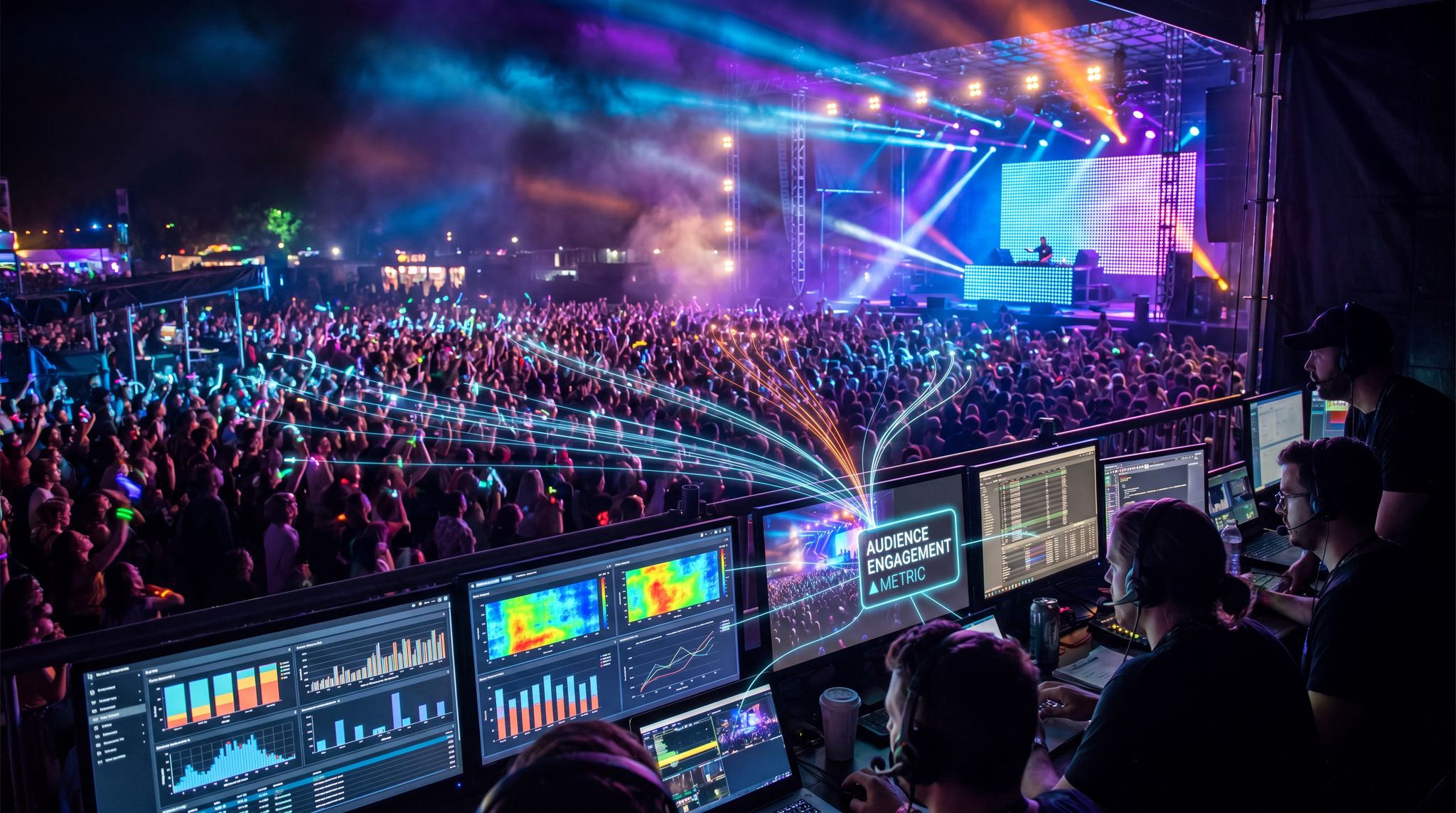
Once you’ve secured an exclusive partner, retaining them requires proving the value of their investment. Providing a comprehensive activation summary for wine sponsorship deals—or any premium beverage category—is a critical step in the post-festival wrap-up. This report should detail exactly how the brand’s exclusivity was executed and the resulting attendee engagement. For a vineyard or wine distributor, the recap might highlight the total volume poured at the dedicated tasting lounge, foot traffic metrics around their branded footprint, and social media impressions generated from their photo-ops. By presenting a clear, data-driven overview of their on-site presence, organizers transition from a one-off vendor transaction to a multi-year strategic partnership.
When looking specifically at alcohol brands sponsoring EDM festivals, activations must match the high-energy, visually driven nature of electronic dance music events. Unlike a relaxed daytime gathering where a simple tasting tent might suffice, EDM audiences expect immersive, multi-sensory experiences. Successful organizers pitch concepts like neon-lit, multi-level VIP viewing decks, interactive mixology stations with UV-reactive cocktails, or branded “chill-out” zones equipped with phone charging and misting fans. By presenting these tailored, high-production activation concepts, promoters can convince premium liquor and hard seltzer companies that their exclusive investment will resonate authentically with the electronic music demographic.
When analyzing how brands like Truly Hard Seltzer approach outdoor festivals and marketing sponsorship events, the focus shifts heavily toward daytime, lifestyle-driven engagement. Unlike late-night spirits activations, hard seltzer companies look for sun-drenched, highly visible footprints that align with a refreshing, active brand identity. For outdoor events, organizers should pitch interactive concepts such as shaded oasis lounges, branded lawn games, or custom hydration-adjacent photo-ops near main thoroughfares. By designing these tailored marketing sponsorship events, promoters can demonstrate exactly how a hard seltzer partner will capture the daytime crowd’s attention, making the exclusive category investment highly attractive.
Time-Box and Venue-Box the Exclusivity
Exclusivity should never extend beyond what is necessary. Savvy festival organisers time-box exclusivity to specific event dates and venues:
- Event-Specific Term: Limit the exclusivity to the festival dates (and its officially scheduled events) in a given year or season. For example, if your festival runs from 5–7 August 2024 at Central Park, the sponsor’s exclusive rights apply only at that location during those dates. They shouldn’t expect year-round exclusivity or rights at other events you produce. Clearly state the term of exclusivity (e.g., “during the 2024 edition of X Festival including official pre-parties and after-parties on festival grounds”).
- This protects the festival from feeling “locked in.” For instance, a festival in Mexico City might partner exclusively with a local craft brewery for one edition, but if the festival tours to another city or a later date, they can sign a different beer sponsor there if the exclusivity was limited to the original event.
- Venue Scope: Similarly, specify that exclusivity is limited to the official festival venues. If your festival has multiple venues or stages, you might even limit a sponsor’s exclusivity to certain areas. For example, a brand might have exclusive rights in the main festival grounds, but not at off-site afterparties hosted at independent clubs (unless you choose to include those explicitly).
- Be mindful of venue contracts as well. Some venues (stadiums, fairgrounds, etc.) come with their own pouring rights or exclusive vendor deals (maybe the arena already has an exclusive soft drink provider). Confirm these details early. You don’t want to promise a soda sponsor exclusivity at a venue that is already bound to a competing soda brand – that mix-up can kill a deal or worse, result in breach of contract. Always align sponsor promises with venue realities.
- Multi-Year Deals: If a sponsor wants a longer relationship, avoid open-ended exclusivity. Instead, structure it as renewable per year or give them the right of first refusal for the next edition, rather than a blanket multi-year exclusivity with no escape. That way, if the partnership isn’t working out or a better opportunity comes, you have flexibility (with proper notice, of course). It’s fair to the sponsor too, as they aren’t locked in beyond what they pay for.
By time-boxing and venue-boxing exclusivity, you ensure sponsors get what they pay for – and only that. This precision means you retain freedom to adapt for future events or additional locations without feeling shackled by past deals.
Free Tool: Size Your Festival Site
Zoned capacity planning for arena, campsite, parking and entry lanes — against UK Purple Guide and NFPA density standards. Finds your bottleneck zone.
Carve Out Essential Exceptions (Utilities and Non-Competes)
Not all “exclusive” categories should be absolute. Experienced festival producers include carve-outs for essentials and non-competing services so that exclusivity doesn’t harm the event or attendee experience:
- Basics like Water: If an alcohol brand is your exclusive beverage sponsor for beer or spirits, it’s wise to carve out water as an exception (or even secure a separate water sponsor). Hydration is a health necessity; even a beer sponsor usually understands that water is not a direct competitor to beer and that a festival must provide free water stations or allow water sales. Many festivals partner with water brands or NGOs for water stations while having an alcohol sponsor – these can coexist. For example, the Glastonbury Festival in the UK, known for its green initiatives, provides water refill stations (sometimes backed by partners like WaterAid) even as it has an official cider or spirits sponsor in the main bars. The carve-out ensures water (a utility) isn’t lumped under a general “beverage” exclusivity.
- Soft vs. Hard Drinks: Along the same lines, distinguish non-alcoholic vs. alcoholic beverages. If a soft drink company is a sponsor, you might stipulate that their exclusivity covers sodas and juices, but not alcoholic drinks or water. Conversely, an exclusive beer sponsor can be assured no other beer brands are sold on-site, but that doesn’t mean you won’t have an official energy drink or coffee vendor. By spelling this out, you prevent a scenario where a beer sponsor thinks “beverage” includes everything from bottled water to coffee.
- Food Variety: If you have a food/snack sponsor (say an “official salty snack” partner), consider carve-outs to allow local or artisanal food vendors to still operate. Exclusive rights might apply to branded packaged snacks sold in concession stands, but you can clarify that it doesn’t apply to independent food stalls in your festival’s food court. This way, you keep sponsors happy and celebrate local cuisine or give attendees variety. (Many festivals, like SXSW in Austin, carefully balance sponsor activations with local food trucks – a chip brand might sponsor official snack bags in swag, while dozens of independent eateries still feed attendees with no conflict.)
- Services and Tech: Non-consumer product categories need clarity too. For instance, a festival might have an “official ride-share partner” for transportation. A carve-out might be needed for emergency transport or public transit info booths. If you have an “official payment card” sponsor (e.g., a credit card company), clarify that you will still accept cash or other payment methods – their exclusivity might mean they are the only card advertised, or they get the onsite ATM branding, but you won’t turn away attendees who use a different card. Precision here avoids resentment from both sponsor and attendees.
Carve-outs are essentially common-sense exceptions. They make sure that by serving a sponsor, you’re not undermining the festival’s operations or alienating your audience. Discuss these exceptions upfront with sponsors – most will understand, especially if you frame it as necessary for the event’s success (which ultimately benefits their brand too).
Treat Exclusivity as a Paid Privilege (Pricing it Right)
Exclusivity in a sponsorship is valuable – treat it that way in your budgeting and negotiations. Rather than bundling exclusivity as an assumed part of every sponsorship, price it as a separate line item or tier:
- Separate Line Item: When crafting sponsorship packages, explicitly list “Category Exclusivity” as an add-on benefit with a price or premium attached. For example, your sponsorship prospectus might say: Base Package (includes on-site branding, booth, 10 VIP tickets, etc.) – $50,000; Add-ons: Category Exclusivity – +$15,000. This signals to potential sponsors that exclusivity is not automatic – it’s something they invest in. It also helps them justify the cost: they see that part of their fee is specifically for keeping competitors out.
- Negotiating Tool: By pricing it separately, you give yourself flexibility in negotiations. If a sponsor can’t afford the extra fee for exclusivity, you might offer a lower-cost deal that is non-exclusive (meaning you reserve the right to bring in another sponsor in that category). This way you don’t lose the sponsor completely – you tier the sponsorship. For instance, a local craft brewery might become a sponsor at a smaller fee if they accept that another beer brand could also be present. On the flip side, if a brand strongly desires exclusivity, you have a clear number to quote for that privilege. It manages expectations and value.
- Transparent Value: Separating the exclusivity cost also prevents misunderstandings later. Sponsors know exactly what they paid for. If a brand paid for exclusivity, you will both be very aware of the boundaries (and the festival will be motivated to enforce them). If they didn’t pay for it, they won’t be surprised if they see another brand in a related category on-site. This transparency can avoid the “but we thought we were the only ones!” resentment that comes from unclear agreements.
- Package Examples: Large-scale festivals often have multi-tier sponsorship levels (e.g., Gold, Silver, Bronze sponsors) where only Gold or Presenting sponsors get full category exclusivity. Smaller festivals might simply offer exclusivity à la carte. In any case, tie the price to factors like the festival attendance, the spending power of your audience, and how prominent the placements are. For example, exclusivity at a 100,000-attendee festival for a beer sponsor will command a high price, whereas a 5,000-person niche festival might charge less – or even waive exclusivity – to attract any sponsor at all.
Remember, exclusivity is essentially selling a monopoly to a sponsor for a limited time and place. Make sure you’re getting appropriate value for it. If a sponsor isn’t willing to pay extra for exclusivity, that’s a sign you should keep the category open to others or split it among subcategories.
When presenting an exclusive sponsorship proposal to a prospective brand, it is crucial to articulate exactly how this monopoly translates to their bottom line. Show them case studies or an example of exclusive sponsorship from past events where a single brand dominated the share of voice, leading to measurable sales lifts on-site. Highlighting these tangible benefits makes the premium price tag of an exclusive deal much easier for their marketing team to swallow.
If you are ever asked by a stakeholder why category exclusivity is valuable, the answer lies in the premium of undivided attention. For the sponsor, it eliminates the noise of direct competitors, ensuring maximum brand recall and a higher return on investment. For the festival organizer, this guaranteed market dominance is a high-tier asset that justifies a significantly larger financial commitment than a standard, non-exclusive booth space.
Go Cashless With RFID Technology
Enable contactless payments, faster entry, and real-time spending analytics with RFID wristbands and NFC-enabled ticketing for your events.
Ensure Clarity and Add Dispute Resolution Paths
No matter how precise you are, new situations can arise. Maybe a sponsor’s category wasn’t well-defined enough or a new product blurs the lines. That’s why your sponsorship agreements should anticipate disputes and provide a friendly path to resolution:
- Crystal-Clear Contracts: It all starts with the contract language. Outline the scope of exclusivity in detail: list what’s included and what’s excluded. Name competitor brands that are barred if applicable (some sponsors insist on listing direct competitors). For instance, if you secure Pepsi as a soft drink sponsor, your contract might explicitly list “Coca-Cola, Sprite, Fanta, etc. will not be sold or marketed at the event.” If you also have an energy drink sponsor, define how that coexists (e.g., “Soft drink category excludes energy drinks such as Red Bull, Monster” – whichever isn’t the sponsor).
- Mediation Clause: Include a clause that if a category conflict or question arises, the parties will meet in good faith to resolve it, or consider mediation by a neutral party. This could be triggered if, say, a new beverage that doesn’t fit neatly into a category (imagine a new coffee-energy drink hybrid) comes up as a potential sponsor. Rather than an immediate legal threat, you agree to discuss and find a compromise. Maybe the existing sponsor gets first right to sponsor that new product too, or you agree it falls outside their exclusivity based on mutual understanding. Having this process spelled out can save a lot of headache. It turns a potential fight into a conversation.
- Real-World Dispute Example: In one high-profile case, a major event and its sponsor ended up in a legal battle due to differing interpretations of an exclusivity clause. As detailed in analyses of sponsorship disputes and legal definitions, the sponsor assumed their exclusivity was broad, while the organiser believed it was limited to certain contexts. The fallout was public and messy – precisely the outcome you want to avoid. The lesson is clear: if any term can be interpreted in multiple ways, it will be, so clarify it now.
- Communication with Stakeholders: Clarity isn’t just for the contract – it’s for your team and other partners. Make sure your operations crew, vendors, and marketing team all know about sponsor exclusivities. For example, if a brewery has exclusive beer rights, inform all food vendors that they can only stock that brewery’s beer (and perhaps facilitate the supply). If an energy drink is exclusive, ensure no other energy drink logos appear anywhere – even if a band brings their own backstage, it shouldn’t be visible on stage. These details uphold your end of the deal. Many sponsorship managers recount stories of nearly breached exclusivity: e.g., a vendor unknowingly pouring a competitor’s soda or a VIP gift bag accidentally containing a non-sponsor’s product. Avoid these pitfalls with clear internal communication and signage like “Official Product Only, No Outside Brands.”
- Flexibility and Goodwill: Despite all the precision, be prepared to handle issues with diplomacy. If a mistake happens – say a small logo slips through – apologize to the sponsor and remedy it quickly. Building a reputation for fairness goes a long way. Likewise, if a sponsor feels something toes the line of their exclusivity, hear them out. Sometimes a quick extra perk or compromise (like an extra social media shoutout or a discount on next year’s package) can resolve tension. After all, sponsors are partners, and maintaining a good long-term relationship is worth some grace in dealing with disputes.
By planning for disputes before they happen, you demonstrate professionalism and protect both your festival and the sponsor’s interests. Precision in language and a spirit of partnership in resolving issues will keep things smooth.
Balancing Sponsor Exclusivity with Attendee Experience
While sponsors are crucial, veteran festival producers never lose sight of the attendee experience. Overzealous exclusivity can sometimes hamper what fans enjoy. It’s important to strike a balance:
- Variety vs. Monopoly: Attendees appreciate choice. If your festival attendees are all beer enthusiasts, offering only one beer brand could disappoint some who prefer another brew. To mitigate this, work with your exclusive beer sponsor to provide a range of styles or sub-brands. For instance, when Heineken is the exclusive beer sponsor, they might bring along their portfolio of brands (lager, a local craft label they own, cider, etc.) so that there’s variety under one umbrella. This maintains exclusivity while still giving attendees options.
- Fair Pricing: One complaint festivals hear is when exclusive vendors charge very high prices (knowing attendees have no alternative on site). While pricing is often at the vendor’s discretion, you can negotiate fair pricing guidelines in the sponsorship deal or at least encourage the sponsor to be reasonable. Remember, a sponsor’s brand reputation is on the line too – if fans associate them with gouging, that’s bad for everyone. Some festivals include “fan-first pricing” clauses or provide value-adds (like sponsor-branded freebies) to keep goodwill.
- Community and Local Brands: Many festivals incorporate local culture – and local businesses – as part of the vibe. Rigid exclusivity can shut out beloved local vendors or products. To avoid backlash, consider blending exclusivity with local inclusion. Perhaps your big beer sponsor agrees to let a small local brewery have a presence in a craft corner (with the understanding that it’s a different niche, or even brought under the big sponsor’s banner via a collaboration). Some festivals handle this by having the main sponsor actually distribute or co-brand with local products, so technically it’s within the exclusive rights but still supports the community. Open communication can make this happen.
- Case Study – Hop Farm Festival (UK): The Hop Farm Music Festival in England, founded by veteran promoter Vince Power, once took the bold step of having no corporate sponsors or VIP zones at all. This meant attendees could drink any beer or eat any food from independent vendors, with no brand restrictions. BBC News reported on this unique approach, noting that fans loved the freedom and authenticity – being able to buy a pint of local cider or craft ale on site, which is rare at big festivals. However, the festival also had to rely solely on ticket revenue and struggled financially. The lesson here is that while zero exclusivity can please attendees, it’s not always sustainable. The middle ground is to have sponsors but manage exclusivity smartly, so the event retains its unique character. Vince Power himself acknowledged that huge sponsorship deals (like the ones he brokered for Reading & Leeds Festivals with Carling beer in the past) have upsides, and today most festivals find a balance rather than a blanket ban on sponsors.
- Enhancing Experience through Sponsors: Ideally, a sponsor’s exclusive presence should enhance the festival experience, not detract from it. Encourage sponsors to add creative activations rather than just blanketing logos. If a tech company is the exclusive “official technology partner,” maybe they provide charging stations, Wi-Fi, or an interactive art installation. If a beverage is exclusive, perhaps they bring a unique bar experience or tasting event. This way, attendees feel like they’re getting something extra from that sponsor being there. When festival-goers are happy, sponsors ultimately get more positive exposure.
In summary, keep your festival’s identity and your audience’s satisfaction at the core of sponsorship decisions. A well-executed exclusivity deal can actually improve the attendee experience (through better services, consistent quality, or fun activations) – but it takes thoughtful planning and cooperation with your sponsors.
Frequently Asked Questions
What is category exclusivity in festival sponsorship?
Category exclusivity grants a brand sole rights to market a specific product type at an event, preventing competitors from participating. Instead of broad labels like “official beverage,” effective exclusivity targets specific niches like “official beer” or “official energy drink” to maximize revenue and allow multiple non-competing partners.
How can festival organizers avoid overly broad sponsorship categories?
Organizers avoid broad categories by defining exclusivity through specific product classes and activation types. Rather than a general “food partner,” contracts should specify sub-categories like “salty snacks” or “ice cream.” This precision prevents a single sponsor from blocking revenue streams from non-competing brands in related sectors.
Why is time-boxing important in sponsorship contracts?
Time-boxing limits a sponsor’s exclusive rights to specific event dates rather than granting year-round control. This strategy protects festival flexibility, allowing producers to secure different partners for future editions or other locations without being locked into restrictive, long-term agreements that hamper growth or venue changes.
What are sponsorship carve-outs in festival agreements?
Sponsorship carve-outs are contractual exceptions that allow essential or non-competing services to coexist with exclusive partners. Common examples include excluding free water stations from alcohol pouring rights or permitting local food trucks alongside a major snack sponsor. These exceptions ensure operational needs and attendee variety are maintained.
How should festival producers price sponsorship exclusivity?
Exclusivity should be priced as a separate line item or premium add-on within sponsorship packages rather than included automatically. Listing a specific cost for blocking competitors clarifies value, aids in negotiations, and allows organizers to offer lower-cost, non-exclusive tiers to brands with smaller budgets.
How should sponsorship disputes regarding exclusivity be handled?
Disputes are best handled through pre-defined mediation clauses and crystal-clear contract language that lists included and excluded competitors. Agreements should outline a good-faith resolution process for gray areas, such as new product hybrids, to prevent legal battles and maintain positive long-term relationships with brand partners.
How does sponsorship exclusivity impact festival attendee experience?
Strict exclusivity can limit attendee choice and inflate prices if not managed carefully. To balance this, organizers often require sponsors to offer product variety or allow carve-outs for local vendors. Ideally, exclusive partners enhance the experience through unique activations, such as branded lounges or utility services like Wi-Fi.
What is the difference between product class and activation specificity?
Product class specificity defines the exact item category, such as distinguishing between “beer” and “spirits,” while activation specificity dictates where a brand can operate, such as stage naming rights versus pouring rights. Separating these definitions allows multiple brands to sponsor different aspects of the same festival without conflict.
Why is category exclusivity valuable for both sponsors and organizers?
For sponsors, category exclusivity is valuable because it guarantees a captive audience without interference from direct competitors, ensuring maximum brand recall and return on investment. For organizers, offering an exclusive sponsorship creates a premium asset that commands a significantly higher fee than standard, non-exclusive packages, ultimately driving up total event revenue.
What makes an exclusive sponsorship different from a standard festival partnership?
An exclusive sponsorship guarantees that no direct competitors will be allowed to activate, advertise, or sell within the designated category at your event. Unlike standard partnerships where multiple brands might share the spotlight (e.g., several different snack vendors), an exclusive deal provides a brand with a total monopoly over their specific product class, maximizing their visibility and justifying a higher sponsorship fee.
What is the core meaning of an exclusive sponsor?
The exclusive sponsor meaning revolves around a contractual guarantee that a brand will be the sole representative of its specific product or service category at an event. For festival organizers, securing an exclusive sponsor means trading the ability to sell to multiple competing brands in exchange for a higher, premium investment from a single dedicated partner.
What is an example of product exclusivity in event sponsorship?
A classic example of product exclusivity is when an announcer or promotional material states a specific brand is the “official soft drink” or “official beer” of the event. This type of sponsorship exclusivity ensures that no competing beverage companies can display signage, sell products, or run marketing activations within the venue.
How does an alcohol brand music festival sponsor typically activate their exclusivity?
When an alcohol brand sponsors a music festival, they usually activate their exclusivity through dedicated pouring rights, branded VIP lounges, and custom stage integrations. Organizers must ensure the contract clearly defines whether this covers all liquor or just a specific sub-category like beer or spirits, allowing other non-competing beverage partners to participate.
How can organizers get alcohol sponsors for an event using exclusivity?
To secure beverage partners, organizers should pitch highly specific, data-backed exclusivity packages rather than generic sponsorships. By offering a brand sole pouring rights within a defined sub-category (like craft beer or premium vodka) and proving audience alignment through ticketing demographics, promoters can demonstrate clear ROI and protect the sponsor’s on-site market share.
If a broadcaster states a specific brand is the “official soft drink” of a game or event, what type of sponsorship is this?
This scenario is a textbook illustration of product exclusivity. In the event industry, when an announcer or promotional asset declares a brand as the “official” provider of a specific item (like a soft drink), it signifies that the organizer has granted that company the sole rights to market and sell within that specific product class, effectively blocking rival brands from the venue.
What should be included in an activation summary for a wine sponsorship?
An activation summary for a wine sponsorship should detail the brand’s on-site performance and ROI to justify their exclusive investment. Key elements include total pouring volumes, foot traffic metrics at dedicated tasting lounges, demographic data of engaged attendees, and social media impressions tied to their footprint. Providing this comprehensive recap helps festival organizers secure multi-year renewals.
How does sponsored content exclusivity in a category work for festivals?
Sponsored content exclusivity ensures that a brand’s competitors are not featured in the festival’s digital marketing assets. This means if a specific telecom company holds the exclusive rights in their category, rival telecom brands cannot sponsor the festival’s official mobile app, email newsletters, or social media posts.
How do alcohol brands typically activate sponsorships at EDM festivals?
When alcohol brands sponsor EDM festivals, activations usually focus on high-energy, visually immersive experiences rather than traditional tasting booths. Successful integrations include multi-level VIP viewing decks, neon-lit mixology bars, UV-reactive cocktail stations, and branded chill-out zones. Organizers who pitch these dynamic, production-heavy concepts are more likely to secure premium, exclusive beverage partnerships in the electronic music space.
How do hard seltzer brands activate at outdoor festival marketing sponsorship events?
Hard seltzer brands typically activate at outdoor festivals by creating daytime-focused, lifestyle-driven experiences. Successful marketing sponsorship events for these brands often include shaded oasis lounges, interactive lawn games, and refreshing misting stations that appeal to attendees looking for a light, daytime beverage option. Organizers who pitch these sun-drenched, highly visual activations are more likely to secure exclusive hard seltzer partnerships.
Boost Revenue With Smart Upsells
Sell merchandise, VIP upgrades, parking passes, and add-ons during checkout and via post-purchase emails. Increase average order value by up to 220%.