Food festival producers around the world know that earned media – free press coverage gained through outreach and creativity – can massively amplify their event’s success. One proven strategy to generate buzz is by offering chef exclusives and “first taste” preview events to the media. These embargoed press previews give journalists and influencers a special early experience of the festival’s culinary highlights, resulting in meaningful coverage without the need for paid advertising. This article shares veteran insights on using chef exclusives and first tastes to land headlines, with real examples from festivals in multiple countries.
Organised into clear sections, the advice below covers planning press previews, engaging chefs, logistics, marketing integration, and tips for festivals big and small. By the end, you’ll understand how to turn unique culinary experiences into headline-grabbing stories that put your food festival on the map.
Understanding Earned Media and Why It Matters
Earned media refers to publicity gained through editorial coverage, social shares, or word-of-mouth rather than paid advertising. For festival organizers, earned media is gold: it carries higher credibility and reaches audiences through sources they trust (newspapers, magazines, blogs, TV, radio). A glowing article or news segment about your food festival can boost awareness and ticket sales far more than any ad – and it costs far less.
However, earned media isn’t automatic. It’s “earned” by doing something newsworthy or interesting enough to catch the media’s attention. That’s where chef exclusives and first taste events come in. By giving the press a compelling story – a sneak peek, an exclusive dish, a celebrity chef encounter – you provide the hook that journalists need to write or broadcast a piece on your festival.
Turn Fans Into Your Marketing Team
Ticket Fairy's built-in referral rewards system incentivizes attendees to share your event, delivering 15-25% sales boosts and 30x ROI vs paid ads.
In the ultra-competitive festival landscape (from New York to New Delhi), a strong earned media strategy can set your event apart. Whether you run a boutique local food fair or a massive international gourmet festival, leveraging press previews and unique content can result in features that reach thousands. It’s essentially free marketing, but with a powerful third-party endorsement effect.
What Are Chef Exclusives and First Taste Events?
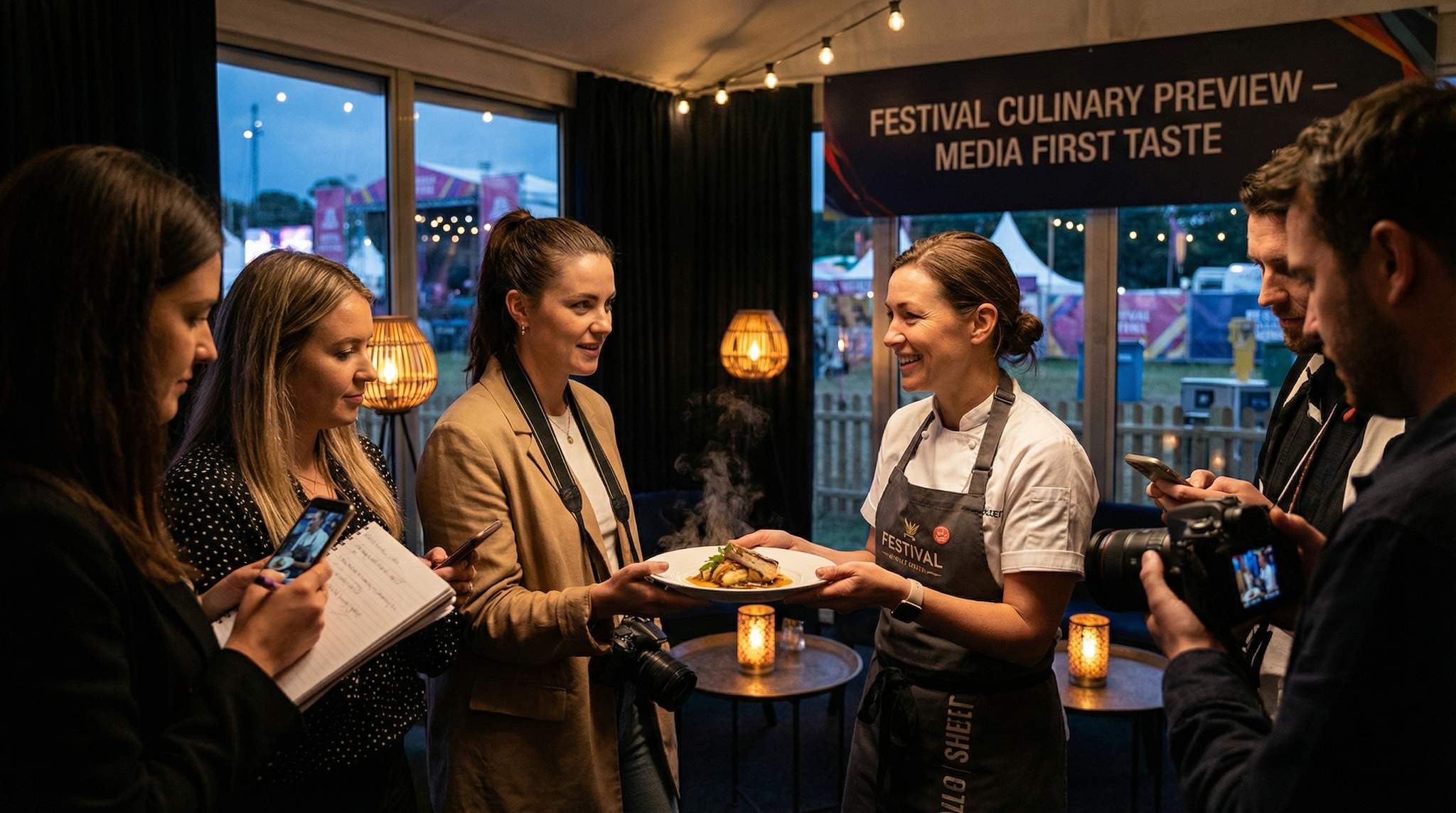
Chef exclusives and first taste events are special preview experiences created solely for media (and sometimes key influencers or VIP guests) before a festival opens to the public. They are designed to be intimate, newsworthy, and memorable. For example:
Planning a Festival?
Ticket Fairy's festival ticketing platform handles multi-day passes, RFID wristbands, and complex festival operations.
- Chef Exclusive – A top chef (or several) from your festival’s lineup prepares a signature dish only for the press preview. It might be a new creation debuting at the festival, a collaboration between chefs, or a dramatic presentation. The exclusivity – knowing the general public can’t taste it yet – makes it exciting for journalists.
- First Taste Event – A sampling event where media get to try a curated selection of festival food and drinks ahead of everyone else. This could be a mini food market set up just for them, or a multi-course tasting menu featuring star vendors. Often, these events are embargoed, meaning journalists can experience everything early but agree not to publish their stories until a set date (usually right before or at festival launch).
These approaches tap into a key principle of PR: offer something of value. Journalists get material for a great story – be it an interview with a famous chef, photos of a stunning dish, or insider knowledge of festival highlights. In return, your festival gains free coverage. It’s a win-win when done right.
Why Exclusivity Attracts the Press
In the culinary world, exclusivity is enticing. Food writers and influencers are constantly looking for the “next big thing” or a unique angle to thrill their readers. By providing a story they can’t get elsewhere, you move to the top of their coverage list. Consider a few reasons exclusives work:
- Novelty: Maybe a renowned pastry chef is unveiling a one-off dessert at your festival, or a mixologist has crafted a cocktail inspired by local culture just for your event. Novel foods and experiences make for clickable headlines and shareable content. (Think of the viral stories around unusual festival foods like cronuts or fried butter at fairs – media love these! In fact, at the State Fair of Texas, vendors compete to create stand-out fried inventions each year, such as the award-winning “Mexi-cone” stuffed with barbacoa.)
- Access: Press preview events can include face time with chefs or organizers. A brief interview with a celebrity chef or the festival director adds depth to any article. Media are more likely to cover your festival if they can quote the talent or get behind-the-scenes insights.
- FOMO Factor: By definition, an exclusive preview means “you could be the first to report this.” Journalists love having a scoop or at least being early on a trend. If they know competitors or other outlets aren’t there, it’s an extra incentive to attend and cover the story.
- Quality Control: By staging the experience for media, you can showcase the best your festival offers under controlled conditions – ideal plating, no crowds, direct communication of your key messages. It’s like a dress rehearsal that lets you put your festival’s best foot forward.
In summary, chef exclusives and first tastes provide fresh content that cuts through the noise. They allow the press to taste, see, and feel what makes your festival special, rather than just reading a press release about it. Next, we’ll delve into how to plan and execute these preview events effectively.
Planning an Embargoed Press Preview Event
An embargoed press preview requires careful planning and coordination. Here’s how festival producers can pull it off successfully:
Grow Your Social Following With Every Sale
Require social media follows, shares, or playlist adds to unlock presale access or special pricing. Turn every ticket purchase into audience growth.
1. Timing is Everything: Schedule your media preview close enough to the festival that excitement will carry over, but with a little buffer to allow press to prepare their stories. Typically, 1–3 weeks before opening day is ideal. For instance, if your food festival starts on July 20th, you might host the press tasting in the first week of July. This timing lets newspapers and magazines meet deadlines and publish just as ticket sales or final promotions peak.
2. Choose the Right Venue: If your festival is at an outdoor site that won’t be fully set up yet, consider an alternate venue for the preview. A popular approach is to hold it at a notable restaurant, a central kitchen facility, or even a hotel function room – somewhere convenient and equipped for food service. Make sure it’s a location that can impress as well (an attractive backdrop helps for photos). In Mexico City, for example, a taco festival might invite press to a hip restaurant kitchen for the preview, while a wine festival in France could use a chateau’s tasting room. Use a space that aligns with your festival’s vibe.
Need Festival Funding?
Get the capital you need to book headliners, secure venues, and scale your festival production.
3. Curate the Experience: Plan a sample of festival highlights for the preview. This could include 5–10 bite-sized portions from different vendors or chefs representing the variety of your event. Alternatively, focus on one big reveal – such as a star chef’s exclusive dish or a showcase of the “hero” menu item everyone will talk about. Ensure that whatever you serve or demonstrate at the preview will indeed be at the festival, so the coverage directly translates into anticipation for the event itself.
4. Invite the Right Audience: Your media invite list should include local food editors, journalists from regional or national outlets if appropriate, influential food bloggers, and even YouTubers or Instagram food personalities. Tailor the list to your festival’s scope: a community food fair might focus on local newspaper and radio, whereas an international gourmet festival will target travel and food magazines, national newspapers, and major food websites. Don’t forget industry publications too (e.g., event industry magazines or culinary trade journals may pick up the story of how you’re organising the festival). Keep the invite list exclusive and manageable – a smaller group (say 10–30 media attendees) allows for a higher-quality experience where you can give everyone personal attention.
5. Send Clear Invitations with an Embargo: When inviting press, clearly state the details of the embargo. For example, “Embargoed until May 10, 10:00 AM” – meaning they can attend the preview on May 5, but should not publish or post anything about it until the specified date/time. This date often coincides with a press release or the festival’s own announcement, ensuring a burst of coverage all at once. Explain that the embargo helps everyone get the story right and launch simultaneously. Most journalists will respect this (it’s a common practice in PR), but be sure to get confirmation of attendance and embargo agreement in writing if possible.
6. Craft a Press Kit: Prepare materials to hand out (or email) at the event. A good press kit for a food festival preview might include:
* A press release with festival dates, location, theme, key attractions, ticket info.
* High-quality photos of chefs, signature dishes, previous festival crowds, etc. (Media appreciate having images they can legally use. Provide photo credit info.)
* A fact sheet with quick numbers (e.g., “100+ vendors from 20 countries,” “expected attendance 50,000,” “festival charity partner and cause,” etc.).
* Biographies of any notable chefs or speakers involved.
* Contact info for your media liaison in case they have follow-up questions.
Free Tool: Size Your Festival Site
Zoned capacity planning for arena, campsite, parking and entry lanes — against UK Purple Guide and NFPA density standards. Finds your bottleneck zone.
Having these ready means journalists don’t need to scramble for basic info while writing their pieces. It increases the likelihood your key messages and facts make it into the articles.
7. Design the Flow: On the day of the preview, have a running order. Perhaps start with a welcome from the festival director or a charismatic host to introduce what’s on offer. Then allow time for free roaming so press can sample foods, take photos, and conduct interviews. If it’s a seated tasting (like a multi-course chef’s table), pace it well and have the chef or a presenter give context to each course (“This dish represents what we’ll serve at the festival’s grand finale dinner,” etc.). Build in a Q&A moment so media can directly ask the chefs or organisers anything they’re curious about.
8. Add a Surprise or Visual Moment: To make the event truly memorable, incorporate something visually striking or exciting. For example, unveil a large ice sculpture logo of the festival, or have performers (maybe costumed cultural dancers if it’s an ethnic food fest) make a brief appearance. At the Malaysia International Gourmet Festival (MIGF) in 2014, the media launch event featured a runway of the festival’s chefs in line with the “Red Hot Chefs” theme, alongside a reveal of signature dishes and other culinary highlights. This theatrical touch not only wowed attendees but also looked great in photos, increasing the chances that images from the launch were published. Think about what element of showmanship you can include – it could be as simple as a chef dramatically lifting a cloche off a dish to reveal a smoking, aromatic creation for the cameras.
9. Hospitality Matters: Treat your media guests like VIPs. That means ample tasting portions (nobody should leave hungry!), attention to any dietary needs (collect info beforehand if possible), and small gestures of gratitude. Branded swag or goodie bags are optional, but a recipe card from a chef or a jar of a special sauce featured at the festival can be nice takeaways. More importantly, ensure your team is available and attentive – escort journalists to meet the chefs they want to talk to, help them get that perfect photo, and thank them for coming in person. These personal interactions build relationships that last beyond just this festival.
10. Follow-Up Reminders: After the event, send a polite follow-up email before the embargo lifts. Thank them for attending, link to a folder of additional photos from the preview (if you took professional shots), and restate the embargo date/time (“Just a reminder, you can begin sharing your experiences and publishing your stories on X date…”). Also, encourage them to reach out if they have any further questions. This follow-up not only nudges anyone who might still be on the fence about covering the festival, but also solidifies your professionalism in handling media.
By meticulously planning the press preview, you set the stage for positive and accurate coverage. Next, let’s look at some real-world examples of festivals that have successfully used chef exclusives and press previews to get media attention.
Free Tool: Project Your Bar Revenue
Per-head spend benchmarks by event type turned into projected bar and food revenue, with a stock-mix estimate and gross-margin line. Free calculator.
Real-World Examples and Case Studies
Learning from successful festivals around the globe can inspire your own earned media strategy. Here are several case studies illustrating how chef exclusives and first taste events translated into meaningful press coverage:
1. World Gourmet Festival (Bangkok, Thailand): This luxury food festival, hosted by a five-star hotel, utilises an exclusive media preview to drum up excitement. In 2023, they held a four-hands chef collaboration dinner just for the press, featuring two Michelin-starred chefs cooking a special menu. The media invitees enjoyed a one-of-a-kind dining experience, which was under embargo until the festival’s program was officially announced. The result? Extensive coverage in Thai press and food magazines highlighting the festival’s high-end culinary credentials. Because journalists had tasted the calibre of food on offer, their articles were filled with genuine enthusiasm, describing dishes in detail and recommending the upcoming festival to readers. This approach by the World Gourmet Festival’s organisers (led by the Anantara Siam Hotel team) boosted the event’s prestige and signaled to foodies that “this is the place to be.”
2. Off Menu Festival (Hong Kong): When launching a brand-new food and drink festival, the team behind Off Menu Hong Kong knew they needed a hook to get media attention in a crowded market. They created the concept of world-class chefs collaborating on dishes never seen anywhere else. At the press preview, journalists learned that over a dozen chefs from across Asia would cook exclusive creations designed specifically for the event – dishes never available at their own restaurants. This exclusive angle was irresistible to the media. Publications like Tatler Asia ran features giving readers a “taster” of the upcoming festival, describing the innovative dishes and the star chefs involved. The earned media painted Off Menu as the cutting-edge culinary event of the season, helping drive strong ticket sales for its debut year. The key lesson: emphasize what makes your festival unique (in this case, truly off-menu dishes) and make sure the press gets that story first.
3. Taste of Dublin (Ireland): Even established festivals use media launches to refresh their image. In 2018, Taste of Dublin adopted a new theme, “Food Lover’s Playground,” and unveiled it at a launch event for press and partners. Coverage by Irish food news sites announced “Taste of Dublin 2018 has officially launched and is set to be a ‘Food Lover’s Playground’”, describing the creative plans and lineup of celebrity chefs to whet readers’ appetites, as reported by TheTaste.ie. By hosting a media event where chefs, sponsors, and even government representatives (like Ireland’s Minister of Agriculture in prior years) spoke about the festival, the organisers secured substantial earned media. Local newspapers, radio, and blogs echoed the festival’s theme and highlights in the weeks leading up to it. The payoff was a public well-informed about what’s new at the festival and excited by the press’ positive portrayal.
4. South Beach Wine & Food Festival (USA): One of the world’s premier food festivals, SOBEWFF in Miami (and its sister NYC Wine & Food Festival) benefits from major media partnerships, but they still actively court earned media with exclusive content. The festival’s founder, Lee Brian Schrager, is a master at engaging press. In past editions, SOBEWFF has invited select journalists to behind-the-scenes first looks at marquee events like the Burger Bash and grand tastings. For example, a few food writers might get early access to the competition burgers and the celebrity judges, giving them material to publish “sneak peek” stories. Additionally, the festival often provides exclusive interviews with headliner chefs (think Food Network stars) before the festival, which land in outlets like the Miami Herald and Forbes. Those stories not only tout the festival’s events but also humanize the chefs and festival mission (like its charity aspect for the local culinary college). By the time SOBEWFF weekend arrives, countless readers have seen multiple articles highlighting different aspects – all free publicity from carefully coordinated exclusives.
5. Local Street Food Festivals: It’s not only large festivals that can succeed with press previews. A small regional festival can punch above its weight in media coverage by smart targeting. For instance, a street food festival in Singapore once organized a media night where local food bloggers and newspaper journalists were invited to sample the top 5 street food dishes that would be featured at the festival. These included a famous hawker’s chili crab, a new fusion taco, and a preview of a dessert competition. The organisers set up the tasting at a hawker centre after hours, making it authentic and fun for the media. Several bloggers wrote “first taste” blog posts about the dishes, and Singapore’s main newspaper ran a piece profiling the hawkers, noting they were discovered via this preview. Similarly, in a small town in New Zealand, a BBQ festival gave the local press an exclusive judging role in a pre-festival cook-off between two star barbecue teams – generating a full-page story in the regional paper about the “smoky showdown” and plugging the upcoming festival dates.
Data-Driven Event Marketing
Track ticket sales, demographics, marketing ROI, and social reach in real time. Exportable reports give you the insights to make smarter decisions.
6. State Fair Innovations (USA): As mentioned earlier, state fairs and food festivals known for wild foods often harness that novelty for press attention. The State Fair of Texas is a prime example: it holds a Big Tex Choice Awards contest annually to debut new creative fried foods, and media are invited to witness and taste the entries. The BBC once covered this fair’s array of fried foods, noting that “the food is the star of the fair, and every year vendors compete to come up with stand-out items,” such as a prize-winning stuffed fried Mexi-cone highlighted by the BBC. By involving press in the unveiling of crazy new treats (from fried cola to cookie dough-covered chicken), the fair consistently earns media coverage that doubles as promotion. Your food festival might not feature deep-fried oddities, but the principle is the same: highlight something newsworthy (big or small) in an exclusive way and the press will beat a path to your door.
These examples show that whether a festival is high-end or grassroots, strategic media engagement pays off. A common thread is that all these organizers offered the press more than a standard press release – they created an experience or angle worth writing about. In doing so, they gained coverage that not only raised awareness but also added a halo of excitement and legitimacy to their events.
Maximizing Coverage: Additional Tips
Once you’ve hosted a successful chef exclusive or first taste preview, you’ll want to ensure the resulting coverage goes as far as possible in promoting your festival. Consider these additional tips to maximize your earned media impact:
- Leverage Social Media Buzz: Even with an embargo in place for formal articles, you might allow some light social media teasing during or right after the preview event. For example, journalists and influencers could share a photo of a dish with a caption like “Just had an incredible sneak peek of upcoming #FoodFest – can’t wait to tell you more soon!”. This kind of tease (cleared within embargo guidelines) can start the buzz early without giving everything away. Once the embargo lifts and stories go live, amplify them on your channels. Retweet the journalists, share links on your festival’s Facebook and Instagram (“Check out what Food Magazine has to say about our festival!”) – this not only extends the reach of the coverage but also shows appreciation to the media outlets, strengthening those relationships.
- Engage Local TV and Radio: Don’t overlook traditional broadcast media. Many TV morning shows or radio programs love to feature local events, especially if there’s food involved (who doesn’t love a cooking demo on live TV?). Coordinate with a charismatic chef or two from your festival to appear on a popular show a few days before the festival. They can cook a signature dish on air or do a taste test with the hosts. This is essentially another “first taste” strategy, but for a broadcast audience. For instance, ahead of London’s Taste of London festival, a chef might appear on BBC Radio or ITV’s morning show to chat and cook, generating excitement among listeners/viewers. Make sure to mention the festival name, dates, and a key selling point during the segment. These appearances often come free as part of community event coverage – all it takes is pitching the idea to the producers. The same goes for podcast interviews if there are foodie podcasts in your region.
- Tailor the Angle to Each Outlet: While the press preview gives a broad overview, when pitching or following up with different media, highlight the angle most relevant to their audience. A lifestyle magazine might be keen on the celebrity chefs or the fashion/celebration aspect of your festival. A local newspaper will care more about community impact (e.g., how the festival supports local farmers or charities). A travel publication might love that your festival draws visitors to a region known for cuisine (like a truffle festival in Italy’s countryside). Be ready with these talking points. If, for example, your food festival has a strong sustainability theme (say zero-waste practices), emphasize that to media outlets that focus on environmental issues – it could land you coverage in a whole different section of the news.
- Monitor and Measure the Coverage: Set up Google Alerts, social listening, or use a PR tracking tool to catch every piece of coverage that comes out. When multiple articles hit after your embargo date, compile them. This is useful for understanding reach and also for internal evaluation. Note which outlets gave the most detailed or positive coverage – these are gold for future festivals (you’ll want to invite them again and maybe give them an exclusive angle next time too). Additionally, share the coverage with your stakeholders (sponsors, partners, ticketing platform, etc.) to show the festival’s media traction. This can help validate the success of your earned media strategy. If you’re using Ticket Fairy or another ticketing partner, you might even notice a spike in ticket sales corresponding with the time an article or TV segment went live. With Ticket Fairy’s analytics, for example, you could track referral traffic from those online articles to see how media buzz converts to clicks and sales – insight that proves the ROI of earned media.
- Prepare for the Unexpected: While we hope every bit of coverage is positive, be prepared to handle any negative or unintended press too. Maybe one food blogger had a less-than-stellar experience with a particular dish. Or perhaps a journalist focuses on an aspect you didn’t expect (like high ticket prices or a controversy over a sponsor). The best way to mitigate negativity is to over-deliver during the preview (quality food, great hospitality) so there’s little fodder for complaints. Still, have a PR response plan: monitor comments on articles and social media, and if something incorrect is published, politely request a correction through your PR contact. Fortunately, cases of bad press from a preview are rare if you’ve planned well. Most media attendees will be predisposed to enjoy the event – after all, you’re feeding them delicious food and giving them a good story!
- Community Engagement Angle: Whenever possible, tie your festival’s press outreach to community or charitable initiatives. Media love a human-interest story. If your festival supports a local food bank or hosts cooking workshops for underprivileged kids, make sure that story is told at the preview. Perhaps invite a representative from the charity or a community leader to speak briefly. For example, at Melbourne Food & Wine Festival in Australia, the organisers often highlight their partnerships with local producers and sustainability efforts, which has led to coverage not just in food pages but also in community news sections. Similarly, if a festival in India involves nearby villages preparing traditional recipes, that cultural angle can really shine in press coverage and give the festival a deeper significance in the eyes of the public. Feeding the egos of those who do good work – like praising a city for hosting the festival or a sponsor for enabling a free concert – can encourage outlets to mention these positive aspects, casting your festival as a force for good in the community.
- Scaling for Size and Audience: Adapt the scale of your press initiatives to your festival’s size and target demographic. For a small local food festival, you might not need a huge press event – perhaps just invite the city’s newspaper writer and a couple of bloggers for a private tasting at a beloved local restaurant. The intimate conversation could yield a fantastic feature story. On the other hand, a large international festival might hold multiple previews: one for local press, another for international media (maybe even a virtual preview via video conference where overseas journalists get mailed a tasting kit or shown a live cooking demo). Always consider your audience; if your festival caters to families, maybe your press preview can have a section on kid-friendly foods and even invite a few journalists to bring their children to taste (imagine cute photos and a write-up in the parenting blogs). If your crowd is the young Instagram set, ensure influencers are integrated into your media plan – sometimes their “coverage” will be instant Instagram Stories from the preview, which can hugely amplify awareness among younger audiences.
By employing these tactics, you create a multiplier effect: one preview event leads to articles in print, online news, blogs, TV spots, radio mentions, podcast discussions, and countless social media hits. It’s the dream scenario for festival marketing – a cascade of genuine buzz that money can’t buy.
Budgeting and ROI of Press Previews
It’s worth touching on the budgeting aspect. Hosting a chef exclusive or first taste preview does incur costs – food ingredients, venue (if rented), staffing, perhaps travel or accommodation if you’re flying in a special chef for a demo. And of course, you’re investing time in planning and execution. However, think of this as part of your marketing budget. Compare the expense of serving 20-30 media professionals a great meal versus buying an equivalent reach in advertising space. The latter could run into tens of thousands of dollars for a national magazine ad or major web campaign. A press preview, by contrast, might be done for a fraction of that cost, yet the media value of the articles it generates could be enormous.
To maximise ROI, seek partnerships to offset costs. Perhaps a sponsor (like a kitchen appliance brand or beverage company) can co-host the press event, supplying equipment or drinks in exchange for being mentioned. Chefs might donate their time because it benefits them to be seen as part of the festival. Use creativity here – just ensure sponsors don’t overpower your festival’s story in the press eyes (mention them, but keep focus on the festival content).
Free Tool: When Should You Announce?
Pick your event date and genre — the free planner outputs a recommended announce, presale, on-sale and reminder schedule anchored to how your audience actually buys.
Many seasoned festival producers will attest that press previews are one of the best investments they make. The buzz not only sells tickets in the short term, but also builds the festival’s brand for the long term. A festival that consistently earns good media coverage establishes itself as an important event, attracting future sponsors, talent, and attendees more easily. And if an issue ever arises (say bad weather or a date change), having the media on your side is invaluable in getting the word out or recovering public confidence.
Conclusion
Earned media via chef exclusives and first taste previews is a powerful strategy in a food festival organizer’s toolkit. By giving the press something genuinely interesting to cover – be it an exclusive dish, a sneak peek event, or an engaging story – you essentially recruit the media as enthusiastic promoters of your festival. The tone of coverage from these efforts is usually glowing, because you’ve curated an experience that highlights the best of your festival.
From the bustling street food alleys of Singapore to the grand wine pavilions of Paris, festivals big and small can apply these principles. It boils down to respect and creativity: respect the media’s role and needs (feed them well, give them facts, meet their deadlines) and use creativity to craft newsworthy moments. Sometimes that moment is dramatic, like chefs strutting down a runway with their dishes. Other times it’s heartfelt, like a community cooking tradition being kept alive. Whatever the angle, package it in a way that journalists and influencers can’t wait to tell the world.
As you plan your next food festival, challenge yourself to go beyond standard marketing. What exclusive story can you share? How can you involve chefs and food in a way that becomes an experience, not just an announcement? If you get that right, the payoff will be on the pages of newspapers, on blogs, on the airwaves, and all over social media – and most importantly, in a lively, well-attended festival buzzing with patrons who heard about it through those very channels. That’s the beauty of earned media done right.
Before wrapping up, let’s summarise the key takeaways from this deep dive, to cement the most important lessons in your mind.
Frequently Asked Questions
What is earned media for food festivals?
Earned media refers to publicity gained through editorial coverage, social shares, or word-of-mouth rather than paid advertising. It carries higher credibility because it comes from trusted sources like newspapers and blogs, boosting awareness and ticket sales more effectively and affordably than traditional ads.
What are chef exclusives in food festival marketing?
Chef exclusives are special preview experiences where top chefs prepare signature dishes solely for media before the festival opens to the public. These events offer journalists unique content, such as debuting a new creation or a collaboration, creating a hook that generates headline-grabbing stories.
How do you plan a press preview for a food festival?
Planning a successful press preview involves selecting a venue 1–3 weeks before the event and curating a sample of festival highlights. Organizers must invite a targeted list of journalists and influencers, provide high-quality press kits, and ensure the food and hospitality are flawless to secure positive coverage.
When is the best time to host a festival press preview?
The ideal time to host a media preview is 1–3 weeks before the festival’s opening day. This schedule builds excitement while giving journalists sufficient time to prepare their stories and meet publication deadlines just as ticket sales and final promotions peak.
How do media embargoes work for food festival launches?
Media embargoes allow journalists to experience a festival preview early while agreeing not to publish stories until a specific date and time. This strategy ensures accurate reporting and creates a simultaneous burst of coverage across multiple outlets, maximizing buzz right before the event launch.
Why are first taste events effective for festival promotion?
First taste events are effective because they provide media with exclusive access to sample curated food and drinks ahead of the public. This exclusivity creates a fear of missing out (FOMO) and gives journalists tangible experiences to describe, resulting in authentic, enthusiastic coverage.
What should be included in a food festival press kit?
A comprehensive food festival press kit should contain a press release with dates and location, high-quality photos of chefs and dishes, and a fact sheet with key statistics. Additionally, include chef biographies and contact information for a media liaison to facilitate follow-up questions.
What is the ROI of hosting a media preview event?
The ROI of a media preview comes from generating extensive earned media coverage that costs significantly less than equivalent advertising space. While requiring a budget for food and venue, these events build long-term brand prestige and drive ticket sales through credible third-party endorsements.