Introduction
Planning family-friendly festivals in today’s multicultural world means paying close attention to holidays, dietary needs, and cultural calendars. A festival meant for everyone can quickly become awkward or exclusionary if it inadvertently forces religious activities on attendees, schedules during major holy days or school events, or overlooks special diets. Successful festival organisers know that true inclusion isn’t a box to tick – it’s woven through the event’s timing, programming, catering, and even the language used in promotions.
This guide shares time-tested wisdom on making festivals inclusive and welcoming for all families. From avoiding unintentional religious biases to scheduling smartly around community calendars, these insights will help any event planning team design celebrations where everyone feels comfortable. The focus is on practical steps and real examples from festivals around the globe that have navigated these challenges – sometimes learning the hard way – so you can plan with foresight and sensitivity.
Avoid Religious Programming (Unless Contextual and Optional)
One key principle of inclusive festival planning is to steer clear of mandatory religious content. Not everyone in your audience shares the same beliefs, and that’s especially true for family events where attendees span various faiths (or none at all). Avoid religious programming unless it’s clearly contextualized (part of a specific cultural celebration) and entirely optional for guests.
For example, a winter festival might include a Christmas carol performance or a Diwali dance as cultural showcases, but these should be framed as optional performances rather than all-participant rituals. Make it clear attendees can appreciate them as observers or skip them without feeling out of place. Festival producers have found success by collaborating with diverse community groups to present educational booths and performances about different traditions rather than a one-sided observance. In Bengaluru, India, a recent multi-faith festival symbolically celebrated Ugadi, Eid, Mahaveer Jayanti, Ram Navami, Baisakhi, Nowruz, and Easter side by side, as highlighted in reports on multi-faith festivals stressing inclusion. Each observance was given context and offered as an invitation to learn, not an imposed activity. This approach let families experience a mosaic of traditions, participating only where they felt comfortable.
Collect Any Attendee Data at Checkout
Add custom registration fields to your checkout — dietary needs, t-shirt sizes, company names, and more. Conditional logic and per-ticket-type fields.
If your event’s theme does centre on a religious or cultural holiday (such as a Diwali Fest or Christmas Market), be transparent about it so attendees know what to expect. Even then, provide opt-out opportunities – like a quiet crafts corner for kids not taking part in a prayer ceremony, or a secular alternative activity during a religious segment. An inclusive festival organiser respects all faiths by neither hiding nor hyping any one belief. Instead, they contextualize religious elements as one part of a broader cultural tapestry.
Crucially, keep any religious element optional. You might offer a non-denominational blessing or moment of thanks to open your festival, but never require everyone to join in. In practice, many events handle this by making such moments clearly announced and voluntary. Being sensitive in this way prevents attendees from feeling unwelcome or pressured, and it signals that your festival’s aim is cultural appreciation, not religious observance.
Planning a Festival?
Ticket Fairy's festival ticketing platform handles multi-day passes, RFID wristbands, and complex festival operations.
Respect Dietary Needs (Without Spotlighting Differences)
Food can make or break a festival experience, especially for families dealing with dietary restrictions. Inclusivity at the dining tents means offering choices for everyone – vegetarian, vegan, gluten-free, halal, kosher, allergen-free – while integrating those options seamlessly so no group feels singled out. The goal is to respect dietary needs without making a spectacle of the differences.
Start by surveying or researching the dietary preferences likely among your audience. At the point of using your event registration platform or ticket checkout, it’s wise to ask about any special dietary requirements (common options might include vegetarian, vegan, kosher, halal, nut-free, or gluten-free). This information helps you plan menus accordingly. Work with food vendors to ensure there are enticing choices for each category. Crucially, embed these options as part of the main food offerings. For instance, instead of relegating vegetarian or halal diners to one lonely stall in the corner, have multiple vendors include clearly labeled vegetarian and meat-free dishes in their menus. When every food station naturally provides some inclusive options, no one has to hunt for the “special” food – it’s seamlessly available.
Be mindful of how food is offered as well. Diversity expert Deborah Levine notes that a traditional Christmas ham, while popular in some places, can alienate guests who don’t eat pork, including Jewish, Muslim, and Hindu families, according to insights on inclusive holiday celebrations. One solution is to design menus that celebrate variety: for example, include turkey or beef as alternatives to pork, and ensure standout vegetarian mains (not just token salads) are available. If serving foods that certain groups avoid, consider arranging separate serving areas to prevent discomfort – for example, a food stall that prepares pork in a distinct section so those who strictly avoid it aren’t even exposed to its presence, a strategy recommended for managing diverse dietary requirements at events.
Another tactic is to highlight common ground cuisines. Many festivals succeed by featuring international food markets – a Thai stall, a Mexican taco truck, an Indian street food stand, etc. – which naturally provides diverse choices. Family-friendly festivals like California’s Eat Real Fest or Singapore’s Hawker Heritage Festival embrace multicultural food as a celebration of inclusivity: a family with mixed dietary needs can find everything from falafel wraps to veggie sushi in one place, without feeling awkward. The key is to offer inclusive food without fanfare – no big announcements like “special diet meal here!” that single people out. Instead, normalize it: label dishes clearly with symbols (vegan, gluten-free, nut-free), train staff to answer questions respectfully, and let attendees choose what suits them from a bountiful spread. When done right, everyone from the cattle-rancher dad to the vegan teenager can eat happily together at the same festival table.
Free Tool: Size Your Festival Site
Zoned capacity planning for arena, campsite, parking and entry lanes — against UK Purple Guide and NFPA density standards. Finds your bottleneck zone.
Schedule Around Major School and Cultural Events
Choosing your festival date may be one of the most consequential inclusive decisions you make. A family-focused event has to account for school calendars, community events, and religious holidays well in advance. Avoiding major conflicts ensures you’re not inadvertently excluding large segments of your audience. After all, even the most exciting festival will see poor turnout if it’s on the wrong day.
Start with the academic calendar for the demographic you’re targeting. If it’s a children’s or family festival, check local school schedules for exam periods, school holidays, and busy times like the start of a new term. Many successful family festivals time themselves during summer or spring breaks or long holiday weekends when families can actually attend. For example, the popular Camp Bestival in the UK is always scheduled during summer vacation, and Mexico’s Festival Internacional del Niño aligns with Children’s Day when schools are off. Avoid planning your event on the weekend right before big exams or the first week of school – parents won’t prioritize a festival then, and kids (especially teens) may be unable to come. Making the date convenient for families shows you value their constraints.
Need Festival Funding?
Get the capital you need to book headliners, secure venues, and scale your festival production.
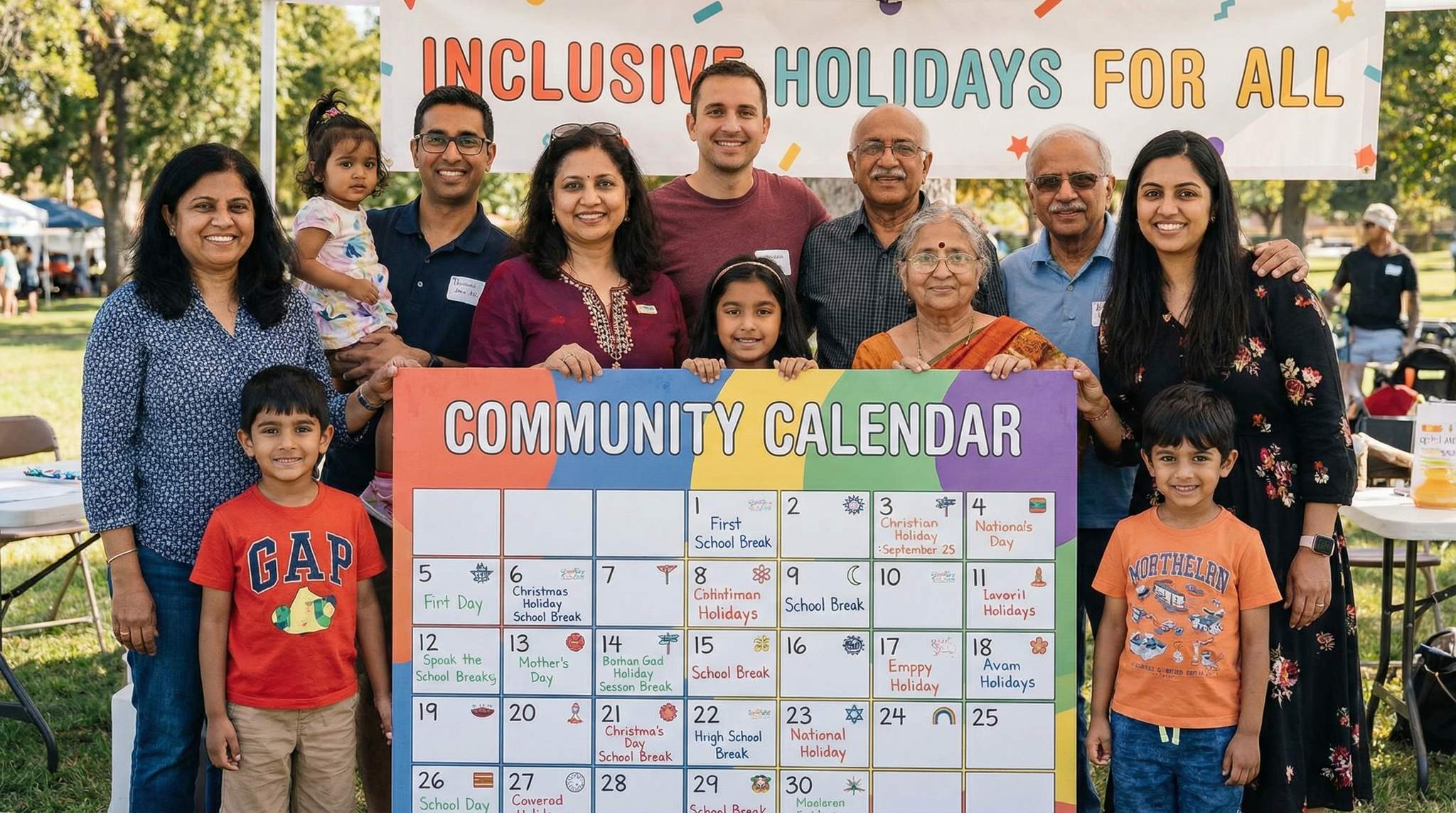
Cultural and religious calendars are equally important. An inclusive festival organiser cross-references multiple calendars (Gregorian, lunar, etc.) to dodge clashing with major observances. A renowned tech conference learned this the hard way when it scheduled its event over Passover – a major Jewish holiday – two years in a row, drawing criticism for making the conference inaccessible to observant Jews, a case study in planning events with religious calendar sensitivity. The lesson is clear: do your homework on holidays like Eid al-Fitr, Diwali, Rosh Hashanah, Chinese New Year, Easter, and local national days, depending on the cultures in your attendee base. If you find your intended date hits one of these, consider shifting. At minimum, acknowledge the conflict and plan accommodations (for instance, providing a small prayer space and a celebratory activity for those observing the holiday, or adjusting set timings).
Also, be aware of big secular events that captivate your community. Is there a huge sporting event final or a region-wide festival on the date you’re eyeing? If so, you might lose your audience or spark frustration for poor planning. Either avoid those dates or integrate them – some festivals set up viewing areas for a World Cup match or incorporate a local holiday parade into their event rather than compete with it.
When juggling so many factors, it helps to have diverse voices in the planning room. Consult community representatives – maybe a local teacher for school insights, or cultural liaisons from different faith groups – to flag any red alerts on the calendar. Using an interfaith calendar (widely available online) or apps that list public holidays can guide you as well. As a rule of thumb, aim to pick dates that allow the broadest participation from your target audience. And think about timing within the day: for example, scheduling a family festival to start late morning and end by early evening works well for young children’s schedules (and avoids clashing with, say, Sunday morning church services or Friday evening Shabbat). By being conscientious about timing, you demonstrate respect for your attendees’ lives outside the event.
Provide Neutral Celebration Spaces
Another subtle but powerful inclusion strategy is offering neutral spaces at your event for celebration, reflection, or downtime. These are areas free from overt religious or cultural markers – welcoming to anyone who needs them. In practice, this can take a few forms at family festivals:
Free Tool: Project Your Bar Revenue
Per-head spend benchmarks by event type turned into projected bar and food revenue, with a stock-mix estimate and gross-margin line. Free calculator.
-
Quiet/Prayer Room: Designate a small tent or room as a multi-faith prayer and meditation space. Keep it simple and neutral; provide some floor cushions or chairs, maybe a few screens for privacy, and minimal décor. This way, if parents or kids need to observe a prayer time (common for Muslim festival-goers at certain hours) or just take a breather from the crowd, they have a safe place to go. Many large events and conferences now routinely include prayer rooms or “quiet tents” which signals that all traditions are respected without favouring one. For instance, Canada’s Winterlude festival in Ottawa introduced a quiet family care tent – serving both as a breastfeeding nook and a prayer/meditation spot – at the request of attendees.
-
Neutral Kids’ Activities: If your festival coincides with a holiday season and you offer kids’ crafts or games, try to make them culturally neutral or diverse. Rather than only Christmas-themed crafts, provide a mix of winter, New Year, and other cultural projects (like lantern-making for Lunar New Year or rangoli art for Diwali) in a single area. Let families choose which activity appeals to them. The area itself should be festively decorated in a general way (think snowflakes and stars, not exclusively Santa Claus). This creates a neutral celebration zone where no child feels the activities are “not for them.”
-
Inclusive Decor: Extend the neutral-space concept to your overall venue décor. Instead of blasting one theme everywhere, create sections that celebrate different cultures or stick to non-religious seasonal motifs. For example, a “festival of lights” theme could incorporate Christmas lights, Hanukkah menorahs, Diwali lamps, and secular lanterns all together. Alternatively, keep most décor thematic but not religious (like an autumn harvest theme for a fall festival, or a generic “winter wonderland” with snow and icicles). If you do put up, say, a Nativity scene or a large dragon for Chinese New Year, balance it with other cultural displays and add informational signs so it’s educational. The idea is that no single tradition should dominate the physical space – every attendee should see something they relate to.
Neutral celebration spaces are also about tone. Train your festival staff and MCs to use inclusive language and avoid assumptions. For instance, instead of greeting the crowd with “Merry Christmas!” at a December event, use phrases like “Happy Holidays, everyone!” – or acknowledge multiple festivities: “Whether you’re here for the Christmas cheer, lighting the Hanukkah candles, or just enjoying the season with your family, we welcome you!” This verbal inclusivity ensures no one feels like an outsider. By providing areas and atmospheres that are open-to-all, your festival becomes a patchwork where each attendee can find comfort – whether they want to pray, play, or just relax away from the noise.
Aligning with Early Years Frameworks for Toddler Zones
When executing comprehensive festivals planning for family demographics, organizers often overlook the specific needs of toddlers and infants. Designing dedicated under-fives areas using established educational guidelines—such as incorporating principles from festivals and celebrations EYFS planning (Early Years Foundation Stage)—can significantly elevate the attendee experience for young families. By structuring play zones around early childhood development goals, event producers provide more than just a distraction; they offer safe, sensory-friendly, and enriching environments.
For example, an EYFS-aligned festival area might feature tactile sensory bins, low-stimulation quiet corners, and interactive storytelling sessions that celebrate diverse cultures. This level of thoughtful programming reassures parents that their youngest children are engaged in developmentally appropriate activities. Furthermore, training your family-zone staff on these early years frameworks ensures that the youngest guests receive the same high-quality, inclusive experience as the rest of your audience, making your event a standout on the family festival circuit.
Data-Driven Event Marketing
Track ticket sales, demographics, marketing ROI, and social reach in real time. Exportable reports give you the insights to make smarter decisions.
Inclusion Through Planning and Language
Ultimately, inclusion is all about proactive planning and mindful language. The most welcoming festivals are those that anticipated needs and addressed them before anyone had to ask. Every step of the process – from the initial date selection to the signage at the venue – should reflect inclusivity.
On the planning side, build inclusion into your festival blueprint. Before locking in decisions, run through a checklist: Have we checked the calendar against major cultural dates? Did we involve diverse team members or advisors to catch blind spots? Are there any activities or offerings that might unintentionally exclude someone? This kind of due diligence early on can prevent issues. As one inclusivity guide advises regarding strategies for diversity and inclusion at events, “when scheduling the event, do your best to avoid major cultural holidays… [and]consider when your target audience is likely most available”. In other words, think from the perspective of your various attendee groups. If something isn’t accessible or considerate to all, tweak it or provide an alternative.
Language is equally powerful. The way you market and communicate about the festival sets the tone for who feels welcome. Use neutral, inclusive language in all materials – from the event description on your website to announcements on the day. Practical examples include calling your gathering a “Holiday Festival” or “Winter Family Celebration” instead of a title that implies only one tradition is celebrated. Choose words carefully around dietary offerings too; for instance, list dishes with appealing descriptions (“grilled veggie kebabs”) rather than labeling them “vegan option” in giant letters – the latter, while well-intentioned, can make some feel singled out. In any announcements, avoid assumptions; don’t address the crowd as if everyone shares a belief (“As we all enjoy this Christmas music…”). Instead, phrase it broadly or mention a couple of different traditions if appropriate.
Inclusivity in language also means acknowledging diversity openly. You might include a line in your welcome speech such as, “We’re delighted to have families of all cultures and backgrounds here today. Whether this festival coincides with a special holiday for you or you’re just here for the fun, we want you to feel at home.” Simple, sincere statements like that set a welcoming tone for everyone listening.
Another aspect of communication is signage and information. Ensure that signs for facilities like the prayer room, halal-friendly food stalls, or accessible family restrooms are clearly marked and use respectful terms. If your festival serves a multilingual community, consider having key information or greetings in a few prevalent languages (for example, English, Spanish, Chinese) on print materials or display screens. This extra step shows attendees that their identities are recognized and valued.
Finally, embrace a mindset of continuous learning. Despite best efforts, you might still overlook something – perhaps a faith group’s observance you didn’t know about, or a phrase in your marketing that inadvertently excluded some folks. When that happens, respond with humility and adapt. Encourage feedback from attendees about how included they felt, and incorporate those lessons next time. Being an inclusive festival producer is an evolving journey; it’s about listening to your community and fine-tuning your planning and language year after year.
Free Tool: When Should You Announce?
Pick your event date and genre — the free planner outputs a recommended announce, presale, on-sale and reminder schedule anchored to how your audience actually buys.