Imagine a festival where problems get solved almost as soon as they arise. Whether it’s a film projector glitch at a film festival in Toronto, a water shortage at a music fest in Mexico, or long lines at a food fair in Singapore – the best festivals actively listen and respond in real time. Successful festival producers around the world understand that no matter how meticulously an event is planned, on the day of the event unexpected issues will pop up. What separates a smooth festival experience from a disastrous one is how quickly and effectively those issues are identified and fixed. This is where feedback loops that fix things fast come into play, ensuring attendee satisfaction and safety through continuous improvement on-site.
Capturing Feedback in Real Time
To fix problems fast, you first need to hear about them right away. Modern festivals are making it easy for attendees to voice concerns in the moment. One effective approach is providing multiple real-time feedback channels:
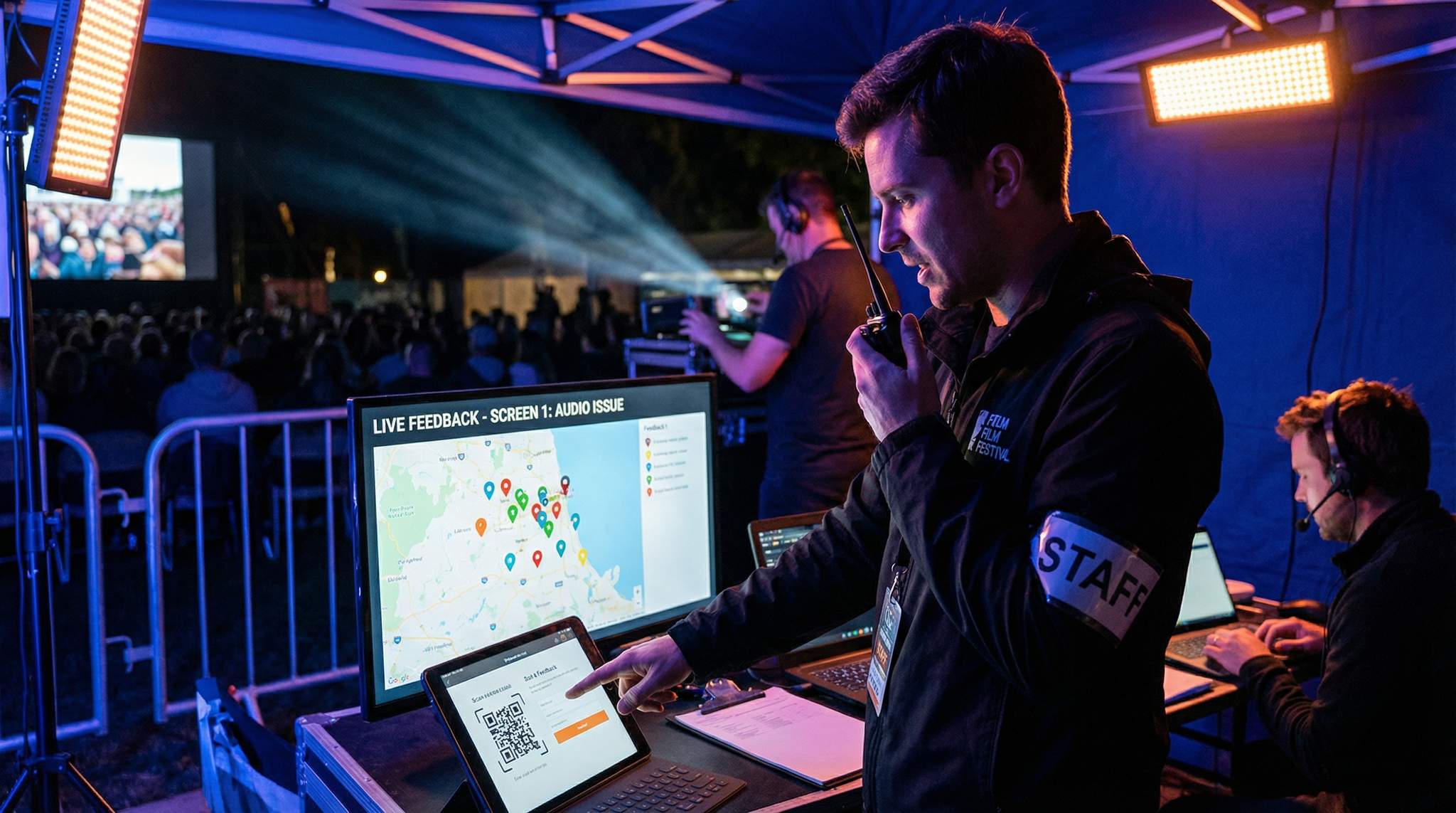
- QR Code Feedback Forms: Plaster the venue with signs saying “Tell Us Now!” or “Scan to Give Feedback.” Scanning a QR code takes attendees to a quick survey or chat where they can report issues (e.g. “Screen 2 audio is low” or “Bathroom by Hall A needs cleaning”). For example, BFF Music Festival used location-specific QR codes at each stage to gather feedback, allowing them to pinpoint which area a comment came from and capture critical feedback during the event. Attendees are more likely to share feedback when it’s this convenient and anonymous – they can send a note from their phone in seconds without hunting down staff.
- Staffed Help Desks & Info Booths: Supplement digital channels with a human touch. Strategically place clearly-marked Information & Help Desks around the festival. Friendly, knowledgeable staff (or volunteers) at these booths can log complaints or requests in a central system. At many large festivals like Comic-Con or Glastonbury, info booths double as lost-and-found and complaint centres, giving festival-goers a place to be heard. Smaller festivals can adapt this by simply having roaming staff with radios who approach attendees, ask if everything’s okay, and relay any issues back to HQ.
- Hotlines and Messaging Apps: Some festivals set up dedicated SMS/WhatsApp helplines or integrate feedback into their festival mobile app. For instance, a regional film festival in Australia might use WhatsApp for attendees to message issues, whereas Tokyo’s cutting-edge tech expos might integrate a “Report a Problem” button in their app. The key is meeting your audience where they are – younger crowds may favour in-app chats, while older attendees might appreciate a phone number to call or text.
- Social Media Monitoring: Don’t underestimate Twitter (now X), Instagram, and Facebook as real-time feedback sources. Savvy festival teams actively monitor their event hashtag and mentions to catch emerging complaints or confusion. If multiple tweets complain that “The queue for the midnight screening is out the door” or “No water at refill station by Stage 2,” organisers can pick that up immediately. Having a social media team or PR person on duty during the festival to flag important posts is crucial. As a bonus, responding promptly on social media (e.g. tweeting “We hear you – more water is on the way to Stage 2 now!”) shows the public you’re on it, turning a negative conversation into praise for how responsive the festival organisers are.
By providing both high-tech and human feedback channels, festivals create an “always listening” environment. Attendees feel heard, which can boost community trust, and organisers gain the information needed to address small issues before they become big problems.
Triage and Assigning Owners on the Fly
Collecting feedback is only half the battle – what comes next is critical. With reports streaming in from QR code forms, help desks, and social media, the festival’s operations team needs to triage these issues by urgency and assign them to the right people immediately.
Free Tool: Size Your Festival Site
Zoned capacity planning for arena, campsite, parking and entry lanes — against UK Purple Guide and NFPA density standards. Finds your bottleneck zone.
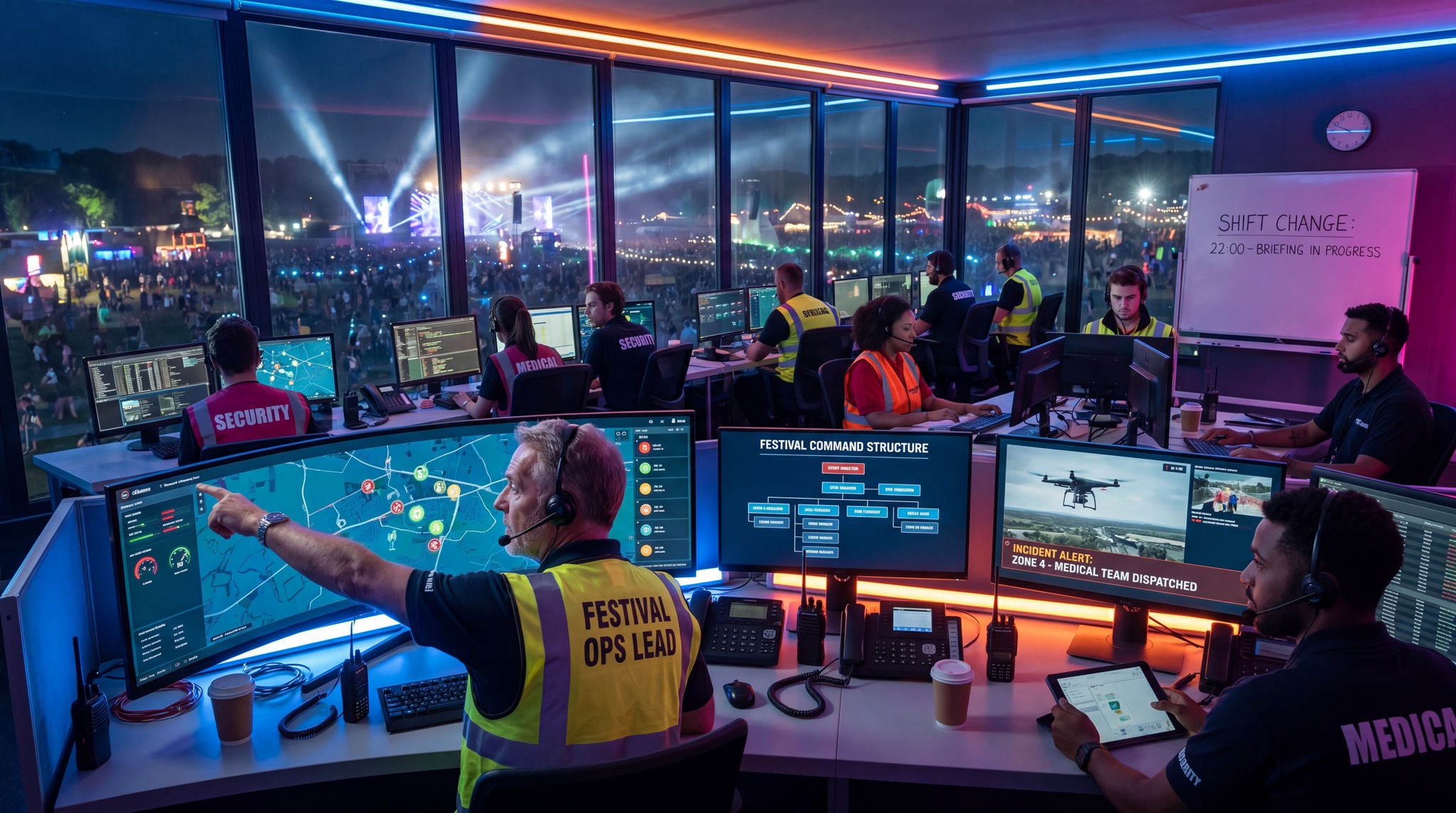
- Centralise Incoming Reports: Successful festival operations often revolve around a central command centre (even if it’s just a walkie-talkie network for a small event). All feedback from different channels should funnel to a single hub where a team is monitoring and logging issues. At major events, there is often a communications hub where staff track everything from security incidents to guest complaints in real time. Even at a boutique film festival in New Zealand, the festival director might sit in a theatre lobby with a notebook and radio, keeping tabs on each venue’s status.
- Categorise by Urgency: Not all feedback is created equal. A report of a safety hazard – say, a loose electrical cable in a walkway or an aggressive attendee – is urgent and must be dealt with immediately. Next level might be operational issues that seriously impact experience (overflowing toilets, projector malfunction, no subtitles for a foreign film screening). Third would be moderate inconveniences like long lines, sound quality issues, or a missing volunteer at a station. Fourth might be minor suggestions (“the AC is a bit cold”). Train your team to flag and colour-code issues by severity. An urgent issue should set off an instant alert to the relevant management (e.g. security chief or technical director), whereas minor ones can be noted and scheduled during a less busy moment.
- Assign Clear Ownership: Every issue should have someone responsible for resolving it. This is where having a well-structured festival team pays off. If an attendee at a film festival complains that the screen is too dark in Theatre 1, the tech crew leader should be immediately tasked to check and fix it. If food is running low at a stall during a music festival, the F&B manager gets the call. In practice, festival producers use tools like shared spreadsheets, messaging apps, or radio channels dedicated to different departments. One person from the command centre can triage and post assignments (“Toilets near Stage 3 need restocking – Facilities Team, please handle ASAP”). Team members then confirm once it’s fixed, closing the ticket. The speed here is vital – an issue assigned is halfway to an issue solved.
- Empower Frontline Staff: The people at the help desks or roaming the grounds should be empowered to make certain small fixes on the spot when possible. For instance, if a line is building up unexpectedly at a film festival’s event registration platform desk, a volunteer can start informing the crowd of alternate pick-up points or even help with form distribution while the manager dispatches additional staff. Festival teams that train their staff to be problem-solvers (not just problem-reporters) will resolve things faster. A great example is Japan’s Fuji Rock Festival, known for its polite and efficient staff – they are often seen proactively helping attendees and addressing concerns without always needing top-down orders, thanks to good training and empowerment.
By triaging well, festivals ensure the most critical issues are tackled first – no time wasted. Attendees will forgive a less-than-ideal situation much more readily if they see it being handled swiftly and competently. And internally, clear ownership avoids the “I thought you were fixing it” trap that lets issues fall through the cracks.
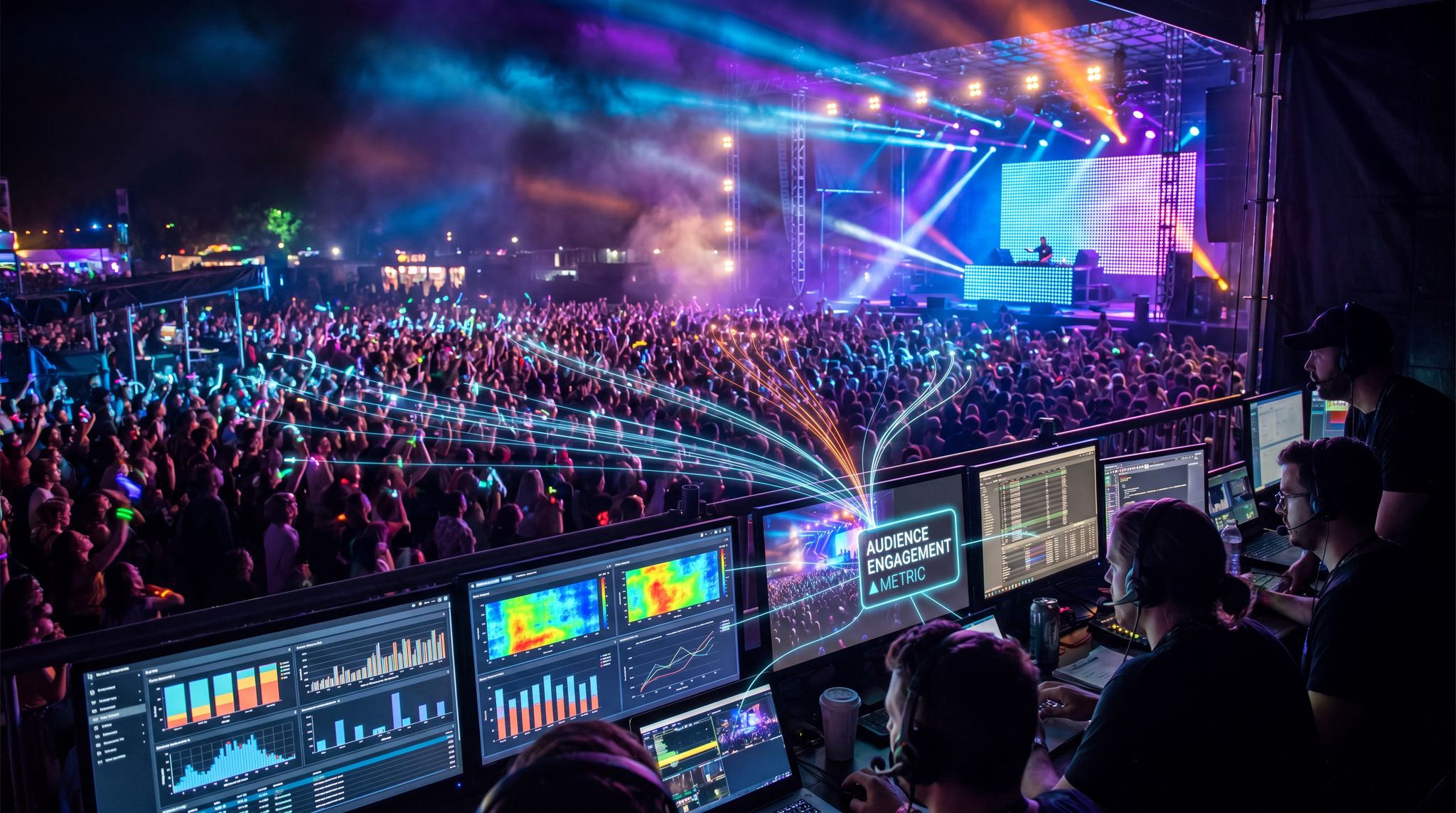
Rapid feedback loops produce real results. At BFF Music Festival, the team noticed from their location-specific feedback that one stage – the jazz stage – was getting consistently lower engagement scores each afternoon. Acting on this intel, the organisers adjusted the programming on the fly for Day 3, swapping in a more energetic act during the sluggish period. The impact was immediate: “We adjusted the lineup for day three and saw immediate improvement in the feedback,” reported Aaron Zhang, BFF’s operations manager, in a case study on festival form tracking. In short, by triaging the issue and implementing a fix overnight, they turned a potential disappointment into a win for attendee satisfaction.
Planning a Festival?
Ticket Fairy's festival ticketing platform handles multi-day passes, RFID wristbands, and complex festival operations.
Communicating Fixes Publicly During the Festival
A powerful but sometimes overlooked part of the feedback loop is closing it in real time – letting people know their feedback led to a fix. When festival-goers see that their complaints or suggestions result in immediate action, it builds immense goodwill. It also encourages more feedback (because attendees know someone’s actually listening) and can even turn a bad situation into a win for your festival’s reputation.
How can you communicate fixes publicly during the event?
- Live Announcements: If the issue was widely noticeable, make a public announcement when it’s resolved. At a large music festival, this might be the stage MC saying, “Good news folks – we’ve added more water stations by the main stage as you requested. Stay hydrated and keep the feedback coming!” For a film festival, a staff member or volunteer could address a waiting line: “Thank you for your patience, we’ve opened an additional theater for the 8 PM screening to accommodate everyone who’s been waiting.” This immediate acknowledgment tells everyone that the organisers care and are on top of things.
- Digital Noticeboards and Apps: Many modern festivals use mobile apps or LED screens on-site. Use them to your advantage. Push notifications through the festival app, update the official Twitter and Facebook, or flash a message on the big screen in between performances. For example, when a scheduling issue or venue change happens at SXSW in Austin, attendees often get a push notification or see tweets from the organisers within minutes alerting them to the change and why it’s happening. If you fix a problem, you can use the same channels: “We heard your feedback about sound bleed in Theatre 2 – we’ve lowered the volume next door and provided headphones for those who need them. Enjoy the movie!”
- On-Site Signage: In cases where digital comms can’t reach everyone, a low-tech solution is to update whiteboards or printed notices at information booths. A sign that says “Fixed: Lighting issue in Hall 3 (thanks for letting us know!)” or “Update: Additional shuttle bus added at 11:30 PM” can be very reassuring to attendees scanning the info board. Some festivals even have a “Daily Update” board or newsletter wall. Glastonbury Festival in the UK, for instance, publishes a daily mini-newspaper on-site; a section of it can highlight improvements or changes made that day thanks to festival-goer input.
- Social Media Shout-outs: If appropriate, publicly thank those who provided feedback (without naming individuals unless they’ve done so publicly). A tweet like, “Several of you told us about long lines at the merch tent. We’ve doubled the staff there now. Appreciate the heads up!” not only closes the loop but signals to anyone else following along that the organisers are responsive. After Ultra Music Festival’s chaotic first night in 2019, the organisers quickly apologised on social media and posted an action plan for the next nights – adding more buses, better signage, and extra staff, as reported by NBC Miami regarding the closure chaos and the organizers’ subsequent game plan. This transparency turned a tide of online criticism into at least some respect for how Ultra’s team handled the crisis.
The act of communicating fixes during the festival makes attendees part of the event’s story. Instead of problems happening to them, it becomes “we’re all working together to make this festival great.” Attendees who feel heard are more likely to stay positive and even help spread word of the fixes to others on-site.
Post-Event Follow-Up: Closing the Loop and Learning
Once the festival ends, the feedback loop should continue. The days and weeks right after an event are prime time to consolidate lessons and show attendees that their voices led to real changes for the future. Closing the loop post-event turns one-time problem fixes into long-term improvements and proves that feedback isn’t just collected, but acted upon.
Grow Your Social Following With Every Sale
Require social media follows, shares, or playlist adds to unlock presale access or special pricing. Turn every ticket purchase into audience growth.
Here are some post-event feedback loop best practices:
- Post-Festival Surveys and Data Review: Send attendees a thoughtfully crafted survey as soon as possible after the festival (ideally within a week while memories are fresh). Ask about various aspects of their experience: venue, logistics, content, customer service, etc. Tools like Google Forms or Typeform work, and Ticket Fairy’s platform itself can help integrate attendee feedback collection seamlessly. But surveys are just the start – be sure to actually analyse the results. Look for patterns in the complaints and suggestions. Did dozens of people mention long lines at the ticket booth? Was there a recurring comment about lack of food options for vegetarians? Identify the top pain points.
- Team Debrief and Assigning Improvements: Gather your festival team (staff, volunteers, partners) for a debrief meeting. Share the feedback and discuss what went wrong and right. Importantly, make a list of actionable changes for the next festival. Assign owners (just like during the fest) for these off-season tasks. For example, if multiple attendees complained about confusing signage at a film festival, task your operations designer to revamp the signage plan for next year’s event. If vendors ran out of food, the vendor manager might set stricter supply requirements or invite more vendors next time. Every gripe is an opportunity to improve.
- Public Post-Mortem Communication: This is an often-missed step – let your attendees know that you heard them after the event and tell them what you’ll do about it. A heartfelt post-event email or blog post works wonders. Thank everyone for coming, list a few key feedback points, and explain what changes you’re considering or promises for next year. For instance, “You spoke, we listened: many of you found the venue seating uncomfortable, so we’ll be investing in cushioned seats for 2025,” or “We received your feedback about the scheduling overlap between the documentary screenings and the awards ceremony – rest assured we’ll adjust the timetable to avoid that conflict.” Be specific. Festivals from Cannes to Sydney have kept loyal followings by actively embracing attendee critiques and visibly upgrading their events year to year.
- Community Engagement and Credit: If a particular subset of your community was heavily involved in feedback (say a Facebook group of super-fans or the local neighbourhood near your festival site), engage them directly. Some festivals hold community forums or town-hall style meetings after the event. For example, organisers of regional music festivals in Australia like Splendour in the Grass have met with local residents to get their input on noise and traffic solutions for future editions. When Tomorrowland in Belgium implemented stricter sound controls and provided local residents with free passes based on feedback, it earned the festival enormous goodwill locally. If you do something like this, highlight it publicly: “Special thanks to our neighbours in Boom for working with us – next year we’ll implement new traffic routes as per your suggestions.” This not only closes the loop with the community but also shows all stakeholders that the festival cares about its impact.
- Document and Preserve Knowledge: As the “world’s most experienced festival producer” will tell you, experience means little if it’s not recorded and shared. Keep an internal log of what was learned and fixed. This institutional memory ensures that even if staff changes, the next team won’t repeat the same mistakes. Over time, your festival will evolve into a well-oiled machine, guided by the continuous feedback of those who matter most – the attendees and community.
By completing the loop – from immediate issue resolution to post-event changes – you transform feedback into a powerful tool for continuous improvement. Attendees will notice the difference at the next festival, and new attendees will benefit from the last event’s lessons. This is how beloved long-running festivals are built: through years of iterative enhancements and genuine responsiveness to feedback.
Need Festival Funding?
Get the capital you need to book headliners, secure venues, and scale your festival production.
Adapting Feedback Loops to Different Festival Scales and Types
Every festival is unique. A massive international film festival in Berlin with tens of thousands of guests has different needs than a cozy weekend indie film fest in a small town. Yet, the principles of fast feedback loops apply universally – they just need scaling and tailoring:
- Small-Scale Festivals: For a smaller event (say a local film festival with 500 attendees or a niche food festival in a single park), feedback loops can be very personal. You might not need fancy tech; instead, train your staff and volunteers to actively ask attendees “How’s everything? Enjoying your time? Any issues we can help with?” The festival organiser can likely address minor problems directly. Even without a digital system, keep a notepad or a simple shared chat where staff post any recurring comments (e.g. “Several people saying the venue is too cold”). Small festivals often excel at the personal touch – use that to your advantage in gathering and acting on feedback instantly.
- Large-Scale Festivals: For big festivals (major city film festivals, multi-stage music extravaganzas, etc.), organisation and technology are your best friends. You’ll need a more formal structure: dedicated teams for different aspects (ticketing, venue operations, technical AV, hospitality, etc.) and a clear chain for reporting issues. High attendee numbers mean you should leverage digital tools – a custom event app with feedback functions, mass-text systems for urgent alerts, and definitely a staffed operations centre to coordinate fixes. Large events can also consider technologies like real-time analytics (monitor crowd density, sentiment analysis from social media, etc.). Big doesn’t mean impersonal – you can still create a sense of community by highlighting feedback on big stages or social media as previously described. It just requires more coordination. As seen with huge festivals like Brazil’s Rock in Rio or the Toronto International Film Festival, thorough planning plus responsive on-site teams make it possible to serve tens of thousands of people and still address individual issues as they arise.
- Different Festival Genres and Audiences: Tailor your feedback channels to the crowd. At a niche anime film festival full of younger digital-native attendees, QR codes and Twitter might light up with feedback. Meanwhile, at a classical music festival or an industry-heavy film festival (where the audience might include older patrons or VIPs not keen on apps), well-placed concierge staff and physical feedback forms might see more action. Know your audience: family-friendly festival goers may appreciate an easy way to report lost children or medical needs, tech conference attendees might jump onto Slack or an event platform to discuss issues, and music ravers might use an official festival Discord or subreddit. The goal is to reduce barriers for your specific audience to communicate with you.
- Cultural and Regional Differences: International festival producers learn to respect feedback norms in different cultures. In some countries, attendees might be very direct in voicing complaints; in others, they might be too polite to say anything unless asked. For example, Japanese event attendees may not vocalise dissatisfaction openly – so subtle methods like anonymous digital feedback or observing behaviour (people quietly leaving a show early) become important. In contrast, festival fans in the US or UK might readily tweet their anger or approach staff to demand solutions. As a festival organiser, be attuned to these differences and plan accordingly. If you’re producing a festival in a new region, consult local partners on how best to solicit and respond to feedback in culturally sensitive ways.
Whatever the size or type of festival, the core idea remains: listen, act, and inform. Even a humble community film festival can shine by swiftly fixing a glitch and announcing “We fixed it!” to its 100 attendees. And the largest global festivals maintain their prestige by not resting on their laurels – they’re constantly improving via feedback, just at a grander scale.