Insurance might not be the most glamorous part of festival planning, but it’s the backbone of a resilient event. For boutique festival organisers – those curating smaller, niche festivals – the concept of “micro-risk” looms large. These are the small-scale risks that can have outsized consequences. A sudden downpour, a power outage, a minor injury, or a stolen piece of gear might seem trivial, yet any of these can derail an event if you’re unprepared. Smart festival producers approach insurance not as boring paperwork, but as a strategic tool to safeguard their vision and keep the show running no matter what.
Covering Key Festival Risks with the Right Insurance
Every festival, big or small, faces a spectrum of risks. The key is securing insurance coverage tailored to your event’s specific needs. For boutique festivals with tighter budgets and more intimate audiences, “right-sizing” coverage is crucial – you want enough protection without paying for unnecessary extras. Here are the essential insurance types festival organisers should consider, each addressing a different slice of risk:
General Liability (GL) Insurance: Your Base Shield
General Liability insurance is the cornerstone of event coverage, guarding against claims of injury or property damage during the festival. If a festival-goer slips on a wet patch or a speaker falls and damages someone’s equipment, GL insurance steps in to cover medical bills or repair costs. Many venues and municipalities worldwide require festivals to carry GL insurance (often with at least a $1–2 million limit) as a condition for permits. This isn’t just red tape – one accident can be financially devastating. For example, at Ultra Music Festival in Miami, a security guard was critically injured when gate-crashers knocked down a fence; the ensuing lawsuit was for $10 million, as reported regarding the security guard incident at Ultra Music Festival. Without robust liability coverage, a claim of that magnitude could bankrupt an independent festival. Even more routine incidents can be costly – in Ireland, the median personal injury claim was around €13,000 in early 2024 according to recent data on festival insurance costs, a sum that could wipe out the profits of a small event. GL insurance ensures that when mishaps happen, your festival can absorb the hit and continue on.
Event Cancellation Insurance: Weathering the Unexpected
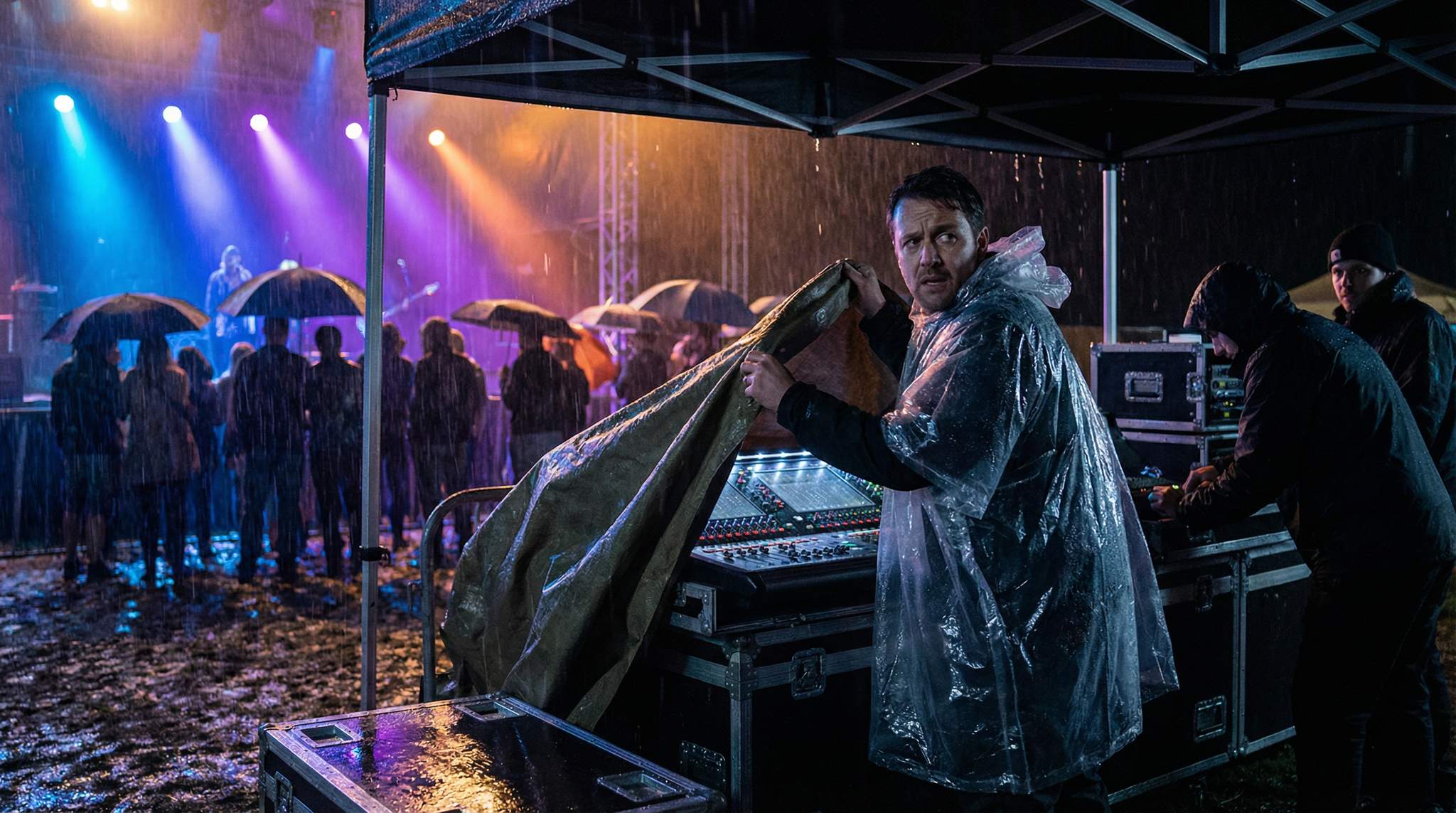
After pouring months of effort and money into a festival, a sudden cancellation can be heartbreaking and financially ruinous – unless you’ve got cancellation insurance. This coverage reimburses lost expenses if you must cancel or postpone due to unforeseen events beyond your control (think severe weather, natural disasters, or a last-minute venue issue). Boutique festivals are often more vulnerable here; losing even one day’s gate revenue could mean the difference between breaking even and going under. Consider the case of the St. Patrick’s Festival in Dublin: in 2018, forecasts of heavy snowfall forced the cancellation of several outdoor events, but because the organisers had event cancellation and curtailment insurance, they could recoup their sunk costs, a scenario highlighted by weather disruptions at the St. Patrick’s Festival. On the flip side, many organisers learned a hard lesson in 2020 when global pandemic-related shutdowns struck – some major festivals like SXSW in Texas had no coverage for disease outbreaks, leaving them with massive losses, as SXSW admitted regarding their lack of pandemic coverage. Today, insurers have tightened terms (disease cover is now rare or expensive), but cancellation insurance still covers more common threats like extreme weather. Even smaller events in places like Australia or India face seasonal risks – from tropical storms to wildfires – so it pays to assess your festival’s timing and location and insure accordingly. In short, plan for the best, but insure for the worst. If a freak windstorm knocks down your main stage (as happened at Spain’s Medusa Festival in 2022), you’ll be thankful you transferred that risk to an insurer.
Free Tool: Size Your Festival Site
Zoned capacity planning for arena, campsite, parking and entry lanes — against UK Purple Guide and NFPA density standards. Finds your bottleneck zone.
Equipment and Property Insurance: Protecting Your Gear
Festivals rely on expensive gear – sound systems, lighting rigs, staging, video screens, generators, tents – the list goes on. Equipment insurance (also called property insurance or inland marine coverage for gear in transit) covers loss or damage to these essential items. Ask yourself: if a vital piece of equipment is stolen or destroyed, can your festival afford to replace it on the fly? For many boutique festivals, the answer is no. Gear can be accidentally damaged by staff or volunteers, or ruined by unexpected hazards. In 2025, just days before Belgium’s world-famous Tomorrowland festival, a massive fire engulfed its main stage, causing extensive damage, an incident detailed in reports on the Tomorrowland stage fire and safety protocols. A smaller event might not have a multi-million budget to rebuild, but even something like a tent catching fire or a laptop with ticketing data getting stolen can be a major setback. Equipment insurance would cover repairing or replacing these items so the show can go on. When renting equipment, organisers should also check if the rental company requires proof of insurance or offers a damage waiver – don’t assume you’re covered by default. Additionally, consider coverage for third-party property: if you’re using a historic venue or borrowed art installations, you may be liable for any damage to those as well. Ultimately, insuring your gear and property prevents a physical loss from turning into a financial disaster.
Participant Accident Coverage: Going the Extra Mile
While general liability covers you if attendees or staff make claims against the festival, participant accident insurance is a more targeted protection for individuals who get hurt, regardless of fault. Not every region offers this, but where available it can be a smart add-on, especially for events with volunteers or active audience participation. For example, a marathon or extreme sports festival often provides accident medical coverage for participants – covering immediate medical costs if someone twists an ankle or suffers heat stroke, without needing to establish the organiser’s negligence. In the festival world, participant accident coverage could similarly cover an attendee’s injury on-site or a volunteer’s trip-and-fall, serving as goodwill protection that pays medical bills promptly. It’s typically modest in cost and can reduce the likelihood of minor incidents escalating into liability claims. If your boutique festival involves interactive elements (like a participatory art festival where guests might climb structures or a cosplay event with light physical activities), this extra layer of insurance might be worth considering. Staff and crew should be covered too – if you have employees, workers’ compensation or employer’s liability policies are often legally required (for instance, the UK mandates Employer’s Liability insurance even for most paid staff). For volunteers, you can often extend either your liability or accident policy to cover them in case they get injured while helping. The bottom line: taking care of your people, whether paid or volunteer, is not just ethical but also helps prevent headaches down the line.
Planning a Festival?
Ticket Fairy's festival ticketing platform handles multi-day passes, RFID wristbands, and complex festival operations.
Special Considerations for Outdoor Music Festivals
Securing comprehensive event insurance for outdoor festivals requires looking beyond standard indoor policies. Open-air environments introduce unique variables—from sudden high winds threatening temporary stage structures to perimeter breaches and noise ordinance liabilities. When sourcing outdoor music festival insurance, producers must ensure their general liability and property policies explicitly cover temporary outdoor builds, including scaffolding, staging, and heavy-duty tents. Additionally, weather-related cancellation clauses need careful scrutiny; a policy must clearly define what constitutes “severe weather” (e.g., sustained wind speeds or lightning proximity) that would trigger a payout if the site becomes unsafe for attendees.
Navigating Weather Riders and Open-Air Liabilities
When producing large-scale open-air events, standard coverage often falls short of addressing the unique environmental threats that can compromise site safety. Experienced promoters know that securing robust outdoor music festival insurance requires negotiating specific policy riders. For instance, windstorm and lightning clauses are critical; if a severe storm forces a mandatory site evacuation or damages temporary staging, these riders dictate whether your lost revenue and emergency operational costs are covered. Furthermore, venue operators hosting these events must ensure that the festival’s liability policy includes cross-liability endorsements, protecting the landowner if a structural failure—such as a collapsed VIP viewing deck or blown-over PA tower—results in third-party injury claims. By proactively addressing these open-air liabilities, producers can safeguard their financial investments against the unpredictable nature of outdoor environments.
Integrating Ticket Insurance for Attendee Peace of Mind
Beyond protecting the operational side of the event, modern organizers are increasingly looking at how to insure festival passes for their attendees. Offering ticket protection at checkout is a strategic move that benefits both the producer and the fan. By partnering with top ticket insurance providers for festivals, organizers can embed coverage options directly into their ticketing platform. If a fan cannot attend due to a covered personal emergency, illness, or travel disruption, the third-party provider handles the refund. This significantly reduces credit card chargebacks and customer service friction for your team, while giving buyers the confidence to purchase early-bird passes months in advance.
Vendor Insurance: Verify and Organise Your COIs
Most boutique festivals don’t operate in a bubble – they depend on a web of vendors, contractors, and partners (food stalls, craft sellers, staging companies, security firms, etc.). Each of these third parties introduces potential risk. What if a food vendor gives someone food poisoning, or a pyrotechnics contractor’s effects cause a fire? A savvy festival organiser makes vendor insurance a non-negotiable. Require every vendor and contractor to carry their own liability insurance and name your festival as an “additional insured” on their policy. This way, if an incident occurs due to a vendor’s actions or products, their insurance will cover the claim first, protecting your event’s policy from taking the hit. Collect Certificates of Insurance (COIs) from all vendors well before the event – these documents prove they have coverage and outline the policy limits and effective dates. It’s wise to set minimum coverage requirements for vendors (e.g. a food stall must have $1 million GL coverage, product liability included). Once collected, keep these COIs organised (digitally or in a dedicated folder) and track expiration dates; the last thing you want is finding out a vendor’s insurance lapsed right before your festival.
Free Tool: Project Your Bar Revenue
Per-head spend benchmarks by event type turned into projected bar and food revenue, with a stock-mix estimate and gross-margin line. Free calculator.
Staying diligent on vendor COIs has real-world payoffs. Take the example of a food festival in California where a vendor’s cooking gas canister exploded – the festival’s organisers were relieved to find that vendor’s insurance covered the damages, saving the festival from a lawsuit. On the other hand, there have been horror stories of events where a vendor lacked insurance and a mishap forced the festival’s own insurer (or the organiser themselves) to cover the losses. Don’t let that be you. Draw up vendor agreements that clearly stipulate insurance requirements and verify each certificate. It can be a tedious admin task, but it’s part of your risk management lifeline. By holding vendors accountable for their slice of risk, you not only protect your festival, you also encourage a culture of safety and professionalism among everyone involved.
This vendor diligence is especially critical for cultural and heritage events, such as a traditional Greek festival, where food preparation is a central attraction. Organising a Greek festival involves coordinating numerous independent food stalls, open-flame cooking, and high-traffic dining areas, which significantly elevates the risk profile. Securing comprehensive Greek festival insurance means ensuring every gyro stand, pastry vendor, and cultural exhibitor has adequate product liability and general liability coverage. By strictly enforcing COI requirements for these community-driven events, producers can celebrate cultural heritage without exposing their core organization to devastating foodborne illness or fire damage claims.
Need Festival Funding?
Get the capital you need to book headliners, secure venues, and scale your festival production.
Documenting Hazards and Fixes: Your Claim Evidence File
Insurance isn’t just about policies and premiums – it’s also about how you handle risks on the ground. One often-overlooked practice of top-tier festival producers is documenting onsite hazards and their fixes. Before the gates open, do a thorough site walk-through: identify anything that could pose a danger – loose cables, uneven ground, weak railings, puddles, you name it. When you find a hazard, fix it immediately (for instance, tape down cables, fill in potholes, put up warning signs) and crucially, photograph it before and after. Those photos, with timestamps if possible, become your evidence that you took due care to maintain a safe environment. If later an attendee claims they “tripped in a dark area and the organisers were negligent,” you can pull up a photo showing that area was well-lit and cordoned off properly. This kind of documentation can nip frivolous claims in the bud or help your insurance company defend a legitimate claim.
Similarly, keep a log of any incidents and how you responded. If someone spills a drink on a slick floor in the dance tent and a staff member mops it up, record the time and action taken. In the event of an insurance claim, these details prove your team was proactive and responsible. Many insurers love to see robust risk management – in fact, showing them that you have a system for hazard checks and incident response can even make you a more insurable (and possibly lower-premium) client. And if unfortunately something serious does happen (say, a section of fencing blows over and injures a patron), having immediate photos of the scene and the damaged fence can speed up the claims process. Treat photos, videos, and written reports as part of your festival’s safety arsenal. They’re as important as the first aid kit – you hope you won’t need them, but you’ll be glad to have them ready.
Right-Size Your Deductibles (Excesses)
Choosing the right deductible – the amount you agree to self-fund in any claim – is a strategic decision, especially for smaller festivals. Higher deductibles lower your premium, which can be tempting when you’re on a tight budget. But remember, the deductible is the amount you must pay out-of-pocket when something goes wrong. If you set it too high, you might survive the upfront insurance cost only to find yourself unable to cover that chunk when a claim hits. Imagine a boutique art festival with a budget of $50,000 that opts for a $10,000 deductible to save on premium – one minor stage accident causing $8,000 in damages means they get no help from insurance and have to eat that cost entirely (sinking 16% of their whole budget!). The lesson: choose a deductible you can realistically afford at a moment’s notice.
“Micro-risk” comes into play here as well. Frequent small incidents – a few broken chairs, a minor theft, a couple of sprained ankles – often won’t surpass a high deductible and thus won’t be covered if you’ve set that bar too high. You’ll be paying for those out-of-pocket, which can quickly add up. Sometimes it’s better to pay a slightly higher premium for a lower deductible, effectively insuring not just against catastrophic losses but moderate ones too. Evaluate your finances: do you have a contingency fund for small losses? Many experienced festival producers will set aside an emergency fund for minor issues and then insure for the big-ticket nightmares. That might mean, for example, taking a $1,000 deductible on liability (so you sleep easy about routine claims) but a higher deductible on rare risks like cancellation if you can tolerate more risk there. Work closely with your insurance broker to model scenarios. The goal is that if lightning strikes – literally or figuratively – you’re not scrambling to scrape together the deductible. Insurance should bail you out when you need it most, provided you’ve structured it to align with your festival’s risk tolerance and cash reserves.
Boost Revenue With Smart Upsells
Sell merchandise, VIP upgrades, parking passes, and add-ons during checkout and via post-purchase emails. Increase average order value by up to 220%.
Insurance as Strategy, Not Just Paperwork
It’s easy to treat insurance as just another item on the festival planning checklist: get permits, book artists, buy insurance, hire vendors… But truly resilient festivals weave insurance into their core strategy from day one. Think of insurance as the safety net under a tightrope walker – ideally you never need it, but knowing it’s there allows you to perform with confidence. When festival organisers view insurance through a strategic lens, it influences how they plan everything. They conduct detailed risk assessments during the early planning phases, pinpointing what could go wrong and deciding which risks to mitigate versus which to transfer to an insurance policy. This approach might reveal, for instance, that an outdoor stage in Seattle during autumn presents a high weather risk – leading the team to budget for rain cover infrastructure and secure robust weather cancellation insurance. Or a producer planning a multi-city boutique tour might opt for an annual blanket insurance policy instead of one-off covers for each stop, integrating it into the tour budget from the get-go.
Insurance can even be a selling point in discussions with stakeholders. Sponsors and investors are more likely to back an event that has safeguarded their investment through proper insurance. Some savvy festival producers share with local authorities and communities how they’ve insured the event – it demonstrates responsibility and can ease concerns about potential damage or incidents. For example, the organisers of a large electronic music festival in Singapore worked closely with their insurer to develop a crowd management plan, knowing that if they kept risks low, their insurance costs would be controlled too. In the end, insurance is far more than paperwork – it’s peace of mind for you, your team, and everyone who has a stake in your festival. When you treat insurance as a strategic partner, you’re not just buying policies, you’re investing in the longevity and reputation of your festival.
Frequently Asked Questions
Why do festivals need general liability insurance?
General Liability (GL) insurance is essential because it covers claims of injury or property damage during the event, such as a slip-and-fall or falling equipment. Many venues require at least a $1–2 million limit for permits. Without it, a single lawsuit, like the $10 million claim against Ultra Music Festival, could bankrupt an independent organizer.
What does festival cancellation insurance cover?
Festival cancellation insurance reimburses lost expenses if an event must be postponed or cancelled due to unforeseen causes like severe weather, natural disasters, or venue issues. While disease coverage is now rare, this policy protects against common threats like storms, ensuring organizers can recoup sunk costs even if gate revenue is lost.
Does festival insurance cover rented equipment?
Equipment and property insurance covers the cost to repair or replace gear like sound systems, lighting, and tents if they are stolen, damaged, or destroyed. This coverage is vital for boutique festivals that cannot afford to replace expensive items on the fly, protecting against incidents like fires or accidental damage by staff.
Why should festival organizers collect Certificates of Insurance from vendors?
Collecting Certificates of Insurance (COIs) proves that vendors carry their own liability coverage, protecting the festival if a vendor causes an incident like food poisoning or a fire. Organizers should require vendors to name the festival as an “additional insured,” ensuring the vendor’s policy covers claims first rather than the festival’s own insurance.
What is participant accident coverage for events?
Participant accident coverage pays medical bills for individuals injured at an event, regardless of who is at fault. This insurance is a smart add-on for festivals with active participation or volunteers, covering immediate costs for minor injuries like sprains or heat stroke without requiring proof of negligence, which helps prevent larger liability claims.
How can festival organizers document safety hazards for insurance?
Organizers should conduct site walk-throughs to identify and fix hazards immediately, photographing the area before and after the repair. Maintaining a log of incidents and responses, along with timestamped photos, provides crucial evidence to defend against negligence claims. This documentation proves due care was taken to maintain a safe environment.
How do I choose the right insurance deductible for a small festival?
Select a deductible amount that the festival can realistically pay out-of-pocket at a moment’s notice. While higher deductibles lower premiums, setting them too high leaves the event vulnerable to “micro-risks” where minor damages fall below the coverage threshold. A balanced approach ensures insurance is accessible for both moderate and catastrophic losses.
What are micro-risks in the context of boutique festivals?
Micro-risks are small-scale incidents like minor injuries, stolen gear, or brief power outages that can have outsized financial consequences for smaller, niche festivals. Unlike catastrophic events, these frequent issues often fall below high insurance deductibles, requiring organizers to manage them strategically through proper documentation, safety protocols, and right-sized insurance coverage.
What specific insurance do cultural and Greek festivals need?
Cultural events and Greek festivals require robust general liability and product liability insurance due to their heavy reliance on food vendors, open-flame cooking, and large community crowds. Organizers must ensure all independent food stalls provide Certificates of Insurance (COIs). Additionally, because these heritage events often depend on volunteer labor, securing volunteer accident coverage is highly recommended to protect community members helping with the event.
What does event insurance for outdoor festivals typically cover?
Event insurance for outdoor festivals covers unique open-air risks, including damage to temporary structures like stages and tents, weather-related cancellations, and liabilities from perimeter breaches. Policies must be tailored to address environmental hazards that indoor venues do not face.
How can organizers insure festival passes for attendees?
Organizers can insure festival passes by integrating third-party ticket protection directly into their checkout process. Partnering with top ticket insurance providers allows attendees to purchase coverage for personal emergencies, which reduces chargebacks and administrative burdens for the festival’s team.
What are the most critical riders to add to an outdoor music festival insurance policy?
When securing outdoor music festival insurance, organizers should prioritize weather-related riders, such as windstorm and lightning clauses, which cover revenue loss and emergency costs during mandatory evacuations. Additionally, policies should include specific endorsements for temporary structures (like stages and scaffolding) and cross-liability coverage to protect both the promoter and the venue operator from third-party claims arising from environmental hazards.