Pricing festival tickets is both an art and a science. Done right, a pricing strategy can maximise revenue and keep attendees feeling valued and treated fairly. Done poorly, it can spark public backlash and damage a festival’s reputation for years. Veteran festival producers know that the key to long-term success is balancing profitability with fairness. In the large-scale festival arena – from 5,000-capacity boutique gatherings to mega-fests drawing hundreds of thousands – smart pricing, tiering, and yield management are critical tools. This guide distills decades of festival production experience into actionable advice on setting up ticket tiers, managing VIP offerings, and maintaining transparency and trust.
The Mechanics: How Ticketing for Big Festivals Actually Works
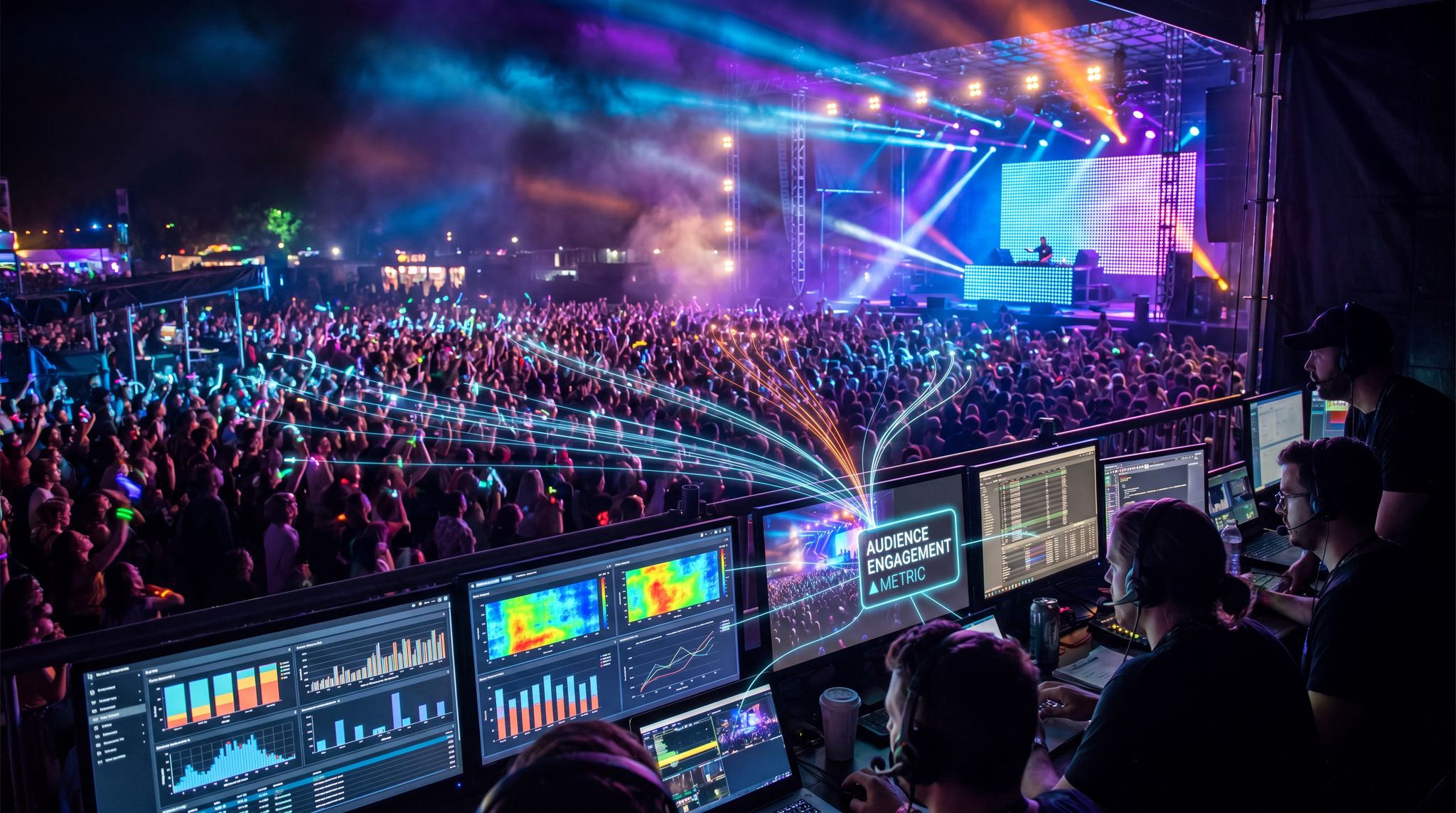
For those scaling up their operations, understanding exactly how ticketing for big festivals works behind the scenes is crucial. Unlike a standard club gig, mega-events require robust infrastructure capable of handling massive traffic spikes during on-sale moments. This involves deploying virtual waiting rooms or high-capacity queue management systems to prevent server crashes when thousands of fans try to buy simultaneously. Beyond the initial transaction, the ticketing ecosystem for a large-scale event integrates directly with access control hardware—such as RFID wristbands or dynamic QR codes—to ensure smooth, secure entry at the gates. Furthermore, enterprise-level platforms act as central data hubs, connecting seamlessly with marketing CRMs, cashless payment systems, and mobile apps to provide organizers with real-time analytics on attendee behavior and spending.
Effective festival ticket management goes beyond simply choosing a software provider; it requires a holistic strategy for inventory control, allocation, and real-time reporting. A dedicated management approach allows promoters to monitor sales velocity across different channels, adjust marketing spend dynamically, and ensure that access control systems sync perfectly with the box office. By centralizing these operations, organizers can prevent overselling, manage guest lists efficiently, and streamline the entire credentialing process from the first online purchase to the final scan at the gate.
Know Your Audience and Set a Fair Base Price
Every festival’s pricing journey begins with understanding its audience and budget. Setting the right base price for a General Admission (GA) ticket means gauging what your target demographic can afford and what reflects your event’s value. A large music festival in the US or UK with superstar headliners might justify a higher base price than a community-focused festival in India or Mexico. Consider the local economic conditions and cultural expectations – for instance, Vive Latino in Mexico City keeps GA prices accessible for local fans, while Tomorrowland in Belgium can charge more due to its global draw and resort-like experience.
Free Tool: Split Tickets for Max Gross
Given capacity and a target price, the optimizer proposes Early Bird / GA / VIP allocations and prices — with projected gross at 100%, 80% and 60% sell-through.
When defining your ticket pricing, map out your expenses (talent fees, production costs, venue fees, etc.) and revenue goals first. Large-scale festival producers often reverse-engineer ticket prices from their budget – ensuring that if you sell close to capacity at your base price, you’ll cover costs. However, fairness is paramount: set a base price that attendees feel is worth it for the experience. If you’re charging top-tier prices, deliver top-tier production and lineup. Overpricing without delivering value can break trust, as seen in past failures like the infamous Fyre Festival, which charged VIP prices for promised luxury that never materialized. On the flip side, underpricing tickets might leave much-needed revenue on the table or make fans question the quality of the event. The sweet spot is a fair price that fits your market and covers your needs without gouging attendees.
When fans inevitably ask why music festivals are so expensive, the answer lies in escalating production values, insurance, and talent costs. However, organizers must still anchor their general admission cost to reality. Establishing a “normal admission price” for your festival in the local currency—rather than blindly copying international mega-events—ensures your core demographic isn’t priced out. By transparently communicating the immense value packed into that ticket, you can justify the expense while maintaining community goodwill.
Planning a Festival?
Ticket Fairy's festival ticketing platform handles multi-day passes, RFID wristbands, and complex festival operations.
Determining this standard rate requires looking beyond just music events. For example, if you are organizing a niche gathering—such as a literature festival or a specialized culinary event—the normal admission price should reflect the specific cultural value and typical spending habits of that community. Benchmarking against similar regional events in the local currency provides a realistic baseline. This ensures your standard entry fee feels accessible and fair, rather than artificially inflated by comparing it to unrelated mega-festivals.
When new promoters ask, “how much are festival tickets supposed to be priced at for a debut event?”, the answer always comes back to a rigorous break-even analysis. Rather than guessing, successful organizers calculate their total fixed and variable costs, divide by their conservative attendance estimate, and use that figure to establish their baseline. This ensures the normal admission price in the local currency is rooted in financial reality, protecting the event’s bottom line while remaining attractive to early adopters.
Keep Ticket Tier Ladders Simple
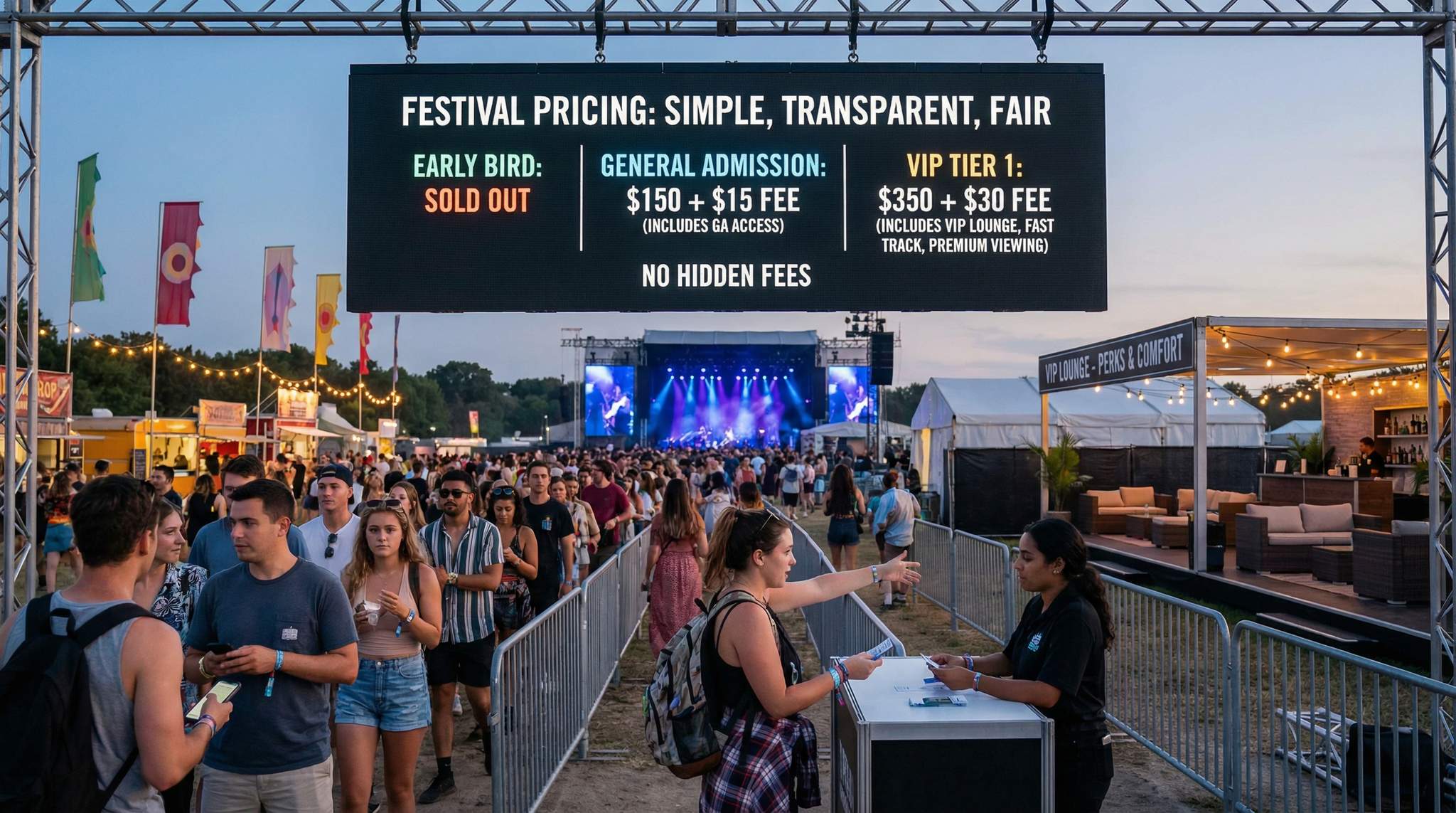
Many festivals use tiered pricing – offering Early Bird tickets at a discount, then gradually increasing prices in “tiers” as the event approaches or lower-priced tickets sell out. Tiered pricing rewards fans who commit early and provides the festival with cash flow and momentum. The key is to keep this tier ladder simple and understandable. Don’t overload attendees with too many tiers – a few well-defined phases are better than ten confusing price points.
For example, a proven model for large festivals is to have 3–4 pricing tiers:
– Early Bird: A limited allotment (say 10–20% of tickets) at a discounted price (perhaps 20% off the final price). This creates urgency and rewards your most enthusiastic fans.
– Regular / Phase 2: The next block of tickets at a moderate discount (e.g., 10–15% off final price) or a set intermediate price. This phase targets the broader audience once early birds sell out.
– Final / Phase 3: General on-sale at the full price (or close to it) for remaining tickets. By this point, those on the fence must buy before potentially missing out.
No Hidden Fees, Just Honest Pricing
One all-inclusive fee covers the platform, payment processing, support, and every feature. Free events are always free. No setup costs, no surprises.
When analyzing a typical music festival ticket revenue breakdown by tier, organizers often find that while Early Bird generates the initial cash flow necessary for deposits, the bulk of the profit margin is realized during the later phases. For instance, understanding what GA Tier 2 means operationally is vital: it represents the core revenue engine. Tier 2 tickets generally account for the largest volume of inventory sold once the initial hype subsides. While a mega-event might see a massive revenue breakdown heavily weighted toward high-priced VIP packages, a standard mid-sized festival typically relies on Phase 2 General Admission sales to cover the majority of its fixed production costs.
Some mega-festivals add a “last-chance” late ticket at a slightly higher price for procrastinators or when the event is nearly sold out, but this can risk feeling like a penalty. A clear ladder with two or three steps is usually plenty. Glastonbury Festival (UK) famously handles this differently with a deposit system – attendees pay a small deposit to secure a ticket and pay the balance later. This effectively creates an early commitment without multiple confusing price jumps, and it has helped Glastonbury sell out year after year in minutes while maintaining fan goodwill.
Need Festival Funding?
Get the capital you need to book headliners, secure venues, and scale your festival production.
Be transparent about tier transitions: announce the dates or quantity limits for each tier upfront. For instance, let people know “Early bird pricing lasts until December 31 or the first 5,000 tickets.” This way, fans don’t feel tricked by sudden price hikes. Avoid stealthy dynamic price increases that aren’t communicated – attendees will share info on social media, and if someone finds out their friend paid less just hours earlier with no warning, you could face a backlash. While airlines and hotels use dynamic pricing routinely, festival-goers expect a clearer structure. Unexpected changes breed distrust. In one cautionary tale, concert fans revolted when dynamic pricing caused sudden ticket price surges for major tours, seeing it as exploitation. In the festival world, trust is just as vital. Stick to a published tier plan or clearly explain any change in pricing strategy.
Be Upfront and Transparent with Fees
Few things anger ticket buyers more than seeing a final price much higher than the advertised ticket cost due to hidden fees. Transparency in fees isn’t just ethical – it’s good business. Attendees are more likely to complete a purchase when they know all costs upfront. Wherever possible, keep fees reasonable and clearly disclosed. Better yet, consider an “all-in” pricing strategy where the listed ticket price already includes standard fees, so there are no surprises at checkout. This approach has been adopted by some festivals and even encouraged by regulators in parts of the world.
If your ticketing platform allows it, show buyers a breakdown: base ticket price, booking fee, taxes, etc., before they hit the pay button. Many festival producers have learned that a slightly higher face-value ticket price with “no additional fees” marketing actually earns more trust (and sometimes sells faster) than a lower headline price that balloons with surcharges later. Remember the public outrage when big ticketing companies in the US added high service fees – fans still talk about feeling “nickel-and-dimed.” Don’t let your festival be the next example of bad press; instead, lead with honesty.
Case in point: When The Cure’s lead singer Robert Smith discovered exorbitant fees on his band’s US tour tickets, he publicly pushed back and got some fees refunded to fans – earning massive goodwill. While that’s a concert example, the principle holds for festivals: champion your attendees’ trust. Using a ticketing partner that aligns with this philosophy (for instance, Ticket Fairy’s platform emphasises transparent pricing and avoids surprise markups) can turn what is often a sore point into a strength. The goal is for fans to click “purchase” feeling excited about your event, not grumbling about extra charges.
Let Fans Pay Over Time
Offer flexible payment plans that split ticket costs into manageable installments, making higher-priced events accessible and boosting conversions.
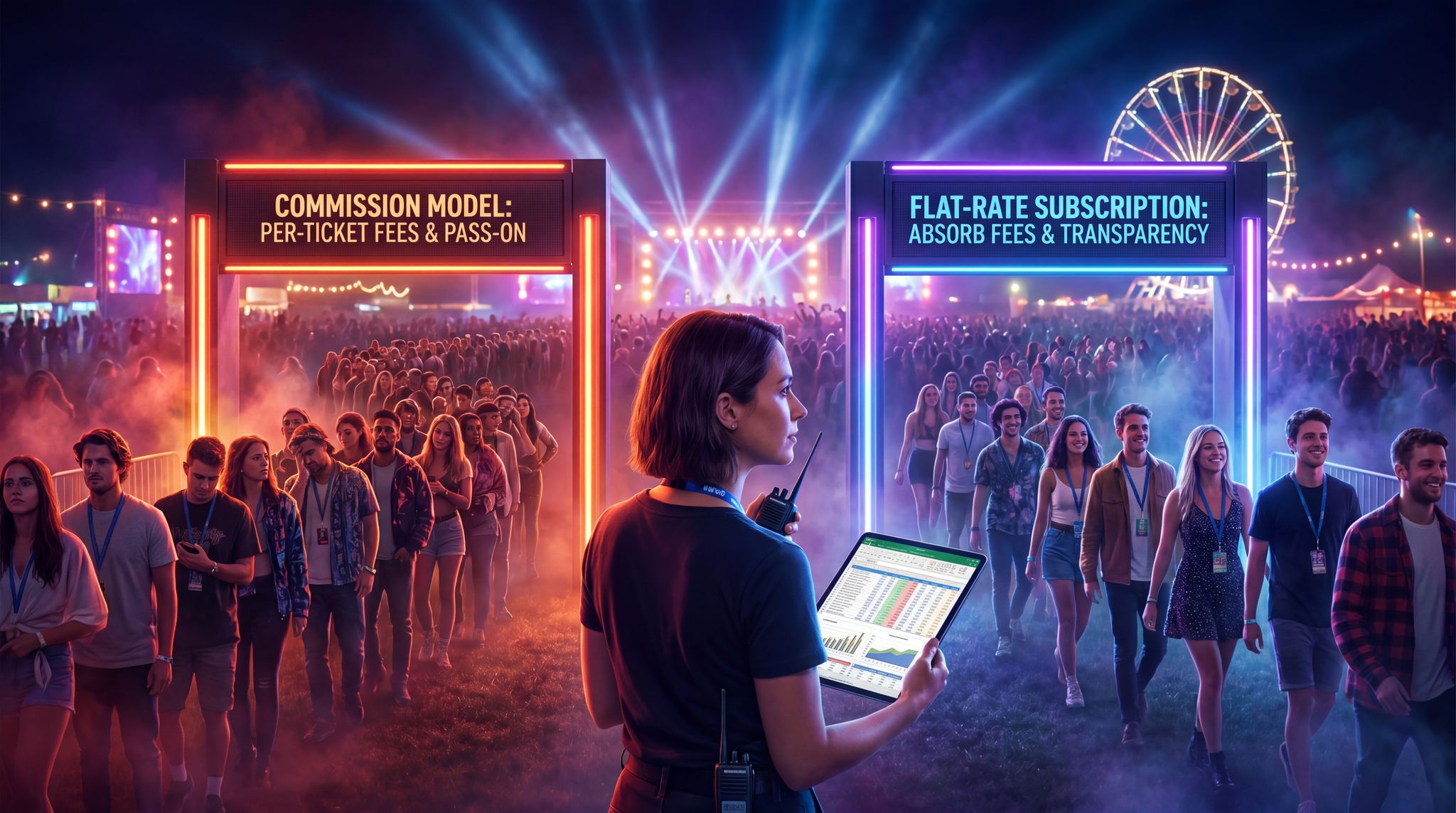
Selecting the right ticketing platform for music festivals plays a massive role in how these fees are structured and presented. As a producer, you need to evaluate the software’s underlying cost model to ensure it aligns with your transparency goals. For instance, comparing flat-rate SaaS plans for unlimited attendees versus traditional per-ticket pricing can significantly impact your bottom line. A per-ticket model might make sense for a boutique first-year event, while an established mega-festival might benefit from a predictable flat-fee structure, allowing them to pass those savings directly to the fans.
Structuring Your Inventory: Ticket Types, Features, and Price Ranges
Before finalizing your tier ladder, it is essential to outline concert ticket types, features, and typical price ranges that make up your overall inventory. A well-structured ticketing matrix allows promoters to capture different segments of the market, from budget-conscious students to high-net-worth attendees seeking luxury. When designing your event’s ticket categories, consider a standard three-tier approach to inventory types.
First, the General Admission (GA) ticket serves as your baseline. Features typically include standard entry, access to main stages, and standard food and beverage areas. The price range here represents your “normal admission price,” which should be benchmarked against local market conditions. Second, many modern festivals introduce a GA+ (General Admission Plus) category. This mid-tier option bridges the gap between standard entry and full VIP. Features often include expedited entry lanes, dedicated air-conditioned restrooms, and perhaps a private cash bar. Typically, GA+ is priced at a 1.5x to 2x multiplier of the standard GA rate. Finally, VIP and Super VIP packages cater to premium buyers. These passes feature exclusive viewing decks, complimentary catering, artist meet-and-greets, and concierge services. Price ranges for these top-tier options usually start at 2.5x the base price and can scale up to 5x or more, depending on the exclusivity of the perks.
VIP and Premium Tiers: Tie the Price to Real Perks
Offering VIP or other premium tickets can boost revenue and cater to attendees looking for an upgraded experience – but premium prices must be tied to real utility. In recent years, festivals around the world have expanded VIP offerings, from special lounges to front-row viewing areas. The golden rule: make sure these perks deliver true value and don’t come at the expense of the general audience.
What makes a good VIP package? Think about amenities that genuinely enhance the festival experience:
– Comfort and Convenience: Provide shaded areas, seating or chill-out lounges where VIP guests can escape the crowds. For example, Coachella (USA) offers VIP areas with shade, seating, and nicer restrooms – welcome relief in the California desert.
– Better Views (Without Blocking GA): If you promise a special viewing area, design it carefully. Perhaps an elevated platform to the side of the main stage or a front section that’s limited in size. The perk is a clearer sightline for VIPs, but it shouldn’t ruin the view for GA behind them. Some festivals raise VIP viewing decks so that those behind can still see the stage. Lollapalooza (USA) uses two elevated “Lolla Lounge” platforms that overlook the crowd, giving VIPs a great view without boxing out GA fans.
– Exclusive Services: This could include fast-track entry lanes (skipping long lines), dedicated premium bars with craft cocktails, or gourmet food vendors exclusive to VIP areas. Shaky Knees Festival (USA) for instance has offered free beer and catered food in their VIP section – a tangible value for the higher ticket cost.
– Luxury Facilities: Upscale restrooms (air-conditioned trailers instead of porta-potties), phone charging stations, storage lockers, or even spa services (massage stations, makeup/hair touch-ups) can make VIPs feel pampered.
– Unique Experiences: Some festivals include meet-and-greets, backstage tours, or exclusive sets (a short acoustic performance just for VIPs, for example). At Bonnaroo (USA), VIP campers get a prime camping location and special showers; at Splendour in the Grass (Australia), certain premium passes include access to an exclusive bar that offers artist DJ sets.
Beyond on-site amenities, consider the entire attendee journey. Partnering with local hotels or tourism boards to create all-inclusive travel bundles is a massive value-add. Fans traveling from out of town frequently look for comprehensive options—much like how attendees seek out packages that include tickets to major city-wide events, such as the Toronto International Film Festival. Providing integrated hotel, shuttle, and access passes not only justifies a premium price but also guarantees a stress-free logistical experience for your highest-paying guests.
Go Cashless With RFID Technology
Enable contactless payments, faster entry, and real-time spending analytics with RFID wristbands and NFC-enabled ticketing for your events.
The price difference for VIP should feel justified. Attendees will compare notes; if your VIP costs double or triple GA, the perks should be unquestionably worth the premium. A savvy festival organiser in Singapore noted that their VIP ticket holders spent more time (and money) on-site because amenities like comfortable lounges and shorter lines kept them happy – boosting concession revenues too. The lesson: well-designed VIP perks can increase both ticket and secondary spend, but overcharging for a glorified “VIP” wristband with little benefit will backfire. Empty VIP areas or unsold VIP tickets are a clear sign the value proposition is off.
Protect the General Audience Experience
In pursuing VIP revenue, never lose sight of your core attendees – the General Admission ticket holders who make up the majority of the crowd and energy. A common misstep in recent years has been “VIP creep”: expanding VIP sections or benefits in ways that encroach on GA enjoyment. The most glaring example is when VIP viewing areas block the best sightlines, leaving GA attendees literally and figuratively behind.
Festival-goers notice these things. Social media will light up with anger if, say, a half-empty VIP pit at the front means regular fans are kept far from their favourite artist. Promiseland Festival in Australia faced a storm of criticism in 2023 for separating the moshpit into VIP and GA sections with a huge gap – GA fans complained they were so far back the performers looked like ants, and some even jumped the barricades in frustration. To their credit, Promiseland’s organisers listened to the feedback and announced they’ll remove the split pit in future editions, keeping everyone together. The takeaway: creating exclusivity should not diminish the main experience for others.
There are ways to serve VIPs without slighting GA:
– Limit how much prime real estate the VIP area occupies at stages. If GA folks are paying good money for your festival, they deserve an excellent show view too. Some European festivals, like Primavera Sound (Spain), keep VIP sections off to the side rather than taking up the whole front row.
– If you add perks like a separate VIP entrance or VIP-only bathrooms, ensure GA still has adequate resources. Nothing breeds resentment faster than GA ticket holders waiting 40 minutes at a bar while VIP has multiple bars with no lines. Balance the allocation.
– Solicit attendee feedback. After each event, gather input on whether the audience felt any aspect was unfair. You might find out, for example, that your VIP early entry caused GA folks to miss out on grabbing spots for a headline act. With that knowledge, you could adjust policies (like letting GA in slightly earlier or reserving some space for GA at the front).
A festival lives or dies by its reputation among the fans. Treat GA attendees like the valued community they are. Many experienced festival producers, from Glastonbury’s Michael Eavis to Bangalore Open Air’s Salman U. Syed, focus on egalitarian touches – making sure the magic of the event is shared by everyone, not just those with deeper pockets. This philosophy pays off in loyalty and word-of-mouth marketing that money can’t buy.
Ethical Yield Management (No Price Gouging)
Yield management – the practice of adjusting prices or offering deals based on demand and sales pace – can be a useful tool for festival ticketing. Airlines and hotels use it all the time to maximise revenue, but festivals must apply it very carefully and ethically to avoid alienating fans. The goal is to maximize sales and attendance without anyone feeling ripped off.
Smooth Entry With Mobile Check-In
Scan tickets and manage entry with our mobile check-in app. Supports photo ID verification, real-time capacity tracking, and multi-gate coordination.
Here are some ethical yield management tactics:
– Planned Tier Increases: As discussed earlier, use scheduled tiered pricing rather than surprise price jumps. If tickets are selling faster than expected, you might move to the next tier slightly sooner – but communicate it: “Due to incredible demand, Tier 1 is almost gone after just one day!”
– Discounts and Promotions: If sales are slower, consider offering value-add promotions instead of outright slashing prices in a way that undercuts early buyers. For example, you might throw in a free merchandise item or a drink voucher for new ticket purchasers for a limited time, rather than dropping the ticket price. This adds value without devaluing the earlier sales.
– Group Deals: Encourage group attendance by offering a slight discount for buying 4 or 6 tickets at once. This boosts volume and fills the venue without making single-ticket buyers feel they overpaid by comparison.
– Local Resident Tickets: Some festivals, like Boomtown Fair in the UK, allocate a number of discounted tickets to local residents as a goodwill gesture. This kind of community pricing can be a PR win and fill the crowd, while regular pricing remains for the broader audience.
– Avoid Opaque Dynamic Pricing: Real-time algorithmic price changes (like some concert ticket platforms use) are widely hated by music fans. Seeing a price jump by the minute based on demand makes people feel manipulated. Unless you’ve clearly educated your audience that prices will fluctuate (and this is rare in festivals), it’s safer to avoid this practice. Instead, stick to the transparent tier model or explicit “flash sales”. Fans will appreciate knowing what to expect.
When looking at yield management in concert ticket sales, promoters often rely heavily on dynamic pricing algorithms to capture maximum revenue from a single headliner’s tour. However, applying those exact same aggressive tactics to a multi-day festival can be disastrous for brand loyalty. Instead of fluctuating prices minute-by-minute, festival organizers should focus on optimizing their overall ticket yield through strategic tier allocations and targeted add-ons. By carefully forecasting demand and adjusting the volume of tickets available in each fixed-price phase, you can achieve a high average ticket yield while maintaining the trust of your core community.
An example of ethical yield management in action: Burning Man (USA) isn’t a typical profit-driven festival, but they use tiered ticket levels including a limited number of higher-priced tickets (priced over $1,000) which essentially subsidize lower-priced and scholarship tickets for those less able to pay. They frame it as a community ethos – those who can afford more help support the experience for others. The result? The event sells out and maintains a spirit of inclusion despite high demand. While your festival may not go that far, the principle is to align revenue tactics with your values and messaging.
In using any yield strategy, always ask: “Would I feel okay if I were a loyal fan paying this price?” If the answer is no, reconsider. Short-term gains from aggressive pricing can cost you more in goodwill than they’re worth. Fairness and integrity in your pricing approach contribute directly to your festival’s brand longevity.
Offer Ethical Payment Plans
Large-scale festivals often come with large-scale price tags for attendees. A $300 or $400 ticket (or equivalent in local currency) can be a big ask for young fans or those on tight budgets. Payment plans can be a win-win solution: fans get to secure their ticket and pay over time, and organizers lock in more early sales. However, it’s essential to implement payment plans ethically.
Best practices for payment plans:
– Low Barrier to Entry: Keep the initial down payment reasonable (e.g., 10-20% of the ticket price). Festivals like Electric Daisy Carnival (EDC) and Tomorrowland have offered layaway options where fans could reserve a ticket with a small deposit and pay the rest in monthly installments. This makes attendance more accessible.
– No Hidden Interest: Don’t treat a payment plan like a loan with high interest. Ideally, the sum of the installments should equal the original ticket face value (or only a token administrative fee added). If a $400 ticket ends up costing $500 through a payment plan, fans will feel cheated. Many ticketing platforms (including Ticket Fairy) offer installment plans that transparently split payments without exorbitant fees, which helps build trust.
– Clear Terms: Be upfront about the schedule and consequences. How many installments, taken on what dates? What happens if a payment fails? Do fans lose their ticket or is there a grace period? Ethical practice gives people a fair chance to fix an issue if a credit card payment doesn’t go through, rather than immediately canceling their ticket.
– Opt-In, Not Forced: Always make payment plans an option, not the default or only way to buy. Some unscrupulous operators might try to force everyone onto a payment plan with extra fees – avoid that. It should be an added convenience for those who need it.
Free Tool: Size Your Festival Site
Zoned capacity planning for arena, campsite, parking and entry lanes — against UK Purple Guide and NFPA density standards. Finds your bottleneck zone.
One positive example: Splendour in the Grass (Australia) introduced a payment plan for its pricier multi-day passes, which was well-received by festival-goers and helped the event sell out faster. On the contrary, if a festival were to use payment plans as a trap – say, luring buyers into a plan with fine print that penalizes them heavily for any missed payment – the backlash would be swift and severe once people catch on. Reputations are hard to rebuild, so do right by your community from the start.
Fairness Today, Fans for Life
Every decision in pricing should be viewed through the lens of long-term trust and community building. Festivals aren’t one-off products; they rely on repeat attendance and positive word-of-mouth. A fair pricing approach might sometimes mean foregoing a little extra profit now to cultivate loyalty that pays dividends later. When fans feel they’re treated honestly and not just as walking wallets, they form an emotional bond with the event.
Consider Primavera Sound – known for reasonably priced tickets given its star-studded lineups, it has grown from a local Barcelona event into a global brand with editions in multiple countries. Part of that success stems from fan trust: attendees know they’ll get great value. Decibel Festival in Indonesia focused on student-friendly pricing and bundle deals, rapidly building a young, passionate fanbase that returns annually.
On the flip side, a festival that gouges prices or layers on VIP tiers to the point of alienating most attendees might make a quick buck one year and then struggle to sell tickets the next. Live Nation’s dynamic pricing fiasco with some high-profile concerts in the US showed that even superstars aren’t immune to fan backlash when pricing is seen as unfair. Festivals have even greater need to nurture goodwill because they are communal experiences at heart.
In summary, the best festival producers become fan advocates. They put themselves in the attendee’s shoes when making pricing decisions. Yes, you want a healthy bottom line – and smart pricing will get you there – but the real goal is to create an event experience so amazing and equitable that people can’t wait to come back next year, and they bring friends. Fair pricing, transparent policies, and genuine value at every tier build a foundation of trust that can last decades.
Remember: a single festival weekend can turn into a lifelong tradition for someone. Price accordingly, not just to maximize this year’s revenue, but to invite that person back for the next ten years. That’s the true power of fairness in pricing.
Frequently Asked Questions
What is the best ticket tier structure for festivals?
A proven festival pricing model uses 3–4 simple tiers: Early Bird (discounted), Regular (moderate discount), and Final Phase (full price). This structure rewards early commitment and generates cash flow without confusing buyers. Organizers should clearly communicate tier transition dates or quantity limits to maintain transparency and trust.
How do festival organizers determine ticket prices?
Producers often reverse-engineer ticket prices by mapping expenses like talent fees and production costs against revenue goals. The base price must cover costs at near-capacity sales while remaining affordable for the specific target demographic. Comparing local economic conditions and competitor pricing helps establish a fair market value.
What are the most popular VIP perks for music festivals?
Effective VIP packages offer genuine utility like shaded lounges, exclusive viewing areas that do not block general admission sightlines, fast-track entry, and luxury restrooms. Perks must justify the premium price through tangible comfort and convenience, such as dedicated bars, phone charging stations, or air-conditioned facilities.
Why is transparent pricing important for event tickets?
Transparent pricing builds consumer trust by disclosing all booking fees, taxes, and surcharges upfront or using an “all-in” pricing model. Hidden fees revealed only at checkout frequently cause cart abandonment and public backlash. Displaying a clear cost breakdown ensures attendees feel treated fairly and increases conversion rates.
What is yield management in festival ticketing?
Yield management involves adjusting ticket strategies based on demand to maximize revenue and attendance. Ethical application includes scheduled tier increases, group discounts, or value-add promotions during slow sales periods. Unlike aggressive dynamic pricing, ethical yield management avoids surprise price surges that can alienate loyal fans.
How do festival ticket payment plans work?
Payment plans allow attendees to secure tickets with a small deposit (typically 10–20%) and pay the remaining balance in monthly installments. Ethical plans avoid high interest rates or hidden fees, ensuring the total cost matches the face value. This approach increases accessibility for younger demographics and boosts early sales.
How can festivals prevent VIP areas from ruining the general admission experience?
Organizers protect the general admission experience by ensuring VIP areas do not block prime stage views or dominate the front rows. Best practices include placing elevated VIP decks to the side and ensuring GA attendees have adequate facilities. “VIP creep” that encroaches on GA space damages long-term fan loyalty.
What are the risks of dynamic pricing for festivals?
Dynamic pricing risks damaging a festival’s reputation if real-time algorithmic surges make fans feel exploited. Unexpected price jumps create distrust and social media backlash, as seen with major concert tours. Festivals benefit more from transparent, published tier structures that allow fans to predict costs accurately without feeling manipulated.
How do organizers choose the right ticketing platform for music festivals?
Selecting the ideal system involves evaluating features like automated tier management, transparent fee structures, and flexible payment plan capabilities. Producers must also weigh the software’s cost model, comparing flat-rate SaaS plans for unlimited attendees against standard per-ticket pricing to determine which offers the best financial return and the fairest final price for the buyer.
How does festival yield management differ from yield management in concert ticket sales?
While yield management in concert ticket sales often utilizes real-time dynamic pricing to capitalize on immediate demand for a specific artist, festivals benefit from a more stable approach. Festival organizers optimize their overall ticket yield by adjusting the inventory allocated to fixed pricing tiers, offering group bundles, or introducing value-add promotions. This strategy maximizes revenue without the volatility that can damage long-term attendee trust.
How does ticketing for big festivals work behind the scenes?
Ticketing for large-scale festivals relies on enterprise-grade software designed to handle massive web traffic spikes through virtual waiting rooms. The backend system integrates directly with access control technology, such as RFID wristbands or dynamic QR scanners, to manage gate entry efficiently. Additionally, these platforms connect with CRMs and cashless payment systems to provide organizers with real-time data on sales, demographics, and on-site spending.
Should organizers choose SaaS plans for unlimited attendees vs per-ticket pricing?
When evaluating a ticketing platform for music festivals, organizers must weigh their volume and growth projections. Flat-rate SaaS plans for unlimited attendees offer predictable software costs, which is highly advantageous for established mega-festivals with massive capacities. Conversely, traditional per-ticket pricing models often suit first-year or boutique events better, as the costs scale directly with actual sales, minimizing upfront financial risk.
How can festival producers create travel packages similar to major city-wide events?
Producers can partner with local tourism boards and hospitality providers to bundle accommodations, shuttles, and VIP access. By studying successful models—such as how organizers structure packages that include tickets to Toronto’s major festivals, like the Toronto International Film Festival—promoters can design all-inclusive experiences. These premium bundles justify higher price points while offering out-of-town attendees a seamless, stress-free logistical journey.
What factors determine the normal admission price for a festival?
Setting the standard entry fee requires analyzing local economic conditions, production costs, and competitor pricing within the same region. Whether you are pricing a massive electronic dance music event or a boutique literature festival, establishing a normal admission price in the local currency ensures the cost aligns with the target demographic’s purchasing power, preventing the core audience from being priced out.
How should promoters outline concert ticket types, features, and typical price ranges?
A standard inventory outline includes General Admission (standard access, base price), GA+ (expedited entry and upgraded restrooms, typically priced 1.5x to 2x the base rate), and VIP (exclusive viewing areas and premium amenities, ranging from 2.5x to 5x the base price). Structuring these categories clearly helps organizers capture diverse market segments while setting accurate revenue expectations.
What does GA Tier 2 mean in event ticketing?
In event ticketing, GA Tier 2 refers to the second phase of General Admission pricing. Once the discounted Early Bird (Tier 1) allocation sells out or expires, the price increases to Tier 2. This phase usually represents the largest block of available inventory and serves as the core revenue driver for the festival before moving to final, full-price tiers.
What is a typical music festival ticket revenue breakdown by tier?
A standard music festival ticket revenue breakdown varies by event scale, but generally, Early Bird (Tier 1) accounts for 15-20% of total sales volume, providing essential early cash flow. Tier 2 (Regular) often makes up 50-60% of the volume, covering the bulk of fixed production costs. The final tiers and VIP packages, while lower in total ticket volume, command higher margins and frequently represent 25-30% of the overall gross revenue, driving the event’s final profitability.
What are the core components of effective festival ticket management?
Comprehensive festival ticket management involves coordinating inventory allocation, monitoring real-time sales velocity, and integrating box office data with on-site access control. For organizers, this means using robust software to track tier transitions, manage guest lists, and ensure secure, seamless entry for all attendees.
How do promoters decide how much festival tickets should cost?
Promoters determine how much festival tickets should cost by conducting a thorough break-even analysis. They calculate all fixed and variable production expenses, divide by a conservative attendance estimate, and benchmark the resulting figure against similar regional events to establish a fair, competitive baseline price.