Introduction:
Launching a film festival is a delicate art of timing and storytelling. The way a festival teases, announces, and sustains its presence before the big event can determine the hype, ticket sales, and community engagement it achieves. Seasoned festival producers understand that a well-planned launch calendar – from the initial “save the date” hint to the final awards night press release – is crucial for success. This guide breaks down the launch campaign into clear phases with practical advice, real-world examples, and lessons from festivals around the globe.
Mapping the Festival Launch Timeline
An effective launch timeline unfolds in phases: a Tease to spark initial interest, a big Announce to reveal the exciting content, and a Sustain period to keep the momentum going. Each phase comprises key milestones – such as releasing the festival dates, unveiling key art, rolling out line-up waves, publishing the schedule, and highlighting any awards. By mapping out these milestones on a calendar, festival producers ensure a steady drumbeat of news that keeps audiences and media engaged continuously. Importantly, each announcement should build on the last, creating a crescendo of anticipation leading up to opening night.
Phase 1: Tease – Building Early Buzz
In the Tease phase, the goal is to generate curiosity long before the full programme is ready. Start by announcing the dates and location early – essentially a “save the date” for your festival. This might be a simple social media post or an email to past attendees with the festival dates and a tagline like “Coming Soon: [Festival Name] [Year].” For example, major festivals often lock in their dates a year in advance; Venice Film Festival announced its 2025 dates and even the jury president (director Alexander Payne) months ahead of time, as confirmed when US director Alexander Payne was named head of the Venice jury. This early teaser not only helps guests plan travel but also signals to sponsors and press that something big is on the horizon.
Another powerful teaser is unveiling the key art or festival poster. Key art sets the tone and visual identity of the festival. Festivals often turn their poster reveal into an event of its own. The Cannes Film Festival is famous for its annual poster unveil – a tradition that stirs excitement internationally, as evidenced when the Cannes Film Festival 2024 poster was unveiled. In 2024, Cannes’ poster featured a still from Akira Kurosawa’s Rhapsody in August, aligning with the festival’s decision to honour Japan’s Studio Ghibli with a special award that year, a move designed to honour a collective studio instead of an individual artist. By coordinating the poster’s imagery with a broader theme (in Cannes’ case, a celebration of Japanese cinema), the festival created a narrative that media outlets were keen to cover. Lesson learned: when unveiling artwork or themes, connect them to a story or value that resonates with your audience or honours your festival’s community.
Free Tool: When Should You Announce?
Pick your event date and genre — the free planner outputs a recommended announce, presale, on-sale and reminder schedule anchored to how your audience actually buys.
Teasers can also include early talent or special guest news that grabs attention without giving away the whole line-up. Announcing a high-profile festival patron, jury chair, or a notable honouree well in advance can serve as a teaser. The key is that these tidbits should intrigue stakeholders (audiences, press, sponsors) and leave them wanting more. Keep teaser announcements short and sweet. A few examples: a film festival might share that a legendary director will receive a lifetime achievement award at the closing night, or a comic-con style festival might hint at a “very special reunion” without naming the participants yet. These create chatter on forums and social media as fans speculate.
During the tease phase, savvy festival organisers engage trusted media outlets quietly. Consider seeding exclusive bites of news to a friendly journalist or an industry blog. For instance, a small scoop like “Festival X to feature a never-before-seen director’s cut of XYZ classic” could be offered exclusively to a popular film magazine or website. These exclusive previews reward your media partners and ensure early coverage by publications that your target audience reads. By the time you’re ready for the big announcement, the buzz is already in motion, thanks to these strategic teases in the press.
Planning a Festival?
Ticket Fairy's festival ticketing platform handles multi-day passes, RFID wristbands, and complex festival operations.
Phase 2: Announce – The Big Reveal
The Announce phase is when you drop the high-impact news – typically the first wave of the line-up or main programme, and any headline attractions. This is often the moment ticket sales truly take off. In fact, research shows that a well-executed line-up announcement can drive up to 50% of total ticket sales in the first 24 hours, a statistic supported by analysis on line-up announcement strategy and ticket sales timing. So, treat this announcement like a premiere in its own right – orchestrate it meticulously. As you craft the press release and marketing around your line-up reveal, focus on what will grab headlines. Highlight any notable stars, premieres, or timely themes that make your festival’s program unique. For instance, when the Sundance Film Festival unveiled its 2025 line-up, the announcement underscored star power (like a new film featuring Jennifer Lopez) and spotlighted films on pressing issues (from music legends to the Ukraine war) to capture broad interest, highlighted by reports that the 2025 Sundance Film Festival lineup features high-profile debuts. By showcasing these angles, you make it easier for media and audiences to latch onto your news.
Plan the announcement cadence. Many festivals choose a multi-step announcement to maximize exposure. The “first wave” line-up reveal might include the most anticipated films (or artists, for music festivals) and perhaps the opening night feature. For example, South by Southwest (SXSW) Film & TV Festival in Texas revealed its opening night film along with a slate of competition titles and select premieres as an initial announcement, with the rest of the line-up promised a few weeks later, similar to how South by Southwest announced its initial film and TV lineup. This strategy of splitting the line-up into waves keeps the festival in the news over an extended period. The first wave grabs everyone’s attention, and subsequent waves (like the full line-up announcement, or additions of special screenings) sustain and boost that interest.
When announcing, coordinate across all channels. Simultaneously release the information on your website, social media, email newsletters, and via an official press release to media. Inconsistency or delays can confuse audiences – you don’t want fans seeing a headline in the press before the update hits your own website or official pages. Prepare a press kit in advance with all the key details: dates, venue, ticket info, the list of films or performers, high-quality images, and quotes from the festival director or key figures. This makes journalists’ jobs easier and increases the chance of widespread coverage.
Consider offering an embargoed exclusive to a major outlet for a portion of the news. For instance, perhaps Variety or The Hollywood Reporter gets to publish an interview with your festival director or a sneak peek at a particularly newsworthy film in your line-up just hours before your announcement goes fully public. By the time you officially announce, that story acts as a catalyst, being shared widely. Exclusive stories with trusted outlets can amplify your message; they also signal to other media that your festival is one to watch (prompting them to follow up with coverage of their own).
Free Tool: Size Your Festival Site
Zoned capacity planning for arena, campsite, parking and entry lanes — against UK Purple Guide and NFPA density standards. Finds your bottleneck zone.
Don’t forget the local angle. While international press is great, a festival producer should also inform local media and community stakeholders about the announcement early. Local newspapers, radio, and city blogs can be your champions, especially for regional festivals or smaller film festivals. A hometown success story – “Our city’s film festival brings in a world premiere!” – can rally community support and drive word-of-mouth ticket sales among locals.
On announcement day, create some fanfare. Host a countdown on social media (“3 days until the big reveal…”) to build anticipation. Perhaps organise a small launch event or press conference, in-person or virtual, to unveil the line-up and key art together. The Melbourne International Film Festival, for example, has held programme launch events where the director presents highlights to an audience of press and members – turning the announcement itself into a celebratory gathering for the film community. Whether it’s a live video stream or a simple press release drop, ensure the reveal feels like an occasion. First impressions count here: double-check all names and titles for accuracy, ensure pronunciation guides are available for international titles or guest names, and be ready to answer questions from press or fans.
Need Festival Funding?
Get the capital you need to book headliners, secure venues, and scale your festival production.
After the announcement, be responsive. Monitor the immediate reaction on social media and in press coverage. Engage with excited comments (“We can’t wait either!”) and promptly address any confusion or errors (if a film title was listed incorrectly somewhere, fix it everywhere). This shows professionalism and that you’re listening.
Lastly, anticipate ticketing surges. If you timed ticket sales or early-bird deadlines with your announcement, be prepared for a spike. Nothing sours excitement like a crashing ticket website. Using a robust ticketing platform that can handle traffic is crucial. (Ticket Fairy’s ticketing platform, for instance, is designed to handle high demand on-sales and provides real-time sales analytics so you can watch the numbers climb smoothly.) A seamless purchase experience during the hype will convert curious onlookers into attendees effortlessly.
Phase 3: Sustain – Maintaining Momentum
Once the initial announcement buzz settles, it’s time to keep your festival top-of-mind during the wait for opening night. The Sustain phase is all about bridging the gap between the announce and the event itself, ensuring interest doesn’t fizzle out. Here’s where consistent community engagement, additional content, and smart reminders come into play.
Plan follow-up announcements to inject new energy every few weeks. You might release the full and final line-up if you only shared a first wave initially. Or, unveil specific sections of your programme one at a time – for film festivals, perhaps “Documentary Spotlight selections revealed” or the list of films in competition, if that wasn’t in the first wave. Announcing the schedule is another big moment: once people know when each film is screening and at which venues, they can start planning their festival experience in detail. A schedule release is a perfect opportunity to encourage fans to start using your festival app or website planner to bookmark events (if those tools are available). It’s also a cue for media to publish “What to see at [Festival]” pieces, highlighting not-to-miss entries on each day.
Data-Driven Event Marketing
Track ticket sales, demographics, marketing ROI, and social reach in real time. Exportable reports give you the insights to make smarter decisions.
Between these formal announcements, keep the story alive with behind-the-scenes content. Audiences love to feel like insiders. Share updates on how the festival preparations are going: maybe a short video of the programming team buried in screeners with coffee in hand, or an interview with a filmmaker whose movie will premiere at the festival about what audiences can expect. Creator reveals are great too – for instance, post a short clip of a director greeting the future festival audience (“Hi [City]! I’m so excited to bring my film to your festival in two months!”). Such personal touches forge a connection between the artists and the audience and remind everyone why the festival is special.
Social media is your playground during the Sustain phase. Run engagement campaigns: Q&A sessions with organisers (“Ask me anything about how we choose the films!”), polls (“Which of these newly announced titles are you most excited for?”), or contests (ticket giveaways, or user-generated content contests like fan art of the festival poster). Highlight your festival’s community involvement as well – if your festival runs outreach programmes or workshops (like free film-making classes for local youth, or community screenings in neighbourhoods), now is the time to showcase them. When a festival genuinely engages its community, it builds goodwill and loyalty. For example, the Berlin International Film Festival’s “Berlinale Goes Kiez” initiative brings festival films to art-house cinemas in neighbourhoods across the city, where the Berlinale Goes Kiez initiative brings festival films to diverse audiences, turning the festival into a citywide celebration and earning praise from local audiences. Showcasing such initiatives on your channels not only fills the gaps between major announcements but also boosts the festival’s image.
This phase is also ideal for exclusive stories that delve deeper. Remember those trusted press outlets? Post-announcement, invite a journalist to do a feature on the “making of” your festival – perhaps an interview with the programming director about how they curated this year’s theme, or a spotlight on the local impact of the festival (economic, cultural). These narratives keep media interest alive beyond just the listing of films or events. Smaller festivals in particular can benefit from human-interest angles (like a profile of a passionate volunteer or the story of how the festival started in someone’s garage). Each piece adds layers to the festival’s identity.
As the festival draws very close, build hype to a peak. Use countdowns (“Only 10 days to go!”) and share practical information (venue maps, how to get tickets at the door, travel tips, COVID guidelines if applicable, etc.) so attendees feel prepared. If any famous guests or jurors haven’t been announced yet, now is the time to confirm and publicise them. A week out, you might drop an exciting update like “Surprise screening added!” or “Special guest Q&A after XYZ film!” — little last-minute bonuses that can push fence-sitters to buy tickets.
Finally, include the festival itself as part of the communications timeline. During the event, continue posting daily highlights: photos of red-carpet moments, short recaps of day 1, notable quotes from Q&As, and so on. This not only engages attendees on-site but also extends the experience to fans following from afar (and builds FOMO for those who missed out).
Don’t forget the Awards and Afterglow: If your film festival has awards (for example, jury prizes or audience choice awards), treat the awards announcement as a major media moment. Many film festivals see a burst of press coverage on the final day when winners are announced – it’s effectively the last big news hook of your festival cycle. Leverage it. Send out a press release immediately with the list of winners and any record-breaking facts (“This year’s Best Director winner is the first from Singapore in our festival’s history,” etc.). Highlighting your award-winning films and talent can also boost their profile and by extension, the prestige of your festival. Cannes, for instance, doesn’t let the momentum drop – as soon as the Palme d’Or is awarded, that news is broadcast worldwide, notably when Sean Baker’s Anora won the festival’s top honor, closing the festival with a triumphant note and setting the stage for future filmmaker stars.
Grow Your Social Following With Every Sale
Require social media follows, shares, or playlist adds to unlock presale access or special pricing. Turn every ticket purchase into audience growth.
After the festival, sustain the afterglow: share thank-you messages, after-movies (a recap video of the festival’s best moments), and perhaps an announcement of next year’s dates (so you’re already planting the seed for the next cycle – the tease for the next edition). Successes and learnings from the event can be communicated internally to the team and stakeholders, but outwardly, keep the tone celebratory and forward-looking.
Measuring, Learning, and Adapting
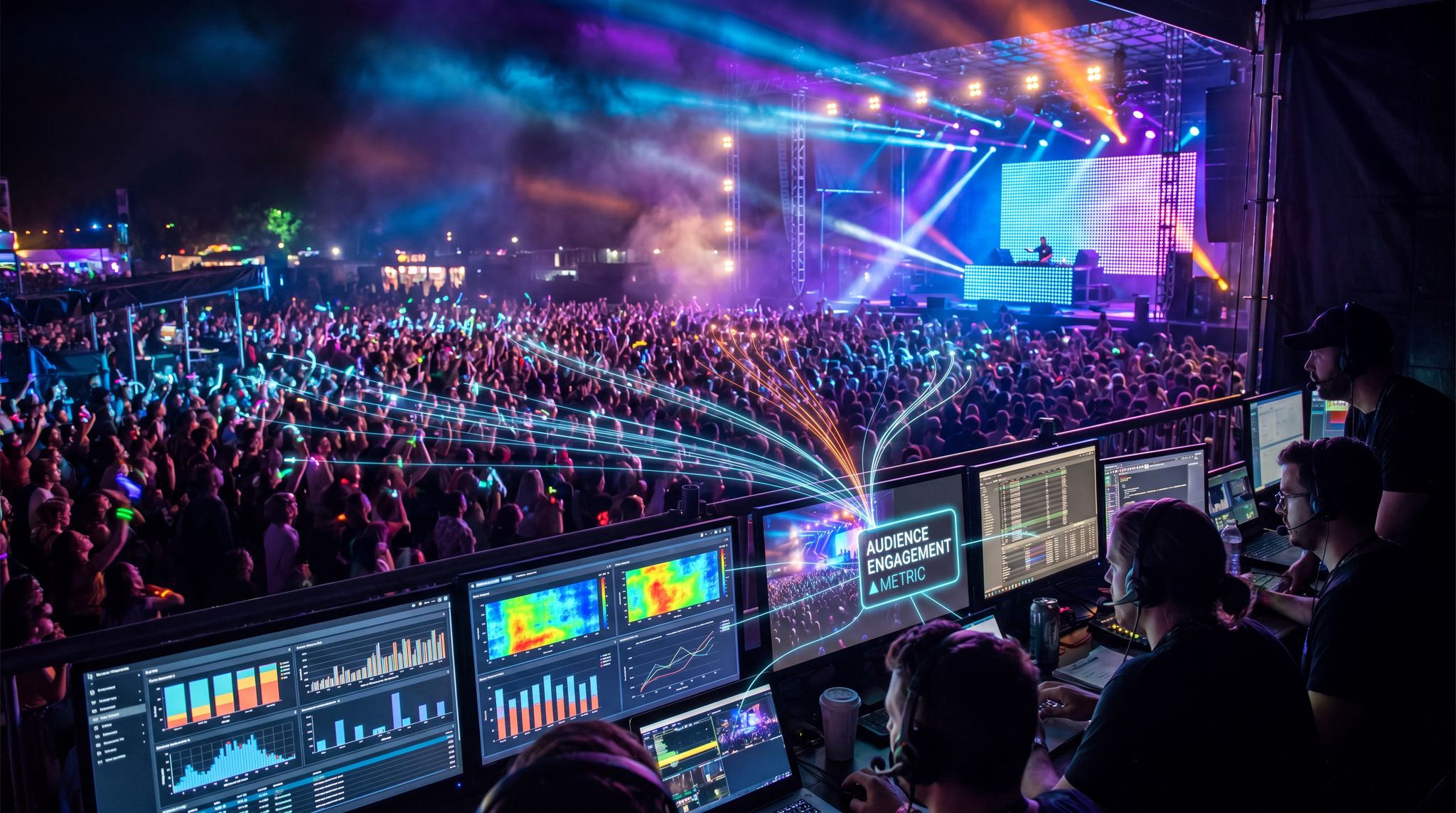
A masterful launch campaign is not set in stone from day one – it evolves with feedback and data. After each announcement “beat” (teaser, line-up drop, schedule release, etc.), measure the lift. Check your ticket sales – did the first wave announcement double your sales overnight, or was the uptick smaller than expected? Monitor web traffic and social media mentions – which posts got the most engagement? Track media coverage – how many outlets picked up your press release, and are the headlines positive? By setting specific metrics (e.g., aiming for a certain number of ticket sales or a boost in followers after each reveal), you can gauge success objectively.
Use modern tools to assist in this. Your ticketing platform can be a goldmine of real-time data. For example, Ticket Fairy’s dashboard offers real-time analytics so festival producers can literally watch ticket purchases as they happen and see which announcement triggered a spike, leveraging systems that enable real-time analytics for event ticketing platforms. If you notice, say, a huge surge right after announcing that Oscar-winning actor will attend, you know that celebrity appearances are a big draw – and you might decide to promote that angle even more in subsequent posts. Conversely, if the first wave line-up didn’t move the needle as much as hoped, perhaps plan a second wave with a surprise headliner or invest more in advertising to reach new audiences.
Flexibility is key. Adapt your plan based on the data. If you planned to drop three social media teasers but the first one already revealed too much (and there’s less excitement for the second), adjust the content – maybe switch the second teaser to something different, like a behind-the-scenes snippet, instead of another minor lineup hint. Or if you see more engagement on one platform (say Instagram is popping off but Twitter is quiet), allocate more content to the thriving channel. All the while, keep an eye on audience sentiment. Are people excited and sharing your news, or are there complaints (e.g., “Why no films from X country this year?” or “Ticket prices are high”)? Address what you reasonably can – sometimes a simple acknowledgment (“We hear you and we’re always striving to include more international diversity”) can turn a potential negative into a show of transparency and care.
Also, be ready for the unexpected. In festival planning, things can change last minute – a film might pull out, an artist may cancel, a venue might suddenly become unavailable. Having a launch calendar doesn’t mean rigidity; it means you’ve thought ahead enough that when changes happen, you can communicate them without losing trust. For instance, if a promised “first wave” film drops out, you might replace it with another and be honest with your audience about the swap, while emphasizing the strength of the rest of the line-up. This adaptability, paired with honest communication, earns respect from attendees and press alike.
In summary, treat your launch campaign as a living project. Capture the data, learn the lessons, and refine your approach year after year. The next edition’s strategy will be all the stronger for it.
Free Tool: Project Your Bar Revenue
Per-head spend benchmarks by event type turned into projected bar and food revenue, with a stock-mix estimate and gross-margin line. Free calculator.