Parades can be the crown jewel of a family-friendly festival – a moving spectacle of music, colour, and community. Yet for all their magic, parades can also overwhelm young children or older attendees if they’re too long, too loud, or too crowded. Experienced festival producers have learned that a gentle approach to parades keeps the sense of wonder alive for everyone. Designing shorter routes, moderating sound, providing ample comfort, and training staff in courteous crowd management all contribute to a parade experience where wonder survives when comfort leads.
Designing Short, Flexible Parade Routes
A successful family festival parade often starts with a smart route design. Keeping the parade circuit under 20 minutes ensures that children and those with limited stamina can enjoy the whole spectacle without fatigue setting in. Shorter routes also mean fewer logistical headaches – less street closure time, and a quicker return to other festival activities. For example, the Curragraigue St. Patrick’s Parade in Ireland proudly calls itself the country’s “smallest, shortest” parade and indeed lasted only about 20 minutes in 2018, a fact highlighted in coverage by the Independent. Its organisers, Michael Fortune and Aileen Lambert, found that staying small and brief actually increased local enthusiasm rather than diminishing it. This case shows that bigger isn’t always better – a concise parade can leave attendees delighted and wanting more, instead of exhausted.
Multiple exit points along the route are another key design choice for gentle parades. Families should never feel “trapped” for the duration. If a toddler gets antsy or a grandparent needs a break, clear exit routes or cross-overs let them leave the viewing area safely at any time. Many community parades plan their routes near open parks or parking lots to facilitate easy in-and-out access. For instance, Drogheda’s St. Patrick’s Day Parade in Ireland established a special low-sensory “Sensory Street” zone that was strategically located by a car park for quick access and departure, as detailed in reports on the Drogheda festivities. This meant families could slip out easily if kids needed a breather, and then rejoin the fun when ready. A short route with plenty of escape valves keeps the parade flexible and stress-free for attendees.
Keeping Sound Levels Family-Friendly
Nothing spoils a child’s first parade like covering their ears from blaring sirens or booming music. Gentle festival parades keep amplification moderate and balance the instruments to avoid sensory overload. This doesn’t mean eliminating music or energy – it means calibrating it to just the right level. Aim for a sound that excites but doesn’t frighten. In practical terms, that could involve setting a decibel limit for floats, using smaller speaker systems, and asking marching bands to play at a reasonable volume. It’s also wise to stagger loud units in the lineup: don’t place two drum ensembles back-to-back, for example, or follow one noisy float immediately with another blaring sound. Staggering performances prevents continuous high volume and gives the crowd’s ears brief rests, a strategy recommended in guides to inclusive celebrations.
Free Tool: Size Your Festival Site
Zoned capacity planning for arena, campsite, parking and entry lanes — against UK Purple Guide and NFPA density standards. Finds your bottleneck zone.
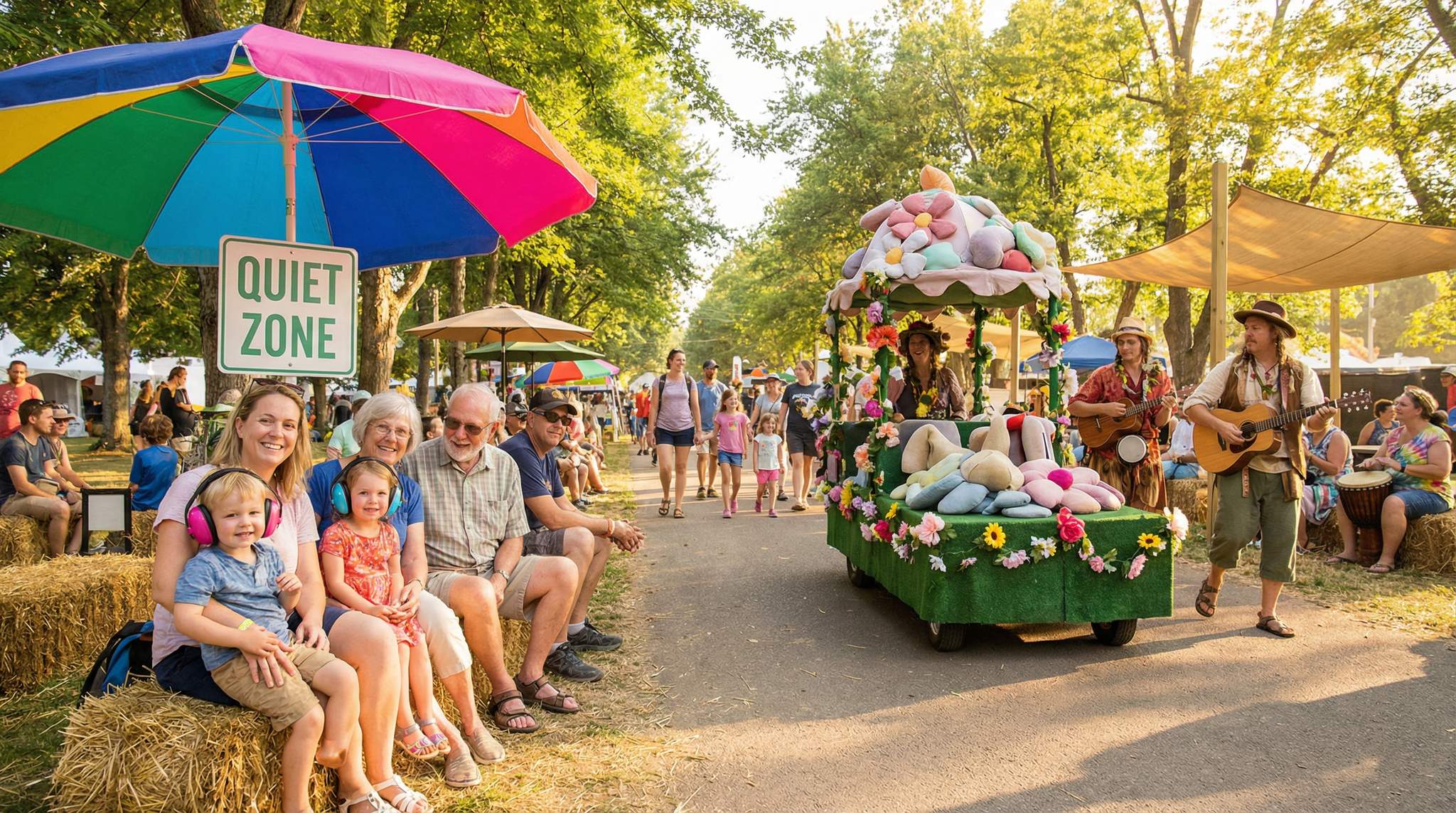
Real-world festivals have pioneered creative solutions to keep sound enjoyable. Several cities in Minnesota, USA designate “quiet zones” along their parade routes where floats turn off their horns and music for a block or two, an accommodation noted by Sophia’s Mission regarding sensory needs. This simple adjustment allows children with sensitive hearing (and noise-averse pets, and anyone craving a break) to enjoy the parade in peace. Similarly, Ireland’s Tralee St. Patrick’s Day Parade provides a “sensory street” section with no sirens, minimal drumming, and gentle crowd encouragement instead of loud chants, creating what Sensory Friendly Solutions describes as a welcoming environment. These initiatives are often developed in partnership with autism awareness groups, ensuring that the soundscape stays welcoming for neurodivergent attendees. The positive feedback from these efforts has been clear – instead of crying or fleeing the noise, more families stay and cheer until the parade’s end.
Keeping instruments balanced is another subtle art. Festival parade producers should coordinate with bands and performers on their setlists and amplification ahead of time. For instance, if one float features a brass band and the next float has a DJ with speakers, decide how they can each shine without drowning each other out. Perhaps the brass band plays an upbeat tune, then as they round a corner and fade, the DJ float picks up with a dance track – alternating segments rather than competing. Sound checks before the parade can help identify if any one instrument or float is overly loud, or if certain frequencies (like very deep bass or high-pitched whistles) might be uncomfortable. Tweak the mix to ensure the music is enjoyable all along the route. Remember, a family-friendly parade is not a rock concert – clarity and melody at moderate volume will enchant the crowd far more than sheer volume.
Planning a Festival?
Ticket Fairy's festival ticketing platform handles multi-day passes, RFID wristbands, and complex festival operations.
Comfort Along the Route: Water, Seating, and Shade
A gentle parade respects the basic comfort of its audience. That means thinking about thirst, tired legs, and hot sun or cold wind. Place water and seating along the route so that no one has to choose between missing the parade or staying uncomfortably. Many festivals set up hydration stations or invite vendors to offer water (sometimes even free water refills, especially on hot days). Shaded areas or umbrellas are invaluable for midday parades under strong sun. At some religious festivals like Eid al-Fitr, parade planners recognise the impact of heat and provide shade and hydration stations to keep everyone safe, a practice emphasized in resources for sensory-friendly parades. At larger events, organisers have even provided cooling tents or misting stations – for instance, a quiet “escape tent” at the Twin Cities Pride festival in Minneapolis offers a cool, calm space near the route where attendees can relax on hammocks and use stress-relief items, as reported by Sophia’s Mission on festival accommodations. On a smaller scale, simply having a few benches or hay bales spaced out down the street can give parents and grandparents a place to rest their feet during pauses in the parade.
Seating is particularly important in family zones. Consider reserving a front-row section for families with young kids, complete with some seating. This was done at the Dublin St. Patrick’s Festival in Ireland, where the organisers set up a dedicated “Relaxed Parade Space” that included limited seating, a sensory play area, and even a quiet café corner for those needing a break, detailed on the St. Patrick’s Festival website. By providing a comfortable viewing area, Dublin’s parade ensured that even attendees who normally avoid crowds – such as children with autism or elderly visitors – could join the festivities without discomfort. Even if your festival can’t create a whole separate zone, you can still scatter amenities along the parade route: drinking water taps, first aid and stroller stations, portable toilets, and clearly marked chill-out spots. These comfort provisions turn a parade from a test of endurance into a family outing where everyone feels cared for.
Training Marshals for Polite Spacing and Safety
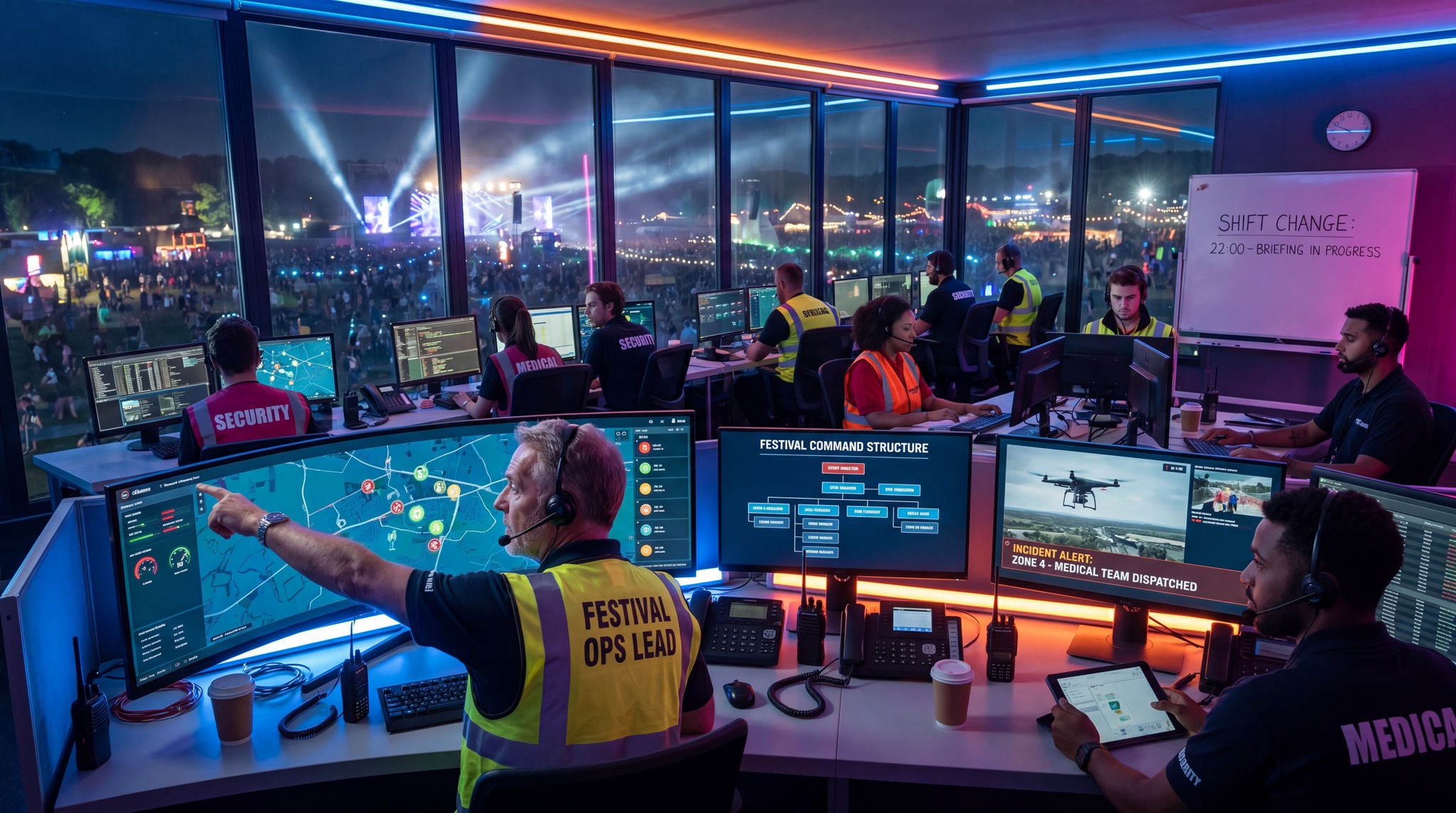
Behind every smoothly run parade is a team of marshals or stewards ensuring things stay orderly. For a gentle parade, marshals should be trained not just in safety and timing, but in polite, empathetic spacing. What does this mean? First, it’s about maintaining safe distances between parade units. Marshals can subtly slow down or pause a float if it’s bunching up too closely to the group ahead, preventing sudden crowding or noise bursts. Keeping a bit of space between bands, vehicles, or performance groups creates natural buffers – a float with loud music passes by, and the next few moments are calmer before the next act arrives. This pacing gives families small breaks throughout the parade, aligning with the goal of avoiding sensory overload.
Polite spacing also refers to how marshals manage the spectators. In family-friendly settings, staff should approach crowd control with courtesy over authority. Trained volunteers can gently remind excited kids not to inch past safety barriers or onto the street, without scolding. If a child or person with a disability needs to cross the parade, marshals can kindly pause the procession momentarily or guide them through a gap when it’s safe. All of this requires training the crew to be patient, alert, and warm in their interactions. Festivals around the world have shown the value of this approach. The best parade marshals act like hosts – keeping things on track but also making attendees feel welcome and safe. For example, at inclusive parades like those in Wexford, Ireland, volunteers from local autism support networks are present specifically to assist families in sensory-friendly areas. Their presence not only helps those who need a hand, but also sets a compassionate tone that spreads to everyone working the event.
Turn Fans Into Your Marketing Team
Ticket Fairy's built-in referral rewards system incentivizes attendees to share your event, delivering 15-25% sales boosts and 30x ROI vs paid ads.
In planning, be sure to brief your marshals on all the comfort initiatives: where the exits are, which zone is quieter, who might need extra help. A well-informed team can then be proactive. They might carry extra earplugs to hand out to parents, or know the fastest route to escort a lost child back to the family reunification point. Empower your marshals to be problem-solvers and ambassadors of kindness. When the people running the parade are considerate and calm, the crowd follows suit, and the entire atmosphere stays magical.
Engaging the Community and Embracing Inclusivity
One secret to designing gentle parades is involving the community – especially groups who understand the needs of families and those with sensitivities. Many festivals have achieved success by partnering with local health or advocacy organisations to make their parades more inclusive. When Drogheda’s St. Patrick’s festival organisers wanted to create a sensory-friendly section, they collaborated with Autism Support Louth & Meath to get it right, according to local news coverage of the event. In Wexford, the committee worked with the Cottage Autism Network to set up a “Sensory Inclusion Street” along the route. These groups provided input on everything from lowering noise to providing trained staff, ensuring that the parade was truly accessible. The result? Families who previously stayed home now come out and enjoy the celebration, grateful that the festival listened and responded to their needs.
Need Festival Funding?
Get the capital you need to book headliners, secure venues, and scale your festival production.
Community engagement can also mean consulting local residents and businesses on the parade plan. A short route with multiple exits might be chosen not only for the attendees’ comfort but also to minimise disruption to the neighbourhood. When festivals involve town councils or resident committees in planning, they often get insights like where to place seating or how to handle stroller parking. The gentler the parade is on its environment, the more goodwill it builds. In return, locals are more likely to volunteer as marshals or promotional ambassadors, further enhancing the parade’s family-friendly vibe.
It’s important to note that inclusivity measures benefit everyone, not just those with special needs. Creating a comfortable parade experience prevents what some experts call the “split family” situation – where one parent has to stay home with an overwhelmed child while the rest of the family attends, a challenge highlighted by advocates for sensory accessibility. By making accommodations like quiet zones, rest areas, and flexible viewing spots, festivals allow whole families to participate together. This increases attendance and community happiness. As Jillian Nelson of the Autism Society of Minnesota observed after adding sensory support to events, neurodiverse people could celebrate with the rest of the community while still having the support needed to participate without stress, as noted in interviews with the Autism Society of Minnesota. In other words, inclusive planning doesn’t just solve a problem; it actively creates joy and shared memories for a wider audience. That’s a win-win any festival producer can get behind.
Balancing Delight with Comfort
Designing a gentle parade is an exercise in empathy and thoughtful creativity. It’s about seeing the event through the eyes (and ears and feet) of a child, a parent, a senior citizen, or a person with autism and asking: will they still be smiling at the end? The best festival organisers know that the magic of a parade is fragile – it flourishes under just the right conditions. By keeping routes short and manageable, controlling sound to pleasant levels, offering water and seats like an open invitation to relax, and guiding the festivities with kind, attentive staff, you create those conditions.
In this way, comfort becomes the catalyst for wonder. A child who isn’t overwhelmed can focus on the sparkling costumes and friendly clowns. A parent who isn’t stressing about logistics can hoist their kid onto their shoulders for a better view. A performer who isn’t straining to shout above chaos can engage playfully with the crowd. Everyone benefits when the atmosphere is tuned for enjoyment rather than endurance. The gentle parade approach does not dampen the fun – it amplifies the joy in a sustainable way.
Free Tool: Project Your Bar Revenue
Per-head spend benchmarks by event type turned into projected bar and food revenue, with a stock-mix estimate and gross-margin line. Free calculator.
As you plan your next festival parade, remember that wonder survives when comfort leads. Prioritising the well-being of your audience doesn’t make an event any less spectacular; it makes it more memorable. Families will talk about how magical the day felt, precisely because every detail was geared towards making them feel welcome, safe, and delighted. A parade where young and old alike are comfortable is one where the true spirit of celebration can shine the brightest.
Frequently Asked Questions
How long should a family-friendly parade route be?
A successful family festival parade should keep the circuit under 20 minutes to prevent fatigue. This duration ensures children and attendees with limited stamina enjoy the spectacle without becoming exhausted. Shorter routes also reduce logistical issues like street closures, as demonstrated by successful community parades that prioritize concise, high-energy experiences.
What are quiet zones in festival parades?
Quiet zones are designated sections along a parade route where floats turn off horns, sirens, and loud music. These areas accommodate children with sensitive hearing, neurodivergent attendees, and pets. Cities like those in Minnesota use these zones to prevent sensory overload, allowing families to enjoy the event peacefully without noise-induced stress.
How can festival parades be made sensory-friendly?
Organizers make parades sensory-friendly by moderating sound levels, staggering loud units, and creating specific sensory streets with no sirens. Partnering with autism advocacy groups helps implement these changes effectively. Providing escape routes and quiet tents allows attendees to take breaks, ensuring the environment remains welcoming for neurodivergent individuals.
What amenities improve comfort at festival parades?
Essential parade amenities include accessible water stations, shaded areas, and seating options like benches or hay bales. Providing hydration and rest spots prevents exhaustion, especially during hot weather. Dedicated family zones with seating, like Dublin’s Relaxed Parade Space, ensure elderly visitors and young children can watch comfortably without physical strain.
How do you design a short parade route for families?
Design short parade routes by keeping the total duration under 20 minutes and incorporating multiple exit points. Locate the route near parks or parking lots to facilitate easy access and departure. This flexibility prevents families from feeling trapped and allows for quick exits if children become overwhelmed or tired.
What is the role of parade marshals in family events?
Parade marshals ensure safety and maintain polite spacing between floats to prevent crowding and noise overlap. In family-friendly events, they act as hosts who gently guide spectators and assist with crowd control. Marshals should be trained to identify attendees needing assistance, such as helping families navigate to quiet zones.
How can parade organizers manage sound levels?
Organizers manage sound by setting decibel limits, using smaller speaker systems, and staggering loud performances so they do not play back-to-back. Coordinating setlists between floats prevents audio competition, such as alternating between a brass band and a DJ. Sound checks help identify uncomfortable frequencies to ensure a pleasant volume for spectators.
Why is community engagement important for parade planning?
Community engagement allows organizers to consult with local residents and disability advocacy groups to identify specific needs. Collaborating with organizations like autism networks ensures accurate implementation of sensory-friendly measures. Involving locals in planning route logistics, such as seating placement, builds goodwill and encourages volunteer participation, enhancing the event’s inclusivity.