Technological advancements are making a huge impact on the event industry. Over the past few years, event organizers have seen how event technology is transforming not only how events are structured but also how they’re marketed to attendees. Since the onset of COVID-19, technology has allowed events to adapt rapidly to change – from virtual concerts to online expos. Even when physical gatherings were shut down, platforms like the metaverse enabled organizers to bring the thrill and excitement of events to people’s homes. Fast forward to 2026, and the metaverse has truly transformed the landscape of events, shifting perspectives toward a tech-driven world while still bringing joy to attendees in new ways.
Although not an entirely new concept, the metaverse has taken root in pop culture these past few years, exploding with new users and experiences every year. Major brands and artists are embracing it: for instance, Decentraland’s Metaverse Fashion Week launched in 2022 with over 100,000 virtual attendees and featured luxury labels like Dolce & Gabbana and Tommy Hilfiger, as reported by Music Ally regarding Decentraland’s attendance figures. In the music world, superstar concerts have gone virtual – Travis Scott’s 2020 Fortnite show drew 12.3 million concurrent viewers according to TechGenyz – and even the MTV Video Music Awards added a “Best Metaverse Performance” category in 2022 (K-pop group BLACKPINK won the inaugural award), setting a Guinness World Record for the achievement. According to industry data, roughly 400 million people worldwide are active users of metaverse platforms as of 2024. Surveys show about 28% of global consumers are interested in attending virtual concerts or events – a significant segment that is curious about what metaverse events can offer. Tech giants are investing heavily in this space as well; as of 2025, Meta (Facebook) had poured over $68 billion into building metaverse and VR technologies, and 2023 saw Apple unveil its Vision Pro AR/VR headset, signaling big bets on immersive mixed reality experiences. In short, the metaverse is no longer sci-fi – it’s becoming a practical tool for events of all kinds.
Understanding what is a metaverse event
Before we explore different types of events hosted in the metaverse, it’s important to understand what exactly the metaverse is. At its core, the metaverse is a network of virtual environments where people can interact in real time through digital avatars. It’s a vague concept made real by the convergence of multiple technologies – VR (virtual reality) headsets, AR (augmented reality) overlays, powerful game engines, social media networks, and even blockchain assets – all combining to create immersive, shared worlds. In a metaverse event, attendees enter a completely virtual space (or a hybrid mix of virtual and physical) where meaningful interaction can take place despite everyone being behind a screen. The goal is to provide a virtual event experience on par with in-person events, recreating the sense of presence and community through technology.
For event organizers, transitioning from a standard webinar to a fully realized metaverse virtual event requires a strategic shift in production value. Unlike traditional 2D streams, these immersive digital gatherings demand that promoters think like world-builders, focusing on spatial design, avatar interaction, and digital crowd flow. By treating the virtual venue as a primary asset rather than an afterthought, operators can deliver a premium experience that justifies ticket prices and attracts high-tier sponsorships.
Smooth Entry With Mobile Check-In
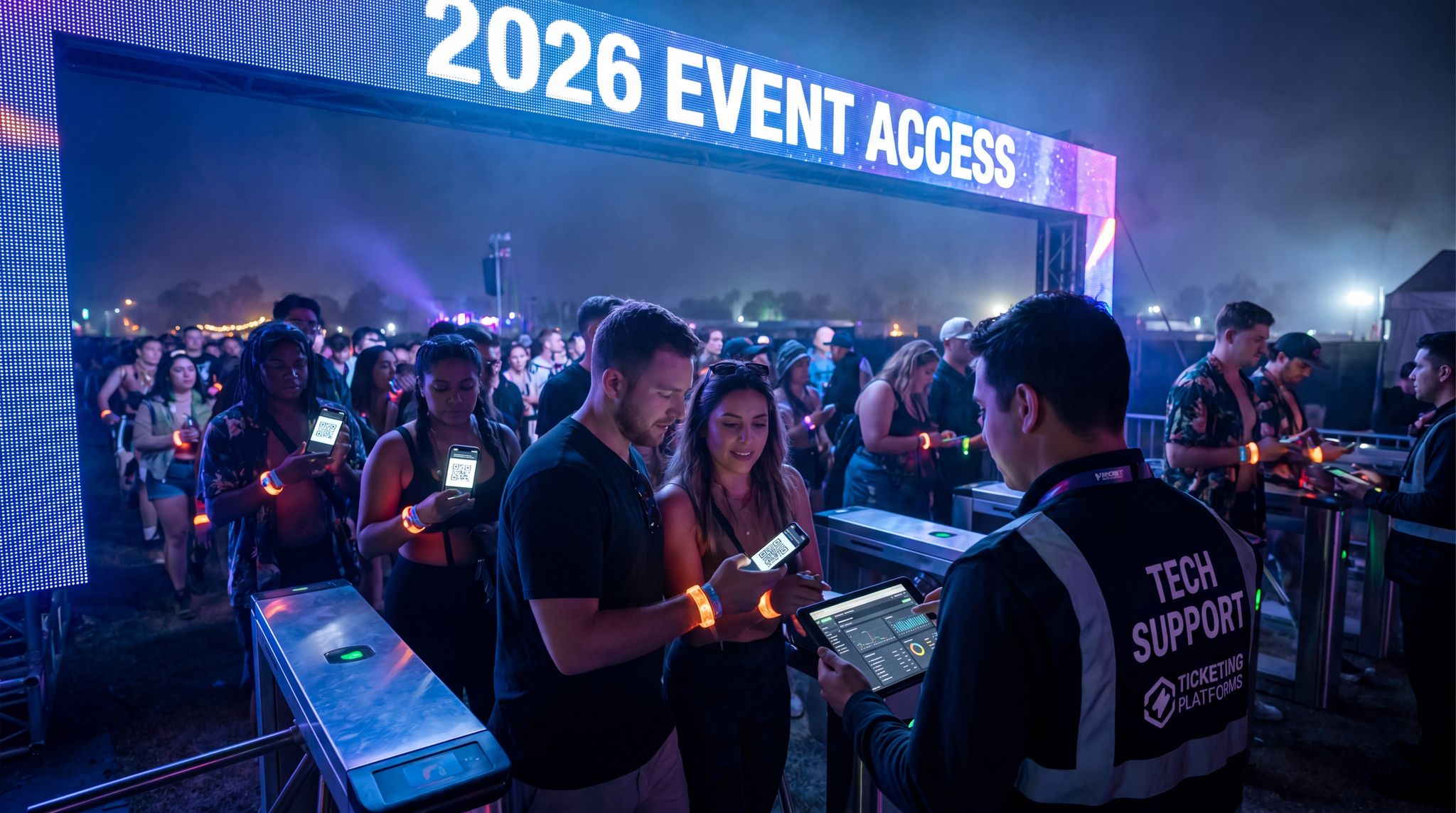
Scan tickets and manage entry with our mobile check-in app. Supports photo ID verification, real-time capacity tracking, and multi-gate coordination.
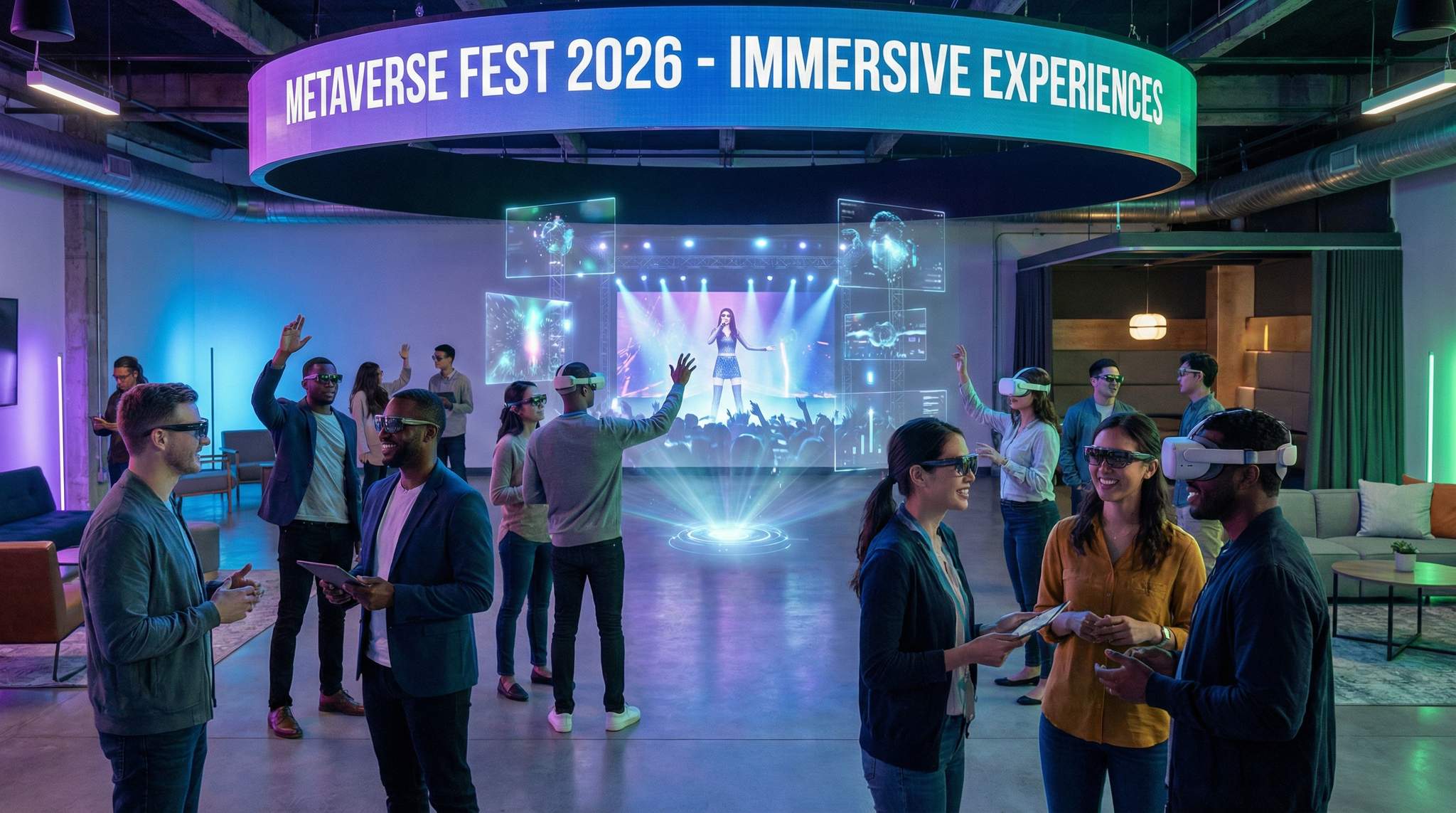
Imagine attending a conference without flying overseas, or a festival without camping – you put on a VR headset and instantly “teleport” to a 3D expo hall or a fantasy concert stage. In these metaverse venues, your avatar can wander through crowds, visit digital booths or stages, and even shake hands (via haptic gloves) with someone across the world. The metaverse essentially allows attendees to explore events in 360° – you can look around freely, walk up to interactive exhibits, or dance next to holograms of your favorite artists. These environments often incorporate spatial audio (so conversations sound like they’re coming from the right direction) and realistic graphics to deepen immersion. Some metaverse events are accessed via VR goggles for a fully immersive feel, while others may allow a standard PC or phone to join in a 3D space. There are also hybrid metaverse events, where a live physical event is mirrored by a virtual world online – for example, a concert happening on stage in Los Angeles could simultaneously be experienced in a metaverse platform by fans globally, complete with virtual merch booths and chat lounges.
It’s no surprise that metaverse-based events have surged in popularity in recent years. People are intrigued by how virtual technology can deliver unforgettable experiences that were once limited to physical venues. In many cases, attendees find they have even more opportunities to interact with the content and with each other through metaverse tools. For example, someone at a virtual fan convention can easily switch between multiple “rooms” or sessions with a click, or use reaction emojis and live chat to engage with presenters – interactions that might be harder to facilitate in a huge in-person crowd. Gadgets like VR goggles and haptic gloves further enhance this immersion, letting attendees feel and move within the digital environment in a way a simple livestream can’t match. The technology keeps improving as well: the latest VR headsets in 2025 offer higher resolution and comfort, and new platforms are enabling features like eye tracking (so avatars make realistic eye contact) and hand presence without controllers. All of this means virtual events are feeling less like flat video and more like actual places you can be.
Ready to Sell Tickets?
Create professional event pages with built-in payment processing, marketing tools, and real-time analytics.
Event organizers are taking note. Savvy organizers are heeding the growing interest in metaverse experiences and actively bringing these events to their audiences. The potential for growth is massive – early adopters are already seeing global participation and new revenue streams (like virtual sponsorships and NFT merchandise) by venturing into metaverse events. Of course, it’s important to choose the right approach for your community, but one thing is clear: metaverse technology offers a path to create organic, exciting events that transcend physical limitations. By staying informed and keeping an open mind about these tools, you can ride this wave of innovation and set your events apart.
Pro Tip: If you’re new to metaverse events, start small. Consider adding a hybrid component to your next physical event – for example, stream part of it in a 3D virtual world – to gauge audience interest and troubleshoot the tech on a smaller scale. This low-risk trial can provide valuable lessons before you commit to a full-scale metaverse event.
The different ways to implement metaverse technology for your event
Now that we’ve covered what the metaverse is and how it’s changing events, let’s look at practical ways you can use it for your events. As mentioned, metaverse events have already become extremely popular in certain circles. Event organizers are using virtual worlds to bring people together in creative ways, and the possibilities are nearly endless. Below, we highlight four exciting ways the metaverse has been used for events and how you might implement each one:
1. Online game competitions
One of the earliest adopters of metaverse technology has been the gaming community. Many people have seen virtual spaces used for video game competitions – it’s a fan favorite genre that feels right at home with the metaverse’s interactive 3D environments. By hosting game tournaments in the metaverse, event organizers provide a platform where participants and spectators can come together seamlessly from anywhere in the world. Through a virtual arena, competitors get to immerse themselves in the game while an audience of avatars cheers them on, replicating the excitement of an in-person eSports event.
Boost Revenue With Smart Upsells
Sell merchandise, VIP upgrades, parking passes, and add-ons during checkout and via post-purchase emails. Increase average order value by up to 220%.
Metaverse technology such as VR headsets and haptic controllers supports these digital environments, enabling everything from first-person shooters to fantasy card games to take place in a shared virtual space. For example, platforms like Roblox and Fortnite Creative have allowed communities to build their own arenas and host custom tournaments where millions can attend virtually via platforms like Fortnite, marking notable milestones and growth in esports. We’ve seen VR esports leagues where players duel as their avatars, and fans in headsets can literally stand “next to” the action. Some tournaments even offer digital rewards – crypto prizes or unique NFT trophies for winners – merging gaming with the Web3 economy. Crucially, an online metaverse competition isn’t just about the matches; it’s about the community. Participants can voice chat with teammates as if sitting together, and fans can socialize in virtual lobbies before and after matches. This sense of presence and camaraderie is hard to replicate with a standard livestream or Zoom call. If your audience includes gamers or tech enthusiasts, hosting a metaverse-based game competition can be a natural way to build community and engagement around your event.
2. Music events
The music scene is quickly embracing metaverse technology and its benefits for concerts and festivals. While metaverse concerts were rare a few years ago, we’ve now seen breakthrough examples that prove the concept. Major artists are experimenting with virtual performances using avatars or holograms – and attracting huge crowds. A landmark moment was the Travis Scott concert in Fortnite, which drew about 12 million live viewers in April 2020. Following that, artists like Ariana Grande and Lil Nas X also held immersive shows in games/virtual worlds, and their success signaled that concerts in the metaverse can be more than just a novelty.
Grow Your Events
Leverage referral marketing, social sharing incentives, and audience insights to sell more tickets.
The potential of metaverse tech for music events is endless. A virtual concert doesn’t face the physical constraints of a real venue, so artists and creators can design otherworldly stages and visuals. We’ve seen DJs perform as animated cyberpunk characters in 3D nightclubs, and festivals where the audience can literally fly around the stage for different viewpoints. In fact, an annual Metaverse Music Festival in Decentraland has hosted nearly 300 artists (including big names like Björk and Megadeth) over the past few years, welcoming diverse talents to the metaverse, establishing itself as a fixture in the virtual music scene. Even the traditional music industry is acknowledging this shift – the MTV VMAs created a “Best Metaverse Performance” award category in 2022 to honor standout virtual concerts and performances.
For event organizers, metaverse music events could take several forms. Some artists integrate virtual segments into real-world shows (e.g., a live concert that also has an interactive VR stream). Others do exclusive avatar concerts where the performer appears as a digital avatar in a fantasy venue – fans join via their own avatars, dancing and interacting with each other. Startups and platforms are emerging to support these shows, offering features like virtual merch stands, meet-and-greets with avatars, and special effects that viewers can trigger. While the metaverse music space is still evolving, momentum is building: by 2025 and 2026, more ticketed concerts are expected to have a virtual counterpart. The key for success will be ensuring the experience feels engaging – smooth streaming, high-quality graphics, and interactive elements that make fans feel like part of the show. Done right, a metaverse music event can reach a global audience far beyond a physical venue’s capacity, with a level of creativity and audience participation that’s groundbreaking.
Building a profitable VR concert experience requires promoters to look beyond basic livestreaming and invest in interactive digital infrastructure. As the popularity of virtual reality music events accelerates in 2026, successful organizers are integrating volumetric video capture and real-time 3D rendering to create truly immersive environments. This operational shift allows festival brands to monetize global audiences through tiered digital access passes and exclusive virtual meet-and-greets, proving that live events in the metaverse can be highly lucrative when executed with premium production values.
The trajectory of these digital performances is undeniable. When looking at the surging popularity of VR concerts and virtual reality music experiences in 2026, promoters are finding that fans increasingly value the convenience and unique visual spectacles these platforms provide. A well-executed VR concert experience allows organizers to bypass traditional venue capacity limits while offering attendees front-row access to their favorite artists from anywhere in the world. As headset adoption grows, producing virtual reality music events is transitioning from a niche marketing stunt into a core revenue stream for forward-thinking festival brands.
Go Cashless With RFID Technology
Enable contactless payments, faster entry, and real-time spending analytics with RFID wristbands and NFC-enabled ticketing for your events.
To fully capitalize on this trend, producers must understand the logistical differences between pre-recorded digital shows and broadcasting live events in the metaverse. Real-time virtual concerts require specialized motion-capture suits for performers, dedicated server clusters to handle sudden spikes in concurrent users, and interactive moderation tools to manage avatar behavior in the crowd. When these elements align, the resulting VR concert experience transcends traditional livestreaming, offering fans a deeply communal and interactive spectacle.
(Related Reading: Learn how festivals are expanding from physical stages to virtual worlds in our in-depth guide on integrating live festivals with the metaverse.)
3. Virtual conferences
Conferences and trade shows have also found new life in the metaverse. A virtual conference in the metaverse goes beyond the typical Zoom webinar – it places attendees into a digital convention center or campus that they can explore. This format became especially popular during the pandemic and has continued to develop as organizations see the benefits. Attendees can join keynotes, panel discussions, and breakout sessions all within a contiguous virtual environment. For instance, instead of watching a flat video of a presentation, a participant might enter a virtual auditorium, take a seat (as an avatar), and watch a presenter’s avatar on stage with slides on a giant virtual screen. They could then walk to a networking lounge during breaks to mingle with other attendees’ avatars, or visit interactive sponsor booths in an expo hall. Metaverse platforms like AltspaceVR, Spatial, and ENGAGE have been used to host business conferences, complete with features like spatial networking (avatars clustering in private circles to chat) and 3D product demos attendees can interact with.
For B2B event organizers, the shift toward metaverse conferences represents a massive upgrade in data collection and sponsor ROI. Unlike traditional physical trade shows where lead tracking relies on manual badge scans, digital convention centers allow promoters to track attendee heatmaps, session dwell times, and booth interaction metrics in real time. Producing these immersive B2B summits requires a strategic approach to digital architecture, ensuring that the virtual expo halls are optimized for networking and lead generation. By offering sponsors highly detailed analytics on how avatars engage with 3D branded assets, organizers can command premium pricing for digital booth spaces and virtual keynote sponsorships.
The metaverse enables an interactive experience where presenters and the audience can genuinely engage. Presenters can use virtual 3D models to demonstrate products or concepts in mid-air, making complex topics more visual and exciting. The audience, meanwhile, isn’t limited to just text Q&A – they can “raise hand” to speak via their microphones, or teleport onto a virtual stage to co-present if allowed. We’re also seeing persistent virtual spaces for conferences: an event might keep its virtual world open 24/7 for a week, so attendees across time zones can drop in, consume content on-demand, and continue discussions at any time. Importantly, virtual conferences dramatically lower the barriers to attendance – anyone with a decent computer and internet connection can join, without travel visas or hotels. In 2026, many large industry conferences are adopting a hybrid model, where the in-person event is augmented by a rich metaverse venue for remote attendees. This not only widens the audience but also provides a fallback in case of travel disruptions. By leveraging metaverse tech for conferences, organizers make their events more accessible, interactive, and resilient to external challenges.
4. Webinars
Webinars are a staple of professional development and marketing events – typically, they’re online seminars or workshops often with Q&A segments. The metaverse can elevate the traditional webinar format into something far more engaging. Instead of a simple video call with screensharing, imagine a metaverse webinar where participants enter a virtual classroom or fireside chat space. They might find themselves sitting in a virtual circle with others, watching a presenter’s avatar walk through a demo, or even collaborating on a virtual whiteboard visible to everyone. Through the metaverse, the natural interactivity of webinars is maintained and even enhanced. Attendees can still ask questions via voice or text, but now they might also break out into small avatar groups for discussions, or manipulate 3D objects if it’s a training session.
Data-Driven Event Marketing
Track ticket sales, demographics, marketing ROI, and social reach in real time. Exportable reports give you the insights to make smarter decisions.
One big advantage is that metaverse webinars can foster a sense of connection that lingers after the session ends. In a typical webinar, once the video call closes, participants are done. But in a metaverse environment, you could leave the virtual space open for networking – people can stick around, chat in virtual lounges, or revisit the presentation space to review materials left there. These sessions can also be recorded and left in the metaverse venue for others to experience later, essentially creating a persistent learning environment. For example, a company might host a series of onboarding webinars in a virtual campus; new hires can log in anytime to replay earlier sessions or explore a virtual “resource center” full of documents and videos. This ongoing accessibility means your investment in one webinar can keep yielding value.
From a presenter’s perspective, metaverse webinars offer creative ways to engage the audience. You can use polls, quizzes, and even mini-games embedded in the virtual world to keep people attentive. Some innovative webinar platforms let speakers bring up an attendee’s avatar next to them to role-play scenarios, making Q&A much more dynamic than a text chat. The bottom line is that webinars, which are already interactive by nature, can become even more immersive and memorable when you host them in a metaverse setting. It’s a great option for educators, trainers, and community managers looking to fight webinar fatigue and truly captivate their participants.
Pro Tip: Choose your metaverse platform based on your audience’s comfort level and the event type. Gamers might prefer an existing world like Fortnite or Roblox, whereas a business audience may need a dedicated VR conference platform with professional avatars. Matching the platform to your crowd ensures a smoother experience and higher engagement.
How you benefit from metaverse events
By now, you’ve seen some of the creative ways the metaverse is being used – from gaming tournaments to concerts to conferences. It’s clear that technology has opened a path for event organizers to design exciting new experiences. But what are the concrete benefits of bringing your event into a virtual world? Here are a few major advantages to consider:
- Deep immersion and interactivity for attendees: A metaverse event isn’t a passive experience; attendees get to actively participate. Whether it’s exploring a 3D environment, controlling an avatar, or interacting with digital objects, the audience is inside the experience rather than watching from the sidelines. This can lead to higher engagement and satisfaction. People love the novelty of doing things like completing quests at a virtual conference or taking selfies with a performer’s avatar. By implementing metaverse technology, you allow your attendees to enjoy a more immersive and playful atmosphere that’s hard to achieve in a standard livestream or even a large in-person crowd. The result is often higher attention spans and more memorable moments, since attendees feel like they’re truly part of the event story.
- Expanded accessibility and reach: Metaverse events break down geographic and physical barriers. Someone from Tokyo, someone from London, and someone from a small town in Idaho can all attend the same event together in the virtual world. Distance and travel costs are no longer a limit. This means your potential audience is much larger – you can include fans or participants who could never have flown out to your physical venue. It’s also a game-changer for people with disabilities or mobility issues, who might find virtual attendance far more convenient. In a metaverse venue, everyone has an equal seat and can navigate the space in ways that suit them. By making events more accessible despite distance or physical limitations, organizers can build more diverse, inclusive communities. (Plus, from a business perspective, a larger reachable audience can translate into higher ticket sales or viewership metrics!) Notably, many festivals and conventions in 2025–26 are adopting hybrid models to capitalize on this: a onetime venue capacity of 5,000 can be augmented with 50,000 more virtual attendees online, allowing organizers to evaluate event technology and bring mesmerizing experiences to a global audience.
- New excitement and creative possibilities: Let’s face it – after attending dozens of similar hotel ballroom conferences or standard concerts, people crave something novel. The metaverse injects a sense of futuristic excitement into events. The very idea of entering a virtual landscape brings a wow factor, especially if you design an imaginative environment. Want to hold a networking event on a space station orbiting Mars? Or have your keynote speaker appear as a hologram made of fireworks? In the metaverse, you can get wildly creative with themes, settings, and visuals that would be impossible (or extremely costly) in real life. This creative freedom can generate buzz and media attention, drawing more interest to your event. We’re already seeing corporate events using gamified 3D worlds to unveil products, and fan conventions building virtual replicas of fictional universes to delight their communities. When people hear about these unique touches, they’re more inclined to check it out. In other words, the metaverse can make your event cool again, sparking curiosity and FOMO (fear of missing out) among your target audience.
Beyond these points, there are other benefits like potentially lower environmental impact (no one is flying or driving to attend virtually) and new monetization avenues (selling digital collectibles, sponsorship in virtual spaces, etc.). The metaverse is truly a tool of the future that is reshaping how events are conceived and delivered. However, it’s worth noting that we are still in the early stages – there will be challenges to navigate, from technical glitches to learning curves for attendees not used to VR. It’s wise to stay informed on the latest developments and start building internal expertise on virtual event production.
Warning: Don’t assume that just because you build a metaverse event, crowds will automatically come. The novelty can spark interest, but you still need to market your event effectively and ensure the user experience is smooth. A common mistake is neglecting to onboard your attendees – if people don’t know how to install the app or use the controls, they’ll drop out fast. Always provide clear instructions, tech support, and maybe even a test run so participants feel comfortable entering your virtual world.
As people become more aware of metaverse events, it’s important for event professionals to balance optimism with realism. On one hand, early successes show that virtual experiences can captivate audiences and create value. On the other hand, not every concept will resonate with every demographic, and some technologies aren’t fully mature yet. In fact, a recent Pew Research Center survey found that tech experts are split on how far the metaverse will advance by 2040 – about 54% believe it will be fully immersive and widely used, while 46% think it won’t reach broad adoption and will remain niche, according to Pew Research Center data. This divide suggests that while the metaverse’s potential is huge, its timeline for mainstream dominance is uncertain.
For now, what matters is that you stay agile and open-minded. Keep an eye on industry case studies and learn from what others are doing. For example, some festival organizers formed teams to specifically handle virtual production alongside traditional crews, integrating festivals with virtual worlds, ensuring both live and online components shine. Others have discovered that partnering with established metaverse platforms (like holding your event in an existing popular virtual world) can help overcome the early adopter problem by tapping into a ready-made user base. Don’t be afraid to start with baby steps – maybe token-gate a VIP afterparty in VR for your next conference, or create a simple 3D lobby that simulates your event venue for remote viewers. These experiments will teach you what works for your audience.
Strategic approaches to metaverse event planning
Successful metaverse event planning requires a shift in how organizers approach venue design, audience onboarding, and technical infrastructure. Unlike traditional physical gatherings, hosting live events in the metaverse demands specialized attention to digital capacity limits, server stability, and user interface simplicity. Promoters must collaborate closely with 3D environment architects and virtual production teams to ensure the digital space reflects their brand identity while remaining navigable for less tech-savvy attendees. Furthermore, a comprehensive virtual event strategy should include robust contingency plans for connectivity drops and clear, step-by-step access guides sent to ticket holders well in advance of the show.
When executing what many in the industry refer to as meta verse events, promoters must also prioritize cross-platform compatibility. Ensuring that a digital venue is accessible via both high-end VR headsets and standard web browsers maximizes potential attendance. This dual-access approach is critical for scaling live events in the metaverse, as it accommodates both tech-savvy early adopters and casual fans exploring virtual environments for the first time.
For promoters looking to scale live events in the metaverse, investing in the right technical pipeline is non-negotiable. Translating a physical stage show into a digital environment requires low-latency broadcasting, volumetric video capture, and robust real-time rendering engines. Venue operators must also consider how digital twin technology can replicate their physical spaces online, allowing remote attendees to navigate a familiar layout while experiencing the live feed. By treating the virtual broadcast with the same rigorous production standards as the physical show, organizers ensure that these digital extensions feel like premium, standalone experiences rather than mere afterthoughts.
When structuring metaverse conferences and large-scale digital expos, organizers must also rethink their scheduling and content delivery. Because virtual attendees are joining from multiple global time zones, successful promoters often transition from rigid, single-day agendas to persistent, multi-day digital environments. This allows industry professionals to access keynote VODs (video on demand), explore virtual sponsor booths, and utilize spatial networking lounges at their convenience, ultimately maximizing the lifespan and profitability of the digital event.
Collect Any Attendee Data at Checkout
Add custom registration fields to your checkout — dietary needs, t-shirt sizes, company names, and more. Conditional logic and per-ticket-type fields.
As the demand for immersive digital entertainment accelerates, monetizing these virtual spaces has become a top priority for promoters. Beyond standard ticketing, organizers are exploring VIP digital access passes, exclusive artist meet-and-greets in private virtual lounges, and branded digital merchandise. By capitalizing on the growing interest in headset-based performances and interactive digital shows, event producers can unlock entirely new revenue streams that complement their physical ticket sales.
To truly stand out, organizers must focus on crafting bespoke metaverse experiences that offer utility beyond a simple visual spectacle. High-fidelity digital environments, interactive brand activations, and gamified networking hubs are what transform a passive viewer into an active participant. By curating these premium metaverse experiences, event producers can attract higher-tier sponsors who are eager to engage with audiences in innovative, trackable ways.
In conclusion, the metaverse is bringing mesmerizing experiences to audiences by blending the digital and physical in unprecedented ways. It offers immersive engagement, global accessibility, and endless creative canvas to those willing to explore it. By integrating advanced event technology like this, you can future-proof your events and delight attendees with something truly memorable. Just remember to approach it with the same care and strategy as any event – focus on delivering value and a great experience, and the tech will simply be the vehicle to achieve that. The events of tomorrow might look very different (think virtual reality festivals and conference halls in the cloud), but the core goal remains the same: to bring people together for meaningful, mesmerizing shared experiences.
(Looking to dive deeper? Check out related resources on our blog, like how festivals can innovate with tech without losing the human touch and which 2026 tech trends actually deliver real value for events.)
| Aspect | In-Person Event | Metaverse Event |
|---|---|---|
| Geographic Reach | Limited by location and venue capacity | Global reach – anyone can attend from anywhere |
| Interaction Style | Face-to-face, physical interaction | Avatar-based, via voice/chat; new forms (emotes, virtual objects) |
| Immersive Elements | Real-world atmosphere (lights, crowd energy) | Highly immersive visuals and audio; fantastical environments possible |
| Cost to Attend | Travel, lodging, and ticket costs | Typically just ticket or access fee (no travel needed, but requires device) |
| Accessibility | May exclude those unable to travel or with mobility issues | Inclusive to anyone with internet and appropriate device (though tech literacy is needed) |
| Scalability | Fixed capacity (fire codes, space limits) | Virtually unlimited capacity (servers can scale to millions) |
| Monetization | Tickets, merchandise, food & beverage sales on-site | Virtual tickets, in-app purchases, NFT merch, sponsorship in digital world |
| Environmental Impact | Significant (travel emissions, venue power usage) | Lower carbon footprint (reduced travel), but has energy usage in data centers |
You can even set up NFT token-gating with unique rewards in the metaverse through Ticket Fairy’s event management platform. This allows you to offer exclusive access or collectibles to your most dedicated fans, adding another dimension of engagement to your virtual event. As we move further into 2026 and beyond, one thing is certain: those who embrace the metaverse and other emerging event technologies (with a clear-eyed, strategic approach) will be the ones delivering the most mesmerizing experiences to audiences around the world. The future of events is unfolding now – and it’s virtual, immersive, and incredibly exciting!
Frequently Asked Questions
What is a metaverse event?
A metaverse event is a gathering hosted in a network of virtual environments where attendees interact in real-time using digital avatars. These events utilize technologies like VR headsets and AR overlays to create immersive, shared worlds. Participants can explore 360-degree venues, visit digital booths, and engage with others globally, replicating the sense of presence found in physical events.
How do virtual conferences work in the metaverse?
Virtual conferences in the metaverse place attendees into digital convention centers where they explore contiguous environments as avatars. Participants can watch presentations on virtual screens, engage in spatial networking with realistic audio, and interact with 3D product demos. Platforms like AltspaceVR or Spatial enable features like breakout sessions and persistent virtual spaces available 24/7 for global access.
What are the benefits of hosting events in the metaverse?
Hosting events in the metaverse offers global accessibility, allowing attendees from any location to join without travel costs. It provides deep immersion through interactive 3D environments where participants actively engage via avatars rather than passively watching. Additionally, organizers can create imaginative, unlimited virtual venues that generate excitement and accommodate significantly larger audiences than physical spaces allow.
How are music concerts held in the metaverse?
Metaverse music concerts allow artists to perform as digital avatars or holograms within virtual worlds like Fortnite or Decentraland. These events overcome physical constraints, enabling performers to design otherworldly stages and visuals. Attendees join via their own avatars to dance, interact with fans, and experience special effects, often accessing the show through VR headsets or standard screens.
What is a hybrid metaverse event?
A hybrid metaverse event mirrors a live physical gathering with a simultaneous virtual world online. This format allows remote fans to experience the event globally through digital platforms while in-person attendees participate at the physical venue. Organizers often stream live performances into 3D spaces complete with virtual merchandise booths and chat lounges to unify both audiences.
How does the metaverse support online game competitions?
The metaverse supports online game competitions by providing shared virtual arenas where competitors and spectators interact via avatars. Using VR headsets and haptic controllers, players immerse themselves in the game while fans cheer from within the digital environment. Platforms like Roblox and Fortnite Creative allow communities to build custom stadiums, fostering social connection through voice chat and virtual lobbies.
What are the key steps in metaverse event planning?
Effective metaverse event planning involves selecting the right virtual platform, designing an intuitive 3D environment, and ensuring robust server capacity to handle concurrent users. Organizers must also prioritize audience onboarding by providing clear instructions on how to access the digital venue, whether via VR headsets or standard web browsers, to ensure a seamless experience for all attendees.
Why are VR concerts gaining popularity in 2026?
The popularity of VR concerts and virtual reality music experiences in 2026 is driven by advancements in headset technology and the desire for highly immersive, accessible entertainment. These virtual reality music events allow fans globally to enjoy front-row perspectives and interactive visual effects that surpass the physical limitations of traditional live shows.
How can promoters successfully transition traditional shows into live events in the metaverse?
To successfully host live events in the metaverse, promoters should start by partnering with established virtual production agencies and 3D environment designers. It is crucial to focus on high-quality audio streaming, interactive audience features, and seamless ticketing integrations. By treating the digital venue with the same operational rigor as a physical space, organizers can deliver premium virtual reality music events that meet the high expectations of modern audiences.
What infrastructure is required to host live events in the metaverse?
Hosting live events in the metaverse requires a robust technical pipeline, including low-latency servers to handle high concurrent traffic, real-time 3D rendering engines, and volumetric capture technology if broadcasting physical performers. Event organizers must also integrate secure ticketing gateways for digital access and deploy moderation tools to manage virtual crowd interactions effectively.
What distinguishes a standard livestream from a metaverse virtual event?
A standard livestream typically offers a passive, one-way viewing experience on a 2D screen. In contrast, a metaverse virtual event provides a fully interactive, 3D spatial environment where attendees navigate as avatars, interact with other guests in real-time, and explore digital venues. For organizers, this means shifting from basic video broadcasting to managing immersive digital environments that foster genuine community engagement.
How can organizers monetize premium metaverse experiences?
Organizers can monetize premium metaverse experiences by offering tiered digital access passes, exclusive virtual meet-and-greets, and interactive brand activations. By designing highly engaging, gamified environments, promoters attract top-tier sponsors looking for innovative ways to connect with audiences, ultimately driving new revenue streams alongside traditional ticket sales.
What makes a VR concert experience profitable for promoters in 2026?
The profitability of a VR concert experience stems from unlimited digital capacity, reduced physical overhead, and new revenue streams like virtual VIP access and digital merchandise. As the popularity of virtual reality music events continues to rise in 2026, organizers are leveraging these digital platforms to reach global audiences without the geographical constraints of traditional venues.
How do organizers transition physical shows into meta verse events?
Transitioning into meta verse events involves partnering with 3D environment architects, securing low-latency broadcasting servers, and implementing robust digital ticketing. Promoters must treat the virtual venue with the same operational rigor as a physical space to ensure a seamless, premium experience for remote attendees.