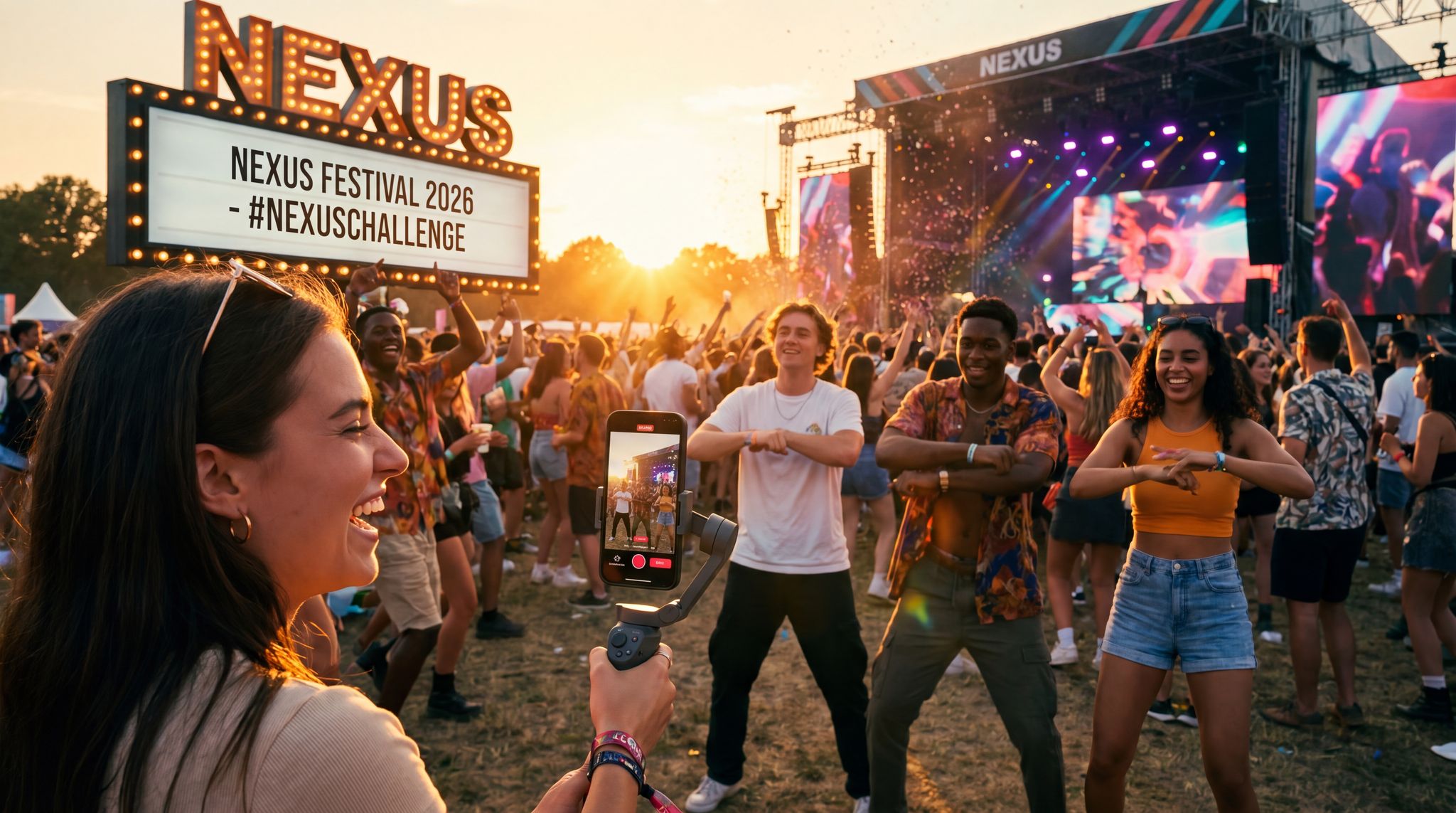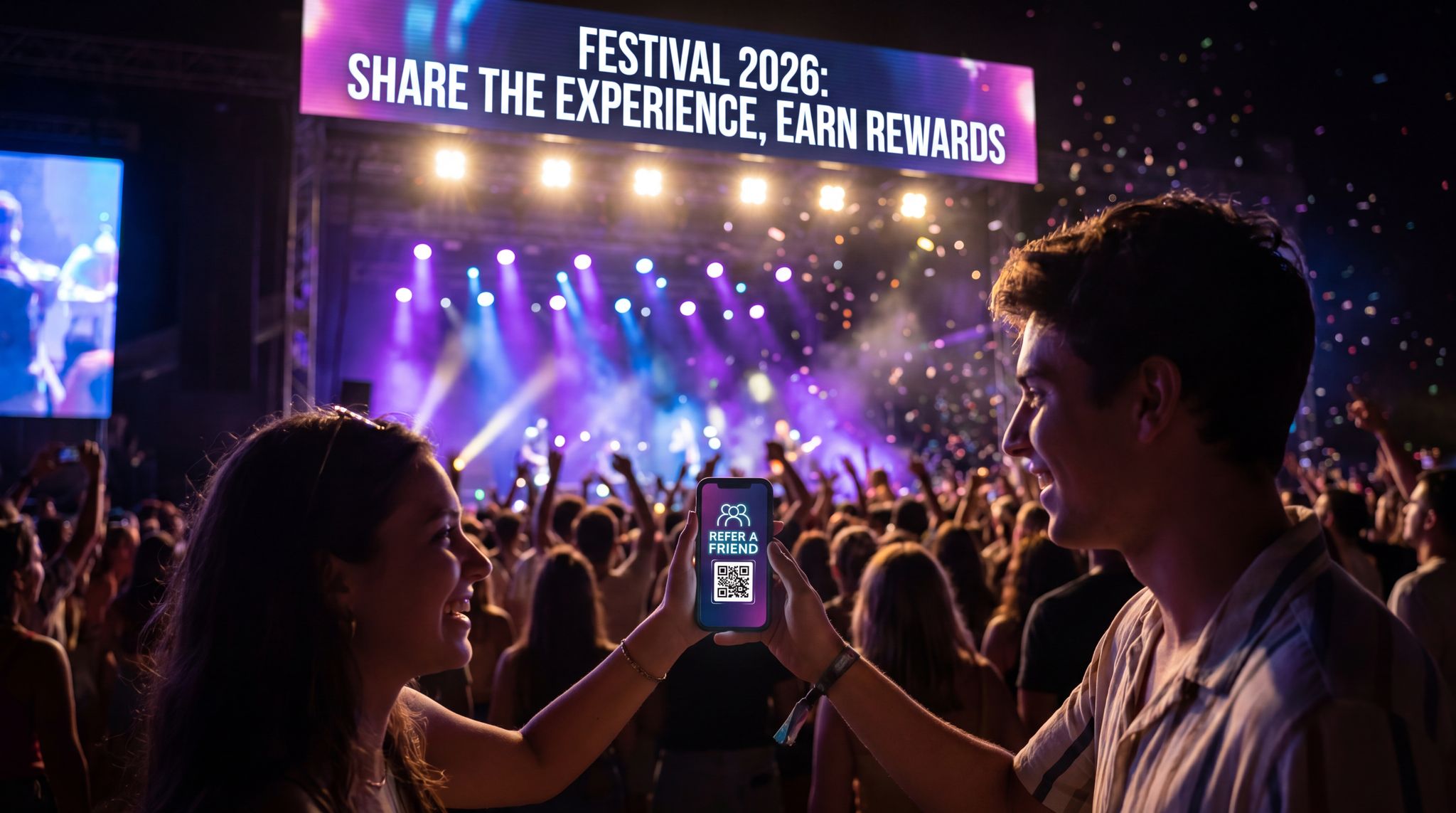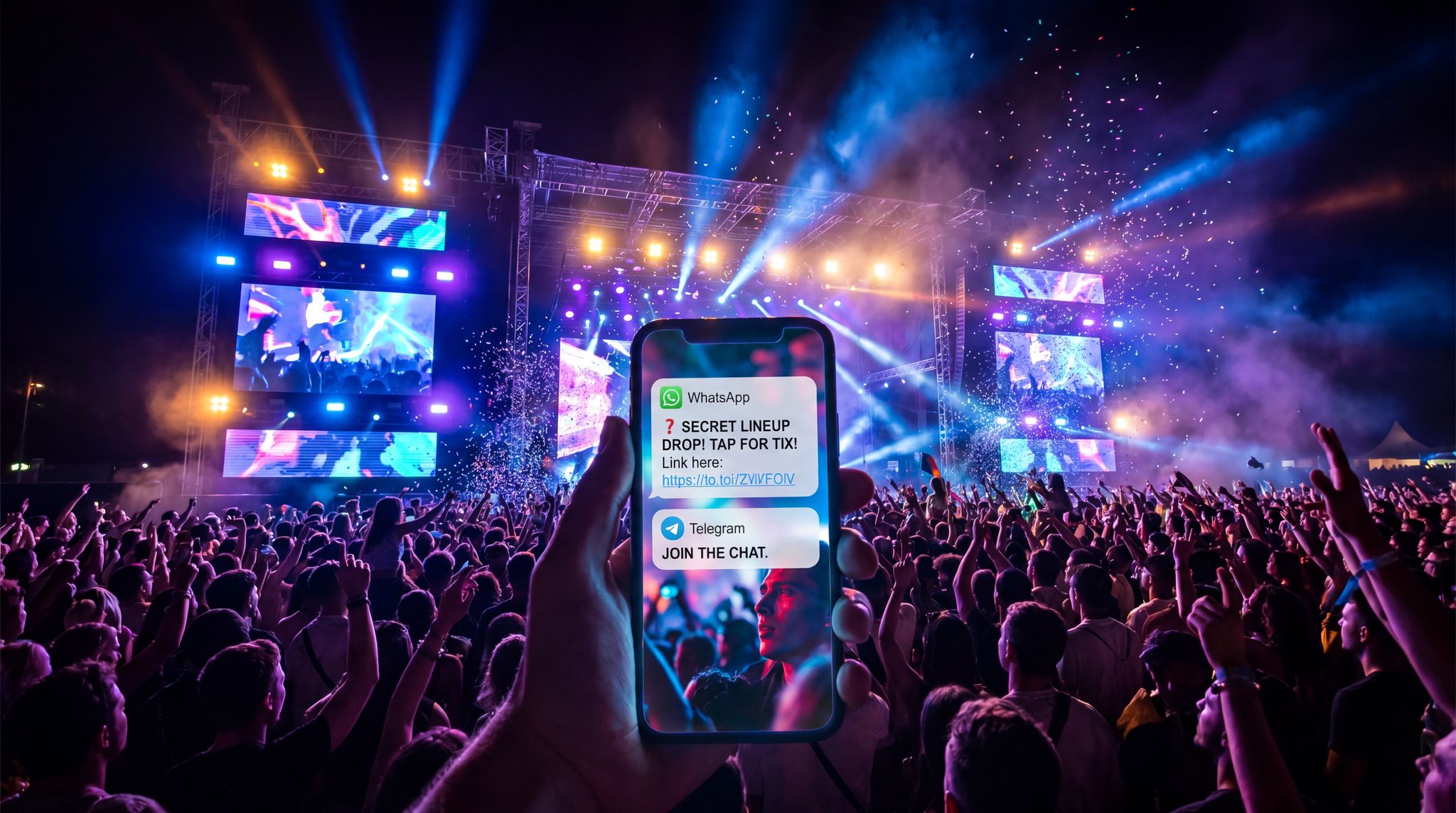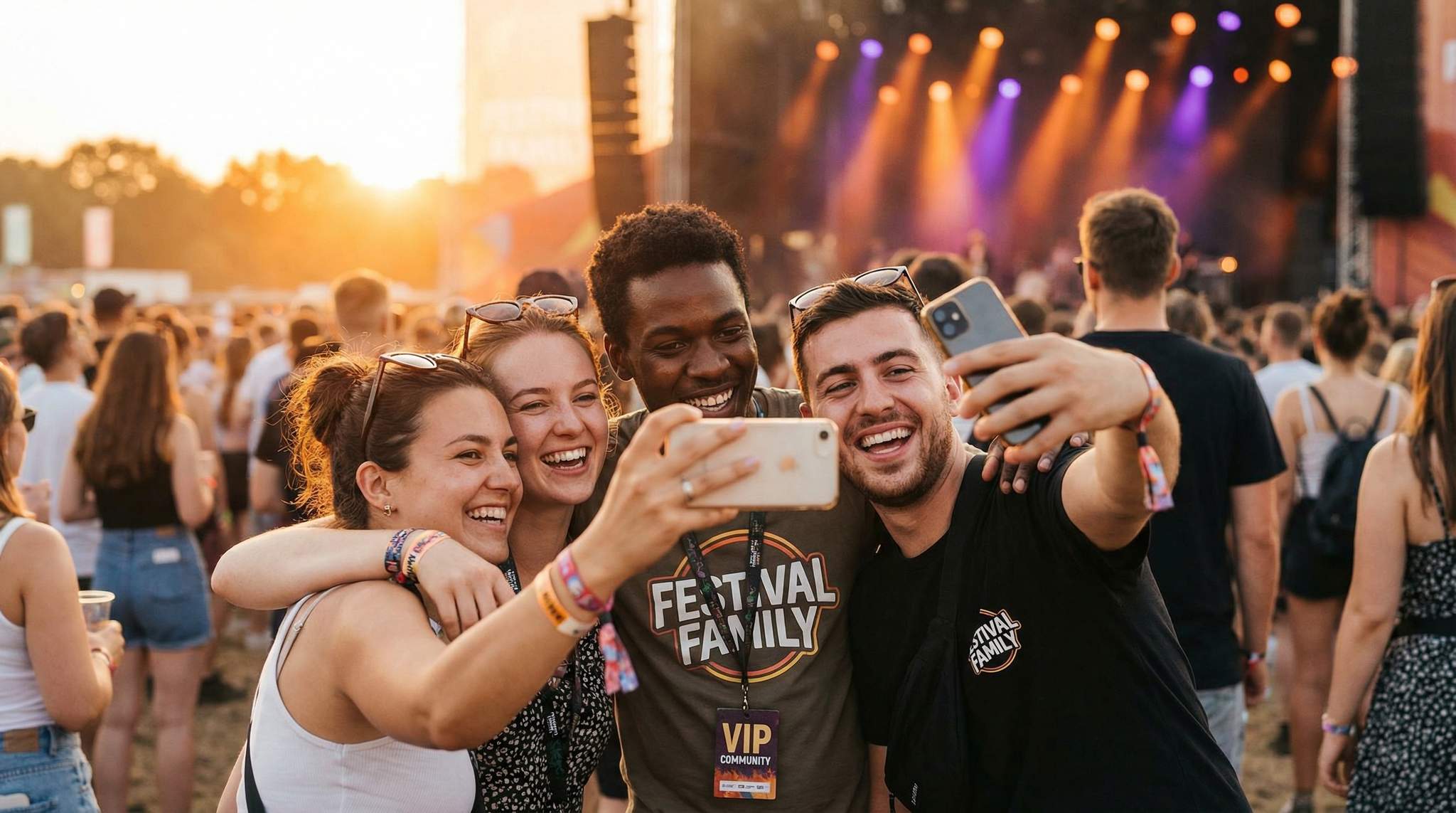
Imagine as the final encore echoes across your festival grounds, a group of first-time attendees is already buzzing about coming back next year – turning those curious newcomers into devoted regulars is the ultimate win for any event organizer. Knowing your audience and cultivating a loyal fan community isn’t just a “nice-to-have” in the live music industry; it’s essential for long-term success. Loyal audiences don’t just stabilize ticket sales – they also amplify your event’s reputation through word-of-mouth. In an era of fierce competition – by the summer of 2026, festival-goers face an overwhelming buffet of events vying for their limited budgets and time – a core of engaged, repeat fans will make your brand stand out as a must-attend tradition. It’s also a savvy business move: retaining an attendee costs far less than finding a new one. According to a Harvard Business Review analysis, acquiring a new customer can cost 5–25 times more than keeping an existing one, and a loyal festival-goer tends to spend 3–5× more over the years than a one-and-done attendee. In short, building a loyal fan base means reliable ticket sales, higher lifetime value, and even free marketing as your fans enthusiastically bring others into the fold.
The magic often happens organically on the ground. When a newcomer interacts for the first time with a loyal fan who knows the festival layout and culture inside and out, that shared enthusiasm is contagious. This peer-to-peer advocacy is exactly why creating loyal fan communities is a top priority for modern promoters looking to scale their events sustainably.
To maximize these organic interactions, organizers should intentionally design on-site spaces where veterans and newcomers naturally mingle. When a recent ticket buyer shares their first time with a loyal fan at a dedicated community meetup, campground mixer, or interactive art installation, the veteran’s passion elevates the newcomer’s entire weekend. Facilitating these authentic connections is a cornerstone of creating loyal fan communities from the ground up.
But fan loyalty doesn’t blossom by accident – it grows from deliberate efforts in understanding and engaging your audience. Below, we’ll break down how to know your audience deeply, use audience mapping to tailor your approach, and implement concrete strategies – from exclusive perks to community-building – to cultivate a loyal fan community that keeps coming back.
Turn Fans Into Your Marketing Team
Ticket Fairy's built-in referral rewards system incentivizes attendees to share your event, delivering 15-25% sales boosts and 30x ROI vs paid ads.
Know Your Audience
The first step in cultivating loyalty is to truly know who your fans are. It sounds obvious, but it’s a step that can’t be rushed or skipped. If you don’t take the time to do thorough research, your marketing and programming efforts might miss the mark, affecting how you communicate and connect with your audience. Understanding your audience is the foundation of successful event marketing – audience satisfaction should drive every decision. This starts with gathering concrete data and observations about your attendees: demographics (age, location, gender), music and genre preferences, spending habits, values, and what they seek from your event experience.
Begin by looking at who’s attended your past events (if applicable) or who follows your social media. Are they college students looking for affordable adventures? Young professionals seeking immersive experiences? Parents bringing their kids to shows? Each group has different motivations. For instance, a multi-genre festival popular with young travelers might find its fans love add-ons like travel packages or artist meet-and-greets, whereas a local food & wine festival with an older crowd might see more demand for comfortable seating and tasting discounts. Not all fans value the same things, so knowing your particular audience segments will help you speak to each group in a way that resonates.
Ready to Sell Tickets?
Create professional event pages with built-in payment processing, marketing tools, and real-time analytics.
To gather these insights, leverage all sources available: ticketing data, attendee surveys, social media analytics, and on-site observations. If you’ve run events before, dig into your ticketing reports to see patterns (e.g. do VIP tickets sell more to 30–40-year-olds? Is there a city or university that provides a big chunk of your attendees?). On social media, notice which posts or artists spark the most engagement – these are clues to what your audience cares about. You can even ask questions directly in posts or email newsletters to get feedback. Many veteran event producers also attend other festivals or shows to observe audience behaviors first-hand (experience is a great teacher – seeing what excites or bores a crowd similar to yours can inform your own event plans). The key is to replace guesswork with real insights.
Warning: Avoid relying on gut feeling or stereotypes about your fans. Assumptions like “Oh, they’re all students so they only care about cheap tickets” can mislead you. Always back up your hunches with data – whether through surveys, social listening, or analyzing past attendance – so you don’t miss the mark when crafting your fan experience.
Finally, remember that understanding your audience is an ongoing process. Tastes evolve, new trends emerge, and your fan demographic might shift over time. Stay curious and keep listening. When you know your audience inside and out, you can create experiences that feel almost personal to them – and that personal touch is what turns casual attendees into loyal fans.
Audience Mapping: Charting Fan Profiles and Preferences
Once you have a handle on who your audience is, it’s time to map out the details. Audience mapping is a technique marketers use to visualize different target segments and identify what each group wants, likes, expects – and what might turn them off. Think of it as creating detailed “personas” or profiles for the key groups in your fan base. This process helps you tailor your marketing and event experience to hit the right notes with each segment.
Smart Promo Codes & Presale Access
Create percentage or flat-rate discount codes with usage limits, date ranges, and ticket type restrictions. Plus unlock codes for private presales.
Start by gathering your team and listing out your multiple target audiences (most events have more than one). For example, if you’re launching a new EDM festival, you might identify segments such as: college students, young working professionals in their 20s, and hardcore fans of specific EDM artists. For each segment, brainstorm the following:
- Who are they? (age range, lifestyle, perhaps what part of the world or country if relevant)
- What are their goals or motivations? (Are they looking for a fun escape, a social experience with friends, a chance to see a specific artist live, etc.?)
- What would attract them to your event or brand? (Is it a certain music genre or headliner? A unique festival venue or theme? Affordable pricing or VIP perks?)
- What might cause you to lose them? (For instance, high ticket prices might deter students; a lack of genre variety might turn off music aficionados; poor communication or organization could alienate everyone.)
It’s helpful to organize this information visually. Many teams use a simple spreadsheet or chart to map it out. Here’s an example of what a basic audience map might look like for two segments:
Grow Your Events
Leverage referral marketing, social sharing incentives, and audience insights to sell more tickets.
| Audience Segment | Motivations & What They Want | What Attracts Them | Potential Turn-Offs |
|---|---|---|---|
| College Students (Age ~18–22) | Fun, FOMO-driven experiences to share; limited budgets | Low-priced tickets or student discounts; group deals; a vibrant, social atmosphere that feels like a college adventure | High prices or pricey add-ons; events scheduled during exams or far from campus (travel costs) |
| EDM Superfans (dedicated fans of the genre/artists, 20s–30s) | Passionate about EDM music and culture; seek top-notch music experiences and community | Line-ups featuring their favorite DJs; high-quality production (sound, lights); themed stages or afterparties; chances to meet fellow fans (or even artists) | Off-genre programming that doesn’t fit EDM; poor sound quality or event logistics; feeling the event is too commercial or generic |
This is a simplified illustration, but it shows how different segments require different approaches. By mapping out these details, you ensure your marketing campaigns and event plans include something for each major segment of your audience – and avoid things that might alienate them.
Pro Tip: Use a collaborative spreadsheet or template to do your audience mapping. That way, your whole team can contribute insights (marketing can add social media data, ticketing can add purchase trends, etc.) and everyone stays aligned. Be meticulous – the more detail you include in your audience map, the more precisely you can target your outreach.
Once you’ve created these audience profiles, refer to them constantly as you plan. For instance, if you know College Students want exclusive experiences but are price-sensitive, you might plan a special cheap “student bundle” ticket that includes a merch item or drink coupon at a discount, and schedule a few event activities aimed at college-age interests. For the EDM Superfans, you might allocate budget to secure at least one or two big-name DJs from the subgenres they love, and perhaps set up a fan meetup zone on-site where these die-hards can connect (they’ll remember that!). By baking these insights into your decisions, you’re effectively designing your event with your fans in mind – a surefire recipe for loyalty.
Another powerful method to refine your audience mapping is analyzing real event data. Modern ticketing platforms like Ticket Fairy can automatically collate demographic, psychographic, and behavioral data about your attendees in one dashboard. This means when you create events on Ticket Fairy, you easily see the age breakdown, geographic data, ticket purchase patterns, and even return rates of your buyers. It helps you figure out who your actual audience is (sometimes it’s surprising!) without spending extra budget on research. Armed with this data, you can adjust your audience map and marketing strategies to match reality. This saves time and money by eliminating some of the guesswork.
Free Tool: Split Tickets for Max Gross
Given capacity and a target price, the optimizer proposes Early Bird / GA / VIP allocations and prices — with projected gross at 100%, 80% and 60% sell-through.
Pro Tip: Consider forming a small “fan committee” or council of your most passionate fans. Some festivals have invited long-time attendees to give feedback or preview ideas. Bouncing ideas off an informal fan advisory group – for example, running a new festival theme or loyalty program idea by them – can provide priceless first-hand insight. Your biggest fans want to see your event succeed and often jump at the chance to help shape it. Plus, involving them this way makes them feel like insiders, which only deepens their loyalty.
With a clear map of who your fans are and what they care about, you’re ready to take action. The next step is translating those insights into concrete tactics that will promote loyalty and community among your audience.
Engage and Reward Your Fan Base
Now that you’ve done the homework on your audience, it’s time to put it into practice. Building a loyal fan community means consistently engaging your fans and rewarding their support in ways that matter to them. It’s about making both your events and the time between events special. Below are some proven strategies to cultivate that loyalty.
1. Offer Unique Discounts and Exclusive Deals
One of the most straightforward ways to encourage loyalty is to reward your fans with deals that others don’t get. Early-bird pricing, loyalty discounts for repeat attendees, “friends and family” referral deals, or limited-time exclusive packages can all make your supporters feel valued and motivate them to keep choosing your event. The key is to make these perks feel like a VIP reward for being part of your community, rather than just a generic sale.
For example, some festivals offer alumni pricing – if you attended last year, you get a special reduced rate for this year. Canada’s Ottawa Bluesfest, to illustrate, has offered loyalty discounts for past attendees, knocking a significant amount off the regular ticket price as a thank you for past attendance and a nudge for fans to rebook. Other events might do bundle deals (e.g. buy-one-get-one on add-ons like parking or merch) or throw in freebies of clear value – maybe a free T-shirt or drink vouchers for those who’ve come multiple years. The idea is to give your loyal fans something they can’t get elsewhere. Exclusivity not only drives urgency (everyone likes getting an offer that feels special or rare), but it also sends a message: we appreciate you.
Special access can be as enticing as discounts. You might offer your repeat attendees first dibs on tickets for next year (a private 48-hour presale for loyalty members), or create a secret “members-only” event as part of a festival – for instance, a small warehouse afterparty only accessible to those who’ve attended 3+ years. Priority access and secret perks feed that sense of belonging and FOMO in the best way, making loyal fans feel like insiders. According to industry veterans, perks like early ticket access and exclusive lounges effectively encourage repeat attendance by giving fans tangible reasons to come back.
Free Tool: When Should You Announce?
Pick your event date and genre — the free planner outputs a recommended announce, presale, on-sale and reminder schedule anchored to how your audience actually buys.
That said, balance is important. Use monetary incentives wisely. A modest discount or freebie is a nice reward, but you don’t want to train your audience to expect rock-bottom prices or they’ll hold off buying unless there’s a sale. Over-reliance on heavy discounts can devalue your event’s brand. Always frame discounts as a limited privilege (“loyalty early bird special!”) rather than constant markdowns. And combine them with experiential rewards (like the special access examples) so that the value of being a loyal fan isn’t just “I save $20” but also “I get cool experiences/opportunities.”
Warning: Don’t overdo the discounts. If every ticket is 50% off, fans may start assuming your full price isn’t worth it and wait for a sale. The goal is to show appreciation, not to make cheap price the only reason they come. So offer targeted loyalty deals and pair them with unique experiences. This way, your community feels rewarded without undermining the perceived value of your event.
For a deeper dive into structuring these kinds of perks, check out Ticket Fairy’s festival loyalty program guide. It explores how to craft tiered programs (like Bronze/Silver/Gold levels or point systems) and shares real-world examples of loyalty initiatives, from Ultra Music Festival’s global Ultra Passport to Electric Forest’s famed returning fan perks. Designing a formal loyalty program might be something to consider as your fan base grows – it can systematize those discounts and rewards into a cohesive year-round strategy.
As an illustration of thinking outside the box: Insomniac Events (the company behind EDC and other major festivals) introduced an “Insomniac Passport” subscription program that let die-hard fans attend almost any Insomniac event for one flat monthly fee. In its pilot, around $60/month gave members access to multiple festivals plus VIP perks, and thousands clamored to join when word got out. It was like a Netflix-for-festivals model, and it supercharged loyalty – subscribers ended up going to more events than they normally would, deepening their connection to the brand. Now, such a program is logistically complex and only suits certain organizers (Insomniac has a dense year-round event calendar and the scale to make this work), but it shows how far fans will go when you offer them big value and a sense of belonging to an exclusive club. On a smaller scale, you might implement something like a loyalty “season pass” (all access ticket) for your own series of events, or a fan club that includes tickets plus special merch and meet-ups.
To execute these membership models seamlessly, promoters increasingly rely on dedicated fan club experience software. These specialized platforms go beyond basic ticketing by centralizing membership tiers, exclusive content delivery, and automated reward distribution. By utilizing robust fan club management tools, organizers can offer a white-labeled portal where die-hard attendees log in to access their perks, RSVP to secret shows, and purchase limited-edition merchandise without friction.
When deciding which incentives to roll out, consider the top fan benefits and community perks that drive the highest engagement. Beyond standard discounts, organizers are seeing massive success with experiential rewards like side-stage viewing access, dedicated fast-track entry lanes, and exclusive artist Q&A sessions. Structuring these into a formal tier system is often the first step in figuring out how to make a fan club that actually generates revenue and sustains interest between festival seasons.
Grow Your Social Following With Every Sale
Require social media follows, shares, or playlist adds to unlock presale access or special pricing. Turn every ticket purchase into audience growth.
If you are wondering exactly how to create fan loyalty programs that actually drive retention, start by defining clear, achievable tiers based on attendance history or total spend. Next, map out rewards that scale in value—from simple early-access codes for first-time returners to backstage tours for five-year veterans. Finally, ensure your ticketing platform can automatically track these milestones so the redemption process is frictionless for the attendee.
To maximize the impact of these initiatives, promoters should regularly survey their core demographic to identify which specific top fan benefits and community perks resonate most. While older demographics might prioritize premium viewing decks and upgraded restrooms, younger attendees often value exclusive merchandise drops, meet-and-greets, or early access to camping grounds. Tailoring these rewards ensures your loyalty program feels genuinely valuable rather than generic.
The bottom line: Take care of your loyal fans. Give them early access, sweet deals, and little VIP touches that newcomers don’t get. When people feel valued and get tangible benefits for sticking with you, they’re far more likely to keep coming back – and to rave about your event to their friends.
2. Create Events and Content Geared to Their Interests
Cultivating loyalty also means continuously meeting – or exceeding – your fans’ expectations. One of the best ways to do that is to tailor your events (and the content around them) to the specific interests of your core audience. This goes back to using your audience research: don’t present a one-size-fits-all experience if you know your audience has particular tastes and preferences.
Start with your lineup and programming. If your audience mapping shows, for example, that a major chunk of your fans love a particular subgenre or artist, incorporate that into your bookings. Fans will be thrilled to see their favorites or discover new acts in that style. On the flip side, be mindful of throwing in acts or activities that completely miss your crowd’s taste, as it could dilute the experience. Many festivals in 2026 are focusing on curated, niche lineups to differentiate themselves and appeal strongly to a target community rather than trying to please absolutely everyone. The idea is to make your event feel like it was made for them.
Also, consider adding special experiences or themes that align with your fan community’s passions. For instance, if you know your festival crowd also enjoys art and tech, you could include interactive art installations, VR experiences or gaming zones as part of the event. Some of 2026’s top festivals are blending music with art, technology, and culture to stand out and give fans more to engage with beyond the main stage. These extras can create magical “wow” moments that attendees talk about long after. Similarly, if your audience is very scene-specific (say you’re running a K-pop convention/festival), you’d incorporate the unique fan culture into the event – like dance workshops, fandom light-stick rallies, or photo-op stations – because that’s what those fans live for. K-pop organizers, for example, have learned to include high-touch fan engagements (hi-touch events, fan art galleries, etc.) to captivate those global fan “armies” who attend.
Boost Revenue With Smart Upsells
Sell merchandise, VIP upgrades, parking passes, and add-ons during checkout and via post-purchase emails. Increase average order value by up to 220%.
Beyond just booking talent, savvy promoters recognize their role in building fan communities for artists. When an event organizer facilitates meaningful interactions between performers and their followers—such as hosting intimate pre-show listening parties, artist-led workshops, or exclusive merchandise drops—they create a symbiotic relationship. The talent benefits from a deepened connection with their audience, while the festival successfully anchors that specific artist’s dedicated following to its own brand. By actively supporting the growth of these individual performer fandoms, your event becomes known as the ultimate destination for attendees to experience their favorite acts up close.
This dynamic is especially relevant for artist-curated events. Consider how a music artist like DaBaby, or similar top-tier talent, might use fan feedback to plan a festival. By actively polling their dedicated social media followers about preferred host cities, desired supporting acts, or specific VIP activations, artists and their promoting partners can reverse-engineer an event tailored exactly to what their audience demands. This direct line of communication minimizes financial risk and ensures the resulting festival resonates authentically with the core fanbase.
Another angle is to create themed events or spin-offs geared to segments of your community. Perhaps your main festival is broad, but you notice a lot of drum & bass fans in your ranks – why not host a smaller DnB night during the off-season just for them? Or if your large event has multiple genres, consider launching a meetup or mini-event focused on one of those genres to keep that subgroup engaged year-round. By catering to specific interests, you deepen the connection with those fans. It shows you’re paying attention to what they like, not just pushing a generic agenda.
Don’t forget the on-site experience details too. Little touches can mean a lot. If your crowd values comfort, adding more chill-out areas or better restroom facilities will be noticed (and appreciated). If they’re adventure-seekers, maybe it’s surprise pop-up performances or secret stages to discover. Fans that love social media will enjoy “Instagrammable” spots or event-specific AR filters to play with. Think about what gets your particular fans excited and implement it. For example, many festivals now embrace wellness and mental health because modern audiences (especially Gen Z and millennials) care about it – you’ll see festivals in 2025–26 offering yoga classes, meditation tents and sober chill-out spaces to cater to those interests. If that aligns with your audience profile, it could be a great addition that sets you apart and shows fans you get them on a deeper level.
Pro Tip: Create traditions that your loyal fans can latch onto. It could be something like a special closing song that plays at the end of every festival, a yearly theme or mascot, or a unique ritual (e.g., everyone releasing biodegradable balloons or ribbons into the sky at the finale). Traditions give fans a sense of legacy and belonging – returning attendees know “when this moment happens, we all do this.” New attendees see it and want to come back to be part of the tradition next time. Over the years, these shared rituals become a hallmark of your community. They turn your event from just a one-off experience into an annual reunion that fans don’t want to miss.
3. Build a Fan Community Through Social Media and Year-Round Engagement
In between your live events, one of the most powerful tools you have to cultivate loyalty is social media and online communities. This is where your fan base can live and breathe year-round, not just on event day. By creating an online space for your community to thrive, you keep the excitement going, make your fans feel heard, and strengthen their connection to your brand (and to each other) continuously.
Start by identifying the platforms where your fans naturally congregate. Are they active on Instagram? TikTok? Do they prefer Facebook groups, Reddit, or Discord servers? Wherever it is, establish an official presence and invite your audience in. For example, you might create a Facebook Group titled “[Your Festival] Community” or a Discord chat server for your event. Promote these channels at your event and in emails: “Join our community to relive the moments and get news first.” When fans join, they immediately have a home to share their photos, memories, and excitement for what’s next.
The content you share and encourage in these spaces should spark conversation and make fans feel like they’re part of something bigger. Ask questions, post polls (“Which artist from our lineup was your MVP this year?” or “Vote on next year’s merch designs!”), share behind-the-scenes peeks, and celebrate user-generated content. When a fan posts an epic throwback video from last year’s show, engage with it – comment, repost it (with credit), make that fan feel seen. This kind of authentic interaction goes a long way in building trust and camaraderie. It shows that there are real people behind the brand who appreciate the fans. Some organizers even host regular live streams or AMA (Ask Me Anything) sessions with key team members or artists, just to chat with the community and give updates. This transparency and accessibility can significantly boost fans’ emotional investment in your event.
A thriving social community also becomes a self-sustaining loyalty engine. Fans hype each other up – you’ll see attendees giving tips to first-timers (“definitely camp in site B, it’s closer to the stage!”), sharing playlists of artists to check out before the festival, or organizing carpools and meetup spots. This peer-to-peer engagement is gold. When your fans start to form friendships and traditions amongst themselves, your event transforms from just a concert into a true community. And people are far less likely to skip an event if it means missing out on that yearly reunion with friends they’ve made.
For destination events with an international draw, organizing global fan meetups in key feeder cities during the off-season is a brilliant way to sustain this energy. By hosting localized pre-parties or official gatherings in major hubs, promoters empower distant attendees to build relationships locally before making the trek to the main festival grounds.
Executing these international gatherings requires strategic planning and data analysis. Promoters should first analyze their ticketing platform’s geographic data to pinpoint the top international feeder cities where their audience is already concentrated. Once target locations are identified, organizers can partner with local venue operators or regional promoters to co-host these off-season events. This collaborative approach minimizes overhead costs while ensuring the meetup feels authentic to the local market. Additionally, offering exclusive perks at these regional gatherings—such as early access codes for the main festival or limited-edition merchandise—incentivizes attendance and drives early ticket sales for the flagship event.
To streamline this process, many organizers are turning to a dedicated music festival fan engagement platform. Rather than relying solely on fragmented social media algorithms, utilizing specialized software allows promoters to own their audience data, run gamified rewards programs, and communicate directly with attendees via SMS or push notifications. Centralizing your outreach makes managing these groups much more efficient as your event scales.
Understanding how to build a direct fan community is the next evolutionary step for promoters who want to reduce their reliance on paid advertising. By migrating your most engaged attendees from public social networks into owned channels—such as a proprietary mobile app, a private Discord server, or an SMS broadcast list—you establish an unfiltered line of communication. This owned audience strategy ensures that when you announce your next lineup or release early-bird tickets, your message reaches your core supporters instantly, without being throttled by algorithm changes.
When evaluating a music festival fan engagement platform, look for tools that seamlessly integrate with your primary ticketing provider. The most effective systems allow you to track purchase history, automate loyalty tiers, and deploy targeted pre-sale codes without manual data entry. By consolidating your tech stack, you ensure that every interaction—from a fan’s first ticket purchase to their fifth consecutive year attending—is logged, recognized, and appropriately rewarded, which is the cornerstone of creating loyal fan communities.
If you are wondering exactly how to engage with loyal fan communities effectively, the secret lies in co-creation. Rather than just broadcasting promotional updates, invite your core audience to participate in the event’s evolution. Let them vote on secondary stage designs, suggest local food vendors, or curate a community-driven Spotify playlist. This collaborative approach transforms passive ticket buyers into active stakeholders who feel personally invested in the festival’s long-term success.
Critically, listen and respond in these channels. Social media is a two-way street, and loyal fans want to feel heard. If multiple people in the group are expressing a concern (“Lines at water stations were too long”), acknowledge it and explain how you plan to improve. Conversely, if a particular new addition was a hit (“Everyone loved the silent disco stage!”), take note and consider expanding it. By actively listening to feedback and showing that you evolve based on it, you earn trust. Fans become more loyal when they see their voices matter. As one guide puts it, continuously learning from attendee feedback is key to nurturing loyalty – fans want to see that their input leads to positive change.
Another tip: empower your super-fans within the community. Identify a few enthusiastic, positive members and consider making them moderators or “community ambassadors”. They can help welcome new members, stimulate discussions, and maintain a friendly tone. Often these folks do it voluntarily because they love the event. Recognize them (a shout-out, free swag, or even a free ticket for their efforts) and you’ll further cement their loyalty.
Finally, encourage and harness word-of-mouth marketing through your community. Happy fans will naturally spread the word. Make it easy for them: provide referral codes or shareable content, run contests (“tag three friends who need to come next year!”), and so on. Remember, people trust recommendations from friends far more than any ad. In fact, a Nielsen global study found 88% of consumers trust recommendations from people they know more than any other channel. If you’ve cultivated a passionate fan community, they effectively become your most credible marketers. One loyal fan excitedly tweeting about how your festival changed their life is worth more than a billboard in terms of influencing others. Many festivals explicitly build “street team” programs or ambassador initiatives to encourage fans to promote in exchange for small perks – which can amplify this organic buzz.
At the end of the day, building a fan community through social platforms keeps the festival spirit alive year-round. It turns your event from a date on the calendar into a living network of people connected by their love of the experience. That sense of belonging and ongoing conversation is what makes fans say, “I can’t imagine missing this – I have to be there, it’s my family.”
Long-Term Payoffs and Next Steps
Cultivating a loyal fan community takes effort, yes – but the ongoing benefits are more than worth it. When you focus on experience, expertise, and trust in how you engage your audience, you pave the way for sustainable growth. Over time, your loyal fans become your event’s ambassadors, street team, and even unofficial staff, recruiting new attendees with genuine enthusiasm. They will stick with you in good times and even through challenges (such as weather issues or a last-minute lineup change) because they trust your brand and feel a personal investment in it.
Keep in mind a few guiding principles as you foster loyalty: Consistency (deliver a great experience every time, so fans know they can count on you), Authenticity (be real in your communications and follow through on promises – trust is the bedrock of loyalty), and Evolution (listen to your community’s feedback and evolve with their needs). If attendance is dipping or fan excitement waning, your loyal community’s input is the first thing to seek – they’ll tell you what’s missing or what they crave more of.
Also, remember that the journey doesn’t end when the event ends. As one post-event guide notes, the festival may be over, but the real work begins now. Follow up after your event: send thank-you emails to attendees, survey them for feedback, share recap videos and photos tagging your fans. Show that you value them beyond just their ticket purchase. A thoughtful post-event engagement plan can boost your retention for next year dramatically. In fact, many successful events kick off loyalty efforts for the next edition in the aftermath of the current one – when the hype is high and memories fresh, they’ll announce early bird sales or a loyalty pre-sale to capitalize on that excitement.
In an oversaturated live events market, a passionate fan community is your biggest asset. It’s the difference between an event that’s one of many options and an event that’s a beloved institution for its audience. You can’t buy that kind of dedication – you have to earn it by showing experience, expertise, and reliability, and above all trustworthiness in how you run your show and treat your fans. But when you do, the reward is a self-sustaining ecosystem of fans who will rally behind you, year after year.
By implementing the steps above – knowing your audience deeply, mapping their needs, delivering targeted perks and content, and engaging them continuously – you’ll cultivate a loyal fan community that not only keeps coming back, but actively helps your event grow through their enthusiasm and advocacy. You’ll be reaping the benefits for years to come: steady attendance, vibrant event vibes, and the priceless satisfaction of seeing familiar faces in the crowd who say “see you next year!” as they leave. That is the true mark of success in the events world: not just one-off ticket sales, but fans for life.
Frequently Asked Questions
Why is building a loyal fan community important for music festivals?
Cultivating a loyal fan community stabilizes ticket sales and amplifies an event’s reputation through word-of-mouth marketing. Retaining an attendee costs significantly less than finding a new one, with acquiring new customers costing 5–25 times more. Additionally, loyal festival-goers tend to spend 3–5 times more over the years than one-time attendees.
How does audience mapping help event organizers?
Audience mapping allows marketers to visualize target segments by creating detailed personas that outline specific demographics, motivations, and preferences. By charting what attracts different groups—such as college students versus genre superfans—organizers can tailor marketing campaigns and event experiences to resonate deeply with each segment and avoid potential turn-offs.
What are effective ways to reward loyal festival attendees?
Organizers can reward loyalty through exclusive perks like alumni pricing, early-bird discounts, and access to members-only presales or secret afterparties. Offering tangible benefits, such as bundle deals or priority access, makes repeat fans feel valued as insiders. These strategies encourage fans to return annually and advocate for the brand.
How can social media be used to maintain fan engagement between events?
Social media platforms serve as year-round community hubs where fans can share memories, discuss lineups, and form friendships outside event dates. creating official groups on Facebook or Discord allows organizers to host polls, share behind-the-scenes content, and facilitate peer-to-peer recommendations, keeping the festival spirit and emotional connection alive continuously.
What data should organizers analyze to understand their audience?
Understanding an audience requires gathering concrete data from ticketing reports, attendee surveys, social media analytics, and on-site observations. Key metrics include demographics like age and location, music genre preferences, and spending habits. Platforms like Ticket Fairy can automate this process by collating behavioral data to reveal purchase patterns and return rates.
How do subscription models work for festival loyalty?
Subscription models, such as the Insomniac Passport, allow dedicated fans to pay a flat monthly fee for access to multiple events and VIP perks. This approach functions like a membership service, incentivizing subscribers to attend more events than usual while deepening their connection to the brand through exclusive value and convenience.
How do you make a fan club for a music festival or event brand?
To make a fan club, start by identifying your most dedicated attendees using ticketing data and offering them a structured membership program. Provide top fan benefits and community perks such as exclusive presales, VIP upgrades, and members-only merchandise. Utilizing a music festival fan engagement platform can help manage memberships, track loyalty points, and maintain year-round communication with your core audience.
What features should promoters look for in a music festival fan engagement platform?
When selecting a music festival fan engagement platform, event organizers should prioritize seamless ticketing integration, first-party data ownership, and automated communication tools like SMS and email. The ability to run gamified rewards, track attendee purchase history, and manage tiered loyalty programs is essential for creating loyal fan communities at scale.
What are the most effective top fan benefits and community perks to offer?
The most effective top fan benefits and community perks blend financial incentives with exclusive experiences. Promoters often see high engagement when offering early-bird alumni pricing, dedicated fast-track entry lanes, side-stage viewing access, and members-only merchandise. Tailoring these rewards to your specific audience demographics ensures the perks drive genuine retention.
How do you effectively engage with loyal fan communities between events?
The most effective way to engage with loyal fan communities year-round is through co-creation and consistent, two-way communication. Organizers should use a music festival fan engagement platform or dedicated social channels to host polls, gather feedback on future lineups, and spotlight user-generated content. By inviting fans to participate in the planning process, promoters transform passive attendees into invested brand advocates.
How can event organizers help in building fan communities for artists?
Promoters can facilitate deeper artist-fan connections by organizing meet-and-greets, exclusive Q&A sessions, and dedicated fan zones. By collaborating with performers to offer these high-touch experiences, organizers not only support the talent’s growth but also anchor those dedicated fanbases to the festival’s own brand, driving repeat attendance.
How do you create a fan loyalty program for an event?
To create a successful fan loyalty program, organizers should establish clear membership tiers based on attendance history or spending. Next, assign scalable rewards—such as early ticket access for lower tiers and exclusive backstage perks for top tiers—and use an integrated ticketing platform to automate tracking and redemptions.
How can artists use fan feedback to plan their own festivals?
Artists and their promoting partners can use fan feedback to plan a festival by polling their social media followers on preferred locations, supporting lineups, and desired on-site experiences. This direct audience input helps reverse-engineer a highly targeted event that minimizes risk and maximizes attendee satisfaction.
What is the benefit of organizing global fan meetups?
Organizing global fan meetups allows destination festivals to maintain year-round engagement with international attendees. These localized off-season gatherings help fans build connections in their home cities, strengthening their emotional investment in the brand before they travel to the main event.
What is fan club experience software and why do promoters need it?
Fan club experience software is a specialized platform that helps event organizers manage membership tiers, distribute exclusive content, and automate loyalty rewards. Promoters need these tools to create a seamless, white-labeled portal where dedicated attendees can easily access VIP perks, early-bird tickets, and members-only merchandise, thereby driving year-round engagement and recurring revenue.
How do you build a direct fan community for an event?
To build a direct fan community, event organizers should transition their most engaged attendees from public social media platforms into owned communication channels. Utilizing tools like SMS broadcast lists, proprietary mobile apps, or private chat servers allows promoters to bypass algorithms and communicate directly with their audience. This strategy ensures that important updates, such as lineup announcements and presale codes, reach core supporters instantly.
How do promoters operationally execute international fan meetups?
To successfully execute international fan gatherings, organizers should analyze ticketing data to identify top geographic feeder markets. Partnering with local venue operators and regional promoters helps minimize logistical overhead while ensuring the event resonates with the local culture. Offering exclusive incentives, such as early-bird access to the main festival, further drives engagement and early ticket conversions.