Event marketers in 2026 face an ultra-connected audience who encounter your event across dozens of channels and moments. The path from the first spark of interest to a loyal repeat attendee is no longer a straight line – it’s a winding journey with many touchpoints. In fact, recent data on consumer behavior shows consumers engage with an average of 28+ touchpoints before making a purchase. This means that every interaction matters. To sell out events and build lasting fan relationships, promoters must map the attendee journey end-to-end and optimize each step. By adopting a journey mapping mindset, you’ll ensure no potential attendee falls through the cracks. Every stage – awareness, interest, decision, the on-site experience, and post-event loyalty – is an opportunity to move attendees closer to a ticket purchase and keep them coming back.
Understanding and aligning these stages isn’t just theory; it’s a practical framework to boost conversions and satisfaction. Experienced event marketers know that mistiming your outreach can torpedo a campaign. On the other hand, tailoring messaging and offers to the audience’s needs at the right moment dramatically improves results. This comprehensive guide will walk through each phase of the attendee journey in 2026 with step-by-step strategies. You’ll learn how to meet fans where they are – from the first promo they see to the thank-you message after the encore – synchronizing all marketing efforts for maximum impact. Let’s dive into mapping the journey, optimizing every touchpoint, and turning curious prospects into loyal ticket-buyers.
Understanding the Modern Event Attendee Journey
Evolving Attendee Expectations in 2026
Today’s event attendees expect seamless, personalized experiences from start to finish. They don’t separate marketing from the event – to them, every interaction with your brand is part of the event. An individual might first hear about your festival from a TikTok video, then see retargeted ads on Instagram, read attendee reviews on a forum, buy a ticket via mobile, and later share their own photos during the show. Each touchpoint shapes their perception. Customer journey mapping is the process of plotting out these interactions to understand the attendee’s needs and mindset at each step. In 2026, it’s an essential exercise because audiences demand relevance and consistency. Marketing research confirms that 71% of customers expect personalization, and companies see 10–15% sales increases by delivering tailored customer experiences. In short, fans respond when you serve the right message at the right time.
At the same time, the journey has become more complex. Attendees often toggle between platforms and online/offline experiences – what marketers call an omnichannel journey. They might discover an event via word-of-mouth or a social clip, dig deeper on your website or YouTube, get nudged by an email, and finally decide to buy after seeing a friend’s post. Savvy promoters recognise that no single channel seals the deal alone. Multi-touch attribution models (giving credit to all the marketing touches that led to a sale) have largely replaced last-click thinking, reflecting this reality, as noted in key trends for event marketing in 2026. The upside of this complexity is that events now generate abundant data at every step – from ad impressions to email opens to on-site app interactions. Harnessing these insights lets you refine each stage of the journey continuously. As one industry report notes, data-driven marketing and analytics empower promoters to target audiences more precisely and optimize campaigns in real time. In other words, mapping the journey isn’t a one-and-done diagram – it’s an active strategy that you monitor and improve over time.
Turn Fans Into Your Marketing Team
Ticket Fairy's built-in referral rewards system incentivizes attendees to share your event, delivering 15-25% sales boosts and 30x ROI vs paid ads.
Mapping Complex, Multi-Day Event Touchpoints
When considering how experienced organizers plan attendee journeys for complex, multi-day events, the strategy shifts from a simple linear path to a dynamic web of interactions. A multi-day festival or sprawling B2B conference involves exponentially more event touchpoints—from booking local accommodations and navigating multi-stage schedules to interacting with cashless RFID wristbands on-site. To manage this, top-tier promoters build a comprehensive event attendee journey map. This visual document outlines every conceivable interaction, ensuring that marketing campaigns seamlessly connect to the broader sales funnel. By anticipating where a fan might drop off between day one and day three, organizers can deploy targeted re-engagement tactics, such as push notifications or SMS reminders, keeping the momentum alive throughout the entire weekend.
Conducting an Event Touchpoints Audit
To truly master the event attendee journey, promoters must regularly conduct an audit of all event touchpoints. This means cataloging every single brand interaction—from the initial Instagram ad impression and the ticketing page layout, to the physical box office signage and the post-show survey email. By categorizing these interactions into digital, physical, and interpersonal buckets, organizers can identify friction points that might be costing them ticket sales. For instance, if your digital touchpoints are highly polished but the interpersonal touchpoints (like security or bar staff interactions) are abrasive, the overall journey suffers. A comprehensive audit ensures that the messaging, tone, and visual identity remain consistent across the entire spectrum of attendee interactions.
Ready to Sell Tickets?
Create professional event pages with built-in payment processing, marketing tools, and real-time analytics.
Strategic Attendee Journey Planning
Effective attendee journey planning requires moving beyond a static map to create a dynamic, responsive strategy. Promoters must anticipate how different audience segments will navigate the event lifecycle, from first click to final encore. By integrating ticketing data, CRM insights, and behavioral analytics, organizers can build automated workflows that trigger specific marketing actions based on where a fan is in their journey. This proactive approach ensures that whether a prospect is hesitating at checkout or seeking pre-event logistics, the right message is delivered automatically, maximizing both conversion rates and overall satisfaction.
Key Stages of the Attendee Journey
While every attendee’s path can vary, most event journeys can be mapped into five key stages: Awareness, Interest, Decision, Experience, and Loyalty. Each stage corresponds to the classic marketing funnel (from discovering the event to becoming a repeat attendee), but importantly, attendees can loop or linger between stages. For example, someone might sit in the Interest phase (following your content, considering the event) for weeks before moving to Decision, or they might jump back to Interest if a friend shares new info. Below is an overview of each stage with its attendee mindset, your marketing goal, and example tactics at that phase:
| Journey Stage | Attendee Mindset | Your Marketing Goal | Example Tactics |
|---|---|---|---|
| Awareness (Discovery) | “This event looks interesting.” Curious but not yet committed. | Capture attention and spark initial interest among the right people. | Eye-catching social media ads; influencer mentions; PR and media buzz; SEO optimised blog posts; street-team flyering. |
| Interest (Consideration) | “Is this event for me?” Comparing options, seeking info. | Nurture leads by building excitement and trust; educate and address doubts. | Retargeting ads with highlights; email newsletters with artist reveals; behind-the-scenes videos; fan community engagement (Discord/Reddit). |
| Decision (Ticket Purchase) | “Should I buy a ticket now?” On the fence or ready to commit. | Remove friction and incentivize conversion; instill urgency ethically. | Streamlined checkout on mobile; early-bird pricing deadlines; testimonials and reviews on the event page; limited VIP upgrades or discounts. |
| Experience (On-Site/Event) | “I’m here – was it worth it?” Excited but also evaluating value. | Deliver a delightful event experience that fulfills (or exceeds) promises. | Fast, friendly check-in; immersive stage production; interactive booths or photo ops; live social media walls; excellent customer service on-site. |
| Loyalty (Post-Event) | “That was amazing! What’s next?” Reminiscing and reflecting. | Deepen the relationship, turn attendees into repeat buyers and advocates. | Thank-you email with recap video; post-event surveys; loyalty rewards or promo code for next event; community social media groups for attendees. |
Each stage flows into the next, but all are interconnected. If you deliver an exceptional Experience on-site, it feeds back into Loyalty (people eager to return and tell friends). If your Awareness campaigns precisely target likely fans, the rest of the journey becomes smoother. Mapping these stages helps you identify gaps – for instance, maybe you generate plenty of awareness but falter at nurturing interest, or your on-site experience wows people but you aren’t following up effectively afterward. By laying out the journey, you can spot where potential attendees might drop off and apply the right marketing tactics to keep them moving forward. In the next sections, we’ll dive into each stage in detail, with practical tips to optimize every touchpoint.
Stage 1: Awareness – Sparking Initial Interest
Crafting a Magnetic First Impression
The Awareness stage is where a potential attendee first discovers your event. At this moment, they likely know little to nothing about it – so your goal is to spark interest instantly. You only get one chance at a first impression, whether it’s a flashy poster, a social post, or a friend’s casual mention. Make it count by ensuring your event’s unique selling points and vibe shine through. This starts with clear positioning and branding. In a crowded market of concerts, festivals, and conferences, what makes yours stand out? Perhaps it’s a one-of-a-kind theme, an unbelievable headliner, a top-tier venue, or a cause that the event supports. Whatever it is, highlight that hook in all awareness materials. For example, experienced promoters often craft a succinct tagline or visual theme that encapsulates the event’s appeal (“The ultimate 90’s nostalgia party” or “Tech Summit for Future Innovators 2026”). Consistency here is key – the imagery and tone of that first-touch ad or flyer should match the on-site atmosphere you plan to create. If your event is a high-energy EDM festival, your social ads and teaser videos should feel high-energy too.
Smart Promo Codes & Presale Access
Create percentage or flat-rate discount codes with usage limits, date ranges, and ticket type restrictions. Plus unlock codes for private presales.
Beyond messaging, savvy event marketers leverage social proof even at the awareness stage. Humans are inherently drawn to what others are excited about. If possible, weave in early indicators of buzz: “5000 attendees already registered!” or “Fan-favorite DJ lineup announced.” This isn’t always feasible for a brand-new event, but you can still project excitement by emphasizing limited capacity (“Exclusive rooftop show – only 200 tickets”) to create intrigue. The aim is to make a passerby pause and think, “This looks interesting – tell me more.” That pause is a victory in the awareness stage. It means your ad/mention/SEO snippet did its job to capture attention and convey enough value for the person to consider the next step.
Leveraging Digital Discovery Channels
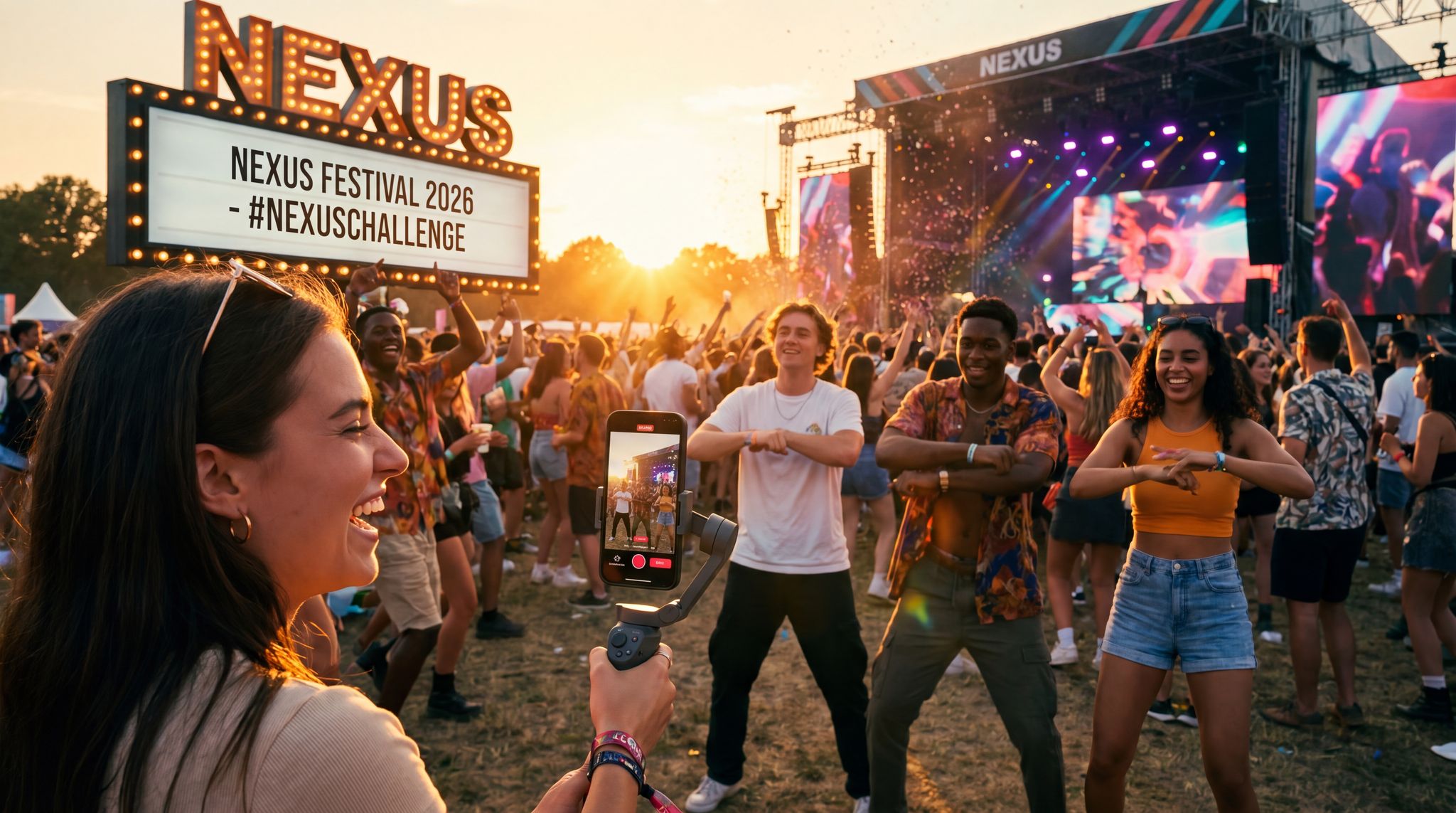
In 2026, digital media remains the powerhouse of event discovery. Social platforms and search engines are often where first contact happens. To maximize awareness, meet your audience on the platforms they frequent and tailor content to each. For example, TikTok and Instagram Reels offer incredible reach for visually exciting events – a 15-second video of last year’s festival crowd or a teaser of the stage design can go viral and put your event on the map. With TikTok in particular, event promoters have learned how to craft native-feeling content that taps into trends and sounds, rather than overt ads. A well-placed TikTok showing a day-in-the-life of your event or a challenge related to your theme can rack up millions of impressions and drive ticket clicks by mastering TikTok ads. Gen Z and young Millennials often discover music events through TikTok and YouTube recommendations, so these channels are goldmines for awareness if used creatively. Consider leveraging influencer partnerships here as well – not just any influencers, but those who genuinely align with your event’s niche. A popular local food vlogger posting about your upcoming food festival, or a respected tech YouTuber mentioning your startup conference, can expose your event to highly relevant audiences. These authentic endorsements blend into the content people already consume, which builds trust far more than a generic banner ad.
Grow Your Events
Leverage referral marketing, social sharing incentives, and audience insights to sell more tickets.
Search engines are another lynchpin of awareness. Many potential attendees will search for events (“Atlanta concerts 2026” or “gaming conventions near me”) before they know about yours specifically. That’s why SEO and content marketing play a supporting role in the awareness stage. Ensure your event page and any related blog content are optimized for the keywords your target audience might use. Writing an article like “Top EDM Festivals in California 2026” that naturally features your event, or a lineup announcement post that will rank when people search an artist’s name + “tickets”, can capture organic discovery. Even simple things like naming your event clearly and descriptively help (an ambiguous event name with no context is hard for searchers to latch onto). Don’t forget event discovery platforms and listings either – make sure you’re visible on popular event calendars, local tourism sites, or niche forums relevant to your genre. If your marketing budget allows, programmatic display ads can blanket relevant websites and apps with your event graphics, extending awareness beyond social media . The key is to use data to target these ads: for example, showing banners to people browsing music blogs or travel sites if you’re promoting a destination festival.
One crucial tip: optimize all awareness content for mobile. A huge portion of discovery – whether it’s seeing an ad or stumbling on a video – happens on smartphones. That means clear, bold visuals and text that’s readable on a small screen. If using video, hook viewers in the first 2-3 seconds (before they scroll past) with your most exciting shot. And always include a clear call-to-action for the next step (e.g. “Learn More” swipe-up that leads to your event page) since at the awareness stage you want to smoothly hand interested people into the Interest phase of consideration.
Beyond Digital: Real-World Buzz & Experiential Stunts
While digital channels dominate, real-world marketing stunts and grassroots outreach can create massive awareness by cutting through online noise. In fact, many 2026 marketers are rediscovering that old-school meets new-school can be a winning combo. Bold experiential activations — think secret pop-up shows, flash mobs, immersive art installations in public — have a way of grabbing attention and getting people talking offline and online. A surprise pop-up concert in a city square or a branded mural that doubles as a photo backdrop not only reaches those who witness it in person, but also often explodes on social media as people share the experience. For example, to hype a festival, the organizers might send a costumed street performance troupe into busy downtown spots a week prior, delighting passersby and creating a flurry of Instagram Stories. Such stunts ignite word-of-mouth and earned media coverage that ads can’t buy. It’s no wonder 80% of companies increased their experiential marketing budgets recently, allocating more spend to live brand experiences that generate buzz.
When executing event experiential marketing, the goal is to create immersive, tactile moments that digital ads simply cannot replicate. Organizers are increasingly designing interactive pop-ups or branded installations that serve as a physical extension of the event’s core identity. These real-world activations not only capture immediate foot traffic but also provide highly shareable photo opportunities, effectively turning local pedestrians into digital brand ambassadors.
Grow Your Social Following With Every Sale
Require social media follows, shares, or playlist adds to unlock presale access or special pricing. Turn every ticket purchase into audience growth.
You don’t need a massive budget for experiential awareness tactics either. Grassroots marketing still works, especially for local events. Tactics like postering trendy neighborhoods, handing out flyers at related shows, or partnering with local businesses can steadily build awareness within target communities. For instance, a club promoter might have their street team put up creative posters around music stores, cafes, and campuses – sometimes with a QR code that reveals a secret lineup hint when scanned, to pique curiosity. Community engagement is also powerful: tapping into niche forums or fan groups (online or offline) related to your event’s genre can create ambassadors who spread the word organically. An anime convention, for example, might rally local cosplay groups months in advance, equipping them with promo codes to share among friends. The human touch of grassroots efforts – literally talking to potential attendees at campus booths or local meetups – builds a personal connection to your event brand.
Crucially, integrate your offline and online awareness efforts. If someone encounters your event via a flyer or stunt, make it easy for them to follow up in the digital world. This could be as simple as including your social handles and a memorable hashtag on print materials or using interactive posters with AR features. Many promoters now print QR codes on posters and stickers that, when scanned, play a teaser video or grant a small ticket discount. This bridges the gap between the physical and digital, moving people from fleeting awareness to an active interest in learning more. Remember, at the Awareness stage your primary job is to cast the net wide to the right audience. It’s about quality reach: getting on the radar of people who are likely to love your event. If successful, you’ll see the next phase – consideration – start to fill with curious potential attendees.
Stage 2: Interest – Nurturing Consideration
Keeping the Momentum: From Aware to Interested
Once someone knows about your event, the challenge becomes holding their interest and nurturing it into intent. In the Interest stage, potential attendees are essentially asking, “Is this event right for me, and do I really want to go?” They might follow your social pages, skim your website, or mention it to friends. This is a delicate phase – enthusiasm can build, but also doubts and questions arise. Effective event marketers treat interest-nurturing like tending a fire: you’ve sparked a flame during Awareness, now you feed it gradually so it doesn’t fizzle out. One critical strategy here is lead capture. If you’ve attracted someone’s curiosity, try to get a way to keep communicating with them directly. Encourage follows on your event’s socials, but even better, get them to subscribe to something – an email list, SMS updates, a Messenger bot, etc. For instance, offer a simple incentive: “Sign up for our newsletter for first access to early-bird tickets” or “RSVP your interest for a chance to win a merch pack.” By capturing that contact, you move the person from a passive observer to an active lead you can nurture.
With a list of interested leads in hand (emails or phone numbers), you can deploy targeted follow-ups that speak to their interest. Email marketing is a star player in this stage – and in 2026 it’s all about segmentation and personalization. Rather than blasting the same message to everyone, segment your audience by their engagement or source. For example, people who clicked your “Learn More” ad and signed up might get a different series than those who joined your list at a promo booth. Craft email sequences that build excitement: one email could share a behind-the-scenes story of how the event came to be, the next could reveal a new headliner or speaker, another could be an FAQ addressing common questions (“Wondering about parking or COVID safety? Here’s info”). Automated drip campaigns can be set up to deliver this content steadily, keeping your event top-of-mind. Remember to keep the tone conversational and fan-focused – it’s about engaging them, not just selling. Ask questions in your content or emails (e.g. “Who are you most excited to see?”) to invite replies or social comments, turning interested folks into an active community.
Content that Educates and Excites
During consideration, content is king. Potential attendees will be seeking more information to inform their decision. Feed that curiosity proactively with content that both informs and excites. Think of the questions an interested person might have: What’s the full lineup or schedule? What makes this conference different? Who else is going? What do past attendees say? Create content pieces to answer each of these in a compelling way. For example:
- Announcements and Reveals: Stagger your major announcements (lineup, special guests, schedule, venues) to create news over time. Each announcement is a chance for a publicity bump and a reminder to your interested audience. A well-timed artist reveal or keynote speaker announcement can reignite buzz and push fence-sitters closer to buying.
- Behind-the-Scenes Stories: Interest-stage folks love feeling like insiders. Blog about the making-of the event, share a video of stage design renderings, or do an Instagram Live Q&A with an artist or speaker. This gives your audience a taste of the experience to come, making the event feel more tangible. As an example, comic-con organizers might post a sneak peek photo of exclusive merchandise or a time-lapse video of the exhibit hall layout coming together – visual teasers that scream “you don’t want to miss this.”
- Social Proof and Testimonials: Showcase what others are saying. Pull quotes from past attendee surveys (“98% of last year’s attendees said the show exceeded expectations!”), or encourage known fans to post about why they’re excited. Peer enthusiasm is infectious. In fact, since 83% of consumers trust recommendations from friends and family over ads (source: Gleanin), highlighting genuine fan voices in your marketing can be incredibly persuasive. Share user-generated content like fan art, unboxing videos of your event merch, or throwback photos from previous events. This not only provides social proof but also makes those contributors feel valued – further locking in their intent to attend.
- Interactive Content: Polls, quizzes, or contests can deepen engagement. Maybe run a Twitter poll about which song a band should play for their encore, or a contest for fans to vote on a cocktail name that will be served at the event. These interactive touchpoints keep interested folks actively thinking about your event and often generate additional shares (spreading awareness to new people). As a bonus, those who participate in contests or challenges feel more invested – one festival’s “#FestivalFlashback” UGC challenge had thousands of fans posting their favorite memories, which skyrocketed community excitement and led to early-bird tickets selling out. By engaging your audience as co-creators, you prime them to commit.
It’s important to tailor content to where people are consuming it. Longer, detailed content (like an in-depth FAQ page or a behind-the-scenes YouTube mini-doc) is great for those actively researching on your site or via email link. Quick, visually rich content works better on social feeds to keep the event in people’s daily scroll. Use a mix of formats – blogs, videos, infographics, stories – to cater to different preferences. Also, retargeting ads are extremely useful now: show ads specifically to people who visited your ticket page but didn’t purchase, or who watched 50% of your teaser video. These ads can highlight the benefits they haven’t seen yet (“VIP tickets almost sold out” or “Just Announced: Afterparty DJ lineup”) to push them closer to decision. A data-driven approach here can pay off: if you see, for example, that many interested leads are hovering but not buying, perhaps test an incentive like a limited promo code (“5% off if you buy this week”) in your follow-ups. Just be cautious with discounting – you don’t want to train your audience to always wait for a code. Sometimes adding value works better (like “buy now and get a free drink voucher”).
Free Tool: Split Tickets for Max Gross
Given capacity and a target price, the optimizer proposes Early Bird / GA / VIP allocations and prices — with projected gross at 100%, 80% and 60% sell-through.
Addressing Doubts and Building Trust
By the end of the Interest phase, you want your prospects to feel fully informed and excited – essentially convincing themselves that attending is the right move. That means you must anticipate and address any objections or doubts that might be holding them back. Common hesitations might include: pricing (“Is it worth the money?”), logistics (“How will I get there, where do I stay?”), safety (“Is it COVID-safe or generally secure?”), or social concerns (“Will I have people to go with?”). Tackle these head-on in your communications. For example, if price value is a question, highlight what’s included (“Your ticket includes access to 12 hours of music across 3 stages, plus free water stations and a souvenir lanyard”). If people often attend solo and worry about the experience, mention community-building aspects (“Join our attendee Facebook group to find meetups and make new friends before the show!”). Including an FAQ section on your event site and as part of email sequences is extremely helpful – and make it candid and friendly. Show that you understand their concerns: “We know parking can be a pain, so we’ve arranged a free shuttle from downtown.” Solutions like that build trust and remove barriers.
Trust is the magic ingredient in moving someone from interest to action. Beyond addressing specifics, ensure all your messaging at this stage reinforces credibility. Display any relevant accolades or press quotes (“Voted best new festival of the year by XYZ Magazine”) prominently. If your event or company has a good track record, emphasize that longevity or success (“Over 10,000 happy attendees since 2018”). Prominently feature logos of notable partners or sponsors for an implicit vote of confidence. Also, open lines of communication: prompt interested folks to ask questions (via DMs, comments, or a contact email) and respond quickly and helpfully. Many buyers will have that one question whose answer will tip them into buying – be sure you’re there to answer it. Some events set up AI or live chatbots on their ticket page to field common queries, which in 2026 is easier than ever with tools that can answer 24/7. Even simple automated Facebook Messenger replies (like sending the FAQ link) can nudge a hesitant prospect along at midnight when they’re browsing.
Lastly, continue building urgency subtly even during interest-building. You don’t need hard sell tactics yet, but gentle reminders of scarcity can motivate people to move toward deciding. Phrases like “limited early bird tickets available” or social posts like “Venue is 75% sold out – don’t wait too long!” start planting the seed that action shouldn’t be put off indefinitely. Use genuine indicators of momentum (if you have them) – for example, show a progress bar of ticket sales or a live count of how many people are viewing the ticket page. When interest is high but action hasn’t been taken, a respectful nudge that others are already grabbing tickets can help prospects realise they risk missing out. Just be truthful and ethical with urgency claims (false scarcity will backfire on trust). Now, with interest nurtured and most questions answered, your warm leads are ready to become buyers. It’s time to convert that excitement into actual ticket sales.
Stage 3: Decision – Converting Interest to Ticket Sales
Smoothing the Path to Purchase
The Decision stage is where the rubber meets the road: an interested person decides yes or no on buying a ticket. At this juncture, your marketing needs to make purchasing as easy, reassuring, and rewarding as possible. Start by removing any friction from the process. Take a walk through your own ticketing flow as if you were a first-time customer – is it fast on mobile? Are the steps clear and minimal? In 2026, a majority of ticket buyers complete transactions on smartphones, so a mobile-optimized purchase experience is non-negotiable. Use a reliable, user-friendly ticketing platform (naturally, we recommend Ticket Fairy) that offers one-page checkout, auto-filled attendee info if possible, and multiple payment options. If someone has to fumble with forms or encounters errors, you risk losing them at the one-yard line. Leading promoters obsess over reducing checkout drop-offs: for example, by enabling Apple Pay/Google Pay for one-touch payment, or by simplifying ticket options (presenting too many choices or add-ons can overwhelm and delay a decision).
It’s also crucial to provide all necessary information at the point of decision. On the ticket purchase page, clearly state what the ticket includes, the date/time/location, and any key terms (age restrictions, refund policy, etc.), so buyers feel informed. Lack of info can cause second-guessing. Include trust signals prominently: a lock icon or “Secure Checkout” message, credible trust badges, and even short testimonials (“Over 500 5-star reviews!”) right near the purchase button to reassure them this is a good decision. If applicable, show real-time indicators of popularity – for instance, “120 people are viewing this event right now” or “15 tickets left at this price”, if your platform supports that kind of messaging. Social proof at checkout can tip the balance by implying “others are buying, you should too.” However, use these features judiciously and truthfully; false urgency is not only unethical but can also violate consumer protection laws.
To further smooth the path, minimize surprises in pricing. Display the total price upfront (including fees) before the final confirmation. Unexpected fees or taxes tacked on at the last step are a major cause of abandoned carts. Many events now bake fees into the ticket price or clearly break them down early on to avoid sticker shock. Being transparent here builds goodwill. Additionally, consider offering flexible payment options for higher-priced events: things like installment plans or “buy now, pay later” services can remove affordability as a barrier for some buyers. For example, a multi-day festival pass costing $300 might be a hurdle, but if the attendee sees they can pay $100 per month over three months, they may be more inclined to click purchase. These options have grown popular in event ticketing by 2026, particularly for younger audiences accustomed to installment payments on other purchases.
Recover Lost Ticket Sales
Automated abandoned cart emails re-engage potential buyers at the optimal time, recovering lost sales and boosting your conversion rate.
Using Incentives and Urgency (Ethically) to Drive Action
When an interested attendee is on the fence, the right nudge can push them over to a “yes.” Two of the most powerful nudges in ticket sales are incentives and urgency – used ethically. A classic approach is tiered ticket pricing and deadlines. Early-bird discounts, for instance, reward those who buy early (and serve to create urgency because the offer is time-limited). If you promote “Early Bird price ends this Friday – save $20”, you’ll likely see a spike in sales as that deadline approaches. This adds a friendly pressure to decide rather than procrastinate. Just ensure that you honor your deadlines and actually increase prices when you say you will – and communicate those changes (“Tier 1 sold out! Tier 2 pricing now in effect”). Each tier change is also another marketing beat you can announce to spur those still on the sidelines.
Besides time-based urgency, limited quantity offers also work wonders. For example, “Only 50 VIP meet-and-greet passes available” creates a fear of missing out for those who highly value that perk. Scarcity can be a strong motivator – people naturally want what might soon be unavailable. We see this psychology often in action: when a festival announces “90% of tickets sold out!”, the last 10% can often move very fast as indecisive folks rush to not miss their chance. Always be truthful with such claims; if you’re far from sold out, it’s better to stick with time-bound urgency than to lie about scarcity. Also, don’t overdo the pressure. Language should stay upbeat and encouraging, not desperate or threatening (“Last chance!” spam at every turn can annoy potential buyers). Use urgency elements like spice in a dish – enough to add flavor, not so much that it overwhelms.
On the incentive side, consider promotion codes or bundle deals targeted strategically. Blanket discounts can erode your revenue, but well-targeted ones can tip a segment into buying. For instance, a promo code for members of a partner organization, or a loyalty discount for past attendees (e.g. “WELCOME10” for 10% off to welcome first-timers, or a secret code emailed exclusively to last year’s attendees) can drive conversions among those groups without devaluing your event publicly. Another increasingly popular tactic in 2026 is value-add bundles: bundling a ticket with something extra. Rather than a pure discount, you might offer a free T-shirt or drink vouchers if they buy a multi-pack of tickets, or perhaps an exclusive piece of merch for those who purchase by a certain date. These bonuses can create a perceived extra value that nudges indecisive buyers. For example, “Buy 2 tickets by January 31 and get a free event poster” could incentivize both early commitment and multi-ticket purchases (which is effectively viral marketing if that second ticket is for a friend). The cost to you is relatively low, but the psychological push for the buyer is meaningful.
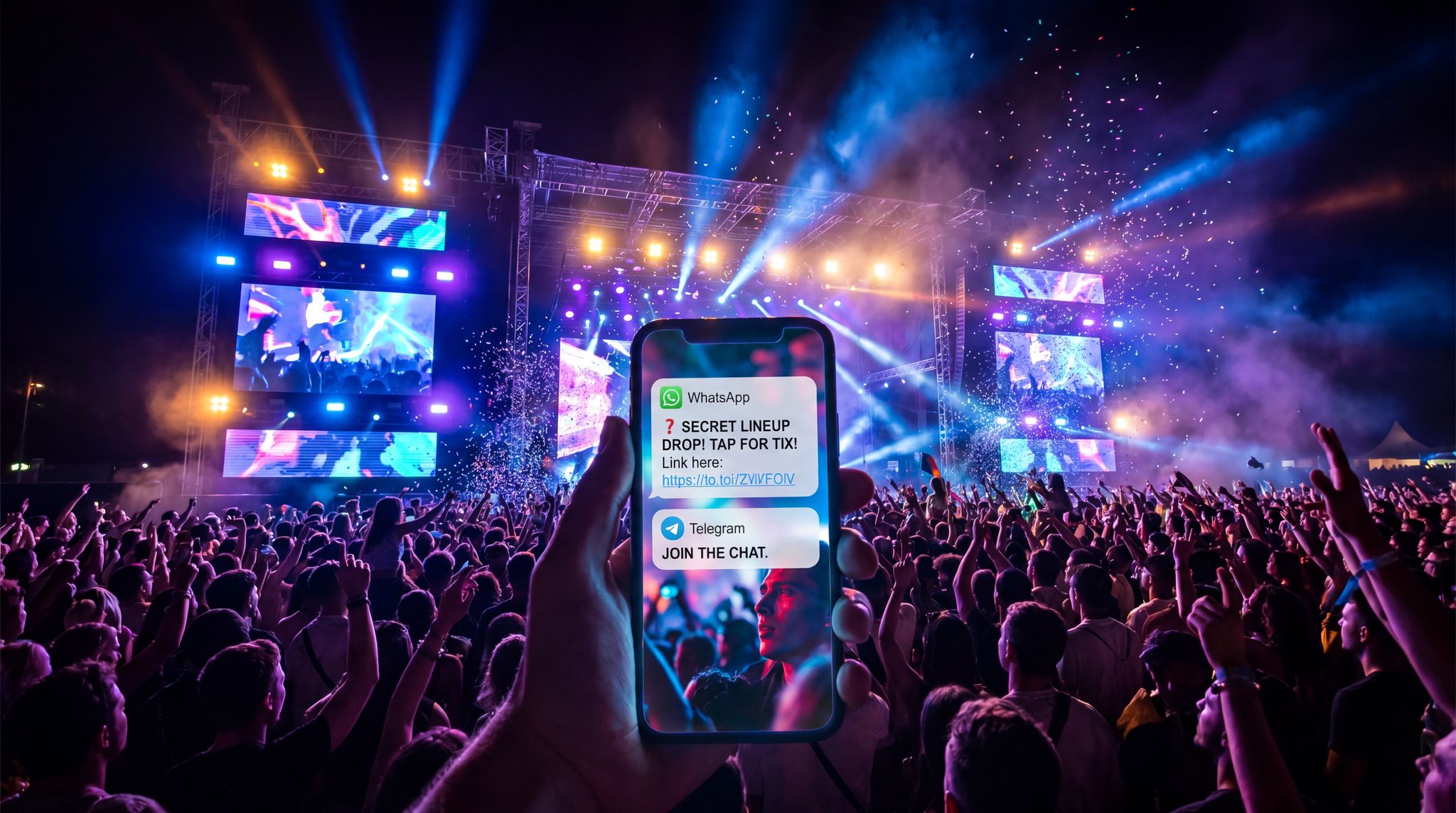
One more conversion booster: implement an abandoned cart recovery program. Despite your best efforts, some people will get to the checkout page, then hesitate or get distracted and leave. Don’t lose them permanently – if you’ve captured an email or phone during the checkout process (many ticketing systems will ask for an email early on), use that to follow up. A polite email like “Still interested in those tickets? They’re waiting in your cart” sent within 24 hours can bring a chunk of people back. Sometimes, adding a sweetener in the follow-up helps – “Have questions? We’re here to help, just reply to this email” or even a one-time extra incentive (“Complete your purchase in the next 48 hours and we’ll throw in a free VIP lanyard at the door”). Even SMS reminders have proven effective given the high open rates of text messages (often 90%+ within minutes of sending, far higher than email), a trend highlighted in 2026 event marketing strategies. Just use SMS sparingly and only if the customer opted in, as you don’t want to come off as too intrusive.
Ensuring Confidence at Checkout
By the time a potential attendee is ready to click “Buy Tickets,” you want them feeling 100% confident in their decision. Aside from the usability factors and incentives discussed, messaging during checkout should reinforce that confidence. Highlight any guarantees or flexible policies you offer: for instance, many events now provide a simple refund or resale option (especially in a post-2020 world where plans can change). If you allow ticket transfers or have a ticket insurance add-on, make that known. A buyer at ease is more likely to complete the purchase. Also, remind them of the great choice they’re making – for example, the checkout sidebar might reiterate “You’re about to join 5,000 fans for an unforgettable night!” or show a quick recap of the value (“Your 3-Day Pass gives you access to 40+ performances, free water stations, and a camping spot”). It keeps the excitement level up through the transactional moment.
Displaying real-time social proof on the checkout page can also boost conversions. Some ticketing platforms show notifications like “James from London just bought 2 tickets” or “5 others are currently looking at this event.” This leverages FOMO and the herd instinct – people tend to feel more comfortable buying when they know others are doing the same. It’s the same psychology behind why seeing a long line at a club makes it seem more desirable. Implement these features carefully (and only if true; if sales are slow, fake pop-ups will only hurt credibility). But when your event is genuinely popular, letting prospective buyers see evidence of that popularity can push them to join in. One case study found that simply adding a testimonial and a “X people purchasing now” ticker on an event page improved conversion rates significantly.
Data-Driven Event Marketing
Track ticket sales, demographics, marketing ROI, and social reach in real time. Exportable reports give you the insights to make smarter decisions.
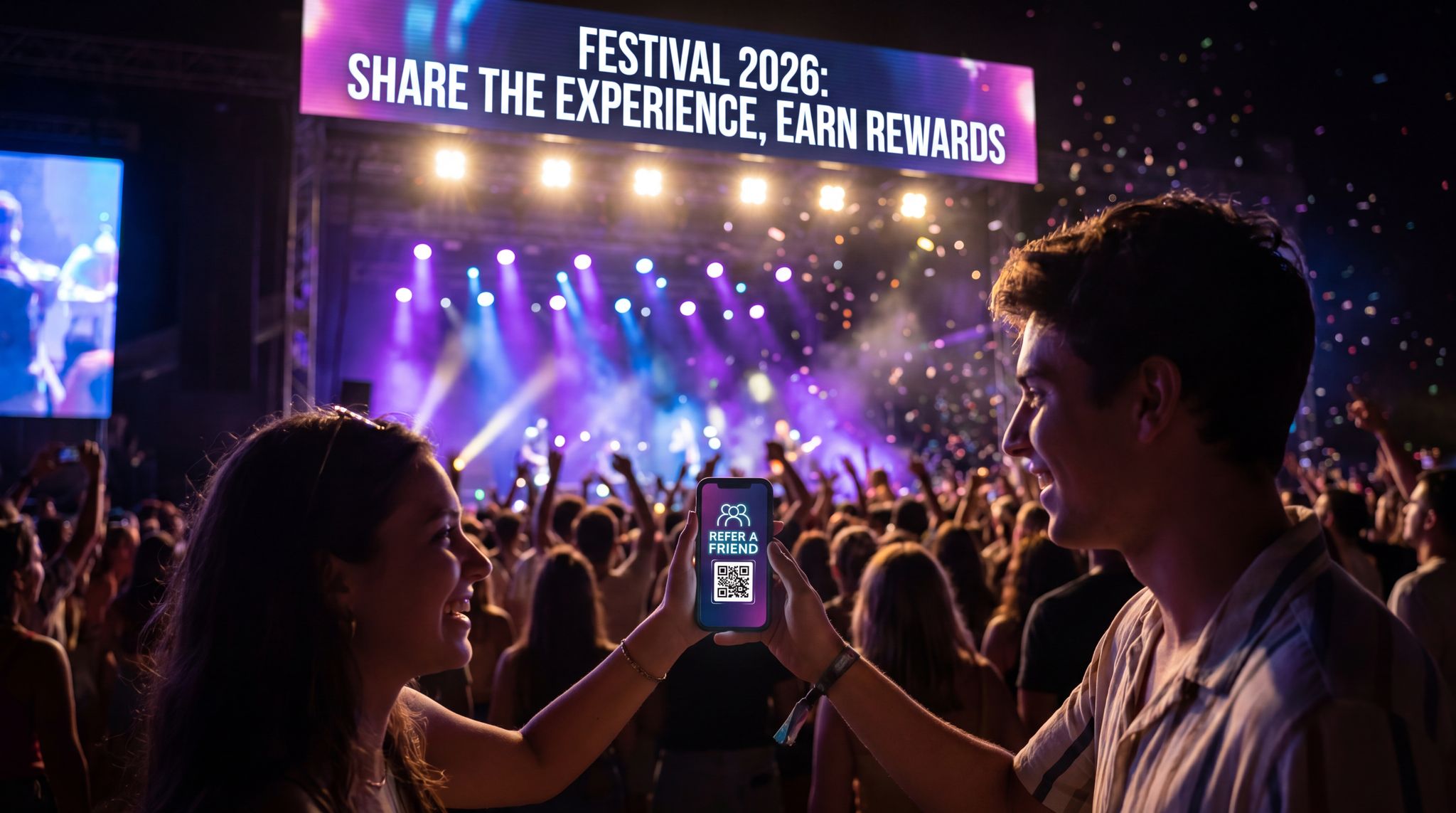
Lastly, consider the post-purchase experience as part of the decision stage. Immediately after a buyer completes the purchase, congratulate and thank them. The confirmation page and email are perfect places to cement their choice as a great one (“Welcome to the adventure!”). This not only reduces buyer’s remorse but also primes them to start promoting the event themselves. Many events include referral prompts here: “Share this unique link with friends – if 3 friends buy, you earn a free upgrade!” Using an advanced platform like Ticket Fairy, you can generate referral tracking links for each buyer automatically, turning new customers into ambassadors. This tactic bridges the Decision and Loyalty stages – the attendee hasn’t even gone to the event yet, and they’re already helping you sell more tickets. It’s much easier to convince someone who just said “yes” to your event to spread the word, since they’re riding the excitement of that decision. And by rewarding them (even with small perks), you encourage future loyalty. With a smooth, confidence-inspiring checkout and smart use of urgency and incentives, you’ll see more interested prospects convert into confirmed attendees – setting the stage for delivering the experience you’ve promised.
Stage 4: Experience – Delivering On-Site Delight
Setting Expectations Before the Event
The Experience stage kicks in as soon as the attendee has bought their ticket and is preparing for the event, and it crescendos through the on-site live experience. Marketing’s role doesn’t stop at the gate – in fact, how you guide attendees before and during the event is crucial for satisfaction and future loyalty. It starts with pre-event communication. In the days or weeks leading up to the event, send attendees the information they need to feel ready and excited. This might include a “Know Before You Go” email detailing important logistics (event schedule, maps, what to bring, parking or transit tips, health & safety protocols, etc.). A well-crafted pre-event guide not only reduces anxiety (no one likes feeling confused on arrival) but also builds anticipation by highlighting the fun parts (“Don’t miss the opening act at 7pm on the main stage!”). Many experienced organizers also use this opportunity to encourage social engagement: for example, sharing the official hashtag and inviting attendees to start posting their preparations or meet-up plans. If your event has an app, prompt ticket-holders to download it beforehand via email, and showcase its features like personalized schedules or an interactive map.
Transparent communication is key. If there are any last-minute changes (artist cancellations, weather advisories, gate entry procedures), inform attendees as early as possible through multiple channels (email, SMS alerts, social media). Attendees will be far more forgiving of hiccups if you keep them in the loop proactively. This is also a good time to up-sell or cross-sell if appropriate – gently. Since they’ve already committed to attending, you might offer upgrades like “Add a VIP lounge access to your ticket” or merchandise pre-orders for pickup at the event. Some events send out personalized recommendations (“Based on your interests, we think you’ll love the Panel at 2pm in Room B”) to ticket-holders, using data from their ticket type or app activity. This kind of personalization at the pre-event stage can enhance their on-site experience by helping them navigate options and feel catered to.
Seamless Check-In and Warm Welcome
The on-site experience truly begins at check-in – the moment the attendee arrives at the venue or entrance. This is a critical touchpoint that sets the tone for the day or night. A poorly organized entry (long chaotic lines, rude staff, ticket scanner malfunctions) can sour someone’s mood before they even step inside. Therefore, invest effort in making check-in smooth, fast, and friendly. Use robust ticket scanning systems (like Ticket Fairy’s mobile QR code scanners) to speed up entry and prevent fraud. In 2026, many events have gone fully digital or contactless for tickets, which most attendees prefer for convenience. Ensure you have enough staff and entry points to handle peak arrival times; nothing kills excitement like a one-hour wait outside the gates. If there are multiple tiers (VIP fast lane, general admission, guest list, etc.), have clear signage and staff directing people where to go. Efficiency matters, but don’t forget the human touch: train your front-line staff to smile, be welcoming, and knowledgeable (they should be able to answer “Where’s the parking lot?” or “What time do doors open for the main hall?”). A cheerful greeting and a quick scan can turn what is usually a chore into a positive first impression.
Many top events also add small welcome surprises to delight attendees upon entry. This could be something like free stickers or a badge handed out at the door, a short welcome video playing on screens, or even performers entertaining people in the queue. For example, a conference might have staff in branded gear mingling in line, handing out coffee or donuts to morning attendees – immediately creating goodwill. A music festival could deploy roving performers (stilt walkers, mascots, etc.) near the entry to set a festive mood as people come in. These touches aren’t just fluff; they actively contribute to an attendee’s satisfaction by fulfilling the promise that your event is a special experience from the get-go. As the famous saying in events goes, “the experience starts when you leave your house” – meaning every interaction including arrival is part of the overall package. By focusing on a seamless, upbeat check-in, you ensure attendees start the event in a positive state of mind, ready to fully engage with what’s inside.
Engaging and Exceeding Expectations On-Site
During the event itself, marketing and experience overlap heavily. Your goal on-site is two-fold: deliver what was promised in all your pre-event marketing (meet expectations), and wherever possible, delight attendees with extras (exceed expectations). The “core product” – be it the performances, the conference sessions, the sporting contest – typically lies with your talent and production teams. But marketing can influence the peripheral experiences that elevate the overall satisfaction. For instance, think about the visual branding and atmosphere: is the venue decorated or branded in a way that resonates with the theme you sold? If you promoted a futuristic tech conference, having sleek LED signage, interactive demo booths, and maybe some robot greeters reinforces the thematic promise. If you marketed a cozy folk music festival, maybe you have string lights in the trees and local craft vendors creating that intimate vibe. Consistency between the image you sold and the reality they encounter builds trust and enjoyment. Attendees notice when details align with the story they were told.
Interactivity is a huge trend in 2026 event experiences. People don’t want to just attend, they want to participate. So consider engaging on-site activations that involve your audience. This could be an AR photo booth where fans can snap a fun branded picture (which they’ll likely share on social media, generating real-time promotion), or a voting system (like live-voting for the encore song via the event app). Music festivals might include a scavenger hunt across the grounds (find hidden symbols to win a prize), while a B2B expo might have a digital passport in the app that encourages visiting sponsor booths for stamps and swag. These elements keep attendees actively involved during downtimes or between main attractions, preventing boredom and boosting their overall enjoyment. Gamified experiences and “festival within a festival” activities also tend to generate a lot of authentic fan buzz and user-generated content as people love to broadcast the cool things they’re doing at the event. By facilitating these shareable moments, you effectively turn your attendees into live marketers posting on Instagram, TikTok, Twitter (X), etc., which amplifies your event’s reach even while it’s happening.
Another highly effective tactic for on-site engagement involves integrating game show audience participation mechanics into the event schedule. Whether it’s a live trivia segment between conference keynotes or an interactive stage challenge at a festival, these gamified moments break up the programming and energize the crowd. By offering exclusive merch or VIP upgrades as prizes, organizers can drive massive participation, keeping attendees actively focused and entertained rather than passively watching.
Another critical aspect of the on-site journey is customer service and issue resolution. No matter how well you plan, things can go wrong – maybe someone lost their ticket QR code, or there’s a scheduling delay, or an attendee has a special need. How you handle these situations is part of your marketing too, because it directly affects the attendee’s story about your brand later. Empower your event staff and volunteers with information and a problem-solving mindset. For instance, have a clearly marked info booth or help desk where people can go with questions or issues. If a headline act’s set is delayed, have your MC or screens communicate updates transparently (“Artist is running 15 minutes late, thanks for your patience – grab a drink and get ready to rock!”). Attendees appreciate honesty and updates far more than silence. In crisis communication scenarios, swift and thoughtful messaging is vital, but even for small hiccups, showing you care goes a long way. Many events now monitor social media mentions during the event so they can catch and respond to any complaints in real time (e.g., someone tweeting about a restroom that’s out of supplies can be addressed within minutes if your team is listening). This real-time responsiveness can turn a potentially negative experience into a positive surprise (“Wow, they actually fixed my issue fast!”). Remember, the on-site experience is where emotional connections are forged. If you deliver a fantastic time and make every attendee feel valued, you’re not just fulfilling your promise – you’re creating evangelists who will rave about the event afterward.
Capturing the Moment: Live Social Sharing and Engagement
Modern attendees love sharing their experiences as they unfold. Encouraging and facilitating live social sharing is a powerful way to both enhance attendee enjoyment and boost your marketing in the moment. Early in the event, actively promote your event hashtag and social handles on signage, screens, and stage announcements. You want to make it easy for attendees to tag you and connect with other fans online. Some events set up social media walls – big LED screens that display attendees’ posts in real time when they use the hashtag. This can be wildly effective: people get a kick out of seeing their tweet or photo up on a screen at the venue, and it motivates others to post as well, creating a virtuous cycle of UGC. In 2026, live TikTok and Instagram stories from events often garner huge views, essentially turning your attendees into a broadcast channel to everyone who follows them. By encouraging sharing (“Tag us in your stories for a chance to be featured on our page!”), you amplify that effect. Just ensure your Wi-Fi/cell coverage at the venue is solid or provide free Wi-Fi if possible, since nothing stifles sharing more than no signal.
You can also engage the audience digitally during the event through polls or surprise announcements. For instance, near the end of a conference, you might use the event app to poll “What topic do you want a deeper workshop on next year?” – giving attendees a voice and making them feel heard. Or at a concert, you could have a live vote for one of two songs for the band’s encore. These interactions not only entertain attendees on-site but send a message that this event values its audience’s input. Another idea is running a quick giveaway or contest live: “Tweet a photo of you at the stage right now with #FestivalFun – one random post in the next 10 minutes wins a backstage meet & greet!” This sparks a flurry of online activity, gets your event trending, and thrills one lucky winner – all reinforcing positive engagement.
Keep an eye on sentiment during the event. If you see lots of ecstatic posts, you know you’re doing well (and can maybe compile some of those posts to showcase later). If you catch complaints or issues being mentioned repeatedly (e.g., “lines at water refill are too long #FestivalName”), use that intel in real time to adjust operations if possible (“open another water station ASAP!”) and acknowledge the concern publicly (“We hear you about the lines – extra stations now open by the main stage”). Attendees will often be surprised and pleased to see organizers responding and taking action during the event itself – it shows a level of attentiveness that can turn around perceptions on the fly.
Finally, capture content for post-event use. Your team should be filming, photographing, and perhaps even live-streaming key moments (if appropriate) not just for immediate social posts, but to have a treasure trove of marketing material for the future. Those euphoric crowd shots and candid fan testimonials you get on event day will become the backbone of your next campaign’s awareness stage, and the cycle begins anew. Plus, sharing a few highlight clips or images during the event (with professional quality) can hype those who didn’t come and induce some healthy FOMO. A simple drone shot of the festival crowd at sunset posted the same night with “Can you spot yourself? ? #BestFestivalEver” can rack up engagement and make ticket-holders feel part of something huge while reminding non-attendees that they’re missing out. In essence, the Experience stage is where you both deliver on your promises and create new marketing assets through genuine moments. Nail this stage and you not only satisfy this year’s attendees – you also lay the groundwork for selling your next event, because a delighted attendee is your most potent marketing weapon.
Stage 5: Post-Event & Loyalty – Fostering Repeat Attendance
Leaving a Lasting Positive Impression
When the event is over and the lights go down, a critical question remains: what happens next? Post-event is not the end of the journey – it’s the start of the loyalty loop that can lead to repeat attendance and word-of-mouth referrals. Directly after the event, while the experience is fresh, you have a golden window to solidify positive feelings and keep the conversation going. Start with a timely thank-you message. Within 24-48 hours post-event, send all attendees a sincere thank-you email (or text, or app notification) expressing gratitude for their presence and energy. Make it feel personal, not just a generic form note. For example: “Thank you for dancing in the rain with us last night – you made the festival magic! We can’t wait to see you again.” Along with the thank-you, consider including a highlight reel or photo album link from the event. People love to relive moments they enjoyed. A 2-minute aftermovie or a gallery of the best photos can spark nostalgia and encourage attendees to share them on their own socials (extending the post-event buzz). Some events even tailor these follow-ups by segment: e.g., VIP ticket holders get a special note referencing the VIP lounge surprise performance, or first-timers get a “Welcome to the family, we hope you loved your first experience” message. This little bit of personalization shows that you remember the attendee’s journey.
Another immediate post-event tactic is to encourage social sharing of memories. Launch an official post-event hashtag (if you have one) like #EDC2026Memories and invite attendees to post their favorite moments. You could turn it into a mini-contest: “Share your best memory from the event with our hashtag for a chance to win two tickets to our next event.” This keeps the online chatter alive for days or weeks after and provides you with authentic testimonials and content. Many fans will also be writing their own recap posts or blog articles—engage with these. Retweet attendees who rave about the event, drop a comment on that epic Instagram photo someone took from the crowd, or compile a few fan tweets into a feel-good Facebook post. Signal boosting your attendees’ voices not only validates them, it also acts as living proof to others that your event was great.
Collecting Feedback and Measuring Satisfaction
To build loyalty, listening to your attendees after the event is paramount. Within the first week post-event, send out a post-event survey to gather feedback while experiences are still fresh. Keep it concise (people won’t fill a 50-question survey) but cover key satisfaction metrics: overall enjoyment, likelihood to attend again, favorite aspects, least favorite aspects, and any suggestions. Including a question like “On a scale of 0-10, how likely are you to recommend this event to a friend?” gives you a Net Promoter Score to gauge loyalty. Make sure to also include some open-ended prompts for qualitative insights (“What could we improve for next time?”). To boost response rates, consider an incentive like “Complete this 3-minute survey for a chance to win a $50 gift card or free tickets.” According to industry wisdom, retaining attendees is far more cost-effective than constantly acquiring new ones – it can cost 5× more to attract a new customer than to retain an existing one – so gathering feedback is essentially investing in future success.
Closely analyze the survey results and other data (ticket scans, dwell times if you have RFID, social media sentiment, etc.) to identify what delighted people and what needs work. For example, if 85% loved the lineup but many complained about long bar queues, that’s something actionable for your next event. Respond to feedback where appropriate: sometimes, addressing a common issue (like “We heard your feedback about restroom cleanliness, and next year we’ll be doubling our sanitation crew”) in a post-event blog or your next event announcement builds trust that you are responsive. If certain attendees include identifiable info and had a particularly bad experience, you might reach out individually to apologize and perhaps offer a small token (like a discount code for next time) – turning a dissatisfied customer into a loyal one by showing you care can flip the script.
Don’t overlook internal feedback either. Do a team debrief: what did your staff notice? What did vendors or sponsors report? All these inputs help refine the attendee journey map for future iterations. The idea is continuous improvement – each event’s post-mortem should inform the next event’s planning. This commitment to learning is evident in how top festival brands operate year after year, steadily increasing attendee satisfaction scores. Also, consider summarizing positive results publicly if appropriate: e.g., “99% of you said you’d come back – we’re blown away by the love!” Such a statement in a thank-you post or press release can further validate potential attendees when marketing the next edition.
Rewarding Loyalty and Encouraging Repeat Attendance
Once you’ve thanked attendees and heard their feedback, the next step in fostering loyalty is to keep the relationship alive between events. Start by offering attendees something special for the next round – essentially treating them as the VIPs they are (after all, they supported you). A common practice is an exclusive presale or loyalty discount for past attendees. For instance, give this year’s crowd first dibs on next year’s tickets at the best price. You can frame it as a loyalty reward: “As a thank you for joining us in 2026, here’s a 48-hour head start to snag 2027 tickets at the Early Bird rate before we announce to the public.” This not only drives early revenue, it also makes your past attendees feel valued and more likely to commit to coming back. Some events even create a tiered loyalty program – e.g., attend 3 years and unlock a permanent 10% lifetime discount, or get a special lanyard that marks you as an “Founding Fan” for those there from year one. These gestures, however small, tap into a sense of belonging and pride.
Beyond tickets, think about how to keep your community engaged year-round. If your event is annual, that’s a long gap to go silent. Use content and communications to stay in touch. You might launch a post-event content series: release uncut performance footage, or a “best of conference sessions” ebook, or a photo album on Facebook and encourage tagging. Some festivals publish an official aftermovie a month or two later as a second wave of nostalgia marketing – attendees love to share these and say “I was there!” Another strategy is to maintain an online community space for attendees – a Facebook Group, Discord server, or forum where fans can mingle, share memories, and discuss related topics through the year. For example, burning man-esque events often foster year-round regional meetups and online groups, which sustains the spirit until the next gathering. Your role is to moderate and occasionally feed these communities with content or news (“The lineup drops next month – who’s excited?”), but often they take a life of their own. By keeping people connected to the brand and each other, you’re far more likely to see repeat attendance. It transforms your event from a one-off transaction into part of someone’s identity or annual traditions.
Finally, leverage and reward word-of-mouth referrals post-event. Now that your attendees have (hopefully) had a fantastic time, they are primed to recommend it to friends. Encouraging that can amplify your reach. Consider setting up a formal referral program: for example, “Invite your friends with this code and you each get $10 off” or “Earn points for each friend who buys, redeemable for merch or upgrades.” Ticket Fairy’s platform includes built-in referral tracking that makes this seamless, allowing you to utilize personal networks for sold-out events. Some events run referral competitions – e.g., the top referrer wins a free VIP upgrade next year. Even without a fancy program, simply prompting attendees with a shareable link like “Share your unique link to let friends join you next time” can work. The ultimate aim is to turn your satisfied attendee into an ambassador who brings new people into the next journey’s Awareness stage. When you consider that people trust personal recommendations above all (remember that 83% stat about friend recommendations (source: Gleanin)), activating your happy attendees to spread the word is one of the most potent marketing tactics there is.
For organizers wondering specifically how to build a loyal event attendee base in competitive markets like the United States, the secret lies in hyper-local community building combined with robust data ownership. Across the US, fans have endless entertainment options, meaning a generic follow-up won’t cut it. Promoters must leverage their ticketing CRM to segment audiences by city or region, offering localized perks such as exclusive pre-parties at regional venues or partnerships with local lifestyle brands. By transforming a massive national or regional audience into tight-knit, localized communities, you create an emotional anchor that keeps fans returning year after year.
Loyalty isn’t built overnight – it’s earned through consistent positive experiences and communication. But by closing the loop on the journey with gratitude, engagement, and rewards, you convert one-time ticket buyers into a community of loyal fans. This not only ensures stronger sales for future events (repeat attendees often become your core base that snaps up tickets first) but also creates an aura around your event that attracts newcomers. People want to be part of events that others rave about. By mapping and optimizing the entire attendee journey, you create precisely those rave-worthy experiences that drive long-term success.
Integrating & Optimizing the Full Journey
Breaking Silos: Consistent Omnichannel Messaging
Having dissected each stage of the attendee journey, it’s critical to step back and ensure all the pieces work together in harmony. A journey map is only as strong as its weakest link – a gap or inconsistency can undo upstream efforts. That’s why integration across all marketing channels and departments is so important. In practice, this means your social media team, email marketer, PR agent, advertising buyer, on-site operations, and customer service reps should all be aligned on the journey flow and key messages. Every touchpoint should feel cohesive and “on-brand”. A classic mistake is when, say, the social media ads hype an exclusive vibe, but the customer support emails are cold and generic – creating a jarring disconnect. Avoid this by establishing a unified communication plan: develop core messaging guidelines and a calendar that spans from the first announcement to the post-event follow-up. Regular cross-team meetings or updates can help; for example, ensure the person scheduling tweets knows when emails are going out so they can complement each other rather than accidentally conflicting.
Modern eventgoers often hop between channels (Facebook, then your website, then an email, etc.) before buying, so you want a seamless omnichannel experience. One tip is to use consistent visuals and slogans throughout a campaign, adjusted for format but clearly part of the same story. If your event has a theme or mascot, thread it through digital ads, ticket pages, and on-site signage. As a simple example, if your initial ad said “Join the Adventure at MountainFest 2026”, then your retargeting banner could say “Don’t Miss the Adventure – Tickets Waiting!”, and even your confirmation email subject could include “Your MountainFest Adventure Awaits”. This repetition reinforces recognition. Research shows that omnichannel strategies (integrating 3+ channels) can significantly boost engagement – one study noted companies with strong omnichannel customer engagement retain on average 89% of their customers, compared to 33% for those with weak engagement, highlighting the benefits of personalized customer experiences. For events, that translates to more prospects moving through the funnel and more attendees coming back.
Also, ensure that data flows between systems where possible. For instance, if someone clicks a link in an email to view VIP tickets, your ad platform can use that info (via tracking pixel) to later show them a VIP upsell ad. Or if an attendee tweets a complaint during the event, your customer service should be aware of it when that person emails later. This kind of 360-degree view of the attendee is becoming easier with CRM integrations and marketing automation. By consolidating data, you can personalize better and avoid repeating mistakes (like advertising a ticket to someone who already bought one). The ultimate goal is for the attendee to feel like every interaction with your event – no matter where it happens – is part of one continuous, thoughtful conversation.
Aligning Campaign Objectives with the Sales Funnel
A common hurdle for growing promoters is figuring out the exact mechanics of linking broad promotional activities to concrete revenue. If you are evaluating how to connect event campaigns to your sales funnel, the secret is assigning a specific conversion goal to every marketing asset. Top-of-funnel (ToFu) initiatives—like a viral TikTok challenge or a broad PR push—should focus purely on capturing attention and driving traffic to a pixel-tracked landing page. Middle-of-funnel (MoFu) efforts then take over, using lead magnets like presale registrations or VIP waitlists to capture contact information. Finally, bottom-of-funnel (BoFu) tactics, such as abandoned cart SMS reminders and highly targeted retargeting ads, push those warm leads toward the final checkout. By structuring your event touchpoints this way, you create a predictable, measurable pathway from initial discovery to a sold-out show. This strategic alignment ensures that your overarching event attendee journey isn’t just a theoretical map, but a highly optimized conversion engine.
Continuous Improvement with Data and A/B Testing
Journey mapping is not a set-it-and-forget-it exercise. The best event marketers treat it as a living framework that gets refined with each campaign. Adopting a culture of experimentation and analysis will help you find the optimizations that boost ticket sales and satisfaction year over year. A/B testing is a powerful tactic here. Test variations of your touchpoints to see what resonates most with your audience. For example, try two different subject lines in your interest-stage email (“Don’t Miss Out on [Event]” vs “Your Invite to [Event] – What You Need to Know”) and see which yields higher open or click-through rates. On your ticket page, you might test different call-to-action button texts (“Buy Tickets” vs “Secure Your Spot”) or the placement of urgent messages (top of page vs just above the checkout form). If you run ads, test distinct creatives or targeting sets to learn which drives more conversions. Over time, these tests can lead to data-driven wins – perhaps you discover that adding a countdown timer on your site boosts last-week sales by 15%, or that emails with a personal tone (“Hey John, we noticed you checked out our lineup…”) outperform generic blasts significantly. Document these insights and incorporate the winners into your standard journey.
Metrics should guide your improvements at each stage. Earlier, we outlined some key metrics per stage (impressions, CTR, conversions, NPS, etc.). Set up dashboards to monitor these in real time if possible. For instance, watch the drop-off rate from ticket page to completed purchase (cart abandonment %). If you see a high drop-off, that’s a signal to investigate the checkout process or consider an abandoned cart recovery. Track email engagement through the campaign – if you notice a big fall-off in interest emails being opened, maybe your content needs tweaking or segmentation needs improving. On social, track not just likes but click-throughs from awareness posts/ads to your site, and further to ticketing; low conversion there might mean the landing page isn’t aligning with the ad’s promise (a common journey gap). Attribution models can help you understand which touchpoints have the biggest impact on sales – multi-touch attribution often reveals that, say, the combination of a Facebook ad + an email + a friend referral yielded a sale, whereas one alone might not have. This can justify where to allocate more budget or effort. If you prove, for example, that those who engage in your online community pre-event are 3x more likely to buy again, that’s a strong case to invest in community-building programs.
Importantly, feed these learnings back into your journey map documentation. Update the map to reflect what touchpoints or messages have changed and why. Over multiple events, you’ll build a playbook of what works best for your audience. Keep in mind that external trends can shift things too – e.g., if a new social platform emerges or consumer behavior changes (like the privacy shifts of recent years). Always be ready to iterate. The year 2026 itself has shown how AI tools can personalize and predict attendee behavior in ways never before possible, allowing marketers to target the right audiences and drive sales increases through effective personalization. Some event marketers are using AI to predict which prospects are “warmest” so they can prioritize those with certain offers, or to auto-generate dozens of ad variants to test. Staying data-informed and agile means you can swiftly adapt your journey strategy to new opportunities or challenges.
Seasoned promoters often say, “The best campaign is the one we haven’t done yet – because we’ve learned so much from the last.” By committing to continuous improvement, your mapped journey becomes sharper and more efficient at guiding attendees from awareness all the way to advocacy. Not every experiment will succeed, and that’s fine – even identifying what doesn’t work is valuable. Encourage a mindset on your team of learning over blame. If a certain initiative fell flat (maybe that pricey influencer partnership barely moved the needle), analyze why, extract lessons from event promotion failures, and adjust rather than just chalking it up as a failure. Over time, this approach can dramatically elevate your marketing ROI. As proof, event companies that rigorously track and optimize report significantly higher returns – they can confidently say “for every £1 in marketing, we drive £X in ticket sales” because they’ve dialed in each stage’s effectiveness.
For promoters wondering, “how do I connect event campaigns to my sales funnel effectively?”, the answer lies in utilizing robust ticketing technology that bridges the gap between top-of-funnel awareness and bottom-of-funnel conversions. Many organizers ask if specific platforms can directly impact their bottom line—specifically, can The Ticket Fairy improve event attendance? Through built-in referral programs, automated retargeting, and deep data analytics, the platform actively turns passive browsers into active promoters. This is why international organizers frequently deploy estrategias de marketing con The Ticket Fairy (marketing strategies with The Ticket Fairy) to scale their global reach. By integrating your ad pixels, email CRM, and ticketing checkout into one unified ecosystem, every campaign click is tracked and nurtured until it results in a confirmed ticket sale.
Ultimately, mapping the attendee journey and aligning touchpoints is about delivering the right experience at the right time. It’s attendee-centric thinking. When you make each person feel understood and supported from the moment they first hear of your event, through buying a ticket, enjoying the show, and beyond, you’re not just running an event – you’re cultivating a loyal following. And loyalty, as data and experience both attest, is the engine of sustainable success in the events world.
Frequently Asked Questions About the Event Attendee Journey
What is an event attendee journey map?
An event attendee journey map is a strategic visual framework used by promoters and organizers to outline every interaction a potential ticket buyer has with their brand. It tracks the progression from initial discovery (awareness) through consideration, ticket purchase, the on-site experience, and post-event loyalty, helping to identify and optimize critical event touchpoints.
What is the difference between an event attendee journey and a sales funnel?
While often used interchangeably, an event attendee journey encompasses the holistic experience of the fan—from initial brand discovery and ticket purchase to the on-site physical experience and post-event loyalty. A sales funnel is a specific, data-driven subset of that journey, focusing strictly on the marketing and conversion metrics that move a prospect from awareness to a confirmed ticket purchase.
How do experienced organizers plan attendee journeys for complex, multi-day events?
For multi-day festivals or large conferences, organizers map out extended touchpoints that account for travel, lodging, multi-stage scheduling, and daily re-engagement. They use data-driven ticketing platforms and mobile apps to send real-time updates, ensuring the audience remains engaged and informed across the entire duration of the event.
How do I connect event campaigns to my sales funnel?
To connect marketing campaigns directly to your sales funnel, integrate your advertising pixels, email marketing CRM, and ticketing platform. This allows you to track users from their first ad click to the final checkout, enabling automated retargeting and personalized follow-ups that guide prospects smoothly toward a ticket purchase.
What are the most critical event touchpoints to monitor?
The most critical event touchpoints span the entire attendee journey, including initial discovery channels (social media ads, influencer posts), the conversion phase (ticketing page, checkout flow), on-site physical interactions (entry gates, VIP lounges, vendor booths), and post-event communications (thank-you emails, feedback surveys). Monitoring and optimizing these specific interactions ensures a frictionless experience that drives both immediate ticket sales and long-term loyalty.
Can The Ticket Fairy improve event attendance?
Yes, utilizing an advanced ticketing platform like The Ticket Fairy can directly increase event attendance. It achieves this through built-in marketing automation, such as automated retargeting for abandoned carts, and robust referral tracking programs that incentivize current ticket buyers to invite their friends. By turning passive buyers into active promoters and capturing lost sales, organizers consistently see a measurable lift in their overall turnout and revenue.
How do I build a loyal event attendee base in the United States?
To build a loyal event attendee base in the highly competitive US market, organizers must prioritize data ownership, hyper-local community engagement, and personalized post-event communication. Utilizing a robust CRM and ticketing platform allows promoters to segment their audience geographically and behaviorally, delivering targeted loyalty perks, exclusive presales, and localized experiences that turn casual ticket buyers into dedicated brand advocates.
What are the core components of effective attendee journey planning?
Effective attendee journey planning involves mapping out every digital and physical interaction a fan has with your event brand. Core components include defining audience personas, auditing all event touchpoints, setting up automated marketing triggers for each stage of the funnel, and continuously analyzing ticketing data to optimize the path to purchase and enhance the on-site experience.
By aligning every marketing touchpoint to the attendee’s journey, you not only maximize ticket sales through smarter conversions, you also deliver a more positive experience that builds long-term loyalty. In the ultra-competitive 2026 events landscape, this holistic, journey-focused approach will set your event apart – creating satisfied attendees who come back year after year and bring others with them. Start mapping and optimizing now, and watch your next event flourish from first discovery to final encore, with a devoted audience cheering you on.