Marketing an Americana festival is not about shouting the loudest, but about striking the right chord with the right audience. Seasoned festival producers understand that authentic storytelling and community connections beat flashy ad blitzes every time. This guide shares time-tested wisdom on how to promote Americana music festivals using targeted channels that truly engage fans – from long-form AAA radio interviews and Americana podcasts to creative partnerships with independent bookstores and curated playlists with liner-note commentary. It also delves into measuring what matters (ticket sales and real engagement) over vanity metrics and why earned media and word-of-mouth will always outperform a megaphone approach. These insights apply whether you’re running a humble local folk weekend or a major Americana extravaganza. Let’s tune up your festival marketing strategy.
Leverage AAA Radio & Public Station Interviews
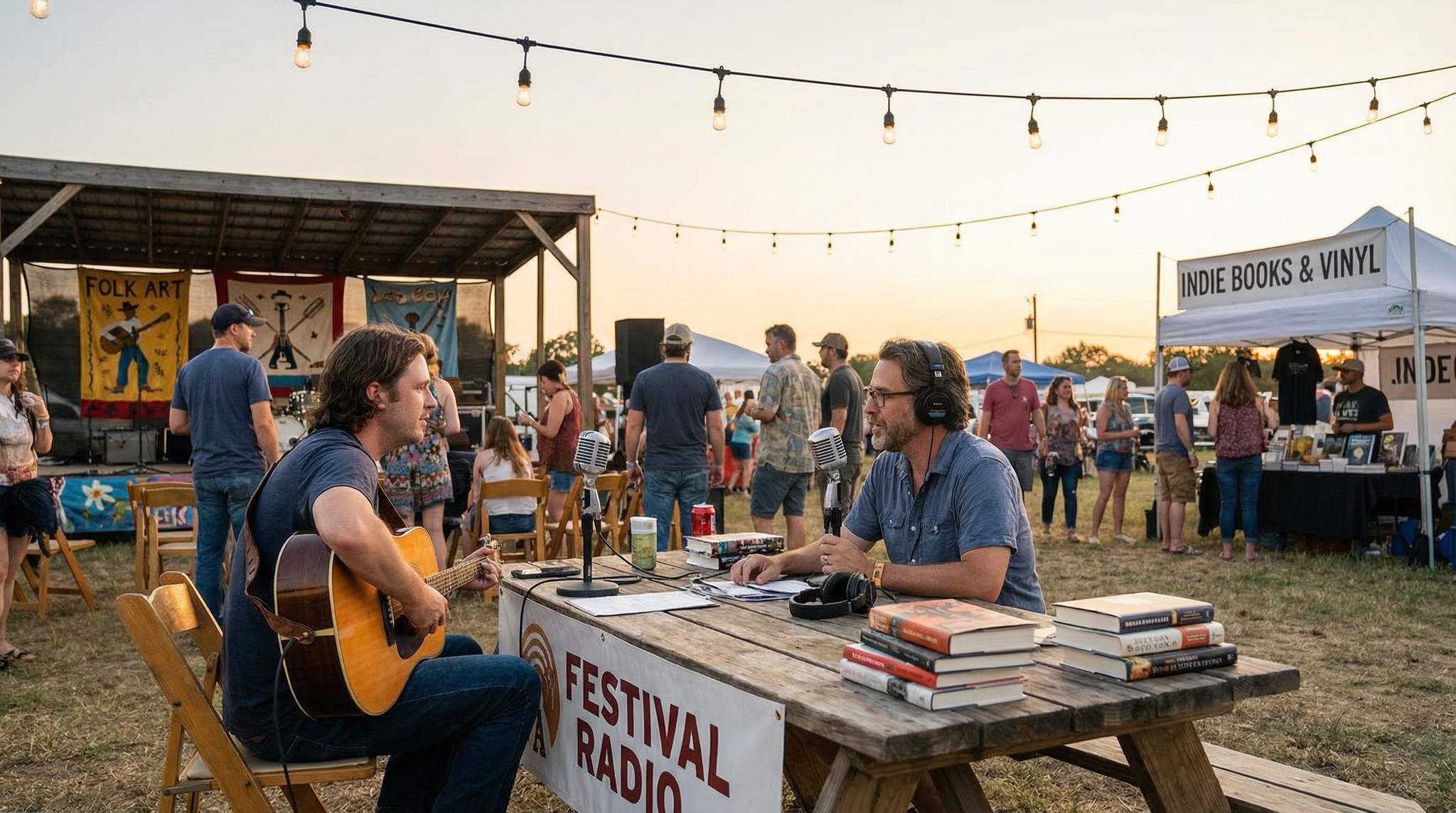
AAA (Adult Album Alternative) radio and public radio stations remain powerful outlets for reaching Americana fans. Don’t underestimate traditional media – one survey found that over 54% of festivalgoers discover events via radio or TV. Americana enthusiasts often tune in to boutique stations and NPR-affiliates that feature folk, roots, and country programming. By placing long-form interviews or live sessions on these stations, you can tell your festival’s story in depth, far beyond what a 30-second ad can do.
- Pitch in-depth interviews: Coordinate with DJs and hosts known for championing roots music. For example, NPR’s World Cafe or regional shows on stations like WXPN (Philadelphia) and KUTX (Austin) regularly host Americana artists. A thoughtful on-air chat about your festival’s lineup or mission can captivate listeners. In New York, legendary BBC broadcaster Bob Harris (of BBC Radio 2) has spotlighted Americana acts – a cue that festival organizers can approach similar radio personalities in their region.
- Feature festival artists: Have performers from your lineup do in-studio performances or interviews ahead of the event. This not only promotes those artists but also showcases the quality of talent at your festival. For instance, at the Mile of Music festival in Appleton, WI, local AAA station 91.1 The Avenue acted as a festival guide by airing daily segments of artists playing the fest. They even ran a series of artist interview specials leading up to the event, creating buzz among listeners most likely to attend.
- Go public (radio): Public radio stations often have dedicated Americana, folk, or bluegrass programs. In the UK, BBC Radio Scotland’s Americana Show or Ireland’s RTÉ Radio 1 folk segments could be ideal places to discuss your festival. In the U.S., community stations like WSM (Nashville) or WDVX (Knoxville’s Blue Plate Special) love to feature local festival news. Long-form content on these outlets engages the audience’s imagination – painting a picture of the festival experience and values, rather than just broadcasting a jingle.
- Highlight local impact: When talking on radio, emphasise any community or cultural angles – such as charity partnerships, unique venue history, or local economic impact – to make it newsworthy. Public stations in particular are keen on stories, not sales pitches. If your Americana festival revives a historic folk tradition or supports local artisans, mention it. This earned media approach can indirectly drive ticket sales by building goodwill and interest.
By treating radio not just as an advertising channel but as a storytelling platform, festival organizers can reach an attentive, like-minded audience. A 5-minute heartfelt conversation on-air can inspire listeners to mark their calendars much more effectively than dozens of generic commercials.
Embrace Americana Podcasts for Deeper Engagement
Podcasts have become the modern-day fireside chat for music lovers, especially in niche genres like Americana. There are dozens of podcasts and online radio shows dedicated to Americana, folk, and country storytelling. Placing interviews or sessions on these platforms allows festival producers to speak directly to super-fans in an in-depth, authentic way.
Smart Promo Codes & Presale Access
Create percentage or flat-rate discount codes with usage limits, date ranges, and ticket type restrictions. Plus unlock codes for private presales.
- Find the right podcasts: Identify podcasts that align with your festival’s vibe. Many Americana music podcasts feature long-form interviews with artists and industry figures. For example, Americana Podcast: The 51st State (hosted by Texas songwriter Robert Earl Keen) is dedicated to exploring Americana’s roots and features conversations with musicians about their creative process. Another popular one, New Slang with music journalist Thomas Mooney, offers hour-long chats with singer-songwriters about their influences and songwriting. Getting a mention or episode feature on these shows puts your festival on the radar of devoted Americana aficionados.
- Pitch festival angles: Podcasts thrive on interesting stories – so pitch something beyond “please come to our festival.” Perhaps it’s an interview with your festival’s talent booker on how they curate a lineup that blends legends and newcomers, or a panel discussion with artists who will all converge at your event. If your festival has a unique theme (say celebrating Appalachian roots or Tex-Mex Americana), offer to have a knowledgeable guest discuss it. The goal is to provide valuable content to the podcast audience while subtly promoting the festival.
- Leverage artist appearances: Encourage artists playing at your festival to go on podcasts and mention the event. Many emerging Americana artists do podcast interviews to promote new albums; timing one of these interviews close to your festival and ensuring the festival gets a shout-out is a win-win. The artist gets promo, and your event gets an endorsement in an organic way. Listeners who come for the artist’s story will learn about your festival almost as a recommendation from a trusted source, not an ad.
- Go global and local: Remember that podcasts are international. A roots music fan in Spain or Australia might hear an Americana podcast and decide your festival is worth traveling for. (Americana is global – even France launched its first Americana festival in 2024.) At the same time, don’t ignore local podcasts or radio shows in your festival’s hometown that might not have huge numbers but have very dedicated listeners. A local Americana blog or songwriter series with 500 hardcore followers could yield more ticket sales than a general ad reaching 5,000 casual readers.
By using podcasts as a platform, festival producers can engage in authentic storytelling and two-way conversation with an audience that truly cares. It humanises your festival brand – letting people hear the passion and personality behind the event. And because podcast content lives on, new listeners can discover that episode (and your festival) months or years later, extending the marketing lifespan.
Partner with Indie Bookstores for Ticket Bundles & Songwriter Nights
Independent bookstores might not be an obvious marketing ally at first, but they can be goldmines for community engagement. Americana music, with its emphasis on storytelling and authenticity, shares a cultural kinship with literature. By partnering with indie bookstores, festival organizers can tap into a ready-made network of passionate locals and creatives.
Planning a Festival?
Ticket Fairy's festival ticketing platform handles multi-day passes, RFID wristbands, and complex festival operations.
- Ticket + book bundles: Work with a local bookstore to create special bundles – for example, a festival pass that comes with a popular music biography, novel, or album lyric book. The bookstore can sell these bundles to their patrons, introducing your festival to book-lovers who might also be roots-music fans. It’s a win for the store (added value product) and for you (reaching a new audience). For instance, if an Americana legend performing at your festival has a memoir out, bundle a ticket with the book and a discount coupon to the bookstore. This cross-promotion feels organic: “Get to know the artist’s story, then see them live on stage.”
- In-store songwriter nights: Take a cue from the concept of in-store readings and adapt it to music. Many indie bookshops already host poetry readings or small events. Why not a “songwriter in the round” evening among the bookshelves? A great real-world example comes from New York’s Hudson Valley, where an indie bookstore launched a Songwriters’ Showcase to spotlight local musical talent. Festival organizers can curate a monthly acoustic night at a friendly bookstore, featuring local Americana artists (especially those slated for the festival). Attendees get a cozy, intimate preview of the festival’s vibe. You can offer an on-the-spot ticket discount to anyone who attends the bookstore show – turning bookstore patrons into festival-goers.
- Literary tie-ins at the festival: This partnership can go both directions. Just as you bring music into the bookstore, you can bring the bookstore into the festival. Consider hosting an “Americana Reads” tent or stall at your event, run by a local bookseller. This could feature music-related books, signed copies, and maybe short readings or signings by any authors in attendance. A great case study is Brooklyn’s Afropunk Festival, which teamed up with Greenlight Bookstore to add a literary component. The bookstore set up a booth on-site to sell titles and host author signings, and it was a huge hit – “festival goers purchased stacks of books,” noted Greenlight’s Annie Trizna, who observed that the crowd enjoyed the unique addition. This shows that even at a music festival, a significant portion of attendees will engage with books and storytelling if given the chance.
- Songwriters are storytellers: Emphasise the natural link between songwriting and literature in your marketing. You might run a campaign like “Know the Stories Behind the Songs,” partnering with a bookstore to recommend a list of novels, histories, or poetry that connect to themes from your festival lineup. For example, if your headliner was inspired by Steinbeck or Kerouac, a bookstore could showcase those books with a sign “Recommended by [Artist] performing at [Your Festival].” These kinds of touches enrich the audience’s experience and underline the cultural relevance of your festival.
By collaborating with independent bookstores, festival producers feed two birds with one seed: you support a fellow local business (earning goodwill in the community) and you engage an intellectually curious audience on a deeper level. Such partnerships can generate excellent local press (“music festival teams up with bookstore” makes a great human-interest story) – which in turn builds credibility and buzz that pure advertising can’t buy. The key is to be creative and genuine: show that your festival isn’t just parachuting in to sell tickets, but wants to be part of the community’s cultural fabric year-round.
Seed Curated Playlists with Liner-Note Captions
A well-crafted playlist can be a powerful marketing tool for music festivals, especially if accompanied by insightful “liner notes” style commentary. Americana listeners often pride themselves on appreciating the nuances of songwriting and musical lineage. By curating playlists that both showcase your lineup and explain the curation, you educate and excite potential attendees about what they’ll experience.
- Create the soundtrack of your festival: Put together an official festival playlist on Spotify, Apple Music, YouTube, or all of the above. Include one or two tracks from each artist on the bill – and don’t be afraid to sprinkle in some classic Americana influences that tie the mix together. Festivals like Pickathon in Oregon do an excellent job with this: Pickathon releases official playlists so fans can “get to know the artists… before you set foot on the farm,” with mixes offering different lenses on the lineup. When listeners play a thoughtfully sequenced festival playlist, it builds familiarity with the performers and can turn casual interest into “I have to see this live!”
- Add liner-note commentary: What sets your playlist apart from any random mixtape is the curatorial voice. Use the playlist description or a series of social media posts to act like modern liner notes. For example, write a short caption for each song on why it’s included: “Track 5: Sierra Ferrell – This West Virginia songstress brings a vintage country-jazz flair. We booked her for how she transports listeners to another era – you’ll feel like you’re in a 1940s honky-tonk during her set.” These mini-notes can be shared as an accompanying blog article or Instagram carousel where each slide is a track cover with your caption. The liner notes concept channels that record-collector vibe which resonates strongly in Americana circles.
- Explain your curation story: If your festival has a theme or a specific curation philosophy, spell it out through the playlist narrative. Perhaps your lineup highlights the fusion of folk and blues – include tracks that show that blend and explain the historical lineage (e.g. “we programmed these artists to celebrate the crossroads of gospel, blues, and country that gave birth to Americana”). This not only markets the event’s unique curation, it also educates your audience and gives them talking points to evangelize to friends (“Did you know the festival lineup was curated to trace Americana’s history? How cool!”).
- Encourage fan contributions: Make it interactive by asking fans to suggest songs for a community playlist related to the festival. Maybe a playlist of “Americana road trip songs” to play on the way to the festival, sourced from attendee suggestions. You could then pick a few and comment why they’re great. This generates social media engagement and further investment in the festival experience. It shows that you, as festival organizers, listen to the same music your audience loves.
In the streaming age, playlists are shareable and can go viral in fan communities. A playlist with commentary basically acts as a free sampler and editorial piece about your festival ethos. It’s content marketing in its purest form – providing entertainment and insight, which subtly drives ticket sales as listeners fall in love with the music. Plus, artists appreciate it too, as it gives them an extra spotlight and context. Just be sure to track which playlist links drive traffic to your site (more on tracking in a moment), so you can quantify the impact of this effort.
Track Conversions Honestly, Not Vanity Metrics
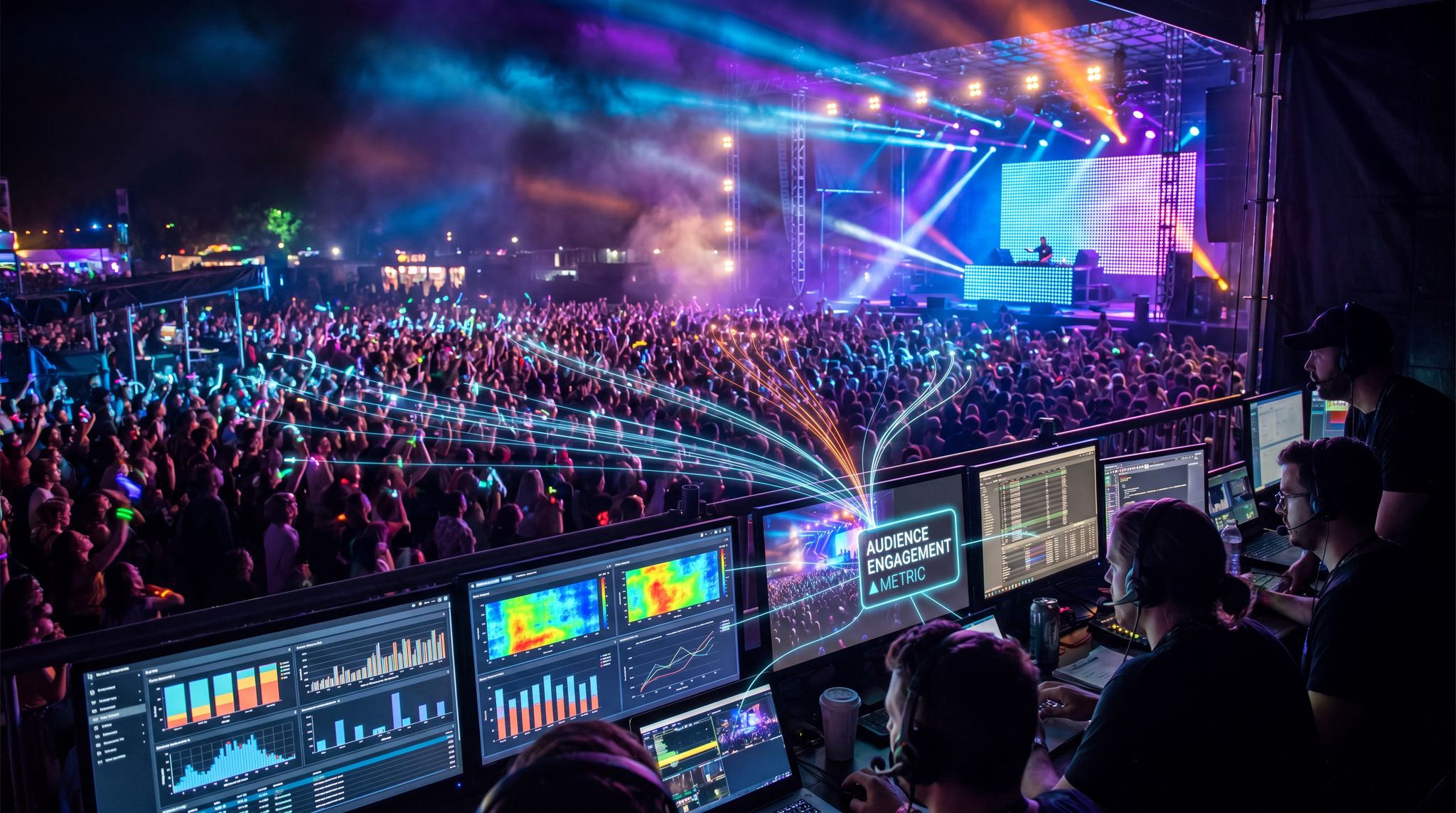
In marketing, what gets measured gets managed – so it’s crucial to track the right things. Festival promoters often get dazzled by vanity metrics like social media impressions, press release reach, or even raw web traffic. But those numbers mean little if they don’t convert into engagement and ticket sales. Marketing “the right way” means being honest about what works and what doesn’t, guided by data on real conversions.
Turn Fans Into Your Marketing Team
Ticket Fairy's built-in referral rewards system incentivizes attendees to share your event, delivering 15-25% sales boosts and 30x ROI vs paid ads.
- Define your true KPIs: For a festival, key performance indicators (KPIs) should center around ticket sales (e.g. number of tickets sold, rate of sales over time, revenue per channel) and engagement that leads to sales (email click-throughs, website visits that result in checkout). It’s fine to note auxiliary metrics like Facebook likes or flyer distribution counts, but treat them as directional at best. Always ask: did this campaign or channel actually sell tickets or meaningfully grow our audience? As one events study put it, the only metrics that truly matter are those tied to actions that impact your bottom line – in this case, people attending your festival.
- Use unique links and codes: To track conversions from a specific campaign, make use of tech tools. For every partnership or promo, give it a unique URL or discount code. For example, if you did an interview on the “Americana Routes” podcast, offer their listeners a code like AMERICASTORY for a small ticket discount – then monitor how many sales come through that code. If you partner with an indie bookstore, provide a special link for their customers (Ticket Fairy’s ticketing platform makes it easy to generate trackable links and promo codes for exactly this purpose). By analyzing these sources, you might discover that a podcast reaching 2,000 die-hard fans drove more ticket purchases than a general ad that 50,000 people saw. Honest tracking prevents surprises and helps you allocate future budget to what actually converts.
- Measure engagement quality: Not all impressions are equal. 100 comments on a local Reddit thread about your festival may indicate more genuine excitement than 1,000 passive views of a banner ad. Look for metrics that show depth of interest – time spent on your lineup announcement page, number of artist profile clicks on your site, saves of your festival playlist, etc. These often correlate with purchase intent. Modern analytics can even track a user’s journey (for instance, seeing that many people who read your blog post about “10 Must-See Acts at XYZ Festival” went on to buy tickets). If those correlations exist, that content is worth repeating.
- Be realistic and adapt: Marketing is part art, part science. Sometimes a tactic you were excited about doesn’t deliver the way you hoped – and that’s okay if you catch it early and learn why. Maybe you poured money into a glossy video ad that got lots of views but few conversions; the lesson might be that the content entertained but didn’t spur action, so next time include a clearer call-to-action or more compelling incentive. Conversely, if a low-cost grassroots tactic (like a songwriter night or a radio giveaway) led to a spike in sales, double down on it. As an experienced festival organizer will tell you, every market is different – so let the data from your festival inform your strategy.
- Stay ethical with data: In tracking conversions, also respect privacy and transparency. Obtain proper consent for tracking where required (like website cookies or email analytics). Being honest extends to how you handle your audience’s data and trust – a factor that, if violated, can undo your best marketing work. The goal is to understand your audience’s behavior, not to spy on individuals. Focus on aggregated trends and anonymized data that guide decision-making.
By focusing on honest conversion metrics, festival producers ensure they are spending resources wisely. This data-driven approach means you’ll steadily improve your marketing ROI each year. It also helps internally – when reporting to stakeholders or sponsors, you can clearly demonstrate which partnerships (radio, podcasts, bookstores, etc.) delivered results. In the long run, integrity in metrics fosters a culture of accountability on your team: everyone learns to ask “will this actually engage ticket buyers?” rather than “will this just get applause on social media?”.
Prioritise Earned Media and Word-of-Mouth Over Megaphones
In the battle for audience attention, earned media (organic publicity and word-of-mouth) is your festival’s best friend. Splashy ads (the “megaphone” approach) can help with awareness, but endorsements from others – whether it’s press coverage, influencer mentions, or simply fans telling friends – have far greater credibility. Cultivating these organic channels is vital, especially in the tight-knit Americana community where authenticity is valued.
Need Festival Funding?
Get the capital you need to book headliners, secure venues, and scale your festival production.
- Pitch compelling stories to media: Getting a feature in a respected outlet beats buying a dozen ads next to it. Reach out to music journalists, bloggers, and local newspapers with newsworthy angles about your festival. Did you book a noteworthy reunion or a rare collaboration? Are you reviving a music tradition or helping a community in need? Those are stories press loves. For example, the organizers of Black Deer Festival in the UK emphasized their passionate roots in the Americana scene and the “family reunion” atmosphere of their event. This narrative – that attending Black Deer felt like “walking into a great big hug” – was picked up in reviews and articles, doing more to sell the experience than any generic ad copy could. Feed the press real stories, and they’ll reward you with earned coverage that carries weight.
- Tap into influencers and champions: Identify the unofficial ambassadors for your genre. It could be a popular Americana blogger, a DJ, or a community leader. Instead of asking them to “promote” (which can sound forced), involve them in the festival. Maybe invite a local radio host to emcee a stage, or get a known podcast host to do a live taping at the event. When people are genuinely part of your festival, they’ll naturally talk about it and hype it up to their followers. Those words carry authenticity. If an influential podcast or an Americana music magazine raves about your lineup selection, that endorsement builds trust with potential attendees.
- Encourage word-of-mouth sharing: The simplest but most powerful marketing comes from regular folks encouraging their friends. Nielsen’s research consistently shows that recommendations from people we know are the most trusted form of promotion – 88% of global consumers trust personal recommendations over any kind of advertising, confirming that word-of-mouth is more powerful than ever. Leverage this by making your festival highly “shareable”. Create Instagrammable moments or unique selling points attendees can’t help but mention (“Attend the only festival with a barn dance & a book club!”). Offer referral rewards: for instance, if an attendee convinces two friends to buy tickets (tracked via referral codes or links), give them a merchandise voucher or special meet-and-greet opportunity. These tactics turn your existing fans into an enthusiastic marketing team, amplifying that precious word-of-mouth.
- Focus on community building, not just selling: Earned media also comes from how your festival behaves year-round. Engage with the Americana community authentically – spotlight local artists on your social pages, contribute to charity events, support music education. Over time, people see the festival as a genuine community player. So when tickets go on sale, it doesn’t feel like you’re just asking for money; it feels like an invitation to join a beloved gathering. The goodwill you “earn” through consistent positive actions yields an army of supporters who do a lot of marketing for you, simply because they believe in what you’re doing.
- Megaphones have their place – but use them wisely: Of course, traditional advertising (posters, online ads, sponsor partnerships) still has a role. But make those messages echo the authentic voice that your earned media carries. For instance, instead of a bland ad that says “XYZ Festival – Tickets on Sale Now!”, consider an advert that quotes a great review or testimonial (“The best weekend of music and community I’ve ever experienced”) from a real attendee or publication. This way, even your paid media leans on earned sentiment and feels more genuine. If you use a ticketing platform like Ticket Fairy, you might also access built-in marketing tools (like email blasts to their user base or retargeting of interested ticket buyers) – these are more subtle than broad ads and reach people who already showed interest, which is closer to warm word-of-mouth than cold-call advertising.
In summary, think of earned media and word-of-mouth as lighting a campfire, whereas paid megaphone marketing is like setting off fireworks. Fireworks get attention briefly, but a campfire draws people in, creates a space for connection, and keeps them gathered. By focusing on organic buzz and community credibility, you build a sustainable reputation that will keep your Americana festival thriving for years to come.
Frequently Asked Questions
How can AAA radio promote Americana music festivals?
AAA radio and public stations promote festivals through long-form interviews and live sessions that tell a deeper story than 30-second ads. Organizers can pitch in-depth chats with DJs or feature lineup artists for in-studio performances. This approach reaches dedicated roots music fans on stations like NPR affiliates or regional broadcasters.
Why are podcasts effective for marketing music festivals?
Podcasts offer a platform for authentic storytelling and deep engagement with niche audiences. By securing interviews on genre-specific shows, festival producers can discuss curation and culture directly with super-fans. This content remains accessible long-term, allowing new listeners to discover the event months later, unlike fleeting radio spots.
How can music festivals partner with independent bookstores?
Festivals can collaborate with indie bookstores by creating ticket-and-book bundles or hosting in-store “songwriter in the round” events. These partnerships tap into a shared audience of storytelling enthusiasts. Additionally, festivals can host literary tents on-site for author signings, bridging the gap between literature and Americana music culture.
How do curated playlists increase festival ticket sales?
Curated playlists act as an educational tool and free sampler that builds familiarity with the lineup. By adding “liner note” style commentary explaining the curation philosophy, organizers deepen the connection with listeners. This content marketing strategy turns casual listening into genuine interest and eventual ticket purchases.
What are the best KPIs for tracking festival marketing success?
The most critical KPIs for festivals are direct ticket sales and engagement metrics that lead to conversions, such as email click-throughs. Vanity metrics like social media impressions are less valuable than tracking unique discount codes or referral links, which reveal exactly which channels drive revenue and attendance.
Why is earned media important for Americana festivals?
Earned media, such as press coverage and word-of-mouth recommendations, carries significantly more credibility than paid advertising. Nielsen research indicates 88% of consumers trust personal recommendations over ads. For Americana festivals, authentic stories shared by journalists, influencers, and fans build the community trust necessary to drive sustainable attendance.
How can festival organizers use storytelling in marketing?
Storytelling in marketing involves highlighting the unique history, community impact, or cultural significance of the festival rather than just selling tickets. This includes pitching narratives about artist curation or local traditions to media outlets. Authentic stories resonate with fans, creating an emotional connection that outperforms generic promotional messaging.
What is the benefit of using unique promo codes for festival partners?
Unique promo codes allow organizers to accurately track the ROI of specific marketing channels, such as podcast interviews or bookstore partnerships. By assigning a specific code to a partner, festivals can measure exactly how many ticket sales originated from that source, ensuring the budget is spent on high-converting strategies.