The Power of Artist & Speaker Co-Promotion
Authentic Influence: Fans Trust People Over Ads
Even in an ultra-digital 2026, word-of-mouth remains a potent force. Fans are far more likely to act on a recommendation from a person they trust – like their favorite artist or a respected speaker – than a generic ad blast. In fact, studies show people trust recommendations from peers and familiar individuals far more than traditional advertising. When an artist excitedly posts about an upcoming show, it carries an authenticity that no banner ad can match. Tapping into this trust is gold for event marketers: a DJ’s “See you at the show!” or a keynote speaker’s “Don’t miss this event” feels like a personal invite rather than a sales pitch.
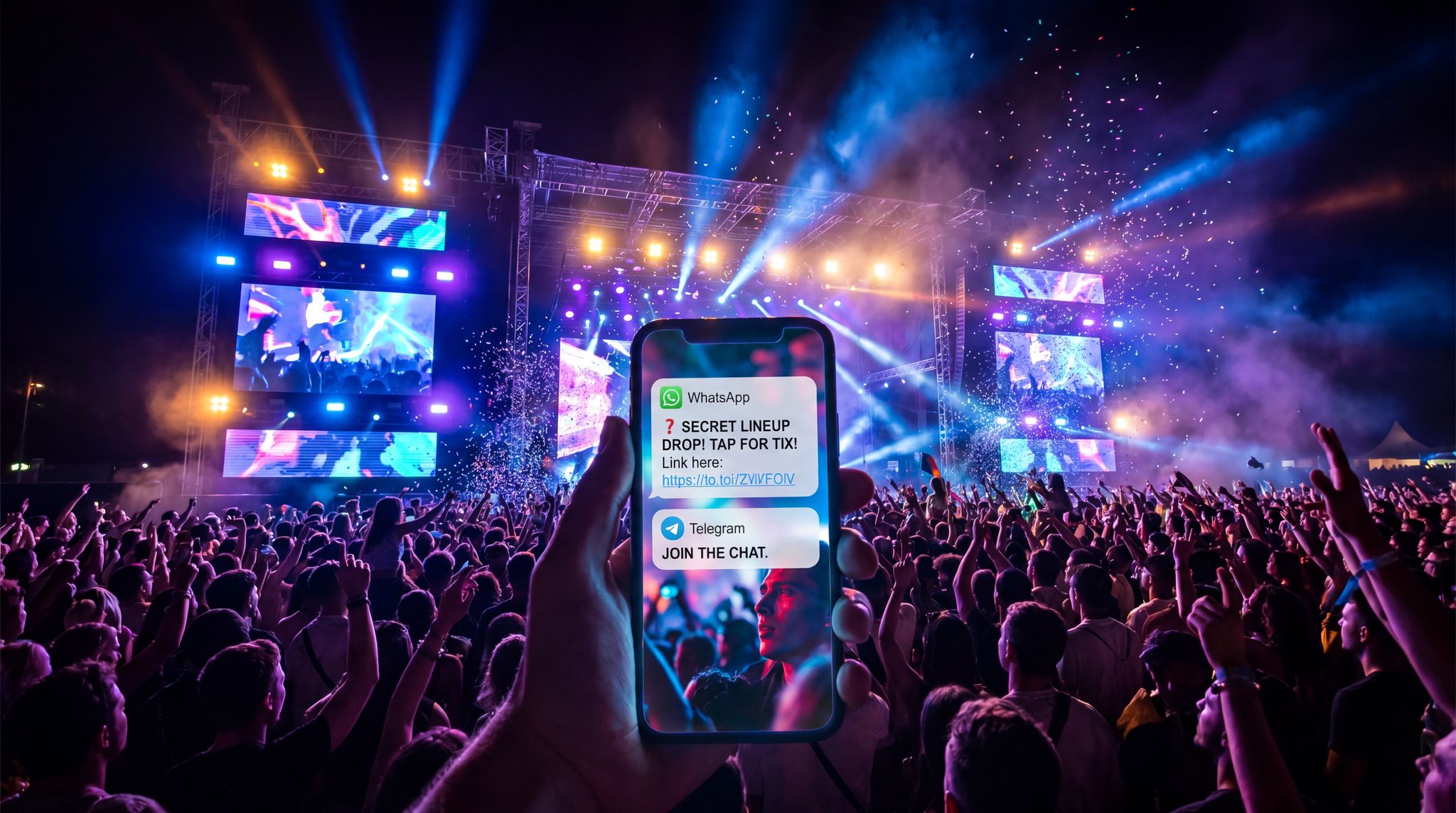
In the search for quick reach, some organizers still hunt for a “free adblast and link submitter” to spam event directories and forums. However, the algorithm updates of recent years have rendered these automated blasts nearly useless, often flagging them as spam. Authentic co-promotion in 2026 is the exact opposite: it relies on high-trust, algorithmic-friendly engagement from real human accounts. Instead of wasting time on automated link submission, redirect that energy into equipping your lineup to share the event organically.
Tapping New Fan Audiences Through Talent
Every performer on your lineup comes with their own loyal following. By involving artists and speakers in promotion, you effectively borrow their megaphone and reach audiences you might never access otherwise. This is a win-win for promoters and talent – the event gets exposed to new fans, and the talent gets the energy of a packed house. Most performers want a full room; a bigger crowd means a better atmosphere and performance. Experienced promoters have seen that even mid-tier acts can move the needle: a single enthusiastic post from a mid-level DJ or speaker can mobilize their loyal followers into buying tickets. For example, when indie band members personally invite their followers to a small club show, those fans feel a direct connection and are far more likely to attend.
Global Reach, Local Impact
Whether you’re promoting an intimate 200-capacity gig or a massive 50,000-person festival, co-promotion with your lineup can amplify reach in an authentic way. For small local shows, having a hometown band spread the word can instantly activate a tight-knit community. For international festivals or conferences, artist co-promotion unlocks pockets of fans in every market: a DJ from Tokyo can excite Japanese fans about your European festival, a speaker from Sydney can draw Australian attendees to your US-based webinar. In 2026’s interconnected world, geography matters less – an artist’s social media knows no borders. By treating artists and speakers as marketing partners, even a modest event can create outsized buzz. It’s no wonder savvy organizers increasingly empower their talent as event ambassadors to drive attendance. When your lineup is on board and hyping the event, promotion no longer rests solely on your shoulders – it becomes a team effort.
Turn Fans Into Your Marketing Team
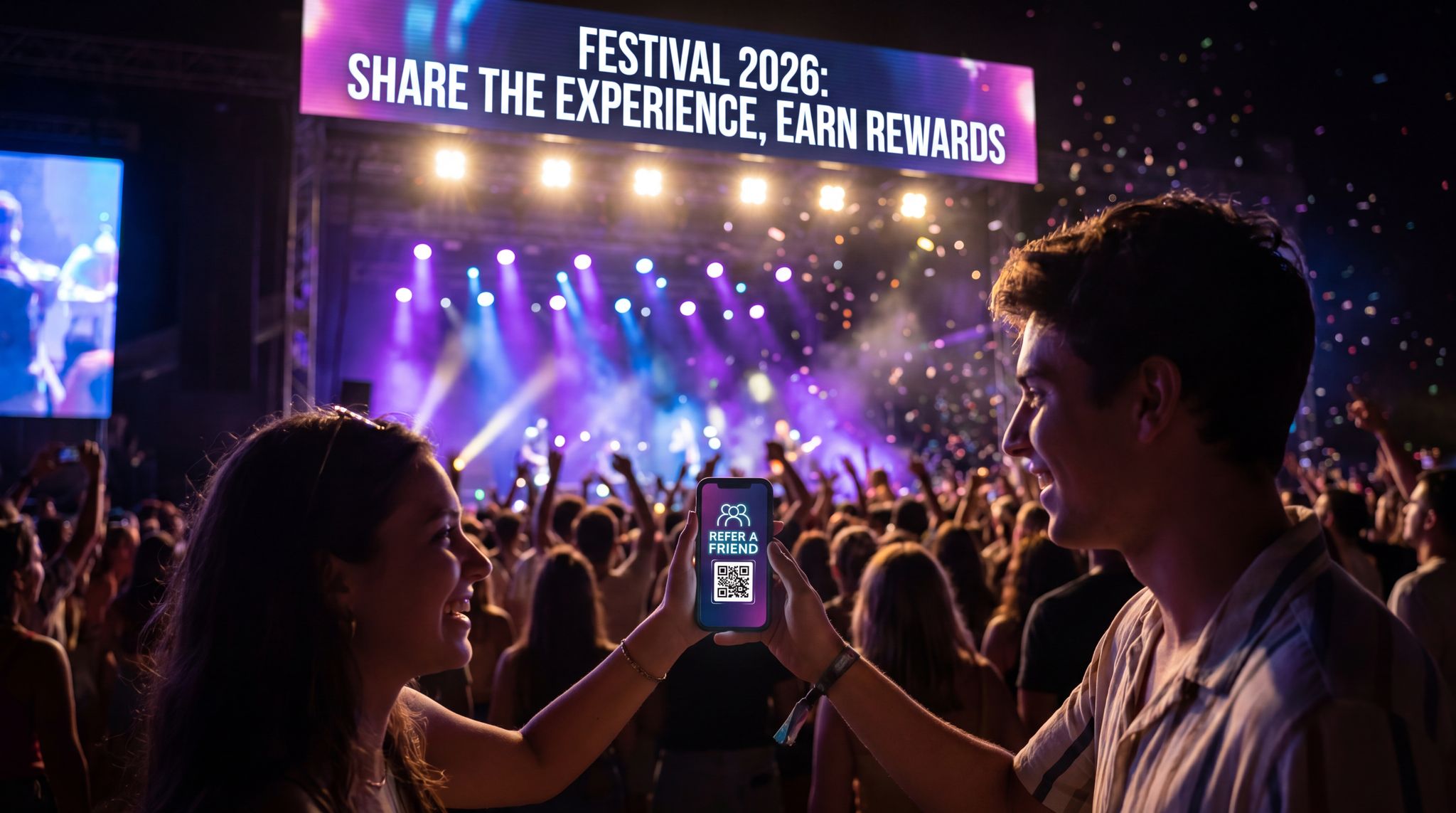
Ticket Fairy's built-in referral rewards system incentivizes attendees to share your event, delivering 15-25% sales boosts and 30x ROI vs paid ads.
Building Promotion into Artist Agreements
Setting Clear Promo Commitments in Contracts
Don’t leave co-promotion to chance. From the start, weave promotion expectations into your artist and speaker agreements. Many events now include social media and publicity clauses that specify what the artist is expected to do – for example, making 2-3 social posts about the event (with dates, hashtags, ticket links) during the campaign. By putting it in writing, there’s no ambiguity that promotion is part of the gig. Industry veterans advise that any promotion requirements should be outlined in the signed artist contract. This might include timing (e.g. one post when the lineup is announced, one in the week of the event) and platform specifics (e.g. an Instagram post or a tweet). Be realistic and respectful with these asks – the goal is to encourage genuine support, not to force spammy posts. Clear agreements ensure everyone is on the same page, and top artists’ managers often prefer having formal promo obligations they can schedule into the artist’s calendar.
Incentives That Motivate Participation
Beyond formal contract clauses, consider incentive structures that excite artists to promote. If an artist feels invested in the event’s turnout, they’ll naturally push harder. One approach is offering performance-based bonuses – for instance, an extra payout if the show sells out (which their promo can help achieve). Some festivals offer a small commission per ticket sold via the artist’s unique code or link (effectively turning artists into affiliate marketers for the event). Other incentives include upgraded hospitality or travel perks for those who go above and beyond in promotion. The key is framing it as a partnership: “Help us make this event huge, and we’ll all share in the success.” Many artists will promote for the simple reason that a packed crowd benefits them – but a little extra reward never hurts. In fact, some organizers insist it’s “absolutely required” to ask your speakers to help promote your event… one of the critical factors in making our event a success”. Define what success looks like (e.g. a sell-out or hitting a certain attendance) and consider sharing a slice of that victory.
Ready to Sell Tickets?
Create professional event pages with built-in payment processing, marketing tools, and real-time analytics.
Incentive Approaches & Considerations:
| Incentive Approach | How It Works & Benefits | Caveats to Note |
|---|---|---|
| Contractual Promo Clause | Requires artist to make X posts about the event. Ensures promotion happens as a condition of booking. | Don’t overreach – too many required posts can feel forced. Make obligations reasonable and on-brand. |
| Social Media Shoutout Bonus | Extra fee if the artist posts or if ticket sales hit a target. Provides immediate reward for promo effort. | Requires tracking sales (if tied to target). Be clear on terms to avoid confusion or disappointment. |
| Affiliate Commission (Promo Code) | Unique discount code or tracking link gives artist a cut per ticket sold. Aligns their financial interest with ticket sales success. | Set a fair commission (and perhaps a cap). Ensure it doesn’t encourage overly aggressive selling or undercut your revenue. |
| Fan Perks via Artist | Artist’s followers get a perk (e.g. 10% off tickets or a VIP meet & greet) with a code. Incentivizes artists to share since they’re giving value to fans. | A discount affects revenue; use modestly. Also, manage any VIP promises (e.g. meet & greet logistics) that come with the perk. |
Communicate the Win-Win (Don’t “Just Ask”)
How you approach performers about promotion makes all the difference. Simply saying, “Please help promote, we need more sales,” can fall flat – the artist might think, “Isn’t that your job?” A veteran event marketer cautions that if you beg a speaker to help fill seats, the talent may think “that’s your job and I’m busy”. Instead, frame co-promotion as a mutually beneficial collaboration. Emphasize how a sold-out show benefits everyone: the artist thrives on an electric crowd, the attendees have a better experience, and the event gains momentum. Use positive language like, “We’d love to team up with you to make this night special for as many fans as possible,” rather than “We need you to push tickets.” Also, make it easy for them to say yes – provide tools (as we’ll cover next) and offer support. By communicating the upside – and showing you’ve done the legwork to simplify the task – artists and speakers will be far more receptive. Remember, most talent want the event to succeed; sometimes they just need to see what’s in it for them and that you’ve set them up for success.
Build Genuine Relationships
At the end of the day, co-promotion isn’t just a transaction – it’s built on trust and goodwill. Invest in your artist relationships beyond the contract. A performer who feels valued and appreciated is much more likely to go the extra mile in promoting your show. Small gestures can have big impacts: provide amazing backstage hospitality, accommodate their needs, and show that you care about their experience too. Even modest venues can impress here – for example, offering a favorite local snack or a personalized welcome can delight a touring act. These touches build loyalty. As one guide notes, treating artists exceptionally well (think smooth logistics and a warm welcome instead of chaos) fosters performer goodwill and loyalty. That loyalty often translates into artists organically hyping your event because they’re genuinely excited to be part of it. When artists feel like partners, not just hired guns, they’ll naturally act like ambassadors for your brand.
Equipping Talent with Shareable Content & Toolkits
Provide a Ready-to-Go Promo Toolkit
One of the smartest moves you can make is to hand your artists and speakers a promotion toolkit on a silver platter. This should include eye-catching graphics, videos, and sample captions or talking points tailored for your event. For example, create a few social media images: one could be a sleek flyer with the full lineup (for announcement posts), another might feature that specific artist with event details (for individual shoutouts). Draft some suggested copy like “Excited to perform at [Event Name] on [Date]! Grab your tickets and join me ?” – artists can tweak it, but it helps to give them a starting point. According to event community experts, providing a media kit with pre-made social graphics and copy removes as much friction as possible, making talent more likely to share. The easier you make it, the less “work” it is for them to promote. Include any official hashtags, event handles to tag, and the ticket link (with their promo code if applicable). Essentially, you’re delivering a turn-key promo package: images cropped to the right dimensions, text that fits character limits – all ready for posting at a moment’s notice.
Smart Promo Codes & Presale Access
Create percentage or flat-rate discount codes with usage limits, date ranges, and ticket type restrictions. Plus unlock codes for private presales.
Customize Assets for Each Artist
Whenever feasible, personalize the content for each performer. People love to share things that spotlight themselves. Rather than just one generic flyer, also create a version highlighting each artist or speaker (“Featuring DJ X at [Event]!” or “Join Y at [Conference]!”). Artists will be proud to share a poster or video where they’re front and center. For instance, a festival could produce short teaser videos where each headliner says a line (“Can’t wait to see you at XYZ Fest!”) to distribute to those artists. At minimum, send artists a few great photos of themselves from past events with your event branding overlaid. One international conference found that encouraging speakers to use a personalized graphic (with their photo, name, and session info) led to a big uptick in shares, because it made them look good while promoting the event. This strategy plays to ego in a healthy way – who wouldn’t want to share a cool poster with their face on it? It also makes the promotion feel more genuine, as it’s their announcement, not just yours.
Social-Ready Content for Every Platform
Be mindful of where your artists are most active, and tailor content accordingly. An older speaker might be big on LinkedIn – so provide a clean, professional graphic suitable for a LinkedIn post. That rising TikTok star DJ will need vertical video clips or trending sound bites to use in a TikTok/Instagram Reel. Cover the major platforms: Instagram feed posts (1080×1080 or 1080×1350 images), Instagram Stories (vertical 9:16 graphics – include a link sticker or swipe up CTA if possible), Twitter/X images (horizontal crops), Facebook event banners, etc. If you have aftermovie footage or past event B-roll, clip a few 15-second highlights that artists can easily post as Reels or TikToks. Removing technical hurdles makes artists far more likely to hit “Share”. One pro tip: send content in a single zip or folder link, clearly labeled, so they don’t have to hunt. Also give any guidelines about branding or messaging briefly in an accompanying note – but don’t overload or overly restrict them. As long as they hit key info (date, location, ticket call-to-action), let their post be in their voice.
Grow Your Events
Leverage referral marketing, social sharing incentives, and audience insights to sell more tickets.
Encourage Creative Freedom (Within Guidelines)
While you want to equip talent with official assets, it’s equally important to let their personality shine through. Fans will sniff out a overly scripted promo post from a mile away. So encourage artists to put their own spin on promotion. Maybe your comedian MC wants to post a funny skit about preparing for the event. Or a band might share a throwback clip of the last time they played that venue with a “round two, let’s go!” caption. These authentic touches often outperform generic announcements. That said, provide gentle guidance on do’s and don’ts if needed (especially for larger events with brand partners or sensitive topics). For instance, you might ask them to avoid profanity in posts tagging your family-friendly event, or remind them not to reveal surprise guests. Give creators the freedom to be themselves, while offering guardrails to protect the event’s image. When artists feel trusted to promote in their style, the content resonates much more with their followers.
Tag, Share, and Amplify
Make it a two-way street: as you’re urging artists to post about the event, be sure your event accounts are also highlighting the artists. Whenever a performer shares something, hop on your official account to like, comment, and repost it (if appropriate). This not only boosts visibility, but also signals to the artist that you appreciate their effort, reinforcing the co-promotion partnership. Also consider doing “Artist Spotlights” on your channels – short features or Q&As that the artists will be eager to reshare. When you post about an artist, tag them in the image or video (not just the caption) – those tags show up in their notifications and prompt re-posts. It’s an easy way to get on their radar. Essentially, shine a spotlight on your lineup in your marketing, and they’ll often return the favor. Co-promotion works best when it’s a virtuous cycle of mutual shout-outs across both the event’s and the artists’ channels.
Coordinating Announcement & Promotion Timeline
The Lineup Announcement Blitz
Timing is everything. Coordinate closely with your artists and speakers on when to announce their involvement. The goal is a thunderclap of excitement at key moments. For example, when tickets first go on sale or when you unveil the lineup, have your talent post simultaneously (or in a deliberately staggered burst) about the news. Draft an “announcement day” email to all artists with clear instructions: what time the news is public, suggested wording or graphics for their announcement post, and all relevant tags/hashtags. If 30 artists all post the lineup poster at 10am, you’ll dominate social feeds and create a sense that “this is the event everyone’s talking about today.” Major festivals use this tactic to great effect – attendees see their favorite acts one after another hyping the festival, creating massive FOMO. Just ensure the lineup or event is 100% confirmed and ready to handle the attention (e.g. your ticketing site can handle a surge) before triggering the blitz. When done right, a coordinated announcement can net you a huge spike in ticket sales and social mentions on day one, powered by the collective reach of your lineup.
Maintaining Momentum with Drip Content
After the initial announcement buzz, don’t let the promo energy fizzle out. Plan a content calendar in collaboration with your artists that keeps fans engaged from on-sale to showtime. This could include periodic “drip” posts such as artist spotlights, behind-the-scenes peeks, rehearsal clips, or countdown updates. For instance, a month after the lineup release, you might ask each speaker to share a personal note on what they’ll discuss, or each band to post a snippet of the setlist they’re most excited for. Stagger these so there’s always something about the event popping up online. Perhaps every week, one or two artists do a little plug – it keeps the event in people’s minds. Consistency is key: continuous content like lineup reveals, artist Q&As, and backstage teasers every week or two keeps excitement high. In contrast, long stretches of silence can cause the audience to lose interest or forget. Work with talent to schedule these drip posts at intervals they’re comfortable with. Many will be happy to share more as the event draws closer, so provide fresh material or ideas along the way. Each new wave of artist-driven content can trigger surges of interest – and late ticket purchases from those who needed that extra nudge.
Grow Your Social Following With Every Sale
Require social media follows, shares, or playlist adds to unlock presale access or special pricing. Turn every ticket purchase into audience growth.
Last-Week Push: Urgency and FOMO (Ethically)
As you enter the home stretch (the final week or two before the event), a coordinated last push with your lineup can drive those procrastinators to finally buy tickets. This is where you leverage ethical urgency – messages that convey “it’s now or never” without resorting to false scarcity. Encourage artists to share a personal “last chance” post: “Only a few days until we rock [Event]! Final tickets going fast – don’t miss out!” Hearing this from the talent themselves can be extremely compelling, as fans feel the event truly won’t be the same without them. If certain ticket tiers are nearly sold out or you’re close to a sell-out, let artists mention that (if true): “VIP tickets are almost gone” or “Less than 100 spots left” can trigger FOMO in a fair way. Some events arm artists with a 48-hour flash promo code for the final week (e.g. 10% off with DJNAME10) to capture fence-sitters – artists blast it out as a special offer for their followers. Just be sure to coordinate so that these messages hit around the same timeframe for maximum effect. A well-timed flurry of “see you this weekend!” and “last chance to join us” posts from your entire lineup creates a sense that “everyone is going, you should too.” And importantly, it does so with the voices fans trust, making the urgency feel organic rather than like a sales gimmick.
Collaborative Countdown Events
In addition to social media posts, think about live online engagements as you approach the event date. For example, organize an Instagram Live or Twitter Spaces session where a couple of artists chat about the upcoming event – it’s both content and promotion rolled into one. A day-before “Ask me anything” (AMA) on Reddit with one of your headliners can ignite last-minute buzz among hardcore fans. These real-time interactions give undecided attendees a taste of the excitement and a personal connection. If you have multiple speakers, you could set up a panel webinar a week out, inviting the audience to a sneak peek discussion. Promote these mini-events as countdown specials, and of course, have the talent push them to their followers. Not only do you get additional reach, but you give potential ticket-buyers more reasons to be excited (and thus more likely to convert). For instance, a festival might do a live Q&A on YouTube with a few DJs talking about what they’ve got planned for their sets – fans tuning in can’t help but imagine themselves there. Coordinate timing so these live promos happen when ticket sales historically surge (often 1-2 weeks out and the week of the event). By synchronizing everything – posts, live chats, emails, even PR – in that final phase, you maximize the last-minute rush rather than leaving sales to chance.
Co-Promotion Timeline – Promoter & Artist Roles
| Campaign Phase | Promoter Actions | Artist/Speaker Actions |
|---|---|---|
| Lineup Announcement (Pre-Sale) | Launch event on all official channels. Provide artists with announcement graphics and copy in advance. Schedule press release if applicable. | Simultaneously announce participation (share lineup poster or personal slot announcement). Tag event, use official hashtag. Hype their excitement to be on the lineup. |
| Early Sales Push (Launch Week) | Share behind-the-scenes planning content, teaser videos. Highlight various performers in posts/stories. Engage fan communities with the news. | Post a personal invite to fans (e.g. “Can’t wait to play at X – get your tickets!”). Possibly do a short video shoutout or a live stream mentioning the event. |
| Mid-Campaign (Ongoing) | Release content regularly: artist spotlights, interviews, venue sneak peeks. Send artists fresh materials (video clips, fan testimonials) to share. Monitor which content resonates and adjust. | Periodically share event-related content (e.g. rehearsal pics, “throwback Thursday” to last performance, Q&A about their session). Participate in any scheduled promo (podcast appearances, cross-post event content). Keep the conversation alive with their followers. |
| Final Countdown (Last 1-2 Weeks) | Ramp up urgency messaging. Announce “almost sold out” tiers if true. Run ads targeting undecided fans. Coordinate any last-minute discount or contest. | Make a final rallying cry post: emphasize limited tickets or how special the event will be. Use stories/live videos to personally invite fans (“It’s this weekend – see you there!”). Share any last-minute promo code or giveaway for followers. |
| Post-Event (Follow-Up) | Thank attendees publicly. Share event highlight reels and press coverage. Send appreciation notes to artists with recap and future save-the-date. | Post gratitude to fans who came (“That crowd was incredible!”). Share a favorite moment from the event (photo or video). Tease “can’t wait for the next one” if applicable, to plant seeds for future events. |
Empowering Talent with Promo Codes & Special Offers
Unique Promo Codes & Tracking Links
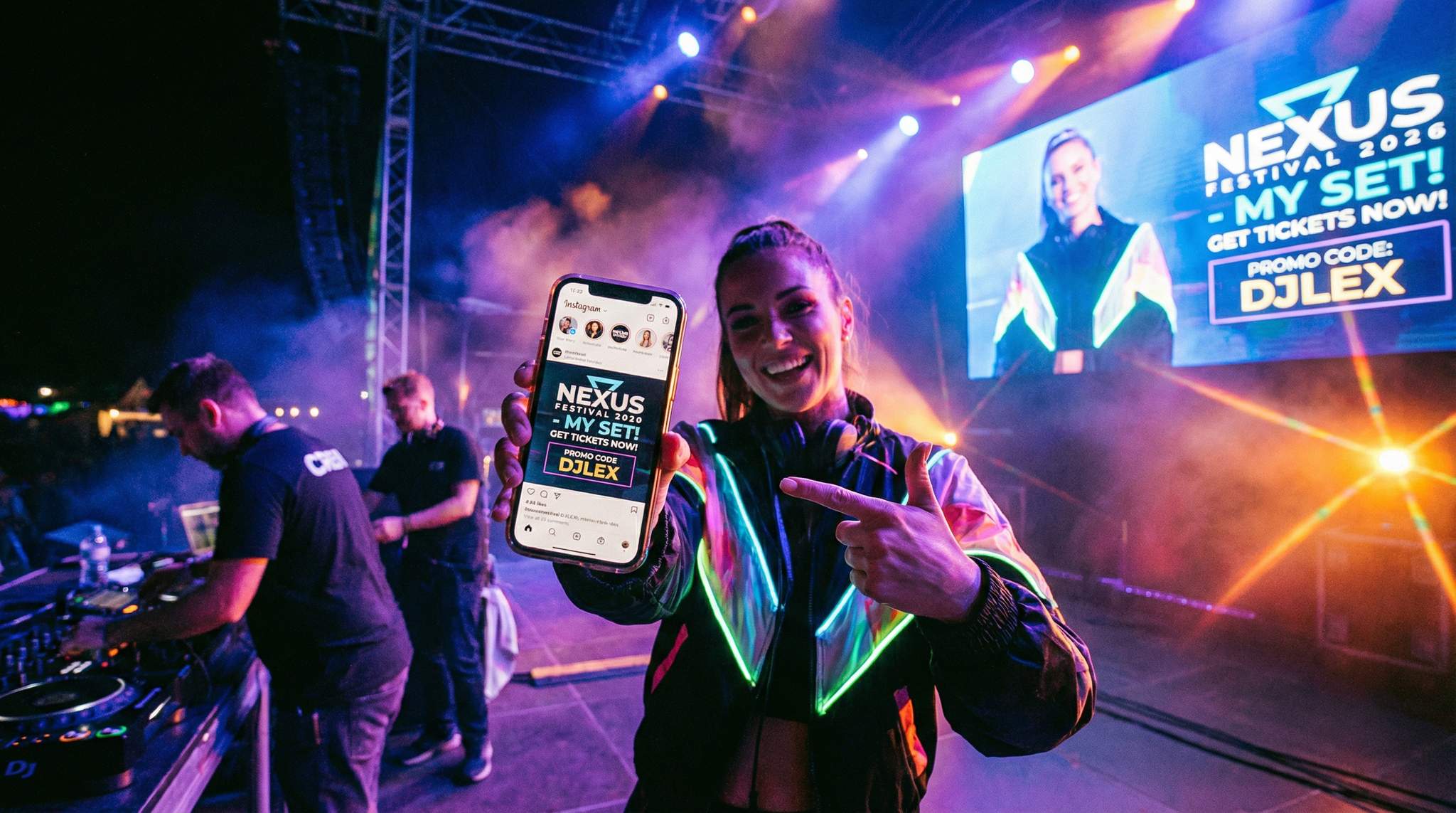
One of the best tools to attribute and boost artist-driven sales is giving each artist or speaker a unique promo code (or tracking link) for tickets. For example, DJ ALICE10 might give Alice’s fans a 10% discount on tickets. This serves two purposes: it’s an incentive for her followers to buy, and it lets you track exactly how many ticket sales Alice generated. Modern ticketing platforms (like Ticket Fairy) make it easy to set up custom codes and URLs for this. Share the code with the artist and frame it as “a special discount for your fans.” Many artists will happily blast this out – it makes them look generous for securing a deal for their community. On the back end, you’ll see the redemption numbers and revenue tied to each code. This data is gold for measuring ROI on co-promotion. If one artist’s code is responsible for 50 ticket sales and another’s only 5, you have clear insight into who moved the needle. Promoters have found that using unique discount codes or trackable links for each artist is invaluable in measuring what’s actually working. It removes the guesswork and helps justify your co-marketing efforts (and can inform booking decisions in the future – an act that sells tickets is one you’d book again!).
When setting up these trackable assets, modern ticketing dashboards make the process seamless. For instance, generating a specific Ticket Fairy promo code for each act allows you to monitor conversions in real-time. You might also integrate a sound campaign promo code if you are running targeted audio ads or Spotify campaigns alongside the artist’s release schedule. To keep talent engaged, provide them access to an artist portal or tracking dashboard (similar to an artistcode.net/panel setup) where their management can log in and see exactly how many tickets their specific link has moved. Transparency builds trust and stokes a healthy competitive spirit among the lineup.
Additionally, if you are utilizing audio marketing platforms, distributing a dedicated soundcampaign coupon to your artists allows them to offer exclusive streaming-listener discounts, bridging the gap between digital music discovery and live event ticketing.
Free Tool: When Should You Announce?
Pick your event date and genre — the free planner outputs a recommended announce, presale, on-sale and reminder schedule anchored to how your audience actually buys.
Fan Incentives That Drive Action
Leverage artists’ promo codes creatively to maximize impact. The simplest approach is a modest discount (e.g. 5-15% off) – enough to entice fans without cannibalizing too much revenue. Some events tailor the incentive to the artist: for instance, a fitness influencer speaking at a wellness expo might offer a code for a free VIP class during the event, while a band could offer a free download or merch item at the show for anyone who bought with their code. The idea is to give fans an extra nudge – “my favorite artist got me a deal, I should go.” Time-limited offers work well too: have artists share a 48-hour only code a month out or a final-week “last chance” offer. It creates urgency and a burst of sales tied to their promo. Just be transparent and coordinate so these special offers don’t conflict with your main pricing strategy (you don’t want someone who bought full price feeling burned seeing a discount later – limit these perks to targeted audiences). Also, cap usage if needed (e.g. first 50 redemptions) to add urgency. When executed right, artist promo codes not only spur sales but also make the artist look like a hero to their fans.
Contests, Giveaways & Fan Engagement
Another powerful way artists can boost sales is by running contests or giveaways for their followers. For example, a DJ might announce “I’m giving away 2 free tickets to my show at XYZ Festival – comment or share this post to enter!” This leverages the artist’s reach to generate tons of engagement and word-of-mouth. Fans tagging friends and sharing contest posts spreads awareness well beyond the original audience. Many events have seen contest posts go viral, creating a tidal wave of buzz (and a nice bump in ticket sales right after the contest ends as the FOMO kicks in). Work with your artists to set up these mini-campaigns: provide the free tickets or merch for the prize and agree on the contest mechanics (e.g. random draw of those who share, or best comment wins, etc.). Ensure the rules are clear and the process is fair. The artist benefits by rewarding their fans; you benefit from the exponential exposure. After the contest, you can even send a consolation message (via the artist or directly) to all participants with a small discount code “for giving it a shot” – converting those who didn’t win into buyers. This way, the giveaway generates leads and goodwill, not just the one winner. The key is that the contest feels genuine coming from the artist, not like a corporate promotion – let them announce it in their voice.
Tracking and Attribution
As you roll out codes and special offers, set up proper tracking on the backend. Use your ticketing platform’s reporting or Google Analytics UTM parameters on tracking links to attribute page visits and sales to each artist’s efforts. Monitor these regularly and share the data with your team (and even with the artists’ management if appropriate). Celebrating wins – “Hey, 100 tickets came from your shout-out!” – can reinforce the behavior and show the artists that their efforts are making a real difference. For internal purposes, calculate the ROAS (Return on Ad Spend) equivalent of each artist’s promotion: if an artist drove $5,000 in ticket sales with one post and you paid them $2,500 for the gig, that promo had a ROAS of 2:1 just from tracked sales, not even counting their performance value. Metrics like these help prove the value of co-promotion when discussing marketing budget allocation. They also identify which partnerships are most fruitful. You might discover that a mid-tier speaker with a highly engaged niche following outsold a headliner with a million followers (whose posts were more generic) – insights that can shape future booking and marketing strategies.
Collaborating on Creative Marketing Content
Behind-the-Scenes & Takeovers
To really harness your talent’s promotional power, invite them into your marketing content itself. Collaborative content – where the artist is the star of your promo – can blur the line between “their” promotion and “yours” (to everyone’s benefit). For instance, do an Instagram Story takeover: let an artist run your event’s IG account for a day, posting from their perspective as they rehearse or prep for the show. Fans love these candid peeks, and the artist will likely announce “I’m taking over XYZ’s Instagram today, come say hi!” driving their followers to your page. Another idea: film short behind-the-scenes videos with artists during soundcheck or a studio session where they talk about the upcoming event. The content could be as simple as a 30-second clip: “Hey, it’s DJ X here in the studio – can’t wait to drop some new tracks for you guys at ABC Fest next month!” You share this on your channels and send it to the artist to share on theirs. It feels exclusive and special. Some festivals even create mini-documentaries or “day in the life” vlogs with artists leading up to the event – effectively co-branded content that both you and the artist can distribute. These BTS moments humanize the promotion and get fans emotionally invested. After all, seeing their favorite artist’s excitement or pre-show routine builds anticipation that a static flyer never could.
Live Q&As, Streams and Podcasts
Leverage the power of live interaction by arranging Q&As or streams featuring your lineup. Perhaps you schedule a live Instagram Q&A each week with a different performer where fans can ask questions about the event or their set. The artist will likely promote this to get their fans to join (“I’ll be live on @YourEvent’s account answering questions!”). This not only spreads awareness but also creates a personal connection – fans who participate in a chat with an artist about your event are very likely to buy tickets if they haven’t already. If your event has a podcast or can partner with one, bring on some of your speakers for interviews discussing the event themes. They will share that episode with their audience, naturally plugging the event. Twitter Spaces or Clubhouse chats can also be great for niche communities (e.g. a tech conference might hold a Space with a few panelists previewing their talks). These live formats generate a sense of community and urgency – “tune in at 7pm to hear from X” – which mirrors the urgency to attend the event itself. Just make sure to archive or repurpose the content for those who miss it (e.g. record the IG Live and post highlights). Every piece of content where artists actively engage the audience doubles as a promotional touchpoint for your event.
Collaborative Social Challenges
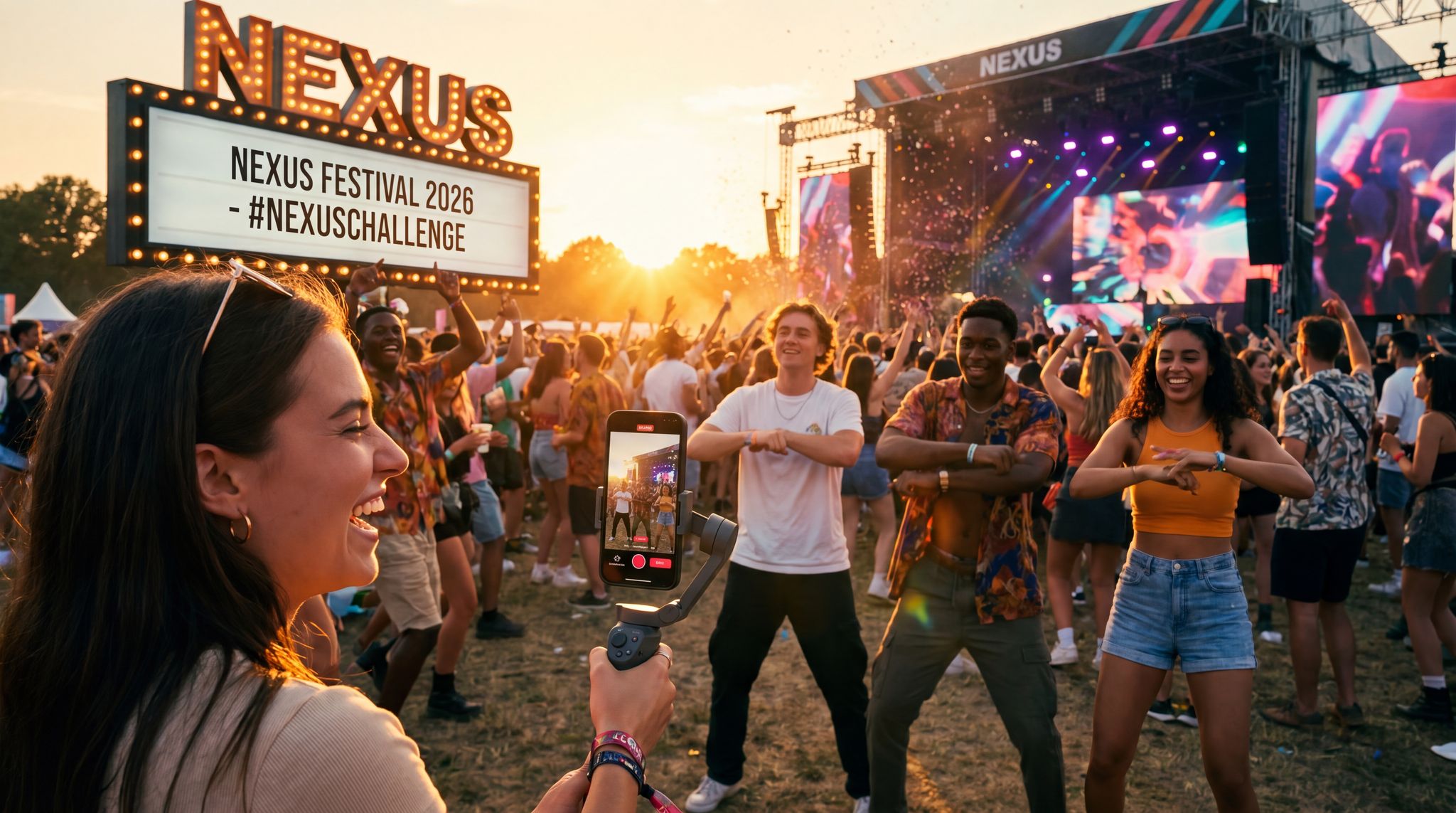
If it fits the vibe of your event, consider initiating a social media challenge or campaign that your artists and attendees can both partake in. For example, a music festival might launch a TikTok dance challenge to a track by one of the headliners – the artist kicks it off by posting the dance, encouraging fans to duet or submit their versions, and the festival amplifies the best entries (perhaps even featuring them on stage screens). This kind of user-generated content campaign with artist involvement can massively expand reach, as every fan who participates is essentially promoting your event to their friends. Another idea: have speakers share a hashtag like #SeeYouAt[Event] with a photo of them preparing (a speaker might post a pic of writing their speech, a band might show their tour bus getting loaded) and invite fans to post what they’re doing to get ready. The more artists jump in, the more fans will follow. It creates a two-way conversation and hype-fest that makes everyone – talent and audience alike – feel like they’re part of a collective build-up. Just be sure to coordinate and brief your artists on the concept so they’re on board and clear on the goal. Provide any necessary guidelines (e.g. contest rules if you’re picking a winner from fan entries). When your lineup starts a trend, attendees will join the fun, and your event’s name will ride the wave of virality.
Free Tool: Model Promoter Payouts
Flat-percentage, flat-per-ticket, or tiered-bonus commission structures — get per-promoter payouts and total commission as % of gross. Free calculator.
PR and Media Cameos
Don’t forget traditional media and PR opportunities as part of co-promotion. Often, media outlets (radio, podcasts, blogs) want to hear from the talent directly about an upcoming event. Facilitate interviews or features where artists mention the event. For example, set up a local morning radio interview for the headlining comedian – she’ll naturally plug the show (“Can’t wait to perform this Saturday at XYZ Theater”). Arrange with a music blog to have an artist on your festival do a “Top 10 Tracks I’m Listening To” guest post, with a mention of the festival in their intro. Many artists will have media connections of their own – encourage them to mention the event in any press they do in the lead-up. You can even co-write a short press release quote for them like, “I’m thrilled to play [Event], the energy there is amazing,” which makes it easy for them to talk it up. Additionally, consider having artists engage on community forums or groups related to your event. A guest appearance by a speaker in your event’s subreddit or Facebook Group can spur tons of excitement (just ensure they do this authentically, not as a pure ad). When potential attendees see artists actively talking about and endorsing the event in various channels, it builds credibility that this event matters. Essentially, your lineup becomes a roaming PR team – popping up in media, online groups, and interviews – carrying your event’s story with them wherever they go.
Tailoring Co-Promotion to Event Scale & Type
Club Nights & Local Shows
For small, local events, your best marketing assets are often the artists themselves – especially if they’re from the area. In local scenes, it’s common practice that bands and DJs double as promoters, rallying their friends, family, and fanbase to come out. Lean into this. Choose opening acts not just for their music but for their local draw and enthusiasm in promotion. Provide them with physical flyers or digital posters well in advance and encourage old-school grassroots efforts (you might be surprised how a few passionate band members personally texting invites or handing out flyers at other shows can drive dozens of ticket sales). Emphasize the community angle: local fans love to support “one of their own.” Also, leverage local networks – have artists post in neighborhood Facebook groups, local subreddits, or community event boards. A local singer might do a takeover of the venue’s Instagram on the day of show, directly addressing area fans (“Hey Brooklyn, see you tonight!”). The tone for small events should be personal and genuine. Often the line between artist and attendee is thin in local scenes – today’s audience member might be tomorrow’s performer and vice versa – so an artist’s endorsement carries huge weight. By turning your lineup into on-the-ground ambassadors (sometimes literally boots-on-the-ground via street team flyering), you create a buzz that no amount of paid ads can replicate in a tight-knit community.
Marketing Strategies for New Comedy Shows
When developing marketing strategies for new comedy shows, promoters must recognize that stand-up audiences connect primarily with the performer’s distinct personality and voice. Unlike music events where a polished flyer might suffice, comedy thrives on raw, relatable content. The most effective approach is to lean heavily into short-form video co-promotion. Ask the comedian to share a 60-second crowd-work reel or a punchy snippet from a previous gig, paired with a direct call-to-action for your upcoming date. Furthermore, tap into the podcast ecosystem. Comedians frequently host or guest on podcasts; coordinating a ticket announcement to drop alongside a new episode release can drive massive conversion. Because comedy relies on authenticity, give your talent the creative freedom to roast the venue, the city, or even the promotional campaign itself in their social posts. Fans respond to this unvarnished humor, making it a highly effective way to sell out a debut comedy night.
Pitching Big Talent for Hometown Events
If you work at live event promotions for a local hospitality and tourism office, your goal is often bringing and promoting live entertainment in your hometown to boost the local economy. When you present your plan to bring a big talent—whether that be a musical artist, theatrical performance, or comedian—to town, you might find that mega-stars are already booked or out of budget. Instead, who would you try to book and why? The smartest strategy is to target rising mid-tier acts or legacy artists who have a documented history of strong co-promotion and highly engaged niche fanbases. Pitching these artists involves showing them that your city will treat them like royalty, and in return, their active co-promotion will guarantee a sold-out, high-energy room that benefits both the artist’s brand and the local tourism sector.
Concert Tours & Multi-City Events
When you’re dealing with a tour or an event series across multiple cities, coordinating promotion becomes a bit more complex – but artists are still your ace in the hole. For headlining artists on tour, work out a plan for how they’ll promote each tour date on their socials. The common approach is a tour announcement blast (“My 2026 World Tour dates!”), but you should encourage additional city-specific love as dates approach (e.g., a week before each show, “Hey Denver, we’re coming for you next Friday!” with ticket link). Help craft these messages and provide localized graphics (like a poster image that highlights Tonight: [City] or a short video clip where the artist shouts out the next city on the itinerary). If the tour has supporting acts, coordinate with them too – their local followings in each city can significantly boost individual date sales. For instance, if you have a regional opener joining only on the West Coast leg, have them heavily promote the shows in their region. Tours can also employ exclusive content per city: maybe the artist records a quick “Hello [City]” video for each stop to drop on stories a day or two prior, drumming up last-minute FOMO. Additionally, artists can use tour-specific hashtags (e.g. #ArtistTourCity) to aggregate fan content and excitement in each locale. Multi-city co-promotion is about keeping the hype rolling from city to city like a wave – as one show ends, the next city’s promo kicks in. A practical tip: create a shared calendar or WhatsApp group with the artist’s team detailing “On this date, post this for City X” so nothing slips through the cracks during a busy tour.
Major Festivals & Large-Scale Events
At large festivals, you might have dozens (or hundreds) of artists on the bill – co-promotion at scale is both an art and a science. Early on, coordinate a lineup announcement plan: typically, festivals send artists the lineup artwork and a brief on announcement timing, hashtags, and how to describe the fest. Big name headliners usually will post the lineup poster unprompted (it’s industry standard), but a friendly personal note can encourage them to add a caption that actually drives ticket sales (e.g. “Honored to be headlining XYZ Fest – tickets on sale now!” instead of just posting the image). With huge lineups, consider staggering announcements by tier or stage takeovers to extend the buzz beyond a single day – e.g., the festival announces on Day 1, headliners post Day 1, then mid-tier acts share on Day 2 with “In case you missed it, I’m playing XYZ,” and so on. Another strategy: assign certain artists specific promo “moments” in the campaign. Perhaps one popular band does a giveaway on their channel at the 1-month-out mark, while a DJ does a preview mix livestream two weeks out, and a comedian on the lineup does a humorous countdown video series. Create a calendar so these marquee promotions are spaced out, giving the festival fresh boosts of content regularly. Also, don’t ignore the power of the collective: sometimes you can get artists to cross-promote each other (“collab posts” on Instagram, or simple shoutouts like “Can’t wait to see Artist B’s set after mine at XYZ Fest”), which fosters a sense that this festival is a must-attend gathering of talent. For the biggest events, you might even host an artist meet-up or media day before the festival and capture tons of content (interviews, group photos, artist-on-artist interactions) that everyone shares. The more the festival feels like a community of artists, not just a lineup, the more organic promotion you’ll get as they interact and amplify each other.
Data-Driven Event Marketing
Track ticket sales, demographics, marketing ROI, and social reach in real time. Exportable reports give you the insights to make smarter decisions.
International Events: Local Flavor & Language
When taking an event across borders or targeting multiple countries, an artist co-promotion strategy that accounts for local culture can be incredibly effective. Use the nationalities and backgrounds of your lineup to your advantage. If you’re throwing a festival in a new country, highlight and empower the artists from that country or region to be the “faces” of the event there. Ask them to do media in their language, create promo videos or posts in (say) Spanish for a Latin American edition of the event, or Mandarin for a China showcase, etc. Fans respond when a familiar voice speaks directly to them. As one 2026 playbook notes, if a performer hails from a target country, have them record a special promo in their native language inviting local fans. It shows respect and builds authenticity. A real-world example: When Lollapalooza expanded to South America, they leaned on popular local artists in the lineup and local influencers to promote in-market, which helped the new editions sell extremely well. The message was “this isn’t just an imported event – it’s your event”, delivered by homegrown stars. Even for international speakers at a global conference – if one has a big following in France, you might have them do a French-language Facebook post or live chat about the event for that audience. Adjust posting times to align with local time zones and holidays (e.g. have European artists share announcements during European peak hours even if the event is in the US). These localized touches can massively amplify reach in specific markets. Essentially, your event promotion becomes glocal – globally unified, but locally resonant – with artists as the translators and messengers.
For promoters expanding into Latin America or Spain, implementing localized estrategias de marketing con The Ticket Fairy (marketing strategies with The Ticket Fairy) allows you to seamlessly offer multi-language ticketing pages and localized pricing. When your international artists share their links, the destination page must speak the buyer’s language, both literally and culturally.
Co-Promotion by Event Type:
| Event Scenario | Co-Promotion Focus & Tactics |
|---|---|
| Local Club Show (200-cap) | Lean on hometown performers to personally invite friends and followers. Artists push on community Facebook groups, local forums, and by word-of-mouth. Emphasize grassroots buzz – e.g. band members handing out flyers at similar shows. The personal touch and local pride drive attendance. |
| Regional Tour (Multi-City) | Touring headliner announces each city’s show with targeted posts (“Hello [City]!”). Local support acts mobilize their own fanbases for their respective city stops. Provide city-specific graphics. Each show gets a mini-campaign led by artists tied to that locale. |
| Major Festival (50,000+) | All artists post the lineup at announcement (mass awareness). Assign key artists to lead mid-campaign promos (giveaways, preview mixes). Continual artist spotlights across months to maintain hype. Big names do press mentions. The festival’s scale is leveraged by many voices keeping the global fan community engaged. |
| International Conference | Speakers from each region promote to their local audience in their language. Host live webinars or LinkedIn Live chats with speakers for different time zones. Provide culturally tailored content (e.g. highlight topics that resonate in that market). Local ambassadors (including speakers) help build relevance and trust in each region. |
Measuring Impact and Optimizing for Next Time
Track Ticket Sales & Engagement Metrics
To truly master co-promotion, you have to close the loop with data. Throughout your campaign, monitor how each artist’s promotional efforts are performing. This starts with tracking ticket sales: use those unique promo codes and referral links to see who is driving what. Are 50 tickets attributed to Speaker Alice’s code? Did DJ Bob’s Instagram takeover day see a spike in site visits or sales? Combine ticketing data with web analytics and social metrics. For instance, track traffic to your ticket page from each artist’s posts (UTM parameters can tag the source). Look at engagement on artists’ promo posts: likes, comments, shares. If one artist’s announcement got 500 comments of fans tagging friends, that’s a very good sign of interest (even if not all translated to immediate sales). Also pay attention to overall uplift around key promo pushes – e.g., after the unified lineup announcement day, did your website session count quadruple? Did daily sales jump in the 48 hours after a certain artist’s contest or livestream? By attributing these outcomes, you validate the impact of co-promotion. Use an attribution model that gives credit to these word-of-mouth style touches, even if they weren’t the final click before purchase. Surveys can help too – ask buyers how they heard about the event (you’ll likely see a chunk say “through [Artist]’s social media”). The more you can quantify, the easier it is to double down on what works and to justify co-promotion initiatives in your marketing budget.
Identify Your Top Ambassador-Artists
When the dust settles (or even mid-campaign), identify which of your lineup really moved the needle so you can focus efforts accordingly. You might find that sometimes it’s not the headliner who sells the most tickets, but a mid-tier act with a super engaged local following that brought a flood of fans. Or maybe one keynote speaker’s LinkedIn posts drove dozens of registrations from professionals who otherwise wouldn’t have known about your conference. These are your MVPs of co-promotion. Make note of them and consider giving them extra love: perhaps an increased fee next time, more prominent billing, or simply a heartfelt thank-you and a testimonial of the impact they had. On the flip side, if certain artists did very little or their audience didn’t respond, note that as well. It could inform how you approach them (or similar profile artists) in the future – maybe they needed more support or a different angle, or maybe their fanbase just isn’t as event-responsive. Share results (tactfully) with artists’ teams: for instance, letting an agent know “hey, 100 of the tickets sold were via your artist’s code” can strengthen your relationship and encourage them to have all their acts be similarly engaged. Over time, you build a roster of repeat collaborators who know the co-promotion game and will deliver.
Learn from Hiccups and Feedback
Not every co-promotion effort will be a smash hit, and that’s okay – what’s important is to learn from each. Conduct a brief post-event retrospective focused on marketing with your team (and even solicit input from a few key artists or their managers). What tools did artists actually use? Did anyone encounter difficulty with the promo assets (e.g. “The images weren’t the right size for Twitter” – now you know to fix that)? Did artists have suggestions, like needing content earlier, or wanting more guidance on messaging? Perhaps you discovered that the promo codes were confusing initially – next time, you’ll brief everyone more clearly. Treat your performers as stakeholders in the marketing process and ask how it went for them. You might be surprised by their insights. For example, an artist might say their fans responded best when they posted an informal backstage selfie talking about the event, rather than the polished flyer – that’s useful intel. Or a speaker might report that LinkedIn worked better than Twitter for driving sign-ups, aligning with where your professional audience hangs out. Document these lessons. Over multiple events, you’ll refine a playbook of co-promotion best practices tailored to your audience and talent.
Refine and Repeat (Building Long-Term Partnerships)
Co-promotion with artists and speakers isn’t a one-off gimmick – it’s a long-term strategy that can grow stronger with each event. Use this event’s results to optimize the next. Maybe you’ll adjust contract clauses (“we learned that requiring one Instagram feed post and one Story works better than two feed posts”) or change how you deliver toolkits (“next time, let’s include short video content as that got more shares”). Keep an eye on industry trends too – new social platforms or features can open fresh promotion avenues (imagine asking artists to do a quick TikTok Live in 2026, or whatever the next big thing is). Additionally, invest in those artists who consistently prove to be great partners. If a certain band helped bring a large crowd, consider rebooking them or even giving them a bigger slot because they essentially act as marketers as well as performers – a rare and valuable combo. Over time, you can cultivate a kind of “alumni” group of artists and speakers who are your event’s evangelists. They’ll hype your event even when they’re not on the bill, simply because they’ve had a great experience and believe in it. At that point, you’ve achieved the pinnacle of artist & speaker co-promotion: turning your lineup into genuine advocates. Each cycle, rinse and repeat the tactics that worked, drop the ones that didn’t, and experiment with new ideas. Co-promotion is part science, part art – and as you master it, you’ll find it can consistently deliver boosts in both ticket sales and overall event brand building.
Frequently Asked Questions
What are the most effective strategies for co promotion in 2026?
Effective co-promotion in 2026 relies on authentic, algorithm-friendly content rather than automated spam. Key strategies include providing artists with personalized media kits, utilizing unique tracking links or a dedicated Ticket Fairy promo code for each performer, and coordinating lineup announcements to maximize day-one social media impact.
Should event promoters use a free adblast and link submitter?
No. While it might be tempting to use a free adblast and link submitter to distribute event URLs, these outdated tools often result in spam penalties and low-quality traffic. Instead, promoters should focus on leveraging their artists’ existing audiences through genuine co-promotion and targeted social sharing.
What are the best marketing strategies for new comedy shows?
For promoters launching debut stand-up events, the most effective marketing strategies for new comedy shows revolve around short-form video and podcast co-promotion. Organizers should equip comedians to share crowd-work clips or podcast shout-outs rather than static flyers, allowing the talent’s unique comedic voice to drive ticket sales organically.