The Power of Unified Promotion in 2026
In the ultra-connected 2026 event landscape, no promoter wins alone. A single event can have dozens of stakeholders – artists, venues, sponsors, media partners – each with their own audiences and influence. Collaborative event marketing means uniting all these players into one synchronized promotion machine. Instead of siloed efforts, everyone works in concert to amplify reach and drive ticket sales far beyond what any one party could achieve solo. It’s the difference between a local blip and a citywide (or global) buzz around your event.
Why bother aligning partners? Because it works. Studies show that co-marketing campaigns can boost engagement by up to 30% compared to going it alone. And it’s not just marketers who love partnerships – 71% of consumers enjoy co-branded collaborations. When fans see their favorite artist, a trusted venue, and a cool brand all hyping an event, it builds excitement and credibility. According to one industry survey, over 73% of event marketers believe strategic partnerships enhance visibility and engagement at events. The data backs it up: collaboration isn’t a nice-to-have – it’s now an essential pillar of event promotion strategy.
Seasoned promoters have learned this firsthand. After two decades in the trenches, veteran event marketers know that a coordinated campaign with artists, venues, and sponsors can make the difference between sold-out success and empty seats. We’ve seen club nights with modest budgets turn into packed houses thanks to artist and venue cross-promotion. We’ve watched massive festivals go viral globally because every partner – from the headliner to the beer sponsor – pushed the same message at the same time. In this guide, we’ll share how to harness that collective firepower. From planning win-win co-marketing deals to executing unified social media blitzes, you’ll learn how to get all your partners pulling in the same direction.
(Experienced event marketers know that aligning stakeholder promotion is both art and science. Let’s break down how to do it, step by step.)
Turn Fans Into Your Marketing Team
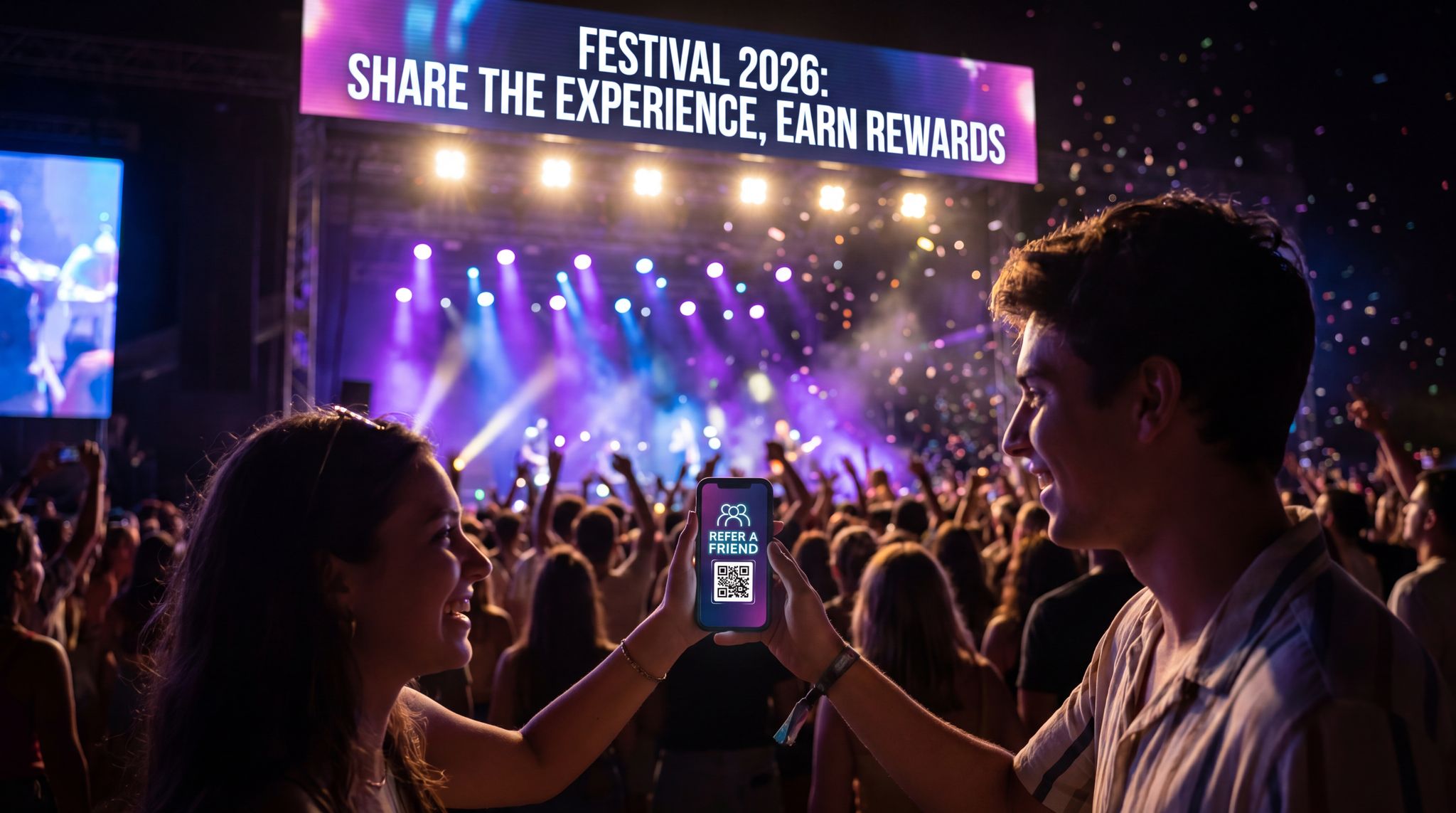
Ticket Fairy's built-in referral rewards system incentivizes attendees to share your event, delivering 15-25% sales boosts and 30x ROI vs paid ads.
Laying the Foundation: Collaborative Campaign Planning
Setting Shared Goals and Outcomes
Before jumping into hashtags and flyers, take a step back and align on goals. Every partner has their own motivations, so find the common ground. Are we aiming for a sell-out show, a certain number of streams or social impressions, or perhaps a fundraising target for a charity event? Make these objectives explicit from the start. For example:
- Attendance & Sales: Sell 90%+ of tickets by event day (a win for promoter, venue, and artists’ energy on stage).
- Brand Exposure: Achieve millions of brand impressions for sponsors (their ROI for supporting the event).
- Fan Engagement: Drive social media interactions, contest entries, or email signups (benefits all partners in long run).
By agreeing on concrete goals, you set the stage for true collaboration. Each stakeholder can see what’s in it for them and for the group. A sponsor might care most about brand visibility, while the artist wants a packed, hyped crowd. When both goals point to a full venue, it’s clear that everyone wins by working together. Experienced promoters recommend documenting these shared objectives in a simple one-page brief or kickoff call so all parties start unified.
Ready to Sell Tickets?
Create professional event pages with built-in payment processing, marketing tools, and real-time analytics.
Defining Roles, Responsibilities & Rewards
Clarity is key: spell out who will do what in the marketing campaign. Ambiguity is the enemy of execution – don’t assume the venue will “probably post on social” or the artist will “likely mention the show.” Instead, lay it out explicitly and get buy-in. Consider creating a co-marketing agreement or adding a clause to your artist and sponsor contracts covering promotional duties.
Key elements to define:
- Promotion Deliverables: Artists commit to X number of posts, stories, or emails to their fanbase. Venues agree to include the event in their newsletters, homepage, and on-site posters. Sponsors pledge support such as social media mentions, contest prizes, or ad spend.
- Timeline & Frequency: Specify roughly when these promotions should happen (e.g., “Artist will post the show flyer on Instagram the week tickets go on sale, and again 2 weeks out and 3 days out”). Align these with your overall campaign timeline (see the timeline table below).
- Brand Guidelines: Provide each partner with the official assets (graphics, video trailers, ticket links, hashtags) and messaging points to use. Make it easy for them to promote accurately – nothing derails a campaign like a partner posting the wrong date or outdated flyer. We’ll dive more into consistent messaging later.
- Incentives or Rewards: While the primary reward is mutual success, consider sweetening the deal. For example, offer artists a bonus if the show sells out from their promo efforts, or give sponsors extra signage or VIP perks if they hit certain ticket referral numbers. Some promoters even structure sliding revenue shares or affiliate links so partners directly benefit from each ticket they help sell.
Veteran promoters stress the importance of putting this in writing. It doesn’t have to be fancy legalese – a shared Google Doc or email recap of “who owns which promo tasks” can work. The act of writing it down ensures everyone understands the plan and avoids later finger-pointing (“Oh, I didn’t know we were supposed to tweet about it”). As campaign veterans recommend, inspect what you expect – lay out responsibilities clearly, then follow up to ensure execution (more on monitoring results in a bit).
Building a Unified Timeline (Who Promotes When)
A coordinated campaign needs coordinated timing. Map out the entire promotion window – from initial announcement to last-minute reminders – and slot each partner’s contributions into the calendar. This prevents overload on one week and radio silence in others. Instead, you’ll have a steady drumbeat of buzz across channels.
Smart Promo Codes & Presale Access
Create percentage or flat-rate discount codes with usage limits, date ranges, and ticket type restrictions. Plus unlock codes for private presales.
Below is an example of a co-marketing timeline for a mid-size concert with an 8-week lead time:
| Timeline | Promoter Actions | Artists Promote | Venue Promotes | Sponsor Activations |
|---|---|---|---|---|
| 8 Weeks Out (On-Sale) | Announce event on all channels; press release; launch ads. | Headliner & support all post lineup flyer and ticket link on IG/Twitter. | Venue posts event announcement on website & marquee; email to subscriber list. | Sponsor posts announcement on social, incl. co-branded flyer. |
| 4-6 Weeks Out | Continue paid ads; share behind-the-scenes prep content. | Artists share behind-the-scenes rehearsal video or a shoutout video about the upcoming show. | Venue shares blog post or video about event (e.g., “5 Reasons to catch this show at [Venue]”). | Sponsor runs a giveaway (free tickets or merch for shares); highlights event in their newsletter. |
| 2-3 Weeks Out | Push group discounts or early bird deadline if any; ramp up local PR. | Artists do an Instagram Live Q&A together or takeover stories on event’s account for a day. | Venue boosts posts on social media; displays posters at venue entrances. | Sponsor launches co-branded content (e.g., interview with artist on sponsor’s blog or local press spot mentioning sponsor). |
| Final Week | “Last chance” emails to ticket database; on-site prep updates on socials. | Artists issue final call-to-action post (“Can’t wait to see you this Saturday! Few tickets left!”). | Venue shares “Getting ready for the weekend!” post (stage setup pics); targeted geo-ads if budget. | Sponsor shares event-day perks (e.g., “Visit our booth at the show for free samples”) to entice attendance. |
| Event Day | Live social media updates; facilitate media coverage on-site. | Artists share excitement on arrival (tag venue and sponsor); encourage fans to share their moments with official hashtag. | Venue posts real-time stories of crowd & stage; thanks fans for coming (build FOMO for those not there). | Sponsor does on-site social (FB Live or IG Story from event); branded photo booth pics shared online. |
This timeline illustrates how staggered and synergistic actions keep the buzz building. Notice how each partner’s effort is interwoven: when the promoter announces on-sale, artists and sponsors amplify it simultaneously for maximum splash. During the mid-campaign lull, artists provide fresh content (rehearsal peeks) which the venue and promoter can reshare, keeping excitement up. As the event nears, everyone hits their channels with urgency messages and unique angles (artist pumping up fans, venue highlighting the experience, sponsor pushing perks). By planning these phases in advance, you won’t have all partners posting on the same day then going silent. Instead, you create a rolling thunder of promotion that peaks at just the right time – driving procrastinators to finally buy tickets.
Creating Win-Win Value Propositions
The cornerstone of collaborative marketing is making sure each partner clearly benefits. In practice, that means shaping your promotion plan to serve others’ interests, not just your own. An artist, venue, and sponsor may all agree “we want the event to succeed,” but what that success looks like differs for each:
- Performing Artists: They want a packed, energetic crowd and the chance to grow their fanbase. Every post or email they send should be framed as engaging their fans, not “doing the promoter a favor.” Emphasize the experience (“can’t wait to party with you all at this show!”) and maybe highlight new material or a meet-and-greet to excite their followers. The more they hype the fan experience, the more tickets move, which gives the artist a full house. Seasoned promoters know that artists also value looking good to the venue and industry – a sold-out show boosts their reputation and future bookings.
- Venues: The venue wants butts in seats (tickets sold) and happy patrons spending on concessions. They also want to showcase their space as the go-to spot for great events. So in co-marketing, provide angles that let the venue shine. For instance, a venue might promote “our biggest night of the season” or highlight their state-of-the-art sound system that will blow people away at the show. If the venue’s brand is front and center in the event’s success, they gain clout in a competitive venue market landscape. Additionally, venues often appreciate when promotion targets the local community – they love seeing neighborhood buzz and media coverage that positions them as a cultural hub.
- Sponsors & Brands: Sponsors invest in events for exposure and goodwill. They want to reach your attendees (their target consumers) in a positive, memorable way. That means your marketing should integrate the sponsor in a natural, flattering manner. Instead of just slapping logos on a poster, find creative ways to showcase the sponsor’s contribution: e.g., “Enjoy a [SponsorName] VIP Lounge at the festival” or “powered by [Brand], bringing you extra surprises at the show!” Sponsors will eagerly promote an event if they feel it’s amplifying their story – for instance, a tech sponsor can share how they’re enabling a live stream, or a beer sponsor can invite people to “join us at [Event] for an unforgettable night”. The more you make the sponsor feel like a star, the more they’ll put marketing muscle behind the event (and be inclined to sponsor again).
- Media Partners: If you have radio, press, or blog partners, their goals are about content and audience. They need compelling stories and perks for their listeners/readers. So give them exclusive angles – maybe the first interview with the headliner, or ticket giveaways for their audience. In return, they’ll blast out your event to thousands of eager fans. (We’ll detail media collaboration soon, but always approach it as helping the media deliver something cool to their audience – which in turn helps you sell tickets.)
The table below summarizes how each partner can contribute to promotion and what they get from the alliance:
| Stakeholder | How They Promote Your Event | What They Gain (Win-Win) |
|---|---|---|
| Artists/Performers | Social media: posts, stories, live streams hyping the show; Email blasts: announcements to fan club or mailing list; Content creation: behind-the-scenes videos, rehearsal photos, shout-outs; Collaborations: joint posts with other artists or sponsor shout-outs. |
Packed venue (energetic crowd to perform for); New fans from venue/sponsor channels discovering the artist; Merch & music sales from more attendees; Boosted reputation as an artist who can draw big crowds (helps with future bookings). |
| Venue | Digital: event listing on venue website & apps, venue’s social media posts and event co-hosting on Facebook; Email: inclusion in venue’s newsletter of upcoming shows; On-site: posters, marquee signage, flyers at the bar/box office; Local outreach: notifying venue’s community partners, city event calendars, tourism boards. |
High ticket sales (revenue through rent or splits, plus full house means more F&B sales); Venue branding as the happening place (attract future bookings and patrons); Content (photos, reviews) from a successful show to use in venue’s marketing; Stronger relationships with artists and promoters (who appreciate the extra push). |
| Sponsor/Brand | Social media: posts on brand’s accounts, possibly paid ads featuring the event; Email & Website: event feature in brand’s customer newsletter or blog; ticket discounts or contests for their customers; Co-branded content: collaborative videos/articles (e.g., artist interview presented by the brand); Physical promotion: in-store displays, product packaging shout-out (if applicable), promo codes on products. |
Brand exposure to target audience (event attendees and fans see brand in a cool context); Customer engagement: unique content or perks to excite the brand’s followers (e.g., contest to win tickets); Goodwill & credibility: association with a beloved event or artist (especially if the event aligns with brand values); Data & leads: opportunity to collect new interested contacts (e.g., contest entries, email sign-ups at event) for future marketing. |
| Media Partners (Radio, Press, Blogs) | Coverage: features, interviews, event listing articles, radio show mentions; Promos: ticket giveaways on-air or online, event-themed segments (countdowns, artist spotlights); Influencer content: bloggers/vloggers creating content at the event or about it; Shared postings: media outlet shares event content on their socials. |
Compelling content for their audience (exclusive interviews, giveaways attract listeners/readers); Engagement & ratings: popular event coverage can boost their audience metrics; Advertising or trade benefits: some media partners are happy with in-kind perks (free tickets, VIP access) or may receive sponsor ad buys tied to the event; Community cred: being the official media partner for a big event elevates their profile and trust with audience. |
By structuring your approach as value-for-value, you turn partners into genuine advocates rather than reluctant participants. For instance, when an EDM festival gives its soda sponsor a dedicated cool-off lounge on-site and plugs that in marketing, the soda brand feels integral to the fan experience – so they eagerly promote the festival as if it were their own. Similarly, if a concert tour highlights that a guitar company sponsor is providing free guitar demos at the venue, that company will blast the news to every music lover on their channels. This applies equally to music and automotive brand partnerships. The golden rule is empathy: see the promotion plan through each partner’s eyes. The more you help them win, the more they’ll help you win.
(With the groundwork laid – clear goals, roles, timeline, and mutual value – let’s get practical with each major partner’s collaboration strategy.)
Grow Your Social Following With Every Sale
Require social media follows, shares, or playlist adds to unlock presale access or special pricing. Turn every ticket purchase into audience growth.
Harnessing Artist Promotional Power
Enlisting Artists as Influencers (Not Just Performers)
Your performers aren’t just talent on stage – in 2026, every artist is an influencer in their own right. Whether they’re a DJ, band, keynote speaker, or panelist, they likely have an online following that hangs on their every update. Tapping into that fanbase is often the single most powerful promo boost you can get. In fact, a report by Eventbrite found that 60% of attendees are influenced to attend events by social media posts from their favorite artists or influencers. Fans trust the artist’s word far more than a generic ad. If an artist says “This show is going to be special – don’t miss it,” their followers listen.
Start by coordinating a social media plan with your artists. As soon as your event is announced, provide the performers with ready-to-share posts: high-quality flyer images, short video teasers, ticket links with tracking (so you can measure impact), and key hashtags. The goal is to make it effortless for artists to promote in a way that feels authentic to their voice. Encourage them to add a personal touch – e.g., “Chicago! We’re back on Dec 5th at the historic Riviera Theatre. Our only show this year – let’s sell it out!” A genuine message from the artist, combined with your event info, is gold.
Grow Your Events
Leverage referral marketing, social sharing incentives, and audience insights to sell more tickets.
Leverage each platform’s strengths with the artists:
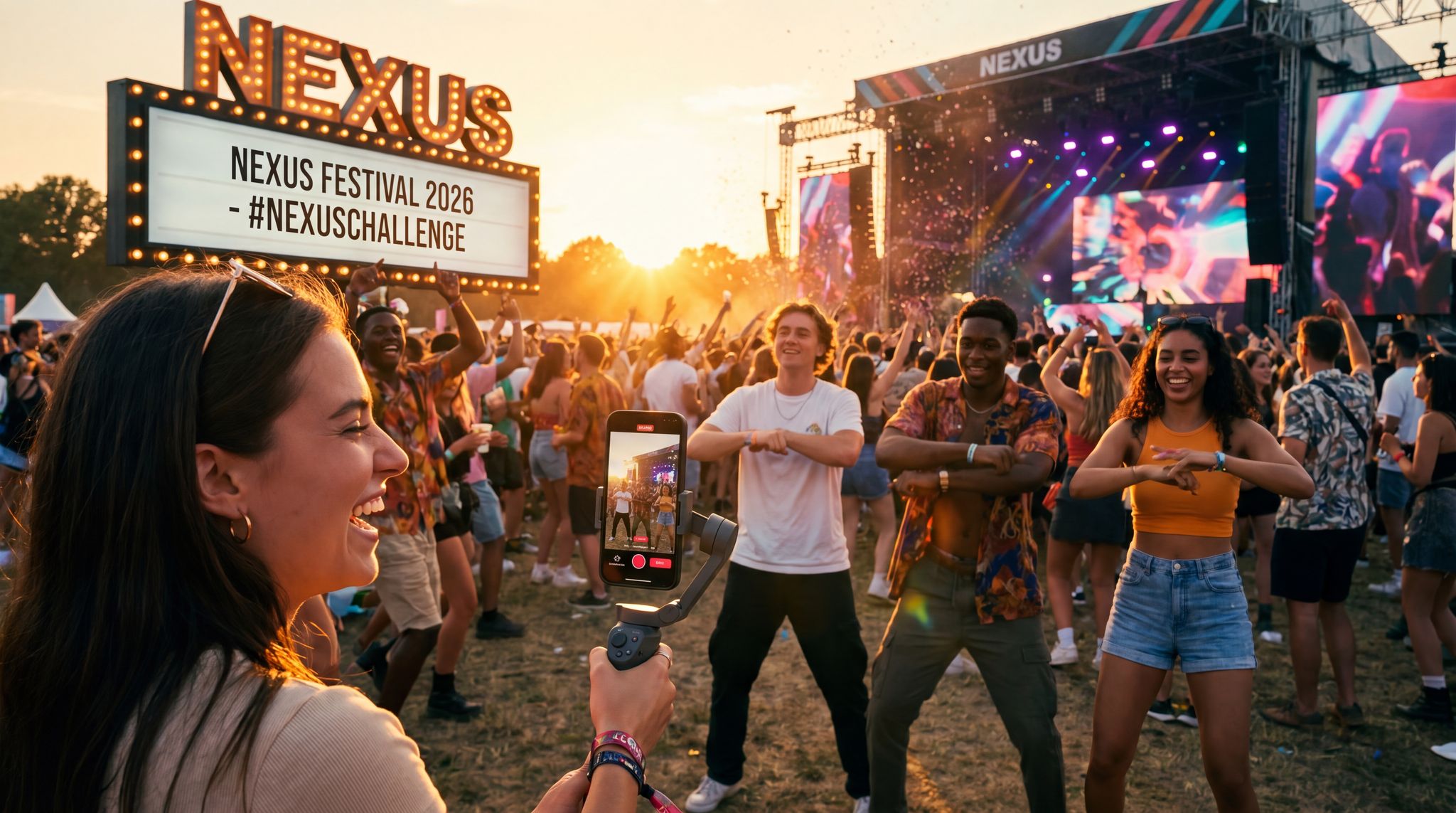
– Instagram & TikTok: Perfect for artists to share engaging visuals – an Instagram Story shouting out the event, a TikTok of them rehearsing a song on the setlist, or a fun reel counting down to the event. Many events use Instagram Collab posts, where the artist and event account are co-authors of a single post, doubling its reach to both audiences. Have artists tag the venue and sponsors too – this multi-mention synergy can trigger reposts and algorithm boosts. Staying agile with algorithm changes is key; if Reels are getting more reach in 2026, get your artists on that train.
– Twitter/X: Great for quick announcements and direct fan interactions. Artists can tweet the ticket link and then personally reply or quote-tweet fans who are excited. A little engagement from the artist can snowball – people love bragging “the band replied to me and said see you there!” That buzz drives more folks to check out the show. (Make sure the artist knows the event’s official Twitter handle and hashtag so they can interact with your posts too.)
– Facebook: If the artist has a Facebook page, have them co-host the event (if you created a Facebook Event, which you should). Co-hosting means the event listing shows up on the artist’s page, tapping into their follower base. Many older or international audiences still rely on Facebook for event info, so an artist co-host can substantially boost RSVPs. Also, encourage a short personal message when they share the event: e.g., “I can’t wait to play Venue X next month – click Interested on the event for updates and grab tickets!”
– Email & Fan Clubs: Does the artist run an email newsletter or have a fan club mailing list, Discord server, or SMS list? If so, that’s a highly valuable channel. Those are superfans who will likely convert to ticket buyers. Provide the artist with a short blurb and ticket link to send out. Fans often perceive such direct communication as a special invite. An artist might say, “As a thanks for your support, here’s early access to tickets for my upcoming show. Hope to see you there!” – which not only sells tickets but makes fans feel appreciated. According to campaign veterans, email conversions can be 3-5x higher when the message comes from the artist rather than a generic event blast.
Don’t assume every artist (especially smaller acts) knows how to be a promo powerhouse – guide them. Share examples of posts that have worked well for previous events. If they’re game, coordinate some live social events: Instagram takeovers (the artist runs your event or venue’s IG for a day), Facebook or YouTube live streams (“Session from home – getting ready for the show”), TikTok duets or challenges related to the event. These interactive pushes can massively expand reach. One metal music festival had each band do a 10-minute Facebook Live jam session in the weeks leading to the fest – collectively those streams racked up hundreds of thousands of views and reminded fans daily about the event.
Crucially, treat artists as creative partners in promotion. They are content creators by nature – so brainstorm with them. Maybe the comedian on your lineup has a funny skit idea to hype the show, or the DJ wants to drop a mini-mix teaser with the event branding. These authentic pieces often outperform polished ads. 78% of consumers say they trust brands (or events) more when the message comes from an artist or influencer they admire. So an artist’s heartfelt plug builds trust and excitement in a way no direct ad spend can replicate.
Aligning on Messaging and Creative
While we want artists to be authentic, we also need consistent messaging about the event. Provide a “one-sheet” to all performers with the critical details and talking points:
Data-Driven Event Marketing
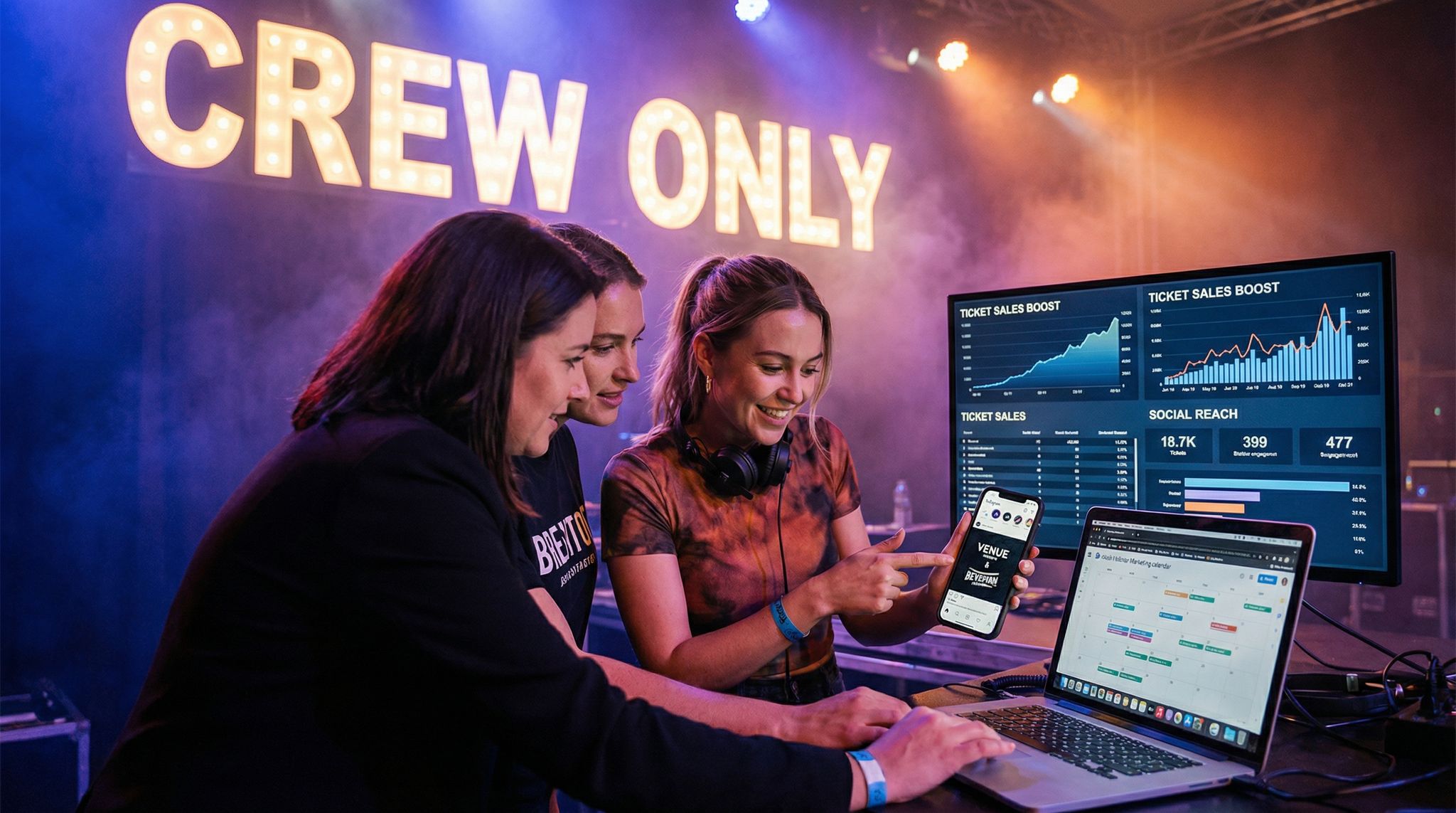
Track ticket sales, demographics, marketing ROI, and social reach in real time. Exportable reports give you the insights to make smarter decisions.
- Event Basics: Date, time, venue name (make sure they use the correct and full venue name for clarity), age restrictions (if any), and where to get tickets (e.g., “Tickets at TicketFairy.com, don’t wait until door”). You’d be surprised how many artists might forget to include where or when in a post if not reminded – fans need that info!
- Hashflags and Handles: The official event hashtag (e.g., #MegaFest2026) and any handles to tag (tag the promoter, venue, sponsors on applicable platforms). This not only widens reach (partners will reshare tagged posts), but it also keeps conversations consolidated. If every artist uses #MegaFest2026, fans see the event is a big deal with multiple voices buzzing about it. It creates a cohesive online presence.
- Key Marketing Angles: Give artists a few suggested angles that align with your campaign. For example, if you’re pushing a theme like “#SummerOfRock Celebration”, mention that. Or if the selling point is “first show back in 2 years” or “exclusive album release party”, let them know to highlight that. Essentially, what’s the narrative you want fans to latch onto? Make sure artists are reinforcing it, each in their own way. If one band is telling fans “this festival is the ultimate summer party,” and another says “can’t wait for the ultimate summer party at [festival name]”, you’ve got consistency plus genuine voice.
- Visual Assets: Share the official images – flyer, promo videos, even raw design files if they want to create their own version (some artists will enjoy customizing their posts, e.g., adding their own branding next to yours). Also provide sponsor logos or required mentions if the artist needs to include them (like “presented by X”). Many festivals email artists a “promo kit” with pre-sized images for Instagram, Twitter banners, Stories, etc. The easier you make it, the more likely the artist actually posts early and often.
Importantly, coordinate announcements. If you have a big lineup or tour announcement, try to have all artists post simultaneously or at least on the same day/hour. That sudden flood of posts creates a surge of visibility. Fans go “whoa, all these bands I follow are talking about the same festival – it must be huge!” This technique is used by major festivals (you’ll see dozens of artists all drop the lineup poster at the same time). It’s no coincidence – they were all prepped with the asset and embargo time. You can do this on a smaller scale too, even for a club show with 3 local bands: get them to agree, “Tuesday at 10am we all post the show flyer,” perhaps with a fun message like a coordinated greeting or hashtag.
The bottom line: artists are your megaphone. In one campaign we ran, a DJ’s personal tweet announcing the show generated 5× more ticket link clicks than the promoter’s paid ads that week – simply because fans responded to the DJ’s genuine enthusiasm. Harness that power. Make promotion so seamless and beneficial for the artist that they dive in wholeheartedly. When artists, big or small, feel proud to be part of an event, their promotional efforts can exponentially amplify your reach.
(Next, let’s turn to your event’s other decisive ally – the venue itself.)
Activating Venue Marketing Channels
Tapping into the Venue’s Audience
Your venue isn’t just a physical space – it’s a brand with its own loyal audience. Successful promoters treat venue marketing teams as crucial partners in promotion, not an afterthought. Whether it’s a cozy nightclub, a performing arts center, or a massive stadium, the venue likely has:
- Email Lists: Many venues maintain a newsletter of past attendees or members. Getting your event featured in a venue mailer (especially as a headliner event of the month) puts you in front of thousands of proven event-goers. These are people who already go to that venue and trust its programming. A simple blurb like “Just Announced at The Apollo: [Your Event] on Nov 12 – Tickets on sale now!” can drive a surge of local sales, often with higher conversion rates because the recipients recognize the venue name. For older audiences or theater venues, email and website listings may be even more important – promoters of shows targeting Boomers or seniors finding venue emails particularly effective.
- Venue Websites & Apps: Ensure your event is prominently listed on the venue’s site, mobile app, and ticketing pages. This sounds obvious, but double-check – you want attractive placement (ideally the homepage or dedicated event calendar page with an image). Venues with high traffic can funnel a lot of discovery. Also, many fans browse venue sites to see “what’s coming up.” If your concert or conference isn’t listed or is buried, you lose out. Coordinate with the venue to get a featured spot, at least during initial on-sale and as the date nears.
- Social Media & Content: Virtually all venues have social accounts – Facebook, Instagram, maybe Twitter/X or even TikTok for hipper spots. Work with the venue’s marketing team to have them create their own posts about the event. They might share the official flyer or do something creative like a short video of the venue preparing for the show, a flashback if the artist played there before (“#TBT to when [Artist] rocked our stage in 2018 – and they’re back this December!”). Some venues even maintain blogs highlighting upcoming shows or artist interviews. If they have one, pitch them a quick Q&A with your headliner or a “5 reasons to attend” article – essentially additional content marketing that the venue publishes and shares. Local followers trust the venue’s recommendations, so their endorsement carries weight.
- Venue’s On-Site Promotion: Leverage the venue’s physical space ahead of the event. This is classic cross-promotion: if the venue is open regularly (say a bar or club or theater with weekly events), ask to put posters, flyers, or digital screen ads on-site. Venue staff might wear a button or T-shirt advertising the big upcoming festival. Marquee signage is huge free advertising – many venues will put major upcoming shows on their outdoor marquee or lobby displays. Not only does this catch passersby, but it reinforces awareness for everyone coming to other events. It’s effectively targeting people who already go out to shows (a prime demographic for you). Grassroots as it seems, well-placed posters and marquee mentions have swayed a lot of fence-sitters into buying tickets.
Furthermore, don’t overlook digital venue discovery networks. When you evaluate the media and information services or a company like Tagvenue (or similar space-booking platforms), consider how their built-in traffic can serve your event. These platforms often have their own promotional newsletters and featured listings. Partnering with the venue to optimize these third-party listings ensures that corporate planners or local groups browsing for spaces might stumble upon your public event and buy group tickets.
The key to unlocking venue channels is building a strong relationship with the venue’s marketing team. Early in the planning, reach out and share your promotion plan. They will have insights on what works for their patrons. For instance, the venue marketer might say “Twitter doesn’t do much for us, but our Instagram audience is huge” – good to know so you can focus efforts. Provide them with the same assets you gave artists: flyers, videos, key copy points. Often the venue will tweak the message to fit their voice (which is fine, they know their followers). Maintain consistent communication; for example, send a reminder a month out “hey could you feature the event in the next newsletter or social post around XYZ date?” They have many events to juggle, so a polite nudge ensures yours gets its spotlight.
Built-In Email Marketing for Events
Send targeted campaigns, automated purchase confirmations, and post-event follow-ups directly from your ticketing dashboard.
Also consider joint promotions with the venue for direct sales. Some venues have box office walk-up days or flash sales to drive in-person purchases (especially if they want to avoid online fees for locals). Work with them on any special offers: “No service fee Friday – buy tickets at the box office and save $X” – they promote this, you promote this, and you might convert people who hate online fees. Similarly, if the venue has a loyalty program or membership, see if you can do an early access sale for members. That gives the venue a perk to offer (members feel VIP with first dibs on tickets) and helps you sell a block of tickets early to die-hards.
Local Community & Media Outreach with Venues
Venues, especially those with deep community ties, can be excellent conduits to local media and organizations. Often, the venue’s PR team has press contacts at city newspapers, blogs, or local radio that regularly cover events. A story pitched by the venue (“[Venue] hosts first-ever Winter Wonderland Concert next month”) can get coverage where a standalone promoter pitch might not. Collaborate on press releases – perhaps do a joint quote from the venue owner and the promoter or artist, emphasizing the partnership. The media loves narratives, and “historic venue + hot new event = great night out” is a nice angle.
Additionally, venues often partner with local tourism boards, universities, or businesses. Is your event something tourists might travel for? The city tourism website or downtown alliance might list it if the venue pushes it through their channels. Or if you’re doing an all-ages show, maybe the venue has links to youth organizations or college student groups who can help spread the word on campus. Think beyond the obvious: a savvy venue marketer once helped us distribute flyers at all nearby coffee shops and record stores – they knew the neighborhood network better than we did, and it boosted local awareness significantly.
For regional events or festivals, venues (and host cities) sometimes coordinate with travel partners. For example, a convention center might work with airlines or hotels for attendee deals, and those partners then promote the event in their marketing. If your venue is on board, they can facilitate such co-promotions (e.g., “Stay at our partner hotel and get 10% off festival tickets” cross-promoted via the hotel’s website). These broader partnerships are mentioned in guides on festival cross-promotion through travel and tourism alliances – all made easier when the host venue leverages its connections.
In short, treat the venue as the hub of a local promo wheel. Their audience, their staff, their community links – it’s all incredibly valuable for amplifying your reach on the ground. And of course, it’s in the venue’s interest too: a well-promoted, sold-out event means great revenue and prestige for them. Experienced promoters often note that venues who actively market events end up building a win-win cycle: shows do well, which attracts better artists and more sponsorships for the venue, which in turn invest more in promotion. Collaboration is the catalyst for that virtuous cycle.
(Now that we have artists and venues on board, let’s supercharge things by bringing sponsors and brand partners into the mix.)
Free Tool: When Should You Announce?
Pick your event date and genre — the free planner outputs a recommended announce, presale, on-sale and reminder schedule anchored to how your audience actually buys.
Empowering Sponsor Co-Promotion
Selecting the Right Sponsors for Marketing Synergy
Not all sponsors are created equal when it comes to promotion. The best partners in marketing are those whose target audience overlaps strongly with your event audience and who have a true enthusiasm for activating their sponsorship. When seeking or negotiating with sponsors, consider their marketing reach and creativity as part of the deal. A sponsor with 100k engaged Instagram followers or a big email list of local customers can become an invaluable megaphone for your event – sometimes more valuable than the cash they contribute.
In 2026, many brands realize slapping a logo on a banner isn’t enough; they want deeper engagement. That means you can often structure sponsorships to include co-marketing requirements. For instance, in your sponsor agreement, add a clause for “promotional support” such as: “Sponsor will feature the Event in at least 3 social media posts across Facebook and Instagram, and in one edition of Sponsor’s email newsletter, during the 8-week campaign.” This ensures they’re officially on the hook to promote, not just passively cutting a check. Of course, you’ll provide the content and assets to make it easy (and you’ll likely review/approve their posts to align messaging). The sponsor’s marketing team should love this – you’re giving them cool content (an exciting event) to talk about, instead of them constantly pushing just their product.
The best-fit sponsors for co-promo are those naturally connected to the event vibe. A few examples:
– A music festival teaming with an audio electronics brand – the sponsor can share playlists of the festival artists, run gear giveaways tied to tickets, etc. They can authentically speak to music fans.
– A craft beer sponsor for a rock concert – the brewery might do special taproom promotions (e.g., “show your concert ticket at our brewery for a discount, and enter to win free tickets” or conversely promote the show in their taproom) and post fun content like a pairing of beers with band names. Their local followers are probably interested in live music, so it clicks.
– A tech startup sponsoring a tech conference – beyond a booth, they can publish blog posts about looking forward to the event, or have their CEO do a LinkedIn shoutout. Their customer base likely overlaps with the conference attendees, so their promotional emails about “come see us at XYZ Conference” directly drive attendance.
– A fashion brand sponsoring a pride parade after-party – they might run an influencer campaign where models/influencers attend the event wearing their apparel, generating social media content that tags the event. The key is the sponsor’s brand values align with the event (in this case, celebrating LGBTQ+ community), making the promotion genuine.
When the sponsor’s audience = your audience, their marketing efforts don’t feel like shilling – it feels like community. Their followers respond positively (“Oh cool, my favorite beer is supporting this festival I like!”). A word of caution from experienced sponsorship managers: avoid sponsors who are just chasing eyeballs but have no cultural fit with your event. If it’s forced, their promotions may come across as awkward or their audience won’t care (“Why is this insurance company suddenly posting about a EDM rave?”). Authenticity matters; audiences can sniff out inauthentic tie-ins quickly and it can even create backlash. Aim for partners that add credibility, not conflict with your event’s image.
When suggesting a company align itself with a certain concert series or an annual auditorium-style showcase, your pitch must speak directly to their long-term goals. Brand marketers and media agency buyers aren’t just looking for fleeting logo placement; they want a captive, recurring audience. If you are a platform owner or promoter pitching to these professionals, highlight how the ongoing nature of a series builds sustained brand affinity. Show them how reaching students, young professionals, or niche demographics over multiple weeks yields better recall than a one-off activation.
Crafting Co-Branded Content and Campaigns
Once you have the right sponsor on board, it’s time to get creative together. Co-branded content means any marketing material that features both the event and the sponsor in a complementary way. This can greatly extend reach, because people might share it for the content’s sake, not just because it’s an ad. Some effective approaches:
- Sponsored Giveaways & Contests: People love free stuff, and sponsors love the lead generation. Collaborate on a giveaway that requires participants to engage with both brands. For example, “Win a VIP Experience at [Event] – brought to you by [Sponsor].” Entries could involve following both accounts and tagging a friend, or submitting an email on a co-branded landing page. The sponsor will promote this heavily (since it boosts their followers or leads), and you get the event in front of lots of new people. Ensure the prize is enticing: VIP tickets, backstage meet-and-greet, or swag bag with sponsor’s products and* event merchandise. We’ve seen contests like this generate thousands of social shares and a nice uptick in ticket sales right after winners are announced – presumably from those who didn’t win but got excited in the process.
- Content Series or Takeovers: Use the sponsor’s storytelling channels. For instance, a sponsor might host a “Road to [Event]” web series on their YouTube or Instagram, featuring short episodes like artist interviews, behind-the-scenes peeks at event prep, or a day in the life of the event producer. The content is co-branded (presented by sponsor), but it’s genuinely interesting to fans. A classic example: prior to a festival, a beer sponsor’s blog ran interviews with different performing artists about their pre-show rituals – providing fans unique insights and repeatedly plugging the upcoming festival. It didn’t feel like an ad, more like cool editorial content. Social media account takeovers are another great tool: have the sponsor let an artist or your event team take over their Instagram Stories for a day, or do a joint Instagram Live chat. This merges audiences – the sponsor’s followers get hooked by the personality takeover, and the artist/event get exposure to those followers.
- Branded Countdown or Hype Content: As the event nears, consider co-branded “countdown” posts. For example, a sponsor could create a graphic or short video series like “5 Days to [Event]: [Sponsor]’s Tip of the Day” where each day they share something fun (maybe a festival survival tip, or a highlight of a performer). It’s lightly branded content that keeps reminding everyone the event is almost here. Since it’s value-adding (you’re giving tips or entertaining bits), fans are more likely to share it than a straight promo. One tech conference sponsor did a “countdown to conference” email series to their clients, each highlighting a cool speaker or session they were excited about – effectively doing the job of the event marketer!
- Integrated Advertising: If your sponsor is willing to dedicate some of their ad budget, work together on ads that benefit both of you. For instance, a sponsor might run geo-targeted Facebook/Instagram ads inviting people to visit their booth or activation at your event – those ads inevitably promote the event itself. Or they might buy a local radio spot that says “Join [Sponsor] at [Event] – we’re proud to sponsor and will be doing XYZ on-site… get your tickets now.” This kind of media buy by the sponsor is often part of larger deals (especially if they have minimum marketing spends to use up). Coordinate so it’s done smartly and consistently with your messaging. The beauty is, it’s their budget fueling extra reach for your event. Keep an ear out for these opportunities when negotiating sponsor deals – a sponsor might be more willing to justify marketing spend than pure sponsorship fees, as it directly boosts their metrics.
When developing these shared assets, prioritize motion graphics and short-form clips. Industry data reveals that roughly 73% of event marketers leverage video as their highest-converting format for collaborative campaigns. Whether it’s a sponsor-funded recap reel or an artist’s backstage TikTok, dynamic visual content captures attention faster than static flyers and drives significantly higher click-through rates on ticketing links.
Co-branded content should always aim to be entertaining or useful on its own. If it’s just a blatant ad, it won’t get organic traction. The holy grail: people share the content because it’s cool, and inadvertently spread your event promo and sponsor logo at the same time. A good litmus test is to ask, “Would I watch/read/share this if I had no stake in the event?” If yes, you’re on the right track.
One more tip: coordinate with sponsors to cross-post each other’s high-performing content. If your video trailer gets great engagement, encourage the sponsor to share that on their channels too, perhaps with a custom intro from them. Conversely, if the sponsor creates a fabulous piece (say they film a rehearsal visit that you didn’t have access to), push that on your event pages. By freely cross-pollinating content, you ensure that the best stuff reaches the widest audience, regardless of who created it. It truly becomes a collaborative campaign rather than parallel efforts.
Sponsors on Social: Amplifying via Brand Networks
We touched on content creation, but let’s zero in on pure social media promotion by sponsors. Brand accounts often have large followings, and their voice carries authority. When a respected brand tells its fans “This event is worth checking out,” it serves almost like a trusted recommendation or even a form of social proof (people think, if brand backing this event must be legit, it must be legit and big). To maximize this effect:
- Provide Shareables: Similar to artists and venues – give sponsors tailor-made social posts. But with sponsors, ensure to integrate their branding as well. For example, create a version of the event flyer that says “Presented by [Sponsor]” so they can share that proudly. Or an image of an artist with a caption template like “We’re thrilled to sponsor [Event]! Join us on [date]for an unforgettable night. Use our code SPONSOR10 for 10% off tickets. #EventHashtag”. Make it plug-and-play for their social media manager.
- Leverage Different Platforms: Sponsors might excel on platforms your event doesn’t. Perhaps the sponsor has a popular LinkedIn or Twitter presence (common with corporate or B2B sponsors). A professional conference event can gain a lot by a sponsor’s LinkedIn post endorsing the event to industry peers. Or a gaming event might benefit from a sponsor’s lively Discord or Twitch promotions. Discuss with the sponsor which platforms resonate most with their community and find a way to mention the event there. For instance, a fitness apparel sponsor might even mention the event on their TikTok if they do behind-the-scenes of prepping their booth – reaching younger audiences the event itself might miss.
- Engagement and Interaction: Ask sponsors to actively engage with your event’s content as well. Something as simple as the sponsor’s account commenting on your posts (“We’re gearing up to see everyone at the show – come say hi at the [Brand] booth!”) can boost visibility thanks to social algorithms. It also humanizes the sponsor. Additionally, coordinate any influencer marketing the sponsor might do. Some big sponsors hire their own influencers to cover events. If they plan that, connect with those influencers so you can amplify each other’s posts. For example, if a sponsor brings a popular YouTuber to vlog the festival, make sure you shout that out on your pages (“YouTuberXYZ is coming courtesy of [Sponsor]! Follow their experience at the fest.”). Now the influencer’s followers get fun content and your event gets cross-promotion – a nice triangle of collaboration.
- Monitoring Tone and Feedback: Work closely so that sponsor posts align with the event’s tone. They don’t all need to sound identical, but a mismatch can confuse the audience. For instance, if your event branding is edgy and the sponsor’s post is overly formal corporate-speak, it might fall flat. Without micromanaging, you can suggest an angle or have a quick review of their key posts. Conversely, be prepared to respond if the sponsor’s audience has questions. Suppose the sponsor posts about a ticket discount code – their followers might ask about event details in the comments. Ensure someone (either sponsor’s team with info you provided, or you jumping in) answers quickly. This creates a seamless experience; no matter where people hear about the event, they get accurate info and a friendly touch.
One more benefit of sponsors on social: paid amplification. Brands often have larger advertising budgets than lean event promoters. If a sponsor is open to it, suggest allocating some paid social budget to boost event-related posts. They might run social ads from their account targeting your city/demographic, or even better, coordinate with you to use platform tools like Facebook’s Branded Content Ads – which allow the sponsor to put ad dollars behind a post from your page (with permission). This way, a post from your event or artist that’s performing well could be boosted to a wider audience using the sponsor’s funds. It’s a highly effective technique as it combines authentic content with targeted reach, essentially sponsor-funded ads that don’t look like ads. Be sure to highlight this possibility when discussing marketing with sponsors – many brand managers will happily spend on distribution if the content aligns with their campaign.
Ultimately, an engaged sponsor can act like an additional marketing department for your event. They bring their own flair and audience to the table. When sponsors truly activate, the bump in visibility can be dramatic. A case in point: a New Zealand music festival partnered with a major energy drink company that went all-in on promotion – the sponsor’s bright-colored posts and influencer tie-ins were everywhere, reaching far beyond the festival’s usual circles. The result? The festival sold out in record time and the sponsor saw a 25% increase in social media engagement during the campaign. That’s the definition of a win-win. So, nurture those sponsor relationships and encourage them to flex their marketing muscles.
(We’ve covered artists, venues, sponsors – but don’t overlook the power of external media and community voices joining the chorus.)
Leveraging Media and Community Partners
Engaging Traditional Media (Radio, TV, Print)
In 2026’s world of digital everything, traditional media might seem old-school – but it still packs a punch for event promotion, especially at the local and regional level. Radio stations, local TV news, community newspapers, and magazines can significantly amplify your reach into audiences that might not see your Facebook ad or Instagram story. And importantly, media partners often lend credibility and FOMO: hearing about an event on the radio or seeing it in the city paper makes it feel like “the talk of the town.” According to Event Marketer magazine’s reports, earned media coverage provides a publicity boost that paid ads struggle to match, by tapping into trusted voices and outlets.
To collaborate with media effectively:
– Identify the Right Outlets: Choose media that align with your target demographic. Rock concert in Los Angeles? Focus on popular local rock radio (e.g., KLOS) and the alt-weekly magazine. Electronic music festival? Maybe a partnership with a national streaming radio or a niche music blog plus local TV for wider exposure. For a startup conference, the city’s business journal or talk radio might be ideal. Your venue can be a resource here, as mentioned – they often know which stations or publications actively cover events like yours.
– Media Sponsorship Deals: You can formalize partnerships where a media outlet becomes an “official media sponsor.” In exchange for a package of promotions (radio spots, website banners, on-air interviews), you offer them things like logo placement (“presented by WKRP 101 FM”), exclusive content (interviews with artists, first to announce lineup, etc.), VIP tickets for giveaways, and maybe a booth or broadcasting spot on-site. These in-kind arrangements can be incredibly cost-effective. For example, a festival might trade a few thousand dollars worth of VIP passes for tens of thousands of dollars in radio advertising – a great trade when those tickets might have gone unsold or are worth the exposure. Leverage in-kind media sponsorships like this to stretch your budget.
– Ticket Giveaways and On-Air Contests: One of the easiest ways media partners help is by running ticket giveaways. Listeners love winning free tickets, and stations love content that engages listeners. Provide a stack of tickets (and sponsor merch if available) for the station to give away leading up to the event. They’ll mention the event name repeatedly (“Caller 9 gets two passes to Ticket Fairy Music Fest on July 1st!”) which is basically free advertising. Pro tip: try to have the giveaways tied to a show segment relevant to your event’s genre (e.g., during the rock hour for a rock show). And schedule them at various times/days to maximize reach. Some stations even do a “takeover day” where every hour they give out a ticket – it can create a big buzz.
– On-Air Interviews & Appearances: Arrange for artists or organizers to appear on popular shows. Morning radio shows, drive-time DJs, or weekend interest programs are often happy to feature a quick interview with a band coming to town or the festival director if you pitch it as entertaining for their audience. The key is to provide an angle beyond “buy tickets.” Maybe the artist can premiere a song or share a funny tour story. Or the event producer can talk about crazy preparations or highlights to expect (human interest angle). These conversations naturally weave in the event details (“We’ll be playing at X festival next Saturday, we’re stoked!”), giving a nice organic promo. If doing TV, perhaps you bring along a short visual element – like a dancer from the show or a cooking demo if it’s a food festival – to make it interesting on air. Personalities sell tickets, not just ads, so let media audiences connect with the faces behind the event.
Long-time promoters advise treating media folks as partners, not just channels. Build relationships with the DJs, hosts, or journalists. Invite them to the event as guests, give them shout-outs on your social (“Thanks to 99.5 FM for the support!”). The goodwill can lead to them talking up your event even outside formal ads – e.g., a radio host might mention over the air “I’m heading to that festival this weekend, it’s gonna be awesome,” which acts as a genuine endorsement. We dive deeper into such strategies in our guide on collaborating with radio, press, and blogs to amplify reach, but the takeaway is: traditional media is far from dead, especially when creatively integrated into your campaign.
Collaborating with Online Media & Influencers
Beyond traditional outlets, 2026 event marketing thrives on bloggers, niche websites, and social media influencers. These are the content creators and online communities that your target attendees tune into daily. Partnering with them can expose your event to highly engaged niche audiences in a credible way.
- Local Blogs & Sites: Nearly every city or scene has go-to websites for event info – think of music blogs, art and culture sites, lifestyle magazines, Reddit communities, or even popular local Instagram pages that aggregate “cool things to do.” Identify these and reach out with your event details. Many will gladly publish an event announcement or include it in their event calendars. Some might want a unique angle, like an interview or a guest post. For example, a food blog might let you share “Chef’s Top 5 Dishes to Try at the Food Festival” as a piece of content, which plugs the festival while giving their readers value. It’s often a free or low-cost way to reach thousands of locals who are actively looking for events. Always offer something in return – free tickets for a contest on their site, or exclusive info – so it’s a win for their audience engagement.
- Social Influencers & Creators: Consider inviting a few relevant influencers to be part of your promotion. These could be YouTubers, TikTok personalities, Instagram influencers, or respected community figures on Twitter/Threads. The key is they should align with your event’s theme and have followers who would actually attend. For instance, a gaming convention might team up with a Twitch streamer to talk about the event on their stream, or a fashion show might partner with a TikTok style guru to preview outfits from designers. Work out a partnership that benefits them too – maybe they get VIP access or a role to play (like hosting a segment, or simply great content opportunities on-site). Influencers often work for compensation, but many micro-influencers (say local foodies, campus personalities, etc.) will collaborate just for access and the unique experience if they genuinely like your event. According to marketing research, 49% of consumers rely on influencer recommendations when making decisions, so an authentic plug from the right influencer can directly drive ticket purchases (especially for Gen Z and Millennials). In fact, 60% of millennials have attended events because of influencer posts by some reports – showing how powerful this channel is.
- Content Collaboration: Just like with sponsors, consider giving influencers a role in content creation. For example, a travel vlogger could do a “journey to the festival” video that the festival then shares, or a well-known photographer might do an Instagram takeover showing backstage photos of artists (with their own artsy spin). With online media, unique content is currency. We’ve seen events do official podcast tie-ins (like a podcast series discussing the event theme, featuring different guests, co-produced with a local podcaster). All those pieces deepen engagement and create more shareable material – which in turn keeps the event buzzing in feeds and timelines. It’s essentially free advertising that people actually pay attention to, because it’s interesting content rather than an ad.
- Community Amplifiers: Think of organizations or groups that aren’t media per se, but have a captive audience: Meetup groups, Facebook Groups, Alumni networks, etc. For a tech event, a local JavaScript meetup group email list could be gold. For a music event, maybe a fan club or a Facebook Group for local indie music lovers could spread the word. Approach the admins or leaders of these communities – often they’ll be excited to share a relevant event with their members (especially if you offer a group discount or something exclusive like a shoutout from stage for the group if they bring X people). It’s all about reaching tight-knit communities through the voices they trust.
One thing to maintain is message consistency across all these channels. While the tone can vary (a news article vs. an influencer’s IG story will sound different), the core facts and branding should be uniform. It’s wise to keep track of all the media/influencer coverage and shares – perhaps with a simple spreadsheet – to ensure accuracy and see the ripple effect. You’ll often find that one blog post leads to another site picking it up, or an influencer’s tweet leads to conversations on Reddit, etc. Jump into those conversations when appropriate (with the event account or personal if that’s more fitting) to fan the flames. If someone on a forum asks “Anyone going to X event? Saw it on this blog,” you or a rep can reply “Yes! It’s going to be great, here’s a bit more info…”. This kind of personal touch is how community building and marketing intersect, turning media hits into engaged attendees.
Maintaining Message Cohesion Across Channels
With so many players promoting – artists, venues, sponsors, media, influencers – how do you keep the message from fragmenting or veering off-brand? The answer: a clear central narrative and open communication. We’ve already stressed giving everyone the same core info and assets. Beyond that, consider these tactics:
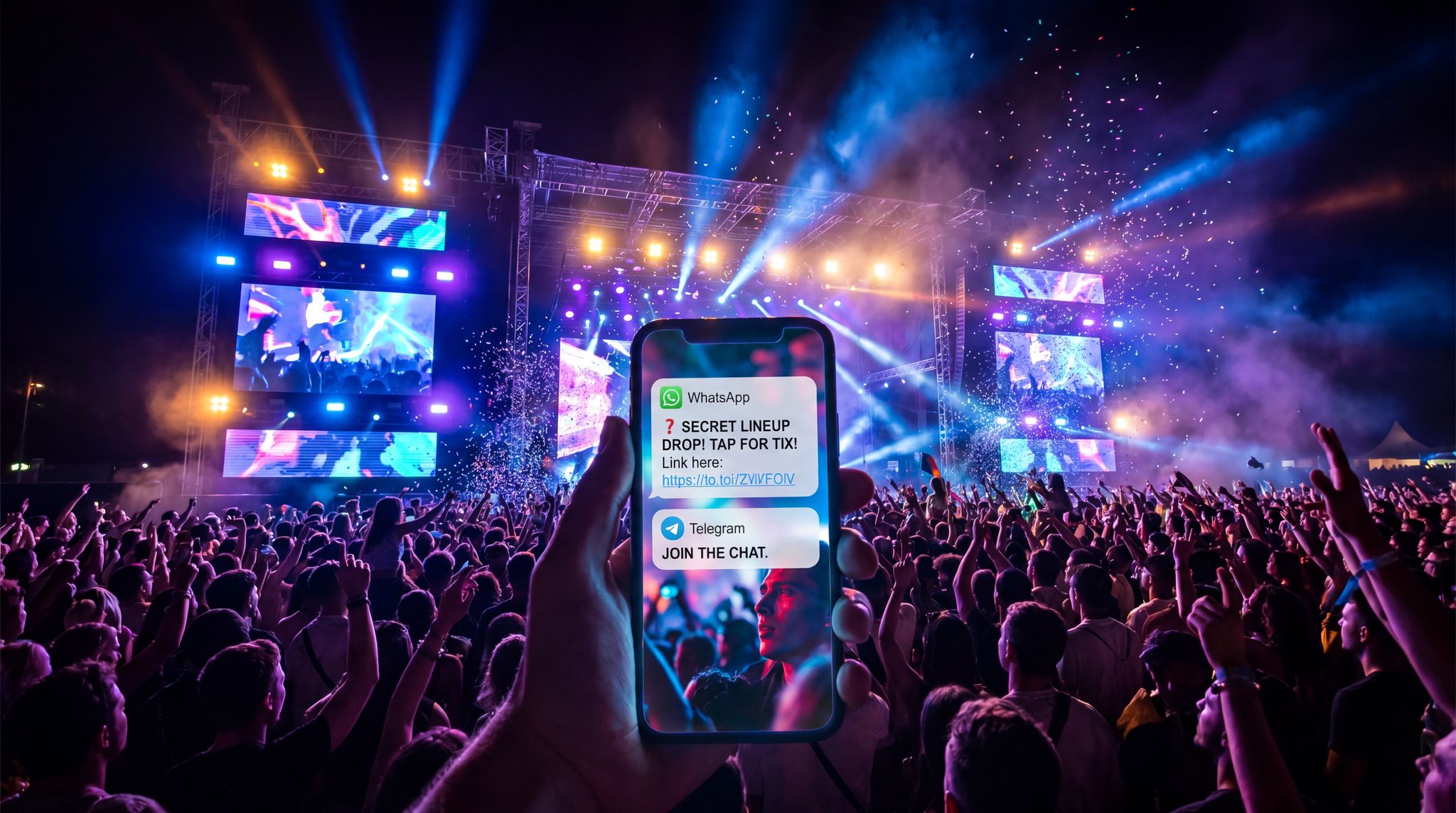
- Centralized Updates: Create an email thread or a small Slack/WhatsApp group with key promo stakeholders (artist managers, venue marketer, sponsor rep). Use it to share any important updates during the campaign – e.g., “VIP tickets are nearly sold out – let’s push that message this week” or “We added a new opening act, here’s the announcement copy.” This ensures everyone can react and amplify consistently. It also creates a sense of team spirit; all partners feel like they’re in the loop and part of a joint effort. (Just don’t overdo it – keep communications relevant and concise to respect everyone’s time.)
- Asset Management: Host your graphics, videos, logos, etc., in a cloud folder that all partners can access. Update it immediately if anything changes (say a sponsor’s logo gets updated or a set time changes, etc.). This way, nobody is stuck using an outdated poster or incorrect info. Encourage partners to always grab the latest from that folder before posting. Some events even host a simple “media kit” page on their website for this purpose. For example, a festival site might have an Partners Media page with downloadable art, suggested captions, and a contact for any questions – handy for both official partners and any media outlets that come along.
- Consistent Branding & Hashtag: Insist on using the exact event name and hashtag uniformly. Little differences can hurt – if one partner uses #MegaFest2026 and another uses #Megafest (no year), the conversation splits. Check periodically how the event is being mentioned. If you see deviations, kindly ask those partners to adjust. (Sometimes media will abbreviate your event or use a nickname – if it’s widespread and not harmful, you might adopt it too; otherwise, politely clarify the official name.) Keeping one hashtag trending is better than two lower-volume tags. Also align on any slogans or taglines in use. If your theme is “The Ultimate Summer Party,” it helps if artists and sponsors echo that phrasing here and there, not come up with entirely different descriptors like “a nice little concert.” Feed them the language that sells.
- Crisis Coordination: Hopefully nothing goes wrong, but if it does (e.g. headliner cancels, date changes, safety issue), a unified message is critical. Before it ever comes to that, have a mini plan: as soon as you know of a major change, immediately inform all partners and give them approved messaging to share. This prevents confusion or, worse, contradictory information. Even outside of true crisis, this applies to key announcements like “tickets are 80% sold” or “set times are out now.” This way, artists and others aren’t left fielding fan questions with “I’m not sure, check with the promoter.” Everyone becomes a confident messenger of the latest info.
- Regular Check-Ins: During the campaign (especially longer ones for big events), do a quick check-in with partners to gauge how promotions are going. Ask sponsors if they’re getting traction with their posts and if they need anything else. Ask artists if fans responded to the first announcement and if they plan any other content you can assist with. These chats often surface great opportunities – e.g., an artist might say “A lot of fans asked if I’ll play my new song at the show,” which could prompt you to publicly tease “maybe you’ll hear the new song live!” or include that in marketing. Or a sponsor might note “our discount code got used 50 times already” – valuable data that you can use to adjust (perhaps that audience is hot; consider shifting more marketing there). Plus, it lets you course-correct if any partner hasn’t held up their end – a gentle, friendly “how’s it going?” can remind a busy venue manager to do that promised post.
When all partners sing from the same songbook, the marketing resonates. Attendees will see a consistent image and story whether they discover the event via a radio ad, a Facebook event, an artist’s tweet, or a sponsor’s email. Consistency breeds trust and minimizes confusion (no missing info or mixed messages). It also amplifies word-of-mouth: if people hear about the event from multiple sources in slightly different ways, it reinforces the idea that “this is everywhere, I gotta check it out.” That cross-channel cohesion makes your event unmissable in the audience’s eyes – precisely the outcome we want.
(Finally, let’s ensure all this effort translates to measurable success and long-term gains for everyone involved.)
Measuring Impact and Sustaining Momentum
Tracking Partner Contributions and ROI
A collaborative campaign involves many moving parts – so you’ll want to track results to understand what worked best and give credit where it’s due. This data not only informs your future marketing strategy but also helps maintain partner relationships (by showing them the impact they made). Here’s how to stay on top of it:
- Unique Tracking Links & Codes: Provide each major partner with a unique ticketing link or promo code. For instance, give the headline artist a special URL (e.g., ticketfairy.com/event123?ref=ArtistName) and perhaps a small discount code like ARTIST10 for their fans. Do the same for the venue (VENUE10), sponsor, etc. Modern ticketing platforms like Ticket Fairy make it easy to create these tracking links and codes, so you can attribute sales to different sources in your dashboard. When sales start rolling, you’ll see exactly if, say, the artist’s promotions drove 150 ticket purchases and the sponsor’s campaign drove 80. This not only quantifies the boost from collaborators but can guide last-minute pushes (if one channel is lagging, you know where to focus more effort in final weeks).
- Analytics & Pixels: If you’re running digital ads or using an event website, leverage analytics to see referral traffic. Encourage partners to link to your official site or ticket page using UTM parameters (Google Analytics tracking tags) – e.g., utm_source=artist&utm_campaign=eventoct2026. Check your Google Analytics or ticketing analytics for traffic spikes when partners post. You might find, for instance, that the venue’s email caused a big traffic day that converted well, or the sponsor’s blog post got a bunch of clicks that didn’t convert (insight: maybe their audience needed a different message or offer). Share relevant data back to partners: “FYI, 500 people clicked from your newsletter, and 50 bought tickets – a great 10% conversion!” This makes partners feel their efforts were worthwhile.
- Social Media Metrics: Monitor the reach and engagement of partner posts too. You can simply ask for a summary – many will happily share (“Our tweets about the event got 50 retweets each, our IG story had 4k views”). If you’re comfortable, you might even temporarily add a partner as an admin to your Facebook Event, which sometimes lets them see insights. Or use a social listening tool to capture all mentions of your event hashtag across accounts; then you can tally likes/comments on those posts. It doesn’t need to be hyper-precise, but get a feel: Did the artist’s announcement outperform yours? (Often yes). Did the sponsor’s audience show lots of excitement? Did the media partner’s contest get many entries? These are qualitative measures of buzz.
- Surveys & Feedback: Post-event (or even during online ticket checkout), you can ask attendees “How did you hear about this event?” A short multiple-choice survey can reveal the biggest channels. If a significant percentage say “From the artist” or “From radio/press” or “From a friend” (which might indirectly be from social media), it validates where your collaborative efforts paid off. At the event itself, you might casually ask folks or do a quick social media poll. Be sure to loop this info back to partners as well (“60% of surveyed fans said they heard about the show from an artist’s social media – amazing job by the band getting the word out!”). It’s great positive reinforcement and encourages them to team up again.
To truly impress high-level brand partners, you need to move beyond basic metrics and deliver unified social, broadcast, and in-venue sponsorship reporting. This means aggregating data from your digital ad pixels, radio mentions, and physical foot traffic (like QR code scans at a booth) into one comprehensive dashboard. For example, if a music equipment sponsor runs a targeted campaign, you can track the entire conversion funnel—from a tracking pixel on a co-branded landing page offering a guitar bargain or discount, all the way to the final ticket purchase. Showing a sponsor exactly how their specific activation drove measurable sales is the ultimate way to guarantee their return next year.
From a ROI perspective, collaborative marketing often has a stellar return. Much of what partners do is low-cost or “free” (in-kind) – you’re leveraging existing channels rather than buying eyeballs. For example, an artist’s Instagram post that reaches 100,000 fans could be valued in the thousands of dollars if you had to pay for equivalent advertising reach, yet it cost you nothing but a few minutes to supply the content to the artist. If you provided a small sponsor discount that drove 100 sales, that might be a minor revenue hit, but the volume more than made up for it. Calculating a rough ROI by channel can be illuminating (and you can refer to a channel ROI showdown analysis for events to benchmark typical returns). Often, partner promotions like email and organic social rise to the top of ROI rankings because the cost is negligible and the targeting is high-intent.
Beyond manual tracking, savvy promoters often ask how their core software stack—specifically, how The Ticket Fairy boosts event exposure automatically. A modern ticketing partner does more than process payments; it acts as an active growth engine. By utilizing built-in features like automated referral reward programs, pre-registration gamification, and targeted audience retargeting, the platform turns your existing ticket buyers into a peer-to-peer marketing street team. When fans are incentivized with VIP upgrades or exclusive perks for inviting friends, your event’s reach multiplies organically without additional ad spend.
By tracking all this, you also collect evidence for future partnerships. When negotiating next year’s sponsor deals or convincing a new artist to hype their appearance, you can cite: “Last event, the headliner’s socials drove 25% of total ticket sales” or “Our media partner promo reached 500,000 locals and we sold out.” These tangible results build your authoritativeness and help you craft even smarter collaborations next time around.
Nurturing Ongoing Relationships
A common mistake is treating collaborative marketing as a one-and-done transaction. In reality, you’re building long-term relationships with these partners – and that pays dividends for years. Here’s how to keep the momentum (and goodwill) going:
- Post-Event Gratitude and Recap: Immediately after the event (or within a week), personally thank each partner for their contribution. Do it publicly and privately. A public thank-you might be a social media shoutout: “Huge thanks to @[Sponsor] for helping make [Event] a massive success! Couldn’t have done it without your support and promotion.” Also thank the artists and venue publicly for an amazing night. Privately, send an email or call with some highlights. If you have numbers, share an impressive stat: e.g., “We ended up with 5,200 attendees – our biggest yet! Your team’s marketing push was a huge factor. Our tracking shows about 800 tickets came through the links you shared.” People love to know their effort mattered. It turns a business arrangement into a personal win for them.
- Deliver on Promises: Ensure you fulfill any sponsor or media benefits that were part of the arrangement (like delivering the recap report, attendee data if appropriate, photos of their booth activation, etc.). Promptly address anything that might not have gone as planned on-site and assure them it’ll be even better next time. This follow-through cements trust and sets the stage for renewal. If a sponsor sees not only a successful event but also professional execution in your partnership, they’re more likely to increase their involvement in the future.
- Shared Debrief & Learnings: Consider a quick debrief chat with key partners. Ask “What worked well for you? What feedback did you get from your audience? Any suggestions for next time?” This shows you value their perspective and are committed to improving the collaboration. You might learn that the venue’s audience really loved something (so you’ll do more of it), or that the sponsor’s code wasn’t used as much as hoped (maybe refine that tactic). It’s a chance to brainstorm future ideas while the experience is fresh. For example, an artist might say “I noticed lots of fans asked if we’d come back annually – maybe we turn this into an annual event!” That’s gold for planning.
- Maintain Communication Between Events: Don’t let the relationships go cold. If you plan to do another event, keep partners in the loop even in early stages – they might want first dibs to participate. Occasionally share relevant updates: the festival aftermovie (crediting partners), an award or recognition the event got, etc. Congratulate partners on their unrelated successes too (say a sponsor company launches a product, or an artist releases an album – drop a note of support). These small gestures keep you on their radar as a friendly ally, not just someone who calls when they need something. Community-building is key in the events world – and your partners are part of your community.
- Expand the Collaboration Next Time: Use your newfound synergy to go bigger. Perhaps next year the sponsor comes on board earlier and helps shape the marketing strategy from the start. Or the venue agrees to do a joint season launch event with you, promoting multiple upcoming shows including yours. Or an artist becomes an ambassador who plays multiple events you do and co-markets each one. Success breeds confidence, so people will be more willing to commit enthusiastically. By mastering collaborative marketing now, you’re effectively creating a network of champions for your future events. It’s like having a trusted entourage ready to boost every show you roll out – an invaluable asset in an industry where word-of-mouth can make or break you.
In summary, the end of one event’s campaign is really the beginning of the next. Measuring results and sharing wins ensures everyone sees the fruits of collaboration. Keeping those relationships warm and mutually beneficial means when it’s time to promote the next event, you won’t be starting from scratch – you’ll have an aligned team eager to amplify the message once again. That is the ultimate ROI of mastering collaborative event marketing: not just one sold-out event, but a sustainable formula for sold-out events for years to come.
Frequently Asked Questions
What is collaborative event marketing?
Collaborative event marketing unites stakeholders like artists, venues, and sponsors into a synchronized promotion machine to amplify reach and drive ticket sales. This strategy boosts engagement by up to 30% compared to siloed efforts, leveraging the combined audiences of all partners to create a citywide or global buzz around an event.
How can artists effectively promote events to their fans?
Artists can promote events by acting as influencers, sharing high-quality flyers, video teasers, and tracked ticket links directly with their followers. Tactics like simultaneous lineup announcements, Instagram takeovers, and direct email blasts to fan clubs are highly effective, with artist-led emails often generating 3-5x higher conversion rates than generic promoter messages.
What role do venues play in collaborative event promotion?
Venues serve as a hub for local promotion by utilizing their established email lists, websites, and social media channels to reach loyal patrons. They provide valuable on-site visibility through posters and marquee signage while leveraging relationships with local media and community partners to target audiences who actively attend live events in the area.
How should sponsors be integrated into an event marketing campaign?
Sponsors should be integrated through co-branded content that aligns with the event’s audience, such as hosting ticket giveaways, “Road to the Event” video series, or social media takeovers. Formalizing these promotional duties in sponsorship agreements ensures active participation, while tactics like paid social amplification allow brands to boost event visibility using their own ad budgets.
How do promoters measure the success of partner marketing efforts?
Promoters measure partner success by assigning unique tracking links and promo codes to every artist, venue, and sponsor involved in the campaign. This data allows for precise attribution of ticket sales to specific channels, while monitoring social media engagement and website traffic via UTM parameters helps quantify the reach and ROI of each stakeholder’s contribution.
Why is a unified marketing timeline important for event partners?
A unified timeline ensures all partners promote in a coordinated rhythm, preventing communication gaps or conflicting messages. By mapping out an 8-week schedule where artists, venues, and sponsors stagger their content—from initial announcements to behind-the-scenes teasers and final urgency posts—promoters create a rolling thunder of buzz that peaks exactly when needed to drive sales.
How do you pitch a company to sponsor a recurring event?
When suggesting a company align itself with a certain concert series or annual showcase, focus on sustained engagement. Pitch marketers and media agencies on the cumulative value of reaching attendees repeatedly over multiple dates, which builds stronger brand affinity than a single-day event.
What is unified sponsorship reporting?
Unified social, broadcast, and in-venue sponsorship reporting combines digital analytics, traditional media reach, and physical on-site engagement into a single ROI narrative. This comprehensive tracking proves the full-funnel value of a partner’s investment.
How does The Ticket Fairy boost event exposure?
The Ticket Fairy boosts event exposure by transforming standard ticketing into an automated marketing engine. It utilizes built-in gamification, such as peer-to-peer referral rewards, where ticket buyers earn perks or cash back for inviting friends. Additionally, the platform offers advanced data analytics, pre-registration campaigns, and targeted ad integrations that help promoters reach wider, high-intent audiences organically and maximize their overall promotional ROI.
Why is video content crucial for collaborative event marketing?
Video is highly engaging and easily shareable across partner channels. Research indicates that around 73% of event marketers rely on video as a core component of their promotional strategy, as short-form clips, artist shout-outs, and co-branded trailers consistently drive higher ticket conversions than static images.