Introduction: Hybrid Events – The New Normal for 2026
The Rise of Hybrid Experiences
Hybrid events – those that combine a live in-person gathering with an online virtual component – have moved from novelty to norm by 2026. Driven by the pandemic’s disruptions and rapid tech adoption, organizers worldwide learned to blend physical and virtual audiences. The result is an expanded reach beyond venue walls: fans in far-flung places now routinely tune into major festivals and conferences via live streams as organizers adapt event marketing for different global markets, while local attendees enjoy the on-site atmosphere. In fact, live streaming has exploded into a global phenomenon, with over 28% of internet users watching live video each week and a streaming market projected to hit $345 billion by 2030, creating massive audience reach for mega events. Event organizers have taken note – nearly 75% of industry professionals believe hybrid events are here to stay as they evaluate important considerations for hybrid event success as a cornerstone of modern event strategy.
Why Hybrid Events Are Here to Stay
The appeal of hybrid formats is clear: they massively expand your potential audience and ticket sales. A single event can engage a local crowd on-site and remote attendees worldwide. This dual approach has led to record-breaking numbers. For example, the 2023 Coachella festival’s live stream of BLACKPINK’s headline set drew about 3.1 million concurrent online viewers, far exceeding the approximate 100,000 on-site attendees – and Tomorrowland’s 2025 partnership with TikTok attracted 74 million unique virtual viewers over its weekend, following the definitive checklist for streaming online events. Conferences and expos have similarly seen online participation in the tens or hundreds of thousands, multiplying their reach beyond the convention center. According to a 2024 industry survey, 80% of event managers say hybrid events offer greater audience reach than traditional formats, helping to massively expand your potential reach. In short, a well-executed hybrid strategy can drive FOMO across borders – thrilling nearby fans to attend in person while letting global viewers join remotely, often converting those virtual viewers into future in-person attendees.
New Opportunities Come with New Challenges
While hybrid events unlock enormous opportunities, savvy event marketers know they also bring unique challenges. Essentially, you’re marketing two experiences under one umbrella – one on-site and one online – and each audience has different needs. Crafting campaigns that excite both groups requires careful segmentation (more on that below) and extra coordination. Additionally, producing a quality virtual stream isn’t cheap or easy. One events association report (PCMA) warned that hybrid shows can demand nearly double the effort and budget of an in-person event, requiring specific tech expertise and budget planning due to added tech, staffing, and content needs. There’s little room for error: a glitchy stream or neglecting the on-site crowd can hurt your brand. Yet, when done right, the rewards outweigh the costs. One 2021 festival’s virtual edition drew 950,000+ paid online viewers from 150 countries, unlocking huge new revenue streams through careful preparation and online execution. In 2026, the question isn’t “should we go hybrid?” so much as “how can we execute hybrid effectively?” This guide will provide a playbook of actionable strategies to market hybrid events for maximum ticket sales and engagement.
(Before diving in, make sure a hybrid format fits your goals – it isn’t one-size-fits-all. It’s wise to evaluate key considerations to decide if a hybrid event suits your audience before committing, since success depends on your event type and fanbase.)
Turn Fans Into Your Marketing Team
Ticket Fairy's built-in referral rewards system incentivizes attendees to share your event, delivering 15-25% sales boosts and 30x ROI vs paid ads.
Knowing Your Dual Audience
Profiling On-Site vs. Online Attendees
Effective hybrid marketing starts with understanding the two audiences you need to attract: the on-site attendee and the online viewer. While there’s overlap in their passion for your event, their motivations and constraints often differ:
– On-site Attendees: Likely local or willing to travel, seeking immersive, first-hand experiences. They crave the energy of the crowd, networking opportunities, face-to-face interactions with performers or speakers, exclusive merch and in-person perks (like meet-and-greets or VIP lounges), and the atmosphere that only a live event can provide. These attendees are often driven by the promise of “being there” – the sights, sounds, and tangible memories. Convenience is less important; they’re willing to invest time and money to attend.
– Online Attendees: Tuning in virtually from anywhere in the world, motivated by access and convenience. They might be superfans who can’t travel or curious newcomers who wouldn’t have bought a full-price ticket. Remote viewers seek high-quality content – they want to watch the performances, keynotes, or games live and feel included in the experience. Factors like lower cost, no travel hassles, and the ability to fit the event into their schedule make the virtual option attractive. However, their attention is fragmented – they can easily click away if not engaged, since they don’t have the physical crowd energy to captivate them.
Demographics and behaviors can also diverge. On-site attendees may skew local (within driving distance) or be the most dedicated segment of your fanbase. Virtual attendees often represent a more global and diverse pool, including many first-timers experiencing your brand. For example, a tech conference’s in-person audience might be senior professionals from the host city, while its online viewers include international participants and younger folks tuning in for free content. Recognizing these differences is key to segmenting your marketing approach effectively.
Ready to Sell Tickets?
Create professional event pages with built-in payment processing, marketing tools, and real-time analytics.
Tailoring Value Propositions to Each Group
Given their different motivations, you must craft distinct value propositions in your messaging for on-site versus online participants. Ask yourself: Why should someone attend in person, and why should someone else watch online? The answers will guide your promotion strategy.
For in-person prospects, emphasize the irreplaceable benefits of being there. Play up what they can only get on-site:
– The electric atmosphere of the crowd and venue
– Chance to meet and connect with like-minded fans or industry peers
– Access to physical spaces (networking lounges, art installations, after-parties, meet-ups)
– Exclusive on-site bonuses (merchandise, swag bags, food & beverage experiences, autographs)
– Any notable speakers or performers they can see live, in the flesh
– The memories and bragging rights of “I was there” – a big driver of FOMO
For virtual prospects, highlight accessibility and special content:
– Convenience and comfort – “Attend from anywhere in the world” or from one’s couch
– Far lower cost (often virtual tickets are 50–75% cheaper than in-person passes, a key factor in hybrid event marketing strategies) or even free for basic access
– Live-streamed content of key moments (performances, keynotes) they’d otherwise miss entirely
– Multicam or curated viewing – e.g. ability to switch stages or watch behind-the-scenes interviews that on-site attendees might not see
– Interactive features like live Q&A, polls, and chat to engage with speakers or other remote viewers
– Replay on-demand access after the event (for paid virtual ticket holders), a huge perk for learning or rewatching performances
– Safety and flexibility – no travel logistics or health risks, which can still be concerns for some audiences
It’s crucial to set the right expectations for each tier. Make it clear in marketing what each ticket type includes. For example, promote the in-person VIP experience (exclusive entry, premium seating, meetups) in local ads, while in global outreach you tout the convenience and content of the virtual experience. If your event app or platform offers special features to virtual ticket holders (like meet-and-greet streams, or downloadable content), advertise those benefits to remote audiences. By articulating tailored value propositions, you speak directly to each group’s interests – a tactic experienced event marketers credit with higher conversion rates than one-size-fits-all messaging by segmenting your event marketing strategy.
Smart Promo Codes & Presale Access
Create percentage or flat-rate discount codes with usage limits, date ranges, and ticket type restrictions. Plus unlock codes for private presales.
To further elevate the virtual value proposition, consider offering exclusive digital meet-and-greets. Organizers are increasingly exploring a virtual autograph events setup or 1-on-1 video chats as premium add-ons, creating a highly monetizable digital pass for creator audience segments and dedicated fanbases who crave direct interaction.
Segmenting Your Marketing (One Event, Two Campaigns)
Given the distinct profiles above, segmentation is your best friend in hybrid event marketing. Rather than blasting the same ads and emails to everyone, create separate campaigns for on-site vs. online prospects. This ensures your messaging resonates with each segment and avoids confusing anyone. In fact, event campaigns that use segmented messaging see significantly better engagement – segmented emails, for instance, can earn 100% more clicks on average than non-segmented blasts, proving that data strategies unlock marketing power.
Grow Your Events
Leverage referral marketing, social sharing incentives, and audience insights to sell more tickets.
Start by segmenting your contact lists and ad targeting:
– Geographic segmentation: A core approach is dividing by location. Local/regional audiences within travel range get promotions for the in-person event, while far-away audiences see promotions for the live stream or virtual tickets. Use radius targeting in Facebook/Instagram or separate geo-targeted ad sets for local vs. international. For email lists, segment by postal code or country – e.g. one email version invites those within 100 miles to join in person, another email encourages out-of-region subscribers to buy a digital pass.
– Behavioral segmentation: Consider past behavior. Prior attendees or fans deeply engaged with your brand might be more willing to travel to attend live (or may already live nearby). Meanwhile, followers who have only interacted online or content consumers (watched videos, etc.) could be prime targets for virtual attendance. Tailor your appeals accordingly – for example, send loyal local fans an early access code for on-site tickets, but send your international live-stream viewers from last year a special offer to tune in again.
– Demographic segmentation: If you have data on age or preferences, leverage it. Younger fans (e.g. Gen Z) might be highly comfortable with virtual experiences or drawn to social media live content, whereas older audiences might value the in-person networking more. Craft creatives that reflect those preferences for each channel.
To manage this complexity, top promoters utilize a comprehensive marketing strategy framework that applies a weighting scale to different promotional tactics. For instance, you might heavily weight social proof and local community engagement when driving ticket sales for your IRL events (in-real-life), while weighting broad digital reach and influencer partnerships higher for the virtual broadcast.
By creating distinct audience personas (e.g. “Olivia, the local superfan” vs. “Raj, the remote enthusiast”), your team can brainstorm what messages and channels best reach each. This might even extend to different content themes: as one example, a broad “come to our festival!” campaign might tout the amazing lineup to everyone, but a segmented approach would highlight different selling points to different groups. As a seasoned campaign veteran would advise: “Don’t sell the beer garden to someone watching from home”. Instead, promote the beer garden and on-site food vendors in local ads, while your global ads focus on the stellar performances and convenience of the stream. Likewise, you might run a localized promotion (like a pop-up street event or local radio spot) to drive on-site ticket sales, but a digital content series (like artist AMA videos or sneak-peek streams) to drive virtual ticket uptake. Smart segmentation means each audience hears what matters to them – avoiding the trap of irrelevant messaging that causes them to tune out by relying on broad undifferentiated promotion tactics rather than creating messages that speak your audience’s language.
Aligning Experiences Without Equating Them
Finally, while you tailor marketing to each group, maintain a unified brand and theme for the event. Both audiences should feel they’re part of the same overall happening – your event’s identity and core messaging should stay consistent. It’s a balancing act: you deliver parallel campaigns that are distinct yet complementary. For instance, your event slogan, artwork, and headliners might feature in all promotions (so it’s clearly one event), but the call-to-action and copy differ for each segment. Many promoters find success using an umbrella tagline for the event (“Join the Ultimate 2026 Summit”) with slight modifications: ads to locals say “Grab your seat in Los Angeles,” whereas ads to remote viewers say “Stream it live from anywhere.”
Grow Your Social Following With Every Sale
Require social media follows, shares, or playlist adds to unlock presale access or special pricing. Turn every ticket purchase into audience growth.
Importantly, avoid promoting aspects to one audience that don’t apply to them. As obvious as it sounds, it’s an easy mistake if you’re copying one campaign to another. If your festival is bragging “exclusive on-site afterparty till 4am,” that selling point means nothing to someone overseas with a virtual ticket – in fact, it could make them feel left out. Instead, assure each group that their experience is going to be awesome. Set expectations clearly on what they will get. Ethical marketing is key here: never imply the virtual ticket includes something it doesn’t (like “access to all areas”) – be transparent that it includes the live-stream of certain stages or sessions, plus any bonus content. Meanwhile, reassure on-site attendees that the virtual audience won’t diminish the live experience. (Some fans worried early on that hybrid means cameras in their face and a production geared toward online viewers. Show them that on-site remains a priority and the virtual component just adds to the event’s reach, not replaces the live magic.) By aligning both marketing tracks under one cohesive event identity, you create one community of attendees – they just have different entry points. This unity will also help your campaigns cross-pollinate: social buzz from the venue can excite online viewers, and vice versa, as we’ll discuss later.
Tailored Messaging and Content Strategy
Crafting Separate Yet Cohesive Campaigns
With your audience segments defined, build parallel marketing campaigns that cater to each group’s interests. This often means developing two sets of creative assets and messaging streams: one for in-person prospects and one for virtual prospects. The key is to keep them cohesive in branding but tailored in content. For example:
– Website/Event Page: Your ticketing page should clearly present both options (e.g. “Attend In-Person” vs “Attend Online”) with distinct benefits listed for each. It might even make sense to have separate landing pages or sections – one geared toward selling physical tickets (with maps, venue info, VIP packages) and another selling virtual access (with streaming platform info, system requirements, etc.). Each page can be targeted by your ads accordingly.
– Visual Design: Use the same overall design language (colors, logos, headliner images) for all audiences so it’s obviously one event. But within visuals, showcase what matters to each. An in-person poster might feature a crowd shot at the venue or the city skyline (anchoring the location), whereas a social graphic aimed at remote viewers might show a performer close-up with a “Live Online” badge or an image of a laptop streaming the stage. Small cues like “Live in London + Online Worldwide” in text can reinforce the dual nature.
– Tone and Copy: Match the tone to the audience’s perspective. For locals: “Don’t miss the party of the year – see it live!” vs. for remote: “Experience the show from home – live streamed in HD!”. For a conference, local copy might say “Join 5,000 peers at the Los Angeles Convention Center,” while virtual copy says “Join our global online audience with interactive HD broadcast.” Both convey excitement, but one emphasizes the physical gathering and the other the global digital experience.
Crucially, ensure each campaign stands alone effectively. A person seeing only the virtual-focused ads should fully grasp what’s offered without confusion, and likewise for the in-person ads. However, it’s wise to acknowledge the hybrid nature somewhere subtly (e.g. a line like “Can’t make it to LA? Get a virtual pass and watch live.” in local promotions). This way, interested people self-select into the format that suits them. We often see this in practice with hybrid conferences: emails to the general list mention both options (“Secure your in-person or virtual ticket now”), then subsequent nurturing emails diverge by segment. This approach casts a wide net initially but then funnels people into the appropriate track.
A great example of cohesive but separate campaigns was SXSW 2022: The Austin-based festival’s marketing to locals featured city-wide billboards and local influencers hyping the return of in-person concerts, while its outreach to remote fans via social media emphasized the convenience of tuning into exclusive livestreams and tech talks online. Both streams used the same art and hashtag, but the content was localized. As a result, SXSW saw strong uptake in both badge sales and online pass sales, with remote attendees reporting they felt fully part of the festival community.
When evaluating how to use online ticketing platforms to market events, promoters should look beyond simple transaction processing. A robust hybrid event ticketing setup allows organizers to automate segmented email blasts, track affiliate referral links, and deploy dynamic pricing tiers directly from the point of sale. Whether your primary operations are based in the United States or you are managing global campaigns, utilizing a platform that natively supports multi-currency checkouts and localized marketing integrations is essential for maximizing both gate revenue and digital pass uptake.
For organizers specifically focused on domestic growth, leveraging your ticketing infrastructure is a massive competitive advantage. If you are based in the United States, using your online ticketing platform to market events means tapping into localized data networks and regional affiliate programs. US-based promoters can integrate their registration software directly with domestic ad networks to automatically trigger SMS campaigns or email workflows to past buyers in specific zip codes. Whenever new hybrid event tickets go on sale, this approach turns your checkout system from a passive payment gateway into an active promotional engine.
Data-Driven Event Marketing
Track ticket sales, demographics, marketing ROI, and social reach in real time. Exportable reports give you the insights to make smarter decisions.
Local Messaging vs. Global Messaging
When marketing a hybrid event, it’s useful to think in terms of “local reach” vs “global reach” strategies:
– Local marketing targets those in the event’s geographic vicinity (or willing to travel there). This is where traditional event marketing tactics still shine. Leverage city-specific messaging: if your event is in Melbourne, emphasize the local pride and unique on-site features (“Melbourne’s Music Event of the Year – live at the MCG!”). Use localized channels: local radio, event listing sites, community groups, region-specific hashtags, and even physical marketing like street poster campaigns or flyers in key areas. Partner with local businesses or influencers (say, a popular local DJ or a community leader) to promote the in-person experience. Your goal is to dominate awareness in the host city/region so that anyone nearby knows the event is coming to town. Encourage locals to invite their friends – word-of-mouth is powerful for filling venues.
– Global marketing casts a wide net to reach fans in other cities, countries, and continents. Digital channels are your best ally here. Social media ads with broad targeting (interest-based or lookalike audiences) can introduce the event to international prospects who follow similar events or artists. Embrace platforms where your target remote audience spends time: for instance, promote on TikTok or YouTube for a music festival with a global youth audience, or on LinkedIn for a business conference targeting professionals worldwide. Tailor the messaging to make clear that distance is no barrier – e.g. “Live from Tokyo – watch from anywhere!” or “Join 10,000 others online for this global event.” Highlight famous headliners or content that has worldwide appeal (a popular keynote speaker, a superstar performer) to draw interest from abroad. You can even run ads in multiple languages or use region-specific social media (like WeChat in China, as noted in adapting to local markets worldwide) to truly localize your global outreach, as seasoned event marketers know how to make campaigns feel authentic, and major brands have learned the value of localization. The key is acknowledging cultural differences and platform preferences internationally – a one-size global campaign in only English on Facebook might miss huge swathes of potential fans.
When planning for international events in 2026, virtual and hybrid attendance strategies must account for complex logistical variables like time zone synchronization and multi-language support. Promoters organizing cross-border summits or global music festivals are increasingly utilizing localized broadcast feeds. This means a fan in Tokyo and a professional in London might purchase the same digital pass, but experience a curated stream tailored to their regional context, maximizing global engagement without alienating the core audience.
By splitting your paid advertising and content efforts between local and global tactics, you ensure neither audience is an afterthought. It’s common that initial marketing for hybrid events over-focuses on the on-site crowd (since that’s the traditional approach) and treats the online viewers as a footnote. Avoid that. Dedicate sufficient budget and creative resources to market the virtual attendance option robustly. In 2026, experienced promoters treat the virtual side like its own event in terms of promotion – sometimes even hiring a separate community manager or marketer to specifically drive online ticket sales and engagement. Conversely, don’t let the glitz of global streaming make you neglect your backyard; local fans need targeted love to fill those seats, especially as casual audiences have many entertainment options. Striking the right balance in your messaging mix will maximize total participation.
To visualize how your marketing channels might bifurcate for local vs. remote, here’s a comparison:
| Marketing Channel | Focus for On-Site Audience (Local) | Focus for Online Audience (Global) |
|---|---|---|
| Facebook/Instagram Ads | Geo-target within event region; showcase venue, local date & time, “join us in person” call-to-action. Use Custom Audiences of past attendees nearby. | Broad interest targeting (fans of genre/topic worldwide); emphasize livestream access, global start time (with timezone conversions), “watch online” CTA. Lookalike Audiences based on online followers. |
| TikTok/YouTube Content | Feature behind-the-scenes at the venue, city-centric hashtags (e.g. #NYCConcert); local influencer cameos inviting fans out. Quick videos of venue prep to excite locals. | Global teaser trailers, artist shoutouts “to fans worldwide”, hashtag challenges or duet chains that anyone can join. Influencers or artists encouraging fans to tune in from home. |
| Email Marketing | Segment list by region: send personalized invites to subscribers near the venue with driving directions, hotel info, “can’t wait to see you on-site!” messaging. Offer local early-bird discounts. | Separate email to out-of-region subscribers: “Join us virtually” theme, include streaming schedule in their local time zone, instructions to access the platform, and perhaps a first-time viewer discount code. |
| PR & Media Outreach | Pitch to local news outlets, city blogs, radio, and event calendars about the exciting event coming to town (artist appearances, economic impact, etc.). Arrange ticket giveaways on local radio or partnerships with city tourism boards. | Pitch to industry publications or global media about the online event accessibility (e.g. “Conference opens content to global audience” angle). Leverage the international draw of any celebrity speakers/artists to get coverage in their home markets’ media. |
| Influencer Marketing | Engage local influencers (local DJs, community figures, regional bloggers) to post about attending the event live, building hometown hype. Possibly host Insta meetups or special on-site roles for them. | Partner with global digital influencers (YouTubers, Twitch streamers, niche experts) to co-host parts of the livestream or create reaction content. Their followers from various countries get encouraged to buy virtual tickets and join the online experience. |
| Physical Promo (posters, street team) | Distribute posters, flyers, and street teams in the host city and nearby campuses/hotspots. Grassroots buzz on the ground (e.g. venue pop-up events, sponsored bar nights) to directly drive local sales. | Generally not applicable or cost-effective for distant audiences – focus on digital. However, you might send promo merch or kits to international fan club leaders or past VIPs to spark word-of-mouth in key markets (e.g. a “watch party kit” mailed to top fans abroad). |
In practice, most channels can be adapted to either audience with a tweak in strategy. The main takeaway is to intentionally divide and conquer: plan distinct tactics for engaging the local crowd versus the online crowd, rather than treating one unified campaign as sufficient. By doing so, you optimize each channel’s ROI for the two ticket types, ultimately yielding more total ticket sales.
Personalization at Scale
Within those segmented campaigns, push for personalization where possible. Modern audiences expect marketing that feels relevant to them, as audiences demand personalized experiences. Fortunately, 2026’s tools – from CRM systems to AI copywriters – make it easier to customize messaging at scale. Here are a few high-impact personalization moves for hybrid event marketing:
– Dynamic Content Emails: Use your email platform’s dynamic content or segmentation features to send highly relevant emails. For instance, an email about “How to get the most from your Event X experience” can have two versions: one version sent to in-person attendees includes tips like parking info, must-see booths on-site, etc., while another version to virtual attendees shares tips on how to use the streaming platform or schedule reminders for key sessions. Each recipient only sees the content relevant to their ticket type. This ensures your communications remain useful and engaging, not generic.
– Retargeting Ads Based on Behavior: Track user interactions and tailor follow-ups. If someone from London visits your ticket page and looks at virtual tickets, hit them with retargeting ads highlighting the virtual experience (“Don’t miss out – stream it live, tickets £X”). Meanwhile, if someone from London was browsing travel packages on your site’s hotel page, you might retarget them with an upsell: “Make it to the festival – last few hotel+ticket packages available!” Using intent signals allows you to nudge people toward the option they’re considering with precision. Platforms like Meta and Google enable such personalized retargeting via Custom Audiences and site pixel data (bearing in mind privacy rules in 2026, you may rely more on first-party data and conversion APIs for this tracking by utilizing attribution in a cookieless era and the ability to know your customer).
– CRM Segmentation by Past Attendance: If this isn’t your first event, leverage data on who attended physically vs. virtually before. For example, those who attended virtually last time might be ripe for an upsell to come in person this year (“You loved the live stream – join the action on-site this year with a special discount!”). Conversely, past on-site attendees who can’t travel this year could be targeted with “Don’t miss out just because you’re remote now – get the online pass.” Tailor your messaging to their history, showing that you remember their past engagement. Experienced event marketers often automate these kinds of personalized workflows through their ticketing CRM or email automation tools .
– Personalized Recommendations: For hybrid conferences or multi-stage festivals, consider personalizing content suggestions. For instance, in the event app or in reminder emails, highlight sessions the user might like based on what they’ve signed up for. “Dear Sarah, we noticed you’re attending virtually for the Marketing Summit – don’t miss the live Q&A chat after the keynote!” Small touches like using names, referencing chosen sessions or past interests can increase engagement significantly.
Free Tool: How Much to Spend on Marketing
Ticket price × capacity × sell-through target produces recommended budget and a channel split (paid social, search, email, PR) based on event type.
The end goal of personalization is to make each prospective attendee feel that the event – and your marketing of it – is meant for them. Achieving this across both audiences builds trust and excitement, leading to more conversions. It also mitigates the risk of alienation; nobody gets irrelevant messages about features they can’t access, and everyone feels seen. In a hybrid context, this level of care can be the difference between a remote viewer clicking “Buy Virtual Ticket” versus thinking “meh, I’ll just catch free highlights later.” It can also convince a fence-sitting local that it’s worth going in person after all, because you’ve shown them what’s in it for them specifically.
Driving FOMO and Urgency Across Both Formats
One of the most powerful tools in event marketing is FOMO (Fear of Missing Out) – ethically applied, of course, as seen in successful hybrid event management examples. For hybrid events, you need to stoke FOMO in two distinct ways: on-site FOMO and online FOMO. That is, locals should fear missing out on the live experience, and remote prospects should fear missing out on the content/community if they don’t tune in. Here’s how to do both:
For on-site FOMO, leverage tactics that emphasize scarcity and the irreplicable nature of the physical event:
– Highlight limited ticket availability and key milestones. Use messaging like “90% sold out – last 100 tickets remaining!” to push procrastinators to commit, a tactic used in top hybrid event examples. Countdown the days to the event and when tiers (early bird, regular, final release) are running out. Visible progress bars or counters on your ticket page can psychologically nudge action.
– Tease the in-person exclusives. Show photos or videos of the venue setup, special effects, merch, or any secret act that will only happen on-site. For example, a festival might tease “surprise guest appearances only for the live crowd” or a conference might mention an on-site networking dinner. When locals see what they’d physically miss – an afterparty, the energy of the front row, exclusive swag – they’ll be more compelled to be there.
– Use social proof of others going. Post testimonials or short clips of people saying “I can’t wait to be there in person” or attendees from last year blissfully enjoying the event. Peer influence is real; if someone’s friends or influencers they follow are all going to the live event, they won’t want to be left out. Encourage those who have already bought tickets to share the news (“Got my ticket to X event!”) by perhaps creating a social badge or using an official hashtag. This turns your attendees into ambassadors, similar to the 40,000 attendees at CES 2022, and amps up FOMO among those who haven’t bought yet.
For online FOMO, stress what virtual participants will miss if they don’t log on:
– Emphasize live content that might not be archived for free. Many events keep certain live streams behind a paywall or don’t replay everything publicly. Make it known that “only virtual ticket holders can watch live and get replay access to the full event” – others will have to settle for short clips or second-hand info. If your event has big news (e.g. product announcements, exclusive performances), underline that it will be revealed live to attendees. Tech fans, for example, don’t want to miss being among the first to hear a major announcement on the livestream.
– Create a sense of collective experience online. Use tactics like a global heat map (“people from 30+ countries are joining the stream – be part of this worldwide moment”) or live viewer counts (“join 10,000+ online attendees”). When potential viewers realize a huge community will be participating virtually, it feels like an event not to be missed. Live chat feeds showing excitement can also stir FOMO in those who see it and aren’t yet in.
– Urgency for virtual sales is a bit trickier – since theoretically digital tickets are unlimited – but you can still impose soft deadlines. Offer early-bird pricing for virtual tickets, or bonus perks (like a free digital swag bag or entry into a giveaway) for those who register by a certain date. As the event nears, use messaging like “Don’t miss out on this weekend’s epic event – last chance to join live!” People often treat online events casually; a strong reminder of the impending start and what they’ll lose by not having a ticket (full access, ability to interact, etc.) can spur action.
Be mindful to apply FOMO ethically and honestly to ensure long-term trust, as noted in Webex’s event management insights. Always stick to truthful claims (e.g. if you say “limited spots for the webinar” but actually there aren’t, that can backfire). Instead, find genuine angles: perhaps only the first X virtual attendees can join an interactive workshop (limited capacity), or the first 500 get a meet-and-greet slot in a breakout. And avoid overly negative or pressuring language – frame it as excitement: “This is your last chance to be part of it!” rather than “If you don’t buy, you will regret it.” The goal is to inspire enthusiasm, not resentment.
One proven strategy to drive last-minute sales for both formats is to leverage live-stream previews and content teasers in the days leading up to the event. For instance, host a short Instagram Live or TikTok stream from rehearsals or setup day with an artist or speaker. This gives a free taste of the action. During that preview, have the host repeatedly mention “Don’t miss the full event – grab your tickets while you still can!” Live previews capitalize on late buyer behavior (which is increasingly common as last-minute ticket rushes become standard behavior) by converting on-the-fence viewers who get hyped by what they see. Many festivals now drop quick stage soundcheck clips or a surprise mini-performance online a day before the event specifically to spur a last-minute ticket rush for both their gate tickets and livestream passes.
Free Tool: Split Tickets for Max Gross
Given capacity and a target price, the optimizer proposes Early Bird / GA / VIP allocations and prices — with projected gross at 100%, 80% and 60% sell-through.
Advertising and Channel Strategies for Hybrid Events
Advanced Targeting: Reaching the Right Eyes
Digital advertising is a powerhouse for hybrid event promotion – but only if you carefully target the distinct audiences for on-site and online. In 2026, ad platforms offer advanced targeting options that event marketers can use to zero in on likely buyers and avoid wasting budget. Here’s how to make the most of it:
On Meta (Facebook/Instagram) Ads, utilize location and interest targeting in combination. For the in-person campaign, you might target users who live within a 100-mile radius of your venue and who have interests related to your event (e.g. for a rock concert, target fans of similar bands, local music festival pages, etc.). You can further refine with behaviors – for example, target those who have recently attended events (Facebook has an “Engaged Shoppers” and event interest behaviors). Meanwhile, for the virtual campaign, you can go much broader geographically – even worldwide if appropriate – but narrow by specific interests or online behaviors (e.g. people who have engaged with live video content, follow relevant online communities, or visited your website). Leverage Lookalike Audiences too: create a lookalike of your past ticket buyers to find new people with similar profiles. You can have one lookalike based on past local attendees to find more locals, and another lookalike based on your online attendees or followers to find more remote prospects by running segmented event promotion campaigns that can help you achieve sell-out status. By splitting these out, your ads and budgets can be optimized separately for local vs. global conversions.
On Google Ads, consider running separate campaigns for “Event + City” keywords vs. “Online/Virtual + Event” keywords. Someone searching “XYZ Conference New York tickets” is likely intending to attend in person, whereas “XYZ Conference live stream” indicates interest in the virtual format. Tailor your search ad copy accordingly (“Official XYZ NYC Tickets” vs “XYZ Online Pass – Watch Live Remotely”). Google Display and YouTube ads can also be hyper-targeted by location or by content context (e.g. show display ads for the live stream on tech blogs worldwide, while showing ads for the in-person event on local news sites). And don’t forget Google’s geo-targeting settings: you can run an ad that only shows to users physically in certain countries/regions for the on-site push, and exclude those for the virtual push, and vice versa.
Other platforms to consider:
– TikTok Ads: TikTok’s algorithmic targeting is great for broad awareness among younger demographics. Use it for the global audience by targeting interests or hashtags related to your event’s theme. TikTok’s geotargeting is improving; if your event appeals to a younger local crowd (say a trendy music fest), a geo-targeted TikTok campaign with local creators might work. But the platform truly shines in driving viral buzz across borders, engaging demographics from Gen Z to Millennials, so it’s often more effective for boosting virtual attendance or general brand awareness. Short, snappy videos with trending sounds can hook viewers – just be sure to include a clear CTA like “Get your virtual ticket now”. TikTok also allows whitelisting content creators – you could have an influencer post a video about your event and then run that as an ad to their lookalike audience, blending authenticity with paid reach.
– LinkedIn Ads: For B2B or professional events (summits, trade shows, webinars), LinkedIn’s targeting by job title, industry, and company size is unparalleled. Use it especially to target remote professional attendees who might attend virtually from different cities. For instance, if you run a marketing conference, run LinkedIn ads aimed at “Marketing Managers in APAC region” to promote the virtual pass timed for their timezone. Meanwhile, target “Marketing professionals in California” with ads for the in-person experience if the event is in SF. LinkedIn ads are pricey, so limit their use to high-value audiences (like those likely to buy a pricey conference ticket or group package), utilizing advanced targeting strategies for maximum ROI because the days of generic ads are over.
– Programmatic Display & Other Social: Depending on your budget, programmatic networks can serve ads to niche websites or apps likely used by your target demos (for example, gamer forums for an eSports hybrid event’s live stream). And don’t neglect platforms like Twitter/X (real-time event conversations can drive interest to tune in live) or Reddit (target communities related to your event topic with promoted posts that invite them to join virtually). These may be more relevant for broad virtual reach; local audiences are better reached via local media and Meta/Google.
– Physical Retargeting: A 2026 novelty – some events use geofencing to retarget people who physically pass near the venue or attend related events. For instance, if there’s a similar concert or a lead-up event in town, you can geofence that location and later serve ads to devices seen there (“Since you’re into live music in Chicago, don’t miss our upcoming hybrid festival!”). This blurs the line between physical and digital targeting, catching local fans in clever ways.
No matter the platform, continuously monitor your ad performance for each segment. Track metrics like CTR and conversion rate separately for your on-site ticket ads vs. virtual ticket ads. It’s not uncommon to find one audience has a much lower cost-per-acquisition (CPA) than the other. For example, maybe local ticket buyers convert quickly after one or two impressions (lower CPA), whereas global online viewers need more nurturing (higher CPA). Use these insights to reallocate budget dynamically. Experienced event marketers recommend keeping a close eye on ROAS (Return on Ad Spend) by segment – if your global ads aren’t yielding enough virtual ticket revenue, tweak targeting or creative, or reinvest more into the local campaign if it’s performing better, and vice versa, using strategies to overcome the mid-campaign slump and mastering your ticket on-sale launch. The beauty of digital ads is the flexibility to shift as you see real data.
An important note on attribution: With hybrid events, a mix of online and offline conversions can muddy your tracking. A person might see your ad and decide to show up and buy a door ticket, never clicking anything. Or someone might click an ad on their work computer but purchase a virtual ticket at home on a different device, confounding cookie-based tracking. In the privacy-first era, it’s increasingly crucial to utilize first-party data and creative attribution models to avoid struggling to track ticket sales and understand why many festivals fail due to poor data. Use things like promo codes (unique code for “ONLINE10” vs “LOCAL10” to see which audience redeems more), trackable ticketing links for different campaigns, and post-event surveys asking how people heard about the event. These can help fill attribution gaps so you know which marketing spend truly drove on-site attendees versus virtual attendees, allowing you to refine targeting next time.
Budget Allocation: On-Site vs. Online Promotion
One of the trickiest decisions is how to split your marketing budget between promoting physical tickets and virtual tickets. There’s no one-size formula, as it depends on your revenue model (if virtual tickets are a big revenue source or just a small add-on). However, here are some guiding considerations:
- Revenue Potential: Estimate the total potential revenue from on-site tickets vs. virtual tickets. If your venue capacity and pricing mean on-site could bring in, say, $500,000 and virtual ticket sales could bring in $100,000, you might prioritize spending to ensure the on-site sells out first. On the other hand, if virtual tickets are unlimited and priced moderately, that side could scale beyond expectations (e.g. a globally popular stream might far exceed venue sales). For example, a hybrid conference might sell 5,000 in-person passes at $300 each ($1.5M) and hope for 20,000 virtual passes at $50 each ($1M). In that case, you’d allocate budget roughly proportional to those targets, perhaps a bit more weighted to whichever is lagging in sales at the moment.
- Market Saturation: If you’re in a major city with heavy competition for attention, you might need to spend more per capita to convert local attendees (e.g. many concerts to choose from, people are picky). Meanwhile, a global audience can be vast, but you can often find pockets of high interest where your cost per acquisition is low (like targeting a fan community in a country where they rarely get to see this content, so they jump on a virtual ticket). Monitor how quickly each segment is responding. If local ticket sales slow down, inject more budget into local advertising or promotions. If global uptake is underperforming, maybe invest in an influencer campaign or broader ads abroad.
- Cost Differences: Sometimes reaching remote audiences can be cheaper or more expensive depending on channel. For instance, running international Facebook ads in certain markets might have a lower CPM than running heavy local radio or outdoor ads. Conversely, if you rely on digital ads for both, the larger scale of global targeting could burn budget fast if not optimized. Track the CAC (Customer Acquisition Cost) for an on-site ticket buyer vs a virtual ticket buyer. If one is significantly higher, adjust spending. It’s not uncommon to see virtual tickets having a lower CAC if the content has viral appeal, or higher if people are on the fence about paying for online content.
- Timeline: Early in the campaign, you may focus more on on-site (especially if you have early-bird phases for physical tickets and need to drive deposits, travel planning, etc.). Virtual often ramps later – many virtual attendees buy closer to the event date since there’s no travel logistics. So your budget allocation might shift over time. For example, 3 months out you spend 80% on local/in-person promo and 20% on building global awareness; by the final week, it might flip to 30% local (for any last local walk-ups) and 70% pushing last-minute virtual sign-ups worldwide. Being nimble with budget across the timeline helps maximize overall sales by adapting your event marketing for different markets and managing the last-minute ticket rush.
When scaling your ad spend, keep a close eye on traffic quality versus actual sales. A common pitfall in 2026 is seeing a massive top-of-funnel traffic increase from broad, casual searches (like general entertainment or “all backyard fun” queries), only to watch your search conversion drop 46% or more because those clicks lack high purchase intent. To counter this, your hybrid festival ticket strategy (often discussed in European markets as a hybride festival ticketstrategie) must continuously refine negative keywords and retargeting parameters to ensure budget isn’t wasted on low-intent clicks.
A robust hybrid festival ticket strategy goes beyond simple keyword exclusion. It requires a tiered pricing model that incentivizes early commitment for both physical and digital access. For instance, organizers might release a limited batch of “all-access” early bird passes that bundle the IRL experience with premium digital perks, such as exclusive VOD replays or digital meet-and-greets. Once the physical allocation sells out, the strategy seamlessly pivots entirely to promoting the digital pass. This phased approach ensures that your marketing spend is always aligned with available inventory, maximizing overall yield without cannibalizing your core gate revenue.
A simplified budget allocation table might look like this for a hypothetical event with a $50k marketing budget aiming to sell 5,000 on-site tickets and 20,000 virtual passes:
| Phase of Campaign | % Budget – On-Site Focus | % Budget – Online Focus | Key Activities (On-Site vs Online) |
|---|---|---|---|
| Pre-launch Teasers (4-6 months out) | 70% – Build local email list, teaser ads in city, local PR about dates announcement. | 30% – Global social media teasers, collect signups for “virtual interest”. | Tease event; test interest levels in various markets. |
| Main Sales Push (2-3 months out) | 60% – Major local ad campaigns (digital + traditional), influencer takeovers on-site theme, early-bird ticket offers. | 40% – Digital ads worldwide, content marketing (blogs, videos) to attract remote viewers, announce streaming details to global audience. | Drive early sales; secure travel plans for on-site. |
| Mid-Campaign (1-2 months out) | 50% – Sustain local momentum with community events, retargeting ads to undecided locals, press releases. | 50% – Expand global reach through partnerships (e.g. platform cross-promotions), targeted ads in top int’l markets, nurture email series highlighting online features. | Balance efforts; adjust if one audience lags. |
| Final 2 Weeks | 30% – Last-call local ads (geo-targeted mobile ads, last-minute radio shoutouts), “almost sold out” urgency messages. | 70% – Heavy global push (countdown emails, live-stream preview clips on social, influencers reminding their followers), leverage time-zone specific ads for final signups. | Maximize final ticket surge, especially online. |
| During Event (if selling through event) | 20% – At-door promo if applicable (digital billboards in city for walk-ups). | 80% – Real-time “it’s starting, join now!” ads and posts, highlight social proof (X viewers watching). | Capture stragglers (mainly online), boost live participation. |
This is a generic example – actual splits depend on your event specifics. The main point is to plan your spending strategy for each audience deliberately, and remain flexible. If you notice your on-site tickets are nearly sold out early (great!), you can safely divert more funds into courting virtual attendees. If instead the virtual uptake is slow, maybe invest in a mid-campaign content boost (like commissioning an extra promo video or paying an influencer to do a how-to-watch tutorial) to drive interest.
Keep communicating with your team and analyzing sales data. In hybrid campaigns, it’s almost like running two parallel fundraisers – you constantly watch which “thermometer” is behind. Many seasoned promoters hold weekly marketing stand-ups where they review on-site vs online ticket sales against targets, and shift tactics accordingly (for example, launching a flash sale for the lagging segment, or adding value to one of the packages). This responsive approach ensures you’re not overspending to chase an already-met goal, and not underspending on a segment that still has lots of revenue potential.
Influencer & Partnership Strategies
Influencer marketing and strategic partnerships can turbocharge your hybrid event promotions, helping you tap into existing communities of both local fans and remote audiences. The key is to pick the right partners for each audience segment and to use them authentically to build trust and buzz, ensuring one size doesn’t fit all and utilizing strategies to reignite ticket sales.
For on-site promotion, look at influencers who have a strong local presence. This could be:
– Local celebrities or micro-influencers: a hometown musician playing your festival, a local foodie blogger if your event has food vendors, a popular radio DJ, or a community figure. Have them post about attending or even performing at the event, emphasizing they’ll be there in person and fans should join. Their content might show them getting ready for the event, excitement about the venue, etc. This kind of endorsement can lend credibility (“if she’s going, it must be worth going”). If your budget allows, provide them with a special promo code or ticket giveaway for their followers, which directly drives ticket sales and gives you tracking on their impact.
– Regional partners: Collaborate with local businesses or organizations. For example, a local craft brewery might partner to create an “official event beer” – they’ll promote the event at their taprooms. Or partner with the city’s tourism board or an airline to offer travel deals, which the partner will advertise in their network (mutually beneficial). These partnerships not only increase marketing reach, they can add perks that make attending more attractive (like discounted hotel rates for out-of-towners – hotels will market the event on your behalf in exchange for those bookings).
For online promotion, the field is wide open. Consider:
– Global content creators: Identify YouTubers, TikTokers, Twitch streamers, or Instagram influencers whose audience aligns with your event’s theme. For a music fest, a YouTube musician or TikTok dance trendsetter could bring in remote viewers. For a gaming event, popular streamers on Twitch can be gold – maybe they can co-stream parts of your event or just hype it up. The idea is to tap into their fanbase by having them authentically integrate your event into their content. For instance, an influencer might do an “Instagram takeover” on your official account during the event, utilizing influencer takeovers and live content, showing behind-the-scenes to build excitement, which simultaneously encourages their followers to tune in. Or a tech influencer might host a live discussion before your conference keynotes to speculate on announcements, then direct people to watch the actual stream. Ensure these collaborations feel like genuine experiences, not just ads – give influencers creative freedom to present the event in a way that will excite their viewers.
– Speaker/Artist promotion: Don’t forget the built-in “influencers” you’ve already booked – your speakers, artists, or special guests. Provide them with branded graphics and tracking links to share with their followers (“Watch me live at X event next week – link in bio!”). Many performers will naturally promote their appearance, but you can amplify it. Encourage them to mention the virtual option explicitly (since some of their fans may be global and assume they can’t see them if they can’t travel). A quick video of a keynote speaker saying “I’ll be speaking at X Conference – join me in person if you’re in LA or watch the livestream from anywhere” posted to LinkedIn or Twitter can drive both audiences.
– Community partnerships: Look for online communities or forums related to your event’s topic, and arrange cross-promotions. If you’re running a hybrid anime convention, for example, partner with an anime subreddit or Discord group to host an “official stream watch party” – in return, offer them a group discount code or shout-out. Or for a marketing summit, partner with a popular marketing podcast or blog to mention your event and possibly offer a special virtual ticket bundle for their listeners. This leverages trust within niche communities to promote your virtual attendance option.
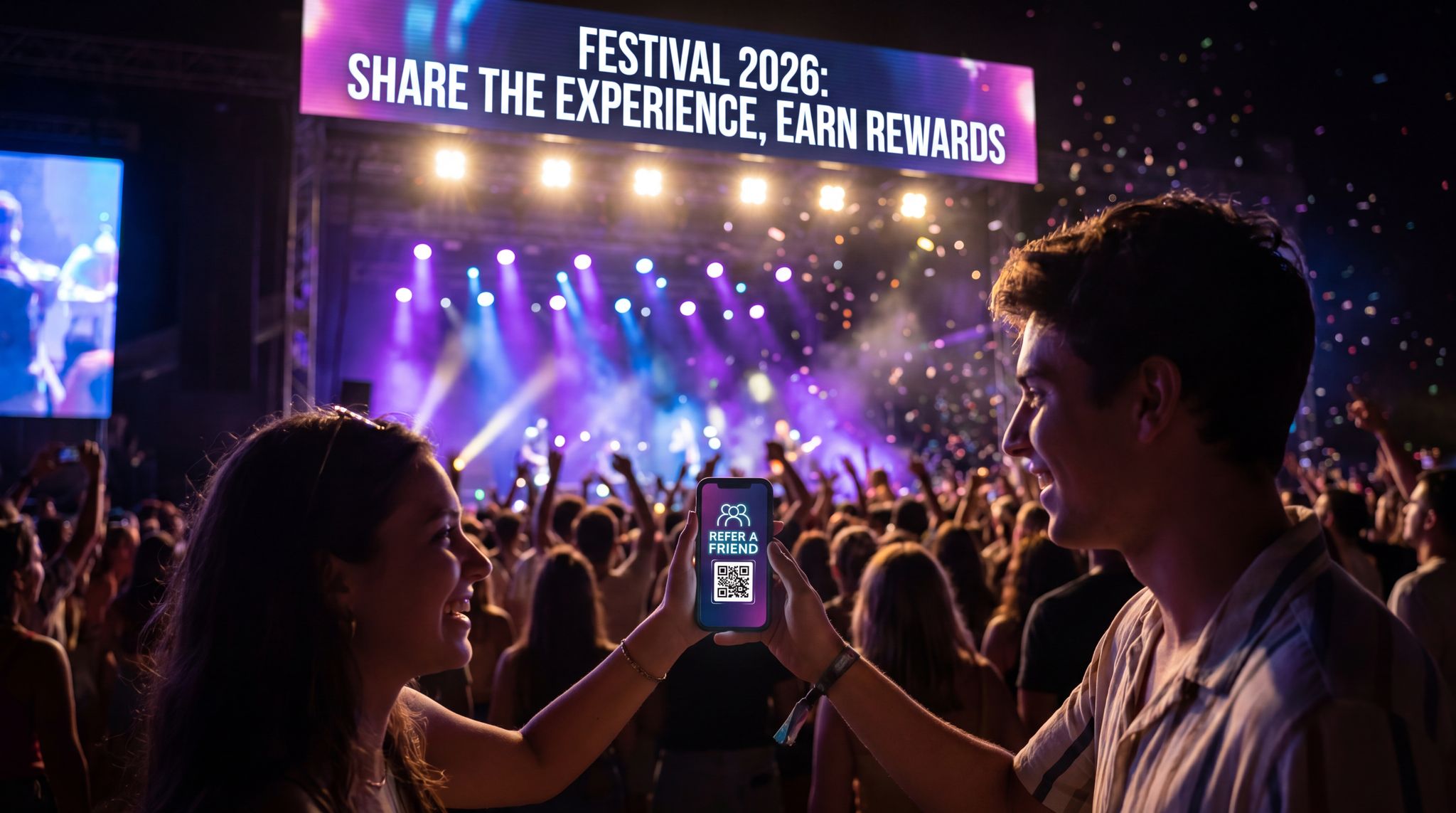
A particularly effective approach in 2026 is using affiliate or referral programs to turn both influencers and regular fans into ambassadors. Set up a referral system where anyone (influencer or attendee) gets a unique link or code and earns rewards (cash, free upgrade, merch) for every ticket sale they drive, much like the success seen at CES 2022 and other major hybrid gatherings. Many ticketing platforms, like Ticket Fairy, have built-in referral tracking to support this. For hybrid events, you can even tailor the program: maybe offer a higher referral bonus for on-site tickets (since they’re pricier) but also reward virtual ticket referrals in volume. If one of your speakers refers 50 of their fans to buy virtual passes via their code, they could earn a nice kickback while you gained 50 sales you might not have otherwise – a win-win.
The underlying principle for partnerships is to extend your reach to audiences you can’t easily reach alone. Influencers and partners lend you credibility in those circles. Just be sure to measure the results where possible (track links, unique codes, social media engagement spikes when an influencer posts, etc.) and focus on partners that truly bring value. A smaller creator whose followers are 100% your target (and who actively engages them) can drive more conversions than a mega-celebrity who does one generic shoutout. Authenticity and alignment are key – today’s audiences quickly tune out promotions that feel off-brand or insincere. So choose advocates who genuinely like your event or at least can integrate it naturally into their content.
Lastly, for both on-site and online promotion, coordinate timing with your partners. Give them a schedule of when to post leading up to the event (e.g. one mention at launch, one a week out, one on event day). And provide them with clear messaging points especially about the hybrid nature (“mention that people can join virtually if they can’t be there”). This way, the influencer content reinforces your overall campaign messaging and helps ensure no potential attendee slips through the cracks because they didn’t know an option was available.
Building Pre-Event Hype (Both On-site and Online)
Teaser Content and Live-Stream Previews
Creating buzz before the event is crucial to drive ticket sales – and for hybrid events, your pre-event content strategy should excite both those who will attend in person and those who will tune in online. Some proven tactics include:
- Behind-the-Scenes Teasers: In the weeks or days leading up, share short videos or photos of preparations. For on-site allure, show the stage build, the venue getting decked out, or the staff unboxing merch – captioned like “It’s coming together in [City] – will we see you there? ??”. For online hype, perhaps a sneak peek at the streaming setup or a test broadcast by the host: “Testing our live stream – looking good! ? Get your virtual ticket ready.” These BTS clips humanize the event and build anticipation. They work especially well on Instagram Stories, TikTok, or Twitter where you can drop frequent, ephemeral updates.
- Exclusive Pre-Event Livestreams: As mentioned earlier, doing a planned live preview broadcast can boost last-minute interest. For example, hold a 30-minute free live stream a day or two before: perhaps a backstage tour, a Q&A with a performer or speaker, or a snippet of a rehearsal. Promote this mini-stream heavily (“Free preview event Friday 7pm!”). During the broadcast, be sure to plug the ticket links prominently (“Enjoying this? Don’t miss the full experience – grab your ticket for tomorrow’s event.”). A real-world example: a major conference might live stream their setup day keynote test, drawing thousands of viewers, and then convert a portion of them into paying virtual attendees for the main conference the next day. Similarly, festivals sometimes stream the soundcheck or an interview with the headliner as a teaser, which pulls in fans who then buy access to see the actual performance.
- Content Countdown: Drip out content highlights as a countdown. For instance, each day the week before, post about one element of the event: “5 days to go: Check out the epic main stage design!” (with a render or photo), “4 days: Meet our virtual event hosts” (introducing the on-camera personalities for the stream), “3 days: See the exclusive merch line” (for on-site), etc. This keeps the event top-of-mind and gives both audiences new reasons to be excited. Tailor some posts to each audience explicitly, but also create excitement overall that something big is imminent. The final “1 day to go – last chance to join us!” post should include clear calls to action for both ticket types.
- Early Access Content for Ticket Holders: A clever strategy is to reward those who have already bought tickets (and entice fence-sitters) by offering early access content. For example, a VIP virtual pass holder might get access to a special workshop the day before, or on-site ticket holders could attend a private soundcheck stream. By advertising this (“All ticket holders get access to an exclusive preview show on Friday night!”), you add value to buying now. It also generates chatter since those who have tickets will talk about the cool preview, producing social proof that something awesome is happening.
- Community Engagement: Involve your audience in the build-up. Poll them on social media (“Which speaker are you most excited for? Vote now!” or “Show us your outfit if you’re joining in person!”). Create a hashtag early and encourage user-generated posts (“#MyEventXSetup” for people to share their home viewing setup or travel prep). This user content can be reshared to stoke excitement. Additionally, consider hosting an AMA (Ask Me Anything) on Reddit or a Twitter Spaces chat with the event organizers or artists. It caters to both onsite and remote fans who want insider info and builds a sense of community before the event even starts.
- Press Releases and Media Teasers: Issue a press release with tantalizing details (“Global audiences in 50+ countries expected to tune in”, “Local attendees to experience first-ever 360° stage” etc.). Sometimes, media coverage of these angles will reach undecided consumers. For instance, a tech blog might write about how the event is using a new XR technology in its live stream (drawing more virtual signups), or a local news site might highlight the economic boost and notable guests (driving local interest). Aim to get some media hits in the final 1-2 weeks, as those act as timely reminders.
These hype tactics should be coordinated across your channels for maximum effect. Make a content calendar for the pre-event week that lists what’s happening each day (social posts, emails, live preview, press drop, etc.) and ensure the messaging includes both participation options. If you do a big final email push, perhaps the email has two sections: “If you’re near [City], a few last tickets remain – join us in person!” and “Elsewhere in the world? Get your streaming pass and be part of it live.” Don’t assume everyone on your list knows the event is hybrid; explicitly state it to catch those who maybe ignored earlier emails thinking “I can’t go, it’s too far” – now they realize they can join online.
Above all, convey excitement and inclusivity. The tone should make people feel the event of the year is about to happen and they’re invited to the party, whether physically or virtually. Use energetic language, pump-up graphics, maybe short video trailers combining last year’s crowd shots with clips of people watching on their devices around the world. The message: no one should miss this. That emotional appeal, combined with the logical info about how to join, will push many readers/viewers from interest to action.
Contests, Giveaways, and Gamified Promotion
Contests and giveaways are time-tested marketing tools to boost engagement – and they can be adapted cleverly for hybrid events to galvanize both local and remote fans by knowing how to think global but market local and adapt to the Digital 2026 global population. Here are some ideas:
- Ticket Giveaways: The classic “Win tickets!” contest. Run separate (or combined) giveaways for on-site and virtual tickets. For instance, on a local radio station or Instagram page, give away a pair of VIP in-person tickets (“Tell us why you want to attend, best answer wins!”). Simultaneously, partner with a global online community or run a Twitter contest to give away 10 virtual access codes (“Retweet and tag a friend you’d watch the stream with”). These create buzz and social sharing. Even those who don’t win often end up buying tickets, because the contest heightened their desire. Just make sure to clearly target each contest to the appropriate audience so someone in Brazil doesn’t win a physical ticket to an event in London! You can geo-restrict contests or simply choose winners accordingly.
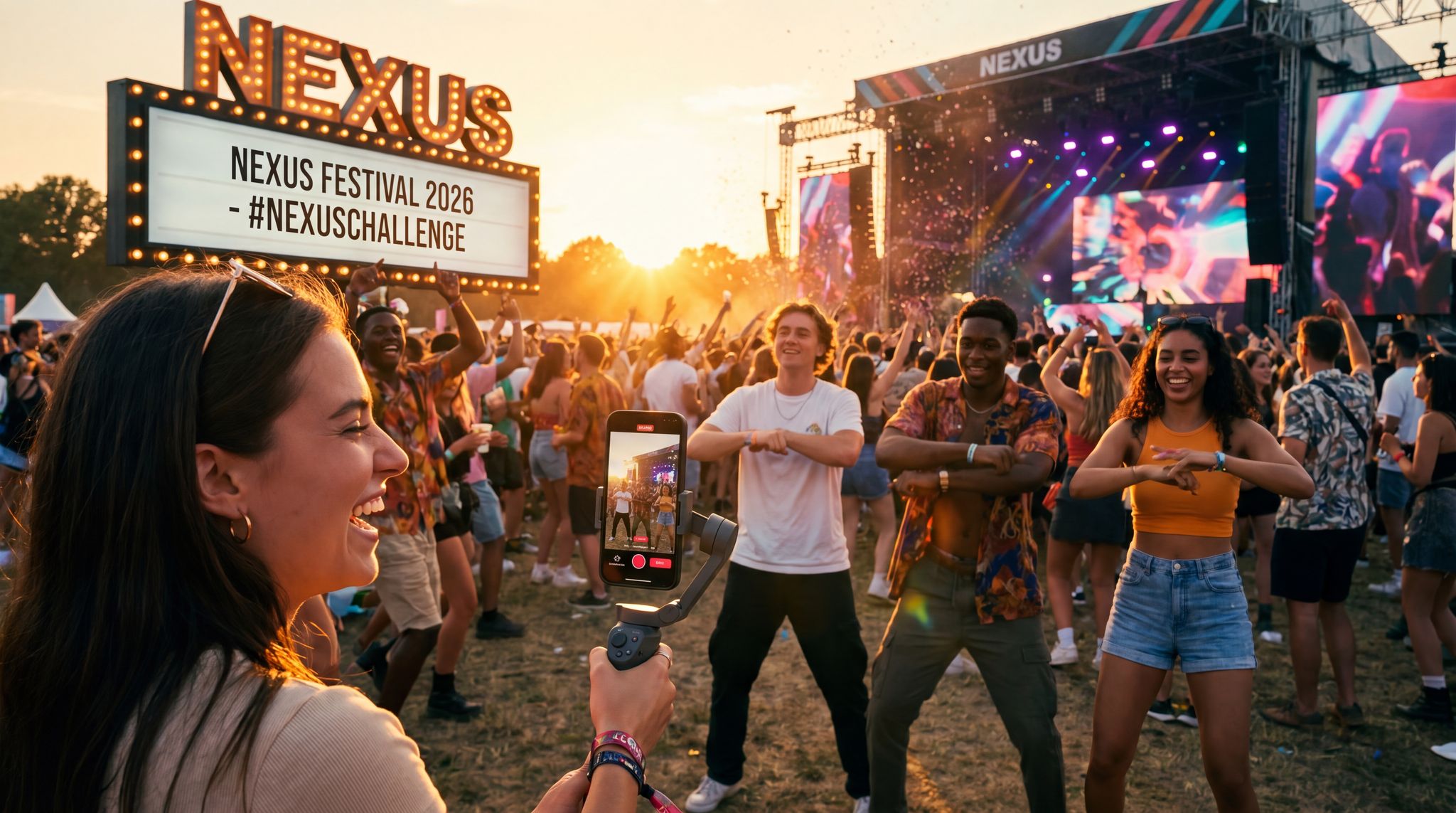
- User-Generated Content Challenges: Encourage fans to post something creative related to the event for a chance to win or be featured. For example, a music festival could prompt “Show us your best dance move to [headliner’s] song – post a video with #EventXDanceOff. The winner gets a free live stream pass (or even a flight to the festival if budget allows!).” For a conference, maybe “Share a short video of your home office and tell us why you’re excited for [Conference] – win a virtual VIP upgrade.” These challenges activate your community and spread the word organically. Plus, you get tons of authentic content to repost, which further markets the event. Highlight some entries in your stories or website to acknowledge participants (building goodwill even among those who don’t win).
- Gamified Referral Programs: Combine contests with referrals by offering prizes for those who bring in the most new attendees. For instance, “Ambassador Challenge: Refer your friends to attend (in-person or online) – the top 3 referrers get backstage passes or exclusive merch!” This can be an effective way to get your existing audience to actively promote on your behalf, a strategy discussed regarding what to expect from hybrid events. Use a referral tracking system (many ticketing platforms like Ticket Fairy have this built-in) to attribute sales to each referrer. Keep a leaderboard update (“John is in the lead with 8 referrals!”) to add competition. Even remote fans can participate by referring others globally, and local fans can refer their friend group – it harnesses both networks.
- Scavenger Hunts (Local + Digital): Get creative by blending on-site and online engagement. For example, do a pre-event scavenger hunt where clues are posted over time. Some clues could be physical (e.g. a poster in the city with a hidden code, driving locals to explore and find it) and others digital (e.g. a secret phrase hidden on your website or in a live stream, so remote fans can participate). Everyone who collects all clues could get a small prize or enter a grand prize draw for VIP tickets. This is a complex activation but can generate tremendous excitement and press coverage if done well (“Fans hunt through London and the internet for clues to Festival X, fostering hybrid engagement”).
- Live Countdown Contest: On the final days before the event, run quick contests on social media live. For instance, go live on Instagram each day at noon for a trivial quiz about the event or performers; the first person to answer in chat wins a free virtual ticket. Or run a last-minute “golden ticket” contest: hide a code on your website or stream and announce that whoever finds and enters it first wins an upgrade. These spur people to pay attention and share with friends (“hey, tune in, they’re giving things away!”), boosting your reach right before showtime.
When executing contests, ensure you abide by platform rules and any legal regulations (especially if your audience is international – keep it simple to avoid legal headaches, e.g. draw winners randomly or by clear criteria, and be transparent about rules). The prizes should also be enticing and relevant: tickets, upgrades, merchandise, meet-and-greets, shout-outs during the event, etc. – things that tie back to your event experience, rather than unrelated prizes. This way even the contest itself reinforces the value of the event.
One more tip: promote the winners and their stories. After a contest, do a little winner spotlight (“Meet Alex from Toronto – he won our livestream pass contest and can’t wait to watch because…”) with a photo. This humanizes your promotion and shows real people are getting hyped, which can pull others off the fence (“well, I didn’t win, but I think I’ll buy a ticket to join Alex and others online”). It’s all about converting the energy and reach of contests into actual attendance.
Coordinating PR and Media for Hybrid Appeal
Public relations can significantly amplify your event’s marketing, especially if you craft angles that appeal to both local and broader media. For hybrid events, consider a two-pronged PR strategy:
Local PR Angle: Pitch stories that will grab local news outlets’ attention. Possible angles:
– Economic Impact & Human Interest: If your event is large enough, highlight how it’s bringing business to the city (hotel nights, local vendors). Or share a feel-good story like a local fan who is a super-volunteer, or a hometown artist getting a big break at the event. Local TV and newspapers love profiles and community angles. Example: “Hometown DJ to debut at Festival X, watched by family via livestream” – a story that ties the local and virtual together.
– Event Experience: Invite local journalists for a behind-the-scenes preview (e.g. a venue tour or soundcheck access) so they can run a feature like “Sneak peek at [Event] coming to [City] this weekend – here’s what to expect.” They’ll likely mention both the in-person excitement and the online audience expected. Ensure any piece mentions if tickets are still available and how (provide that info to them subtly, like “Tickets, including virtual passes, are on sale at…”, so it ends up in the article).
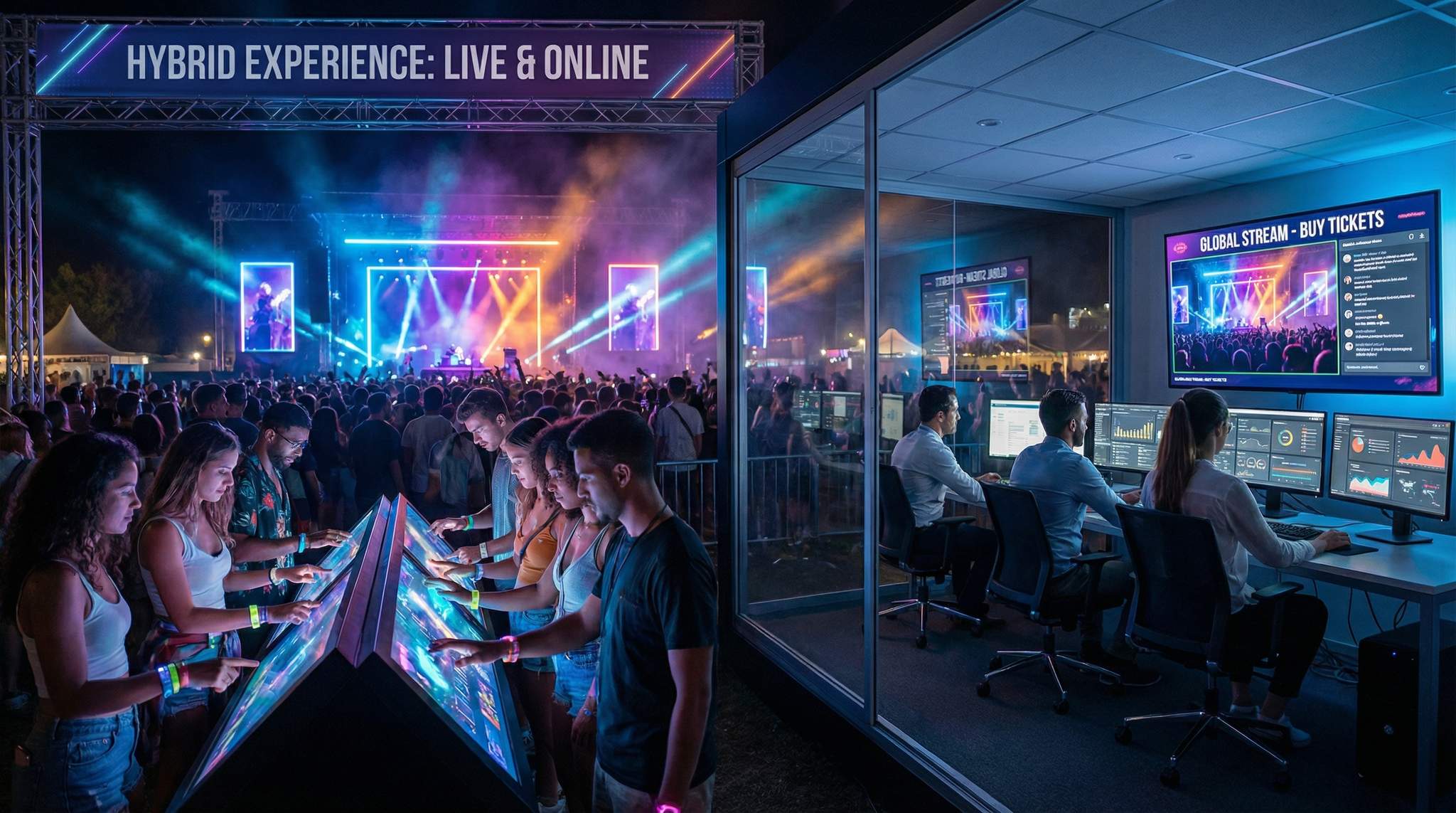
– Safety/Smooth Operations: In the post-pandemic era, media sometimes cover how events are handling things like crowd safety or hybrid innovation. If you have a cool tech setup (say, a state-of-the-art streaming command center or RFID entry), that could be a tech story for local business press. Or if you’re doing notable accessibility or inclusion efforts (e.g. sign language interpreters on the live stream, special on-site accommodations), pitch that to local news as “Event X aims to be most inclusive hybrid event yet”. It both builds goodwill and attracts attendees who appreciate those efforts.
Global/National PR Angle: Simultaneously, seek coverage in industry publications, national media, and online outlets with a wider reach:
– Innovative Hybrid Format: Trade magazines or blogs (like Event Marketer, BizBash) might be interested in what you’re doing differently as a hybrid event. Are you the “first music festival to fully integrate VR audience” or “the largest conference to offer tiered virtual networking worldwide”? Those make great headlines in industry news, which indirectly promotes your event to readers who might attend or at least raises brand credibility. Highlight any data, like “people from 50 countries bought tickets” or unique features like a virtual expo hall. This demonstrates hybrid success and can be pitched after the event as well for wrap-up press (which then helps next year’s marketing).
– Headliner Access: Use your star power. If you have big-name speakers or performers, push for media appearances or interviews for them where they can plug the event. A celebrity doing a late-night show might mention “I’m performing at X festival this weekend – you can watch it online too.” Even a short mention like that on a popular program can create a spike in interest. For conferences, get key speakers to write guest articles or do podcast interviews on industry podcasts, where they naturally mention the upcoming event and that people can join virtually if they can’t be there.
– Press Releases Globally: Distribute a press release not just to local press, but across the wire to get pick-up in various markets. Tailor the headline for broad appeal: e.g. “Global [Industry] Conference expects 20,000 attendees across 6 continents, blending in-person and virtual sessions.” That kind of story might get picked up by tech outlets or international news if the numbers or concept are impressive. Even if people reading in another country don’t attend, the search engine presence and backlinks help your SEO and long-term brand recognition (and some might attend virtually).
Remember to have a press kit ready with details on both formats: high-res photos of the venue, screenshots of the virtual platform interface, bios of notable guests, and clear information on how to get tickets to attend or watch. When journalists have all the info, they’re more likely to include the crucial “how to join” part in their story. Nothing’s worse than a great article that doesn’t tell readers where to actually buy tickets!
Lastly, assign a point person to handle inquiries from both on-site and remote attendees triggered by PR. For example, after a local TV mention, your ticket office might get calls asking if tickets are still available or what the safety measures are. After an online article, you might get tweets asking “Is there a stream for international viewers?” Be ready to answer quickly and direct them to the right purchase links or FAQs. Good PR not only increases awareness but can also give a trustworthy halo effect – people think, “I saw this in the news, it must be legit,” which helps overcome skepticism about newer hybrid formats.
By syncing your PR and marketing messaging, you ensure media coverage reinforces your campaign. The story out there should be: This event is huge and exciting, accessible to everyone one way or another, and you don’t want to miss it. If that comes across, your PR is effectively doing marketing for you, yielding dividends in ticket sales and brand reputation.
Engaging Audiences During the Event
Integrating On-Site and Online Experiences
When the big day (or days) arrives, your marketing efforts shift to delivering an excellent experience and keeping audiences engaged in real-time. This not only fulfills what you sold them on, but also sets the stage for converting virtual fans into future in-person attendees (and vice versa) through a great experience. A critical success factor for hybrid events is ensuring the on-site and online components feel connected, not like two separate events. Here’s how to integrate them:
- Unified Program and Emcee: Consider having a host or emcee who occasionally addresses both audiences. For instance, the MC on the festival main stage might say, “Hello to everyone here in London and everyone watching live around the world!” a few times during the show. This simple acknowledgment makes remote viewers feel included, and on-site folks realize they’re part of something bigger globally. Some events even have a dedicated “virtual MC” or co-host who caters specifically to the stream during downtimes (more on that later), but they coordinate with the main stage. The key is that both sets of attendees feel like it’s one show.
- Synchronized Schedules: Keep the content in sync where possible. If your online stream is showing the same keynote or concert that on-site attendees are watching, you’ve got a truly shared moment. In cases where that’s not possible (say multiple stages or breakout sessions), acknowledge it: “While our in-person attendees explore other sessions, our online viewers will get an exclusive interview from backstage.” Both audiences should always have something worthwhile happening, and knowing what the other side is doing adds context. Publish the schedule in a unified way (e.g., a mobile app or website schedule showing which sessions are “In-Person only”, which are “Streamed to Online”, etc.). Transparency helps set expectations and reduces any feelings of second-class status.
- Two-Way Interaction: Whenever feasible, create opportunities for the two audiences to interact or at least be aware of each other. For example, at a conference Q&A, take questions from both the live audience and the virtual chat. Many events use a single platform for questions (like an app where questions can be upvoted) so both audiences submit and the moderator picks the best regardless of source. It’s powerful for a virtual attendee to hear “We have a question from Maria watching online in Spain…” – suddenly the on-site crowd is reminded of the global participation, and the online people see their peers are being heard. Conversely, you might allow virtual viewers to watch some of the on-site action beyond the stage, such as roaming cams capturing the crowd or expo floor, to give them a taste of being there. Some events put a “social media wall” screen at the venue displaying tweets or IG posts from both on-site and remote participants – a fun way for someone at home to appear virtually in the physical space, and for someone at the venue to see commentary from around the world.
- Consistent Branding & Communication: Treat the online platform as another “venue.” It should be branded with the same theme, and your communications (announcements, notifications) should speak to both sets. For instance, if an in-person session is delayed 10 minutes, have your platform display a notice to virtual viewers (“Session will start 10 min late”) and have the MC announce it on-site and mention “grab a drink, online viewers – we’ll be back soon.” That parity fosters a sense of a unified event. Similarly, if you hand out physical brochures or flyers on-site with schedule changes or sponsor messages, push those updates in the online space via chat or email.
- Shared Moments: Try to create at least one or two moments designed to be shared by all participants. This could be something like a simultaneous countdown (“Everyone, whether you’re at the arena or on the stream, get ready to count down with us…3-2-1!” as confetti cannons go off and an online animation plays). Or maybe a live poll that includes responses from everyone – e.g. during a keynote, poll the entire audience (using an app) and then reveal “70% of our combined audience of 10,000 people said X.” These shared moments reinforce community. Some festivals encourage virtual viewers to post themselves dancing at home with the event hashtag, and then show a montage of those clips on the big screen for the live crowd to cheer – effectively bringing the remote fans into the physical realm for a moment.
By thoughtfully integrating the experiences, you combat the feeling often reported by 39% of virtual attendees that they feel excluded during hybrid events, a risk noted when managing hybrid event considerations. At the same time, you avoid the trap of ignoring the live crowd to cater to cameras (which frustrates on-site people). It is a balancing act – one that may require extra staff or planning. Many events now have a Hybrid Experience Director role, whose job is to watch the event from both perspectives and ensure neither side is neglected. For example, if there’s an unexpected long changeover on stage, the on-site folks can mingle, but online viewers might get bored – so the director might cue a filler segment or behind-the-scenes tour on the stream to keep them entertained.
Ultimately, delivering a smooth hybrid experience is itself a marketing win: attendees will post on social media about how cool it is, and it sets you up for strong word-of-mouth for your next event. People will say “I watched it online and still felt like I was there!” or “Even though I was in the crowd, it was awesome to sense the global audience – I even made new friends online after the show.” Those testimonials are gold.
Keeping the Virtual Audience Engaged (No Second-Class Citizens)
Engaging a virtual audience in real time requires deliberate effort. Without the energy of the crowd and the physical stimuli, remote viewers can get distracted or feel like passive observers. To avoid that, treat your virtual attendees as active participants with a rich experience of their own. Here are strategies to keep them hooked:
- Dedicated Virtual Host/Emcee: As mentioned, consider having a host specifically for the online broadcast. During breaks or transitions when on-site folks might be milling about, the virtual host can appear on the stream to provide commentary, conduct interviews, or give behind-the-scenes insights. It’s akin to sports broadcasting – the commentators fill in gaps and make TV viewers feel engaged even when nothing is happening on the field. For example, after a concert set ends and the stage is being reset, your virtual host could say, “Wasn’t that amazing? Coming up next is XYZ. While we wait, I’m here backstage – let’s grab a word with the last performer!” Meanwhile, the on-site crowd just hears background music during set change. This approach ensures no dead air for the online audience and gives them content that the on-site folks aren’t getting (so it feels a bit special). It’s exactly what Coachella did in 2022 by adding exclusive AR effects and digital-only content for stream viewers by creating their own distinct digital experience – they gave remote fans their own distinct experience layered on top of the live show.
- Interactive Features: Use the technology platforms to your advantage to let online viewers lean forward, not sit back. Enable live chat (with moderators to keep it civil and on-topic). Many virtual event platforms or even YouTube Live allow chat – seeing a flood of fan comments or hearts flying can mimic the crowd energy and provide social proof that thousands are watching together. Encourage remote viewers to use reaction buttons (like clap, heart, etc.), and on the production side, mention them: “We see your reactions coming in!” or even display a “reaction meter”. Conduct live polls or trivia in the stream (“We’re asking our online audience now – vote on which song you want the encore to be!”). If feasible, integrate some of those results into the live event (e.g. the band might actually play the top-voted encore – a powerful payoff showing online fans influenced the real show). Also, consider features like allowing virtual Q&A or chat shoutouts – e.g. during a panel, the moderator might say “We have a question from our online audience…” or “I see in the chat that people are loving this point!” That real-time feedback loop keeps online viewers emotionally invested.
- Quality Production: Nothing disengages a virtual audience faster than technical issues or poor production. Invest in a high-quality streaming setup: multiple camera angles, good audio mixing (so the remote viewer hears both the on-stage audio and a bit of the crowd for ambiance), and stable streaming infrastructure. If your stream lags or the sound is bad, people will drop – and some might even demand refunds, which is a marketing and financial nightmare. Also, produce the stream with the remote viewer in mind. Zoom in when needed, cut to slides or visuals clearly for conferences, use picture-in-picture for showing both speaker and slides, etc. Essentially, direct the live stream like a TV broadcast rather than a static webcam in the back of the room. A well-produced stream makes people forget they’re not there; a sloppy one reminds them every second that they’re missing out. If you deliver quality, those virtual attendees will be more likely to come back next time or even decide to attend in person after enjoying the content remotely.
- Moderation and Community Building: Assign a team to moderate and engage with the online audience via chat or social media. These community managers can greet people as they join (“Welcome X user from Brazil!”), answer common questions (“Yes, the panel will start at 3pm, we’re running 5 min late”), and prompt discussion (“Tell us in the chat where you’re watching from!”). When viewers feel there’s a two-way communication, they stay attentive. Moderators can also escalate any issues (for example, if many online viewers are confused about something happening on stage, the moderator can feed that info to the production, and the host can clarify it on stream). Essentially, treat your remote viewers like attendees at a venue – they have ushers or staff helping them virtually. This level of service makes them feel valued. According to industry surveys, 46% of event organizers found it challenging to engage both audiences at once, often resulting in audiences feeling excluded, but dedicating specific staff to the virtual side is a proven way to meet that challenge.
- Online Networking and Spaces: One perk you can provide to add value is giving virtual attendees a way to meet each other or the speakers online. Many virtual event platforms have breakout rooms or networking lounges. For example, during lunch break at a conference, set up themed video chat rooms for remote attendees to discuss topics or participate in a moderated talk. Or for a music fest, perhaps a “fan Zoom room” where remote fans can all dance together on camera – you could even stream a mosaic of that on the main screen for fun. These touches help remote viewers feel like part of a community, not just isolated viewers. It also increases the chances they’ll return (they made friends or connections online tied to your event – a strong motivator to come again, maybe even in person next time to meet those new friends!).
By the end of the event, you want your online patrons to feel fully satisfied with their experience – not like they got a watered-down version. If they feel that way, they are more likely to pay for a virtual ticket again or, ideally, be excited enough to attend on-site in the future. In short, treat virtual attendees with the same care as physical attendees. This sounds obvious but is often overlooked. Simple formula: happy fans = repeat customers and free word-of-mouth marketing.
Amplifying On-Site Energy to the World
Now, turning to the on-site side: one of the biggest benefits of a hybrid event is that the energy and content generated on-site can be amplified far beyond the venue in real time, effectively marketing your brand to a global audience as the event unfolds. In 2026, social media and live content sharing are instantaneous, and you should capitalize on that. Here’s how:
- Official Live Social Coverage: Have a team (or at least a person) dedicated to live-updating your social media feeds from on-site. They can post Instagram Stories throughout the day showing big crowd moments, TikToks of behind-the-scenes fun, tweet quotable highlights from speakers, etc. Essentially, run your own mini “broadcast” on social for those who didn’t buy a ticket. While this free content might seem counterintuitive to giving away, it actually often convinces fence-sitters to purchase last-minute access (“Whoa, this looks amazing, I want in!” – especially for multi-day events where they might buy for Day 2 after seeing Day 1 highlights), capitalizing on the last-minute ticket rush. Even for one-day events, live highlights can drive impulse buys from people who see the buzz early in the day. If your event is truly sold out in all forms, then the live social content serves more to promote next year and build your brand presence (and maybe promote any sponsors by showing their activations, etc.). Plan a hashtag and get those posts out rapidly while the excitement is fresh.
- Encourage Attendee Sharing: The more your attendees post, the more organic reach you get. Make it as easy and enticing as possible for them to share their experience. Provide instagrammable spots at the venue (step-and-repeat banners, art installations, scenic views) with your event hashtag displayed so people use it. You could even have a contest for on-site attendees: “Post your best photo from the event with #EventX and tag us – we’ll pick 5 winners to get free merch.” That will flood local social media feeds with content from your show. Each post is an authentic endorsement to all that person’s friends/followers: I’m here and it’s great! Many of those seeing it might then decide to check out the live stream or at least follow your event page for future updates. If a portion of viewers are local and see their friends having fun, they might literally head over and buy a door ticket if possible. For conferences, social sharing by attendees (like live-tweeting quotes or LinkedIn posts about insights they just learned) spreads your event’s thought leadership to a broader professional network, building FOMO for those missing out.
- Leverage Influencers On-site: If you have influencers attending or performing, facilitate them in creating content live. For instance, allocate a quiet corner as a “content creation lounge” for influencers to do quick recap videos or livestream to their fans from the event. The Coachella festival famously leveraged influencers by providing picturesque spots and taking care of them, knowing they’d post glamorous content to millions of followers, essentially offering free advertising for Coachella. You can do similarly at any scale: that local foodie influencer at your food festival – give him kitchen tour access, so he’ll IG story the whole thing and his foodie followers might buy the stream or come next time. If budget allows, you might even hire a few influencers as roving live correspondents: they wander the event, go Live on your official account or theirs, interview attendees, show cool things. This not only engages their audience but can be used as content on your channels too (two birds, one stone). Just ensure any such streams don’t give away your premium content in full – focus on the color and behind-the-scenes, complementing the main event.
- Professional Media Broadcasting: If your event is large enough, you might have media outlets or even TV channels covering it live. Make sure you have a media area and welcome them. A live helicopter shot of your festival on the evening news or a live blog on a popular website can reach huge audiences. Even smaller events can reach out to local media to do a live segment (“We’re here live at the convention where XYZ is happening…”). The free exposure is valuable marketing during the event, and you can amplify it by sharing/retweeting those media clips on your own channels.
- Real-Time Highlights and Replays: One trend is quick-turnaround editing – essentially pulling off short highlight clips almost in real time to share. For example, a cool 30-second snippet of a keynote’s key quote or a musician’s surprise guest on stage can be edited and posted within an hour on Twitter/LinkedIn/YouTube etc. This requires a nimble media team on-site capturing and editing fast, but these bite-sized highlights can go viral. They serve as advertisements for the event while it’s still happening (“Check out this mind-blowing moment at Event X – happening now!” with a link to join the stream). People might see a clip and decide they need to watch the rest right now.
All these amplification efforts not only drive immediate ticket sales (especially for multi-day or ongoing events) but also massively increase brand impressions. Even those who don’t tune in or attend become more aware of your event, piquing their interest for future editions. It essentially turns your event into a marketing engine for itself and future events.
However, a word of caution: make sure the on-site experience remains top-notch and not overly disrupted by content creation. Don’t let camera crews block attendees’ views or push them aside for an influencer shot (that goes back to executing hybrid without detracting from either side, avoiding the risk of attendees feeling excluded). Balance is key. A well-run hybrid event should generate compelling sharable content organically, because people are genuinely having a great time or learning great things and want to share that. Your job is just to facilitate and maybe gently prompt that sharing.
By the end of the event, ideally, you’ve achieved a virtuous cycle: the on-site energy fueled an exciting stream for online viewers, and the knowledge of a huge online audience added hype and global context for the on-site crowd. Both audiences had a blast and amplified the event on social media. That’s the pinnacle of hybrid success – and it directly feeds into your post-event marketing opportunities.
Post-Event Conversion and Retention
Collecting Data and Feedback from Both Audiences
When the event is over and the lights go down, a hybrid marketer’s job isn’t finished. In fact, post-event is where you cement the gains – converting satisfied attendees into loyal fans, and gleaning insights to improve future sales. Start by gathering as much data and feedback as you can from both your in-person and virtual participants:
- Ticketing & Attendance Data: Your ticketing platform (ideally something like Ticket Fairy that consolidates data) will show you the breakdown: how many attended on-site vs. online, no-show rates, peak usage times for the stream, etc. Analyze patterns: Did a large number of virtual attendees join from a particular country or region? That could indicate a prime market to target for a tour stop or more localized marketing next time, as the live events industry has evolved. Did most online viewers tune out after a certain segment? That might suggest that segment was weaker or not as engaging. Look at engagement metrics if available (like how many questions asked, polls answered by the virtual crowd). For on-site, consider data like entry scans by hour (to see when people showed up) or which sessions were most popular on the ground. All this helps refine your marketing strategies – e.g., if the data shows 30% of virtual tickets were bought by people in Asia, maybe next event you schedule some content in Asia-friendly time slots or create targeted campaigns there.
- Surveys for Attendees: Shortly after the event (within 24-48 hours while it’s fresh), send out feedback surveys tailored to each audience. Ask what they loved, what could be improved, and if they felt the experience was worth the price. Importantly, include questions like “If you attended virtually, would you consider attending in-person in the future?” and “If you attended in person, would you watch virtually if you couldn’t make it someday?” – this directly gauges conversion potential. Also ask how they heard about the event (to inform which marketing channels worked – tying back to attribution). Keep surveys short and maybe incentivize them (e.g. “Complete this 3-minute survey for a chance to win a free ticket to our next event”). The responses will give qualitative color to your quantitative data. You might discover, for instance, that virtual attendees wanted more networking opportunities, or on-site attendees felt a bit ignored when cameras were on stage – invaluable info to adjust your tactics and messaging next time.
- Social Media Listening: Monitor social channels and your event hashtag for post-event chatter. People often share their experiences unfiltered on Twitter, Reddit, LinkedIn posts, etc. Collect those sentiments (both positive and negative). A tweet like “The stream was flawless, I felt like I was there!” is a testimonial you can later use in marketing materials. A comment like “I watched online but the chat was chaotic” is something to note and possibly respond to (“Thanks for feedback, we’ll improve moderation next time”). Engaging politely with any criticism shows you care, which boosts trust. And amplifying user-generated praise (retweeting fan posts like “Best weekend ever at #EventX!”) not only flatters those users but spreads positive word-of-mouth to their circles.
- Sponsor/Partner Feedback: Don’t forget to debrief with sponsors or partners if you had them. They have their own measures of success (brand impressions, engagement, lead scans, etc.). If you marketed their involvement, how did it pay off? For example, if part of your deal was a sponsor’s content integrated into the virtual stream, did it get good engagement? Their feedback might influence how you market sponsorships in the future or what promises you can make (and deliver on) to sponsors regarding hybrid reach.
Collecting this data is not just about improvement – it’s material for marketing collateral. You can pull impressive stats to tout later (“We had attendees from 42 countries and a 95% satisfaction rate for our hybrid event!” is great fodder for press releases, pitch decks, and consumer marketing copy). It also guides your post-event communications to attendees, as you can acknowledge what you heard from them.
Turning Virtual Attendees into Future On-Site Buyers
One of the golden opportunities of hybrid events is using the virtual participation as a funnel for in-person attendance later on. You essentially have a warm audience who’s now familiar with your event and brand – they just need an extra push to come “join the party” in person next time. Here’s how to nurture that conversion:
- Exclusive Post-Event Offers: Send a follow-up email to all virtual attendees thanking them for joining and offering a special incentive to attend in person next time. This could be a discount code for the next event’s in-person ticket (“As a virtual attendee, you get £50 off if you decide to join us on-site next year!”) or perhaps an early access presale for on-site tickets (“Virtual attendees get first dibs on 2027 on-site tickets – secure your spot before general sale”). The key is to make them feel appreciated and give a tangible reason to take the leap. If travel is a barrier, consider partnering with airlines or hotels for a package deal code only they get, easing the cost burden.
- Highlight What They “Missed” (Tactfully): While you delivered a great online show, there are inevitably aspects they couldn’t experience. In your follow-ups, include a short video montage or photo album of the on-site atmosphere – the crowd’s roar, the immersive art, the in-person networking and fun. Frame it positively: “Here’s some of the on-site magic from Event X 2026 – we’d love for you to experience this in person next time!” This visual FOMO can inspire them. It’s important this doesn’t come off as rubbing it in, but rather an exciting invitation. Many virtual attendees will think “wow that looks incredible, maybe I will go next year.” In one survey, over 70% of respondents liked having the hybrid option for flexibility, so it is wise to poll your fans on inclusivity factors, but that doesn’t mean they’ll always choose virtual – especially not after seeing what being there entails.
- Community and Belonging: Keep virtual participants engaged with the event community year-round. Invite them to join any forums or groups you have (Facebook group, Discord, etc.) where on-site attendees also hang out. If they start building friendships or networking with those who were there, they might be more inclined to come join physically to meet these people. For example, if after a hybrid gaming convention you get all attendees into a Discord server, a virtual attendee might chat with others and hear about how fun the afterparty was, and that social connection could motivate a trip next time. It’s turning them from a passive viewer to an active community member. Also, perhaps feature some virtual attendee stories in your blog or marketing (“Meet Jane from Toronto – she watched online and is planning to fly out next year for her first in-person event!”). This has dual effect: it makes the featured person feel special and committed to coming, and it shows others that it’s doable and done by people like them.
- Merge the Data: Ensure that your CRM or marketing database tags virtual attendees appropriately so you can target them for the next on-site event campaign. Treat them as a hot lead segment. They’ve shown interest and paid at least something. So when on-site tickets launch, send them tailored messaging: “You’ve watched from home – ready to experience it live? Here’s an offer just for you.” If they don’t convert then, you can later send reminders like “Still time to join us in person – remember all those moments you loved on stream? They’re even better in real life.” Use what they expressed liking in surveys to personalize these reminders (e.g. “You told us you loved DJ John Doe’s set – guess what, he’s back next year and you can be front row!”). By leveraging your data intelligently, you can personalize the invitation in a way that resonates deeply.
Conversion from virtual to physical might not be immediate for all – maybe only a fraction will take up the next event in person. But even a 5-10% conversion is significant given presumably higher ticket prices on-site and more engagement. Over time, as travel becomes easier or as their attachment to your event grows, more will convert. It’s a longer-term play of nurturing leads, almost akin to how e-commerce marketers nurture trial users to become subscribers.
Also acknowledge that some folks prefer virtual (due to disability, convenience, cost). For them, you might instead sell an upsell: perhaps a premium virtual package next time (with extra perks like exclusive merch mailed to them, or a 1-on-1 meet online with a speaker). In other words, treat virtual attendees as returning customers too, not just cross-sell to physical. There’s value either way: a loyal virtual fan who buys the stream every year and tells 10 friends is also gold. So segment your post-event approach: who showed interest in coming onsite vs who is happy online, and cater to both.
Sustaining Engagement and Building Community
Post-event is also the time to turn one-time attendees into a lasting community that will carry your marketing momentum into the future. For hybrid events, building a unified community of both on-site and online participants is key. Here’s how you can do that:
- Post-Event Content: Keep the content flowing even after the event. Release on-demand recordings of sessions or performances to all ticket holders (perhaps included for virtual attendees and as a small upsell or freebie to on-site ones). This extends the engagement window – people will talk about rewatching their favorite parts. You could even drip out some content publicly as a teaser for those who missed it (“Watch this full panel discussion free – see what you missed and join us next year”). Additionally, publish recap articles, photo galleries, and highlight reels on your blog and social channels. A week of “post-event highlights” posts can keep the buzz going. Tag attendees or feature user-generated content (“Top 10 fan photos from the event”). This not only engages those who came, but shows those who didn’t what they missed (again working FOMO for next time).
- Thank-You and Appreciation: Send a heartfelt thank-you email to each segment. For on-site: thank them for their energy and for adhering to any guidelines (makes them feel responsible and good). For virtual: thank them for tuning in and being part of the global audience. Possibly share some cool stats in these emails (“You were one of 5,000 people tuning in online – we crashed Twitter with our hashtag trending!” or “Your cheers helped us raise the roof in the arena with 10,000 fans!”). Making people feel they contributed to a successful event gives them pride of ownership. And a person who feels proud to have been there (in person or virtually) is more likely to talk about it to others and return. Also use this comms to hint what’s next (“We can’t wait to see you again – stay tuned for our 2027 dates announcement!”), keeping them looking forward.
- Year-Round Touchpoints: Don’t go radio silent for 11 months after the event. Develop a content strategy to keep this newfound audience engaged year-round. This could be a monthly newsletter with updates (related industry news, progress on planning the next event, throwbacks to this year’s event), a YouTube channel with content from your brand or replays, or maintaining the social media activity with engaging posts (memes from the event, discussions, etc.). Some events hold off-season meetups or webinars – e.g. a festival might do a one-off livestream of a small show mid-year to keep fans engaged; a conference might host a quarterly virtual panel on hot topics, exclusively for past attendees as a perk. These keep the community warm and give you more opportunities to market the next big event to an attentive audience. When people invest time in an ongoing community, they’re much more likely to buy tickets again to reconnect in person or online at the main event.
- Referral and Loyalty Programs: Now that you have a base of attendees, you can leverage them to recruit others. Implement a referral program (if not already) post-event: “Invite your friends for next year – you’ll both get a discount” or tiered rewards as discussed earlier, similar to the 40,000 attendees success story. Also consider a loyalty scheme: for instance, “attend 3 virtual events, get a free upgrade to VIP virtual next time” or “you’ve been with us 2 years on stream, here’s a code for 20% off an in-person ticket as a loyal fan”. Treat your attendees like members of an exclusive club. Many festivals have fan clubs or membership tiers (early access to tickets, exclusive merch). Virtual participants could be integrated into this (“Digital Member” tier who get certain perks). This way you continue to have touchpoints and reasons to reach out with value, not just sales asks.
- Public Case Studies/Testimonials: Post-event is a great time to publish case studies or testimonials that double as marketing. For example, write a blog post “How we welcomed 15,000 virtual attendees to Festival X – and what’s next” on a site like LinkedIn or an industry publication. This positions your brand as a leader in hybrid experiences (good B2B marketing if you plan to attract sponsors or partners), and also signals to consumers that your events are successful and popular. Include quotes from attendees (“It was the best virtual concert I’ve ever seen, felt almost like being there – Jane, Toronto”). These authentic voices build trust for future ticket buyers. Video testimonials are great too – a short aftermovie featuring attendees raving about the event in person and on webcam from home. Share that widely; it’s social proof that hybrid can truly delight people, which helps overcome any skepticism potential customers might have.
By focusing on community and continuous engagement, you turn a one-off hybrid event into an ongoing relationship with your audience. This dramatically lowers your marketing costs over time: instead of finding totally new customers for each event, you will carry a large portion of previous attendees forward (the holy grail of event marketing, high retention). It also amplifies word-of-mouth marketing, as engaged fans will advocate for your event unprompted in their circles. In 2026’s landscape of decreasing ad tracking, that kind of organic promotion is invaluable.
To summarize, the hybrid event journey doesn’t end at the livestream’s cutoff. Use the momentum and data you’ve gained to fuel your next cycle. Every hybrid event can be better than the last by applying the lessons learned and growing the community of evangelists who will sell it for you.
Measuring Success and Continuous Improvement
Key Metrics for Hybrid Event Marketing
In event marketing, the ultimate scoreboard is ticket sales and revenue. But with hybrid events, success is multidimensional. You should define and track a set of Key Performance Indicators (KPIs) that capture performance across both in-person and online channels. Some crucial metrics include:
- Total Ticket Sales & Revenue: Break this down by on-site and virtual. Did you hit your targets for each? Calculate the sell-through rate for physical capacity (e.g. 90% of venue filled) and the uptake rate for virtual (e.g. 5,000 virtual passes sold relative to, say, 10,000 free registrations if that’s applicable). Also, compare revenue shares: e.g. 70% from on-site tickets, 30% from online. This gives a high-level view of where your income is coming from.
- Marketing ROI / ROAS: For each marketing channel or campaign, evaluate return on ad spend and ROI specifically for each audience. For instance, a Facebook campaign that cost $1,000 and sold 50 on-site tickets at $100 each clearly paid off (5x ROAS), whereas maybe a $500 spend on YouTube ads yielded only 20 virtual ticket sales at $20 each (0.8x, a loss). This helps identify what worked and what didn’t. It’s important to attribute correctly: use unique links or promo codes for different campaigns so you can tie sales back to sources, because attribution is something events can’t afford to ignore. You might find surprising insights (say, LinkedIn Ads had a higher CPA but those who came through it bought premium packages, making it worthwhile). For future events, you’ll reallocate budget towards the best performers.
- Engagement Metrics: Measure how engaged people were both in marketing content and during the event. This could include email open and click rates (were people interested in the hybrid messaging?), social media engagement (mentions, hashtag usage numbers, shares), live stream engagement (average watch duration, number of chat messages or questions submitted, poll participation rates). For on-site, “engagement” might be app usage if you have an event app (how many did check-ins, networking, etc.). High engagement suggests your content resonated; low engagement indicates areas to improve. For example, if only 20% of virtual attendees answered a poll, maybe you need to make them more prominent or incentivize interaction next time.
- Satisfaction and NPS: From surveys, quantify attendee satisfaction. You can use Net Promoter Score (NPS) by asking “How likely are you to recommend this event to a friend?” separately for on-site and online attendees. If your on-site NPS is, say, +50 (very good) but online is +10, that signals the online experience needs work to reach comparable satisfaction. Also note specific ratings on aspects: content quality, tech quality of stream, networking opportunities, value for money, etc. These pinpoint which parts of the hybrid formula need adjustment. If “virtual platform ease of use” gets 9/10 but “virtual networking” gets 5/10, then next time you know where to focus.
- Audience Growth: Track how your overall audience base grew as a result of hybrid marketing. For instance, social media follower counts pre vs. post event (did all that buzz net you 2,000 new Instagram followers from around the world?), new email sign-ups (many might have signed up to watch online and are now leads in your database), and geographic breadth (did you add new cities/countries in significant numbers?). If last year you had attendees from 10 countries and this year from 30 countries, that’s a great metric to show global expansion. Press/Media mentions can be another metric – count articles or TV spots generated, as that correlates to brand reach.
- Conversion Rates: Examine key conversion points in your funnel. For example, what percentage of people who visited the ticket page ended up buying an on-site ticket vs a virtual ticket? If that conversion is low, maybe your landing page or purchase process needs optimization (or pricing was a barrier). Another interesting one: conversion of virtual attendees to physical (if you promoted during event or offer afterward, did any redeem? It might be too soon to fully measure until next event, but early signals like clicks on the “register interest for next year in-person” link are useful). Similarly, how many in-person attendees used the virtual content (if you offered a replay or app) – if few did, maybe you can better integrate those.
Put this data together in a post-event report. A simple table could help summarize some of these:
| Metric | 2026 Hybrid Event Outcome |
|---|---|
| On-site Tickets Sold (Capacity %) | 9,000 (90% of 10k capacity) |
| Virtual Tickets Sold (Unique logins) | 12,000 virtual passes (10,500 peak concurrent) |
| Gross Ticket Revenue | $1,200,000 on-site; $240,000 online |
| Top Marketing Channel – On-site | Facebook Ads (400 tickets, CAC $15) |
| Top Marketing Channel – Virtual | Influencer Campaign (800 passes via referrals) |
| Social Media Impressions (event week) | 5.2 million (event hashtag trended #1 regionally) |
| Email Open Rate (campaign avg) | 45% (segmented campaigns to locals/virtual) |
| NPS – On-site vs Virtual | On-site: +52; Virtual: +35 |
| % Virtual attendees interested in on-site | 44% (survey: likely to attend in person in future) |
| New Email Subscribers Added | 5,000 (3,500 via live stream sign-ups) |
(This is just illustrative data.)
Sharing such a summary with your team (and stakeholders like sponsors or execs) not only demonstrates success and lessons but also builds the case for hybrid model strengths. For instance, if you show that adding the virtual component yielded an extra 12k attendees and significant revenue for relatively low cost, that’s a win. If something didn’t go well (e.g., maybe the online engagement was low), you can acknowledge it and have a plan to improve (“We’ll invest in a better chat system or more moderators next time”).
Adapting and Improving for Next Time
Continuous improvement is the name of the game. Take everything you measured and feed it back into your strategy for the next event:
- Identify 2-3 big wins to double down on. Did an influencer partnership drive an unexpected surge in late sales? Perhaps sign more influencers or start with them earlier next time. Was a particular country super responsive to your global campaign? Consider offering localized content or even a physical satellite event there in the future. If your hybrid model really paid off in engagement, you might plan to expand the virtual offerings (e.g. adding a second stream channel, or a deeper digital experience like VR as an add-on – the metaverse tie-ins are emerging, as some festivals experiment with VR components, creating their own distinct digital experiences)). Essentially, amplify what worked, as long as it aligns with your goals.
- Isolate 2-3 areas to fix or enhance. This could be technical (like “need a more robust streaming platform” if there were outages) or marketing-related (“our messaging didn’t emphasize virtual networking, which people wanted – let’s highlight that next time and actually build better virtual networking features”). If on-site sales lagged in a certain demographic, maybe tweak pricing or do more community outreach for them. Create an action plan: e.g. “Low virtual NPS: we will invest in professional MCs and better interactive tools to make the stream more engaging. Allocating +10% budget to virtual experience accordingly.” By documenting these improvements, you also show attendees you listened – you can even mention in future marketing “You spoke, we listened: this year we’re introducing XYZ to make your experience even better.” This transparency builds trust and hype.
- A/B test in future: Take unresolved questions and plan A/B tests. Not sure if email segmentation by demographic would help? Try it next time by splitting your list and comparing results. Want to know if an early teaser campaign internationally is worth it? Run a pilot in one region and see. Over multiple events, these tests will fine-tune your marketing playbook to a science. Event marketing in general is moving to a data-optimized approach, aided by AI and analytics to understand why many festivals fail due to attribution gaps) – but you, with your wealth of hybrid data, can be at the forefront. For example, you could experiment with different pricing models (maybe bundle physical+virtual tickets as a package, or dynamic pricing for last-minute sales) – just be careful with dynamic pricing as transparency matters to fans, noting that viral content is the hottest activity.
- Update Goals: If hybrid marketing proved successful enough, you might increase your targets next time. Perhaps set a goal to expand virtual attendance by 50%, or to convert X% of virtual to on-site. Also refine what success looks like: beyond sales, maybe your goal is a higher global reach or a community size milestone. Make sure your entire team and partners know these goals so everyone works cohesively. For instance, if sponsor satisfaction was an issue, integrate that into goals (“100% sponsor renewal rate”) which might require improved hybrid sponsorship activations (like ensuring sponsors get exposure both on-site and on-stream, which you then promote in marketing materials too).
- Benchmark and Trend: Compare your metrics against industry benchmarks or previous years. Are you ahead of the curve? If, say, average virtual attendance for similar events is 2x physical and you got 1.3x, you have room to grow. If your engagement rate was higher than a competitor’s hybrid event case study, use that as a selling point (“our audience was more engaged than any other hybrid conference in our field”). Keep an eye on trends: maybe in 2027 and beyond, new platforms (like more advanced VR or holographic tech) could redefine “virtual attendance.” Staying informed means you can incorporate those in your strategy early (for example, exploring metaverse integrations if relevant – some festivals are already doing so to add a virtual world component, moving from mainstage to metaverse)). Adapt your marketing to leverage what’s new (e.g. if TikTok evolves or another app becomes focal, shift accordingly, as you did with emphasis on TikTok in mid-2020s).
The Future of Hybrid Event Marketing
Looking ahead, hybrid event marketing in 2026 and beyond is poised for even more innovation. By mastering the fundamentals now – audience segmentation, tailored messaging, integrated experiences, and data-driven optimization – you’re setting your events up to ride the next waves, whether that’s augmented reality enhancements or entirely new ways of engaging remote audiences. The core principle will remain: meet your audience where they are, and deliver excitement how they want it. That could mean streaming a music festival not just to phones and laptops, but into VR headsets for an immersive at-home moshpit, while still packing a physical dancefloor. Or it might mean a business conference where an AI assistant summarizes keynotes in real-time for online viewers in multiple languages – expanding reach without language barriers.
No matter the tech or trends, the strategies in this playbook – from granular targeting to fostering a unified global community – will help you adapt. As experienced event promoters often say, “the tools may change, but people’s desire to connect and be entertained/educated doesn’t.” Hybrid marketing is about maximizing those connections. It’s finding the superfans in Seoul who will set their alarms for a 2am livestream because you marketed it well, and filling a stadium in Los Angeles at the same time with local devotees. It’s about creating an event that transcends one place and moment, and instead lives simultaneously online and offline – multiplying its impact.
By embracing this approach, you’re not just keeping up with 2026, you’re future-proofing your event marketing. You can turn one-day local events into year-round global phenomena. You can drive ticket sales to new heights by capturing both those who can be there and those who can’t – but still will pay and cheer from afar. And ultimately, you’ll deliver richer experiences for all, which is the surest way to build a loyal, growing audience in the competitive events landscape.
As we look at the landscape of international events in 2026, virtual and hybrid attendance models have fundamentally rewritten the rules of venue capacity. By mastering the promotion of hybrid marketing events, organizers are no longer constrained by physical borders, allowing them to monetize global fandoms while preserving the irreplaceable magic of the live, in-person show.
To fully capitalize on this shift, promoters must treat their digital broadcast not as a secondary afterthought, but as a primary revenue pillar. Scaling international events in 2026 relies heavily on localized pricing for virtual and hybrid attendance, ensuring that digital passes remain accessible across different global economies while maintaining premium positioning in high-GDP markets. By implementing dynamic, geo-targeted ticketing tiers, organizers can effectively monetize a truly borderless fanbase.
Let’s recap the essential strategies and takeaways to remember as you embark on marketing your next hybrid event.
Frequently Asked Questions About Hybrid Event Marketing
What is a hybrid festival ticket strategy?
A hybrid festival ticket strategy is a comprehensive pricing and promotional framework that simultaneously drives in-person gate sales and digital pass revenue. It typically involves tiered releases, geo-targeted advertising, and distinct value propositions to ensure that virtual access complements rather than cannibalizes physical attendance.
How do you balance IRL events with digital creator audiences?
Organizers balance these by utilizing a marketing strategy framework with a weighting scale. Social proof and local community engagement are heavily weighted to drive local IRL event sales, while broad digital reach and influencer partnerships are leveraged to sell a digital pass for creator audience segments globally.
What are the key trends for international events in 2026 regarding virtual and hybrid attendance?
For international events in 2026, virtual and hybrid attendance models are prioritizing localized digital experiences. Organizers are implementing multi-language streams, time-zone-shifted VOD (video on demand) replays, and geo-targeted ticket pricing to ensure global audiences receive a premium, accessible experience that complements the live, in-person gathering.
How can organizers use online ticketing platforms to market hybrid events?
Promoters can leverage online ticketing platforms to market events by utilizing built-in promotional tools such as automated audience segmentation, affiliate referral tracking, and dynamic pricing tiers. An advanced hybrid event ticketing system enables organizers to seamlessly cross-sell digital passes to fans who cannot attend in person, while capturing first-party data to retarget past buyers with highly personalized campaigns.
What are the best ways to market hybrid event tickets in the United States?
For organizers whose primary location is the United States, the most effective strategy is to integrate localized digital advertising with your registration software. US-based promoters should use online ticketing platforms to market events by deploying zip-code-targeted SMS alerts, leveraging domestic affiliate networks, and offering dynamic pricing tiers that incentivize early purchases for both physical gate access and digital streams.