Introduction
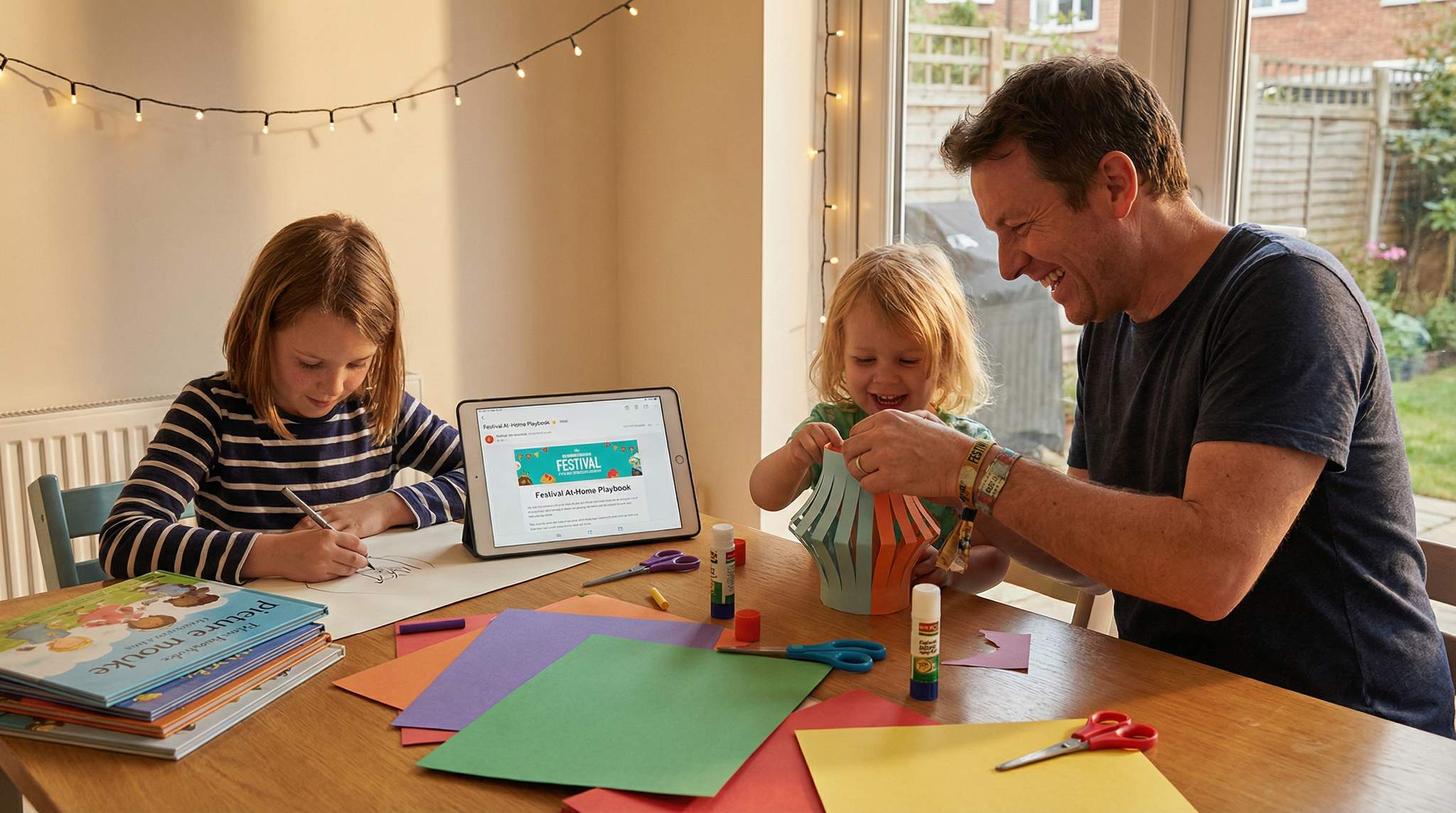
The close of a family-friendly festival doesn’t mean the experience has to end. Savvy festival producers understand that the days immediately following the event are a golden opportunity to keep the excitement alive. By sending post-event playbook emails tailored to different age groups, festivals can extend their impact beyond the venue’s gates. These follow-ups – complete with at-home craft ideas, reading lists, music playlists, and more – ensure the festival continues at home for every attendee family. Not only do they delight kids and parents, they also nurture a loyal community that’s already looking forward to the next festival.
Why go to these lengths? Firstly, attendees appreciate added value. A well-crafted follow-up can turn a one-day outing into a week-long adventure of learning and fun. Secondly, targeted content by age makes the material relevant – a preschooler’s parents will receive simple crafts and picture-book suggestions, while a teenager might get a curated playlist or a volunteer opportunity. This level of personalisation shows that the festival understands its audience and cares about each segment. According to marketing research, segmented emails can double open rates compared to generic blasts. In short, post-festival engagement is not just a feel-good effort – it’s a strategic move to deepen engagement, encourage repeat attendance, and reinforce the festival’s mission in the community.
Age-Tiered Follow-Ups: One Size Doesn’t Fit All
When it comes to post-event emails for families, one size truly doesn’t fit all. Children of different ages engage with content in very different ways, so a single generic email risks missing the mark. Successful family festival organizers segment their follow-ups by age group to ensure each child (and their parents) receive just the right next-step activities.
How can you implement age-tiered emails in practice? It starts with data. If your ticketing platform (for example, Ticket Fairy) allows you to collect birthdates or age categories via your event registration platform during the sign-up process, leverage that information to create email groups (e.g. “Under 5”, “Age 6–12”, “Teens”). Many event platforms let you tag tickets or orders with attendee age brackets; if not, consider surveying families at sign-up about children’s ages or interests. Even a simple checkbox (“Are you attending with children under 5 / ages 6–12 / teens?”) can provide guidance. With this data in hand, you can draft tailored content for each cohort.
Smart Promo Codes & Presale Access
Create percentage or flat-rate discount codes with usage limits, date ranges, and ticket type restrictions. Plus unlock codes for private presales.
Example: The Imaginary City Kids Festival noticed that toddlers and preschoolers loved the sensory play zone, while older kids flocked to the robotics workshop. In their follow-up emails, producers segmented content accordingly – parents of little ones got a friendly email titled “More Sensory Fun at Home for Your Tiny Tot” with a simple play-dough recipe and links to picture books. Families with older kids received “Keep Experimenting: STEM Adventures After the Festival” featuring a DIY science experiment and a reading list of beginner-friendly science books. By acknowledging these differences, the festival made each group feel seen and catered to.
Segmentation also means sending separate family follow-ups versus general attendee emails. If your festival drew a mixed crowd (with and without kids), it’s wise to craft a dedicated email for families. That way, the photos and content can focus on child-friendly moments, and parents don’t have to sift through irrelevant info. The extra effort pays off in engagement: parents are far more likely to open an email that clearly speaks to their family’s experience than a generic post-event thank you.
Planning a Festival?
Ticket Fairy's festival ticketing platform handles multi-day passes, RFID wristbands, and complex festival operations.
Engaging Content for Every Age Group
Design each age-tiered email as a mini “festival playbook” that families can enjoy together. Here are key content elements and how to tailor them for various age groups:
-
At-Home Craft or Activity: Hands-on projects are a hit across all ages – the key is adjusting complexity.
- Toddlers & Preschoolers (Approx. 2–5 years): Provide a simple craft or sensory activity that ties into the festival theme. It could be as easy as a colouring sheet featuring the festival’s mascot or a DIY shaker instrument to relive a music parade. Keep instructions short and visual. For example, Camp Bestival (UK), known for its family vibe, sent out a post-festival “craft corner” email with a tutorial on making paper crowns after their fairy-tale themed weekend, perfect for little princes and princesses.
- Primary School Age (6–11 years): Offer a more engaging project that kids can do with minimal help. Think DIY science experiments (if your festival had a science or tech element), simple cooking or baking recipes if it was a food festival, or an art project related to a performer they loved. The key is to channel the festival’s excitement into a creative outlet. For instance, after a children’s art festival in Melbourne, organisers emailed a step-by-step guide to reproduce a popular on-site painting activity using common household materials, so kids could proudly create art similar to what they saw at the festival.
- Teens (12 & up): Appeal to their growing independence and interests. Share a DIY challenge or tutorial that goes a bit deeper – perhaps learning a song on an instrument if it was a music festival, or a coding project if it was a tech expo. If your event included any youth workshops (e.g. a graffiti wall or dance-off), include follow-up content like “5 New Dance Moves to Learn” or a link to an online tutorial by the workshop instructor. Teens appreciate that you respect their abilities, so don’t shy away from offering something substantive.
-
Reading Lists & Educational Resources: Festivals often inspire curiosity. Capitalize on this by curating reading recommendations or educational content.
- Young Kids: List a few picture books or bedtime stories related to the festival’s theme. If your festival had story time or characters, connect the dots (e.g. “Three more stories about friendly dragons” after a fantasy-themed fest). Many literary festivals do this well – the Cheltenham Literature Festival in England, for example, frequently shares book lists for kids via email and their blog after events, keeping the love of reading alive for families who attended.
- Older Children: Suggest chapter books, novels or nonfiction that dive deeper. A nature festival might recommend children’s books about wildlife; a history-themed fair could point to fascinating age-appropriate history tales. You can also include links to relevant online resources – such as a kid-friendly science website or a YouTube channel – that complement what they experienced. The goal is to sustain the spark of interest the festival lit. Case study: After the Singapore Science Fest, organisers emailed a list of “Top 5 Science Adventure Books for Curious Kids” segmented by age group, alongside links to simple science experiments on the national science centre’s website, extending the festival’s educational mission into homes.
- Teens: Provide links to young adult novels, articles, or documentaries that resonate with festival topics. If a teen attended a film or music festival, include a list of “if you liked X, watch/listen to Y” suggestions. For a cultural festival, perhaps share an article about a tradition they saw, or a teen-friendly podcast on the subject. By guiding teens to deeper content, you’re effectively turning a fun day out into ongoing enrichment. Librarians or educators who partnered with your festival can help curate these lists. In fact, some festivals partner with local libraries (more on that below) specifically to create reading lists that families can easily find at the library.
-
Playlists & Audio: Music and audio can instantly transport attendees back to the festival mood.
Grow Your Social Following With Every Sale
Require social media follows, shares, or playlist adds to unlock presale access or special pricing. Turn every ticket purchase into audience growth.
- Family Playlists: Compile a playlist of songs from the festival – whether it’s tracks performed by artists at the event, or tunes that match the atmosphere (upbeat, multicultural, soothing, etc.). Platforms like Spotify or YouTube make it easy to share playlists. Make sure the songs are parent-approved (clean lyrics, appropriate themes) so the whole family can enjoy. For a kids’ music festival, this might be the headline artists’ hits; for a broader festival, include a mix for both kids and adults. E.g.: The New York International Children’s Film Festival sends out Spotify playlists featuring soundtracks from the kid-friendly movies showcased, so families can relive the cinematic magic through music at home.
- Audio Stories & Podcasts: Not all festivals are music-centric, but audio can still play a role. If your festival had any storytelling, consider linking to an audio recording or podcast episode. For instance, if an author did a reading on stage, see if there’s an audiobook excerpt or a radio story by that author you can share. Some festivals record live storytelling sessions – if yours did and you have consent, send that audio out! It’s a great bedtime treat for kids who attended. In absence of original recordings, you might link to a relevant episode of a children’s podcast (many public radio stations or independent creators offer educational podcasts for kids). Just ensure any recommended audio is freely accessible and age-suitable.
Mix and match these content types based on what fits your festival’s theme. A family food festival might emphasise recipes over reading lists, whereas a children’s literature festival will focus on books and author videos. The key is to remind families of the joyful moments they had and give them an easy path to recreate a slice of that joy in their daily life.
Partner Discounts: Extending the Fun through Community Ties
One powerful way to keep the festival spirit alive is by partnering with local cultural institutions like museums, science centres, zoos, and libraries. Including special offers or discounts in your follow-up emails benefits everyone: families get an affordable outing, your partners gain new visitors, and your festival brand stays top-of-mind.
Need Festival Funding?
Get the capital you need to book headliners, secure venues, and scale your festival production.
Consider what organizations align with your festival’s theme or values. If you ran a kids’ science festival, reach out to a nearby science museum or planetarium; for an arts & crafts festival, maybe a children’s hands-on museum or art gallery; for a book festival, the public library or a children’s bookstore is a natural match. Negotiate a deal that you can pass on to your attendees – it could be a discount code (“Show this email for 20% off admission in the next month”) or an exclusive event (“Festival attendees are invited to a free family day at the City Museum on next Saturday”). Make sure to clearly explain how to redeem the offer and any time limits, so families can take advantage easily.
Real-world example: The XYZ Children’s Festival of Storytelling in New Zealand partnered with the national library. In the post-event email, they provided a link for a free library membership for kids (waiving the usual sign-up fee) and highlighted an upcoming library reading challenge. This drove dozens of new sign-ups to the library and showed parents that the festival’s commitment to literacy goes beyond a single weekend. Similarly, a science carnival in California collaborated with a local science center to give all attendee families a 50% off coupon for entry – a win-win that saw many kids proudly wearing their festival T-shirts to the museum weeks later.
Libraries, in particular, often welcome such partnerships. Your email could include a gentle prompt like “Enjoyed the festival? Visit your local library’s kids section – show this email at County Library for a free tote bag!” or share information on library programs (story hours, maker labs) that tie into what your festival featured. The same goes for museums and galleries that might have exhibits relevant to your content. By forging these community links, your festival not only continues at home but also spreads into the community, reinforcing your role as a partner in education and fun year-round.
Highlight Next Events and Volunteer Opportunities
A post-event email is the perfect chance to transform attendees into a returning audience or even collaborators. While you’re providing all this great content, don’t forget to include a section about what comes next for your festival and how families can stay involved.
Free Tool: Size Your Festival Site
Zoned capacity planning for arena, campsite, parking and entry lanes — against UK Purple Guide and NFPA density standards. Finds your bottleneck zone.
Save the Date: If you already know the dates (or at least the season) for next year’s festival, let people know now! Families plan their calendars well in advance, especially for big outings. A simple line like “Mark your calendars: the fun returns Spring 2025!” or “We’ll be back next June – stay tuned for exact dates,” plants the seed for repeat attendance. If tickets or pre-registration are available early, provide a clear link or button for that. Some festivals even offer an early bird discount for those who attended this year – a reward for loyalty.
Volunteer and Involvement: Many parents and teens would love to get more involved given the chance. If your festival has volunteer roles, a youth ambassador program, or planning committees, invite your attendees to participate. This is especially effective for community-run festivals or non-profits. For example, the Toronto Kids International Film Festival noticed many teenagers who outgrew the “attendee” age bracket came back as volunteers. Their follow-up email explicitly encouraged teens (with parental permission) to apply as junior volunteers for the next edition, providing a link to the application form. The result was a surge in enthusiastic volunteer sign-ups, and those teens often brought their families back to attend again as well.
Be sure to highlight the benefits of volunteering or joining the festival team: new skills, community service hours, being “behind the scenes” of the fun, etc. Parents might be interested too – you can gently note, “Want to help make the next festival happen? We welcome parent volunteers – from helping at craft tables to organizing pre-event materials. Click here to express interest.” Even if formal volunteer recruitment happens later, planting the idea early helps people feel connected and gives you a pool of interested folks to reach out to.
Newsletter & Social Media: Encourage families to stay connected through other channels as well. Provide a sign-up for your year-round newsletter (if different from the one-time follow-up list) or suggest following the festival’s social media for updates. Many festivals keep a steady drip of content on Facebook, Instagram, or TikTok – like #ThrowbackThursday photos, announcements of artists, or off-season community events. Let attendees know where to find you online, so they don’t miss out on future news. For instance, Mexico’s “Festival Familiar” (Family Festival) might remind readers to follow their Facebook group where parents share festival photos and tips – keeping the community active long after the event.
Photo Guidelines: Use Parent-Safe, Consented Images
Including photos or videos in your follow-up can be powerful – a smiling crowd, kids doing activities, a recap of the festival’s best moments. However, when children are involved, privacy and appropriateness are paramount. Always use images that are “parent-safe” and properly consented.
What does this mean in practice?
Free Tool: Project Your Bar Revenue
Per-head spend benchmarks by event type turned into projected bar and food revenue, with a stock-mix estimate and gross-margin line. Free calculator.
- Consent: Ideally, use photos taken by your official festival photographers for which you have written consent or a photo release (often part of the ticket terms, but be extra careful with minors). If you had a photo booth or an opt-in photo op area, those images are prime candidates because participants knew they were being photographed for festival use. Avoid using any close-up of a child from the crowd unless that child’s guardian gave explicit permission. Group shots from a distance, where individuals aren’t easily identifiable, are a safer bet if individual consent isn’t on file.
- Appropriate Content: Ensure every photo or video clip is appropriate for a general family audience. That means no images of kids in distress, no overly messy or unsafe situations, and nothing that a reasonable parent would object to. Keep it wholesome and positive – think laughing faces, cool costumes, colourful crafts, energetic but safe fun. If your festival included a youth performance or artwork display, this is a great place to show it off (with credit to the young artists, if applicable).
- Caption and Credit Carefully: In your email, add a simple caption to give context (e.g. “Hula-hooping fun in the Kids Zone at Festival 2024”) but avoid naming children or providing any personal details in captions. If you want to credit a photographer or the source of an image, do so in a way that doesn’t identify kids by name. Many festivals simply say “Photo: [Festival Name] Photography Team” or credit the professional photographer.
- Opt-Out Option: It’s good practice to mention, perhaps in fine print at the bottom of the email, that if anyone spots themselves or their child in a photo and wishes it to be removed from future materials, they can contact the festival. This shows you respect attendee privacy. Also, be mindful of laws – for instance, EU’s GDPR has strict rules about personal data, and identifiable photos of minors could be considered sensitive data. While your follow-up email likely goes only to attendees (a private list), treat those images with the same care you would on a public website.
By following these guidelines, you ensure that the wonderful memories you share don’t inadvertently cause concern. Parents will appreciate that you took care to protect their children, reinforcing trust in your festival brand.
Conclusion: The Festival Lives On
A family-friendly festival might last a day or a weekend, but with thoughtful follow-up the festival lives on in hearts and homes. By sending age-tailored emails filled with activities, stories, music, and opportunities, festival producers extend the magic beyond the fairgrounds. This not only creates extra enjoyment for families, but also cements a year-round relationship between attendees and the festival. In essence, you are telling your community that the festival continues at home – and they are invited to be a part of it every step of the way.
In the competitive world of events, such personal post-event touches can set your festival apart. Parents talk to other parents; a memorable follow-up might just be the thing that makes a family choose your event (and recommend it to friends) over others. Seasoned organisers around the globe – from community carnivals in small towns to international children’s expos in megacities – have learned that nurturing the audience after the event is key to building loyalty and legacy. It’s the difference between a one-off visit and a family making your festival an annual tradition.
So, craft those follow-ups with creativity and care. Celebrate the memories made, provide pathways to new ones, and invite everyone to stay connected. When done right, a festival’s end is really just a new beginning – with your post-event playbook guiding the way.