In the fast-evolving world of wine, tastes and trends can change as swiftly as the seasons. A wine festival organiser who wants to stay ahead of the curve needs more than just intuition – they need information. This is where social listening comes in. By monitoring what consumers, sommeliers, and wine enthusiasts are saying online about grape varieties, wine styles, and regions, festival teams can anticipate emerging preferences. The result? A festival wine list and programme that feels fresh, exciting, and exactly what attendees didn’t even know they wanted. Social listening is the modern tool that helps keep your wine festival ahead of evolving taste trends.
Why Social Listening Matters for Wine Festivals
For festival producers, understanding the audience’s palate is crucial. In the past, organisers might have relied on sales data or expert opinions to predict what wines people would enjoy. Today, conversations on social media platforms, wine blogs, and forums provide real-time insight into what’s gaining popularity. By tapping into this chatter, a wine festival organiser can:
- Anticipate trends – If Chenin Blanc or natural wines are the buzzwords of the year, you’ll know early and can plan to feature them.
- Align with audience interests – When your festival reflects what people are excited about (be it a grape like Grenache or a region like Cornwall for sparkling wine), attendees feel understood and flock to experience it.
- Differentiate your event – A festival that showcases newly popular or yet-to-be-discovered wines sets itself apart from the many events offering the “same old” varietals. It positions your festival as a leader, not a follower.
In short, social listening helps wine festival teams curate with confidence. Instead of guessing which trend has staying power, organisers use data and dialogue from wine lovers to make informed decisions. This ensures the festival’s offerings resonate with current tastes and even sets trends within the wine community.
Understanding Social Listening in the Wine World
Social listening means tracking and analysing conversations and mentions on digital platforms to learn what people really care about. For wine festivals, this means paying attention to:
Turn Fans Into Your Marketing Team
Ticket Fairy's built-in referral rewards system incentivizes attendees to share your event, delivering 15-25% sales boosts and 30x ROI vs paid ads.
- Grape varieties – Which grapes are people talking about most? Are formerly obscure varietals like Assyrtiko or Teroldego suddenly in foodie conversations? A spike in mentions could signal a rising star grape to feature.
- Wine styles – Notice terms like “orange wine”, “pet-nat” (pétillant-naturel), or “organic wine” popping up frequently? These style trends could be worth incorporating into tasting sessions or dedicated booths.
- Regions and origins – Perhaps everyone is raving about wines from Baja California, Mexico or Tasmania. If a particular region is trending in online discussions, it might be time to invite producers from there or create a regional spotlight at your festival.
- Keywords related to taste or experience – Words like “bold Cabernets”, “crisp Alpine whites”, or “low-alcohol reds” might surface often. These give clues about flavour profiles and experiences people seek (e.g., refreshing summer wines, or robust winter reds).
Crucially, social listening isn’t just about Twitter or Instagram – it covers any online space where wine lovers talk:
- Wine blogs and publications: Comments sections and article shares can hint at consumer enthusiasm. If a Decanter article on Croatian wines goes viral, that’s a trend worth noting.
- Wine-centric apps and forums: Platforms like Vivino, CellarTracker, or Reddit’s r/wine forum are gold mines of honest consumer preference. A lively Vivino discussion on Portuguese Touriga Nacional wines, for instance, flags a growing interest.
- Event reviews and feedback: Pay attention to what attendees post after visiting your festival or similar events. Are they praising the variety of rosés or wishing there were more sparkling options? These comments are direct feedback for next year’s planning.
- Local foodie networks: In some regions, Facebook groups, WeChat circles, or local wine club newsletters might be where trends germinate. A keen festival producer in India, for example, might follow the Bangalore Wine Club’s discussions to gauge what subcontinental wine enthusiasts are curious about next.
By casting a wide net across these channels, festival organisers gather a rich tapestry of insights. Patterns emerge from this noise – perhaps many are asking where they can find wines from a certain up-and-coming region, or a particular winemaker is gaining an online following. These are signals a savvy organiser can use.
Planning a Festival?
Ticket Fairy's festival ticketing platform handles multi-day passes, RFID wristbands, and complex festival operations.
Tools and Tactics for Monitoring Wine Chatter
There are many practical ways to keep an ear on the ground for wine trends:
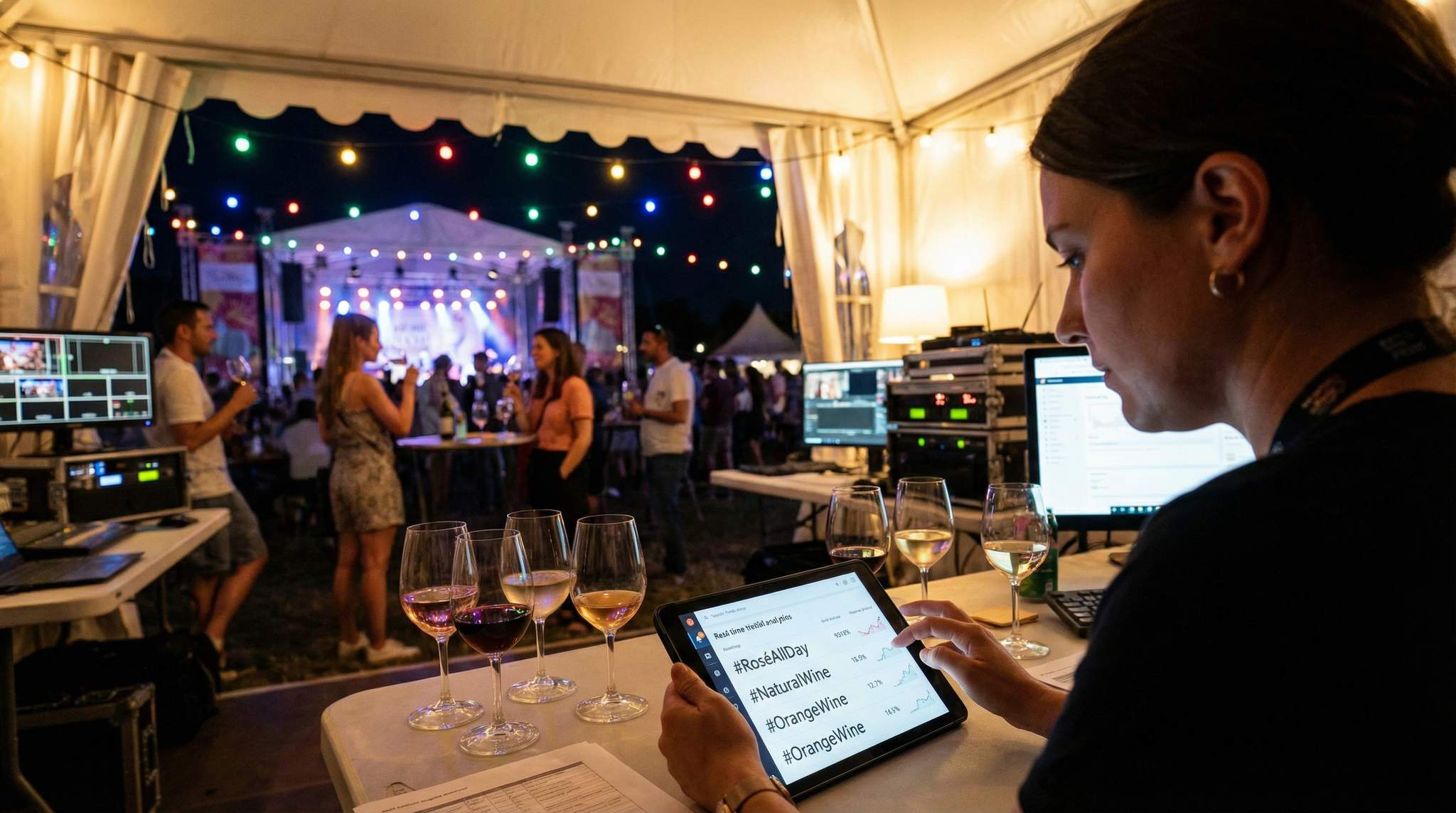
- Hashtags and Keywords: Follow popular wine hashtags (like #wine, #winetasting, #naturalwine, or region-specific ones like #NapaCab or #Rioja). On Instagram and X (formerly Twitter), these can reveal trending topics. For instance, a surge in posts tagged #orangewine would hint that skin-contact wines are having a moment.
- Social Listening Software: Professional tools (e.g., Brandwatch, Sprout Social, or Meltwater) allow in-depth tracking of keywords across platforms. A festival producer can set up alerts for terms like “new grape variety”, “wine trend 2025”, or specific grape names. These tools can quantify the buzz – showing if mentions of “Pet Nat” doubled this year, for example.
- Google Trends and Search Data: Don’t overlook search engine insights. If searches for “vegan wine” or “English sparkling wine” are spiking in your target market, it’s a clue that many people are curious about it. Google Trends can compare interest levels between, say, “rosé wine” and “orange wine” in the past 12 months to guide your focus.
- Wine Influencers & Bloggers: Keep a list of influential voices (sommeliers on Instagram, YouTube wine reviewers, TikTok wine educators, etc.). See what they’re excited about – these personalities often set off or amplify trends. If several popular influencers suddenly rave about Cabernet Franc from the Loire, expect their followers to start seeking it out.
- Surveys and Polls: Sometimes, the easiest way is to ask directly. Use your festival’s social media to run quick polls (“Which wine trend are you most intrigued by: organic wines, low-alcohol wines, or orange wines?”). While not everyone responds, the answers you do get are direct input from engaged wine lovers. Similarly, post-festival surveys asking “What would you like to see more of next year?” can yield actionable feedback.
- Community Engagement: Engage in conversations yourself. Join discussions in wine Facebook groups or comment on trending wine Instagram posts from your festival’s account. By interacting, you not only raise your festival’s profile but also show the community that you’re listening. You might even spark discussions that reveal what people are longing for.
- Monitor Your Own Channels: Keep a close eye on your festival’s mentions, tags, and DMs. Attendees often share their experiences online. A comment like “Wish I could have tried more sparkling rosés at XYZ Wine Fest” is a valuable suggestion disguised as a remark. Create a spreadsheet or log of these organic suggestions and sentiments for your planning meetings.
By combining these tactics, even a small festival team can perform effective social listening. Remember, consistency is key – check in on these information streams regularly (weekly or monthly) rather than only a month before planning your next event. Trends can emerge and evolve quickly, so a year-round ear to the ground ensures nothing exciting slips past your radar.
Spotting Grape Variety Trends Early
Grape varieties go in and out of vogue, and social chatter often provides the first hints of change. Successful festival organisers make a habit of noting which grapes are capturing attention. Some strategies and examples:
- Watch the “Cinderella” grapes: These are lesser-known varietals that suddenly find themselves in the spotlight due to a championing sommelier or a hit Netflix show. For example, the red grape Tannat was relatively obscure until dialogue about the “heart-healthy Madiran wines” (rich in Tannat) started swirling online. If you caught wind of Tannat trending, you could introduce a Madiran or Uruguay Tannat tasting at your festival to intrigue health-conscious visitors.
- Leverage annual themes (like #WineWednesday): Each week, wine lovers celebrate themes like #CabernetDay, #InternationalChardonnayDay, or country-specific wine days. By tracking which varietal days get especially big engagement, you can predict which grapes are having a resurgence. If #GrenacheDay trended globally this year with lots of consumer posts, it’s a sign Grenache is back on palates – maybe plan a Grenache-focused seminar or tasting section.
- Case Study – The Rosé Revolution: A few years ago, social media saw an explosion of #RoséAllDay and pink wine photos every summer. Rosé wine transformed from a seasonal niche to a year-round craze, especially among younger drinkers. Savvy organisers took note. In the US, dedicated events like La Nuit en Rosé were founded precisely to ride this wave – becoming wildly popular by offering an all-rosé tasting experience. The founder, Pierrick Bouquet, launched the festival in 2014 after observing rosé’s rising popularity and steady growth. By the late 2010s, many general wine festivals also expanded their rosé selections or added “rosé gardens” to their events to cater to this new enthusiasm. The lesson? A boom in social chatter about a wine style (in this case, pink wine) was a harbinger of a major consumer trend.
- Case Study – Natural Wines and the RAW Festival: As terms like “natural wine”, “biodynamic”, and “minimal intervention” started trending on forums and Instagram around 2015, some festival producers moved quickly. In London and Berlin, the RAW WINE festival (spearheaded by Master of Wine Isabelle Legeron) gave a platform solely to natural and organic wine producers. This festival’s success – now hosting events in multiple countries – showed that listening to a niche but growing conversation can uncover demand for a whole new type of festival. Even traditional wine events responded; for instance, Vinitaly in Italy introduced organic wine pavilions as they saw more chatter and interest in that sector. What was once a fringe discussion about sulphites and unfiltered wines became a mainstream movement at festivals.
- Don’t Ignore the Classics: Social listening isn’t only about the new or obscure. It also tells you when classic grapes cycle back into fashion. A flood of tweets from sommeliers about how Riesling is underappreciated, for example, might precede a Riesling renaissance. An event in New York State – home to the Finger Lakes Riesling Festival – benefited from exactly this. By championing a grape that industry insiders were buzzing about again, they drew attendees eager to rediscover a classic. Keeping an eye on which traditional varietals are being talked about in a new light can help rejuvenate your festival’s programme with fresh takes on familiar wines.
By identifying which grape varieties are on the upswing, festival producers can ensure those wines are on the pour list, featured in marketing, or even become the theme of the event. It’s about pouring what’s hot (or what’s about to be hot) – which makes your festival feel cutting-edge and in tune with wine lovers’ tastes.
Grow Your Social Following With Every Sale
Require social media follows, shares, or playlist adds to unlock presale access or special pricing. Turn every ticket purchase into audience growth.
Spotting Emerging Regional Trends
Just as grapes go through trend cycles, so do wine regions. Wine is deeply tied to place, and every year a few regions around the world become the “next big thing” in the eyes of consumers. Social listening can help pinpoint which locales are piquing curiosity:
- Track regional hashtags and keywords: Terms like #Napa or #Bordeaux will always be mentioned, but watch for upticks in tags like #TexanWine, #CanadianWine or #SicilianWine. For example, if you notice #SicilianWine posts surging, it might be because wine fans have discovered the volcanic reds of Etna – time to invite some Sicilian wineries to your event.
- Note international buzz: Often a region becomes trendy internationally before local festivals catch on. In recent years, regions like Moldova, Croatia, or Uruguay have generated excitement due to travel bloggers or wine influencers spotlighting them. A festival that dares to host a “Discover Moldova” booth or a Balkans masterclass – ahead of its competitors – will earn serious cred for adventurous curation.
- Case Study – Vancouver International Wine Festival: Major festivals often explicitly theme their year’s programme around regions rising in prominence. Canada’s Vancouver International Wine Festival chooses a regional focus annually. In 2023, it shone a spotlight on South America, aligning with growing global interest in Chilean cool-climate wines and Argentine Malbec. By 2025, the festival featured the Pacific Northwest (California, Oregon, Washington, and British Columbia) as a combined theme, highlighting how these West Coast regions were collaborating and gaining influence together. For 2026, they announced France as the theme country with a special global focus on Rosé wines – a nod to both a classic region and a trendy style. This strategic theming shows that Vancouver’s organisers actively respond to what’s trending in the wine world, be it a country or a category of wine, keeping the festival content both relevant and exciting.
- Local region trends for local festivals: If you run a smaller regional wine festival, listening to local chatter is just as important. Perhaps your area’s wine aficionados have a budding obsession with a particular nearby region. For instance, organisers of the Sydney Good Food & Wine Show in Australia noticed more talk about Tasmanian sparkling wines on social media. By featuring a Tasmanian Sparkling masterclass, they drew interest from those curious about Australia’s cool-climate bubbly, leveraging a domestic regional trend. On a smaller scale, a wine festival in India might note increasing buzz about Nashik’s wines (India’s primary wine region) on urban foodie blogs – cue a bigger Nashik winery presence at the next festival.
- Global regions to watch: Social media can even hint at future trends. Are wine travelers posting a lot from Slovenia or Greece? Perhaps the unique wines of these countries will be the next talk of the town. A forward-thinking festival producer might establish an “Exploration Zone” at the event, where each year a different upcoming region gets highlighted. This can be a rotating space that always offers something exotic and newsworthy – one year Georgian qvevri wines (after Georgia’s ancient wine culture started trending), next year maybe Brazilian vintages if South America heat shifts north, and so on.
By being alert to regional trends, you ensure your festival celebrates not just well-known wine regions, but also the exciting newcomers. Attendees gain a sense of discovery, finding wines from places they perhaps saw mentioned on Instagram or heard about on a podcast. In turn, your festival earns a reputation as a place to explore the world through wine – staying ahead of taste in terms of geography as well as grape.
Need Festival Funding?
Get the capital you need to book headliners, secure venues, and scale your festival production.
Engaging Your Audience for Direct Insights
Social listening isn’t only a passive activity. Proactive community engagement can both strengthen your festival’s brand and provide you with valuable guidance:
- Ask the community: Periodically pose questions on your festival’s Facebook, Instagram, or email newsletter. For example, “What wine region are you curious about lately?” or “Tell us about a great wine you tried recently – we might feature that region next year!”. These open-ended questions get people talking. Not only do you receive dozens of suggestions (hello, programming ideas!), but participants feel a sense of ownership and excitement if their suggestion might appear at the festival.
- Leverage user-generated content: Encourage attendees to share their festival experiences and tag your event. Create a unique hashtag for your festival (e.g., #LakeCityWineFest). After the event, browse those tagged posts and comments. Often, people will mention what they loved (“The Spanish Rioja booth was amazing!”) or what they missed (“Wish there had been some sparkling Shiraz to try”). Each comment is a clue to demand. In 2019, a boutique wine festival in California noticed many Instagram posts asking “Where’s the rosé?” – the next year, they introduced a Rosé Lounge, which became one of the most popular areas of the event.
- Community voting: Some festivals take engagement a step further by letting the audience vote on certain aspects. For instance, the Marlborough Wine & Food Festival in New Zealand ran a poll for attendees to choose one varietal for a special tasting session (Sauvignon Blanc vs. Pinot Noir vs. Rosé, etc.). When Pinot Noir won by a large margin, the organisers made sure to include a “Pinot Noir Showcase” the next year, complete with top Pinot producers and an educational talk. The result was not only a sold-out session but also increased social media buzz, since attendees felt they had “shaped” the festival.
- Engage local wine clubs and groups: Nearly every region has informal networks of wine lovers (clubs, meetup groups, etc.). Engaging with these groups offline and online can provide a wealth of insight. Maybe the local wine club did a monthly theme on “Wines of South Africa” and everyone loved it – that’s a hint to bring some South African wineries to your area. Some festivals even form advisory panels including a few enthusiastic community members or influencers – they act as taste-makers, suggesting ideas in the planning phase. This not only helps pinpoint trends, but also turns those advisors into invested ambassadors for the festival.
- Feedback loops: After the festival, solicit feedback via surveys (promote it by offering a small incentive like a discount code or prize draw for respondents). Ask questions like “Which wines or regions would you like to see next time?” and “What was your favourite tasting and why?”. While not everyone responds, those that do are your core audience, and their preferences can directly shape next year’s content. Many festivals credit attendee surveys for innovations – for example, Toronto’s Gourmet Food & Wine Expo noted an overwhelming request for more interactive experiences, leading them to add trend-driven features like a “Mix-your-own wine blend” bar after seeing the DIY trend popular on social media.
By actively engaging the community, you turn attendees from passive consumers into collaborators. Not only do you gain early intel on what’s trending in their minds, but you also build loyalty – people are more likely to attend (and promote) a festival if they feel they had a hand in shaping it. This kind of engagement becomes a virtuous cycle of better curation and stronger word-of-mouth marketing.
Integrating Trends into Festival Planning and Marketing
Identifying a trend is one thing; successfully integrating it into your festival is another. Here are ways to weave social listening insights into your event planning, while keeping the experience cohesive and authentic:
- Curate special sections or pavilions: If social listening reveals a big trend, give it a dedicated space. Is everyone raving about Pet-Nat sparkling wines this year? Set up a “Pet-Nat Corner” with several producers pouring these naturally sparkling wines. Trending regions can become pavilions – a “Wines of Greece” section complete with Greek food pairings and decor can transport attendees. By carving out space for trends, you ensure they don’t get lost in the general mix.
- Thematic events within the festival: Incorporate trend-driven themes into seminars, workshops, or parties. For a large festival, you could host a side event like “Next-Gen Napa: New Trends from California” if you’ve seen a lot of chatter about experimental wines in Napa. Or maybe an “Interactive Aroma Bar” session if there’s buzz about sensory education in wine tasting. These micro-events make the festival feel rich and tailored to current interests.
- Feature trendsetters as speakers or hosts: If a particular influencer or winemaker is at the forefront of a trend (for example, a winemaker pioneering zero-sulphite wines that everyone on Wine Instagram is talking about), invite them to be part of your festival – perhaps to host a masterclass or lead a panel. This draws their fan following to your event and positions your festival as being connected with industry innovators.
- Collaborate with exhibitors on trends: Brief your participating wineries and vendors about the trends you’ve identified. Many will be happy to tailor what they showcase if they know what the audience is eager for. For instance, if “low-alcohol wines” are trending and you inform your winery partners, they might bring that new 10% ABV Riesling or a range of sessionable wines to pour. This way, the trend is represented across booths without you having to organize it all directly.
- Highlight trends in marketing: Use the insights as a selling point. When promoting the festival, emphasize the trendy features: “Be the first to taste the orange wines everyone’s buzzing about!” or “Featuring the emerging regions wine lovers are talking about – from Patagonia to Santorini.” This not only attracts attendees who follow these trends, but also signals to all potential visitors that your festival will offer something new and interesting. A festival that clearly evolves each year in its marketing (“New this year: organic and biodynamic wine zone!”) appears dynamic and must-visit.
- Balance new trends with beloved classics: Integrating trends doesn’t mean abandoning what’s proven. You’ll likely still have your popular Cabernet, Chardonnay, Champagne stands – those are anchors that keep traditionalists happy. Layer the new trends alongside them. Think of it like a menu: most of it is favourite dishes, and a few specials of the day. Some attendees will dive into the specials (trends), others will stick to favourites, and many will appreciate both. The key is making space for innovation without alienating those who come for the familiar comforts. Over time, today’s new trend might become a festival staple if it endures.
By consciously weaving trend insights into the fabric of your festival plan, you keep the event experience fresh. Attendees will start to notice that each year, there’s something different aligned with what’s happening in the wider wine world – giving them a reason to return annually, lest they miss out on the next big thing.
Data-Driven Event Marketing
Track ticket sales, demographics, marketing ROI, and social reach in real time. Exportable reports give you the insights to make smarter decisions.
Small vs. Large Festival Considerations
No matter the festival size, social listening can be a game-changer, but the approach might differ:
- Boutique & local festivals: With smaller budgets and tighter focus, pick the trends most relevant to your community. A local wine festival in, say, Ontario might not be able to import a dozen Croatian wineries on a hunch. But if local chatter points to a craze for Ontario Riesling Pet-Nat or a new nearby winery, act on that. Small festivals can be agile – you might add a last-minute tasting of a trending local winemaker’s bottles, or partner with a hot new wine bar for a sponsored section. Your close connection to the local audience (you likely see them at wine shops and vineyards) is an advantage. Social listening at this scale can be as simple as conversations with regular attendees and following local influencers; the “data” might be anecdotal but very insightful. Use it to make one or two impactful changes each year (which a small festival can execute easily).
- Large & international festivals: Big festivals have greater resources and a broader audience, which means more ground to cover in trend watching – but also a bigger reward for getting it right. These events often have distinct segments (by country/region, by varietal, by experience level). Organisers can integrate trends into each segment: e.g., the grand tasting hall might get a new “Trending Regions” island bar, the seminar series might include a panel on “Wine Trends on Social Media”, and the VIP area might offer an exclusive tasting of an “offbeat wines” flight. Large festivals might consider assigning a team member or hiring a consultant specifically to analyse social media and industry trends year-round. They can also collaborate with sponsors or trade bodies from trending regions (if English Sparkling is trending, partner with the UK wine trade to sponsor a section). The challenge for large festivals is not to dilute the brand or overwhelm attendees with too much new information. So, they may roll out trends as limited-time features or special exhibits within the larger event. A huge festival can’t change its entire identity overnight, but it can evolve by weaving new threads into its expansive tapestry each year.
- Different audience demographics: Consider who your attendees are. If your wine festival attracts a mostly young crowd (late 20s to 30s), trends on platforms like TikTok or Instagram might be very influential – these guests might appreciate a fun twist like a “wine cocktail” bar featuring the latest trend in frosé (frozen rosé) or red wine sangria popsicles seen on social media. If your demographic is older, they might not be using hashtags but could be following critics or reading magazines – their “trends” might be gleaned from wine columnists praising say, a return to traditional Chardonnay styles or the wines of a revived estate. Tailor your listening to the channels your audience uses. And sometimes, a festival may want to broaden its audience – in that case, introducing a trend popular with a younger segment (like a natural wine lounge with a DJ) can gently start attracting new demographics without alienating the existing base.
- Scaling up or down a trend: Right-sizing the trend implementation is key. A small festival might highlight one or two new trends per year in a noticeable way. A giant festival might highlight many, but each in a moderate way. Use your judgment – you know your festival’s capacity. Not every trend must be acted on; prioritize those that align with your festival’s theme and values, and that you can execute well. It’s better to fully nail a small “Sustainability in Wine” exhibit (because eco-friendly wine was a big trend) than to half-heartedly attempt a dozen trendy ideas with no depth.
In essence, social listening is a toolbox both small and large festival producers can use. The scale and methods of application will differ, but the core idea of being attendee-informed and future-focused applies universally.
Success Stories: Festivals That Stayed Ahead of Taste
Many festivals around the world have reaped rewards from trend-aware planning. Here are a few shining examples where listening to the zeitgeist paid off:
- La Nuit en Rosé (USA) – Trend: The rise of rosé wine. Action: Created an entire festival around rosé when social media started flooding with rosé images and hashtags. Result: A sell-out multi-city festival series that tapped into the “rosé lifestyle” movement and attracted a younger, experience-oriented crowd who might not have attended a traditional wine tasting. The festival’s founder effectively turned a social media trend into a brand new festival category, showing the power of being first on a trend.
- RAW WINE Fair (UK & global) – Trend: Natural and organic wines conversation grew online among wine geeks and eco-conscious drinkers. Action: Dedicated festival exclusively to natural wines, providing a space for organic, biodynamic, and minimal-intervention winemakers to connect with fans. Result: Rapid expansion from London to cities like Berlin, New York, and Los Angeles. It proved that what was once a niche Instagram discussion about “funky, unfiltered wine” had a large, passionate audience ready to buy tickets. Now even traditional wine festivals incorporate organic sections, validating RAW WINE’s early gamble.
- Vancouver International Wine Festival (Canada) – Trend: Shifting interest to new regions and styles each year. Action: Used themes to refresh the festival annually, e.g., spotlighting South American wines one year, regional West Coast wines another year, and even highlighting trendy styles like rosé alongside classic regions. Result: Continual growth and relevance in its 40+ year history. Attendees and wine media eagerly anticipate the fest’s theme announcement, and international wineries vie to be included when their region is hot. Vancouver’s adaptability has solidified its reputation as one of the world’s top wine events.
- SulaFest (India) – Trend: The intersection of wine culture with lifestyle and music for younger audiences. Action: Noticed that India’s young professionals were getting into music festivals and global lifestyles, but wine had a stuffy image. Sula Vineyards transformed their annual harvest party into a full-blown music and wine festival, blending indie bands, DJs, and wine tasting. Result: Attendance exploded (10,000+ people in recent editions) and a whole generation of Indians got introduced to wine in a fun, non-intimidating setting. By listening to what entertains the target demographic (not just what wine they drink), SulaFest stayed ahead in making wine trendy in a country where it was relatively new. It’s a testament to broad listening – sometimes the trend is how people want to enjoy wine, rather than the wine itself.
- Bordeaux Fête le Vin (France) – Trend: Even traditional regions adapting to modern tastes. Action: This classic festival in Bordeaux, while celebrating local wines, noticed global interest in experiences and interactive learning (as seen from tourist feedback and social buzz). They added features like wine and food pairing workshops, urban tasting trails through the city, and tech-driven tasting games to engage a younger tech-savvy audience. Result: The festival evolved from a regional showcase into an international tourist attraction, drawing visitors from across Europe and beyond. By adding trendy experiential elements to a historic wine event, Bordeaux kept its festival current and broadened its appeal beyond the seasoned wine connoisseur.
Each of these festivals listened, adapted, and were rewarded. They not only satisfied existing audiences but often grew new audiences by being ahead of the curve. Their successes highlight a core lesson: a festival that is responsive to trends becomes a trendsetter itself.
Cautionary Tales: When Trend-Chasing Goes Wrong
With all the excitement of new trends, it’s important to also heed the pitfalls. Not every popular idea on social media will translate to a successful festival experience. Here are some lessons learned from less successful forays:
- The “All Trend, No Identity” problem: A few festivals tried to implement too many fads at once, losing sight of their own identity. One year, a wine event in London rebranded almost entirely around whatever was hot – natural wines, cannabis-infused wine cocktails, obscure grape varietals – all at the same time and heavily marketed as “the ultra-hip wine fest.” The core audience found it overwhelming and gimmicky, while the new audiences they aimed for didn’t show up in droves because the festival lacked a clear theme. The event had to scale back the following year. Lesson: Integrate trends thoughtfully under a coherent theme; don’t abandon the festival’s essence or confuse your audience.
- Fad vs. Trend – picking the wrong battles: A trend has momentum and staying power, whereas a fad spikes and fades. One festival learned this the hard way by betting big on a fad. Remember the short-lived craze for blue wine a few years back? It briefly made a splash on Instagram for its shocking color. A European wine festival allocated an entire bar to blue wines and heavily promoted it. By festival time, the buzz had died down and serious wine lovers weren’t interested – the bar stood mostly empty, and precious budget was wasted on stock that hardly poured. Lesson: Be cautious of gimmicky fads. If something’s trending because it’s novel or outrageous (rather than quality or genuine interest), it might not pay off to feature heavily. A small nod or an exploratory booth is lower risk than betting your headline on it.
- Ignoring your loyal audience: In the rush to attract new crowds with trends, some organisers sidelined their loyal attendees’ preferences. A hypothetical example: A long-running Italian Wine Festival noticed craft beer and cocktails trending in their city and decided to incorporate a big “craft beverage” section to ride the wave. In doing so, they replaced a popular Italian wine educational seminar with a mixology demo. The core wine enthusiasts who always attended felt alienated – “this is not what we came for.” That year saw a drop in repeat attendees. Lesson: Innovation is best balanced with tradition. You can add a craft drinks element without displacing what your core fans value most. Alternatively, incorporate the trend in a way that still ties to your theme (e.g., “Italian wine cocktails” session could have been less jarring).
- Miscalculating the trend’s appeal: Sometimes a trend is real but not as broad as it seems. For instance, orange wines have been a darling of sommelier circles and Instagram wine geeks, but they’re still challenging for many casual drinkers. A festival in Asia heavily marketed an orange wine night expecting masses of curious newcomers, but found only the already-converted niche audience showed up. The general attendees stuck to more familiar options in the main event. The orange wine night, while loved by a few, lost money. Lesson: Gauge the size of a trend within your target market. If it’s still niche, perhaps present it in a smaller workshop or as part of a bigger event, rather than as a standalone major draw – unless your festival is specifically targeting that subculture.
- Overextending resources: Chase too many trends and you stretch your team and budget thin. We’ve seen festivals attempt five new features in one year – a recipe for burnout and logistical issues. One food and wine festival tried to add a tech-enabled tasting app, a sustainable wine showcase, a live social media wall, and an influencer lounge all at once after brainstorming trendy ideas. Execution suffered: the app was buggy, the sustainable wine area lacked clear signage, etc. Attendees noticed the rough edges. Lesson: It’s better to execute one or two new ideas well than many poorly. Prioritise what trend inclusion will give the most impact for the effort, and do it right.
The takeaway is not to scare festival producers off from innovating – far from it. It’s to underscore that effective trend adoption requires discernment. Stay true to your festival’s core appeal, understand the trend deeply, and know your audience. If you tick those boxes, you’re likely to avoid the missteps while reaping the benefits of staying ahead of taste.
Free Tool: Size Your Festival Site
Zoned capacity planning for arena, campsite, parking and entry lanes — against UK Purple Guide and NFPA density standards. Finds your bottleneck zone.
Conclusion
The wine world is a dynamic, living culture, and festivals are a grand stage for it to play out. A great festival not only reflects the current state of wine but also hints at its future. By embracing social listening, festival organisers equip themselves with foresight – the ability to sense what’s bubbling up in conversations and cravings, and to bring those fresh ideas to life for their attendees.
Staying ahead of taste is part art, part science. The science is in the listening: the diligent tracking of conversations, the data from surveys, the metrics from social media trends. The art is in the curation: knowing how to weave those insights into an event that delights and educates without feeling like it’s chasing hype. The most beloved festivals strike that balance – they remain familiar enough to be comforting but innovative enough to be exciting.
As a festival organiser reading this, think of yourself as a curator of a living, breathing wine experience. The more in tune you are with the people who love wine – their curiosities, their excitement, their evolving tastes – the more your festival will flourish. Social listening is your secret weapon to capture that tune. Use it well, and your wine festival will not just keep up with the times, it will help set the tempo.
Frequently Asked Questions
What is social listening in the wine industry?
Social listening in the wine industry involves tracking and analyzing digital conversations on platforms like Instagram, wine blogs, and forums to understand consumer preferences. Organizers use this data to monitor mentions of specific grape varieties, wine styles, and regions to anticipate market shifts and curate relevant festival programs.
How can festival organizers monitor emerging wine trends online?
Organizers monitor emerging trends by tracking popular hashtags like #naturalwine or #orangewine and using professional software such as Brandwatch or Sprout Social. Additionally, analyzing Google Trends search data and following influential sommeliers or wine bloggers provides real-time insights into shifting consumer interests and rising popularity of specific styles.
Why is social listening important for wine festival organizers?
Social listening allows festival producers to anticipate consumer trends and align event offerings with current audience interests rather than relying on intuition. By identifying rising popularity in specific grapes or regions early, organizers can differentiate their events, ensure the program feels fresh, and increase attendee satisfaction through data-driven curation.
How can social media help identify trending grape varieties?
Social media identifies trending grape varieties by revealing spikes in mentions for specific cultivars, such as obscure grapes suddenly championed by sommeliers. Monitoring engagement levels on annual theme days like #GrenacheDay or tracking hashtags helps organizers predict which varietals are experiencing a resurgence in consumer popularity before they become mainstream.
What are effective ways to spot emerging wine region trends?
Spotting emerging regional trends involves tracking specific location hashtags and noting international buzz from travel bloggers or influencers visiting lesser-known areas like Moldova or Tasmania. Organizers should also monitor local foodie networks and global wine forums to identify when a specific country or region begins generating significant online curiosity.
How can wine festivals use community engagement to gather insights?
Festivals gather insights by actively questioning their audience through social media polls and open-ended queries about preferred wine regions or styles. Analyzing user-generated content, such as post-event feedback and tagged photos, provides direct data on what attendees enjoyed or missed, effectively turning passive followers into active collaborators for future planning.
Which tools are best for tracking wine industry conversations?
Effective tools for tracking wine conversations include social listening software like Brandwatch or Meltwater for keyword analysis and Google Trends for search volume data. Additionally, monitoring niche platforms like Vivino, CellarTracker, and Reddit’s r/wine forum offers unfiltered consumer feedback, while tracking hashtags on Instagram and X reveals real-time viral topics.
How should wine festivals integrate new trends into their planning?
Festivals integrate trends by creating dedicated pavilions for rising styles, such as a “Pet-Nat Corner,” or hosting thematic masterclasses led by industry trendsetters. Successful implementation involves balancing these new features with beloved classics and highlighting the trendy elements in marketing materials to attract curious attendees without alienating traditionalists.