The Era of Shape-Shifting Venues
A New Era of Multipurpose Events
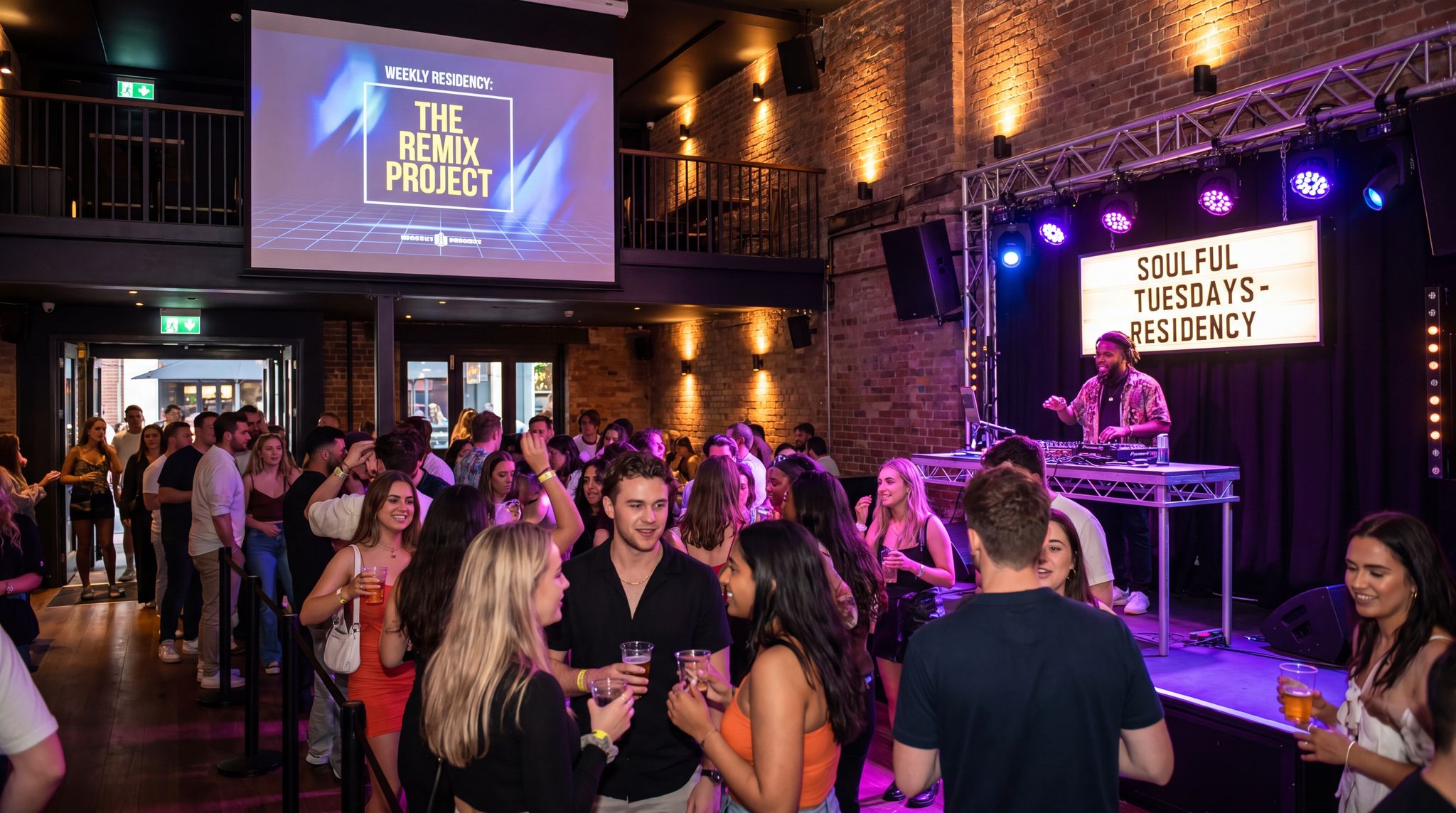
Modern venues are no longer built for a single purpose – they’re expected to host everything from rock concerts to conferences, sports games, trade shows, and beyond in the same week. Keeping a venue busy year-round means embracing diverse event types. Many arena managers now juggle concerts one night and corporate functions the next, switching setups overnight. This diversity isn’t just a nicety – it’s essential for revenue. Major venues like London’s O2 Arena pack in well over 150–200 events annually, a figure supported by The O2’s record-breaking year statistics, proving that a flexible space can stay booked almost every day. Leading operators have learned to seamlessly flip a venue between different event types without skipping a beat, leveraging modular design to handle wildly different productions back-to-back.
Utilisation and Revenue Benefits
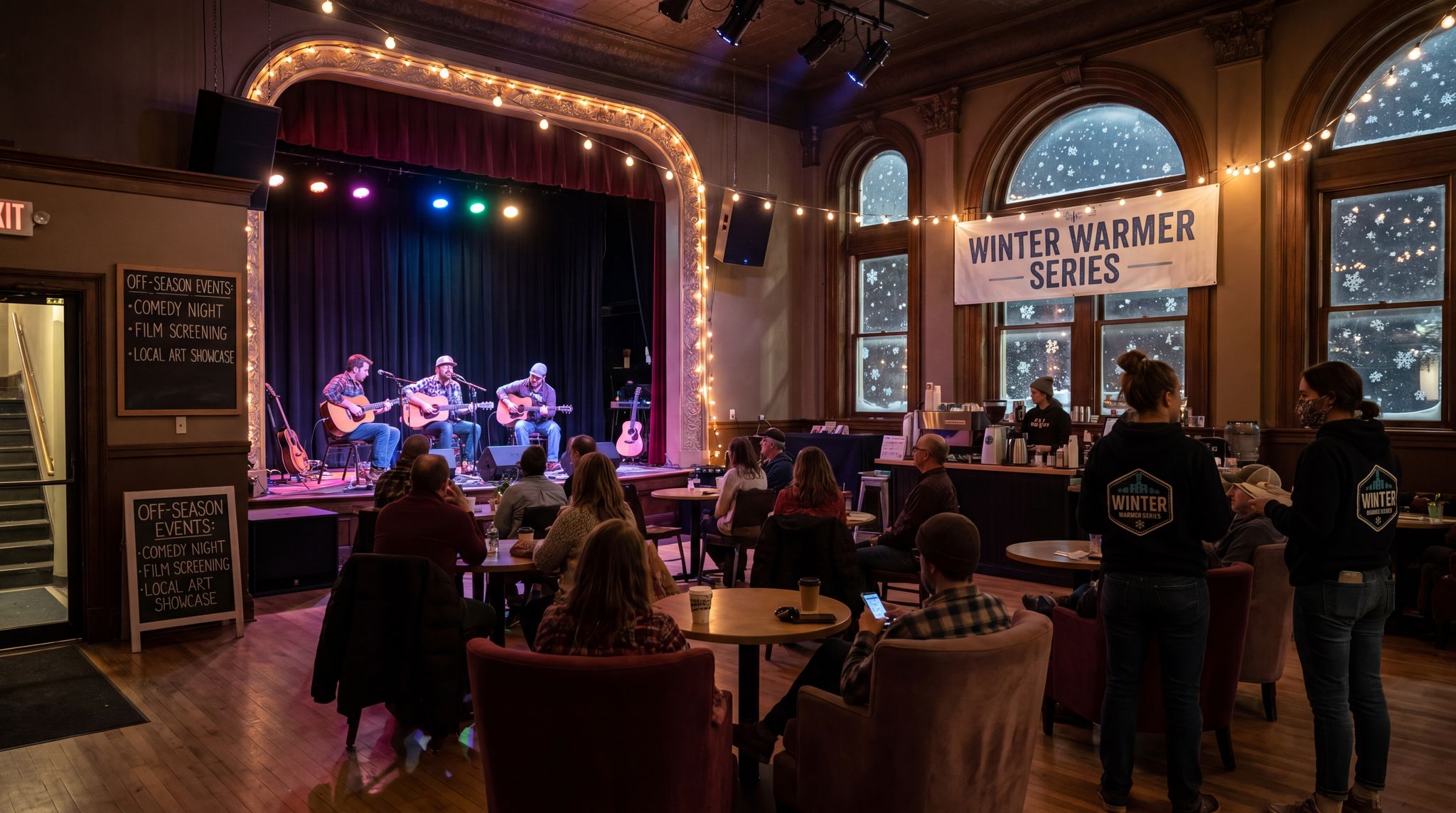
Every dark night is a lost opportunity. By designing spaces to shape-shift, venue operators can maximize utilization and boost their bottom line. A concert-only hall might fill 100 nights a year, but a multipurpose venue can double that by layering in conferences, esports tournaments, banquets, and more. The financial impact is huge – the ability to add even 20–30 extra events per year can mean hundreds of thousands in additional ticket, bar, and merch sales. In the sports world, stadiums invested in multi-use features can’t rely on a handful of home games; they keep revenue flowing with off-season concerts and special events, as noted in Purple’s guide to venue versatility. For example, Berlin’s Mercedes-Benz Arena hosted 176 events in 2024 (many outside sports), according to reports on the world’s busiest live entertainment arenas, after leveraging flexible configurations to book a broad range of shows. A diverse calendar also strengthens community ties and a venue’s brand – being known as the spot that hosts everything from family shows to techno raves means reaching broader audiences through venue diversification and more repeat business. In short, flexibility equals financial resilience.
The Changeover Challenge
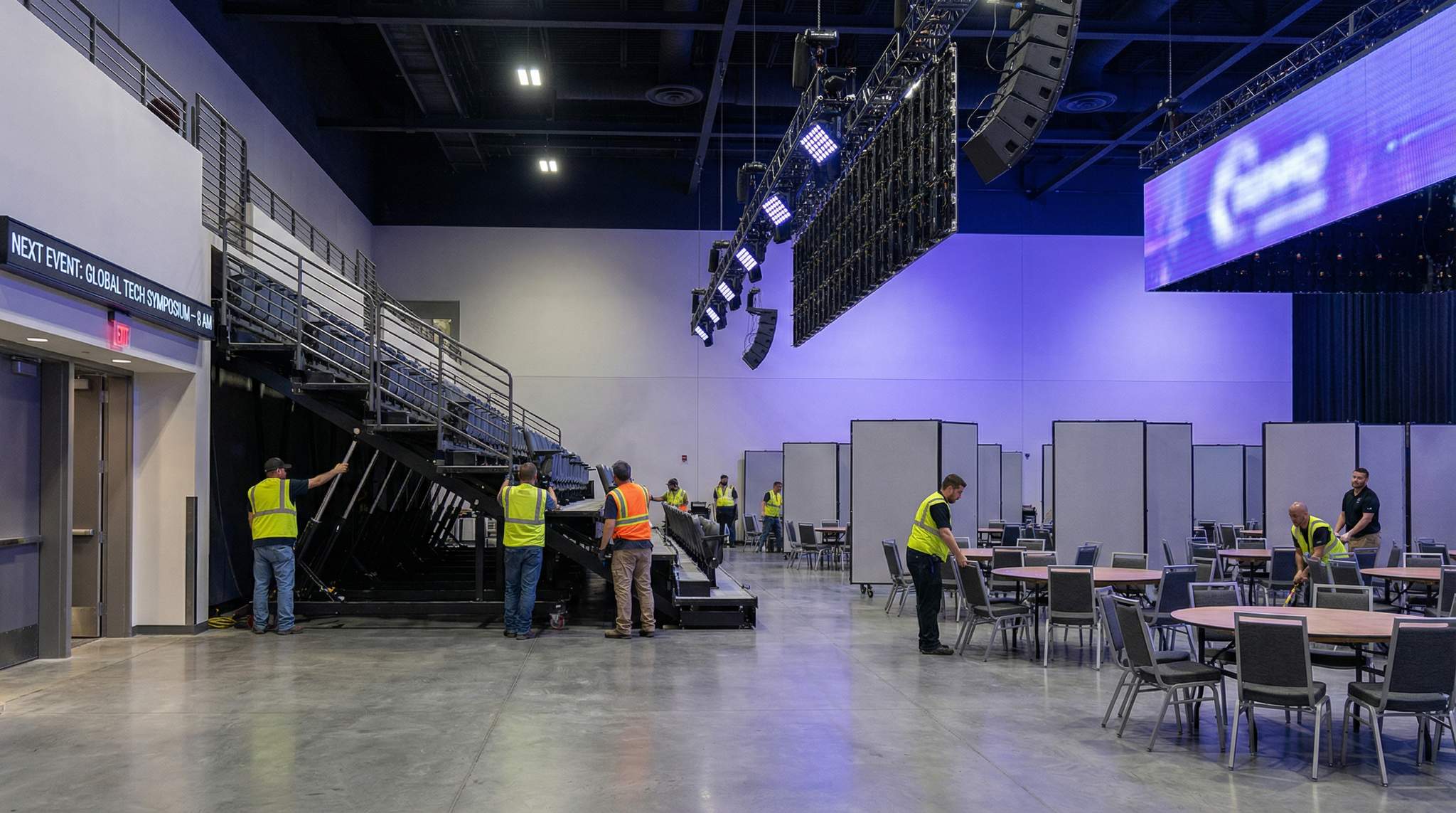
With opportunity comes operational challenge. Flipping from a late-night rock show to a 7AM conference is no small feat if your venue isn’t built for quick changeovers. Traditional venues often require tearing down staging, installing or removing seats, and reconfiguring sound – a process that can take many hours or even days. That downtime is essentially dead time where the space sits idle. It also incurs heavy labour costs (overnight crews, overtime pay) and raises the risk of errors when rushing to set up a completely new format. Modular venue design attacks this problem head-on by making core elements – walls, seating, stages, and tech – reconfigurable at high speed. For instance, one community center in Minneapolis found that upgrading from fixed seating to motorised retractable bleachers cut their room reset time from 4 hours to just 15 minutes, according to Flyon Sport’s case study on retractable seating. When you multiply these savings across dozens of changeovers, the ability to reset a venue in minutes instead of hours unlocks more bookings and significantly lowers staffing costs. The goal is to minimize downtime between events so venues can transition smoothly and safely, delighting promoters and clients with their agility. In the sections below, we’ll explore how smart design makes these rapid transformations possible.
Designing for Maximum Adaptability
Modular Design as a Philosophy
Modularity isn’t just about specific equipment – it’s a design philosophy. It means breaking your venue’s layout and infrastructure into components that can be rearranged or adjusted as needed. Walls become movable panels; seating comes in retractable sections; stages are built from portable risers instead of poured concrete. The payoff is venues that aren’t stuck in one configuration. In 2026, architects and venue designers have embraced this philosophy like never before. Industry trend reports note that modular systems now define modern venue design, with reconfigurable walls and multi-use structures becoming core infrastructure, a trend highlighted in Highmark Tech’s 2026 event structure report. The approach is “build smarter, not bigger” – every design element should ideally do more than one job. An investment in modular fittings up front translates to a space that can evolve with trends and handle whatever events the future brings. Experienced venue managers know that adaptability is an asset; venues built with flexibility in mind are far less likely to become obsolete or underutilised as event styles change.
Free Tool: Size Your Festival Site
Zoned capacity planning for arena, campsite, parking and entry lanes — against UK Purple Guide and NFPA density standards. Finds your bottleneck zone.
Transitioning a traditional room into a truly modular event space requires a shift in operational mindset. It is about viewing the building’s footprint as a dynamic canvas rather than a static container. By integrating modular event structures—such as deployable staging pods, temporary mezzanine levels, and scalable truss arches—operators can continuously reinvent the attendee experience. This strategic approach ensures that the facility remains highly competitive, capable of securing diverse bookings that range from intimate VIP showcases to sprawling, multi-zone trade exhibitions.
At its core, creating a truly flexible performance space means prioritizing operational agility over rigid architectural statements. Whether you are managing a black-box theater or a multi-hall complex, the goal is to build an environment that bends to the creative vision of the incoming production rather than forcing the production to fit the room. This adaptability not only attracts a wider caliber of touring acts but also significantly reduces the friction—and cost—associated with complex load-ins.
Ready to Sell Tickets?
Create professional event pages with built-in payment processing, marketing tools, and real-time analytics.
Planning Flexibility from Day One
The optimal time to bake in flexibility is during initial venue planning and construction. Working with architects who specialize in multi-purpose entertainment spaces is key. They will incorporate features like ceiling grids with ample rigging points, retractable seating pits, and flat floor areas that can convert to tiered seating at the push of a button. When designing a new venue with future flexibility in mind, it’s wise to anticipate the range of events you aim to host. For example, if concerts and conferences are both on the agenda, the plans might include under-seat cabling conduits for quick tech changeovers, or loading bays large enough for trade show exhibits. Building code considerations like extra emergency exits or increased floor load capacity can be addressed upfront to accommodate different layouts later. The result is a future-proof venue that can gracefully handle anything from a black-tie awards dinner to a full-contact MMA fight night. As a bonus, purpose-building these capabilities is often cheaper than retrofitting them later. Spending, say, 5–10% more on construction for retractable fixtures can save huge sums down the line by avoiding one-off rentals and reconstruction for special events. In short, plan modularity early, and your venue will be born ready to shape-shift.
When evaluating modern entertainment venue design, operators must look beyond the stage. Effective event venue design requires a holistic approach to patron flow. Venue circulation design—how crowds move from the box office to the bars, restrooms, and exits—dictates the operational success of a space just as much as its aesthetic appeal. For instance, the most efficient expo venue designs for logistics and movement utilize wide, unobstructed concourses and modular registration hubs that prevent bottlenecking during peak ingress.
Mastering Venue Circulation Design
When conceptualizing a truly adaptable space, mastering venue circulation design is paramount. It is not enough to simply drop modular walls into a room; operators must map out how patrons, staff, and production crews will navigate the shifting floor plans. Effective venue design anticipates the friction points of different event types. For example, a layout that works flawlessly for a seated theater crowd might create dangerous bottlenecks during a high-energy general admission concert. By utilizing digital twin software and crowd flow modeling during the initial design phase, facility managers can ensure that arterial hallways, VIP entrances, and emergency egress routes remain unobstructed regardless of the configuration. This proactive approach to spatial planning guarantees that the physical architecture supports both operational efficiency and a premium guest experience.
Retrofitting Older Venues for Flexibility
What if your venue is decades old and wasn’t built with such foresight? The good news is retrofits are possible to introduce modular elements – though they require creativity and care, especially in heritage sites. Many historic theaters and halls are finding ways to embrace modern upgrades without losing their soul. This can include installing removable seating on top of sloped historic floors, or using temporary flat platforms to level an orchestra pit when more stage space is needed. Modular acoustic panels can be added in visually discreet ways (painted to match ornate interiors) to provide flexibility for different sound needs. Even load-bearing walls can sometimes be replaced with movable partition systems if structural engineers give the green light and preservation authorities approve. For example, some centuries-old European opera houses have added motorized stage lifts and backdrops that enable faster scene changes and event setups, all while preserving the venue’s historic appearance out front, as described in Barbour Product Search’s article on modular walls. Of course, retrofitting comes with challenges – you must ensure new systems meet modern codes and don’t damage the original architecture. It’s a balancing act of old and new. Engaging consultants who have experience with adaptive reuse of venues is invaluable. They can identify which aspects of an older building can be made flexible (and how) versus what must remain fixed. With thoughtful planning, even an 1920s art deco theater can hide 2026-era modular tricks up its sleeve, keeping it competitive with the slickest new arenas.
Free Tool: Split Tickets for Max Gross
Given capacity and a target price, the optimizer proposes Early Bird / GA / VIP allocations and prices — with projected gross at 100%, 80% and 60% sell-through.
Balancing Investment and ROI
One common concern is cost: modular solutions often require significant capital investment. Retractable seating, movable wall panels, and high-tech acoustic systems aren’t cheap. Venue operators must weigh these costs against the projected revenue gains and savings in operational efficiency. In many cases, the math works out strongly in favor of modular investment. For example, an extendable stage or seating system might cost a few million dollars, but if it enables 20 additional shows per year at $50,000 gross each, that’s $1M extra income annually – paying back the investment in just a few years. Additionally, reusable infrastructure reduces ongoing costs: instead of spending on temporary stage rentals or nightly tear-down crews, the venue can handle things in-house with minimal labour. There are also less tangible returns, like stronger relationships with promoters (who value venues that make their lives easier with quick changeovers and adaptable layouts). When building the business case, consider not just more event bookings but also savings from avoiding costly one-off constructions. Many venues have found that a modular wall system paid for itself after a couple of large conventions, simply by eliminating the need to build and remove drywall partitions for each show. To maximise ROI, some operators phase in modular upgrades over time – tackling critical bottlenecks first (like seating or staging that limit event types) and expanding flexibility step by step. By tracking metrics such as utilisation rate, changeover hours, and revenue per event, you can pinpoint which modular features deliver the biggest bang for the buck. In essence, think of modular design elements as revenue-generating assets, not expenses – they open the door to more business.
Movable Walls and Adaptive Zones
Reconfigurable Wall Systems
One of the most powerful tools for a shape-shifting venue is the movable wall (partition) system. These are often track-mounted or modular panel walls that can be rolled or folded out to split a space, or just as easily collapsed to open a room up. Gone are the days of calling in contractors to build temporary drywall rooms for each new event. Modern venues install high-quality airwalls or panel systems that slide into place in minutes, instantly turning one large hall into two or three smaller ones. For example, a convention center might subdivide a massive exhibition hall into a plenary ballroom plus breakout meeting rooms by configuring partitions. These panels are designed to provide good sound insulation and a polished look – often with integrated doors, soundproofing cores, and finishes that match the permanent walls. As a result, attendees often can’t tell a “wall” was not permanent. According to event infrastructure experts, modular walls have become core venue infrastructure because they support fast conversions and even sustainability goals, as noted in Highmark Tech’s trends analysis. By reusing the same panels for each event, venues cut down on construction waste and labour. Flexibility is unparalleled: need a separate VIP lounge for tonight’s gala? Just slide some walls into place. Want an open floor plan tomorrow? Stack the panels away in their discreet storage pocket. Smart planning locates storage recesses in walls or ceilings so the partitions hide completely when not in use.
Grow Your Events
Leverage referral marketing, social sharing incentives, and audience insights to sell more tickets.
When evaluating movable wall systems for a multi-purpose facility, acoustic integrity is just as critical as visual appeal. A high-quality soundproof movable partition wall allows a venue to host a booming corporate keynote right next door to a quiet VIP breakout session without audio bleed. Today’s acoustic movable walls feature advanced interlocking seals and dense sound-absorbing cores, achieving STC (Sound Transmission Class) ratings that rival permanent drywall. For expo centers and large halls, deploying movable exhibition walls not only dictates crowd flow but also creates premium, sellable booth spaces that feel permanent to attendees.
When budgeting for these upgrades, venue owners often weigh the initial modular walls cost against long-term operational savings. While installing permanent track-mounted systems requires upfront capital, operators can also opt for a temporary modular wall system. These freestanding modular wall panels are ideal for historic buildings or leased spaces where ceiling tracks aren’t feasible. Many production vendors even offer a temporary modular wall system rental for one-off mega-events, allowing venues to test-drive the flexibility before committing to a purchase. Whether you choose a rental or invest in high-end modular demountable wall systems, the ability to rapidly deploy modular partition walls with integrated doors transforms a static room into a highly profitable, multi-use asset.
Creating Multiple Zones Under One Roof
Movable walls allow venues to host multiple activities simultaneously. This can dramatically increase a venue’s utility – for instance, an exhibition centre could host a trade show in one section, while another part of the hall is set for a product launch, all separated by soundproof partitions. In music venues and nightclubs, temporary walls or curtains can block off sections to create more intimate “rooms” for smaller events or to section off an under-18 area, etc. The key is a venue layout that has track lines or modular grid points where partitions can latch on to form secure separations. When designed well, these zones each have their own entrances/exits and access to amenities so that they function independently. It’s common for large venues to have built-in combinations – e.g. a 5,000 sq/ft ballroom can split 50/50 or 70/30 with different wall placements. Floor markings or digital systems help crews position everything exactly. By tailoring room size to each event, you avoid the pitfall of half-empty giant spaces or having to say no to small rentals. Mid-size venues especially benefit: instead of sitting empty on weeknights, they can run a yoga class in a side partition while a band rehearses on stage behind a sound partition. Some performing arts centers even use modular pods or shipping containers inside warehouses to create pop-up smaller venues that can be moved around. The possibilities for multi-zone layouts are endless, limited only by imagination – and perhaps fire codes (you must ensure each temporary room still has proper exit routes and doesn’t exceed capacity or noise limits for that zone).
Rapid Room Transformation in Practice
How quickly can walls actually move? With good design – incredibly fast. Many modern partition systems are motorized or counterweighted so that a single technician with a push of a button can deploy or retract a wall in minutes. Even manual wall panels are built for efficiency: panels glide on overhead tracks with ball-bearing rollers, and they lock together with lever mechanisms, avoiding the need for tools. A skilled crew can reconfigure a conference center floor during a short lunch break, turning a plenary room into four breakout rooms in, say, 30 minutes or less. Compare this to the old approach of building temporary walls overnight with a construction crew – it’s a night-and-day difference. Training your staff on the specific wall system is important, as is regular maintenance (so nothing jams when time is of the essence). There are cautionary tales of poorly maintained partitions that got stuck mid-move, delaying events – don’t skimp on upkeep. Safety is also paramount: always ensure partition walls are properly latched and any required exit signage is updated after a reconfiguration. Many high-end systems include sensors that confirm positive locks or even integrate with fire alarm systems to automatically retract partitions in an emergency for faster egress. Operationally, venues often develop a “room flip” checklist for partition moves, similar to a stage changeover checklist. This covers who is responsible for moving the walls, verifying alignment, testing door functionality, and resetting HVAC or tech for the new room setup. With preparation and the right hardware, dividing or combining spaces becomes just another routine task – quick, safe, and completely transformative for your venue’s functionality.
Interactive Seating for Every Venue
Let fans pick their perfect seat with interactive venue maps. Supports reserved seating, section-based pricing, and real-time availability.
Flexible Seating Configurations
Retractable and Telescopic Seating
Perhaps the most game-changing modular element for many venues is retractable seating. These systems (also known as telescopic bleachers or retractable tribunes) allow seating rows to fold or slide away, turning a seated auditorium into an open floor – or vice versa – with minimal effort. Modern retractable seating isn’t the rusty gym bleachers of yesteryear; we’re talking motorized, smooth, and safe systems that can deploy hundreds of seats at the push of a button. When retracted, they free up a huge amount of floor space. Venue operators report being able to free up 80–95% of their floor area in minutes by retracting seats to the wall storage position, a capability highlighted in Flyon Sport’s article on versatile venue solutions and their guide to multi-purpose halls. For example, a mid-size community theatre with 500 retractable seats can transform into a flat-floor hall for a standing concert or banquet with ease. In one case, a university arena removed the first several rows of fixed concrete seating and replaced them with retractables, instantly gaining a much larger floor space for concerts and special events, a strategy discussed in Athletic Business’s facility management guide. Those retractable rows can slide in and out in under an hour, or even minutes for smaller systems. Many come with self-leveling mechanisms and stored power, so setup requires minimal manual labour. The benefit is clear: ultimate flexibility between seated and standing configurations, as well as different seating capacities. Venues can sell reserved seating shows one night, then offer general admission standing the next by tucking the chairs away. Additionally, maintenance and lifespan of these systems are impressive – built with heavy-duty materials, they can endure daily extension and retraction if properly serviced. Manufacturers continuously innovate features like fold-out cupholders, automatic railings, and safety sensors to prevent any mishaps.
For operators wondering exactly what is retractable seating in a modern context, it goes far beyond basic gym bleachers. Today’s retractable seating systems are highly engineered architectural elements. When evaluating a new layout, venue managers must collaborate closely with a specialized retractable seating manufacturer to ensure the load-bearing specs match their programming. Whether you are installing plush retractable theater seating for a performing arts center or rugged retractable stadium seating for a sports arena, these retractables are custom-built to blend seamlessly into the broader venue design. The ROI on these systems is undeniable, as they allow a single room to pivot from a 1,000-cap seated lecture to a 2,000-cap standing room gig in under an hour.
Convertible Floor Plans: Seated to Standing (and Beyond)
Having retractable or removable seats unlocks a myriad of floor plan configurations. A common scenario is switching between a fully seated theater layout and a general-admission (standing room) layout. For instance, an arena might seat 15,000 for a basketball game, but for a concert they retract lower bowl seats to allow standing fans on the floor and perhaps reduce capacity to create a more intimate atmosphere. Smaller clubs and halls get creative too – using stackable or folding chairs that can be rapidly deployed for a cabaret-style seated comedy night, then piled away to clear the dance floor for a DJ event. The goal is to avoid “one-size-fits-all” fixed layouts. Instead, venues maintain an inventory of seating and riser options to mix-and-match as needed. Telescopic seating systems often include multiple stop points; you don’t have to extend all rows if you only need half the seats, for example. Couple that with modular floor panels (some venues have sub-floor systems that can switch between flat and sloped setups), and you can cater to any event format. Picture a conference with round banquet tables in the morning, converted into theater rows for a keynote speaker by afternoon – all in the same hall. It’s doable with proper equipment and crew coordination. Importantly, adaptive layouts also improve the guest experience: you can right-size the space. No more awkwardly small crowds in a huge cavernous hall – you simply deploy only the seating needed and close off unused sections. Conversely, for a sold-out show, flexible seating lets you squeeze in extra capacity safely by opening up standing sections or adding rows as permitted. This adaptable approach keeps the venue feeling full and energised for every event.
Temporary Seating Solutions for Scalable Events
While built-in retractable systems are ideal for rapid changeovers, operators must also consider versatile temporary seating solutions to handle unexpected capacity demands or unique floor plans. These setups range from high-density interlocking floor chairs for a flat-floor comedy show to modular, pop-up grandstands erected for a weekend esports tournament. The primary advantage of short-term seating infrastructure is its low barrier to entry; venues can rent or deploy these assets only when a specific event’s ticketing strategy demands it. When evaluating portable chair options or temporary bleachers, venue managers should prioritize inventory that is lightweight, easy to stack on transport carts, and compliant with local fire codes regarding aisle widths and floor fastening. By maintaining a reliable vendor network for supplemental seating, a venue can confidently bid on a wider variety of programming without permanently altering its architectural footprint.
Adaptive Capacity Management
For operators wondering exactly what is retractable seating in a modern context, it goes far beyond basic gym bleachers. Today’s retractable seating systems are highly engineered architectural elements. When evaluating a new layout, venue managers must collaborate closely with a specialized retractable seating manufacturer to ensure the load-bearing specs match their programming. Whether you are installing plush retractable theater seating for a performing arts center or rugged retractable stadium seating for a sports arena, these retractables are custom-built to blend seamlessly into the broader venue design. The ROI on these systems is undeniable, as they allow a single room to pivot from a 1,000-cap seated lecture to a 2,000-cap standing room gig in under an hour.
Smooth Entry With Mobile Check-In
Scan tickets and manage entry with our mobile check-in app. Supports photo ID verification, real-time capacity tracking, and multi-gate coordination.
Convertible Floor Plans: Seated to Standing (and Beyond)
Having retractable or removable seats unlocks a myriad of floor plan configurations. A common scenario is switching between a fully seated theater layout and a general-admission (standing room) layout. For instance, an arena might seat 15,000 for a basketball game, but for a concert they retract lower bowl seats to allow standing fans on the floor and perhaps reduce capacity to create a more intimate atmosphere. Smaller clubs and halls get creative too – using stackable or folding chairs that can be rapidly deployed for a cabaret-style seated comedy night, then piled away to clear the dance floor for a DJ event. The goal is to avoid “one-size-fits-all” fixed layouts. Instead, venues maintain an inventory of seating and riser options to mix-and-match as needed. Telescopic seating systems often include multiple stop points; you don’t have to extend all rows if you only need half the seats, for example. Couple that with modular floor panels (some venues have sub-floor systems that can switch between flat and sloped setups), and you can cater to any event format. Picture a conference with round banquet tables in the morning, converted into theater rows for a keynote speaker by afternoon – all in the same hall. It’s doable with proper equipment and crew coordination. Importantly, adaptive layouts also improve the guest experience: you can right-size the space. No more awkwardly small crowds in a huge cavernous hall – you simply deploy only the seating needed and close off unused sections. Conversely, for a sold-out show, flexible seating lets you squeeze in extra capacity safely by opening up standing sections or adding rows as permitted. This adaptable approach keeps the venue feeling full and energised for every event.
Temporary Seating Solutions for Scalable Events
While built-in retractable systems are ideal for rapid changeovers, operators must also consider versatile temporary seating solutions to handle unexpected capacity demands or unique floor plans. These setups range from high-density interlocking floor chairs for a flat-floor comedy show to modular, pop-up grandstands erected for a weekend esports tournament. The primary advantage of short-term seating infrastructure is its low barrier to entry; venues can rent or deploy these assets only when an event’s ticketing strategy demands it. When evaluating portable chair options or temporary bleachers, venue managers should prioritize inventory that is lightweight, easy to stack on transport carts, and compliant with local fire codes regarding aisle widths and floor fastening. By maintaining a reliable vendor network for supplemental seating, a venue can confidently bid on a wider variety of programming without permanently altering its architectural footprint.
Adaptive Capacity Management
Modular seating and layouts also give venue managers fine-grained control over capacity and crowd flow. Many large arenas have curtain systems to section off upper decks or partially cover seating sections, enabling a “half-house” setup. For example, an arena might scale down from 20,000 capacity to a more intimate 8,000 by curtaining off one end and not deploying certain retractable sections. These adjustable capacities allow venues to book a wider range of event sizes without the space ever feeling empty or overly cramped. It’s a strategic advantage: promoters love venues that can flex to fit their expected draw. Less scaling risk means more bookings. To manage this effectively, modular venues often maintain multiple official capacity configurations in their licensing – e.g. certified for max capacity in full setup, and alternate certified numbers for common partial setups (which is important for safety and permit compliance). On the fly, staff can then adjust staffing, concessions, and security plans based on the chosen config for the night. Staff training is crucial here: stewards need to adapt to different seating maps, emergency exit routing may change slightly with different layouts, etc. But with clear diagrams and drills, teams can handle it. Some venues use digital twin simulations to model crowd flow in various configurations, identifying any pinch points when, say, standing GA sections are added, as outlined in Ticketfairy’s guide to creating the perfect floor plan and maximizing audience comfort. The result is that entry queues, bar service, and restroom access are optimised for each layout. In terms of revenue, adaptive capacity means you’re never turning away viable mid-sized events (by being “too large” a room) and also not leaving money on the table (by under-sizing when more fans could’ve attended), which is crucial for maximising each event’s potential while maintaining safety and comfort.
Table: Real-World Modular Venue Transformations
| Venue & Location | Modular Transformation | Capacity Range | Changeover Speed |
|---|---|---|---|
| Vendéspace (France) – sports arena & classical hall | Uses retractable seating and advanced acoustic system to switch between sports events and symphony concerts | ~2,300 seats (lyric mode) up to 4,900 (amplified concert), as detailed in Sound Forums’ coverage of the installation | Stage and acoustic configuration changed in hours; acoustic presets instantly adjustable |
| The Shed (NYC, USA) – arts center | Building features a gigantic movable shell that slides out to create a 17,000 sq ft extra hall (McCourt) or retracts for an open plaza | 1,250 seated / 2,000 standing in extended hall, according to Cooperator News’ feature on the venue; 0 when retracted (open-air plaza) | Shell deploys on rails in under 10 minutes; interior reconfiguration ~1 hour |
| Staples Center (LA, USA) – arena (NBA/NHL) | Half-house curtaining system and retractable lower bowl seats allow conversion from basketball to hockey to concerts | ~19,000 (NBA game); ~18,000 (NHL with ice); 20,000+ (concert with floor GA) | Basketball-to-hockey in ~2 hours; sports-to-concert overnight (ice covered with floor panels) |
| Riverside Community Center (Minneapolis) – community hall | Replaced fixed seating with a motorized retractable bleacher system; removable floor panels for stage area | ~500 seats (theater) or up to 1,500 standing (floor cleared) | Full room flip (seated to open floor) in 15 minutes, as reported in Flyon Sport’s case study |
| O2 Arena (London, UK) – large arena | Flexible seating tiers and draping create smaller venue modes (e.g. “Theatre Mode” using only half the arena) | ~20,000 (full arena); ~4,000–12,000 (scaled-down configurations) | Mode change in a few hours (installing drapes, adjusting seating blocks) |
Modular Stages and Structures
Portable Staging Platforms
Semi-Permanent and Pop-Up Structures
Beyond stages, consider other semi-permanent structures that can enhance flexibility. These are elements that can be added or removed in a venue for extended periods without being true permanent construction. Examples include mezzanine balconies, additional truss grids, or even temporary seating grandstands. Some large venues, for instance, install bolt-on balcony sections at the back of a floor to increase seated capacity for a theatre-style show, then remove them to clear space for general admission concerts. These structures are engineered for safety but designed to be demounted when not needed. In clubs or ballrooms, operators have experimented with temporary second-level platforms (built with scaffolding or modular steel framing) to create VIP viewing decks or extra hospitality lounges above the main floor. Such additions can often be erected in a day or two and provide new revenue opportunities (think VIP ticket upgrades), then disappear after the event run. Another area is temporary roofing or enclosures – for venues that have an outdoor component, modular tents or domes can cover a space for weatherproofing, then be removed in fair weather. For example, an amphitheatre lawn might get covered by an all-weather dome for a winter concert series, effectively turning it into an indoor venue for a season. The key with semi-permanent installations is to work closely with structural engineers and permitting authorities. Just because it’s “temporary” doesn’t exempt it from building codes; you need proper load calculations, fire safety measures, and often inspections each time it’s erected. When done right, these pop-up structures give venues incredible flexibility to expand or reconfigure beyond the constraints of the original building. They embody the “shape-shifting” spirit by allowing the very architecture of the venue to change over time.
Knowing how to configure event space with modular structures effectively is a core competency for today’s production teams. It’s not just about the main stage; it extends to the patron journey. For instance, deploying a modular trade show entrance arch design can instantly brand a generic expo hall for a corporate client, then be dismantled and re-skinned for a consumer convention the following day. These scalable, temporary structures give promoters the visual impact of a custom build without the prohibitive costs or multi-day load-ins.
Automated Waiting Lists for Sold-Out Events
Capture demand when tickets sell out and automatically notify waitlisted buyers when tickets become available through cancellations or resale.
Flexible Rigging and Grids
Look up – a lot of modular magic happens in the rafters. Flexible rigging systems are a cornerstone of quick transformations. This starts with having a high capacity ceiling grid or beam structure that spans the venue, allowing rigging of lights, speakers, and scenic elements anywhere overhead. Traditional venues often have fixed rigging points that limit stage placement or audience orientation. By contrast, a modular venue might install moveable rigging points or track systems in the ceiling. Some theaters have lighting bridges that can slide to different positions, or motorized trusses that lower down for easy equipment changeover and then raise back up. Furthermore, pre-installed hoists and motors can drastically cut time required to swap setups – for example, permanently mounting a set of chain hoists on the ceiling means when a touring production comes in, they can rig their lighting in a fraction of the time, since motors are already there and rated. Versatile venues also maintain multiple rigging plots: one day you hang a center cluster PA for a conference, next day a distributed concert line-array – and your roof can accommodate both with patchable hanging points. Modern arena designs even incorporate 360-degree rigging grids, so they can do in-the-round concert setups or cover an ice rink with performance acts suspended above. An often overlooked aspect is the load monitoring systems – advanced venues use sensors on rigging points to monitor weight and ensure loads stay within limits for each configuration, which adds safety and allows pushing the envelope in terms of creative hanging setups. In short, a ceiling designed for flexibility, coupled with ample power and network tie-ins overhead, means the venue can physically support almost any production’s requirements without needing additional infrastructure. That’s a huge selling point for event organizers. It also dovetails with fast changeovers: if your lighting and sound can remain flown and just be re-focussed or patched between events, you save hours compared to de-rigging and re-rigging from scratch. Modular rigging = less climbing, less time, and more show possibilities.
This level of overhead adaptability is particularly evident in major entertainment hubs. For example, many LA immersive venues with flexible rigging have set a new standard for production value. By utilizing motorized grid systems and patchable hoists, these Los Angeles-based spaces can seamlessly transition from a 360-degree projection-mapped art exhibition to a high-octane corporate product launch without requiring external structural support. This capability not only reduces load-in times but also empowers promoters to execute highly complex, multi-sensory event designs.
Beyond the creative possibilities, the operational ROI for these Los Angeles immersive spaces is substantial. When a facility can hang a massive, multi-ton LED volume for a weekend brand activation and then strike it overnight using pre-programmed motorized hoists, the labor savings are immense. This rapid turnaround is exactly why flexible venue infrastructure is becoming a mandatory baseline rather than a luxury upgrade in highly competitive markets. Promoters actively seek out these adaptable rooms because they drastically reduce the risk and cost associated with complex, multi-day load-ins.
Extreme Engineering: Moving Entire Venues
At the most ambitious end of modular design, some venues literally move building segments to adapt. A famous example is the Tottenham Hotspur Stadium in London, which has a retractable grass football pitch that splits into three steel trays and slides beneath the south stand to reveal an artificial turf field for NFL games, an engineering feat detailed in Ingenia’s article on the retractable pitch. This engineering feat allows a complete swap from soccer to American football configuration in a single day – essentially two different venue surfaces in one stadium. Another example is arenas that convert to aquatic centers by installing temporary pools or ice rinks over the floor, then removing them. While not every venue will need something as complex as a sliding field, these examples show that with creative engineering, nothing is off the table. Modular design can mean elevating or hiding entire sections. Dancers and pop stars have performed on stages that entirely reconfigure during a show – venues are taking a cue and building in that level of adaptability. We now see theaters with seats that can disappear under the floor, or revolve to change sightlines. The Shed arts center in New York, as mentioned, rolls out a giant shell to create an entirely new cavernous space when needed. These are essentially transformer buildings, and while they require heavy investment, they future-proof the venue in spectacular ways. It’s worth noting the operational side: these complex systems need dedicated technicians and frequent testing. A retractable pitch involves hundreds of sensors, motors, and a backup plan if something fails mid-move. But when it works, it’s a marvel – a venue can host a football match in the afternoon and a stadium concert that same night, or an opera one day and a basketball game the next, with the very structure of the venue shifting to accommodate. It doesn’t get more modular than that!
Multi-Level and Expandable Layouts
Deployable Balconies and Multi-Level Viewing
If your venue has vertical space, leveraging multi-level layouts can add flexibility. Some venues incorporate balconies or mezzanines that can be opened or closed depending on the event. For example, an arena might have a upper balcony that is only used for concerts when maximum capacity is needed, but closed off for smaller events to keep the crowd concentrated on the main floor. The closure could be done with curtaining or even automated shutters that hide the upper deck when not in use. In smaller venues, there are instances of fold-away balconies – sections of a second level that can be physically lifted or rolled back. One creative solution in a European hall saw a balcony that can lower its front railing and fold its seating, essentially converting into a flat wall when not needed. More commonly, venues create modular risers or VIP platforms that add an intermediate level. For instance, a club could install a temporary VIP deck at the back of the room (accessible via portable stairs) to create a two-tier experience for a sold-out show, then remove it to return to one level for a lounge night. The benefits of multi-level options include improved sightlines (steeper seating banks when deployed), tiered ticket pricing opportunities (upstairs VIP sections), and better utilization of vertical volume. The challenge is ensuring structural safety – any deployable balcony must support loads and sway just like a permanent one. As always, consult engineers and get necessary approvals. With careful design, multi-level flexibility can make a venue feel cozy for small events and impressively grand for large ones, all within the same footprint.
Transforming Venue Shape and Size
Modular design also means a venue can shrink or expand its usable footprint. This can be achieved with techniques like moveable walls (covered earlier) or even moveable exterior walls. Some outdoor amphitheaters have sliding roof panels and walls that can enclose the stage house for a smaller indoor feel during offseason, then open up completely in summer. In indoor venues, curtains and drapes are the classic tool to “resize” the room. Heavy theatre drapes can be used not just at the back of a stage, but around a venue’s sides or ceiling to section off unused areas. For example, to convert a big arena into a more intimate theatre, venues will drape off the upper bowl and sometimes even bring forward a false proscenium or curtain that essentially blocks off the rear part of the arena, creating a new “back wall” closer to the stage. This reduces volume (helping acoustics too) and focuses the audience in a smaller area. Such transformations can often be done mostly with rigging and soft goods – making them quick and reversible. We’ve seen innovative use of inflatable or air-filled structures as well, where large air walls or shapes are installed to cordon spaces (one Dutch venue used inflatable barriers to partition a hall during multi-genre music festivals, as they could be erected and removed rapidly). An important consideration when changing shape/size is egress and safety: if you close off part of the hall, you must ensure the remaining exits are sufficient for the smaller capacity and that closed sections don’t trap anyone. Effective signage and staff briefing is needed whenever the venue footprint changes. When done properly, these adjustments allow a venue to always feel “right-sized” – no matter if 500 or 5,000 people show up.
Free Tool: Price Your Venue Like a Pro
Capacity, city tier, day of week and amenity mix produce a suggested rate band and a full day-by-day rate card for your space. Free estimator.
Indoor-Outdoor Hybrid Configurations
Another kind of flexibility is being able to operate as both an indoor and outdoor venue. Many amphitheaters and stadiums are embracing this hybrid model. A prime example is venues with retractable roofs or skylights that can open for an outdoor atmosphere or close for weather protection and acoustics. Some amphitheater designs include movable side wall panels or sliding doors that can enclose the stage and seating areas, effectively turning an outdoor venue into an indoor one for certain events. This shape-shifting can extend the usable season (no rain-outs or winter cold issues when closed) and attract events that require darkness (e.g. video or laser shows) even during daytime. Even if your venue isn’t built with a literal retractable roof, you can mimic this flexibility with modular canopy structures. For instance, a courtyard or open-air section adjacent to a venue could have a temporary tent installed to become a covered stage for special events, then removed later. We’ve also seen “garage door” style walls on modern event spaces – giant roll-up glass doors that can open an entire side of a building to merge indoor and outdoor areas. This is great for venues that host fairs or festivals where part of the event is outside; you can blend the environments easily. The Shed in NYC is an extreme example: its entire shell moves to create an open-air pavilion when retracted, described by Cooperator News as a main feature of the arts center. The key to indoor-outdoor modularity is ensuring the infrastructure supports both modes – e.g., climate control that can shut off in open-air mode, drainage for when the roof is open, and acoustics that work both with and without the enclosure (often tuned via adjustable systems as we’ll discuss next). As consumer expectations evolve, having a venue that can give both under-the-stars ambiance and controlled indoor comfort is a definite competitive edge.
Acoustic and AV Adaptability
Adjustable Acoustics for Multiple Uses
One of the toughest challenges in a multi-purpose space is acoustics. The sound requirements for different events vary wildly: a classical orchestra wants rich natural reverb, a keynote speech needs clarity with minimal echo, and a rock concert demands controlled power without muddying. How can one venue accommodate all? The answer is modular acoustic design. Many venues deploy adjustable acoustic elements such as heavy curtains, banners, or acoustic panels that can be extended or retracted. For example, large velour drapes hidden in the ceiling can be lowered to ring the upper walls during a speech or seminar, soaking up excess echo, then raised out of sight for a concert where you want the room to feel “live.” Some concert halls use moving acoustic reflectors – panels or canopies above the stage that can change angle or position to direct sound differently. In the last decade, high-tech solutions have emerged as well: electronic acoustic enhancement systems. These systems, like Meyer Sound’s Constellation or L-Acoustics’ L-ISA, use microphones, digital processors, and an array of speakers to artificially modify a room’s acoustic response at the press of a preset. A remarkable example is the Vendéspace arena in France, which doubles as both a sports arena and a symphony hall. The venue was built acoustically “dry” (to suit sports and amplified events) and uses a Constellation system to add convincing concert-hall reverb when needed, as detailed in Sound Forums’ analysis of the Vendéspace installation and their report on the system selection. In its classical configuration, the system can make a 4,000-seat arena sound like an intimate concert hall, then be turned off for a rock show or sporting event. Multiple presets allow fine tuning – one for spoken word, one for chamber music, one for full orchestra, etc., as described in Sound Forums’ coverage of the venue’s versatility. For venues that can’t invest in such tech, the analog methods (curtains, panels) still work wonders. The key is to analyse your room’s acoustics and identify ways to add or remove absorptive material and change diffusion on demand. Even movable seating impacts acoustics – an empty floor vs. raked seating will change echo patterns. Experienced operators will do a sound check and possibly deploy quick fixes like additional drapery if an event’s acoustics aren’t quite right. By treating acoustics as adjustable, a venue ensures every event sounds its best.
Mastering venue acoustics design is what separates a good room from a world-class performance space. In dedicated concert venue design, the architecture naturally supports live music, but in a multi-purpose facility, you have to engineer that environment artificially. Whether you are scaling down a massive hall or refining a performance venue design for an intimate theater, integrating variable acoustic banners and bass traps ensures that every genre—from a booming EDM set to a delicate acoustic performance—sounds pristine.
This level of control is particularly crucial for modular stadium post-event adaptability. When a massive arena transitions from a roaring weekend sports fixture to an intimate corporate keynote on Monday, acoustic dampening is mandatory. As many veteran audio engineers will attest, in closed position, the curtain drastically changes the atmosphere and acoustics of the hall, instantly cutting reverb times and making a cavernous concrete bowl feel like a dedicated theater.
Sound and Lighting Presets by Configuration
In a shape-shifting venue, the tech systems (audio, lighting, video) must be as flexible as the physical space. This is where savvy programming and presets come in. Modern digital mixing consoles and lighting boards allow you to save scenes or profiles for different setups. For instance, you can program an audio EQ and delay setting for when the room is in half-curtain mode versus full open mode, to compensate for the different acoustics. The same goes for lighting focuses – if your stage moves or your room is partitioned, you can hang lights on moving trusses that reposition for each layout, and the console can recall the correct focus palette for each configuration. Many venues have their tech teams develop a library of show setups: “Conference setup A,” “EDM concert setup,” “Theatre mode setup,” etc. This way, when you physically reconfigure the space, you can also quickly reconfigure the AV settings with minimal reprogramming. It’s a huge time-saver and reduces errors. Additionally, distributed AV systems (like an AV-over-IP network) can route audio and video wherever needed on the fly. In a conference, you might send the presenter’s video feed to breakout rooms – an hour later it might be re-routed to digital signage in the lobby for a concert live feed. By upgrading to networked audio-visual systems, venues ensure that however rooms combine or split, the AV signals can be patched accordingly without pulling new cables every time. Wireless tech also helps here: wireless mics, battery uplights, and portable LED screens that can be plopped into any configuration as needed. The bottom line is that a modular venue’s tech backbone – power, signal, control – should be designed like Lego. Any input can talk to any output, and presets do the heavy lifting to adapt the audiovisual experience seamlessly when the venue changes shape.
Visual Transformations: Lighting and Screens
When switching from one event type to another, it’s not just physical and audio adjustments – the visual ambiance needs to change too. Modular design extends to how you dress the venue for different moods. Enter LED walls, projection mapping, and smart lighting. These technologies let you change the “look” of a space almost instantly. For instance, a neutral conference room setup can transform into an immersive concert environment with a sweep of dynamic lighting and digital backdrops. Many venues invest in LED panels that can be reconfigured – they might serve as one huge screen for an esports tournament one day, then be split into several smaller scenic displays for a product launch. Projection mapping can turn plain walls or even the ceiling into scenery that matches the event theme, without needing any physical decor changes. In terms of modularity, it means you can create a visually unique environment for each event using the same core tech. A great example is theaters that now have LED background walls instead of painted backdrops; a few content clicks and the forest scene for a ballet becomes a city skyline for a conference. Not only does this save tremendous setup time, it also impresses clients with custom branding and immersive visuals at low marginal cost. To do this effectively, venues should leverage immersive visuals with LED walls and projection mapping by having adaptable content and versatile fixtures. Color-changing LED house lights, for example, can shift the venue’s color scheme to match an event’s brand in seconds. Moving-head intelligent lights can be repositioned for different stage locations with memory presets. By embracing these digital modular elements, the venue’s atmosphere becomes as flexible as its layout. It’s the final layer that truly makes a space shape-shift – not just in form, but in look and feel – from edgy club night to corporate chic with the flick of a switch.
Table: Traditional vs. Modular Approaches
| Aspect | Traditional Static Venue | Modern Modular Venue |
|---|---|---|
| Walls & Layout | Fixed walls; any reconfiguration requires construction and days of work. | Movable partition walls and flexible layouts allow room splits or expansion in minutes. |
| Seating | Permanent seating (or none) limits formats; removing or adding seats is labour-intensive. | Retractable and removable seating enables quick shifts between seated and standing plans. |
| Stage | One fixed stage location/size; changing it is impractical. | Portable stage platforms can resize or relocate the stage to suit each event. |
| Acoustics | Static acoustics – often a compromise that isn’t perfect for any one use. | Adjustable acoustics (curtains, panels, or electronic systems) tailor sound to event type. |
| Ambiance | Rigid decor and lighting; major changes require physical redecorating. | Dynamic LED lighting and screens instantly change the venue’s look for each event. |
| Turnover Time | Extensive teardown/setup between different events (lots of crew hours). | Rapid changeovers with minimal labour thanks to pre-built modular systems. |
| Capacity Use | One set capacity; small events feel lost, very large ones can’t be accommodated. | Scalable capacity – sections can close for small events or open fully for large ones. |
| Cost Implication | Lower upfront build cost, but high ongoing labour and lost opportunity cost. | Higher initial investment, but lower operating costs and higher revenue from diverse events. |
Streamlined Operations for Fast Changeovers
Scheduling for Turnover Efficiency
All the modular systems in the world won’t help if you don’t schedule smartly and staff appropriately. Venue operators have learned to be meticulous in calendar planning when multiple event types share the space. The goal is to minimize back-to-back conflicts that even modular design can’t handle. For instance, if you know a full arena concert on Saturday night will take 6 hours to tear down and convert for a Sunday morning conference, you either leave enough time or bring in overnight crews in shifts to get it done. Many veteran venue managers create detailed production schedules mapping out every task in a changeover: when seats retract, when staging is struck, when cleaning happens, when new setup begins, etc. Gantt charts or event management software can visualize these tight timelines. It’s also important to balance staff workloads to prevent burnout when turnarounds are intense – preventing staff burnout through smarter scheduling is crucial to keep the operation sustainable. One strategy is to cluster similar events when possible – for example, book two seated theater shows back-to-back, so minimal change is needed between them, then do a big changeover for a different format after. Another strategy is using secondary spaces for staging: if you have storage or an annex, set up the next event’s props and equipment there in advance, ready to roll in as soon as the main space is free (a practice common in convention centers where tomorrow’s exhibitors queue up outside while tonight’s event loads out). Clear communication with promoters and clients is part of scheduling savvy – everyone should understand the venue’s turnaround needs. By setting realistic constraints (e.g. “we can’t accept a booking less than 8 hours after another ends unless it’s the same setup”), you avoid impossible binds. Smart scheduling aligns the promise of modular design (quick changeovers) with the reality of crew capacity and time, ensuring each event is executed flawlessly without overextending resources.
Cross-Trained Crew and Standard Procedures
Switching a venue’s configuration rapidly requires a highly competent, cross-trained crew. In 2026, the trend is toward multi-skilled venue staff who can jump in across roles – one day they’re setting up chairs, next day they’re focusing lights or even helping at the bar if needed. This flexibility in human resources parallels the physical flexibility of the venue. Leading venues train their staff extensively on all the modular systems: every crew member knows how to operate the retractable seating controls, how to safely move partition walls, how to assemble stage decks, etc. By avoiding siloed roles (“that’s not my department”), you can deploy more hands on whatever the critical path task is during a changeover. Standard operating procedures (SOPs) are the backbone of efficient flips. For each common venue configuration change, have a written, rehearsed procedure with assigned roles. For example, an SOP for “Concert to Conference setup” might list: 1) Audio team strikes band gear and rolls out lectern and conference mics; 2) Stage crew removes drum risers and reconfigures stage platforms to smaller size; 3) Seating crew extends floor seating or sets up tables as needed; 4) Tech team changes lighting presets and lowers projectors; 5) House team prints new signage and resets the lobby. Each step should be timed and accountable. Some venues even do full rehearsals or time trials of room flips during off-hours to train the team and find snags. A culture of teamwork is essential – no room for egos when the clock is ticking. It’s all hands on deck, and experienced managers will often be out there on the floor leading by example during a big changeover. Celebrating the crew after a successful quick flip can boost morale too (pizza at 2 AM after resetting for a morning event goes a long way!). In short, a well-drilled, adaptable crew implementing clear procedures is what brings the modular design capabilities to life efficiently.
Tech and Tools to Streamline Changeovers
Venue operators aren’t shy about using technology to accelerate operations. Modern software and hardware tools can shave precious minutes off turnovers and prevent mistakes. One burgeoning practice is using digital twin simulations of the venue to visualize and plan changeovers in advance, a technique gaining momentum according to Highmark Tech’s industry trends and their report on internal shifts. By simulating venue layouts with a digital twin platform, managers can identify the optimal workflow for, say, moving a wall or re-routing queue lines, and even run “what-if” scenarios (e.g. what if tonight’s load-out runs late – how to catch up?). Some venues have implemented RFID or barcode tracking on equipment like stage deck panels and seat units, so they can monitor in real time that each component has been moved to its proper storage or setup location – an automated inventory check during the chaos of changeover. Drones or AI-powered cameras are even being tested to patrol the venue after reconfiguration and ensure, for example, that all safety cones were removed and no straying equipment is blocking an exit (smart image recognition for safety compliance). On the communication side, instant crew messaging apps and digital checklists (accessible via tablets) keep everyone synced, replacing shouted instructions or paper lists that might get lost. Another huge helper is motorization: invest in motorized cart movers, motorized pallet jacks for heavy platforms, and perhaps even robotic “mules” that can tow seating wagons or stage carts automatically along pre-defined paths. This reduces the physical strain and speeds up transport of gear within the venue. Some innovative venues use augmented reality headsets for crew leads – when they look at a space, the AR overlay can show the target layout, aiding accurate placement of partitions or chairs according to the floor plan loaded. While not every venue will have all these high-tech tools, it’s clear that embracing technology can amplify the advantages of a modular design. It helps ensure that “quick change” is not only quick but also precise and safe, with nothing forgotten in the fray.
For operators asking how to choose venue design software for flexible setups, the key is integration. The best platforms go beyond basic 2D CAD drawings; they offer 3D spatial planning, real-time inventory tracking for modular assets, and predictive crowd flow modeling. Whether you are mapping out a massive arena or optimizing a small music venue design, utilizing robust software allows your production team to visualize sightlines and test emergency egress routes before a single chair is moved.
Safety and Compliance During Changes
Rapid transformations must never come at the expense of safety. In fact, the faster the changeover, the more vigilant a venue must be to double-check everything. Every new configuration needs to comply with fire codes, capacity limits, and structural safety. Smart venues designate a “safety officer” for each changeover, whose role is to walk through after setup and verify all is in order: e.g., aisles are clear, exit signs visible, partitions locked, no temporary cables creating trip hazards, and capacity hasn’t been exceeded in the new layout. This is especially important when using nontraditional setups – for instance, if adding a temporary platform or balcony, you’d inspect all connections and railings carefully. Many jurisdictions require permits or at least advance notice if you substantially change a venue’s layout (for example, turning on festival seating/general admission for a normally seated venue might trigger the need for extra crowd managers or medical staff by regulation). Keeping open communication with local fire marshals and inspectors builds trust that even though your venue shape-shifts, it remains consistently safe and code-compliant. Some venues invite the fire marshal to observe a changeover drill, demonstrating how quickly exits can be reconfigured and showing off fail-safes like automatic partition retraction when alarms trigger. It’s also crucial to update floor plans and evacuation maps for each configuration and have them readily available (many venues use digital signage that can display the relevant evacuation diagram depending on the setup in use). From an operational standpoint, you should schedule in brief buffer times for safety checks – no event should open doors to the public until a supervisor confirms the setup is 100% ready and safe. By institutionalizing these practices, venues ensure that their flexibility never introduces undue risk. The result is peace of mind for operators, and a solid reputation with authorities and clients that “flexible” doesn’t mean unsafe – it means prepared for anything.
Case Studies: Venues in Action
Vendéspace (France): Sports Arena to Concert Hall
When it comes to modular mastery, Vendéspace in Western France is a standout example. This audacious venue was designed to serve two opposing masters: sports and classical music. With 4,000+ seats, it hosts basketball and tennis tournaments, but it’s also used for opera and orchestral concerts – a combination almost unheard of. How do they do it? The building itself was designed as a blank acoustic canvas (very little echo for sports announcements), and then a cutting-edge Meyer Sound Constellation acoustic system was installed to simulate the acoustics of a concert hall at the push of a button, as detailed in Sound Forums’ analysis of the Vendéspace installation and their report on the system selection. Over 50 microphones and dozens of speakers actively adjust the reverberation, essentially reprogramming the room’s sound. In terms of layout, Vendéspace features telescopic seating that allows them to change seating configurations. In “lyric” mode for classical shows, they use a transverse stage setup with about 2,300 seats focused around the stage, according to Sound Forums’ coverage of the venue’s versatility, creating an intimate hall within the arena. For sports, they open up floor seating to reach around 4,100 seats, and for a big amplified concert they can go up to 4,900 capacity with standing room, as noted in Sound Forums’ detailed capacity report. The transformations are planned to the last detail: a removable stage extension allows a deeper platform for the orchestra, while that space is open floor during sports. Heavy velvet curtains can be deployed along the upper walls to dampen sound for spoken-word events. The result is a venue that truly shape-shifts – one evening locals are cheering a volleyball match, the next they’re listening to a symphony in the same hall, marvelling at how different it feels. Vendéspace’s success shows that with investment and ingenuity, even the most extreme multi-use goals can be achieved. The local government saved money by building one venue instead of two, and now the community benefits from a steady flow of diverse events year-round in a single space.
The Shed (USA): Architecture on Wheels
New York City’s The Shed takes modular design to a breathtaking architectural level. Opened in 2019, The Shed is an arts center with a movable shell – an entire building section on wheels. This steel-and-ETFE (a type of plastic cushion) shell can roll out on rails to cover an adjacent plaza, creating a huge enclosed performance space called The McCourt. When extended, The McCourt provides a 17,000 sq ft hall that can hold around 1,250 seated or 2,000 standing, according to Cooperator News’ feature on the venue, for concerts, art installations, or large-scale performances. The shell’s movement is powered by six giant rack-and-pinion drive bogies (wheel units) that can deploy it in about 5 minutes. It’s so smooth that it can be done with people inside, effectively growing the building in real-time. When not needed, the shell nestles over the fixed portion of the building, and the plaza can be used as an outdoor venue. Talk about shape-shifting – one day it’s an open-air sculpture garden, the next day an indoor multimedia theater. Inside, The Shed is equally flexible: it contains galleries and a theater where seating can be reconfigured from a traditional proscenium arrangement to a completely flat floor. The Kenneth C. Griffin Theater on an upper level has seating towers that can slide into storage to open up the floor. Every production that comes in can essentially redesign the space to suit their vision, with the venue providing the infrastructure to make it feasible. The Shed exemplifies investing in bold modular architecture to enable new types of artistic experiences. For venues at any scale, it’s an inspiring case – it shows that embracing modularity can make a venue not just multipurpose in a practical sense, but also a talked-about destination because of its unique capabilities. The Shed has drawn global attention, underscoring that flexible design can be a selling point in itself.
Tottenham Hotspur Stadium (UK): Dual-Purpose Sports Megavenue
When Tottenham Hotspur built their new stadium in London, they incorporated a piece of modular engineering rarely seen in sports venues: a retractable split football pitch. The stadium was designed to host both Premier League soccer and NFL American football games regularly. To accommodate NFL’s different field requirements and scheduling, the grass soccer pitch is built in three enormous steel tray sections (over 3,000 tons each). After a soccer match, the trays slide underneath the south stand one by one, revealing a complete NFL artificial turf field beneath, an engineering feat detailed in Ingenia’s article on the retractable pitch. This process, including moving all trays and readying the NFL field, takes roughly 24 hours, but it’s far faster and more sustainable than re-sodding or building a separate NFL venue. In addition to the pitch, Tottenham’s stadium has other versatile features: certain stands have retractable seating to change sightlines and protect the grass during conversions, and even the locker rooms and media areas were built with both sports in mind (essentially two sets of facilities in one building). The payoff has been huge – the stadium hosts multiple NFL games each year and is poised to be a multi-sport and concert venue, maximizing revenue beyond soccer. The successful implementation has spurred interest from other venues in multi-use adaptability (e.g., talks of cricket grounds adding removable pitches, etc.). For venue managers outside of sports, the lesson here is to think big: Tottenham’s modular pitch proves you can overcome a seemingly impossible format clash (American football in a soccer stadium) with creative design. It’s an extreme case, but it showcases how modular thinking can open up entirely new event markets for a venue. If a stadium can host two different sports with one moving field, your arena can probably figure out how to host an expo and a concert in the same week with some ingenuity!
Riverside Community Center (USA): Small Venue, Big Flexibility
Not only mega-venues benefit from modular design. The Riverside Community Center, a mid-sized civic venue in Minneapolis, recently underwent a renovation to increase its flexibility and is a great example at the smaller scale. They replaced all their fixed auditorium seating with a 500-capacity motorized retractable bleacher system, instantly turning their gym-like hall into a multi-use space. Now, the venue can be a bleacher-seated auditorium for community graduations in the morning and a flat-floor open hall for a wedding reception that same evening. The changeover is incredibly quick – what used to take an entire maintenance crew half a day of moving chairs and risers manually now takes 15 minutes with two staff and the push of a button, as reported in Flyon Sport’s case study. Additionally, Riverside invested in portable staging and AV carts. They have a modular stage (made of 6 platforms) that can either form a traditional stage or break apart into smaller risers for fashion shows or satellite stages. Their sound and lighting systems are mounted on rolling towers that can be repositioned or removed as needed, since the space doubles as a sports facility (scoreboards on the wall, etc.). Perhaps most importantly, this municipal venue stretched a modest budget by choosing multi-use installations over single-purpose ones. For example, instead of building a fixed sound booth at the back (which would lock the room into one orientation), they use a portable sound desk that can plug in at various points depending on the setup. The success has been evident: Riverside’s bookings for events like trade fairs, concerts, banquets, and community meetings have all increased because clients see that the room can adapt to their needs. The venue markets itself on this strength, proudly emphasizing how they can “transform our space to fit your event”. It’s a great reminder that modular design principles apply as much to a 1,000-person community hall as to a 20,000-seat arena.
Convention Centres: The Ultimate Shape-Shifters
Large convention and exhibition centres worldwide have long been pioneers of modular space, and they continue to push boundaries. These venues routinely turn over from a car show to a medical convention to a fan expo within the span of a week. How? They combine all the tactics discussed: movable walls to create dozens of breakout rooms, retractable seating in plenary halls, abundant rigging points for hanging signage and lights for trade show booths, and floors designed to bear heavy loads (so yesterday’s auto exhibit leaves no trace when tomorrow’s conference needs an empty floor). For instance, the Javits Center in New York or ExCeL London can configure their massive halls into several self-contained events or one giant expo – and then back again. What’s new in 2026 is the integration of tech for even faster changes: convention centres use overhead tracking systems to move heavy exhibit partition walls mechanically, and some are experimenting with robotics to mark out booth spaces or even vacuum the floors automatically between shows. They also often have modular registration and concession areas – movable kiosks and walls let them reconfigure lobbies based on expected crowd size and flow. The lesson from convention centers is the importance of planning infrastructure for maximum subdivisibility. Even if you don’t run a mega expo hall, the concept of being able to divide and recombine your venue for different functions is gold. These venues are also masters of scheduling – they might host a night gala even while crews are already setting an expo on the other side of a movable wall for the next morning. Such parallel processing is only achievable because the design of the venue supports it (separate loading docks, soundproof dividers, etc.). If you want to see shape-shifting in its most utilitarian form, look to your nearest convention center – it’s probably a daily ballet of modular changeovers, all hidden behind the scenes while attendees marvel at how perfect the space feels for each event.
Preserving Charm: The Most Unique Theatre Venues in the World
In my three decades of managing rooms, I’ve found that some of the most unique theatre venues in the world share a distinct operational secret: they hide cutting-edge modularity behind historic, protected facades. Operators of these iconic spaces understand that preserving a 1920s architectural heritage doesn’t mean sacrificing modern production capabilities. By installing bespoke, low-profile flexible rigging grids and custom-painted acoustic panels that blend into ornate plasterwork, these historic theaters can host a delicate acoustic cabaret one evening and a heavy-bass electronic showcase the next. This delicate balance of old-world aesthetics and new-world adaptability ensures these legendary rooms remain highly profitable and relevant in the 2026 event landscape, proving that even the most rigid heritage sites can become truly flexible venues.
Frequently Asked Questions About Modular Venue Design
What is retractable seating and how does it impact venue design?
Retractable seating refers to motorized or manual tiered seating banks that can be folded away into a wall cavity or storage footprint. Integrating a high-quality retractable seating system allows operators to maximize floor space, seamlessly transitioning between seated theater configurations and open-floor general admission events.
How can operators configure event space with modular structures effectively?
Effective configuration relies on pre-planned rigging points, standardized portable staging, and versatile partition walls. By utilizing elements like a modular trade show entrance arch design or temporary VIP mezzanines, venues can tailor the patron flow and visual footprint to each specific event’s requirements without permanent construction.
What role do acoustics play in modular stadium post-event adaptability?
Acoustic adaptability is critical when scaling down a large venue. Deploying heavy acoustic drapes or electronic enhancement systems ensures that the sound profile matches the new room size. For example, in closed position, the curtain drastically changes the atmosphere and acoustics of the hall, preventing echo and creating an intimate environment for smaller gatherings.
What are the most efficient expo venue designs for logistics and movement?
The most efficient layouts prioritize wide, unobstructed arterial aisles and decentralized amenities. By utilizing modular registration kiosks and strategically placing food and beverage stations away from high-traffic entrances, operators can maintain smooth venue circulation design even during peak attendee ingress.
How do I choose venue design software for flexible setups?
Select software that offers 3D spatial visualization, real-time inventory management for your modular assets, and crowd flow simulation. The ideal platform should allow your production team to quickly draft and test multiple floor plans, ensuring that sightlines, safety egress, and technical requirements are met before physical changeovers begin.
What are the best temporary seating solutions for multi-purpose venues?
The most effective temporary seating solutions include interlocking flat-floor chairs, stackable VIP seating, and modular pop-up grandstands. These options allow venue operators to quickly scale capacity for specific events—such as adding floor seats for a boxing match or a comedy night—without the capital investment required for permanent or motorized retractable systems. Prioritize lightweight, cart-storable inventory that meets local fire and safety codes.
What are the benefits of acoustic movable wall systems in multi-purpose venues?
Acoustic movable wall systems provide the ultimate flexibility by allowing operators to subdivide large halls into smaller, sound-isolated zones. Utilizing a soundproof movable partition wall ensures that simultaneous events—such as a loud networking reception and a quiet seminar—can occur side-by-side without audio interference. These movable partition walls are engineered with high STC ratings and drop-down floor seals, making them a staple for modern exhibition and conference centers.
How much do modular walls cost and are temporary rentals available?
The modular walls cost varies significantly based on acoustic ratings (STC), finish materials, and whether the system is track-mounted or freestanding. For venues not ready for a permanent capital expenditure, utilizing a temporary modular wall system rental is a highly effective strategy. These freestanding modular partition wall systems can be deployed for specific trade shows or multi-day conferences, providing the look and feel of permanent architecture without the long-term commitment. For permanent upgrades, investing in modular demountable wall systems typically yields a rapid ROI by enabling simultaneous event bookings in previously undivided spaces.
How do LA immersive venues utilize flexible rigging?
Leading LA immersive venues with flexible rigging leverage motorized ceiling grids and pre-installed hoists to support complex, 360-degree production designs. This overhead adaptability allows production teams to rapidly deploy heavy LED volumes, spatial audio arrays, and dynamic lighting rigs, drastically reducing load-in times while enabling highly customized, multi-sensory event experiences.
What defines a truly modular event space?
A modular event space is defined by its ability to physically adapt its layout, capacity, and infrastructure to suit diverse programming. By utilizing modular event structures like movable acoustic walls, portable staging, and retractable seating, these venues can pivot from a corporate conference to a live music performance within hours, maximizing utilization and revenue potential.
How does venue circulation design impact multi-purpose facility operations?
Strategic spatial planning directly impacts a facility’s ability to host back-to-back events safely and profitably. By mapping out adaptable pathways for patron ingress, VIP access, and backstage production movement, operators can prevent bottlenecks and ensure rapid, safe evacuations across multiple floor plan configurations. Good venue design means the building flows naturally whether it is set up for a 500-person banquet or a 5,000-person standing concert.
What are the key elements of a flexible performance space?
A highly flexible performance space integrates adaptable infrastructure—such as motorized rigging grids, retractable seating, and variable acoustic treatments—to accommodate a wide spectrum of live events. By prioritizing modularity, venue operators can seamlessly transition a room from an intimate spoken-word theater setup to a high-capacity, standing-room-only concert layout, maximizing both utilization and revenue.