Why Urgency & FOMO Drive Ticket Sales
The Sell-Out Frenzy and Fear of Missing Out
What makes tickets fly off the shelf the moment they go on sale? It’s often the psychological one-two punch of urgency and FOMO (Fear of Missing Out). When Tomorrowland released passes for one of its recent editions, hundreds of thousands of tickets were snapped up in under an hour, a phenomenon analyzed in a case study on Tomorrowland’s marketing strategy. Fans rushed en masse not just for the lineup, but from a visceral fear that if they didn’t act immediately, they’d lose their chance to be part of a once-in-a-lifetime experience. Even smaller events can spark a mini buying frenzy by leveraging the same triggers. Scarcity and immediacy tap into a primal mindset – people hate the thought of missing out on something amazing, especially if others are grabbing the opportunity.
Once an event establishes buzz, FOMO can become infectious. Attendees often joke about “ticket stress” when everyone around them is snagging passes. This creates a bandwagon effect where seeing others secure tickets makes the undecided feel they must jump in too. Social media amplifies this: if an event starts trending (“Got my tickets! See you there ?”), those on the sidelines feel increasing pressure not to be left out. Successful promoters intentionally stoke this frenzy at on-sale by coordinating teaser campaigns and early deals that turn their ticket launch into an event in itself – effectively turning the on-sale into a frenzy of demand through savvy timing and messaging. When done right, the result is a virtuous cycle: fast initial sales create hype, which in turn drives even more sales as people scramble to join the party.
Scarcity, Loss Aversion, and Impulse Decisions
Urgency and FOMO work so well because they flip consumers’ psychological switches. One key factor is loss aversion – the idea that the pain of losing an opportunity often outweighs the pleasure of a gain, a concept explored in psychological studies on urgency and conversions. In ticket sales, that means many fans would rather buy now than risk feeling the regret of missing out later. “Grab it before it’s gone!” messaging directly appeals to this instinct. Limited quantities or time triggers also create a sense of scarcity value – when something is scarce, people inherently perceive it as more valuable, according to insights on consumer value perception. Seeing “Only 20 tickets left at this price” doesn’t just convey information; it ignites a sense of value and urgency in the buyer’s mind.
FOMO itself is a well-documented driver of impulse buying. Nearly 7 in 10 millennials experience FOMO regularly, as noted in statistics on creating sensation in others, and 60% of millennial consumers have made a purchase within 24 hours due to FOMO, based on data regarding social sharing behaviors. Live events play right into this: in one survey almost half of millennials said they attend live events just so they have something to share on social media, reinforcing the need to have share-worthy experiences. That need to be included and to have share-worthy experiences pushes people to click “Buy Tickets” faster than logic alone would dictate. It’s why tactics like limited early-bird tickets or VIP packages (which we’ll discuss later) can sell out in minutes – attendees aren’t just calculating value; they’re reacting emotionally to the thought “I don’t want to regret missing this.” In essence, urgency cues and FOMO messaging appeal to the gut, not the brain, providing a compelling argument for driving early sales and determining the best course of action. They shorten the decision cycle by shifting buyers from a careful evaluation mindset to an act-now impulse before the chance slips away.
Turn Fans Into Your Marketing Team
Ticket Fairy's built-in referral rewards system incentivizes attendees to share your event, delivering 15-25% sales boosts and 30x ROI vs paid ads.
Today’s Last-Minute Buyer Problem
In 2026, event marketers face a new challenge: audiences are waiting longer than ever to pull the trigger on tickets. Post-pandemic habits and a glut of choices have bred a procrastination culture, a shift where audience behavior has changed noticeably. Many fans “wait and see” – holding off until they’re absolutely sure of their schedule, or hoping for last-minute deals, as fans essentially hunt for bargains. Industry data confirms this late-buying trend: one analysis found the average booking window shrank by 26% in recent years, with 57% of tickets now sold a week or less before showtime, according to Pollstar’s analysis of recent ticketing trends. Even marquee festivals have noticed that early sell-outs are no longer guaranteed – Coachella 2024, for instance, had its slowest sales in a decade, with 125,000 first-weekend passes taking 27 days to sell (versus four days in previous years), as reported in coverage of Coachella ticket sales. Simply put, urgency is no longer a given in the market; it’s something event marketers must intentionally create.
This shift makes leveraging urgency and FOMO even more critical. When buyers delay, it can wreak havoc on cash flow and marketing plans, potentially disrupting traditional marketing timelines. Strategically introducing ethical urgency (through deadlines, limited offers, and timely reminders) is how savvy promoters combat the late buyer phenomenon. It provides that extra nudge to turn “I’ll decide later” into “I need to secure my spot now.” In the sections ahead, we’ll break down exactly how to do this – from the first ticket launch announcement to the final hours before the event – in a way that respects your audience and doesn’t cross into manipulation. By understanding the psychology and the new buying behavior, you can craft campaigns that drive earlier conversions and avoid the nail-biting reliance on last-minute sales.
Ready to Sell Tickets?
Create professional event pages with built-in payment processing, marketing tools, and real-time analytics.
Using Urgency & FOMO Ethically
Trust Is Your Long-Term Asset
Invoking urgency and FOMO can boost sales, but how you do it makes all the difference. Repeatedly, experienced event marketers stress one golden rule: never sacrifice trust for a short-term spike. Attendees are increasingly marketing-savvy and can sniff out gimmicks. If your campaign feels deceptive – say you claim “Only 20 tickets left!” when hundreds remain – it will backfire and erode your credibility, forcing you to use emergency strategies to boost attendance. Fans might rush to buy once, but when they realize the scarcity was fake, they’ll be far less likely to believe your promotions next time. Even worse, they may voice their displeasure publicly, hurting your brand. On the flip side, maintaining honesty in your urgency messaging builds trust, which leads to loyal long-term attendees who know you “play fair.” In the live events business, a loyal fan base is an asset worth far more than any one-off sales blip.
Being ethical doesn’t mean you can’t use persuasive tactics – it means using them honestly and transparently. For example, if VIP tickets are truly almost gone, by all means shout that from the rooftops to spur action (“Only 10 VIP passes left!”). But if sales are slow, avoid the temptation to invent artificial FOMO. False claims of “almost sold out” or phony countdown clocks (set to reset and start over) are tricks that violate trust. Regulators in some countries have even cracked down on fake urgency in e-commerce for being misleading. It’s simply not worth jeopardizing your reputation. Instead, communicate real reasons to act (a deadline, a genuine low stock, etc.) so that fans learn to trust your words. Ethical promoters often note that an attendee’s post-purchase sentiment matters too – you want them excited they secured a ticket, not feeling duped by a marketing ploy. Keeping the trust means they’ll happily respond to your next campaign, whereas betrayal means losing a customer (and their friends) for the long haul.
It’s also important to consider the tone of your urgency messaging. Playing on FOMO should never tip into shaming or scaring your audience. Phrases like “BUY NOW OR REGRET FOREVER!!!” or aggressive all-caps warnings can come across as overly pushy, requiring a delicate balance in urgency messaging, or even predatory, which savvy consumers will resent. The goal is to excite and motivate your buyers, not to terrify or annoy them. Experienced promoters advocate for framing urgency positively, highlighting the opportunity rather than a dire ultimatum. For instance, instead of “Don’t miss out or you’ll be sorry,” a more brand-friendly approach is “Last chance to join us for this unforgettable night!” The latter creates a sense of urgency with an inviting tone that aligns with the fun of events. It’s a subtle but significant difference. By maintaining a voice that’s on-brand and respectful, you ensure that urgency messages drive conversions without provoking backlash or fatigue.
Real Scarcity vs. Manufactured Hype
One ethical tightrope in event marketing is balancing real scarcity with manufactured urgency. Fans don’t mind being reminded when tickets are truly running low – in fact, many appreciate the heads-up so they don’t miss out. However, problems arise when scarcity is manipulated for effect. Some promoters, for example, might hold back a large portion of tickets and announce “90% sold out!” early on, to create artificial panic. Unless you’re prepared to immediately release those held tickets and own up, this tactic is risky. If the public finds out (and they often do, via social media chatter or inconsistent info on ticketing sites), your credibility takes a hit. A short-term boost isn’t worth the long-term damage of being labeled as disingenuous.
Free Tool: Split Tickets for Max Gross
Given capacity and a target price, the optimizer proposes Early Bird / GA / VIP allocations and prices — with projected gross at 100%, 80% and 60% sell-through.
Ethical urgency means aligning your messaging with reality. If an early-bird allotment is nearly gone, absolutely let people know. An honest warning like “Only 50 early-bird tickets remaining – prices increase Friday” can genuinely nudge procrastinators to act by highlighting scarcity effectively. The key is that it must be factual: only say 50 left if that’s true. Similarly, if your venue capacity is 500 and you’ve sold 450, advertising “90% sold out!” is fair game (and smart). But don’t claim 90% when it’s actually 50%. Besides being unethical, false hype can lead to practical headaches – disappointed fans who held off might bombard customer service when they realize the event isn’t close to selling out, asking why you cried wolf.
One area that has drawn particular fan ire in recent years is dynamic pricing (where ticket prices automatically rise with demand). While not a traditional “urgency” message, dynamic pricing leverages FOMO by pressuring fans to buy early before prices surge. Be cautious: dynamic pricing can easily feel like exploitation if prices skyrocket beyond what fans consider fair. Some high-profile tours have faced backlash and even accusations of betraying fans due to sky-high dynamic prices on hot shows, as seen in reports on concert ticket pricing controversies. The lesson for event marketers is to use pricing tactics that create urgency without crossing the line into gouging. If you do experiment with dynamic pricing, set reasonable caps and be transparent about how it works. Alternatively, many promoters avoid dynamic pricing entirely to maintain goodwill – Ticket Fairy, for example, does not implement dynamic pricing, choosing instead to keep pricing clear and consistent for fans. Aligning your practices with audience-friendly values builds trust, whereas being seen as overly profiteering triggers resentment that no clever FOMO campaign can overcome.
Grow Your Events
Leverage referral marketing, social sharing incentives, and audience insights to sell more tickets.
When developing concert ticket sales strategies, integrating dynamic pricing with a phased release model requires careful calibration. If you combine limited inventory with sudden price surges, the resulting scarcity and FOMO can quickly feel manipulative rather than exciting. Ethical promoters balance these elements by clearly communicating allocation sizes upfront, ensuring that the urgency to buy is driven by genuine demand rather than opaque algorithmic hikes.
For promoters looking to implement advanced concert ticket sales strategies, dynamic pricing must be carefully balanced with genuine scarcity to ethically drive FOMO. When an organizer transparently communicates that prices will adjust based on remaining inventory, it creates a powerful, urgency-driven incentive. The key to making this work without alienating fans is predictability: buyers should understand that the scarcity of lower-priced tiers is real, and the resulting fear of missing out is a natural byproduct of high demand rather than arbitrary price gouging.
When executing concert ticket sales strategies that rely on a limited initial release followed by high prices, transparency is your best defense against attendee backlash. If fans understand upfront that the first allocation is small and that subsequent tiers will be noticeably more expensive, the resulting scarcity and FOMO feel like a natural consequence of market demand rather than an unfair penalty. This ethical approach ensures that the urgency to buy remains high without damaging the promoter’s long-term reputation.
Keeping Deadlines & Promises
Ethical urgency also means honoring the deadlines and deals you promote. If you advertise that an early-bird discount ends Sunday at midnight, you must actually end it at that time. Extending a deadline once in a blue moon (e.g. due to technical issues or a major world event) is one thing, but routinely saying “Offer ends Sunday!” and then quietly continuing it undermines the credibility of all your future deadlines, reducing time urgency and financial incentive. Fans will simply assume you’re bluffing and that they can ignore your stated cut-offs. Experienced marketers sometimes refer to this as “training your audience.” If you stick to your word – prices go up when you said they would, tiers truly sell out at the stated limit – people learn that your urgency signals are real and will act accordingly. On the other hand, if you cry wolf, next time you announce a “last chance,” expect many to shrug it off, thinking “sure, they’ll extend it.”
Smart Promo Codes & Presale Access
Create percentage or flat-rate discount codes with usage limits, date ranges, and ticket type restrictions. Plus unlock codes for private presales.
One practical tip is to plan your sales phases and comms calendar carefully so you’re not tempted to break your own promises. For example, if early-bird sales are slow, resist the urge to extend the discount in secret. Instead, consider a different tactic (like a new promo later, or added value offer) rather than just falsifying the timeline. In some cases, you can be transparent and gracious: e.g. “We’ve extended early-bird pricing by 48 hours due to popular demand – final deadline is now Wednesday!” This way you’re informing everyone equally, not deceiving, and ideally you use such extensions sparingly. The bottom line is that consistency and honesty in how you handle time-limited offers will set the tone for your relationship with your audience. Marketers who keep their promises not only gain the immediate sales from urgency tactics, but they also earn the trust capital that makes the next campaign’s promotions even more effective.
Emotional vs. Rational Pressure
When crafting urgency and FOMO messaging, aim for an emotional spark without crossing into undue psychological pressure. The best campaigns make ticket buyers feel excited and smart for seizing the moment – not foolish or coerced. It’s a fine line, but it’s the difference between “Don’t miss the best weekend of your life!” versus “Your friends will hate you if you don’t go.” The former is playful hype; the latter is guilt-tripping. Keep your messaging positive, aspirational, and focused on the experience. Remind people what they gain by acting now (locking in their spot at an epic show, saving money, etc.), rather than what terrible fate awaits if they don’t. This isn’t just ethical semantics; it’s more persuasive too. Research has shown that people respond better to positive framing of opportunities than to avoidance of negative outcomes, noting that FOMO is a real feeling that causes action. In practice, that means highlighting how “You’ll be making amazing memories at this festival – but only if you grab one of the last tickets” as opposed to “If you miss this, you’ll regret it forever.” Both convey urgency, but one does so with an inclusive, fan-friendly tone.
In summary, ethical urgency comes down to respect. Respect your audience’s intelligence by being truthful, respect their loyalty by not abusing their trust, and respect their boundaries by not employing fear-based scare tactics. When you approach it this way, you’ll find that you can still drive conversions and hit your sales goals – all while building a brand that fans commend for its integrity. In the next sections, we’ll explore concrete tactics to create urgency and FOMO the right way at each stage of your event marketing campaign.
Launch Phase: Building Early-Bird Urgency
Teasers, Pre-Sales, and Hype Building
Great event marketing campaigns ignite urgency from the very start – often even before tickets officially go on sale. In the lead-up to your on-sale date, use teaser content and pre-sale invites to build anticipation that something big is coming. For example, promoters might drop cryptic hints about the lineup, post backstage photos, or release a teaser video to get fans talking. As interest peaks, smart marketers funnel that excitement into concrete action: pre-registration or RSVP for the on-sale. By encouraging fans to sign up “to be the first to get tickets,” you not only gauge demand but also create a subtle FOMO – people fear missing the email or code that lets them snag tickets early. When you finally announce the on-sale, make it an event in itself. Count down to the date across social media (e.g. “Tickets go live in 3 days – get ready!”) and consider a limited pre-sale for your most loyal fans or email subscribers. A 24-hour fan pre-sale with a special code rewards your core audience and also generates buzz among others who suddenly wish they had access. In essence, you are focusing all that excitement onto a single on-sale moment, a strategy that treats the on-sale launch as a major event. When launch day arrives, those who signed up feel an urgent exclusive urge to act (lest they lose the advantage they signed up for), and those who didn’t are rushing to catch up.
One effective technique at launch is the limited early-bird window. Many events offer a special discounted rate for the first X tickets or first Y hours of sales. This works on multiple levels: it rewards your eager fans and also creates a “happy urgency” – fans scramble to buy early not out of panic, but because they love getting a deal and being part of the kickoff. Make sure to heavily publicize the rules of the early-bird: for instance, “Early-bird pricing: 25% off for the first 500 tickets or until 11:59pm tonight, whichever comes first!” Then, crucially, follow through. If either the ticket limit or time limit is reached, transition out of the deal exactly as promised. The end of early-bird can even become a secondary mini-deadline on launch day, spurring a second wave of purchases before the price goes up at midnight. Attendees will learn that your early-bird truly is a fleeting opportunity. Case in point: When a large New Year’s Eve event in London did a one-day early-bird sale, they blasted the offer and countdown on every channel – resulting in thousands of tickets sold in the first 24 hours. They cut off the discount right on time, which taught their audience to jump on early deals in future years. By designing your launch phase with these teaser and early-bird tactics, you kick-start sales momentum and set the tone that now is the best time to buy.
Tiered Ticket Releases to Inject Urgency
Beyond the initial early-bird, structuring your entire ticket inventory in tiers or phases is a proven way to keep urgency rolling from day one. Rather than one static price from launch till event day, break tickets into phases such as Early-Bird, Phase 2/Advance, General, and perhaps Last Chance. Each phase has a preset allotment or end date, with a price increase at each step. This tiered pricing strategy not only maximizes revenue, it creates a built-in series of urgency moments, a structure that drives continuous sales momentum. Buyers are motivated to act during each phase to avoid paying more in the next. You’ve essentially baked FOMO into the pricing model – nobody wants to be that person who waited and now has to pay an extra $20 because the cheaper tier sold out.
Free Tool: When Should You Announce?
Pick your event date and genre — the free planner outputs a recommended announce, presale, on-sale and reminder schedule anchored to how your audience actually buys.
When evaluating concert ticket sales strategies, a phased release model is often the most effective way to manufacture demand from day one. By offering highly limited initial tickets at a preferential rate, promoters instantly trigger scarcity and FOMO among the core fanbase. This approach ensures that the most dedicated followers secure their spots immediately, creating a visible baseline of demand that encourages the broader public to buy before the next allocation disappears.
Ultimately, the most successful concert ticket sales strategies to sell out fast create demand and FOMO by blending this phased pricing with aggressive marketing countdowns. When fans see that a specific tier is almost gone, the resulting urgency shifts their mindset from casual interest to immediate action, ensuring the event maintains strong revenue momentum right out of the gate.
To maximize this effect, modern concert ticket sales strategies often pair a phased release with strictly limited inventory caps for each tier. When organizers transparently announce that only a set number of passes remain at the current price, it naturally amplifies scarcity, urgency, and FOMO. This structural approach transforms a standard ticketing lifecycle into a series of high-stakes purchasing windows, compelling fans to act decisively before the next allocation takes effect.
At its core, mastering concert ticket sales strategies requires a deep understanding of how scarcity fuels demand creation. When fans perceive that a highly desirable allocation—often referred to in the industry as a FOMO ticket—is about to vanish, their purchasing hesitation evaporates. This psychological trigger transforms passive interest into active buying, proving that strategic scarcity is one of the most reliable methods for generating urgency and driving early revenue.
A highly effective approach within modern concert ticket sales strategies involves pairing a strictly limited initial release with significantly higher prices in subsequent tiers. When fans realize that the first, most affordable allocation is extremely scarce, the resulting FOMO drives immediate action. Those who miss out on the initial drop are then faced with higher prices, which reinforces the scarcity of the remaining inventory and accelerates the overall purchasing timeline.
For independent promoters, combining these psychological triggers into a cohesive concert ticket sales strategy is what separates a sluggish campaign from an instant success. When organizers transparently communicate that a phased release features strictly limited inventory, they ensure the resulting scarcity and urgency are grounded in real market dynamics. This authentic FOMO compels fans to act immediately, helping the show sell out fast without relying on deceptive marketing.
Grow Your Social Following With Every Sale
Require social media follows, shares, or playlist adds to unlock presale access or special pricing. Turn every ticket purchase into audience growth.
A sophisticated phased ticket release strategy for concerts often involves promoters strategically holding back inventory to ensure each pricing tier remains strictly limited. Rather than dumping all tickets onto the market at once, organizers allocate specific, smaller batches for early-bird and advance phases. By holding back the majority of the inventory for later general admission tiers, promoters guarantee that the initial, cheaper allocations sell out rapidly. This visible sell-out provides the social proof needed to drive urgency for the remaining, higher-priced tickets.
When implementing tiers, communicate them clearly. For example, your event page might show: “Phase 1 (500 tickets at $50) – ALMOST GONE!,” “Phase 2 (next 1000 tickets at $60),” etc. As Phase 1 sells out, update your messaging to highlight that the first tier sold out quickly – this provides social proof that others are buying and signals scarcity, reinforcing that prices are rising and tickets are moving. Many successful festivals literally label their tickets “Tier 1, Tier 2” and show which tiers are sold out on the purchase page. When a visitor sees Phase 1: Sold Out, Phase 2: On Sale, it creates a subtle FOMO: clearly, a lot of people have already committed (nobody wants to be left behind), and prices are going up the longer they wait. The combination of rising prices and visible sales progress nudges indecisive buyers. As one festival promoter put it, “sold-out tiers create that bandwagon effect – it tells the fence-sitters that the train is leaving the station”. This strategy was evident in a recent campaign: an event split tickets into three phases (Early, Regular, Last Call). Once the Early batch sold out in two days, their ads shifted to “Phase 1 sold out in 48 hours! Don’t miss Phase 2…”, which drove another surge as people realized the event was popular and getting pricier.
For tiered releases to work well, make sure each price jump is meaningful but not shocking. A common approach is something like 15-20% increase per tier (e.g. $50 ? $60 ? $75). That difference is enough to prompt action (“buy now and save $15”), yet if someone misses one tier, they’re not completely priced out or resentful – they’re simply more inclined not to miss the next deadline. Also, calibrate the allotments so that the early tiers truly are limited. If your first tier is too large (say 90% of your tickets), it might not ever sell out early, and you lose the urgency benefit. Conversely, make sure the early tier isn’t so small that it angers fans who feel they never had a fair shot at the lower price. It’s a balance that can be fine-tuned with experience and data from past events. Done right, implementing tiered pricing where each phase has a limited allotment and rising price keeps a sense of urgency alive throughout your campaign, not just at the very end.
Day-One Frenzy and Social Proof
The launch phase is also your chance to leverage social proof right out of the gate. If you achieve a strong initial rush (through teasers, pre-sales, early-birds, etc.), don’t be shy about broadcasting that success. A classic move is to announce a sell-out of a particular allotment: “Early-bird tickets are SOLD OUT in just 12 hours!” This kind of announcement accomplishes two things. First, it rewards those who bought early (making them feel like they snagged something valuable), and second, it sends a message to everyone else that “people are grabbing tickets, don’t be late.” Media outlets may even pick up on a fast sell-out story if it’s impressive enough, providing free PR. For instance, major festival on-sale launches that sell out in minutes tend to make headlines, which only fuels more demand for any remaining ticket releases. While not every event will hit that level, you can scale the concept to your size. Even a 300-person indie show can tweet “Wow – 50% of tickets gone on day 1!” to spur the rest of the community into action.
Another tool at launch is the “low ticket warning” early on. If you genuinely see that tickets are about to hit a threshold (say your Tier 1 is 90% sold on day one), use that in your messaging: “? Less than 10 early-bird tickets left – get yours before Tier 2 pricing kicks in!”. This combines social proof (lots of people bought) with urgency (time/quantity running out) in one punch. Just remember the ethics: only use this if it’s true. Early in a campaign, buyers can be skeptical of too much FOMO hype (“really, 90% gone on day 1?”). So provide proof points where possible – e.g. a progress bar on your site, or simply the fact that the next tier becomes active once the first is gone, validating that the limit was real. When potential attendees see a fast-selling event, it triggers FOMO around popularity (“everyone’s going, I should too”) and scarcity (“tickets won’t last”). That’s the psychological combo you want working in your favor from the get-go.
Finally, capitalize on the momentum of your launch by keeping the conversation going. Share excitement from fans who just bought tickets – for example, encourage new ticket buyers to comment or share a post saying “I’m in!” Consider running a fun incentive like a giveaway among the first-day purchasers (e.g. one lucky early buyer gets a free merch package or upgrade). This rewards immediate action and gives latecomers one more reason to regret not buying early. The aim is to make the launch itself an event that people talk about. When you successfully execute a high-urgency on-sale, you not only move a big chunk of tickets early (helping your cash flow and planning), you also set the narrative: “tickets are moving fast.” That perception can carry forward, creating a sense that anyone who wants to go better get on board sooner rather than later.
Built-In Email Marketing for Events
Send targeted campaigns, automated purchase confirmations, and post-event follow-ups directly from your ticketing dashboard.
Mid-Campaign: Sparking New Interest
Recognizing the Mid-Campaign Slump
After the initial launch buzz, it’s common to hit a mid-campaign sales plateau, a familiar story where sales often dip after the initial rush. Don’t panic – this lull happens to the best of events. Early on, your superfans and most eager buyers jumped in, but then sales often dip as the remaining audience takes that “wait and see” approach. They might be waiting for payday, checking which friends are going, or simply procrastinating because the event still feels far away, causing sales to move slowly. Understanding this dynamic is the first step to overcoming it. Many potential attendees will buy eventually, but they need a new prompt or incentive to nudge them out of inertia. As one veteran organizer noted, mid-campaign you’re often talking to the undecided majority – those who showed interest but haven’t converted yet. This is where injecting fresh urgency or excitement mid-way can reignite momentum and re-engage those fence-sitters.
If you notice a specific interest group’s ticket sales showing poor performance during this phase, it may indicate that your initial messaging didn’t fully resonate with that demographic. Segmenting your audience and adjusting the FOMO triggers—perhaps by highlighting a niche genre stage or a specific VIP perk—can help correct this trajectory. You want to generate organic conversations and comments that resonate with the given seed audience, sparking renewed interest without relying solely on discounts.
When addressing an interest group’s ticket sales poor performance, community managers should actively nurture these segmented channels. A proven tactic is to prompt discussions that generate comments that resonate with the given seed audience, incorporating a mix of responses containing text-only insights or enthusiastic replies with relevant emojis. This grassroots approach ensures that the FOMO feels peer-driven rather than artificially manufactured by the event brand.
The psychology here is a bit different from launch. By mid-campaign, scarcity alone may not be apparent (unless you’re close to sold out). Instead, temporal milestones and new information become useful tools. For example, when you cross the midpoint in time before the event, it’s a great excuse to say “Event is only 1 month away!” – subtly reminding people that time is ticking. It’s not as hard of a deadline as an ending sale, but it starts to shift perceptions (“hmm, it’s coming up, I should decide soon”). At this stage, consider what new angles you can introduce to recapture attention. Perhaps you held back a surprise announcement or two – this could be an additional artist on the lineup, a schedule release, a new activity or stage, etc. Dropping a juicy update mid-campaign gives you fresh content to promote and can spur those who were undecided. “Didn’t get tickets yet? Maybe this new announcement will change your mind…” The key is to combat the natural diminishing interest after the initial wave by strategically creating a second wave of excitement and urgency.
Flash Sales and Limited-Time Offers (Mid-Campaign)
One of the fastest ways to jolt sales during a mid-campaign slump is through a flash sale or limited-time promotion. This injects a burst of urgency at a point when many people have been on the fence. For instance, you might announce a 48-hour flash sale where prices are reduced or a 2-for-1 deal is offered from Friday to Sunday only. The short window and special deal tap directly into FOMO: people who have been indecisive suddenly risk missing out on a bargain if they don’t act fast, a tactic often used in flash sales and limited offers. It’s amazing how a ticking clock can motivate action from those who’ve spent weeks in “maybe later” mode. We’ve seen major ticket agencies run successful 24-hour flash sales for concerts that were lagging – often selling thousands of tickets that way. Festival promoters can do similarly on their own channels: “This weekend only: buy 2 GA tickets, get 1 free. Ends Sunday!” Promote it hard via email, social, and even ads. The novelty of a surprise sale plus the urgency of a strict deadline can reignite word-of-mouth (“yo, did you see they’re doing a flash deal? Let’s grab tickets now”).
Crucially, keep flash sales rare and genuine. If you do one every month, fans will just learn to wait for the next discount. But used sparingly, a well-timed sale can be a game changer. For example, one regional festival noticed slow mid-sale progress and partnered with a local radio station for a “72-Hour Ticket Fest” sale – offering a modest 15% off code. They blasted it through the radio and online. The campaign reached over 200,000 people in the area and boosted ticket sales by about 11.5% in the final month, proving that limited offers can keep you in the game. That’s a significant bump, all generated within a short promo window. Keep the discount reasonable (you still want revenue and you don’t want to devalue the ticket for those who bought early at full price). Often, 10-20% off or a “buy X get Y” value-add works well. Also, frame it as a perk or thank you, not a sign of desperation. For instance, “Summer Special Flash Sale – for 48 hours we’re giving everyone a chance to snag tickets at the early-bird price!” sounds celebratory. Always end the sale exactly when you say you will (back to the promise-keeping). The goal is that after it ends, those who missed it feel a twinge of FOMO and think “Next time there’s an offer, I won’t wait.” And those who took advantage are now locked in as attendees.
Surprise Lineup Drops and News
Another mid-campaign tactic used by top promoters is the surprise announcement. Humans love new information – and in event marketing, a well-timed news drop can recapture attention and add urgency. For music festivals and concerts, this often means announcing additional artists or a special guest appearance after tickets have been on sale for a while. For example, a festival might reveal a “secret” headliner or an extra stage lineup a few weeks into the campaign. Immediately, you have a wave of fresh coverage on blogs and social media, and fans who were undecided might say, “Okay, now I have to go since [Newly Announced Artist] will be there.” The psychological effect is giving people a new reason to buy now, rather than the static info they’ve been considering. It creates a feeling that the event just got even more unmissable, and those who were holding off have something novel to be excited about.
Even if your event isn’t about lineups (say it’s a conference or a community event), think of comparable “news” you can introduce. It could be unveiling a keynote speaker, revealing the schedule, highlighting a unique experience or partner. When you do these drops, tie them to a call-to-action: “Tickets are still available, but with this announcement they’re moving fast!” or “Don’t wait – grab your ticket now to see [New Speaker]!” If earlier tiers are gone, remind folks that remaining tickets are at the higher price – which subtly says “had you bought sooner, you’d have saved money, so don’t delay further.” Some events also leverage calendar milestones: “Fall ticket prices end when the lineup is complete.” For example, you might hold prices in one tier until after a certain announcement, then raise them. This effectively creates an implicit deadline synchronized with your news. “Buy before next Tuesday’s big announcement to lock in current prices!” – this merges excitement with urgency brilliantly.
A related approach is the mid-campaign content burst – releasing an aftermovie from last year, behind-the-scenes clips, or attendee testimonials around the midpoint. This content serves to stoke FOMO (“look how much fun this is going to be, remember last year’s highlights”) at a moment when initial excitement might be fading. The goal is to remind everyone why the event will be awesome and why they wanted to go in the first place. When paired with a timely nudge – “Don’t miss these moments – tickets available now” – it can re-energize sales. Essentially, you are injecting a dose of emotion and urgency back into the campaign to combat the mid-cycle doldrums. The best marketers orchestrate these moments deliberately, almost like mini-campaigns within the larger campaign.
Turn Fans into FOMO Ambassadors
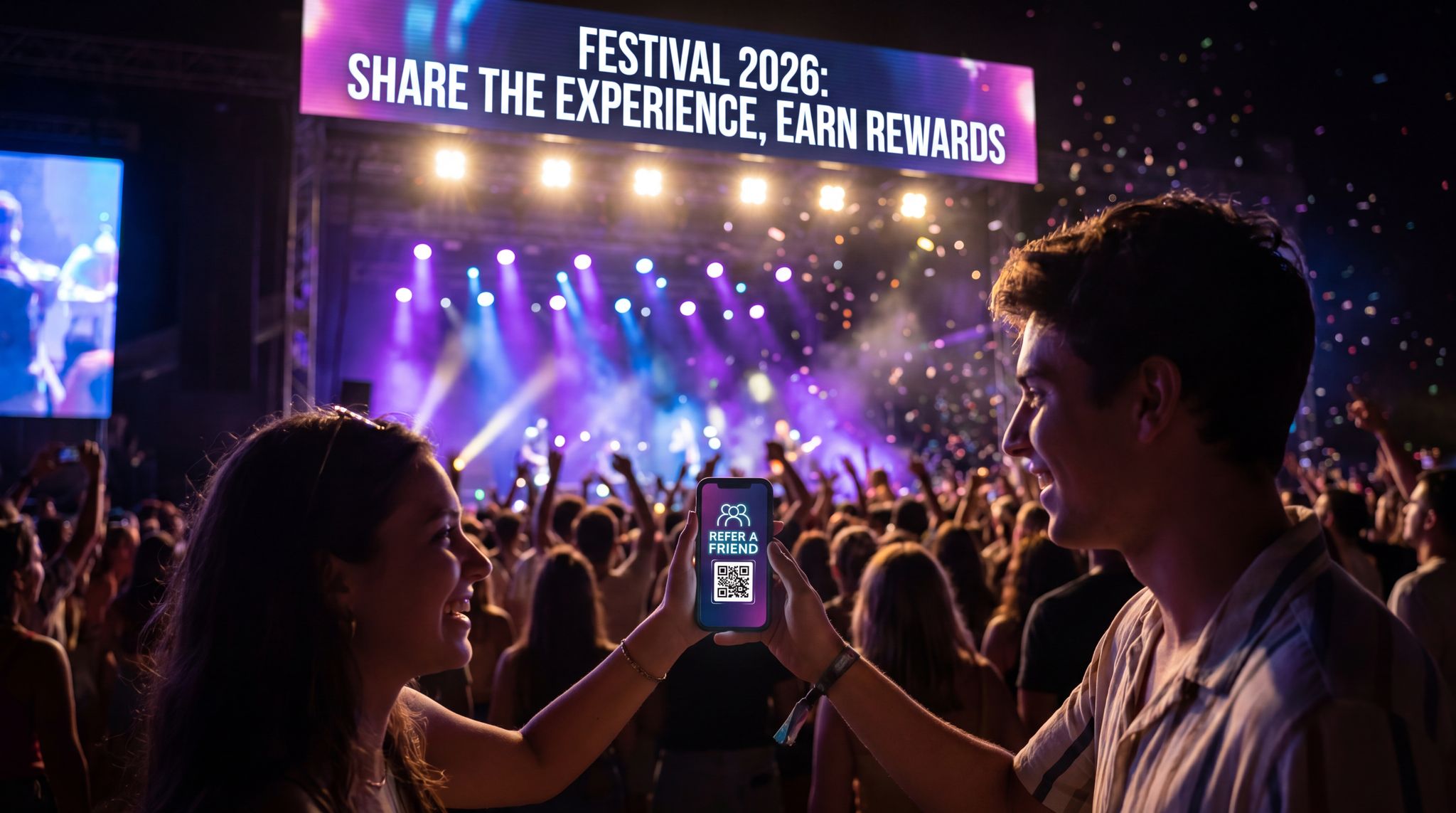
By mid-campaign, you hopefully have a solid cohort of ticket holders already. These attendees-to-be are a fantastic asset: they’re excited and they likely have friends who haven’t bought yet. This is the time to mobilize your ticket holders to spread FOMO to their peers. One way is through a formal referral or ambassador program – essentially rewarding fans for bringing in new attendees. For instance, you can give each ticket buyer a unique referral link with an incentive like “Give your friend £10 off, and earn £10 credit for yourself.” When structured well, referral programs turn enthusiastic fans into a sales force for you. More subtly, these programs create FOMO in the friends of your attendees: when a buddy sends you a discount link and says “Come with me to this event!”, it frames the event as popular (social proof: your friend is already going) and offers a perk to join in. It’s a gentle but powerful nudge to those who might not want to be left out of a group plan.
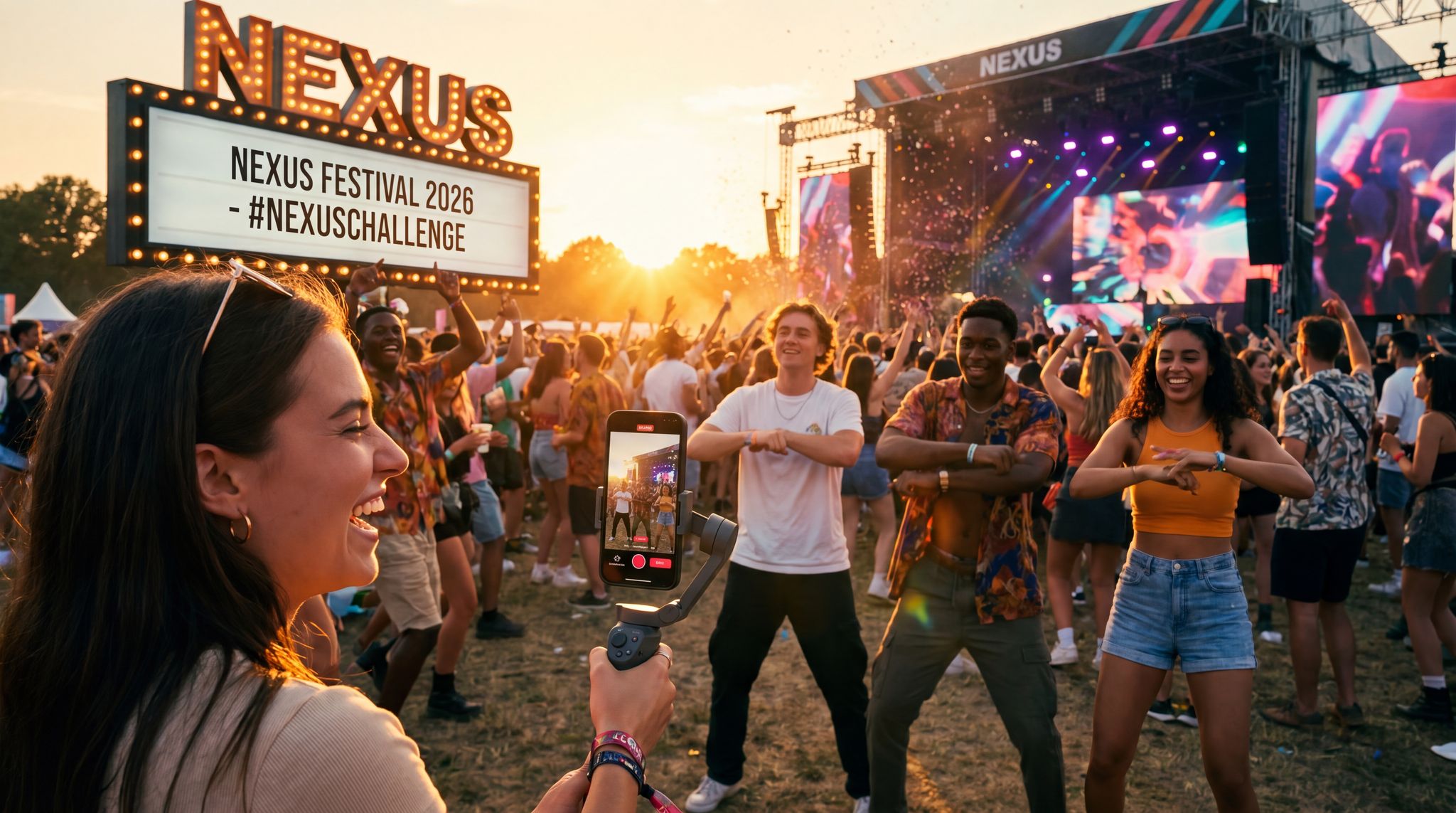
Even without a formal referral system, you can galvanize current ticket holders through community-building and social media. Encourage those who have tickets to post about it: maybe launch an official hashtag or a contest like “share a screenshot of your ticket purchase confirmation for a chance to win an upgrade.” This floods timelines with proof that people are committing to the event, which in turn triggers their friends to consider it. Peer influence is huge – people are much more likely to attend if their friends are going. In fact, for many attendees the question isn’t “do I want to go?” but “who else is going?”. By publicly highlighting folks who are “in,” you apply friendly FOMO pressure on their networks. One effective tactic is an email to buyers that provides an easy “Invite a Friend” option – perhaps a template message or a small additional discount they can share. According to campaign veterans, leveraging early buyers in this way can significantly expand your reach mid-campaign, often converting fence-sitters who just needed that one friend’s nudge to get on board by using ambassadors to recruit hesitant friends. The key is to make it easy and rewarding for ticket holders to spread the word (and to give them a shout-out when they do).
In summary, the mid-campaign period shouldn’t be a passive coast. It’s your opportunity to reignite urgency using short bursts of activity: a flash sale here, a big announcement there, and continuous social proof throughout. By layering these tactics, you prevent your event from fading into the background of potential attendees’ minds. Instead, you keep refreshing the “Why buy now?” answer for them at regular intervals. Every few weeks (or whatever cadence fits your timeline), deliver something that makes people feel that now is again the best time to act – whether that’s a limited deal, exciting news, or the social pull of friends and influencers. This way, you carry momentum from the initial launch all the way into the final stretch of your campaign.
Final Countdown: Last-Minute Sales Push
Escalating Urgency in the Home Stretch
As your event date draws near, it’s time to dial up the urgency to its highest setting – ethically and strategically. The final couple of weeks (and especially the last 7 days) is when all those procrastinators you’ve been tracking still on the fence really start to make their decisions. Remember, nowadays a huge chunk of ticket buyers purchase in the last-minute window, as seen in Pollstar’s analysis of recent ticketing trends, so you want to capture as many of them as possible. This means your messaging in the home stretch should consistently hammer home: “It’s now or never.” Every communication across channels ought to reinforce that the clock is ticking. At this stage, you’re no longer teasing or softly nudging – you’re delivering clear calls to action that time is running out to secure a spot. Event marketers often refer to this as going into “urgency overdrive” mode. It’s the final rally to convert all remaining interested audiences into attendees before it’s literally too late.
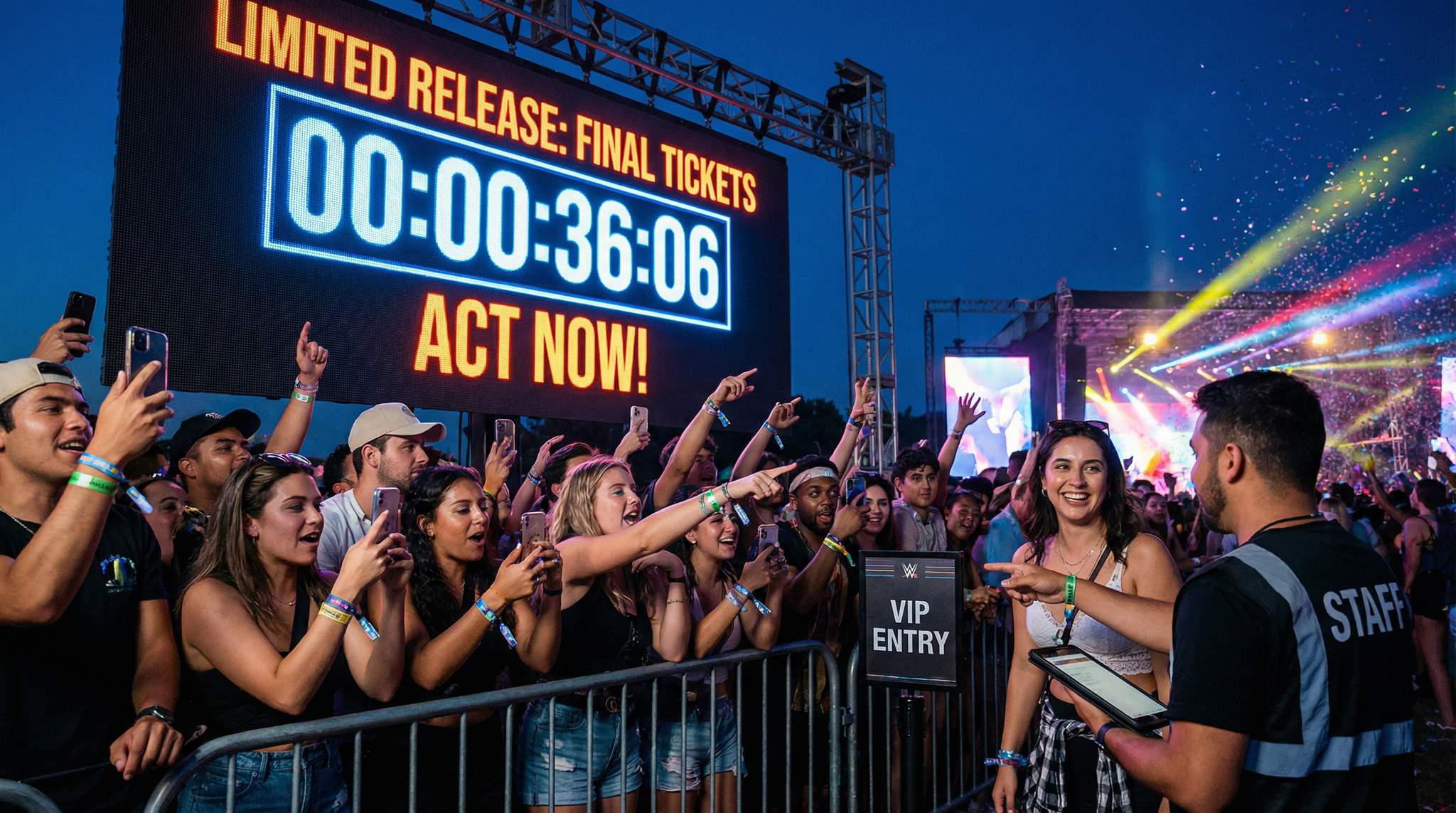
One effective technique is to create a visual countdown to the event. On your website and ticketing page, consider adding a live countdown timer once you’re in the final week (or final 72 hours). This constant visual reminder of how many days or hours remain can spur action, especially for those who respond to visual cues. Many ticketing platforms (including Ticket Fairy’s system) allow for cut-off times and display when sales will close. Leverage that by communicating the exact deadline for online ticket purchases: e.g. “Online sales end Friday at 11:59 PM” if your event is Saturday. When buyers know there’s a hard stop even before the event time (for logistical reasons like preparing will-call lists, etc.), it creates a true deadline beyond which tickets simply won’t be available or will require extra effort at the door. This can push last-minute buyers to act while it’s convenient. In one case, a festival prominently messaged that “Online tickets must be purchased by Thursday midnight – no online sales on event day”, and they saw a predictable flood of last-day sales hitting that Thursday evening as extreme procrastinators finally took action by tapping into FOMO with timed reminders.
For event organizers finalizing their live music revenue optimization, the final week is the ultimate test of buyer psychology. When combining strict inventory management with time-sensitive demand, promoters can trigger a powerful fear of missing out without relying on deceptive tactics. By transparently broadcasting that only a handful of passes remain, you validate the event’s popularity and force fence-sitters to make an immediate purchasing decision, effectively executing a high-urgency sales strategy.
“Last Chance” Messaging Everywhere
In the final days, adopt a multi-channel blitz of “last chance” messaging. Your social media posts should pivot to daily (or more) reminders: “Only 3 days left until [Event]! Last chance to get tickets!” Use bold graphics, maybe a ticking clock icon or “Final Hours!” banner, to make these posts stand out. Pin the most urgent post to the top of your profiles. Similarly, send out a dedicated “last call” email to anyone on your interest or waitlist segments. A subject line like “Don’t miss out – [Event] is this week” or “Happening tomorrow – final tickets!” tends to cut through clutter, especially if your audience has been receiving your updates all along, serving as an urgent email that highlights scarcity. People may have ignored earlier emails, but when they see that subject a day or two before the event, it often triggers the “oops, I need to act now!” response, allowing you to focus urgency messaging on the final countdown.
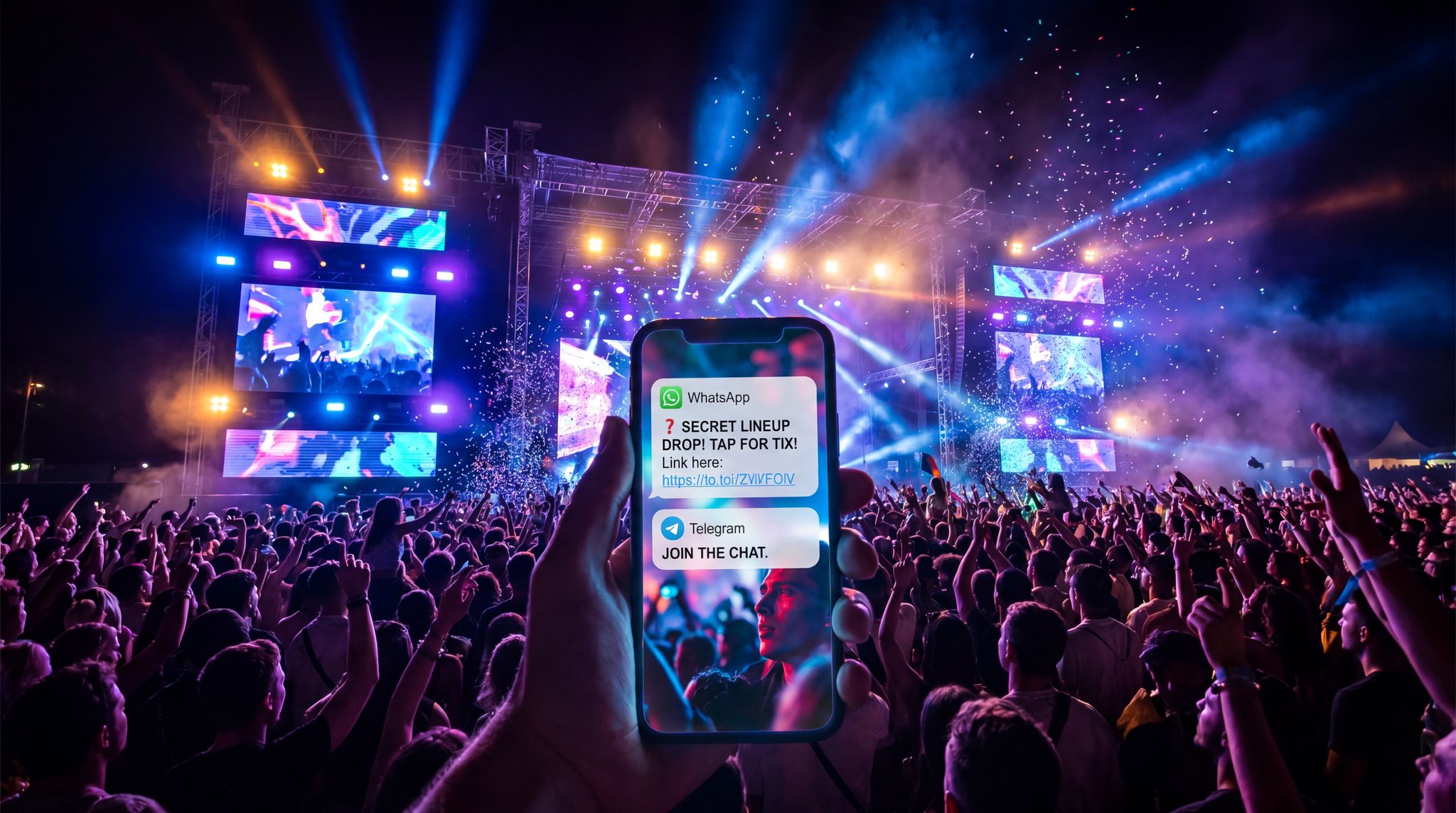
SMS and messaging apps can be exceptionally powerful at this juncture. An SMS blast the day before or morning of the event (if you still have tickets available) can capture attention with virtually 98% open rates. Keep the text short and urgent, e.g.: “Final hours! [Event Name] tonight – few tickets left. [Ticket Link] – see you there!”. This is real-time urgency that reaches people wherever they are. For audiences in regions where WhatsApp, WeChat, or other chat apps are common, you can use those channels similarly – perhaps via a broadcast message in your event’s community group: “Last call to join us – ticket portal closes in 4 hours!”. Do be mindful of not spamming; you want to send maybe one SMS and not too many messages so close, but that one well-timed ping can convert a lot of maybes into yeses.
Another tactic: update your paid ads to reflect the last chance. If you’re running Facebook/Instagram or Google Ads up until the event, change the copy in the final week to emphasize urgency (e.g. “Hurry, almost sold out!” “Tonight: Don’t Miss [Event]”). Also tighten your targeting in this phase – focus on retargeting users who visited the ticket page but didn’t buy, or local audiences who show interest in similar events. These folks are low-hanging fruit for a final reminder. For example, optimizing your social ad targeting to reach event engagers can yield excellent last-minute ROI. If you have the budget, also consider search ads for queries like “[Event Name] tickets” or even general “things to do this weekend in [City]” – late buyers often search at the last minute, and you want your event to appear with a clear “Tickets Available – Don’t Miss Out” message.
Throughout all these channels, consistency is key: use phrases like “Last Chance”, “Final Tickets”, “Don’t Miss [Event]” repeatedly. By seeing the same core message everywhere, anyone who’s interested will feel that gentle pressure that “Okay, it’s really now or never.” Just ensure the messaging stays truthful – if you do still have plenty of tickets, focus on the time deadline (“Event is tomorrow!”) rather than fake quantity (“only 2 left!” when that’s not true), ensuring you focus urgency messaging on time rather than false scarcity. You can still create FOMO by reminding them what they’ll miss: “your last opportunity to experience [headline DJ]’s only show this year” – pairing that with the ticking clock. This approach is ethical urgency in practice: you’re helping forgetful or hesitant fans by giving them a clear prompt, not deceiving them.
Crafting the Right Tone in Final Appeals
While urgency is at its peak in final messaging, remember to keep the tone exciting and encouraging, not panicked or guilt-inducing. Late buyers often have mixed feelings – they know they put it off, they may feel a bit of stress. The job of your marketing here is to alleviate their anxiety by making it easy to hop on board right now. Phrases like “It’s not too late to join us” or “There’s still time to be part of this!” can reassure those who assumed they missed their window. Pair the urgency with positive FOMO: “This is your last chance to dance under the stars with all your friends – don’t sleep on it!” has a FOMO element but remains inviting. It paints a picture of the experience (dancing under the stars with friends) which triggers the emotional desire to not be left out, pushing the decision from extreme procrastinators.
Also, be mindful to thank your audience in these final communications. For example, “Over 10,000 people are coming – are you in? ? Thank you to everyone who’s already grabbed tickets! We’re down to the final few now…”. That little gratitude nod acknowledges those who committed (building goodwill) and shows latecomers that a huge community is already on board, so if they don’t join, they truly will be missing out on something popular. It’s essentially harnessing social proof until the very end. In fact, some events will explicitly say things like “95% of tickets sold – don’t be the one friend who misses out!” in the last days, which uses the herd mentality in a lighthearted way.
From an operational standpoint, ensure your team and system can handle the last-minute surge you’re trying to create. Often, a wave of purchases comes in the final 48 hours. Double-check that your ticketing platform can handle the traffic and that customer support is ready for any inquiries (like folks having trouble with last-minute purchases or asking if tickets will be at the door). A smooth buying experience here is critical; any friction and a procrastinator might give up and not bother. If you anticipate selling out, decide how you’ll handle the transition (waitlist, door sales, etc.) and communicate that clearly too (e.g. “Online sales close at 5 PM Friday – any remaining tickets will be sold at the door for $10 more.”). This actually adds another layer of urgency and incentive to buy now (to avoid higher door prices or the risk of no tickets at door).
Finally, maintain authenticity in your tone. It’s okay to show excitement as an organizer: “We can’t believe it’s almost here – we’re so excited to see everyone! If you haven’t sorted your ticket yet, now is the time.” This feels like a friendly reminder from a real person, not just a faceless marketing blast. People appreciate that, especially in the final days when communication often becomes very transactional. Blend the excitement of the event with the urgency of the moment. By doing so, you ensure that your last-minute push not only drives sales, but also leaves attendees with positive vibes about the event they’re about to attend.
To illustrate how all these final-stage tactics can come together, here’s a snapshot of a successful last-minute campaign sequence from a real event:
| Timeframe | Urgency Tactic | Psychology Triggered | Result |
|---|---|---|---|
| 1 week out | Daily countdown posts: “7 days until we kick off!” | Time pressure; event feels imminent | Kept event top-of-mind; steady daily sales uptick |
| 3 days out | “Last chance” 48-hour promo (small discount ends in 2 days) | Final incentive + deadline to act | Surge of ticket purchases during promo window (hundreds sold), proving limited offers can keep you in the game |
| 2 days out (48 hrs) | Highlight scarcity: “Camping passes 90% sold – book now if you plan to camp!” (targeted to undecided buyers) | Scarcity of a specific perk; loss aversion | Spike in camping pass add-ons (sold out remaining allotment) after blasting reminders via email |
| 1 day out | Social proof push: Shared a hype video from last year captioned “Over 10,000 people are coming – are you in?” | FOMO from peer presence; everyone’s going | Engagement jump on post; a wave of last-day buyers citing friends going, pushing the decision from extreme procrastinators |
| Event day minus 12h | Live countdown timer on site; announcement that online sales close at midnight | Real deadline in sight; “now or never” feeling | Flood of last-day sales, converting extreme procrastinators (final 10% sold) by tapping into FOMO with timed reminders |
In this real-world example, notice how each step in the final week used a slightly different trigger – time pressure, a special offer, scarcity messaging, social proof, and an absolute cutoff – combining to drive the event to 98% sold out by showtime, effectively tapping into FOMO with timed reminders. Importantly, it was done without misleading claims or undue hype: every message was true and focused on genuine opportunities or limitations. That’s the model for an ethical yet effective final countdown.
Handling the “Door Sale” Psychology
One more consideration in the final stage: some potential attendees might think, “I’ll just buy at the door.” This is common for local events or procrastinators who assume tickets will be available on-site. To convert these people in advance, you may need to address that psychology. A few tactics: warn about limited door availability (if true) – e.g. “Only 100 tickets will be available at the door, subject to capacity.” This creates a risk element for waiting. Or emphasize the benefits of buying now: “Save $10 by purchasing online by Friday! Door price will be higher.” Many events charge a bit more on the day-of, which can be framed as a classic urgency driver (buy now to save money) and also a crowd management tool. If you anticipate a sell-out, by all means communicate that clearly: “No tickets at door – event will sell out in advance.” It’s amazing how many people will take action when told outright that there won’t be a later option.
In the digital age, even door sales themselves often happen via phones minutes before entry – people see the at-door line or “Sold Out” sign and quickly try to purchase a ticket online on the spot. If you truly have tickets left at event time, having a QR code at the venue that links to the ticket purchase page can convert those last stragglers while keeping things orderly. But from a marketing perspective, your aim is to minimize reliance on this by conveying that the real chance is beforehand. Use phrases in final emails or posts like “Avoid missing out or waiting in line – get your ticket now while you still can.” This appeals to convenience and FOMO in one go. Experienced promoters know that every person who buys ahead is one less person you might lose to uncertainty or logistics on event day.
By tackling the door-sale procrastination mindset, you round out your urgency campaign to cover every base. At this late stage, assume anyone who hasn’t bought needs a straightforward, even slightly blunt, rationale to do so. You’re essentially answering their internal thought “Why not just wait?” with “Because you might not get in, and it’ll cost you more or cause hassle.” Coupling that practical reasoning with the emotional hype (“It’s going to be epic – don’t watch your friends have all the fun without you”) provides both the logical and emotional push that final holdouts often need.
Crafting FOMO Through Social Proof & Exclusivity
Using Social Proof as a FOMO Trigger
People are social creatures – often, nothing sparks the Fear of Missing Out more than seeing other people having or planning an incredible experience. That’s why social proof is one of the most potent FOMO weapons in an event marketer’s arsenal. Social proof in ticket sales context means showing evidence that “lots of folks are buying/going, and they’re excited about it.” We touched on some aspects earlier (like announcing sold-out tiers or sharing numbers), but let’s dive deeper into how to deliberately leverage social proof throughout your campaign.
One simple method is to share milestones and attendee counts as they grow (when appropriate). For instance, hitting a nice round number can be newsworthy on your channels: “We just crossed 5,000 tickets sold!” or “Join 2,000+ fans who’ve already grabbed their spot.” This isn’t bragging; it’s reassurance to potential attendees that this event is popular and likely to be a vibrant, packed experience. It taps into the “if so many people trust this event, I can too” mentality. Even reviews or testimonials from past attendees can serve as social proof: quotes like “Last year’s festival was the highlight of my summer – can’t wait for this year!” featured in emails or ads can inject FOMO by implying “everyone who went loved it.” Some events use stats such as “97% of attendees said they’d come back”, a powerful validator for high value prospects in their marketing, which is a powerful validator to someone on the fence.
User-generated content (UGC) is another goldmine for social proof. Encouraging attendees to post about your event (before it happens) can drive FOMO among their networks. For example, when fans tweet “Just got my tickets to XYZ Festival!” with your hashtag, you can retweet that or share a collage of excited comments. To foster this, you might run a promotion like “Post a selfie with your ticket confirmation and tag us – one lucky fan will get a merch bundle!” Suddenly your timeline is filled with real people showing they are already going – a clear signal that “people like me are doing this.” Those who haven’t bought get that subtle peer pressure seeing their friends or influencers they follow all talking about going. Influencer marketing fits here too: when authentic influencers or local personalities announce they’ll be at your event, their followers feel that pang of FOMO – “If they’re going, I should consider it.” It’s crucial these endorsements feel genuine; ideally the influencer is excited and not just posting a generic promo. A well-chosen influencer might share a personal note: “This festival changed my life last year – so pumped to return, who’s coming with me?!”. As an event marketer, coordinate these posts as your campaign progresses to keep seeding that social proof.
During the campaign, showcasing community engagement fosters FOMO as well. Highlight things like fan meetups or discussions: e.g. “Our attendee Facebook group is buzzing – 500+ members already planning meetups and outfits”. This tells prospective buyers: the community is active and you’re missing out on the camaraderie. We see this often with events that have strong communities – the more you can spotlight it, the more outsiders want in. One caution: always present social proof honestly and positively. Never shame those who aren’t on board; instead, celebrate those who are. The message is “look what fun these people are gearing up for – don’t sit on the sidelines.” By saturating your marketing with genuine signals of popularity and excitement, you create an environment where not going starts to feel like a socially conspicuous choice, especially within certain subcultures or friend circles.
Influencers and Peer Endorsements
In 2026, leveraging influencers and peer endorsements is a staple of event promotion – and it dovetails perfectly with FOMO marketing. The basic idea: people trust people. When potential attendees see someone they admire or relate to endorsing an event, it reduces uncertainty and heightens desire. For FOMO, it’s not just about trust; it’s about envy and aspiration too. If a popular DJ, YouTuber, or industry figure is hyping an event and saying “I’ll be there,” their followers will get that twinge of “I want to be part of this thing my hero is part of.”
An authentic influencer partnership can dramatically amplify your FOMO messaging. For example, a well-known travel vlogger might post, “Just confirmed my trip to Ultra Japan – this festival looks insane ?. Who else is coming? #UltraJapan”. A post like that functions as both endorsement and social proof (since tens of thousands see that someone cool is attending), and it sparks conversation. When working with influencers, encourage them to highlight what they personally find exciting about the event – the more genuine, the more it triggers FOMO. A fitness influencer promoting a wellness retreat might gush about the exclusive workshops or beautiful location, making their audience think “I don’t want to miss that unique experience.” The key is to have influencers focus on experiences and emotions, not just regurgitate details. Their role is to paint a fear of missing an amazing time in their own voice.
Even micro-influencers and community leaders can be powerful. A local food blogger saying “All my foodie friends are hitting this food festival next weekend – it’s the talk of the town” can drive quite a few ticket sales from followers who trust their taste. Peer endorsements might also come from media coverage that you can share – like a popular magazine calling your event a “must-attend of the year.” Use those quotes in your marketing (“Named Event of the Week by X Magazine”) to signal that authoritative voices think missing this event would be a mistake. Essentially, influencers and media create a narrative that “everyone who’s in the know, will be there.” And humans hate feeling out of the loop.
One pro tip: coordinate an “influencer ticket drop” or promo code toward the end of your campaign. For instance, give a few trusted influencers a special last-minute discount code to share, valid for a very short time. When they post “Use my code DJMIKE for 10% off – good until midnight!”, it adds exclusivity (a personalized code from someone fans know) plus urgency (time-limited). We’ve seen events move a lot of tickets in the final days by tapping into influencers’ audiences with these bespoke FOMO-laden offers, a strategy discussed in how messaging adapts to last-minute rushes and leveraging lineup and early bird pricing. Just be careful that these promos don’t undercut your main pricing too much – keep discounts modest and coordinate timing so it feels like a special perk for that audience. Influencers essentially act as FOMO multipliers: their content can reach corners of your target audience that your official channels might not, delivering the “you don’t want to sit this out” message in a relatable way.
Exclusive Experiences and Perks
Nothing drives FOMO quite like something exclusive that only a limited number of people can get. In the context of events, this often means VIP packages, meet-and-greets, backstage passes, or limited-capacity add-ons that accompany the main ticket. The psychology is straightforward: if there’s a special experience that only a few can have, people will jostle to be one of them. Exclusivity creates a tiered FOMO – not only do folks not want to miss the event, they really don’t want to miss the premium version of it.
If your event has VIP tickets or upgrades, use them as a FOMO driver in your marketing. Emphasize what VIPs get that others don’t: “Access to the private lounge, artist meet & greet, and free merch – only 200 VIP tickets available.” By highlighting the perks and the scarcity (“only 200”), you encourage early purchase among those who value those extras. Often VIP tiers sell out well before GA tickets, precisely because die-hard fans fear missing the enhanced experience. When that happens, publicize the VIP sell-out (if it aligns with your brand message). For example, “VIP tickets are already gone – thank you! General tickets still available.” This serves two purposes: it validates that the event is so hot even expensive tickets sold fast (social proof), and it creates a mini panic among regular ticket buyers that “whoa, people are snapping up tickets, I better not wait.”*
For an event planner operating in highly competitive markets like Sydney, London, or New York, leveraging FOMO events through exclusive add-ons is practically mandatory. In these saturated landscapes, attendees are bombarded with weekend options. Offering a strictly limited backstage pass or a private viewing deck cuts through the noise, utilizing scarcity to elevate the event’s perceived value and ensuring it becomes the must-attend gathering of the season.
Whether you are an independent promoter in a niche market or a corporate event planner organizing high-stakes FOMO events in Sydney, the underlying psychology remains identical. Attendees in major metropolitan hubs are highly sensitive to social currency. By curating hyper-exclusive VIP tiers or secret after-parties, organizers can transform a standard gathering into a highly coveted experience that leverages local market competitiveness to accelerate sell-outs.
Limited perks aren’t just about VIP ticket types. You can create exclusivity through add-ons or time-bound bonuses. Perhaps the first 100 people who buy get a photo op with the headliner, or a special edition lanyard, or access to an afterparty. Announce that: “Limited bonus: first 100 tickets come with an invite to the Secret Afterparty with the DJs.” True fans will rush to be in that first batch – they dread the idea of hearing about an amazing afterparty they missed because they bought on day two instead of day one. Similarly, consider exclusive merch or collectibles: “Only passholders will get the commemorative festival NFT poster.” Those interested in such things will not want to be left out of that in-group of collectors.
Another angle is creating a sense of exclusivity around the venue or setting. If your event is in a unique location (say a historic theater with limited capacity, or a one-time beach venue), play that up: “This venue fits only 500 – a truly intimate experience for those lucky enough to get tickets.” Scarcity of space itself can generate FOMO. People often desire what’s hard to get, and a special venue that won’t be used again or has a strict cap feels like a rare opportunity. One-off or first-time events have this built in too – e.g. “Inaugural edition – be part of history as one of the first attendees ever!”. It creates a “you’ll brag about this later” appeal.
The golden rule with exclusivity is, of course, to deliver on it. Don’t promise an “exclusive experience” and then give VIPs the same show with one shorter line. Curate those perks to be truly special, because the attendees who get them will become your vocal ambassadors (or detractors). From a marketing standpoint, though, leveraging exclusivity is about painting a picture where there’s a cool club or special moment that only a few get to have – and thereby motivating a larger pool of people to attempt to be among those few. Even if not everyone cares about VIP, the very act of some people chasing those perks adds to the overall hype and desirability of the event for all.
Showcasing “You Had to Be There” Moments
A subtle but impactful way to induce FOMO is to highlight the kind of moments that make people say “ugh, I had to be there for that.” This is often done post-event with aftermovies and recaps, but you can incorporate the concept into your pre-event marketing too. Essentially, tease what unique experiences or memories attendees will walk away with – the things they’ll be talking about afterward that non-attendees won’t get to share.
For example, if your festival is known for a surprise guest each year or an epic finale, drop hints about it: “We have a special surprise planned for midnight on night 2 – only those there will witness it live.” That sets the expectation of a watercooler moment. People hate hearing about an incredible surprise set or stunt the day after and realizing they missed it. So plant that seed that something amazing and unrepeatable will happen. Even if your event doesn’t have a specific secret, you can frame key attractions as must-experience: “Witness [Headliner] debut their brand new stage show – exclusively at [Your Event].” Or for a conference, “Be in the room for the first public demo of [New Tech] – happening live at our keynote.” The aim is to convey that only attendees will get the full experience – videos, livestreams, or second-hand accounts won’t compare.
Creating FOMO through these “had to be there” moments aligns with the experience economy mindset of modern consumers (especially younger ones): they crave unique experiences more than things, a trend where Millennials are the largest consumer group driving live events. As an event marketer, if you can tap into that by promising (ethically) an unforgettable experience, it’s incredibly persuasive. Use vivid language and visuals: show past attendees crying tears of joy at a concert peak, or an image of a crowd with jaws dropped during a surprise, with a caption like “You never know what magic might happen – don’t regret missing it.”. Of course, don’t overhype to the point of disappointment. But if you know your event will deliver memorable highlights, sell the sizzle of those moments.
One more tip: encourage people who are already excited (perhaps those who bought) to share what they’re looking forward to most. You can then share those anticipations as part of your promotions. “Jane from Sydney can’t wait to finally hear [Band] play their new album live under the stars.” – posting something like this not only validates the fan’s choice, but also nudges others who love that band that “hey, this is the place to hear that live, I shouldn’t miss it.”. By essentially letting excited attendees co-create some FOMO messaging, you keep it authentic and varied.
In summary, crafting FOMO through social proof and exclusivity is about showing the allure of belonging and the sting of missing out. You highlight the crowd, the influencers, the special perks, the intangible magic – all the elements that make your event more than just another date on the calendar. It becomes a happening, a community, a story that people genuinely don’t want to miss. Combine this with the time-based urgency tactics we discussed, and you have a comprehensive psychological strategy: time pressure to act now, plus emotional pull to be part of an amazing group experience.
Multi-Channel Urgency: Reaching Attendees Everywhere
Email Campaigns & Countdown Updates
One channel you absolutely want firing on all cylinders for urgency and FOMO is email. Email remains one of the most direct ways to reach your potential attendees with timely messages, and it’s perfect for delivering countdowns, low-ticket alerts, and special offers straight to those already interested (your subscribers). To maximize impact, segment your email list and tailor urgency messaging appropriately. For instance, identify subscribers who have clicked on event info but not purchased – send them a focused “Don’t wait – limited tickets remaining for [Event]” email. Meanwhile, loyal past attendees on your list might get a “Last chance to reunite with the crew – [Event] only 2 weeks away!” type of message. Personalization can go a long way; even something like “Hey John, we’d hate for you to miss out on this year’s festival…” in the body can make the communication feel more one-to-one.
A great technique is the countdown email series. As the event approaches, schedule emails like a 1-month reminder, 1-week reminder, then a 3 days, 2 days, 1 day sequence. Each email should ramp up the urgency more. The 1-month one might highlight an upcoming price increase or just excitement, whereas the 3-days-out email is very explicit: “Event is this Friday – final chance to secure tickets!”. Use bold call-to-action buttons that literally say things like “Get My Ticket” or “Don’t Miss Out”. Incorporating countdown timers inside emails (via GIFs or live images) can be eye-catching – it shows, for example, “Tickets on sale for 2 days 14 hours 22 minutes more” for a promo. Many modern email tools support this, and it’s proven to boost conversion by visualizing the deadline.
Also consider the time-of-day you send urgency emails. For last-minute pushes, sending an email early in the morning of the event day with a subject “It’s today – you can still join us!” can capture people as they plan their day, serving as an urgent email that highlights scarcity. On the day prior, an early evening email might catch people after work when they’re figuring out weekend plans. The idea is to align with when FOMO pangs might hit – like late in the week when everyone’s talking about weekend outings. And always make sure your emails are mobile-friendly; a huge portion of people will see that “Don’t miss out” subject line on their phone lock screen. If the content is quick to load and the purchase link is easy to tap, you remove friction for an impulse buy.
Don’t shy away from repeat messaging in email if people aren’t opening. You might resend key “last chance” emails to those who didn’t open the first time (maybe with a tweaked subject line). Just be careful not to overdo it to the point of spamming. One or two follow-ups on critical announcements (like price hikes or final call) are acceptable. Finally, leverage automation: set up triggers in your CRM – for instance, if someone clicks the ticket link but doesn’t buy, auto-send them an email a day later saying “Still thinking about it? Tickets are almost gone – here’s a direct link to complete your purchase.” Many email marketing automation tools for events support this kind of behavior-based messaging, which closely targets those on the cusp of buying.
SMS and Messaging Apps for Instant Urgency
For real-time urgency, it’s hard to beat SMS and messaging apps. When a text notification dings, people read it usually within minutes. This makes SMS ideal for ultra time-sensitive pushes like final hours of a sale or last-day reminders. If you’ve collected phone numbers (with permission) or built WhatsApp/Telegram groups for your event community, now is the time to use them. A text like “[Event] tonight! Only a handful of tickets left – grab your ticket now: [short link]” directly on someone’s phone can spur immediate action. The brevity of SMS (160 characters or so) forces you to be clear and urgent: include the essential info (event name, how soon it’s happening, what to do). Because people can’t click a giant button, use a short URL that’s easy to tap.
Timing is key: don’t send mass SMS at odd hours – target mid-morning or early evening when people aren’t asleep or swamped. And consider segmenting here too: you might send a slightly different text to those who previously attended vs. new leads. Always identify the event by name in the text (so it’s clear what it’s about, not just a random “last chance” message). If your event appeals globally, tailor messaging for different regions via local popular apps: e.g. WeChat for Chinese attendees, WhatsApp for many countries, Telegram for certain communities, as part of adapting your event marketing for different markets. WeChat and WhatsApp broadcasts need more finesse (and often require the user to have opted into a group or list), but they can replicate the SMS effect in markets where those dominate.
Another angle: use push notifications if you have an event app or have data to do web push. A push notification like “?? Don’t wait! [Event] tickets 95% sold. Tap to secure yours.” can complement your SMS and email strategy, hitting those who maybe didn’t see the emails. Because push requires prior opt-in, these are highly engaged contacts – likely your super fans – so tailor accordingly (maybe it’s “Only 2 days till we party – make sure your friends have their tickets!” to prompt them to evangelize). In markets like China, where WeChat is ubiquitous, push and messaging blur: WeChat official account messages serve similarly. The goal is immediate visibility and action. Many events have reported significant last-minute sales bumps from a well-timed SMS alert on the final day.
Of course, with great power comes great responsibility – don’t abuse someone’s phone number with too frequent or irrelevant texts. Save these channels for the most important urgency communications (e.g., one when an early-bird is ending, and one in final week). That way, when people do get a text from you, they know it’s important. The personal nature of SMS also means you should keep the tone friendly and maybe even include the event or brand name for recognition. An identified sender (if possible) like “MUSICEFEST:” at the start can build brand recall and trust that it’s legitimate.
Social Media Ads and Live Updates
Social platforms are where a lot of your audience spends time, so they’re prime real estate for urgency messaging – both organic posts and paid ads. In the last phase of your campaign, shift your social media content strategy to real-time updates and community engagement. For example, on Twitter/X and Instagram, you might post daily (or more) with the ticket countdown: “Only 50 tickets left for Day 2!”, “Final day to buy online!”, etc. Use Stories on Instagram/Facebook with features like countdown stickers (“24h left to festival!”) and low-ticket alerts. Stories are great for urgency because they’re ephemeral by nature – you can even pin a highlight on IG for “Ticket Updates” so latecomers can check quickly if tickets remain. Facebook event pages and groups are also useful: posting an update in your event page like “We’re down to the wire – last 5% of tickets remain” will notify everyone interested.
For paid social ads, retargeting is your friend at this stage. Create custom audiences of people who visited your ticket page, engaged with your posts, or are on your email list, and serve them ads emphasizing the looming deadline or low stock. Since you can update ad creative quickly, you might literally change the image/text daily: one saying “3 days left”, then “2 days left”, then “Tonight!”. These act as safety nets ensuring anyone who slipped past email or texts still sees the message while scrolling their feed. Platforms like Facebook/Instagram and TikTok allow click-to-purchase ads that can drop people right on your ticketing page, smoothing the process. For TikTok specifically, a snappy video with a creator saying “I can’t believe [Event] is this weekend – last call for tickets!” could resonate with younger audiences who might ignore emails but take action from a trending video post.
Live platforms and communities can amplify FOMO too. If you have a strong following, consider doing a quick live stream or Q&A a few days out: for example, go live on Instagram or Facebook with an artist or the event organizer talking about how excited they are, dropping final teasers (“we just finished soundcheck, it’s epic – if you’re in [City], you need to be here!”). That authenticity can push some viewers over the edge to buy. Use the live session to answer any last attendee questions (sometimes people wait because of uncertainties – address those to remove excuses). On Reddit or Discord communities relevant to your event, you or ambassadors can post “Anyone still need tickets? Only a few left.” This peer-to-peer angle sometimes drives action from those lurking in fan communities.
One more thing: update your event website and search presence to reflect urgency. If someone Googles your event during final days, ideally your meta description or search ad could say “Last tickets available now”, ensuring that content reflects the urgency of the moment. On your own site’s landing page or ticket page, prominently display any low-stock or deadlines: e.g. a banner that says “?? Tickets nearly sold out – Final tickets on sale!” This way even those coming through search or direct links get the message instantly. The more consistent your urgency signals across channels, the harder they are to miss.
In the multi-channel dance, remember to keep messaging consistent yet platform-appropriate: the core urgency idea stays the same, but format it to fit each channel’s style. A tweet might be punchy and informal, an email more detailed, an SMS very short, an Instagram post visual with bold text, etc. By reaching your audience everywhere they already are, you ensure that the momentum you build with urgency and FOMO isn’t lost due to someone simply not seeing the message. They’ll see it – on their phone, inbox, feed, or group – and ideally, it’ll compel them to act.
Adapting to Audiences and Markets
Different Folks, Different FOMO
It’s critical to recognize that not all audiences respond to urgency and FOMO in the same way. Factors like age, cultural background, and event type can influence what triggers work best and what tone is most effective. A one-size-fits-all approach might inadvertently turn off some groups even as it motivates others. Let’s break down a few key segments and how to adapt your strategy for each.
One major divide is generational. Broadly speaking, Millennials vs. Gen Z can have different decision-making styles for events, as they value different things and respond to influencer and friend recommendations. Millennials (mid-20s to early 40s now) often plan a bit more in advance – many have jobs, maybe families, and need to schedule fun into their calendars. They do experience FOMO, but they’re also sensitive to practical factors like price and convenience. They might respond well to early-bird incentives and group plans. For example, highlighting “Buy now to save 20%” or “Get a group ticket bundle (5 for the price of 4) before October 1” plays to their desire to plan and get value. Millennials also use platforms like Facebook and email regularly, where you have 8 seconds or less to capture attention, so urgency messaging via those channels (Facebook Events deadlines, email countdowns) reaches them. They appreciate information and authenticity – so you can be a bit more detailed in explaining why acting now is smart (e.g., “Lock in the best price and ensure your spot before it sells out”). Many millennials will recall missing out on tickets in the past (they grew up with things like early Coachella sell-outs), so tapping that sentiment works.
Gen Z (teens to mid-20s), on the other hand, tend to be more spontaneous and heavily driven by what’s trending right now, with decision drivers that differ from older generations. They often decide to attend events closer to the date (hence contributing to that last-minute sales surge). To engage Gen Z, you might lean more on short-term hype and viral content. TikTok and Instagram are key – quick-hitting videos showcasing how epic the event will be, ideally with influencer involvement or viral trends, can trigger their FOMO. The messaging can be bold and FOMO-heavy, like “This is suddenly all over TikTok – don’t be the only one missing out”. Gen Z also responds to peer influence and inclusivity. Show diverse, fun-loving crowds and emphasize that “everyone’s going, to be there.” They might not respond as much to “save $10, plan ahead” – instead, a TikTok ad with a popular meme format saying “POV: all your friends got tickets except you” could tongue-in-cheek push them. Also, mobile-first strategies like SMS and social DMs can reach them effectively since they practically live on their phones.
To summarize some differences, here’s a quick comparison:
| Segment | How They Decide on Events | Best Urgency/FOMO Approaches |
|---|---|---|
| Millennials (26–42) | Plan in advance with friends; balance fun with schedules and budget. FOMO plays a role but many are pragmatic about commitments. Often use Facebook, email, and traditional info sources. | Emphasize early booking benefits: early-bird discounts, group deals, & clear deadlines. Use email newsletters and Facebook Events to convey urgency. Authentic messaging like “Don’t miss your chance to relive the 90s!” resonates. They respond to value and seeing that events align with their interests (e.g., nostalgia acts, causes). |
| Gen Z (teens–25) | More spontaneous, decide closer to event after gauging social media buzz. Influenced by trends, friends, and influencers. Heavy users of TikTok, IG, Snapchat; mobile-centric. | Ride the viral wave: create TikTok/IG Stories hype with influencer participation. Use informal, FOMO-heavy language (“This will be the event of the summer”). Short-term flash sales or exclusive merch drops can motivate them if broadcast via the right channels. Ensure mobile-friendly one-click purchase. Gen Z fears missing fun moments their online community will talk about, so highlight those unique experiences. |
Of course, these are generalizations – within each generation, subcultures exist. That’s where knowing your specific audience personas is crucial. If your event skews older (Gen X or Boomers), a different tact is needed: these audiences might dislike aggressive “hurry up” marketing. They might respond better to informational urgency (“Registration closes on X date – don’t miss the keynote speaker”) delivered via more traditional means or LinkedIn for professional events, perhaps utilizing top tips for marketing to different generations. For example, a B2B conference for professionals could utilize LinkedIn Ads targeting by job title and use an urgent message like “Last few seats for the Executive Summit – secure yours by Friday.” The tone is formal and emphasizes scarcity of seats (more fitting for that context than “tickets”). With family-oriented events, urgency might revolve around planning (e.g., “Final week to get family pass discounts” for a theme park event) since parents plan ahead.
Tailoring to Event Type and Culture
Different types of events call for different urgency tactics too. A late-night EDM show for 500 people will use a very different tone than a 5,000-person tech conference or an all-ages state fair. For music festivals and nightlife, you can usually lean heavily into FOMO with a youthful, energetic vibe – lots of ? emojis, “don’t sleep on this!” slang if appropriate, and visuals of crowds going wild. The audience expects a bit of hype. For a business conference or industry expo, you’d tone it down: use FOMO in terms of professional opportunity (“Don’t get left behind in the industry – join peers at this event or read about it after”) and clear cut-off dates for registration. Same psychological triggers, but framed in each audience’s language.
Cultural localization is another big factor. Urgency must be conveyed in a culturally sensitive way for international audiences, as experienced event promoters emphasize localization and understand that global reach comes with an obligation. In some cultures, overt hard-sell tactics are frowned upon. For example, Japanese marketing might avoid aggressive language; you’d perhaps focus on exclusivity and politeness (e.g., “a rare opportunity, we invite you to be part of an intimate group”). In Latin America or the Middle East, WhatsApp groups and community referrals are powerful – an urgency message might spread organically if you seed it in the right networks and use local language. Always translate campaigns carefully – the literal word “FOMO” might not mean much in some languages, but the concept can be conveyed (like “don’t stay with the desire to go” in Spanish). Colors and symbols, like using red for urgency, might not carry the same meaning everywhere (red can mean luck/prosperity in some Asian contexts, for example). Lean on local partners or team members to craft urgency messaging that feels native.
Time zones and holidays matter too. A “48-hour flash sale” announced globally needs to hit at a time that makes sense in each region. If your event draws worldwide attendees (think a destination festival or global webinar event), you might stagger announcements so everyone experiences it during daytime. Also, tap into local FOMO triggers: perhaps mention how “fans from 30+ countries are flying in for this festival” to a cosmopolitan crowd (so locals feel it’s globally cool), versus stressing “the whole community of [city]will be there” for a community-centric event.
Lastly, accessibility and inclusion should shape how you do urgency for different audiences. If some of your audience isn’t digitally native or has limited internet, supplement urgency via radio, local flyers, or SMS which they’re more likely to see. On the flip side, younger and more online audiences might love interactive urgency tools – like a live ticker of ticket sales or a chatbot that answers “how many tickets left?” queries instantly. The tool or channel that resonates can vary widely, so adapt to meet your audience where they are comfortable.
The overarching principle: know your audience and speak to their motivations. A strategy that’s a home run with one demographic might strike the wrong chord with another. By segmenting your marketing – whether by age, interest, or region – you can apply urgency and FOMO tactics in a nuanced way. The result is messaging that feels personal and relevant, which drastically increases its persuasive power. After all, an urgent nudge delivered in someone’s own language and style feels more trustworthy and hard to ignore, whereas a generic blast can be tuned out.
Localizing the Approach for Global Markets
If your event targets multiple countries or a diverse international crowd, it’s essential to localize your urgency tactics for each market. What works in the U.S. or UK might not work in Asia or the Middle East, and vice versa. Start with the marketing channels: for example, in China, Facebook or Twitter won’t reach your audience – instead, you’d use WeChat, Weibo, or other local platforms. An urgent WeChat post saying “???????” (roughly “only a few tickets remaining”) could be more effective than any email newsletter there. In parts of Europe or Australia, email might still reign; in India, SMS is extremely common for event promotions. Align your urgency campaign with the dominant communication method in each locale, a key part of leveling up your global event strategy.
Cultural perceptions of marketing intensity also differ. American audiences might be used to all-caps and exclamation marks in advertising; in Japan that could seem too brash. Some European audiences appreciate a bit of understatement and wit rather than full-on hype. For example, a UK campaign might cheekily say “We’d hate for you to miss out – and we suspect you would too. 2 days left to decide!” – a tone that’s urgent but also polite/humorous. Meanwhile, in Brazil, a more passionate approach might resonate: “Última chance! Não fique de fora dessa festa incrível!” (“Last chance! Don’t be left out of this incredible party!”). The key is capturing the spirit of urgency in a way that feels natural in the local language and context.
Also, consider local holidays and work culture. If you blast urgency messages during Golden Week in China or Diwali in India, people may be offline or distracted. Conversely, knowing paydays or typical event-going seasons in each country can guide when to push harder. For instance, in many countries the end of the month (salary time) could be prime for a “tickets nearly gone – secure yours now that it’s payday” nudge. Some markets might have longer decision cycles – maybe in Germany or Switzerland, attendees value early planning and thorough info, so your urgency might be strongest earlier (with early-bird deadlines), whereas in Italy or Spain, later pushes might convert the many last-min deciders.
Case studies help: one festival that expanded to multiple continents learned that in some regions, emphasizing the community and cultural uniqueness of the event worked better than generic FOMO. They localized their messaging to say basically “This festival is coming to OUR city – don’t miss the first ever edition here, let’s show the world how [City] does it!”. That appealed to local pride and created FOMO around being part of a landmark local moment, proving that localization reaps rewards. In contrast, in the U.S. they leaned more on the lineup and the festival’s global reputation (“all your friends in Europe went crazy for this festival – now it’s our turn!”). Both are urgency/FOMO angles, but tuned to different cultural notes.
Consider the specific dynamics of major metropolitan areas. An event planner in Sydney organizing high-demand FOMO events must navigate a highly saturated entertainment landscape differently than a promoter in a smaller regional town. In these competitive hubs, successful concert ticket sales strategies rely heavily on hyper-targeted digital urgency, localized influencer partnerships, and strict capacity limits to cut through the noise and accelerate sell-outs.
Finally, use local data and insights to refine your approach, as experienced event promoters emphasize. If you have access to region-wise sales trends, adjust. Perhaps Japanese buyers mostly commit in the last two weeks – then focus your FOMO heavily in that window in Japanese language channels. If Brits mostly buy early and then last-minute stragglers, hit early-bird deadlines and last calls in UK marketing. Adapting doesn’t mean completely changing your strategy in each place, but rather tweaking the emphasis, timing, and tone to suit local behavior.
In sum, thinking global but marketing local means your urgency and FOMO tactics should never be copy-paste across markets. By showing you understand and respect each audience’s quirks – whether via language, channel, or style – your campaigns will likely see much better results. Customers will feel the message was meant for them, rather than some foreign advert that they might distrust. This boosts not only conversions but your brand’s reputation in those markets, setting you up for long-term success beyond just this event.
Conclusion & Key Takeaways
Building Lasting Success
Mastering urgency and FOMO in ticket sales is a powerful skill – but it’s one that comes with responsibility. The goal isn’t a one-off sell-out achieved by any means necessary; it’s to build a reputation and fanbase that trust your events to deliver, both in experience and in how they’re marketed. The examples and strategies in this article show that you can drive fast conversions without resorting to dark tactics or burning your audience’s trust. In fact, when done right, urgency and FOMO campaigns create a win-win: fans get the nudge they needed to partake in an event that will bring them joy, and you get the robust ticket sales needed to produce an amazing experience.
Remember that behind every ticket is a person making a decision. Tap into their excitement and their fears of missing out, but also empathize with them. By understanding their psychology – what truly motivates them and eases their worries – you can craft campaigns that feel less like marketing and more like a service: alerting them to opportunities they don’t want to miss. As the events industry continues to evolve in 2026 and beyond, those marketers who combine psychology with genuine care for the audience will stand out. They’ll be the ones turning casual fans into passionate attendees who not only buy early and often, but also bring their friends along next time.
Harness these techniques, adjust them for your unique crowd, and don’t be afraid to get creative. Monitor your results, learn from each campaign (both the big wins and the surprising flops), and keep refining your approach. With experience, you’ll develop an almost instinctual feel for how to stir that must-have-it-now feeling in your audience. And when you consistently deliver on the promise – an incredible event experience – you’ll find that each time it gets a little easier to spark that urgency and FOMO. People will trust that when you say an event is worth their immediate attention, it truly is. That trust, paired with well-executed strategy, is your ticket to not just selling out one event, but to building a following that can’t wait for the next.
Frequently Asked Questions
What are the best concert ticket sales strategies to sell out fast?
The most effective concert ticket sales strategies to sell out fast rely on creating genuine demand and FOMO. This is typically achieved through a phased release system, where limited initial tickets are offered to pre-registered fans, followed by tiered pricing that increases as the event date approaches. Combining this with strong social proof and clear communication about scarcity drives rapid conversions.
How does a phased release with limited initial tickets create scarcity and FOMO?
A phased release restricts the supply of tickets available at the lowest price point. When fans see that these limited initial tickets are selling quickly, it triggers loss aversion. The visible scarcity proves the event is highly sought after, generating FOMO that compels undecided buyers to purchase immediately before prices rise in the next tier.
What concert ticket sales strategies create demand and FOMO to sell out fast?
To sell out fast, promoters rely on concert ticket sales strategies that create demand and FOMO through a mix of limited inventory releases, early-bird pricing tiers, and visible social proof. By clearly communicating that ticket supplies are scarce and showcasing real-time buyer excitement, organizers force hesitant fans to act quickly rather than risk missing out on the live experience.
How do limited inventory and phased releases drive urgency in concert ticketing?
Effective concert ticket sales strategies combine a phased release with strictly limited inventory to naturally generate scarcity, urgency, and FOMO. By capping the number of tickets available at lower price points, promoters create built-in deadlines that motivate fans to purchase immediately rather than waiting and paying more later.
How does scarcity drive demand creation and FOMO for concert tickets?
In the context of concert ticket sales strategies, scarcity acts as the primary catalyst for demand creation. By strictly limiting the availability of specific pricing tiers or exclusive VIP packages, organizers trigger a psychological fear of missing out (FOMO). This urgency forces fans to secure their tickets immediately rather than delaying their purchase, effectively accelerating the overall sales timeline.
How does dynamic pricing interact with scarcity and FOMO in concert ticketing?
When integrated into broader concert ticket sales strategies, dynamic pricing leverages scarcity to ethically drive FOMO. By transparently tying price increases to diminishing inventory, promoters create a natural urgency. Fans are motivated to buy early to secure the best rate, knowing that as the event approaches and tickets become scarcer, the cost will reflect the heightened demand.
How do promoters use scarcity, urgency, and FOMO in their concert ticket sales strategies?
Promoters leverage these psychological triggers by implementing phased releases with strictly limited inventory. When fans see that a specific ticket tier is almost gone, the resulting scarcity creates immediate urgency. This authentic FOMO compels buyers to act quickly, helping the event sell out fast while maintaining strong revenue momentum throughout the campaign.
How does a limited initial release followed by high prices impact concert ticket sales strategies?
Incorporating a strictly limited initial release into your concert ticket sales strategies creates an immediate baseline of scarcity. When this small first allocation sells out quickly, the transition to subsequent tiers with high prices validates the event’s demand. This stark price contrast amplifies FOMO, compelling undecided fans to purchase immediately before the remaining inventory becomes even more expensive or sells out entirely.
Why do promoters hold back inventory during a phased ticket release strategy for concerts?
In a phased ticket release strategy for concerts, promoters hold back inventory to control supply and manufacture authentic scarcity. By releasing only a small allocation of tickets at the initial, lowest price point, organizers ensure a rapid sell-out of that tier. The remaining held-back inventory is then released in subsequent phases at higher prices, leveraging the FOMO generated by the initial quick sales to drive continuous demand.
What are the best practices for promoters using dynamic pricing and scarcity to drive FOMO?
For event organizers, the most ethical approach to live music revenue optimization involves transparent communication. When implementing variable pricing models alongside strict inventory caps, promoters should clearly announce allocation limits upfront. This ensures that the resulting urgency and fear of missing out stem from genuine fan demand rather than artificial price inflation, protecting the brand’s long-term reputation while accelerating sell-outs.