Introduction – Festivals in the Political Crossfire
Music festivals were once seen as neutral ground for entertainment, but modern events often find themselves in the crossfire of political and social issues. Globalization and social media have heightened awareness, meaning a festival’s choices – from sponsor partnerships to lineup curation – are scrutinized through political lenses. Fans and artists alike increasingly expect festivals to uphold certain values, and they are quick to voice dissent (or even withdraw) if those expectations are betrayed. Veteran festival producers acknowledge that any event can become a flashpoint – whether it’s pressure to drop a controversial artist, protests over a sponsor’s political ties, or boycotts due to local laws. Understanding this new reality is the first step toward managing it.
Why Festivals and Politics Intersect More Than Ever
Modern festivals are cultural touchstones, and politics inevitably seeps into culture. Attendees (especially Gen Z and millennials) care deeply about issues like human rights, inclusivity, and sustainability – studies show over 70% of young consumers favor brands and events aligned with their values. This means festivals that appear out-of-touch can face swift backlash. In recent years, several major events have landed in political storms: an artist’s controversial remarks sparking calls for removal, local activists protesting a festival’s funding sources, even governments intervening over performers’ statements. Seasoned organizers have learned that ignoring the sociopolitical context is not an option. Embracing this awareness – and preparing for it – is now a core part of risk management for festivals.
A full-scale festival backlash rarely happens overnight. It typically begins as a localized grievance—perhaps a handful of critical comments on an Instagram post or a niche blog article questioning a booking decision. For event producers, the danger lies in the velocity of social media amplification. When these initial sparks align with broader cultural tensions, a minor complaint can rapidly escalate into a coordinated public outcry. Venue operators and promoters must monitor these early warning signs, recognizing that a swift, empathetic response can often de-escalate a brewing festival backlash before it threatens ticket sales or sponsor retention.
Common Flashpoints That Trigger Backlash
Understanding the core reasons for boycotting live events is essential for any modern promoter. Today’s audiences and performers are highly mobilized, meaning a perceived breach of shared values can quickly escalate. This might manifest as a creative arts financial boycott targeting a venue’s funding sources, or as on-the-ground music festivals protests over ideological clashes. Whether you are managing an artist cancellation controversy where fans speak out aggressively on social media, or navigating a scenario where attendees are boycotting a specific experience over location choices, recognizing these underlying motivations helps you anticipate the specific triggers below.
Turn Fans Into Your Marketing Team
Ticket Fairy's built-in referral rewards system incentivizes attendees to share your event, delivering 15-25% sales boosts and 30x ROI vs paid ads.
While the specific reasons for boycotting live events constantly evolve with the cultural zeitgeist, they almost always stem from a perceived breach of trust between the organizer and the audience. Promoters must continuously audit their operational choices—from vendor selection to venue ownership—to ensure they align with the ethical expectations of their target demographic.
Not all controversies are alike. Veteran producers map out common flashpoints that have led to boycotts or public outcry:
Planning a Festival?
Ticket Fairy's festival ticketing platform handles multi-day passes, RFID wristbands, and complex festival operations.
- Lineup Choices: Booking an artist with a history of hateful speech or divisive views can trigger protests. Fans may petition for removal, and other performers might threaten to cancel in solidarity. For example, an Australian festival faced uproar after including a rock band accused of past racist behavior – other acts began boycotting until the festival dropped the band to quell the backlash (a case we’ll explore later).
- Sponsors & Partners: Festivals rely on sponsors, but a sponsor with political baggage can become a lightning rod. If a brand or government backing your event is seen as violating human rights or community values, artists and attendees may call for boycotts. The Sydney Festival in 2022 learned this when a foreign government sponsorship sparked mass artist withdrawals and audience protests.
- Local Politics & Laws: The location itself can create conflict. Festivals in regions with controversial laws (e.g. anti-LGBTQ legislation or oppressive regimes) might see artists refusing to perform in protest. In 2016, multiple entertainers canceled shows in North Carolina due to an anti-LGBT law – a reminder that laws beyond the festival’s control can still impact lineup fulfillment. Conversely, if a festival champions a progressive cause in a conservative area, local groups might oppose it publicly.
- Artist Speech and Actions: Sometimes the spark comes from on-stage statements. If a performer uses the platform to make a political stand, it can anger authorities or segments of the crowd. A notable example is Malaysia’s Good Vibes Festival 2023, where a headliner’s protest of local laws resulted in authorities shutting down the event mid-way. Even though this wasn’t a boycott of the festival, it’s a political collision that festival teams had to manage in real time.
Beyond these common triggers, the physical site itself can become a point of contention. When fans boycott an event over location choices, it often stems from the venue’s historical context, its ownership’s political affiliations, or environmental concerns regarding the festival grounds. Promoters must conduct thorough due diligence on prospective sites, recognizing that a seemingly perfect logistical venue might carry reputational baggage that alienates the target demographic.
Recognizing these flashpoints helps producers anticipate where trouble might arise. By identifying potential controversy zones early – whether during booking, sponsorship negotiations, or site selection – you can start crafting strategies to mitigate them before they explode.
Learning from Real Festival Boycotts and Backlash
One of the best ways to prepare is to study festivals that already navigated politically charged crises. Real-world case studies reveal what went wrong, how organizers responded, and what could be done differently. Here, we delve into a few high-profile incidents from around the world, each offering a unique lesson for handling artist boycotts or community backlash.
Artists Boycotting an Artist: Bluesfest 2023 (Australia)
Perhaps one of the most instructive recent examples was the saga of Byron Bay Bluesfest 2023. The trouble began when the festival booked the band Sticky Fingers, whose lead singer had been accused of racist and violent behavior years prior. Bluesfest’s organizers initially defended the booking in the name of forgiveness and second chances. However, that stance quickly proved untenable. A wave of boycotts by other artists ensued – prominent acts like Sampa the Great and King Gizzard & the Lizard Wizard publicly withdrew from the lineup in protest, a situation detailed when Bluesfest removed Sticky Fingers from the lineup following the announcement that the band would step off the 2023 lineup. As fan and media criticism mounted over appearing to condone the band’s past conduct, Bluesfest’s reputation hung in the balance.
Grow Your Social Following With Every Sale
Require social media follows, shares, or playlist adds to unlock presale access or special pricing. Turn every ticket purchase into audience growth.
Ultimately, Bluesfest reversed course. Festival director Peter Noble announced that Sticky Fingers would be removed from the lineup, stating the event “cannot continue to support” the band under the circumstances, a decision confirmed when the festival released a statement regarding the removal. In an unusual public apology, he acknowledged the mistake, apologizing to the artists, sponsors, and others affected by the controversy. The statement expressed that the organizers had mistakenly believed in “forgiveness and redemption” but now recognized the depth of community sentiment, admitting that Bluesfest cannot continue to support the band. This capitulation, while late, likely saved the festival from a total exodus of performers and fans.
Lesson learned: Community values must be respected. Bluesfest’s initial misstep was underestimating how strongly the community (artists and attendees alike) felt about inclusivity and past misconduct. The backlash demonstrated that ignoring widespread sentiment can threaten an entire event. The festival’s course correction – dropping the act and apologizing – highlights how transparency and willingness to change are critical in damage control. Going forward, many producers took note: vet artists carefully and be prepared to act swiftly if new information or objections arise. As one insider put it, “Ignoring community outrage is not an option. Reputation and trust come before any one artist’s slot.” This case also showed the importance of supporting artists’ decisions to speak up – several acts boycotted to protect their own values, and ultimately the festival had to align with those values or face collapse.
Need Festival Funding?
Get the capital you need to book headliners, secure venues, and scale your festival production.
Political Sponsorship Backlash: Sydney Festival 2022 (Australia)
Another instructive case comes from Sydney, where the Sydney Festival 2022 became embroiled in international politics due to a sponsorship decision. The festival accepted a A$20,000 sponsorship from the Israeli Embassy to support a dance performance by an Israeli choreographer. When news of this funding emerged, it triggered a major backlash led by proponents of the pro-Palestinian BDS (Boycott, Divestment, Sanctions) movement. Dozens of artists, performers, and even ticket holders announced a boycott, stating they could not participate in an event taking money from the Israeli government. What started as a controversy over one show’s funding grew into a full-blown crisis overshadowing the entire festival, leading organizers to suspend all foreign government funding and review their sponsorship arrangement procedures.
The Sydney Festival’s organizers were caught off guard. Initially, they attempted to hold course – the funding had been accepted in good faith to support art, not make a political statement. But as over 30 acts pulled out and community groups mobilized protests, the pressure became impossible to ignore, with reports confirming that major performers dumped Sydney Festival over the sponsorship. The festival proceeded with a greatly reduced program, enduring negative press and distressed sponsor relations. In the aftermath, the festival’s board commissioned an independent review to assess what went wrong. The outcome was a significant policy change: Sydney Festival announced it would no longer accept funding from foreign governments or their cultural agencies in the future, a decision confirmed when the festival announced it would no longer accept foreign government funding. The chair, David Kirk, issued a public apology acknowledging that the situation had “put staff, artists, and the wider community in a very uncomfortable position” and that the festival’s procedures for vetting sponsorships had failed, stating they sincerely apologize to all affected and acknowledging that staff and artists were put in a difficult position. They admitted shortcomings in communication and took responsibility for the fallout.
Lesson learned: Transparency and policy reforms can restore trust. Sydney Festival’s experience underlines the need for cultural sensitivity in funding sources – a seemingly innocuous sponsorship can carry deep symbolic weight. Festival organizers should vet sponsors for political implications just as they vet artists. If a backlash does occur, the Sydney response – apologizing, listening through an independent review, and concretely changing policy – is a textbook example of responding with integrity. They engaged stakeholders (artists and community) in the review process, demonstrating that voices were heard. For future festivals, this has set a precedent: when politics and funding collide, doubling down on secrecy or defensiveness is disastrous; instead, own the mistake and enact visible changes. In practice, many festivals are now more cautious about government partnerships, and they involve community advisors to foresee such conflicts. The Sydney case also highlights how proactive communication early on might have helped; organizers later admitted that had they consulted their board or community representatives about the embassy sponsorship beforehand, they might have predicted the backlash or handled the messaging differently.
Fan and Media Outcry: Lollapalooza 2021 (USA)
Political collisions aren’t limited to government issues – sometimes they arise from social values and artist behavior. A prominent example is Lollapalooza 2021 in Chicago, when the festival dropped a headliner at the last minute due to public outcry. Rapper DaBaby had made homophobic remarks on stage at another event, igniting widespread backlash just as Lolla was set to begin. Fans, advocacy groups, and sponsors all pressured the festival to take action. In a decisive move, Lollapalooza organizers removed DaBaby from the lineup on the festival’s final day, replacing him with another artist. They didn’t stop there – the festival issued a statement across social media reiterating that “Lollapalooza was founded on diversity, inclusivity, respect, and love” and that with those values in mind, the artist would no longer be performing, a move widely reported as DaBaby being dropped from Lollapalooza following homophobic remarks. This swift response was widely praised in the media as the right call, and it likely prevented on-site protests or a larger boycott by attendees.
Free Tool: Size Your Festival Site
Zoned capacity planning for arena, campsite, parking and entry lanes — against UK Purple Guide and NFPA density standards. Finds your bottleneck zone.
Lesson learned: Reputation management requires swift, values-driven action. By acting quickly, Lollapalooza turned a potential PR disaster into an example of a festival standing by its principles. The key was immediate communication – they framed the lineup change around the festival’s core values, signaling to fans and sponsors that the brand would not tolerate hate speech. For festival producers, this case underscores the importance of having a “lineup contingency plan” for artist misconduct, which is essential for managing controversial artists with integrity. In practical terms, that means: include morality clauses in artist contracts (so you have grounds to cancel if needed), have a shortlist of replacement artists ready, and coordinate messaging in advance. Experienced organizers often pre-draft statements for scenarios like this – if an artist scandal erupts, they aren’t writing from scratch under pressure. Lollapalooza’s approach also shows the merit of consulting with stakeholders (their decision likely involved input from their PR team, legal counsel, and major sponsors to ensure everyone was on board). The outcome? The festival went on with minimal disruption, and fans largely supported the decision, reinforcing trust in the organizers.
Community and Political Pushback: Various Examples
In some cases, the wider community or authorities can withdraw support for a festival due to political collisions – essentially threatening the event’s license to operate. Pride festivals, for instance, often face resistance in conservative regions. Seasoned producers of LGBTQ+ events have learned to navigate local politics carefully, working with city officials and community leaders months in advance to address concerns and highlight the festival’s positive impact. An example comes from Eastern Europe: a major artist pulled out of a festival in Poland after the government there took anti-LGBT stances, citing they “couldn’t in good conscience perform.” The festival in turn had to engage in public dialogue, reassuring fans of its inclusive values and lobbying local authorities to prevent any discriminatory regulations from affecting the show. While the specifics vary, the pattern is clear – festivals sometimes become proxy battlegrounds for social debates.
Another illustration is how Global Citizen Festival – an event explicitly tied to activism – learned to calibrate its political content. In 2022, a surprise on-stage appearance by U.S. Speaker of the House Nancy Pelosi (meant to thank attendees for civic advocacy) was met with a mix of cheers and loud boos from the crowd, highlighting the risks of activism attempts falling flat and the importance of engaging social causes without alienating fans. The festival’s cause was broadly popular (climate action), but bringing a partisan political figure onto a music stage crossed a line for some attendees. Organizers noted the backlash as a lesson that even well-intentioned political messages must be delivered by the right messenger and at the right time to avoid alienating the audience. In response, future Global Citizen events opted to have activists or artists (rather than sitting politicians) speak on issues, keeping the tone inspirational rather than overtly political, ensuring the message is aligned because the speakers carry credibility. This example, while not an artist boycott, reinforces how audience reception matters in politically tinged moments – and how festivals must adjust to maintain broad support.
Lesson learned: Gauge your stakeholders and local climate. Whether it’s local residents worried about a festival’s social message, or festival-goers balking at a political stunt, organizers need to read the room. Successful festival directors often do advance outreach: meeting with community boards, conducting attendee surveys, or consulting advocacy groups, depending on the issue, to pre-empt flashpoints. In practice, this might mean creating a community advisory panel for your festival or quietly polling top booked artists about any sponsor or location concerns (some festivals now ask artists in advance if they have “no-play” countries or companies due to personal convictions). By proactively engaging stakeholders, you show respect and can adjust plans before a public confrontation erupts. And if backlash does happen, be ready to pivot quickly – sometimes that means altering programming (like dropping a contentious speaker from the schedule) or making a public clarification of your festival’s non-partisan stance. The goal is to address concerns head-on, before they spiral into full-fledged withdrawals or negative campaigns.
To summarize these cases: festivals that navigated political turmoil did so by either aligning their actions with community values (even if it meant tough decisions), or by transparently apologizing and improving when they fell short. Next, we’ll discuss how to build a contingency plan so that if such situations strike your festival, you’re ready to respond with a cool head and firm footing.
Building a Crisis Action Plan Before Controversy Hits
The difference between a festival-saving response and a disastrous fumble often comes down to preparation. Having a crisis action plan tailored to politically charged situations is as crucial as your medical or weather emergency plans. Experienced festival organizers emphasize that you should draft this plan long before tickets go on sale. By anticipating scenarios like artist boycotts or public backlash, you can respond methodically rather than react in panic. Here’s how to construct a robust plan for these delicate situations.
Free Tool: When Should You Announce?
Pick your event date and genre — the free planner outputs a recommended announce, presale, on-sale and reminder schedule anchored to how your audience actually buys.
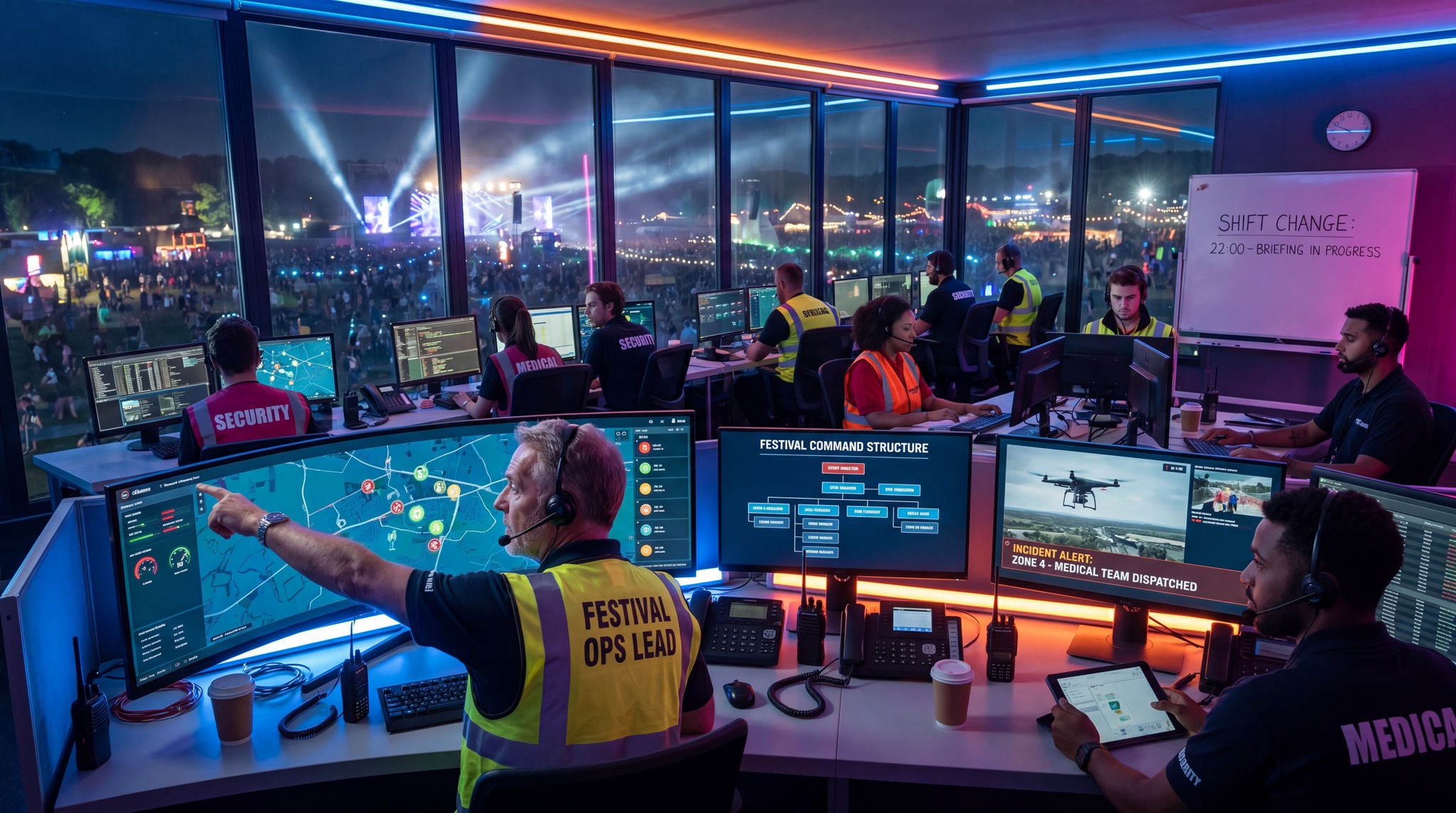
Form a Dedicated Crisis Response Team
Don’t wait for a boycott to begin scrambling phone calls – identify your crisis response team in advance. This core group will make high-pressure decisions if things go south. Typically it includes:
- Festival Director or Executive Producer: A person with ultimate decision-making authority who can weigh financial, reputational, and safety factors and give the final “go/no-go” on major actions (like dropping an artist or issuing a public apology). They’ll lead the crisis team.
- Public Relations Lead: A communications professional (internal or external) proficient in crisis PR. They will craft statements, manage media inquiries, and monitor social media sentiment in real time, utilizing strategies for festival legal and PR crisis management and knowing how to respond quickly and communicate facts. In politically charged scenarios, messaging is everything – having a PR expert who isn’t caught off-guard by sensitive topics is invaluable.
- Artist Relations Manager: This representative liaises with performers. If an artist has concerns or is threatening a boycott, the artist relations manager engages in backstage diplomacy to defuse tensions and manage controversial artists with integrity. They might negotiate with the artist’s management on solutions (for example, agreeing to remove a problematic sponsor logo from the artist’s stage during their set, if that could prevent a drop-out).
- Legal Counsel: Controversies can have legal implications – from contract disputes to free speech issues. Having an attorney on call (or better yet, involved in planning) ensures you consider the legal ramifications of each response. For instance, if you’re contemplating removing an artist for offensive behavior, your lawyer will check the contract for a morals clause or breach terms to determine if the artist is violating local laws or breaching agreements.
- Security/Safety Lead: If public backlash leads to protests at the venue or even threats, your head of security must be in the loop on all decisions. They will coordinate any on-site response: increasing security at entrances, creating protest buffer zones, or liaising with police if needed. As seen in Pride festivals, planning for protesters (and protecting attendees against disruption) is crucial, requiring organizers to balance celebration, safety, and community activism while dealing with protesters effectively.
- Community Liaison (if available): Some festivals designate a team member to handle community and political relationships – effectively an “external affairs” person. In a crisis, this liaison can speak with local officials, neighborhood groups, or cultural organizations to soothe concerns and gather outside perspectives.
Make sure everyone on this team knows their role clearly. Have 24/7 contact info and an emergency meeting protocol (e.g., a WhatsApp group or instant conference call line) so you can convene at a moment’s notice. In the heat of a controversy, you may have only minutes to decide on a public statement or to reach an artist’s agent before they make a move – knowing who needs to confer is half the battle. Many veteran producers do a brief “crisis drill” during pre-production: they’ll walk through a fictional scenario (“What if a sponsor’s involvement triggers a protest?”) to ensure the team understands the chain of command and communication flow, ensuring all staff know who to contact. This kind of rehearsal means that when a real issue arises, your team reacts like a well-oiled machine rather than a headless chicken.
Scenario Planning and Early Warning System
A strong crisis action plan is built on scenario planning – imagining the specific kinds of political collisions your festival could face, and deciding in advance how you’d respond. Start by brainstorming scenarios with your core team: “What if our headliner tweets something offensive a week before the festival?” “What if advocacy groups call for a boycott because of one of our sponsors?” “What if local officials threaten our permit over a controversial art installation?” For each scenario, outline a basic response strategy. This doesn’t mean scripting everything (reality will always throw curveballs), but it provides a playbook to consult under pressure.
For each scenario, identify the trigger points that would escalate it. For example, if an artist voices discomfort about a sponsor, the trigger point might be them actually announcing a withdrawal on social media. Your plan could be: “If an artist publicly cancels in protest, within 1 hour we will draft an acknowledgment statement and within 4 hours announce any lineup change or resolution.” Having these internal deadlines is crucial – it imposes discipline so that you respond before narratives spiral out of control. In crisis communications, speed is essential for handling festival PR crises and bad press.
It’s also wise to assign preliminary actions for likely scenarios. Say your festival is in a region with divisive politics – one planned scenario might be “multiple artists boycott due to local law.” A preliminary action could be preparing a list of potential replacement artists (who could be booked last-minute) and a draft message expressing understanding of the artists’ stance while reassuring ticket holders that the event will proceed. Similarly, if a sponsor is controversial, plan how you’d handle it: is there a condition under which you’d return the sponsor’s money to save the festival’s reputation? Who on the team would negotiate that? It’s easier to weigh those tough choices calmly in advance than amid a firestorm.
Alongside scenario planning, set up an early warning system for controversy. This could include:
Free Tool: Project Your Bar Revenue
Per-head spend benchmarks by event type turned into projected bar and food revenue, with a stock-mix estimate and gross-margin line. Free calculator.
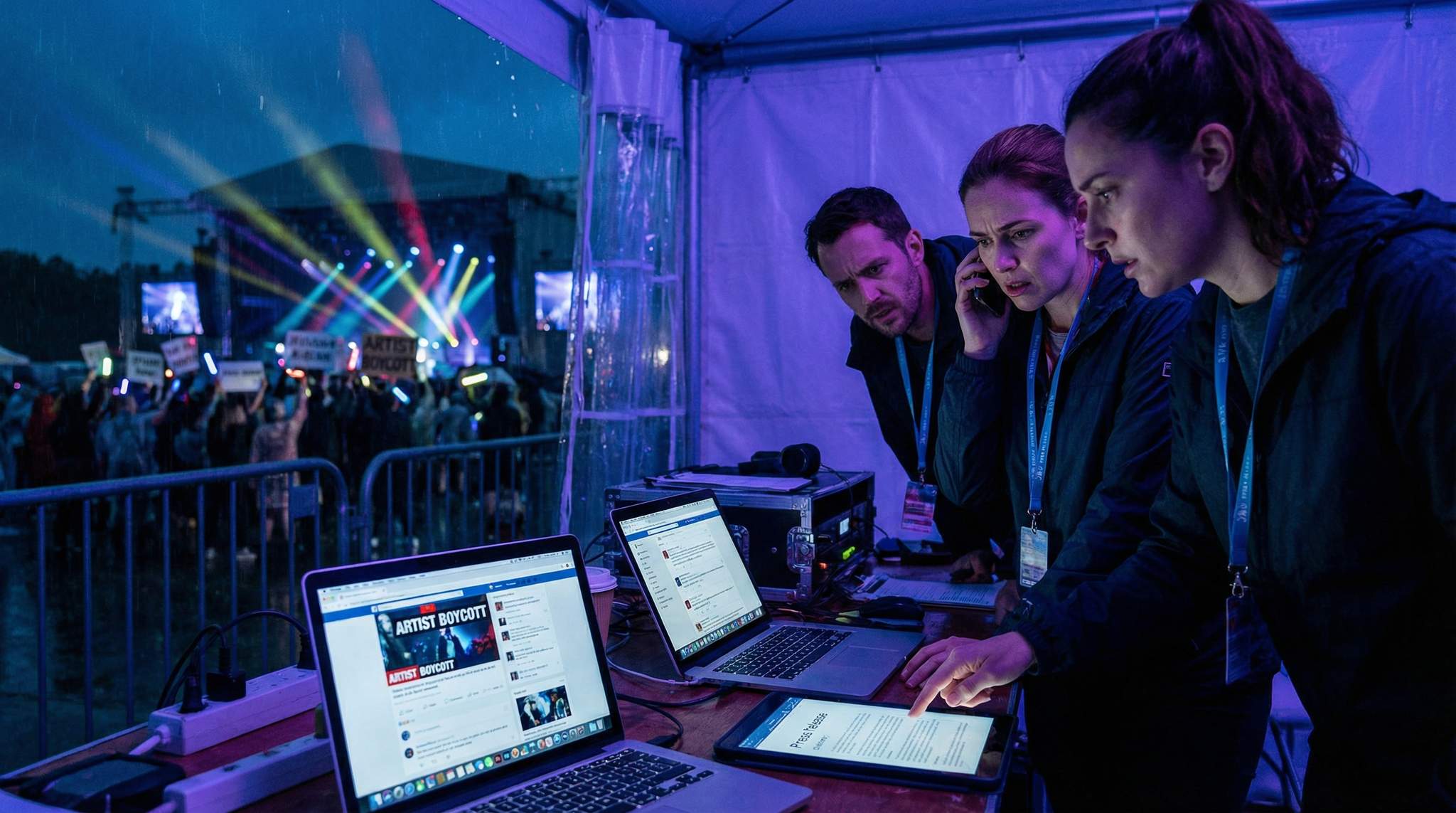
- Social Media Monitoring: Use tools or assign staff to monitor Twitter, Instagram, Reddit, and industry forums for any emerging negative mentions of your festival, artists, or sponsors. Often, the seeds of a backlash appear in fan communities long before they hit the press. If you catch wind of a hashtag like #BoycottYourFestival starting to trend, you gain precious time to investigate and respond.
- Industry and Community Intel: Stay plugged into your local community and the music industry grapevine. Experienced festival organizers often keep informal communication with artist managers and agents – they might tip you off if an artist is getting cold feet or if there’s talk of collective action. Likewise, maintain dialogue with community leaders or activist groups related to your festival’s profile. If your event has a theme (e.g., a world music festival that might involve artists from conflict regions), be aware of any international tensions that could spill over. In 2018, some international artists quietly informed a German festival ahead of time that they might face pressure to cancel due to a cultural boycott movement – forewarned, the organizers were able to prepare for those possible dropouts in advance rather than be blindsided.
- Press and PR Tracking: Have your PR team track media coverage about your festival and even about comparable events. If another festival had a recent controversy, you may glean tips from how it was handled. Additionally, if a journalist reaches out with a “comment on a developing story” that you weren’t aware of, treat it as an early alert. Even a speculative question (“Does your festival have any ties to X sponsor or policy?”) can hint that an issue is brewing.
By planning scenarios and implementing early warnings, you essentially create a radar for political risk. It’s much easier to navigate storms you can see coming on the horizon. And when something sudden does explode, your team will have pre-discussed frameworks to lean on, rather than staring at each other wondering what to do. In essence, crisis planning buys you time and clarity in the most chaotic moments.
Decision Triggers: When to Hold ’Em or Fold ’Em
A crucial part of your plan is deciding in advance what your “red lines” are. In a politically charged crisis, festival leadership must sometimes choose between two tough options: stick to the original plan (keep a contentious artist or sponsor, uphold a scheduling decision) and face continued backlash, or concede to demands (drop the artist, change the policy) and take a different kind of hit (perhaps financial or credibility loss). Wise festival executives establish decision triggers: clear criteria for when they will “hold ’em or fold ’em.”
For example, you might set a trigger like, “If two or more top-tier artists or 25% of the lineup threatens to pull out over this issue, we will cut the contentious element to save the festival.” That way, you’re not dithering in the moment – you know your threshold. Similarly, for sponsor conflicts, a trigger could be, “If a sponsor relationship causes major national media bad press or significant ticket refund demands, we will sever that partnership and issue a statement.” Having these principles decided in cooler times prevents paralysis under pressure. It also ensures consistency: stakeholders will be able to sense if you’re making ad hoc choices versus following a considered policy.
Of course, every situation is unique, but factors to weigh in setting triggers include:
- Scale of Backlash: How widespread is the criticism or boycott? A handful of social media comments aren’t equal to a front-page news scandal. Decide what scale forces action: is it when a story hits mainstream news, or when a critical mass of artists object, or when local officials voice concern? Identify what “critical mass” means for you.
- Principle at Stake: Does the controversy cut to your festival’s core values or legal obligations? If yes, you might act with a lower threshold. For instance, if your festival brand preaches inclusivity and an artist’s presence directly contradicts that (and is hurting fans), you may drop them even if only a minority of voices are protesting – because it’s a matter of principle to uphold your brand’s integrity. Sticking to your values can sometimes mitigate long-term damage more than trying to appease everyone, as seen when festivals prioritize managing controversial artists with integrity.
- Safety and Feasibility: Are there safety risks or operational impracticalities if you don’t change course? Significant protests could endanger attendees or lead authorities to intervene (no organizer wants a scenario where police shut down an event for public order). Or, if half your lineup actually walks off, the show simply can’t go on as planned. In such cases, the decision to adjust is effectively made for you by circumstances.
- Financial and Legal Costs: Consider the penalties of each path. Dropping a headliner might mean paying their full fee for cancellation and potentially refunding unhappy ticket holders – can your budget handle that? On the other hand, keeping them might cause sponsor withdrawals or slower ticket sales. Sometimes, the bean counters can help quantify which option stings less financially. Legally, your counsel can advise if keeping or cutting ties incurs breach of contract issues.
By articulating these decision points, you create a sort of crisis decision matrix. During an actual controversy, you and your team can refer back to these guidelines to inform your judgment. It won’t make the choice easy, but it will make it reasoned and aligned with your festival’s priorities. Stakeholders – from artists to sponsors to attendees – will also perceive that thought process in your eventual response, which lends credibility. For instance, Bluesfest’s eventual decision to drop Sticky Fingers came after multiple artist withdrawals; an outside observer can surmise that when it went from one or two dropouts to a cascade, their internal threshold was hit. The more you define that threshold in advance, the faster you can act when it’s reached.
We’ve established how to plan internally for crises. The next sections deal with executing that plan when a boycott or backlash is actually happening – focusing first on communication, then on operational adjustments, and stakeholder management.
Boost Revenue With Smart Upsells
Sell merchandise, VIP upgrades, parking passes, and add-ons during checkout and via post-purchase emails. Increase average order value by up to 220%.
Communicating Openly Under Pressure
In any festival crisis, and especially in politically charged ones, communication is your first line of defense. How and what you communicate can make the difference between calming the storm or pouring fuel on the fire. Attendees, artists, sponsors, and the public will all be watching how you respond. Seasoned festival PR managers often say, “It’s not just the issue itself, it’s how you handle it.” In this section, we cover effective strategies for messaging during a boycott or backlash – emphasizing transparency, speed, and empathy.
Acknowledge the Issue Quickly
When news of a controversy breaks, the worst thing a festival can do is go silent. Acknowledging the situation promptly is critical to respond quickly and communicate facts and to ensure you communicate through all appropriate channels. Even if you don’t have an immediate solution or full information, put out a brief holding statement as soon as possible. For example, suppose an artist announces they’re boycotting your festival due to a sponsor’s ties to some political issue. An initial public response within the first hour might be: “We are aware that Artist X has decided to withdraw from the festival. We respect their perspective and are currently assessing the situation. We will update everyone soon.” This kind of statement does a few important things:
- It confirms to the public that you know what’s happening (nothing looks worse than an organization seemingly oblivious to a PR fire on social media).
- It buys you time to formulate a more detailed plan while preventing rumors from dominating the narrative. By stating that you’re “assessing” or “working on it,” you signal that action will come.
- It shows respect towards the party raising the issue (the artist, in this case) without immediately taking a side or conceding fault. This balancing act is key in early communications.
In crafting any such message, stick to facts and avoid defensiveness by learning to be transparent and take responsibility and ensuring your audience isn’t kept in the dark. Don’t lash out at the artist or critics, and don’t speculate about motives. Even if you feel the boycott or backlash is unfair, your first public words should be measured. Think of it as triage: stop the bleeding first (stem swirling speculation) before diagnosing the patient. Lollapalooza’s swift statement (noting their diversity values and removing the artist) is a prime example – they didn’t wait for outrage to snowball; they took control of the narrative within hours, making their values the headline instead of the artist’s comments.
One more tip: use all relevant channels to get your acknowledgment out. Post on your official Twitter/X account, Instagram, Facebook, and your festival website/app simultaneously. If the festival is already underway, consider a quick mainstage announcement or ticker on video screens saying a statement is online regarding the issue. Unified messaging across channels ensures that whether someone is checking social media or hearing gossip on the grounds, they also see your voice in the mix. As a rule of thumb, meet your audience where the conversation is loudest – if the backlash is exploding on Twitter, make your statement very visible on Twitter (pin it, use relevant hashtags so it’s found in searches, etc.) to meet your audience where they are. Rapid and widespread acknowledgement can prevent misinformation from filling the void.
Be Transparent, But Plan Your Words
After the initial “we’re aware” message, you’ll need to follow up with more substance. Transparency is non-negotiable in maintaining trust, as emphasized in guides on handling festival PR crises. This means explaining what happened and what you intend to do about it, as openly as possible. However, transparency doesn’t equal improvisation – carefully plan your words, ideally with input from PR and legal advisors. Remember, what you say will be scrutinized not just by fans, but potentially by press, sponsors, and lawyers.
When drafting a fuller statement or press release, consider this structure used by many crisis comms professionals:
- Acknowledgment: State clearly what the situation is. Example: “Yesterday, three artists announced they are withdrawing from OurFest because of concerns over Sponsor Y’s involvement.” Don’t mince words or hide the core issue, or people will think you’re being evasive.
- Empathy/Regret: Even if you feel your festival did nothing wrong, acknowledge the disappointment or concern people have. “We understand that many fans and community members are upset by this situation” or “We are saddened that our lineup won’t include these performances.” If the festival did err (however unintentionally), a sincere apology goes a long way, as it allows you to take responsibility and apologize. For instance, Sydney Festival’s leadership explicitly said “we sincerely apologize to all those affected” after their sponsorship debacle (link) – this helped humanize the festival and showed humility.
- Your Position or Action: This is the heart of it – what are you going to do? If you’ve decided to make a change (drop a sponsor, remove an artist, etc.), say so directly: “Effective immediately, we have ended our partnership with Sponsor Y.” If you’re still deliberating, outline the process: “We are in discussions with artists and partners to address these concerns and will have an update by tomorrow.” Avoid opaque corporate-speak like “We are considering all options” without any hint of direction – that feels like a non-response. Even if the answer is complex, you can communicate your guiding principle (e.g. “Maintaining an inclusive environment is our priority in resolving this”).
- Reaffirm Values and Reassure: End by telling your audience what you stand for and that you’re committed to making things right. “Our festival has always stood for unity and community celebration, and that remains true. We want to assure our attendees that we are working diligently to uphold those values even as we navigate this issue.” This is not empty fluff – it’s a reminder of the common ground you share with your audience. It essentially says, “We’re on the same team, and we care about what you care about.” Many long-running festivals have public mission statements; referencing those during a crisis (“we remain true to our mission of…”) can help frame your response in context.
- Practical Info: If the situation affects the event logistics (lineup changes, refunds, added security, etc.), mention how people will get more info. “A revised schedule will be posted later today” or “Ticket-holders will receive an email outlining their options.” This shows you’re not just talking – you’re taking concrete steps and will keep people informed.
Throughout any communication, maintain a tone that is clear, factual, and calm. Avoid inflammatory language or assigning blame. Even if behind the scenes you feel an artist’s boycott is a betrayal or a sponsor put you in a tough spot, refrain from public mud-slinging. Focus on solutions and common values, not conflicts. Also, be careful with legal implications: transparency doesn’t mean saying everything on your mind. For instance, if an artist accuses your festival of something untrue, you can correct the record (“To clarify, Sponsor Y was involved only in Stage 2, not funding the whole festival”) but do so without attacking motives (“We reject Artist’s false claims” is too combative; a neutral correction is better). It’s a fine line – you want to be open and honest, but also strategic. Consulting your legal counsel on wording can prevent inadvertent admissions or defamation. A phrase like “we take full responsibility” should only be used if you truly are owning a mistake; otherwise focus on what you’re doing to fix things rather than groveling or, conversely, denying.
Finally, follow through on what you communicate. If you promise an update in 24 hours, deliver it. Even if there’s not much new to say, update anyway (“We’re still in talks and will continue to update tomorrow”). Consistent communication prevents an information vacuum that rumors love to fill, and providing regular updates is always better than saying nothing. A festival that goes quiet after one statement may be perceived as hoping it all blows over – and that can erode trust. Transparency is an ongoing commitment until the issue is resolved and even after, when you might debrief publicly about what was learned.
Multi-Channel Outreach and Listening
In a politically charged crisis, your audience and stakeholders are spread across multiple platforms. Effective communication means deploying messages on all relevant channels and tailoring them as needed. It also means listening and engaging in two-way communication where possible, not just broadcasting official statements.
Key channels to consider:
- Social Media: This will often be the front line. Twitter (X) and Facebook for formal statements, Instagram for concise announcements (maybe via stories or a text post), and even TikTok if your festival has a presence (perhaps a short video from the festival director addressing the issue – a human face can build empathy). Social is also where you should monitor reactions and be prepared to reply or clarify common questions. For instance, if under your announcement post dozens of fans ask “What about my ticket now that X artist is gone?”, have a team member (with an official account) responding with the refund or schedule change info proactively. Showing that you’re listening and responding can turn down the temperature significantly.
- Festival Website & Email: Don’t neglect the official site and direct communications. Post a prominently placed update on your homepage or news section summarizing the situation and linking to longer statements if needed. Many casual festival-goers who aren’t on Twitter will go to your website for info if they hear something’s up. Similarly, use email to reach ticket buyers with an official note. The tone for email can be slightly more detailed and personal (you might use the festival newsletter format with a letter from the director addressing attendees). This assures paying customers that you care and want them to have accurate information straight from the source.
- On-Site Communication: If your festival is underway or imminent, you have to manage communication on the ground too. Use LED screens, stage MC announcements, and info booths to keep attendees informed of changes or quell rumors. For example, if an act has pulled out and their set time is coming up, an MC can announce: “Just to keep everyone updated, Artist X will no longer be performing tonight. We’ve adjusted the schedule and will have Artist Z taking over that slot. We appreciate your understanding – please check the app for the new times.” This kind of live transparency prevents confusion and anger on-site. Also, instruct your frontline staff (volunteer ushers, info desk, security) on the key talking points of the situation so they can answer questions consistently and direct people to official updates. Nothing creates chaos faster than mixed messages; a unified communication front is vital.
- Press and Media: Issue a press release if the situation is significant enough, and be ready to field questions from journalists. It might be wise to hold a short press briefing or be available for comments – especially if your festival is large and the controversy is making news. Designate a single spokesperson (often the festival director or head of PR) to speak on behalf of the festival to the media, ensuring you respond quickly under pressure. They should stick to your prepared messaging, of course, but speaking live allows you to convey tone and nuances that written statements might not. It also shows confidence – you’re not hiding. When speaking to media, emphasize the actions you’re taking and the values you uphold, rather than rehashing the conflict in incendiary terms. For instance: “Our priority is to ensure FestivalName remains a welcoming space for all our fans. That’s why we’ve taken these steps…” – steer the narrative to resolution and values.
Listening is an often overlooked aspect of crisis comms. Make sure you have channels for stakeholders to voice concerns and that you acknowledge them. This could mean hosting a community forum (even a virtual one on Facebook Live or Twitter Spaces) where festival leadership addresses questions from fans or locals. Or it could be as simple as responding to DMs and emails from attendees who have concerns. In a boycott situation, you might quietly reach out to key artists or community leaders driving the criticism to hear them out directly. Sometimes, a phone call where you mostly listen can transform an adversarial relationship into a cooperative one. For example, the director of a European festival that faced calls for boycott over an artist’s past remarks invited a leader of the protesting group for a backstage meeting. He listened to their perspective, explained the festival’s vetting process, and they discussed a compromise (the artist made a public apology at the festival, and the group in turn toned down their protest). This kind of engagement isn’t always possible, but where it is, it can open pathways to de-escalation.
The bottom line: communicate frequently, across channels, and be present in the conversation. Don’t just issue one statement and lock yourself in an ivory tower. Festivals are ultimately about community, and community management is never more important than in a crisis. People may still disagree with your decisions, but if they feel heard and kept informed, they are less likely to withdraw support completely. Trust is built (or rebuilt) through open dialogue – showing that you’re willing not just to talk to your audience but also with them.
Managing the Digital Fallout When Fans Speak Out
Navigating an artist cancellation controversy requires a highly structured digital response, particularly when fans speak out aggressively across social media platforms. For festival promoters, the immediate aftermath of a dropped headliner is a critical window where public perception is cemented. Rather than shutting down comment sections—which often exacerbates frustration—experienced organizers deploy dedicated community management teams to triage the digital fallout. This involves separating logistical inquiries (such as refund requests and schedule updates) from ideological venting. By addressing the practical concerns immediately and providing a unified, empathetic response to the broader outcry, venue operators and producers can prevent a localized social media grievance from escalating into a permanent brand crisis.
Consistency and Staying On-Message
As multiple channels and voices get involved, maintaining consistent messaging becomes a challenge. However, consistency is crucial for credibility. Mixed or contradictory messages from the festival will sow confusion and make the situation worse. To avoid this, establish some communication ground rules within your team:
- Everyone on the same page: Ensure all spokespersons and team members with public-facing roles have the latest info and key talking points. It can help to distribute an internal FAQ document that answers likely questions (“Why did the artist pull out? What is the festival’s response? What about refunds?” etc.) with the approved answers. This way, whether someone talks to a journalist, posts on the official accounts, or answers a fan email, the core information is aligned.
- Use one voice: Ideally, draft communications in a single style or have one person/committee vet the tone. While you might tailor wording slightly per platform (more casual on social, more formal in press release), the sentiment and stance should remain consistent. If your first statement took a conciliatory tone, don’t have a later comment come across as combative. Sudden shifts in tone can be jarring and suggest disorganization. A unified voice sounds confident and in control.
- Avoid contradicting updates: Sometimes new information comes to light that changes your strategy – that’s fine, but explain it rather than abruptly flipping your message. For example, if initially you said “the show will go on with a replacement artist” but then you decide to cancel a day of the festival, don’t just quietly delete the old post and announce cancellation. Acknowledge the change: “Earlier we hoped to proceed as planned, but with the recent developments we have made the tough decision to cancel Sunday’s program. We apologize for any confusion.” Honesty about changing course keeps you credible, whereas inconsistencies without explanation breed suspicion.*
- Address rumors swiftly: In a heated political controversy, rumors and false information can spread. If you spot a dangerous rumor (say, a false claim that “All proceeds from the festival were going to Sponsor Y’s political cause”), address it head-on through official channels. Post a myth-vs-fact or a direct correction: “We’re seeing some misinformation – to clarify, FestivalName has no financial ties to any political organization. The sponsorship in question was limited to covering production costs for one stage, not funding any political activity.” Correcting falsehoods promptly prevents narrative hijack. Do it in a factual, non-emotional way. Don’t amplify fringe conspiracies, but do squash widely circulating inaccuracies.
- Stay focused on core issues: In your messaging, it can be tempting to get into the weeds or debate every point the critics raise. Be careful: over-explaining or defensive justifications often backfire. Stick to the core of what happened and what you’re doing. If someone tries to drag in unrelated political grievances, it’s usually best not to engage on those beyond a polite acknowledgement. For example, if faced with broad criticism like “Festivals should never take corporate money at all!”, that’s beyond the immediate issue of your one sponsor – acknowledge (“We understand people have broader concerns about corporate involvement in festivals”) but pivot back to your main message (“right now, our focus is on addressing this specific sponsorship issue responsibly”). Essentially, control the scope of the conversation so it remains on resolving the current crisis, not becoming a referendum on all grievances.
By maintaining consistency and focus, you help your audience and stakeholders understand the narrative from your perspective. They may or may not agree, but at least they won’t be confused about where you stand. Consistency also aids internal morale – your team can rally behind a clear plan rather than second-guessing where things are going. As one industry veteran put it, “In a storm, people look for the lighthouse. Your communications should be that steady beacon – reliable and guiding – not flashing erratically.”
At this point, we’ve covered how to talk the talk during a crisis. Next, we’ll discuss an equally vital aspect: how to walk the walk operationally by adjusting your festival plans (lineup, schedule, logistics) to navigate the turmoil and keep the show on track.
Adjusting Lineups and Schedules on the Fly
When artists pull out or you decide to remove elements of your festival due to political backlash, the show doesn’t necessarily stop. Adaptive festival scheduling is a hallmark of experienced producers who know the importance of keeping festival schedules flexible and always having a Plan B ready. In this section, we explore how to practically manage lineup changes, stage schedules, and ticketing when politics upends your original plan. The goal is to honor your commitments to attendees and other artists as best as possible, minimizing the disruption while addressing the controversy.
Backup Talent and Schedule Flexibility
A festival in crisis needs a plan B (or C, or D) for talent. In fact, smart festivals build backup options from the start. If you’ve lost an artist (or had to drop one), immediately assess your roster for potential replacements or reshuffles. Tactics include:
- Have Standby Acts Ready: Some festivals quietly arrange one or two acts as unannounced backups, a strategy known as having backup talent on standby which can be managed through festival ticketing features. These could be local bands or DJs who can fill a set on short notice. If you didn’t pre-book a backup, tap into your relationships: is there a regional artist who could drive in tomorrow to cover the slot? Often, nearby talent can step up if asked. In emergency scenarios, even artists playing smaller stages can be promoted to larger slots. Fans appreciate something over nothing, and a surprise act can even add intrigue. For example, when a headliner pulled out of a U.S. indie festival last minute, the organizers brought in a popular local jam band to play an extended set – not the same genre, but they kept the crowd entertained and turned the substitution into a special jam session “only happening here.” It wasn’t perfect, but it averted dead air on the main stage.
- Lean on Artists Already There: If one day’s headliner is lost and you have big acts on other days, see if any are willing to do a second show or an acoustic set to help out. At multi-day festivals, artists sometimes hang around; a goodwill request to perform an extra 30 minutes or repeat a shorter set could fill gaps. In electronic music events, this is even easier – a DJ on Friday might be fine with playing an additional hour on Saturday if needed (many travel with flexible schedules). Of course, clear it and offer incentives (extra pay or future booking favor) as appropriate. The artist community often understands the “we’re all in this together” vibe, especially if they sympathize with why someone dropped (e.g. they might share the values that led to the boycott and want to help the festival recover).
- Flex the Schedule: If replacements are thin, adjust your timetable to reduce the impact. You might lengthen other acts’ set times slightly to cover a cancellation. Or compress the day – start a bit later or end earlier – and communicate that change clearly as a one-time necessity. Many festivals build a little padding into schedules for overruns; use that cushion creatively. For instance, if a mid-afternoon act drops out, you could move a small stage act onto the main stage for a short showcase, then pad the changeover with a DJ set or interactive crowd moment. Some festivals have impromptu DJ playlists or VJs ready to perform if needed as filler. The key is to avoid any significant period where nothing is happening when something was supposed to; an empty stage invites disappointment and negativity. Even playing back-to-back recorded music videos of the missing artist’s genre on the big screen as a “tribute set” is better than nothing (just be careful with licensing if doing that publicly).
- Utilize Multi-genre or Miscellaneous Content: If a music artist drops and you can’t find a musical replacement, consider other programming: maybe a comedian, a local cultural group, or a panel discussion relevant to the situation. It might sound odd at a music fest, but extraordinary times call for creativity. For example, one festival faced a last-minute government order cancelling a controversial rapper’s set; with no time to replace him, they instead hosted a live on-stage interview with two other artists (who were already present) about music and social issues. They invited the crowd for a Q&A. Surprisingly, many fans stayed and engaged, appreciating the transparency and unique experience. Turning a gap into a feature, even if offbeat, is sometimes possible.
When a major withdrawal forces you to restructure a multi-day event, managing the day-wise lineup becomes a critical operational puzzle. Fans purchase single-day tickets based on specific daily rosters, meaning a Friday cancellation cannot simply be replaced by moving a Sunday act. Promoters must treat each day’s schedule as a distinct product. If a headliner drops, you must immediately assess the specific day’s genre balance and ticket sales, deploying targeted backup talent to that exact date to prevent a mass exodus of single-day attendees.
Examining historical precedents, such as the rapid restructuring of the Lolla day-wise lineup during past controversies, highlights the necessity of having genre-specific understudies ready for each individual festival day. Promoters cannot afford to leave a massive gap in a daily schedule, as single-day ticket holders will demand immediate recourse. Maintaining a deep bench of regional talent ensures that even if a major act is pulled, the specific daily experience remains robust and engaging.
Of course, all these measures are smoother if contingency planning was done beforehand. The No-Show Backup Plan is essential as highlighted in other guides on handling last-minute lineup changes and dealing with performers cancelling unexpectedly. If you’re reading this in advance of any crisis, take it as encouragement to bake flexibility into your lineup from day one: schedule-wise and talent-wise. This might mean budgeting a little extra for standby acts or designing your festival schedule with fewer overlapping must-see acts (so if one is lost, people still have a satisfying day). It might also mean cultivating industry networks so you can call favors when needed, ensuring you can quickly find a replacement. Festivals run by veteran promoters often manage miraculous last-minute bookings because they have built relationships and a reputation for fair dealing – agents will help if they can, knowing you’d do the same and that your event is credible.
Communicating Lineup Changes to Attendees
How you frame a lineup change can significantly influence attendee reactions. Honesty is important, but so is emphasis. You want to inform attendees clearly without sending a message that the festival is “ruined” (it’s not – it’s just different). Here are some tips:
- Update Schedules Everywhere: Synchronize your communication. Push an update through your festival app (if you have one) with a notification like “Lineup Update – [Artist X] will not perform. [Artist Z] will play [time]on [stage]. See details.” Post the new schedule or daily timetable on social media and your website, marked clearly with changes. On-site, have printed flyers or notice boards at info points highlighting the changes. In short, make sure that from the moment people arrive (or wake up checking their phone) they see the correct info. Attendees are much more forgiving when they know what to expect rather than discovering a no-show in real time with no explanation.
- Be Honest About Why (to a Point): Attendees will speculate why an artist is gone; it’s better they hear it from you first. If the reason is publicly known (e.g., the artist themselves announced they’re boycotting or dropped out), reference it factually: “Due to Artist X’s personal decision related to [issue], they will no longer appear.” If you proactively removed someone or something, you can say “Due to circumstances, we and Artist Y have mutually agreed to cancel their performance.” You don’t necessarily need to dive deep into politics in every communication with fans, but don’t concoct a fake reason either. In the age of social media, any dishonesty will be quickly exposed. Transparency, as mentioned, builds trust – even if fans are disappointed, they’ll appreciate being told the truth (or at least the non-spin version of it). Where relevant, pair the reason with a reassurance: “We support the artist’s stance and are working to ensure the festival still delivers an incredible experience for you.”
- Accentuate the Positive: When announcing the new plan, highlight what’s still great. “We know many of you were excited for Artist X. We’re excited to announce that Artist Z (whom many of you loved in 2019’s edition) has stepped in to keep the party going. Let’s show them a huge welcome!” This doesn’t mean pretend nothing happened, but it shifts focus to what attendees will get. If no direct replacement is available, emphasize other festival features: “While we won’t see Artist X this time, every other stage is packed with amazing talent today – it’s a great chance to discover new favorites. Our community vibe is strong, and we’re grateful to celebrate with you all notwithstanding these changes.” Enthusiasm in messaging can be contagious, or at least mitigate anger. Fans often mirror the tone the festival sets.
- Offer Outlets for Disappointed Fans: Some hardcore fans might be at your festival primarily for the artist who withdrew. If you can, provide them with an outlet so they don’t just stew or become vocal detractors on-site. This could range from facilitating refunds (more on that soon) to creating a tribute or alternative engagement. For instance, perhaps set up a listening party at a smaller stage where that artist’s music is played by a DJ at the time they would have performed – a subtle nod that “we share your disappointment and still want to celebrate their music.” Some festivals in the past have done impromptu fan meetups or merchandise giveaways for disappointed fans (“Come to the merch tent at 8 PM if you were repping Artist X – we’ve got something for you”). Such gestures can turn a negative into a feeling of camaraderie. The fans realize the festival cares about their experience, even if circumstances changed.
Throughout communications, maintain professionalism and empathy. Thank attendees for understanding. A phrase like “Thank you for bearing with us” or “We understand this change is unexpected – thank you for your patience and support” goes a long way to mollify frustration. You’re essentially enlisting the crowd to be partners in overcoming the hiccup, rather than framing it as “take it or leave it.” Many festival-goers are surprisingly resilient and community-minded; when invited to make the best of a situation together, they often will.
Navigating the immediate aftermath of an artist cancellation controversy requires active social media listening, especially when fans speak out aggressively. When a highly anticipated act drops off the bill due to ideological differences, their dedicated followers will inevitably flood your comment sections. Instead of ignoring the noise, assign community managers to monitor the sentiment, correct misinformation politely, and guide frustrated ticket holders toward official statements and refund portals. This proactive engagement prevents a localized fan grievance from spiraling into a broader brand crisis.
Ticketing, Refunds, and Financial Adjustments
One major practical question that arises with significant lineup changes or controversies is ticket refunds or compensation. How you handle this can impact both your finances and public goodwill. Here are considerations and best practices:
- Know Your Policy, but Be Flexible: Most festivals include in their terms that lineup is subject to change and tickets are non-refundable on that basis. This legal protection is important – it prevents a floodgate of refund demands for minor changes. However, in a high-profile political controversy, sticking too rigidly to “policy” can appear tone-deaf. Evaluate the magnitude: if a minor act withdrew, you probably don’t address refunds at all. If the headline act canceled and they were a primary draw, consider offering something. This could be a partial refund (e.g., if a headliner of one night is gone, a prorated refund for that day’s ticket holders), a credit towards next year’s festival, or even a small freebie on-site (drink vouchers, merch discount) as a goodwill gesture. The Festival Ticketing platform you use might have tools to help automate partial refunds or credits – for example, Ticket Fairy allows flexible refund rules in emergencies, without penalizing the organizer – so leverage that tech if available.
- Communicate Refund Options Proactively: If you are offering refunds or exchanges, say so clearly in your announcements. “Ticket-holders for Sunday may request a 50% refund due to the lineup change by contacting our support or visiting the ticket booth by 5 PM.” Make the window and process clear. Many fans won’t go through the effort if they still plan to attend, but stating it builds trust (and it’s the right thing to do for those who genuinely feel the experience is diminished). If you’re not offering any refunds (perhaps because the show otherwise goes on fully), you don’t need to explicitly mention refunds at all in communications – just be prepared to respond politely to individuals who ask. You can empathetically reiterate policy, perhaps along with a mention of all the other great programming still on. Some festivals in sticky situations choose a middle ground: not a blanket refund announcement, but quietly accommodating those who reach out individually with serious grievances. This case-by-case approach can limit financial impact while averting bad blood with your most upset customers.
- Consider Future Incentives: If immediate refunds aren’t feasible, an alternative is to incentivize future loyalty. For example, “We’re sorry you missed Artist X – as a token, all Sunday ticket holders will receive a 20% discount code for next year’s festival (to be emailed after the event).” Or offer a piece of exclusive festival merch for free pickup. These gestures show you value your attendees’ happiness long-term. It might also sway some who were on the fence about demanding refunds; they think, “Alright, I’ll come back next time and get a deal.” Of course, only promise what you can afford – but a small cost per person (like a discount that only applies if they purchase again) might be more financially palatable than large refunds.
- Insurance Claims: It’s worth noting that standard event cancellation insurance often doesn’t cover reputation crises or voluntary boycotts. They cover things like weather, illness, or government shutdowns. However, if your situation does fall under a covered peril (for example, if authorities shut you down due to unrest, which might be seen as civil authority interference), loop in your insurance provider early to ensure your insurance provider is notified. For the most part, though, festivals eat the costs of these adjustments. Keep track of all expenses related to the crisis – extra artist fees for replacements, refunds given, PR costs – as these figures will be important in your post-mortem and possibly in negotiating future insurance or sponsor deals (“we incurred X in losses handling this responsibly”).
- Budget Contingency: This is a forward-looking point, but crises underscore the importance of a contingency fund in your budget. Many seasoned festival producers set aside 5-10% of budget for unforeseen costs, often using polls to learn what issues matter. If you have such a cushion, using a portion of it to satisfy disgruntled customers or pay a premium for a last-minute artist replacement is a wise investment in your brand’s longevity. Pinching pennies by not addressing valid complaints could cost more in reputation damage than a modest payout would.
Surviving a Coordinated Financial Strike
When a controversy evolves into a targeted financial boycott within the creative sector, the threat moves from reputational damage to immediate fiscal peril. Unlike a passive drop in ticket sales, an organized economic protest actively pressures your revenue pillars—demanding that sponsors pull out, vendors cancel their stalls, and grant-making bodies freeze funding. To survive this level of coordinated divestment, festival producers must build financial firewalls early. This means avoiding over-reliance on a single title sponsor, securing multi-year funding commitments with clear exit clauses, and maintaining a robust emergency cash reserve.
Organizers must also prepare for the broader economic impact of a creative arts financial boycott. Unlike a simple social media outcry, a coordinated financial strike involves attendees actively withholding ticket purchases and pressuring sponsors to pull funding simultaneously. To insulate your event from such severe revenue shocks, diversify your income streams across multiple independent partners and maintain transparent, ethical funding policies that align with your audience’s expectations.
Furthermore, a sustained creative arts financial boycott can deter future investors who fear being associated with a polarizing brand. To counter this, festival producers should establish an independent advisory board composed of community leaders and industry veterans. This board can vet potential sponsors and funding sources year-round, ensuring that all financial partnerships remain ethically sound and resilient against sudden public scrutiny.
In summary, resolve financial matters in a way that balances fairness with survival. You likely can’t make everyone 100% happy, but aim to show that you care about attendee experience. If the community feels “they did right by us given the circumstances,” you’ve succeeded. Some festivals have emerged from controversies with stronger fan loyalty because of the grace and fairness they demonstrated when things went wrong.
Making lineup and schedule adjustments on the fly is never easy, but it’s a challenge that festival pros prepare for. By having backups, communicating changes clearly, and treating your fans with respect, you can navigate the storm and still deliver a memorable event. Next, let’s discuss how to manage the relationships with artists, sponsors, and others behind the scenes during these crises – the stakeholder management that can make or break your festival’s future editions.
Managing Stakeholders: Artists, Sponsors, and Community
When politics collide with your festival, it’s not just an operational challenge – it’s a relational one. Stakeholder management becomes paramount. You need to reassure and realign everyone who has a stake in your event’s success: the artists (both those still on the bill and those who may be wavering), the sponsors and partners who fund you, the local community and officials who host you, and even your own staff and volunteers. Here we’ll break down strategies to engage each stakeholder group under pressure, showing them that you’re addressing concerns while protecting the festival’s mission.
Diplomacy with Artists and Their Teams
Artists are at the heart of any festival, and in a politically charged situation you may have some who are upset, some who are confused, and others who are considering jumping ship. Open communication with your lineup is essential to prevent a domino effect of dropouts and to maintain goodwill for the future.
- Direct Outreach: As soon as a controversy emerges, personally reach out to the key artists on your bill (or have your artist relations team/booking managers do so). Don’t let them learn everything from Twitter – give them a call or send a respectful, informative email. Explain what’s happening, how you’re handling it, and express hope that it won’t affect their participation. For example: “You may see news that X has withdrawn over [issue]. We wanted to let you know directly and assure you we’re taking steps to address it. We value having you with us and are happy to discuss any concerns you have.” By doing this, you show professionalism and care. It can prevent panic among artists who might otherwise think “Is this festival falling apart? Should I bail too?” When they hear your calm explanation and plan, they’re more likely to stay onboard.
- Listen to Their Concerns: Some artists might indeed have concerns – perhaps they share the boycotting artist’s political stance, or they worry about fan reception. Provide a safe channel for them to voice this. Have one-on-one conversations. Weigh if accommodations can be made: for instance, if an artist is uncomfortable with a sponsor’s logo on their stage, could you remove or cover that branding during their set? (It’s a bit of a slippery slope, but these kinds of compromises behind the scenes can sometimes prevent a pullout.) If an artist is under pressure from their fanbase to take a stand, you might work with them on a statement that satisfies their need to speak while still performing. It could be as simple as them dedicating a song to the cause or mentioning it briefly on stage. These nuances come out only if you truly listen and discuss – an approach of “our way or the highway” will just drive artists away.
- Reiterate Commitments: Reassure artists of your festival’s support and values. For example, if the controversy is over inclusivity, remind them that your festival has a strong anti-discrimination policy and inclusive ethos (if that’s indeed the case) and that’s precisely why you’re handling the issue seriously. Emphasize any positive steps being taken (“We’ve dropped that sponsor” or “We’re beefing up security to ensure no disruption to your set despite protests”). Artists want to know that they – and their fans – will be in a safe and positive environment. Show that you’re making it so.
- Future Relationship Management: If an artist did boycott or withdraw, handle that exit professionally. Even if you privately feel let down, remain courteous and understanding. You might say something like, “We respect your decision and hope to work together in the future under better circumstances.” Ensure any financial settlements (like returning deposits if contract requires) are done promptly and without rancor. The industry is small; how you treat one artist in a tough time will be noted by others. Interestingly, some festivals that had artists boycott later rebooked those artists in subsequent years after repairing trust. That only happens if you avoid burning bridges. Extend a bit of empathy – from the artist’s perspective, they might have been under massive pressure from their fan community or beliefs. By parting amicably, you leave the door open.
- Unite the Rest: For the artists who stay, you want them to feel part of a team pulling off something meaningful despite challenges. Keep them updated as things evolve (e.g., “we found a great replacement for the headliner, thanks for your patience” or “media might ask you about this issue, here’s our festival’s official stance if it helps you frame your answer”). Some festivals even hold a quick all-artist meeting or send a collective letter during turmoil to rally morale: “This year has thrown us a curveball, but we’re grateful to each of you for sticking with us. Let’s deliver an amazing show for the fans and prove that music and unity win the day.” Artists often appreciate that inclusive leadership gesture. It makes them feel valued beyond being a contract on a lineup.
One more subtlety: if there are artists on the bill with opposing political views (it can happen), be mindful of how you navigate that. Keep your communication factual and not taking sides in political ideology – focus on festival values (e.g., “we support respectful expression and safety for all”) which most can agree on. If, say, one artist’s fanbase is pro one side and another’s is opposite, try to avoid programming them back-to-back to minimize any possible friction in the crowd, and ensure your stage MCs or hosts keep the atmosphere positive and away from political jabs.
In essence, handling artists during a crisis is about diplomacy and solidarity – much like handling difficult artists with last-minute demands in normal times. Your role is part mediator, part cheerleader, ensuring that the show (maybe a slightly altered show) goes on with everyone motivated to give their best.
Reassuring Sponsors and Partners
When controversy strikes, sponsors and partners might get nervous. They have their brands to protect, and they’ll worry if being associated with your festival during bad press could harm them. Just as you communicate with artists, it’s critical to proactively communicate with sponsors so they don’t make knee-jerk reactions like pulling funding publicly.
- Immediate Briefing: Personally call your major sponsors (especially any whose involvement is part of the controversy) as soon as feasible. Brief them on the situation and your action plan. It’s much better they hear a clear, controlled narrative from you than see a garbled version on the news and panic. For example: “As you may see in media, there’s a backlash regarding [issue]. Here’s what we’re doing about it… We wanted you to know first because we value our partnership.” This shows respect and keeps them in the loop.
- Highlight the Positives: Emphasize that you’re managing the crisis responsibly and that the festival’s core audience is still engaged. Sponsors care about reach and brand image – so if the controversy is being handled, reassure them that attendees (their potential customers) are still coming and will have a good experience. You might share any positive fan responses or media coverage that praises the festival’s response. For instance, if a prominent music blog posts “Festival X Addresses Boycott with Grace and Keeps Event on Track,” forward that to sponsors. It helps counterbalance the negative headlines.
- Offer Mitigation for Sponsors: If a sponsor is directly in the line of fire (like the embassy in the Sydney case, or say a corporation activists dislike), decide in collaboration how to mitigate. In some cases, the sponsor might agree to step back temporarily – for example, not displaying their banners on-site to avoid provoking protesters. Or they might issue their own statement which you should coordinate so it aligns with yours. In extreme cases, you might mutually decide to terminate the sponsorship for this year. It’s a tough call, but some sponsors would prefer to quietly exit than be the cause of a festival failing. If that happens, negotiate how to frame it publicly (“Sponsor and Festival have mutually agreed to part ways due to the sensitive climate, with hopes to work together when appropriate in the future” – something diplomatic). Always consult legal and contractual terms when altering sponsor deals, of course.
- Reiterate Audience Alignment: Often sponsors choose festivals because of brand-audience fit. If controversy arises, they may question if that alignment is damaged. Your job is to convince them that the festival’s audience remains a worthwhile and positive cohort to engage. Share any data or anecdotes: “Our attendee surveys show that 90% plan to come regardless of this news” or “We’ve had an outpouring of support on social from fans who understand what we stand for.” If the controversy actually ties into a cause (for instance, it’s about sustainability or equality), and if your sponsor has any initiatives in that area, mention it: “We know [Sponsor] has a commitment to [cause]; we hope to demonstrate that commitment by how we resolve this issue true to those values.” Basically, tie them into the solution, not the problem.
- Deliver on Promises: Ensure that whatever obligations you can fulfill for sponsors, you do so impeccably. In crisis mode you’re juggling a lot, but don’t drop the ball on things like sponsor signage (assuming it’s still being displayed), hospitality, shout-outs, or activations that were agreed upon (unless they’re part of the conflict). If a sponsor sees you running the event professionally even under strain, it reinforces their trust. They think, “If they can handle this, they’re a solid partner long-term.” On the flip side, if you neglect a sponsor’s activation because you were busy putting out fires, they may feel they wasted their money and got bad PR to boot.
- Private and Public Support: Encourage a two-way street of support. Some sponsors will offer help – perhaps crisis PR advice from their corporate communications team or additional funding for any extra safety measures needed. Accept help if appropriate; it can strengthen the partnership. And publicly, if appropriate, thank sponsors for sticking by the festival (without seeming tone-deaf). For example, after the dust settles, a tweet like “Shout out to our partners at [Sponsor] for their unwavering support this weekend – we couldn’t have done this without our community behind us” – this signals to the world that your sponsors are good actors and believed in the event’s mission amidst adversity. Of course, be mindful: if the sponsor was the source of controversy, such praise might reignite criticism. Read the room – this kind of public accolade works best when the sponsor wasn’t at fault and quietly helped out in the solution.
Strong sponsor relationships can literally save a festival in hard times. Conversely, a panicked or alienated sponsor can sink an event if they withdraw critical funding last-minute. Thus, invest time in sponsor relations as part of crisis management. Many industry experts say that during a crisis, after ensuring attendee safety, your next calls should be to legal and major sponsors. Keeping those relationships intact not only gets you through the current storm, but also signals to future sponsors that your festival is a reliable, well-managed venture. It shows you treat sponsors as true partners – and indeed, during a backlash, they are your partners in weathering public opinion.
Community and Public Officials Engagement
Festivals exist in a social and geographic community. When controversy arises, local residents, community leaders, and government officials may have opinions or concerns that need tending. Particularly if the issue at hand has moral or political dimensions that touch the local population (like a Pride festival in a conservative town, or a festival sponsor that the community finds objectionable), you must engage with these stakeholders to uphold your license – both the literal event permit and the social license to operate.
- Keep Authorities Informed: If your festival is under scrutiny or protest, your first community stakeholder is law enforcement and the permitting authority. Loop them in on what’s happening and what you’re doing. For example, inform the city events office or mayor’s liaison: “We’ve had some public backlash due to [issue]. We have issued statements and adjusted XYZ. We are also adding extra security on Friday as a precaution.” Showing proactiveness can stave off heavy-handed action from officials, such as them considering revoking permits out of fear of unrest. Instead, you become a cooperating partner ensuring public safety and order. This is similar to any crisis – authorities appreciate being in the know so they aren’t caught off guard if, say, a protest of 50 people shows up at the gates. Work with police on designating protest zones if applicable, and reassure officials of your crowd management plans. If you’ve built goodwill by engaging city officials early and coordinating with city agencies, cash in a bit of that goodwill now by demonstrating responsibility.
- Community Leaders and Local Media: Depending on the controversy, consider reaching out to local community figures – for example, neighborhood association heads, cultural community leaders, or clergy – anyone who might be influential in shaping local opinion. Offer to discuss the festival’s stance and hear their perspectives. Sometimes a face-to-face meeting or phone call can clear up misunderstandings (they might have thought your festival intentionally did something they oppose, when in fact it was incidental). If you find receptive allies, they could even speak up in support of the festival continuing, which is golden for PR. Local media (newspapers, radio) are another channel; an interview there can help sway community sentiment that “Festival X is handling this responsibly and should be allowed to proceed.” Keep the message local-centric: emphasize community benefits like tourism dollars, donations to local causes, free tickets you gave to local youth – whatever positives your event brings. It reminds folks that despite this bump, your presence is more beneficial than not.
- Public Forums and Transparency: In some cases, hosting a public Q&A or forum (even if it’s online via Facebook Live or a Reddit AMA) can help address community concerns. For example, imagine a scenario where a political group is urging locals to boycott your festival or petition against it. If you publicly answer, “We hear you – here’s what actually happened and what we plan to do,” some might soften their stance. Choose a representative who is good at empathetic communication to lead this. The tone should be listening and informing, not arguing. Thank people for their passion for the community and show that you share the goal of a positive, respectful environment.
- Demonstrate Values Through Actions: Often community acceptance is won by deeds. During or after a controversy, find ways to show the community your values. For instance, if the backlash was related to an environmental stance, double down on your festival’s sustainability efforts visibly on-site (clean-ups, recycling drives, etc.) and talk about it. If it was around inclusivity, make sure your festival is clearly a safe space (maybe set up a larger inclusion and safety station or invite a local nonprofit to have a booth). These concrete actions can speak louder than press releases. Post-event, share outcomes with the community: “Even with the challenges, Festival X donated $10,000 to local charities this year and brought 5,000 visitors to town, boosting small businesses.” This reframes the narrative to the good you do.
- Staff and Volunteer Morale: One stakeholder group not to forget internally is your crew and volunteers. They are community members too, and they talk to attendees. Ensure they are briefed on key messages and feel proud of how the festival is handling things. A quick team meeting or letter from leadership can boost morale: “We know it’s been a tough week with the controversy, but we see how hard you’re working to give everyone a great experience. Thank you for representing our festival’s spirit of unity. If attendees have questions or concerns, remember you can direct them to our info desk or social accounts for the latest updates – you don’t have to have all the answers on the spot. Just continue being friendly and professional, as you always are.” Empowering your team this way means they’ll convey calm and confidence to the public, rather than spreading uncertainty or their personal opinions. They can be your front-line ambassadors in soothing worried attendees or countering negative buzz on the ground.
In crises, it’s easy to become insular and forget the broader community context. But festivals rely on goodwill – from city permits to neighbors tolerating noise. If politics put you in a bind, doubling your outreach to these external stakeholders can prevent an exodus of support or even legal shutdown. Show that you’re not an isolated bubble; you’re part of the community and accountable to it. By addressing local concerns head-on, you’ll protect your festival’s reputation not just among global fans, but right at home where it matters most for long-term survival.
Legal and Contractual Safe Havens (and Pitfalls)
The intersection of politics and festivals doesn’t just test ideals – it tests legal agreements and fine print. When boycotts, cancellations, or disputes arise, contracts and laws become highly relevant. An astute festival producer will already have involved legal counsel early in the crisis, as noted, but it’s worth digging into some key legal considerations. From artist contracts and performance agreements to permits and insurance, knowing your rights and obligations can either provide safe havens to act or pose pitfalls if you misstep.
Artist Contracts and Morals Clauses
One of the first places to look during an artist controversy is the artist performance contract. These agreements often contain clauses that dictate what happens if an artist withdraws or if the festival needs to drop an artist. A well-drafted contract might include:
- Force Majeure/Cancellation Clauses: These cover “acts of God” and sometimes broader unforeseen events, allowing cancellation without liability. However, boycotts or political protests may not neatly fit traditional force majeure language (which usually lists things like weather, war, illness). Going forward, some festivals are revising force majeure definitions to include “civil disobedience or public controversy” in certain cases. If your contract has no such wording, you’re in a gray area – but it’s possible an artist boycott due to, say, a controversial sponsor might be argued as an unforeseen circumstance freeing both parties from obligations. Consult your lawyer on the specifics.
- Artist Breach and Remedies: If an artist simply no-shows or cancels for a non-force majeure reason (like a voluntary boycott), the contract likely deems it a breach. Typical remedies include retention of their deposit or requiring return of any advance, and possibly damages if their absence causes measurable loss (though pursuing that is rarely worthwhile in practice). Knowing this, you can decide how hard to push. Many festivals choose not to pursue punitive action against boycotting artists, for PR reasons, but some do quietly negotiate financial settlement (e.g., artist forfeits the deposit, and both sides move on). On the flip side, if you drop an artist (perhaps because you decide their presence is too toxic), check your contract for rights to do so. Some contracts have a “festival discretion” clause allowing you to cancel the performance under certain conditions (usually you’d owe the artist negotiated compensation, like half the fee, or full fee depending on timing). If an artist was pulled due to a morals clause violation (more on that next), that could justify non-payment. It’s case-by-case.
- Morals/Conduct Clauses: Increasingly, festivals and talent agencies are including morals clauses in contracts, a practice essential for scandal-proofing your festival lineup. These stipulate that if an artist engages in behavior or speech that conflicts with certain standards – such as hate speech, illegal acts, or bringing public disrepute to the event – the festival can cancel their set and not be liable for payment. If you had such a clause and, say, an artist made extreme political statements that violate your agreed code of conduct, you have firmer ground to drop them without paying and publicly state why (carefully). Conversely, some artist contracts might have clauses allowing artists to withdraw if the festival breaches certain ethical standards (for example, if the festival is found to be involved in something the artist finds egregious). These are rarer but some savvy artist teams negotiate them. Always review obligations on both sides: sometimes contracts have mutual termination clauses if “the environment is unsafe” or etc., which could come into play if a boycott implies threats.
If you find yourself mid-crisis and your contract language is thin, still involve your lawyer in communications. Even a subtle phrasing in your public statement can affect perceived liability (for example, calling an artist’s cancellation a “breach” publicly vs. a mutual decision can have legal weight). That’s why many statements are carefully worded as “mutual” unless one party clearly screwed up.
For future planning, tighten your contracts to account for lessons learned. After one festival had an artist go rogue on stage politically and get the whole event shut down, organizers added explicit clauses about adhering to local laws and not disparaging the festival or host country, giving them recourse if it happened again, specifically regarding violating local laws or breaching agreements. Similarly, if you endured an artist boycott scenario, consider adding a clause where artists agree to discuss concerns with you first in good faith before withdrawing (it may or may not deter a quick boycott, but it sets an expectation). Talk to your booking agents and maybe collectively, as an industry, about standard language – many agents understand that a clear clause is better than muddy fights later.
Working Within Permit and Law Constraints
While dealing with artists and contracts is one side, don’t forget regulatory and legal constraints that might shape your crisis response. For example:
- Public Safety Laws: If protests are likely at your event, you must abide by local laws on demonstrations. That might mean coordinating with police on where people can or can’t protest (you cannot deny their right to protest in public areas if the law allows, but you can enforce ticket-holders’ code of conduct inside). Ensure your security actions don’t infringe on rights – for instance, ejecting someone just for holding a sign might cause legal issues unless that sign violates festival policy or causes real disruption. Familiarize yourself with local statutes on trespassing, noise, hate speech, etc., as they may all become relevant. In some countries, certain political symbols or speech might even be illegal on site – know this and include it in your attendee rules if applicable.
- Permit Compliance: A crisis is not an excuse to fall out of compliance with your event permits. In fact, authorities might scrutinize you more during turmoil. If you promised certain community measures or sound controls or ending times, stick to them. Any slip could give detractors ammunition or officials a reason to penalize. On the flip side, if you need an exception (say you want to extend programming later to make up for earlier interruptions), clear it with officials – during a sympathy-worthy crisis, sometimes they’ll be flexible if asked (like allowing music to run an extra 30 minutes past curfew to satisfy fans who waited out a protest delay). Always get such exceptions in writing or at least a clear nod from the duty officer.
- Non-Discrimination and Harassment Laws: Be mindful of equal opportunity laws when handling a situation. For example, if controversy involves race, religion, etc., any decisions you make should be legally sound from a non-discrimination standpoint. If you drop an artist, it should clearly be for their behavior, not their identity or beliefs (unless that belief is directly violating human rights principles, but even then frame it on conduct). If an employee or volunteer is involved in the controversy (imagine one making political statements that go viral), consult HR/legal on how to handle consistent with labor laws and your codes of conduct.
- Libel and Defamation: In the heat of statements, avoid saying something that could trigger a defamation claim. Don’t label an artist or group with language like “hateful” or “bigoted” outright unless absolutely sure and relevant, even if you personally feel it – stick to describing actions and aligning with your values (“Artist’s statements do not reflect our values of inclusion” is safer than “Artist is hateful”). Also, if tensions are high, be careful not to spread unverified claims (for instance, don’t repeat a rumor about why an artist pulled out that isn’t confirmed – it could be false and defamatory). When in doubt, keep it factual and neutral in external comms. Internally, write assuming anything could become public.
- Local Political Neutrality (if needed): Some jurisdictions require events on public property to be politically neutral or to allow equal access if they allow any political activity (this is more about conventions or rallies, but if your festival stepped into a political area, be aware). For instance, if you let one advocacy group have a presence on-site to appease them, you might legally need to allow others to have the same. It’s a tricky area – ideally avoid formal political activity on-site unless that’s part of your festival’s core purpose.
Keeping close to your legal advisors ensures you don’t inadvertently break a law while trying to solve a PR problem. Many veteran festival producers emphasize having legal counsel on standby whenever the unexpected strikes. That advice definitely applies to politically charged situations. Legal knowledge not only protects you, but it can empower you – for example, knowing that contractually you’re in the right can give you confidence to stand firm on a decision like dropping an artist, whereas if the contract was adverse, you might choose a more conciliatory path.
Documentation and Insurance Considerations
As you navigate the crisis, document everything. This includes communications with artists (save those emails or write memos of calls), sponsor discussions, decisions made and why, and any incidents (like protests, artist public statements, etc.). This documentation could be vital later if there are legal disputes or insurance claims.
- Insurance Notifications: If you believe the situation might trigger any insurance coverage (for example, event cancellation insurance if a major part of the festival gets canceled due to government order, or liability insurance if someone gets hurt during a protest), notify your insurer promptly. Policies often require immediate notice of potential claims, so ensure you notify your insurance provider immediately. Even if you’re unsure, it’s better to put them on alert and get guidance on what’s covered. For instance, if Day 3 was canceled because police shut it down for safety, that might be claimed as a covered loss under certain cancellation policies. But if you voluntarily canceled due to backlash, that likely isn’t covered. Clarify with brokers what support they offer – some insurers might provide crisis management resources or legal assistance as part of coverage.
- Press and Social Media Archive: Keep a scrapbook of media coverage and social trends through the ordeal. This can help later in evaluating reputational impact (and quantifying any loss of business, if you pursue legal action against a party that caused damages, like the rare case of suing an artist – e.g., Good Vibes Festival’s legal claim against the band that caused its shutdown included evidence of losses, as reported when Good Vibes Festival sued The 1975 for damages citing intentional breach of contract). Similarly, if a group spread false information that hurt ticket sales, having the record is necessary if you ever consider litigation (though suing protestors or activists is usually a losing proposition in court of public opinion, it’s been done in extreme cases of defamation).
- Post-Mortem Legal Review: After the festival, sit down with your legal team to review how contracts and policies held up. Were there clauses that could be improved? Should future artist agreements have more stringent or clearer language about political issues? What about vendor and sponsor contracts – maybe adding a clause that either party can exit without penalty if public controversy hits, to formalize a “graceful exit” strategy. Some festivals might create an MOU (Memorandum of Understanding) with local authorities outlining how communication will flow in crises, to avoid confusion over who has authority to make what call (for example, if any future scenario involves potential shutdown, you want clear criteria – the Good Vibes example highlights that artists breaching local law forced authorities’ hand). Having that documented understanding can avoid finger-pointing later.
- Trademark and Reputation: One outside consideration: if someone unaffiliated starts using your festival’s name in a smear campaign inaccurately, there might be trademark or defamation avenues to stop them. For example, if an unrelated group set up a fake Facebook page “Boycott [YourFestival]” using your logo, your IP lawyer can issue a takedown for unauthorized use of trademark. It won’t solve the root issue, but it can remove misleading or impersonating content. Use these sparingly and wisely – it can look heavy-handed if done against genuine grassroots criticism, so weigh the optics. But for outright misinformation or impersonation, legal takedowns are justified.
Handling the legal side may not be glamorous, but it’s the scaffolding that keeps the whole structure from collapsing. Many festivals have crumbled not directly from the controversy, but from the legal fallout – lawsuits, fines, broken contracts – that drain resources and trust. By being legally prepared and proactive, you erect a safety net that lets you focus on cooling tempers and resuming the music.
Finally, after all the turmoil, what can you do to solidify your festival’s values and reputation so that you emerge stronger? In the next section, we’ll explore strategies for reinforcing what your festival stands for and turning a crisis into an opportunity to demonstrate leadership and integrity.
Preserving Values and Rebuilding Reputation
Surviving a politically charged boycott or backlash is one thing – emerging with your festival’s reputation intact (or even enhanced) is another. Top festival producers view crises as defining moments for their brand’s values. How you act under fire becomes a permanent part of your story. In this section, we discuss ways to uphold your festival’s core values throughout the storm, and steps to rebuild (or even boost) your public image once the immediate crisis subsides. With the right approach, a festival can transform a backlash into a testament of character, reinforcing trust among attendees, artists, and partners.
Staying True to Your Festival’s Mission
First and foremost, any response you take should be rooted in your festival’s mission and ethos. During the heat of a controversy, it’s easy to lose sight of your identity in trying to please everyone. Resist that. Instead, use your mission as a compass. For example, if your festival is all about inclusivity and positivity, those values should shine through in how you handle the issue (perhaps by swiftly distancing from hate speech, as Lollapalooza did, or by affirming support for marginalized voices if they were affected). If your festival prides itself on artistic freedom and boundary-pushing, you might handle things differently – perhaps protecting an artist’s right to express even if it caused backlash, as long as it’s within legal bounds, and explaining that stance to the public. Not every festival will make the same choices, and that’s okay as long as it’s consistent with their character.
Take Glastonbury as an example: known for its long-standing activism and social awareness, it weaves values into its operations. When facing criticisms (e.g., about environmental impact), it responded by doubling down on eco-initiatives in line with its mission, rather than ignoring the issue. In your case, articulate internally what your guiding principles are, and sanity-check each major decision: “Does this align with what we claim we stand for?” If you find yourself considering an action that contradicts your own ethos (like silencing an artist’s political view when you brand yourself as free expression champions), think twice. Sometimes, taking a reputational hit is better than betraying your core principles – because audiences can forgive a stumble, but they won’t forgive hypocrisy.
This is not just philosophical: it has PR ramifications. Audiences are quick to call out inconsistency (“Festival says it supports indie artists, but threw Artist X under the bus just to appease a sponsor!”). Protecting your integrity might mean making a hard choice – perhaps declining future sponsorship from a divisive source in favor of community goodwill, as Sydney Festival did by rejecting certain funding going forward. These decisions can be publicly communicated as such: “We’ve reflected on this experience, and in keeping with our values, we will …”. Audiences and media generally appreciate when a festival clearly articulates its moral stance and sticks to it. It doesn’t mean everyone will agree with you, but they can at least respect that you have a clear position. Festivals like Burning Man, for instance, have weathered storms by saying “this is who we are, these are our principles,” and living them even when challenged.
Turning Crisis into Opportunity
It may sound cliched, but a crisis truly can be an opportunity. Post-incident, consider initiatives that positively channel the energy around the controversy. Here are some ideas:
- Public Dialogue and Panels: If the issue raised is something society is grappling with (be it censorship, discrimination, political conflicts, etc.), you could host a panel or forum at the next edition of your festival to discuss it. Engage artists, activists, or experts. Some festivals introduced “values panels” or workshops precisely because a previous controversy showed a gap in understanding or empathy. For example, after facing criticism about how a festival handled an LGBTQ-related incident, organizers the next year hosted a small queer filmmaker showcase and a discussion on queer history in music, turning a negative into a learning moment for attendees. This both shows you’re not sweeping things under the rug and adds meaningful content to your event.
- Cause Partnerships: Align with a non-profit or cause relevant to the controversy and do some good together. If your event got flak for environmental reasons, perhaps partner with an environmental organization for a beach cleanup or tree-planting drive in your festival’s host community (and let people know you did it). If it was a human-rights related issue, maybe start a donation campaign or awareness collaboration with a respected charity in that field. Many festivals actively improve their sustainability or community programs after a scare as a way to demonstrate growth, often partnering with causes to build goodwill with residents and officials and support tangible community improvements. The key is sincerity – choose a cause you can genuinely support long-term, not a one-off PR stunt (audiences can tell). It should feel like a natural extension of your festival’s journey after what happened.
- Policy Changes and Public Commitment: When you implement policy changes (like a new code of conduct, new booking vetting process, new funding guidelines), announce them publicly and explain why. “We listened, and we learned. Going forward, our festival will do XYZ.” This turns the narrative to one of progress. It also sets a bar that you can be held accountable to, which might seem risky but is ultimately part of trust-building. Some festivals even publish brief post-mortem reports addressing major incidents and what will change. In the age of transparency, this openness can win you supporters. People love to see evolution – it humanizes the festival and shows a commitment to getting better.
- Media Narrative Reset: Engage in a positive media campaign after things settle. Reach out to journalists or industry outlets that covered the controversy and offer a follow-up story: how the festival overcame it and the positive response at the event. Share human stories – like how fans came together regardless of the drama, or an anecdote of an artist who initially was unsure but after seeing the festival’s handling wrote to thank you for a great experience. This shifts the media narrative from “Festival X embroiled in conflict” to “Festival X triumphs and doubles down on its values.” Trade magazines love these angles (they prefer success stories to doom, overall). You might also submit an op-ed or blog from the festival founder’s perspective: a thoughtful piece about what the industry can learn about unity in divisive times, for instance. Positioning yourself (or your festival leadership) as thought leaders who learn and lead can turn a messy incident into respect from peers.
One caution: whatever “opportunity” you pursue, keep it authentic. Audiences can sense opportunism if, say, you suddenly lean into a cause you never mentioned before just because you got in trouble over it. Make sure any new initiative or partnership has a genuine link to your festival’s identity. If it doesn’t, perhaps focus on quiet improvements rather than very public ones. It’s fine to improve internally without fanfare if that suits your style better – authenticity first, optics second.
Long-Term Reputation Repair
Even with great handling, a controversy can nick your reputation. It might show up as slightly lower ticket sales next year, or continued snark on social media from detractors. Long-term repair is about consistency and patience:
- Deliver Flawlessly Next Time: The next edition of your festival is your best advertisement. If it runs smoothly, with diverse happy crowds, top-notch production, and no drama, it will naturally overshadow last year’s issues. People have short memories when a new amazing experience comes along. So put extra effort into planning and quality next time. Use the lessons learned – you might incorporate new risk management, better communications, improved lineup choices – all of which will make the event stronger and more resilient. Then let the event speak for itself. Many festivals have a “rocky year” and then come back with a stellar year that effectively reboots the narrative.
- Monitor Sentiment: Keep your ear to the ground in the months and year following. See what fans are saying. Address any lingering myths or concerns in your marketing. For instance, if some still believe you’re tied to a controversial sponsor (even after it ended), make sure your new marketing highlights fresh, positive partnerships or community credentials. If an artist’s fan community is still salty, maybe do something to appease them (like book a different artist from that community’s milieu, or if possible, mend fences and book the original artist when feasible, assuming relationships allow – returning an artist after controversy can be a powerful reconciliation symbol if done thoughtfully and if the public is ready for it). Show that time has moved on and so has the festival, without directly saying “please forget last year” – instead, give them so much new to talk about that the old news fades out.
- Engage Your Loyalists: No doubt, during the crisis you identified some die-hard supporters – fans, artists, influencers who backed you or constructively engaged rather than attacking. Cultivate these relationships. A strong community will defend the festival against naysayers and bring others back. Maybe host a special appreciation event or online AMA for them. Or simply maintain interaction on social media. The goal is to fortify your core base; they will become your advocates. When tickets go on sale again, these loyalists will be the first to buy and to promote that “Festival X is a must-go, they handled things well and it’s better than ever now.” Word of mouth like that is invaluable.
- Internal Culture: Ensure your team – staff, volunteers, contractors – also process and learn from the experience. A festival that has alignment internally on its values and crisis lessons is far more likely to project a consistent positive image externally. Incorporate the learning into volunteer training (“Here’s how we handle issues, with respect and transparency”). When your crew embodies the improved culture, every touchpoint with attendees in future events quietly rebuilds reputation. People might say, “Everyone I met at the festival was so knowledgeable and helpful, even when I asked about that issue from last year – they really have it together.” That’s the kind of ground-up reputation repair that advertising dollars can’t buy.
In essence, repairing and enhancing reputation post-backlash comes down to actions over time. There’s no instant fix, but a series of right moves will gradually overwrite the negatives. Remember that in the digital age, the story might linger online (old articles, etc., don’t disappear), but new positive stories will outrank and replace them in people’s minds if you generate enough good outcomes. It’s much like personal reputation – what you consistently do ultimately defines how you’re perceived, more than any one bad day.
As we come to a close, it’s evident that navigating political boycotts and backlash is a complex, high-stakes challenge. We’ve journeyed through preparation, case studies, crisis response, communication strategy, operational adaptation, stakeholder diplomacy, legal frameworks, and value-driven leadership. It’s a lot to digest, but these are the facets a festival organizer must juggle when politics and festivals collide. By learning from those who’ve been through the fire and by committing to professionalism and principle, you can guide your event through the storm without derailing the entire enterprise. In the final section, we’ll encapsulate the most important takeaways – a handy checklist of sorts – to remember when facing these situations.
Frequently Asked Questions About Festival Boycotts and Protests
What are the most common reasons for boycotting live events?
The primary reasons for boycotting live events usually involve a perceived misalignment of values between the organizers, the artists, and the attendees. This includes controversial lineup bookings, accepting sponsorships from politically polarizing entities, or hosting the event in regions with contentious local laws. When fans or artists feel an event compromises their ethical standards, they often withdraw their financial support and participation.
How should organizers handle an artist cancellation controversy when fans speak out?
When facing an artist cancellation controversy where fans speak out, organizers must prioritize swift, transparent communication. Acknowledge the situation immediately across all official channels, explain the reasoning behind the cancellation (or the artist’s withdrawal) without being defensive, and clearly outline the next steps, such as schedule adjustments or refund policies.
How can promoters mitigate the risk of music festivals protests?
To mitigate the risk of music festivals protests, promoters should conduct thorough risk assessments during the planning phase. This involves vetting sponsors, understanding the sociopolitical climate of the host city, and engaging with community leaders. If a protest does occur, having a dedicated crisis response team and coordinating with local authorities to establish safe demonstration zones is critical to protecting both attendees and the event’s reputation.
What triggers a creative arts financial boycott?
A creative arts financial boycott is typically triggered when an event’s funding, investments, or partnerships are linked to organizations, governments, or corporations involved in human rights violations or other major controversies. Stakeholders—including performers and ticket buyers—may refuse to participate to avoid indirect complicity, making transparent sponsor vetting a vital operational practice.