Launching a brand-new festival is a thrilling challenge – you’re starting with a blank slate, no attendees yet, and everything to prove. Year-one festival marketing is all about building buzz and trust from scratch. People won’t buy tickets to an unknown event without excitement and confidence that it will deliver. This step-by-step guide shows how first-time festival producers can generate early buzz on a tight budget while crafting the trust signals that persuade people to take a chance on a new event.
When figuring out how to market a festival for the very first time, the most common mistake promoters make is relying solely on lineup announcements. True event promotion requires a multi-channel approach that blends digital advertising, grassroots community building, and strategic ticketing incentives. Whether you are organizing a boutique culinary weekend or a massive multi-stage music event, successfully marketing a festival means creating an inescapable narrative that compels fans to secure their passes months in advance.
For many emerging promoters, the initial question of how to put on a festival quickly shifts from booking talent and securing municipal permits to the harsh reality of audience acquisition. Producing a large-scale live event requires a symbiotic relationship between your operational logistics and your promotional strategy. You cannot successfully launch a multi-day gathering without a marketing plan that runs parallel to your site builds and artist advancing. Understanding the mechanics of producing a debut event means recognizing that every logistical decision—from the venue layout to the food vendor curation—is ultimately a marketing asset waiting to be leveraged.
Developing a comprehensive festival marketing strategy is the critical bridge between your creative vision and a sold-out debut. When evaluating how to promote festivals in a crowded landscape, independent organizers must look beyond basic social media posts. A robust promotional framework integrates data capture, targeted digital advertising, and community-driven advocacy to ensure every marketing dollar directly influences ticket conversions.
Turn Fans Into Your Marketing Team
Ticket Fairy's built-in referral rewards system incentivizes attendees to share your event, delivering 15-25% sales boosts and 30x ROI vs paid ads.
Developing a Resilient Festival Marketing Strategy
In my decades of producing everything from intimate boutique gatherings to 100,000-capacity mega-events, I’ve learned that a true festival marketing strategy is much more than a checklist of social media posts. It is a comprehensive, data-driven framework that aligns your promotional efforts with your operational milestones. Effective marketing for festivals requires organizers to map out the entire attendee journey—from the first digital touchpoint to the post-event survey. By integrating ticketing analytics, dynamic pricing tiers, and targeted audience segmentation, promoters can build a resilient promotional engine that adapts to real-time sales data rather than relying on hope and hype.
When you transition from the planning phase to actively promoting a festival, the dynamic shifts from internal logistics to external storytelling. The most successful independent promoters understand that driving ticket sales for a multi-day event requires a different cadence than a standard club night. You are not just selling access to a lineup; you are selling an immersive escape. This means your promotional assets must consistently highlight the holistic experience—from the curated food vendors and interactive art installations to the community atmosphere—ensuring that every piece of content reinforces the unique world you are building.
Planning a Festival?
Ticket Fairy's festival ticketing platform handles multi-day passes, RFID wristbands, and complex festival operations.
Start Early and Plan Your Timeline
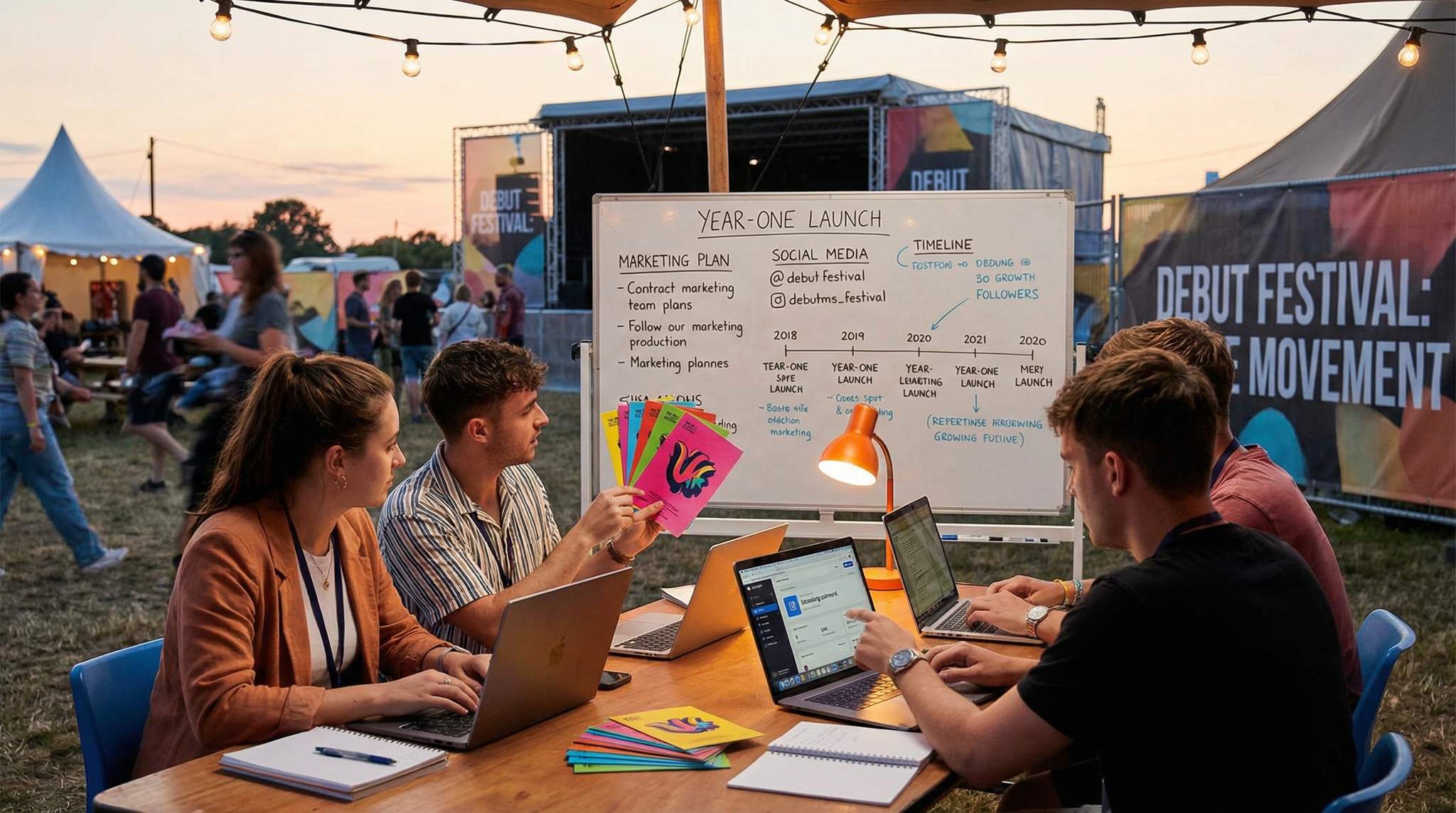
Timing is everything when promoting a debut festival. Seasoned promoters often begin outreach 6–12 months ahead of a major event, following a comprehensive first-time festival blueprint, but even if your festival is smaller or you have a shorter runway, start as early as possible. Give yourself at least 3–4 months of active promotion before day one. This runway lets buzz build gradually and ensures your message reaches enough people.
Create a rollout timeline backward from your festival date. For example:
- 6+ Months Out: Finalize your festival’s name, branding, and core concept. Begin quietly spreading the word in your community and through personal networks. If possible, announce the save-the-date and launch basic social media profiles to stake your claim.
- 4–5 Months Out: Officially announce the festival with key details (date, location, theme). Begin a teaser campaign on social media to pique interest – for instance, post cryptic hints about the lineup or venue. Launch your festival website or event page with essential info (even if some details are “coming soon”). Start collecting email sign-ups for updates to build a potential attendee list.
- 3 Months Out: Open ticket sales with an attractive early-bird offer. This not only kickstarts revenue but also signals that others are committing. Many new festivals offer a discounted first tier to reward early believers. Begin heavier promotion: reveal part of your lineup or programming to give people a taste of what to expect. Reach out to local media with a press release about the festival’s launch.
- 1–2 Months Out: Ramp up content and outreach. Release the full lineup or schedule, post behind-the-scenes peeks (stage designs, vendor highlights), and share practical information (travel, parking, accommodations) to help attendees plan. This is the time to blanket local communities with flyers, listings on event calendars, and grassroots outreach (more on this below). If any tickets tiers are close to selling out, highlight that to create urgency (e.g. “Only 50 early-bird tickets left!”).
- Last Few Weeks: Push the final marketing wave. Count down on social media with daily posts (“10 days to go!”). Encourage performing artists or speakers to promote their appearance at your festival to their fans. Ensure all trust signals and event info are front-and-center (people will be double-checking details now). Also, prepare contingency communications (like a plan for weather issues or last-minute changes) to show you’re on top of things, which reinforces trust.
Throughout my career overseeing mega-events and boutique gatherings alike, I’ve found that the secret to successfully promoting a festival lies in maintaining momentum between major announcements. You cannot afford “dead air” in your communications. Between your initial save-the-date and the final week’s push, fill the gaps with engaging, community-focused content that keeps social algorithms working in your favor and your audience actively invested in the event’s development.
Starting early with a clear timeline prevents the scramble of last-minute promotion. It also gives you time to learn and adjust – if a tactic isn’t generating interest by 2 months out, you still have time to pivot (for example, boosting your social media posts or adding a small pop-up promo event) before it’s too late. Remember, “if you build it, they won’t come – unless they know about it.” Be proactive and consistent in spreading the word.
Smart Promo Codes & Presale Access
Create percentage or flat-rate discount codes with usage limits, date ranges, and ticket type restrictions. Plus unlock codes for private presales.
Nail Your Festival Identity (and Know Your Audience)
Before you spend a dollar on advertising, get crystal clear on what your festival is and who it’s for. A compelling identity is the foundation of all effective marketing – it gives people a reason to care. Define your festival’s theme, genre, and vibe. Are you throwing an indie music weekend in the woods, a family-friendly food fair, or a cutting-edge electronic music rave? Your concept will shape your messaging and target audience.
Identify your target audience segments early. Maybe it’s 20-something EDM fans who love camping, or local families eager for a kids’ cultural festival. Research their media habits and what appeals to them. This will tell you where and how to market (e.g. TikTok and Instagram for young music fans, or local parenting blogs and Facebook groups for family events).
Need Festival Funding?
Get the capital you need to book headliners, secure venues, and scale your festival production.
It’s also important to articulate your mission and story. Why are you creating this festival? If you have a personal passion or a community cause behind it, share that! A strong mission can inspire people to support you. For example, Glastonbury Festival (UK) famously began as a modest farm gathering in 1970, even offering free milk to attendees as a gesture of hospitality, proving that starting with a modest gathering can lead to legendary status. That authentic, community-driven spirit helped Glastonbury grow from a tiny event into a legendary festival brand. People rally behind authenticity – if your festival is born from a genuine passion or aims to support a community/culture, let that shine through in your marketing.
Learn from past successes: Bonnaroo, one of the biggest U.S. music festivals today, had a hugely successful debut in 2002 by targeting a specific community from the start. Its founders Superfly Productions knew their audience – jam-band and roots rock fans – and booked a lineup full of artists those fans loved (Widespread Panic, String Cheese Incident, Trey Anastasio, etc.). That first-year lineup “represented a certain community of fans that were passionate about that music,” according to Bonnaroo’s co-founder in a discussion on building a loyal community. In other words, Bonnaroo didn’t try to be for “everyone” – it catered to a defined group and delivered an experience those people craved, and in return the community showed up in droves.
Beyond music, these principles apply to any live entertainment format. If you are researching marketing strategies for new comedy shows, boutique food and wine events, or multi-genre arts fairs, the core rule remains: identify your core demographic first. A debut comedy festival, for instance, might lean heavily on podcast advertising and short-form video clips of local stand-up talent to capture its specific audience.
So, ask yourself: what niche or community does my festival serve, and what will make them excited? Maybe you’re bringing a style of music or art to a city that doesn’t usually get it, or uniting a subculture that’s been eager for its “own” event. Use that angle as a key selling point. When your event stands for something unique, it’s easier to get media and word-of-mouth buzzing, because you’re not just another copycat event. And knowing your core audience will help you craft messages that speak to them and choose the right channels to reach them.
Grow Your Social Following With Every Sale
Require social media follows, shares, or playlist adds to unlock presale access or special pricing. Turn every ticket purchase into audience growth.
Build a Credible Online Presence
In this digital age, your festival’s online presence is essentially its first impression – and you need it to scream “legit and exciting!” Many people will encounter your new festival via its website or social media before anything else. Invest time in a quality website or event page that has all the key details and a polished look. You don’t need to spend a fortune on web design; even a simple one-page site or well-crafted Facebook event can work, as long as it looks professional and answers common questions.
Include clear information: dates, location (with city/region clearly noted), the type of experience (e.g. music genres or festival theme), ticket pricing and where to buy, age restrictions, and any big highlights you’ve confirmed (artists, headliners, special attractions). Early on, you might not have the full lineup or schedule – that’s fine, just tease what’s coming and focus on the “why attend” proposition. Make sure to have a FAQ section or at least a contact email for inquiries. First-time attendees to a new festival will have doubts, so proactively answer things like parking, lodging options, what to bring, safety measures, etc. Transparency reduces skepticism.
Set up social media profiles on platforms that your target audience uses. Secure your festival name on Instagram, Facebook, TikTok, Twitter (X), and even YouTube if you plan on posting videos. You don’t have to dominate every platform – prioritize the ones where potential attendees hang out the most. For instance, a debut tech/nerd culture festival might find its audience through Reddit and Twitter, whereas a new rap music festival might focus on Instagram and TikTok. Populate these profiles with the basic festival info and some engaging content so they don’t look empty. Even a few posts about your mission, venue previews, or artist spotlights can make your pages look active and trustworthy.
Consistency is key: Use the same festival logo, colors, and tone of voice across all channels. A cohesive brand image helps build recognition and trust. If your festival has a fun, quirky personality, let that show in your posts; if it’s more of an elegant cultural affair, a polished tone makes sense. Consider creating a simple tagline that captures your festival’s vibe and use it in your messaging. All these elements signal that real effort and thought are behind the event.
Don’t underestimate the trust signaled by a well-maintained online presence. If an interested person Googles your festival and finds a slick website, active Instagram with follower interactions, and a Facebook event with people RSVP’ing, they’re far more likely to purchase a ticket than if they find very little. On a tight budget, organic social media is your friend – it’s essentially free, apart from your time and creativity. Post regularly with updates, countdowns, artist announcements, and interactive content (polls, questions, behind-the-scenes clips). This keeps your growing follower base engaged and excited to the point that they start sharing your posts with friends, acting as ambassadors.
Leverage Local Community and Partnerships
When you’re unknown nationally, start locally. Your first circle of supporters will often come from the city or region where the event is held. Engaging the local community not only drives ticket sales in your backyard but also builds a foundation of goodwill that can sustain your festival in the long run. Many great festivals started as community events before they became international attractions.
Data-Driven Event Marketing
Track ticket sales, demographics, marketing ROI, and social reach in real time. Exportable reports give you the insights to make smarter decisions.
One strategy is to partner with local businesses and organizations. Look for mutual benefits: a local craft brewery or popular cafe might promote your festival in exchange for being an on-site vendor or having their logo on your marketing. Community organizations (cultural clubs, tourism boards, arts councils) might help spread the word if your event aligns with their goals. For example, if you’re launching a new jazz festival, the local jazz society or music school could co-host a stage or hold workshops, lending credibility and tapping into their membership base. Local tourism boards and city councils may also list your festival on their event calendars or even provide small grants/marketing support if your festival can boost local economy or culture.
Grassroots outreach is powerful for building buzz from the ground up. This means hitting the streets (literally and figuratively). Put up posters or flyers in strategic spots: music stores, cafés, university campuses, community centers, libraries, and venues where your target audience frequents. Make sure your flyer design is eye-catching and includes the basics (what/when/where and a QR code or short URL for tickets). Also, attend local events or meetups that attract a similar crowd and do some old-fashioned networking – talk to people about your upcoming festival, hand out flyers or promo cards, and be genuinely enthusiastic. Your passion can be infectious one-on-one.
Another tactic is organizing pre-events or tie-in events. If feasible, host a small preview event or launch party in the local area. It could be a free concert at a local bar featuring a couple of bands slated to play your festival, or a tasting event if it’s a food festival. This gives people a sample of what’s to come and creates word-of-mouth buzz. It also generates content (photos, videos, maybe local press coverage) that you can use to further market the main festival. Plus, those who attend the preview are likely to bring friends along to the big event if they had a good time.
Crucially, engage local media. Don’t assume a new festival will be ignored by press – often, community newspapers, regional magazines, radio shows, and bloggers are eager for fresh stories, especially if there’s a human interest angle. Perhaps you’re reviving a genre that once thrived locally, or you’re a hometown team trying to put your city on the festival map. Craft a compelling press release and send it to local news outlets and event bloggers. Follow up personally with a courteous email or call. Even a short mention on local radio or a calendar listing in the city paper can bring in attendees who might not see your Facebook ads.
The goal of community-based marketing is not just ticket sales – it’s to embed your festival in the local culture. If locals embrace it, you have an immediate base to build upon, and they’ll do a lot of marketing for you via word-of-mouth. Many festivals that became big, like South by Southwest (SXSW) in Texas or Montreal’s Osheaga, started with strong local attendance that then attracted outsiders. And some festivals remain intentionally community-focused, which can be a great identity in itself. Even if you aim to draw people from all over eventually, don’t neglect the people in your backyard during year one. They are your ambassadors and sometimes even volunteers and staff.
Speaking of volunteers – recruiting local volunteers or brand ambassadors can amplify your outreach. Enthusiastic college students or scene supporters might help distribute flyers or promote online in exchange for a free ticket. This extends your reach at minimal cost and also invests more people in the festival’s success.
Free Tool: When Should You Announce?
Pick your event date and genre — the free planner outputs a recommended announce, presale, on-sale and reminder schedule anchored to how your audience actually buys.
Engage Micro-Influencers and Authentic Word-of-Mouth
When you don’t have big-name reputation or a huge ad budget, micro-influencers and genuine word-of-mouth can be game-changers. Micro-influencers are individuals who might not have massive follower counts, but who are influential in a niche community or region – think of a local Instagram food blogger with 5,000 loyal followers, or a popular skateboarding YouTuber in your city. Their recommendations feel more authentic to their audience, and importantly, they’re usually much more affordable (or even free) to work with than celebrity influencers.
Identify micro-influencers who align with your festival’s theme. If it’s a comic convention or pop culture fest, that might be local cosplay enthusiasts or comic artists on social media. If it’s an electronic music fest, find local DJs or dance music bloggers/podcasters. Approach them with a friendly proposal: invite them to be part of your festival’s story. This could mean giving them a free pass (and maybe one for a friend) in exchange for them posting about the event a few times leading up to it. Or let them make an exclusive announcement (“hey, I get to reveal one of the headliners to you guys!”) which can excite their followers. You can also offer a unique discount code they can share – it makes their audience feel like they’re getting VIP treatment, and you get trackable sales from that influencer’s reach.
Keep the relationships genuine – choose people who truly connect with what you’re doing, so their promotion feels like a heartfelt recommendation, not a forced ad. The power of micro-influencers is in their tight-knit credibility; their followers trust their opinions, a sentiment echoed in reports on event influencers and brand authenticity. In fact, marketing leaders have noted that niche influencers and authentic engagement often outperform big generic campaigns, reinforcing the value of niche influencer engagement. A dozen micro-influencers each reaching a few thousand engaged locals or enthusiasts can spark a lot of chatter about your new festival for very little cost.
Aside from social media figures, don’t forget community influencers: these could be respected figures like music teachers, club promoters, or even the owners of local shops that cater to your audience. For instance, the owner of a vinyl record store or a comic book shop might be willing to put your flyers at their counter and mention the festival to customers, especially if you’ve built a friendly relationship or the festival benefits the scene. Offer to reciprocate by promoting them as an official partner or giving them a booth at the event.
Encourage user-generated content as well – create a hashtag for your festival early (#YourFestName2024) and urge people to use it when talking about anything related to the event. Share or repost fans’ content (like an Instagram Story where someone expresses excitement they got tickets) – this not only makes those fans feel appreciated, but shows others that real people are getting on board. Consider running simple contests: e.g. “Share our festival poster on your story and tag us for a chance to win a merch pack or VIP upgrade.” This can multiply your reach as fans do the sharing for you.
The first-year festival that manages to get people talking enthusiastically has a huge advantage. If 50 people each convince 2 friends to come, that’s 100 more tickets sold through pure word-of-mouth. So treat your early supporters like gold. Engage with comments, answer DMs promptly, and maybe create a street team (online or offline) – a small army of super-fans or friends who help hype the festival to their networks. They could get a title like “Founding Ambassador” and some perks, which gives them pride in helping build the festival’s community from day one.
Built-In Email Marketing for Events
Send targeted campaigns, automated purchase confirmations, and post-event follow-ups directly from your ticketing dashboard.
Craft Teaser Campaigns to Build Hype
For a new festival, mystery and anticipation can be your friends – as long as you don’t overdo the vagueness. Teaser campaigns are a classic way to drum up curiosity and conversation before the full details are out. The key is to drop just enough hints to intrigue people, but not so little that they ignore you for lack of information.
One approach is a countdown to your lineup or headliner reveal. For example, maybe you’ve booked a popular artist as your first year headliner – you can post a silhouetted image or a cryptic clue about them each day for a week leading up to the announcement. By the time you actually reveal the name, your followers are buzzing with guesses and excitement. This works for smaller attractions too: tease unique aspects like “Something magical is coming to our family area… (announcement tomorrow!)” and then reveal a cool installation or activity you’ve secured.
Another idea: a “Coming Soon” video or photo series. If you have access to your venue early, take some cinematic shots of the location with a tagline like “Where dreams will come true this September” and your festival logo. Or produce a short, energetic teaser video (even using stock footage plus text) to share on social media and via email – it sets the tone and makes the festival feel real. For example, festivals have teased their atmosphere by showing past event footage if available (in your case you might show related events or performers in action to suggest the vibe). Aim to engage emotions: if it’s a rave, the teaser should feel electrifying; if it’s a wellness festival, the teaser might feel inspiring and serene.
Stagger your content releases to maintain momentum. An example schedule: Initial festival announcement with basic info in Month 1, a venue spotlight in Month 2 (with photos or fun facts about the location), partial lineup reveal in Month 3, full lineup and schedule in Month 4, and continuous artist spotlights, vendor previews, and “X Days to Go” posts in the final weeks. Each piece of content should invite people to discuss or share. Ask questions in your captions like “Who’s ready to dance under the stars with us?” or “Tag a friend you’d road-trip with to our festival!”. Interactive posts get more reach due to social algorithms and make potential attendees visualize themselves there.
If your budget allows, you can complement organic teasers with small paid boosts – for instance, promote a key announcement post on Facebook/Instagram to a targeted audience (such as people 18–34 in your region who like similar events or artists). Even $50 can significantly increase visibility for an important post, like your lineup poster or ticket on-sale announcement. Just be careful to target wisely to avoid wasting money on irrelevant clicks. Early on, your marketing spend should be laser-focused on those most likely to convert (local region, fans of your festival’s genre, etc.).
Don’t forget email as a teaser channel: if you’ve collected email sign-ups, send them something exclusive like “subscribers get the lineup 24 hours early” or a behind-the-scenes newsletter. This makes your early followers feel special and rewarded – and more likely to advocate for you.
A highly effective tactic for festival program marketing is orchestrating a coordinated digital takeover. If you are wondering what is a buzz day, it is a designated 24-hour window where your entire network—booked artists, venue partners, sponsors, and micro-influencers—simultaneously posts about your event. This synchronized flood of content triggers social media algorithms, ensuring your lineup or schedule announcement dominates local feeds. When marketing a festival’s diverse programming—whether that includes mainstage headliners, interactive workshops, or late-night sets—a buzz day ensures maximum visibility for your carefully curated schedule.
One word of caution: always balance hype with honesty. Teasers should excite people, but never mislead. If you promise a “luxury experience” in marketing, you’d better ensure the on-site experience is top-notch. If you hype “big surprises,” make sure you have some! The goal is to generate buzz, but also to set accurate expectations so that the trust you’re building doesn’t shatter on event day. This brings us to trust and credibility…
Highlight Trust Signals to Build Credibility
As a new festival on the scene, earning the public’s trust is arguably the most important task of your marketing. People have been burned by poorly organized events or even scams (the infamous Fyre Festival fiasco in 2017 made many attendees more cautious) – so you must proactively show that your festival is legitimate, professional, and worth the risk of buying a ticket.
There are several trust signals you can incorporate into your marketing and communications:
- Professionalism and Transparency: Ensure all your materials (website, socials, emails) are well-written and free of obvious errors. Small details like spelling mistakes or missing info can be red flags. Clearly list what attendees are paying for – the lineup or highlights, the festival schedule (even if approximate), venue facilities, and any amenities included with the ticket. Also be upfront about policies (refund policy, what happens if it rains, COVID guidelines if applicable, etc.). When people see a new event being transparent about the basics, it feels more legit.
- Team Credentials: Introduce the people behind the festival. You can create a section on your site or a social media post like “Meet the Team”. Include brief bios emphasizing any relevant experience (“Our production lead worked on XYZ Concert Series for 5 years” or “The festival was founded by the team that helped organize [successful local event]”). If this is your first event ever, highlight any professional skills you bring (e.g. your background in event management, or that you’ve enlisted an advisor who has run festivals). Showing that experienced hands are involved reassures attendees that you can pull this off.
- Endorsements and Partnerships: Leverage any credible supporters you have. This can range from sponsors to community figures. Even small sponsorships help – for instance, if a reputable local company or a known brand is sponsoring or partnering, mention them (add their logos to your site’s footer or sponsors section). The presence of sponsors implies that those companies did their own vetting of your event. Some first-year festivals have landed major sponsors from the get-go – e.g., Wonderfruit Festival in Thailand secured partnerships with household-name brands like Samsung and Red Bull for its inaugural edition, securing partnerships with household-name brands, instantly boosting its credibility among attendees and media. You might not get a global brand on board, but even a local radio station or a cultural institute partnership can serve as a stamp of approval.
- Artists and Talent Signals: If your lineup includes any artists or speakers with loyal followings, use that to your advantage. Fans trust that if their favorite band or chef or speaker has agreed to be at this festival, it’s worth checking out. Promote your lineup proudly and consider having the performers give testimonials or shout-outs: e.g. a video of a band saying “We’re excited to play the very first [Festival Name] – see you there!” This not only markets the festival, it shows that the talent is engaged and on-board (so the event is definitely happening). Similarly, if industry professionals or known figures are involved (the curator, the stage designer, etc.), let your audience know. It all adds to perceived quality.
- Early Media Coverage: When you do get any press mentions or blogger reviews, amplify them. A quote from a local newspaper that says “The city is buzzing about the upcoming [Festival Name]” or a positive blog article can be shared on your socials and website. These act as third-party validation. Even attendee testimonials (from people who attended your preview events or just fans expressing excitement online) can be highlighted as “See what people are saying!” Social proof goes a long way – nobody wants to feel like they’re the only one taking a gamble on an event.
- Solid Ticketing Platform: The checkout experience for tickets should be smooth and trustworthy. Use a reliable ticketing partner that customers recognize or that at least provides secure payment processing and clear confirmation emails. Nothing spooks a potential buyer more than a sketchy payment page. A platform like Ticket Fairy is built for festivals’ needs – handling tiered pricing, discount codes, and robust fraud prevention – which can reassure ticket buyers that their purchase is safe. Additionally, enable features like payment plans or “buy now, pay later” if possible, which reduce the financial barrier and show you’re considering attendee convenience.
- Community Engagement and Responsiveness: Treat your early followers and buyers with white-glove customer service. Promptly answer questions that come in via email or social media. If someone comments on Facebook, respond the same day if you can. This level of attentiveness signals that there’s a responsible team behind the event. Consider setting up an official festival community group (on Facebook or Discord, etc.) where interested people can discuss plans – and have a team member moderate to address concerns. When people see organizers actively engaging, it boosts confidence.
Ultimately, the best way to sell event tickets online for a debut gathering is to remove all friction from the buying process. When fans land on your ticketing page, they should find a seamless, mobile-optimized checkout that reinforces the professional image you have built across your promotional channels. Utilizing a platform that supports native social sharing and data-driven retargeting ensures that every visit to your page maximizes your conversion rate.
Remember the cautionary tale of Fyre Festival – it managed to sell thousands of high-priced tickets by leveraging supermodels and flashy Instagram promotion, as detailed in analyses of the Fyre Festival marketing strategy and how influencer marketing drove visibility, but delivered none of what it promised. The result was not just a failed event, but a massive breach of public trust. The lesson for first-time festival producers is clear: never over-promise and under-deliver. It’s far better to surprise attendees by exceeding expectations than to disappoint by falling short of your grand claims. So in your marketing, be authentic about what you’re offering. If your festival venue is a humble field, don’t call it “five-star luxury” – instead emphasize its beauty or vibe (e.g. “a rustic open-air escape under the stars”). If your budget is tight, you might not have 10 huge headliners – so focus on the strengths of your lineup (“a carefully curated roster of rising stars and local legends”). Honesty in marketing doesn’t make it boring; it makes it trustworthy.
Finally, as the event approaches, reinforce trust by showing tangible progress. Post photos of the festival site build, share a glimpse of the stage being constructed, or reveal your official event map. These concrete updates assure ticket-holders (and fence-sitters) that things are on track. In your final information blast to attendees, include helpful and reassuring details like what to expect at the gate, what amenities will be on site, and an emergency contact or helpdesk info. It shows you care about their experience and safety, which is crucial for turning first-timers into repeat attendees.
Budget-Friendly Marketing Tactics
One of the biggest challenges in year-one marketing is doing a lot with a little. New festivals often have shoestring budgets, so every marketing move must count. The good news is, creativity and effort can make up for money in many cases. We’ve already touched on several low-cost tactics (social media, community partnerships, micro-influencers, etc.), but let’s summarize some budget-friendly ideas to amplify your reach:
- Guerrilla Marketing: This refers to unconventional, attention-grabbing promotions that cost little. For instance, a flash mob performance in a public space related to your festival’s theme (with someone handing out flyers at the end), or a quirky street stunt – like chalk art or buskers – that draws interest and segues into “come to our festival for more.” Ensure you have permission if needed for public space use, and capture these efforts on video to share online, multiplying their effect.
- DIY Content Creation: High production value is nice, but authenticity matters more. Use your smartphone and free editing apps to record messages from your team or artists, do venue walkthroughs, or show preparations. A heartfelt video of the founders explaining why they started this festival, or a day-in-the-life vlog of getting things ready, can engage audiences emotionally (and costs next to nothing to make). Livestreams are another free tool – go live on Instagram or Facebook while you’re at the festival site or when an artist is rehearsing, to create real-time excitement.
- Cross-Promotions: Team up with other events or groups in your area for mutual promotion. Perhaps there’s a nightlife event, a gallery opening, or a sports event that draws a similar crowd – ask if you can have a small presence there (like a booth or a banner) and you’ll reciprocate for them at your festival. This way you each tap into the other’s audience without expensive advertising. Also, cross-promote with your vendors: if a popular food truck is coming to your festival, make sure they announce on their channels; their followers trust them and will take their recommendation to check out the event.
- Email Marketing: It’s not flashy, but email is still one of the highest-converting marketing channels and is very cost-effective. From day one, collect emails on your website (“Subscribe for updates and early access”). Send periodic updates with genuine value – not just “buy tickets” but including news (new artist added, festival tips, local accommodation deals, etc.). Use a free tier of an email service (many have free plans for small lists). Well-crafted emails can directly drive ticket sales among those who have already shown interest by subscribing.
- Early-Bird Specials and Referral Rewards: These are marketing tactics built into your ticketing. An early-bird discount creates urgency and rewards fans for committing early. Some festivals also do friends-and-family packs (e.g. 4 tickets for the price of 3) to encourage group purchases – which brings in new people via existing friends. Additionally, consider a referral program: give each ticket buyer a unique referral link or code, and if they persuade others to buy, they earn a perk (like a small refund, free merch, or a drink coupon). This leverages your passionate attendees to do grassroots marketing for you. Modern ticketing platforms often have built-in referral tracking to make this easy to manage.
- Social Media Ads with Micro-Targeting: If you do have a tiny budget for paid ads, use it smartly. For example, instead of spending $1000 on generic billboards, spend perhaps $100 on highly targeted Facebook/Instagram ads. Target people who live within driving distance of your festival, who like similar artists or festivals, or who have interests that align with your event’s theme. A little spend can go a long way when the audience targeting is narrow and relevant. Likewise, Google Ads for local event searches can capture those actively looking for “things to do in [Your Town] this weekend”. Set a cap and monitor results; you can turn off campaigns if they’re not yielding clicks and try different keywords. This experimentation is affordable and can amplify your reach beyond your organic bubble.
Another crucial element of modern festival marketing is leveraging automated promotional tools. If you are exploring how to promote a festival efficiently, consider utilizing affiliate networks and dynamic pricing tiers. These systems allow your most dedicated fans and local partners to earn a small commission or perk for driving sales, effectively turning your audience into a decentralized street team.
When brainstorming out-of-the-box marketing ideas for festivals, consider experiential pop-ups. Hosting a mini-stage takeover at a popular local night market or setting up an interactive art installation in a high-foot-traffic downtown area serves as a powerful physical billboard. These tactile promotional strategies allow potential ticket buyers to sample your event’s atmosphere long before the gates open, creating organic, real-world engagement that digital ads simply cannot replicate.
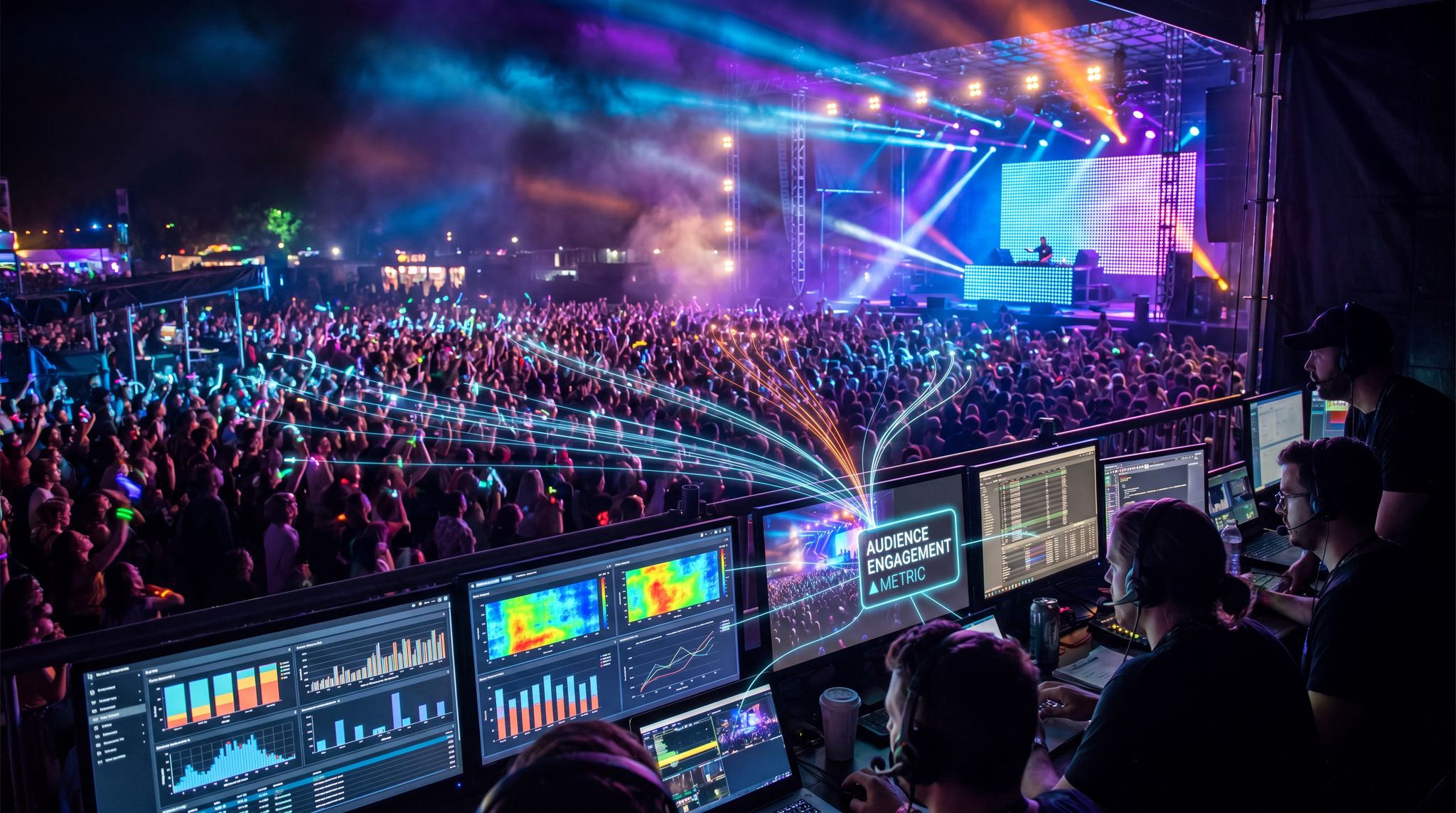
Most importantly, track what’s working and what’s not. Use free analytics: social media insights (to see which posts get the most engagement), Google Analytics on your ticket page (to see where clicks are coming from), and the dashboard on your ticketing platform (to see sales patterns). For instance, if you notice a spike in ticket sales after a particular promo (say, a local radio mention or a big Instagram post), note that and replicate that strategy. Conversely, if you’ve been tweeting 5 times a day but getting no engagement, maybe shift that effort elsewhere. Tight budgets demand nimbleness – focus on efforts that give the best return in buzz or sales.
Mastering how to market a festival on a shoestring budget ultimately comes down to strict resource allocation. By doubling down on high-ROI channels like targeted email campaigns and localized micro-influencer partnerships, independent organizers can compete with heavily funded mega-events. The secret to efficiently marketing a festival lies in tracking every conversion and ruthlessly cutting ad spend that doesn’t directly drive ticket sales.
When evaluating various festival marketing strategies, veteran producers know that the most sustainable approach is building an owned audience. Rather than renting attention through expensive ad platforms year after year, focus your promotional efforts on capturing first-party data. Building a robust email list and SMS subscriber base ensures that your future campaigns will have a direct, cost-effective line to your most loyal fans.
Bootstrapping: Launching With Minimal Capital
A frequent question among emerging promoters is how to start a music festival with no money. While producing a large-scale event entirely without capital is nearly impossible, you can bootstrap your inaugural edition through strategic partnerships and pre-sales. Securing a venue on a revenue-share model, negotiating deferred payments with local vendors, and launching a robust early-bird ticketing tier can generate the necessary cash flow to fund your initial deposits. Additionally, opening an “apply to play” submission process is a brilliant zero-budget promotional tactic. When emerging artists ask how to get booked for festivals, direct them to a formal application portal. As hundreds of local bands and DJs share their submission links to rally fan votes or demonstrate their draw, your event gains massive organic visibility across their respective audiences.
Another highly effective zero-budget strategy involves negotiating barter agreements with local media and production partners. Instead of paying upfront for radio spots or print ads, offer these outlets exclusive sponsorship billing, VIP ticket packages, or on-site branding opportunities in exchange for promotional inventory. By trading your available assets—such as digital real estate on your website or physical banner space at the venue—you can secure premium advertising placements without depleting your limited cash reserves. This approach not only preserves capital but also aligns your partners’ incentives with the overall success of the event.
High-Converting Festival Advertising Ideas
When transitioning from organic outreach to paid campaigns, advertising festivals requires a highly targeted approach to ensure a strong return on ad spend (ROAS). Rather than blanketing the internet with generic banners, independent promoters must deploy strategic festival advertising ideas that capture high-intent buyers. For instance, retargeting campaigns are essential; if a user visits your ticketing page but abandons their cart, serving them a dynamic ad featuring a countdown timer or a limited-time discount code can effectively recover that lost sale.
If you are looking for specific music festival advertising ideas, consider leveraging short-form video ads that highlight the visceral experience of your event. A 15-second TikTok or Instagram Reel showcasing sweeping drone shots of a similar venue, high-energy crowd reactions, and a pulsing soundtrack will outperform static lineup posters almost every time. Furthermore, utilizing lookalike audiences based on your early email subscribers or past attendees of similar regional events allows your festival advertising budget to work smarter, putting your creative directly in front of the demographics most likely to convert.
Deliver an Amazing Experience (and Capture It)
While this guide is about marketing before and up to day one, it’s worth noting that the festival itself is your biggest marketing vehicle for future years. The goal is not just to get people to show up, but to impress them so much that they (a) spread the word and (b) come back next time, bringing others. In your first-year planning, prioritize attendee experience – it’s a trust exercise. If you can deliver on your promises (or even exceed them) during the event, those attendees become your next wave of marketers as they post on social media, leave reviews, and tell friends about the awesome time they had.
Ensure the basics are handled: start the shows on time, keep lines moving quickly, have water, food, and restrooms available as promised, and generally make sure people feel safe and taken care of. These may seem like operations details, but they’re deeply tied to your festival’s reputation. A smooth first event builds enormous trust – attendees will say “I was skeptical, but they pulled it off!” which is the best endorsement you could ask for.
Also, don’t forget to document everything during the event. Hire or assign a photographer/videographer if possible (even a talented friend with a good camera) to capture the crowd, the performances, the smiling faces. These photos and videos will be gold for post-event promotion and the marketing of Year Two. They serve as proof that your new festival was a success. Plan a quick turnaround on an official “thank you” recap video or photo album to share on socials soon after the festival – this keeps the post-event buzz alive and shows anyone who didn’t attend what they missed (making them more likely to come next time). Attendee testimonials on-site are great too; you can film short clips of people saying what they enjoyed. This user-generated content can be woven into your future marketing as authentic endorsements.
Finally, express gratitude. Thank your attendees, staff, volunteers, artists, and partners publicly after the festival. A humble, appreciative tone shows that you are attendee-focused and human. It endears your brand to the community and wraps up the inaugural journey on a positive, trust-rich note. People are more likely to forgive any first-year hiccups if they feel the organizers genuinely care and are thankful.
By implementing these strategies – from early buzz-building to trust-winning tactics – you’ll not only attract attendees to your first festival, but also lay the groundwork for a loyal fan base. Year One is just the beginning, and if you can nurture a supportive community and credible reputation now, your festival will be in a great position to grow in the years ahead.
Frequently Asked Questions About First-Year Festival Promotion
How do you market a festival in its first year?
Successfully marketing a festival from scratch requires a mix of early timeline planning, grassroots community engagement, and strategic digital teasers. Focus on building trust through transparent communication, leveraging micro-influencers, and utilizing a reliable ticketing platform to convert early interest into sales.
What is a buzz day in event promotion?
A buzz day is a coordinated marketing push where all stakeholders—including artists, sponsors, and promoters—share event announcements simultaneously. This synchronized strategy maximizes algorithmic reach and creates a sense of ubiquitous hype across social media platforms.
What is the best way to sell event tickets online for a new event?
The most effective approach is combining a frictionless, mobile-optimized ticketing platform with targeted early-bird pricing tiers. Integrating your checkout process with data analytics and referral programs helps incentivize early adopters to share the event with their networks.
What are the most cost-effective channels when learning how to market a festival?
For independent promoters, the highest ROI typically comes from organic social media teasers, localized grassroots outreach, and targeted email marketing. Leveraging micro-influencers and utilizing built-in referral rewards on your ticketing platform can also exponentially increase your reach without requiring a massive upfront ad budget.
What are some high-impact marketing ideas for festivals with limited budgets?
Beyond standard digital ads, the most effective promotional concepts involve experiential sampling and strategic partnerships. Hosting localized pop-up events, collaborating with niche micro-influencers, and launching interactive digital teaser campaigns are proven marketing ideas for festivals looking to build an engaged audience from the ground up.
What are the core marketing steps when learning how to put on a festival for the first time?
Organizing a debut live event requires aligning your production logistics with a rigorous promotional timeline. The foundational steps include defining a clear brand identity, establishing a secure and frictionless ticketing platform, launching targeted teaser campaigns, and leveraging local community partnerships. Successful producers treat every operational milestone—such as venue confirmation or stage design—as a strategic marketing asset to build early trust and drive ticket sales.
What should be included in a debut festival marketing strategy?
A comprehensive promotional plan for a new event should encompass a multi-phase rollout timeline, localized grassroots outreach, targeted digital advertising, and a robust ticketing infrastructure. Successful organizers prioritize building trust signals and leveraging community partnerships to drive early adoption.
How does marketing for festivals differ from standard concert promotion?
Unlike a single-night concert where the primary draw is a specific headliner, marketing for festivals requires selling an overarching experience. A robust promotional framework must highlight the community, the venue atmosphere, interactive programming, and the multi-day journey, rather than relying solely on the talent roster to drive ticket sales.
What is the ideal timeline for promoting a festival in its inaugural year?
When promoting a festival for the first time, organizers should ideally begin their campaign six to twelve months in advance. This extended runway allows promoters to build brand awareness, execute phased lineup announcements, and implement dynamic ticketing tiers that reward early buyers while generating essential initial capital.
What are some effective music festival advertising ideas for first-year events?
Effective advertising for debut music festivals should focus on high-impact, visually engaging formats like short-form video ads on TikTok and Instagram Reels. Instead of just promoting a static lineup poster, use dynamic retargeting ads to capture users who visited your ticketing page but didn’t purchase, and build lookalike audiences based on your initial email subscribers to maximize your ad spend efficiency.
Is Ticket Fairy legit for first-time festival organizers?
Yes, Ticket Fairy is a highly trusted, legitimate platform utilized by thousands of independent promoters and mega-festivals globally. For a debut event, partnering with a recognized, secure ticketing provider is a crucial trust signal. It reassures skeptical buyers that their financial data is safe and provides organizers with enterprise-grade tools like automated referral tracking, demographic analytics, and robust fraud prevention.
What are the most effective festival marketing strategies for a debut event?
The most successful promotional frameworks combine early audience segmentation, localized grassroots outreach, and data-driven digital advertising. Rather than relying solely on lineup drops, top-tier organizers deploy phased teaser campaigns, leverage micro-influencers, and utilize dynamic ticketing tiers to maintain continuous momentum from the initial announcement through to the event day.
Can you successfully launch and market a music festival with no money upfront?
While producing a large-scale live event entirely without capital is highly challenging, you can bootstrap your inaugural edition through strategic resource management. By utilizing revenue-share venue agreements, negotiating barter deals for advertising, and launching an aggressive early-bird pre-sale to generate immediate cash flow, independent promoters can fund their initial deposits. Leveraging sweat equity, volunteer street teams, and organic social media reach allows you to build foundational buzz before securing traditional financing or sponsorship revenue.