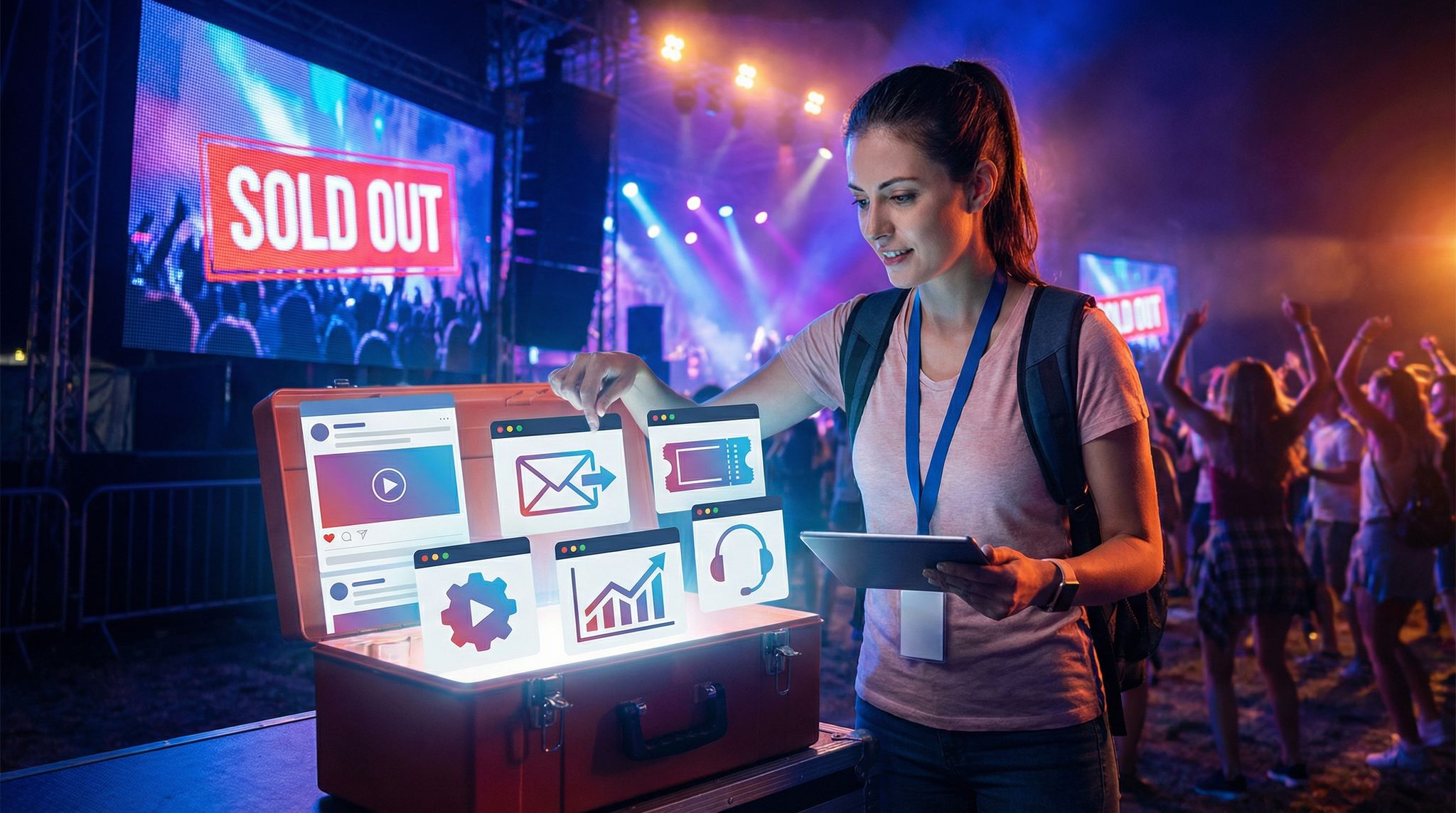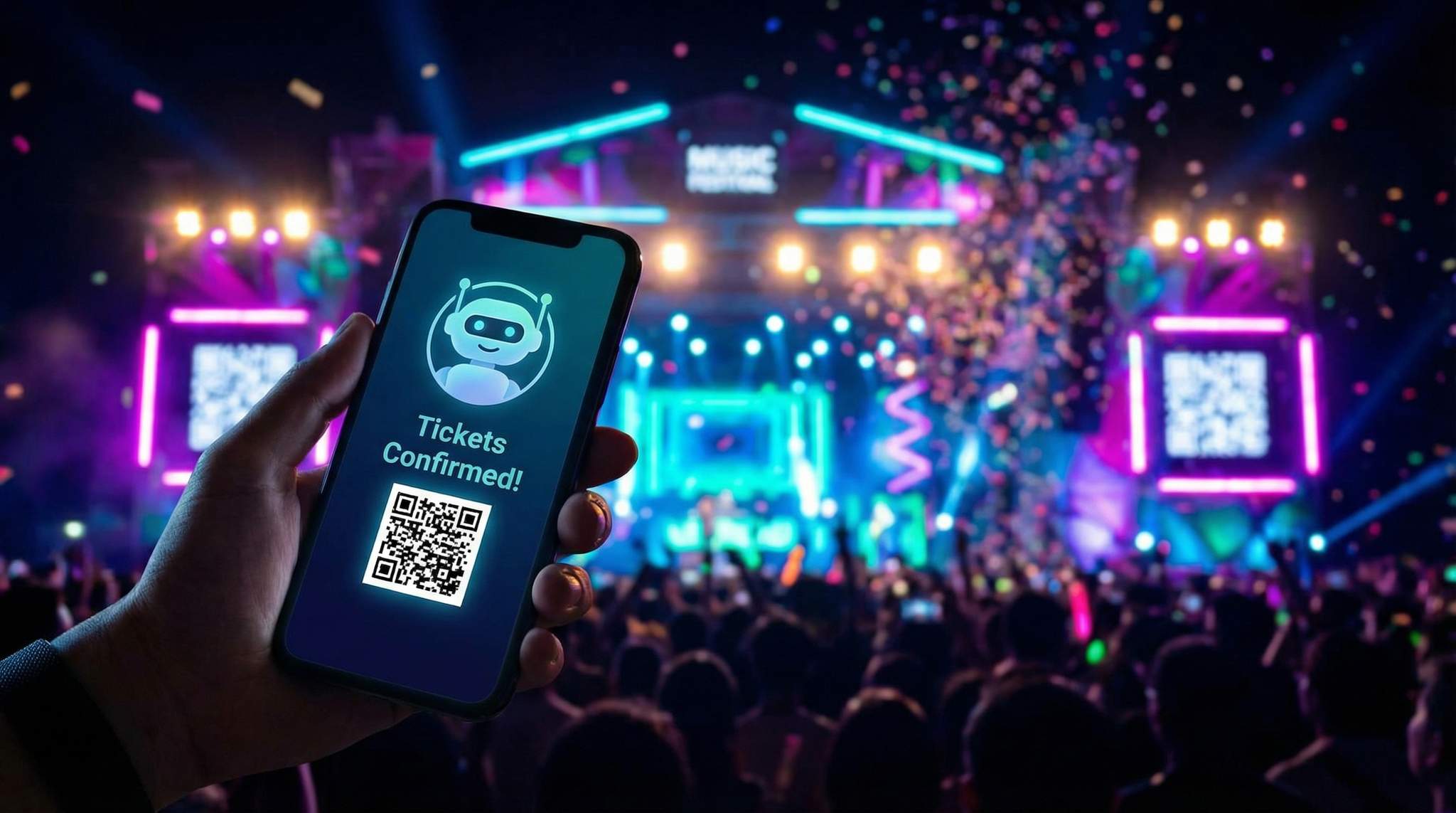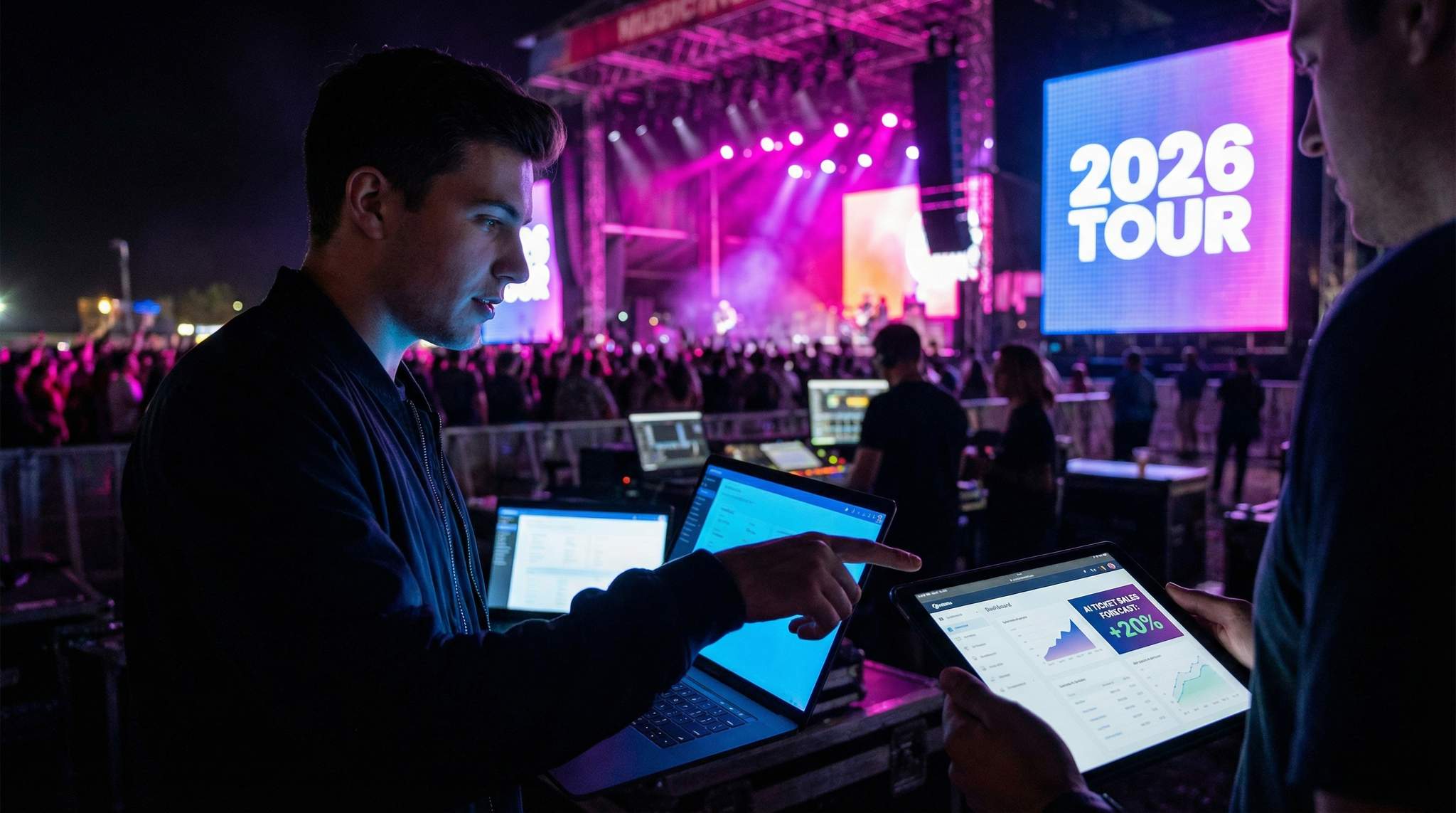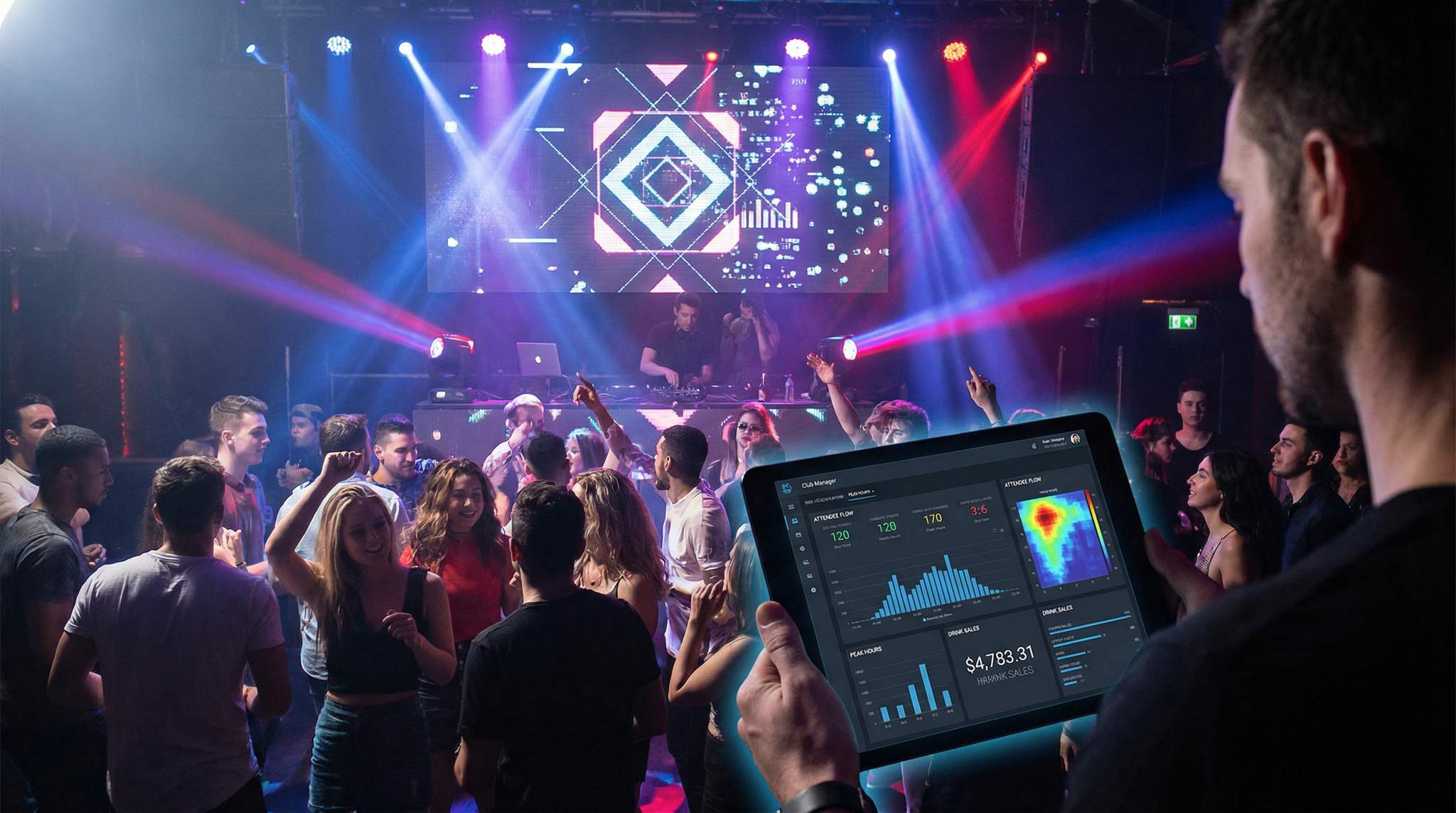
In the world of nightlife, the nightclub experience is everything. From the DJ’s pulsating beats and immersive lighting to the carefully crafted cocktails and the electric crowd, every detail contributes to the energy of a night out. But behind those packed dance floors and euphoric moments, an invisible force is now reshaping club culture: data.
Today’s leading nightclubs are no longer relying on guesswork or gut instinct alone. They’re turning to attendee analytics — real-time insights and post-event data — to elevate operations, tailor experiences, and deepen guest loyalty. Whether it’s optimizing the floor plan or curating the music lineup, the venues that harness data effectively are setting new standards for entertainment. In an increasingly competitive nightlife scene (the number of UK nightclubs dropped 25% from 2020 to 2025 before a modest rebound, according to statistics from NDML Insurance), data is a powerful ally for clubs seeking an edge. By streamlining everything from ticket bookings to bar inventory, data-driven approaches can even improve cash flow and profitability — vital for survival in the multi-billion-dollar nightlife industry, as noted in Statista’s market analysis of bars and nightclubs.
Most importantly, data helps clubs truly understand their audience. Promoters still need charisma and intuition, but combining analytics with gut instinct is proving to yield the best results, a balance often discussed when weighing gut instinct versus big data decisions. Here’s how data-driven insights are reshaping the nightclub landscape — and why the smartest venues are listening more closely to what their audience is already telling them.
Why Nightclubs Are Turning to Data
For years, the nightclub industry thrived on personality, instinct, and vibe. Seasoned promoters and venue owners trusted their intuition, relying on experience to gauge what the crowd wanted each night. But as customer expectations evolve and competition for patrons grows, data is becoming a crucial advantage. Nightclubs now gather and analyze information to make smarter decisions at every level. With insights from advanced ticketing systems and point-of-sale (POS) reports, clubs can optimize pricing, staffing, and marketing in ways that simply weren’t possible before. For example, some venues are even experimenting with dynamic pricing strategies for nightclub tickets, adjusting entry fees based on demand data to maximize revenue on popular nights. By leveraging data to streamline reservations and pre-ticket sales, clubs improve their cash flow and ensure operational stability even during high-demand events.
Data-Driven Event Marketing
Track ticket sales, demographics, marketing ROI, and social reach in real time. Exportable reports give you the insights to make smarter decisions.
What attendee data reveals:
- True audience profile: Who your patrons are (age, location, gender, music preferences, spending behavior).
- Engagement patterns: When and how guests engage (ticket purchase timing, typical arrival hours, time spent on site, drink order frequency).
- Drivers of loyalty (or churn):: What brings people back — and what might push them away.
- Event performance: How different nights, DJs, or themes perform in terms of foot traffic, bar sales, and repeat attendance.
- Customer journey pain points: Where bottlenecks or drop-offs occur (long entry lines, slow bar service, early exits).
In short, data takes the mystery out of club management. It offers clarity — turning scattered observations into actionable strategies that directly enhance the nightlife experience. For instance, if analytics show that a significant number of first-time attendees never return, the club can launch a targeted follow-up campaign or improve the onboarding experience for newcomers. Organizers who leverage data can avoid common marketing and promotion pitfalls and better understand attendee behavior, refining their strategies to create more impactful club nights. The bottom line: clubs that listen to their data are far better equipped to thrill their crowd and keep them coming back.
Ready to Sell Tickets?
Create professional event pages with built-in payment processing, marketing tools, and real-time analytics.
To put things in perspective, here are some telling data points highlighting why data-driven strategies are gaining traction in nightlife:
| Statistic | Value/Insight | Source |
|---|---|---|
| Decline in number of UK nightclubs 2020–24 | –25.1% (followed by +2.0% increase in 2024–25) | NTIA Night Time Economy Monitor via NDML |
| U.S. bar & nightclub market size (2023) | $37.6 billion in revenue | Statista market data |
| Increase in dwell time during special events (UK, Mar 2024) | +6.2% longer visit length (driven by major sports events) | MCA Insight reports |
| Average ROI of email marketing (2025) | ~$42 return for every $1 spent | Email marketing industry benchmarks |
| Profit boost from 5% increase in customer retention | +25% to +95% profit range | Bain & Company analysis |
Collecting and Analyzing Attendee Data
To put things in perspective, here are some telling data points highlighting why data-driven strategies are gaining traction in nightlife:
| Statistic | Value/Insight | Source |
|---|---|---|
| Decline in number of UK nightclubs 2020–24 | –25.1% (followed by +2.0% increase in 2024–25) | NTIA Night Time Economy Monitor via NDML |
| U.S. bar & nightclub market size (2023) | $37.6 billion in revenue | Statista market data |
| Increase in dwell time during special events (UK, Mar 2024) | +6.2% longer visit length (driven by major sports events) | MCA Insight reports |
| Average ROI of email marketing (2025) | ~$42 return for every $1 spent | Email marketing industry benchmarks |
| Profit boost from 5% increase in customer retention | +25% to +95% profit range | Bain & Company analysis |
Collecting and Analyzing Attendee Data
In the competitive world of nightlife, understanding your audience is paramount. Collecting and analyzing attendee data gives nightclubs a 360-degree view of their customers, enabling more personalized and successful events. By leveraging modern technology — from a robust NYE event ticketing platform to in-club sensors — venues can gather valuable data on customer behavior, preferences, and demographics. Every touchpoint is an opportunity to learn: when tickets are bought, what type of tickets sell fastest, which social media ads drive clicks, and how people move and spend once they’re inside the club. This wealth of information reveals what truly drives attendance and engagement. Armed with these insights, clubs can tailor their offerings to meet the desires of their crowd. Whether it’s through tracking ticket sales trends or analyzing on-site guest interactions, data-driven insights are crucial for creating memorable, packed events that keep people talking.
Go Cashless With RFID Technology
Enable contactless payments, faster entry, and real-time spending analytics with RFID wristbands and NFC-enabled ticketing for your events.
To maximize the value of these insights, operators are increasingly connecting their internal attendee analytics with broader market trends. By cross-referencing in-house ticketing data with external discovery networks, promoters can identify untapped demographic segments and refine their promotional targeting with pinpoint accuracy.
Modern clubs use a range of tools to collect attendee data:
Grow Your Events
Leverage referral marketing, social sharing incentives, and audience insights to sell more tickets.
- Ticketing and RSVP systems: Digital ticketing platforms (especially mobile apps) capture who is coming, how far in advance they commit, and even referral sources for their purchase.
- On-site scanners and counters: QR code scans at entry, RFID wristbands, or smart cameras track exactly when guests arrive, how they flow through the venue, and peak occupancy in each area.
- Point-of-sale integrations: Integrated POS systems link transactions to customer profiles, showing what drinks or merchandise sell best and which promotions actually boost sales.
- Surveys and social media: Post-event surveys or social media check-ins can add qualitative feedback, while geotagged posts during the night gauge live sentiment about the event.
All this data provides insights into what works and what doesn’t. For example, if analysis shows VIP table reservations are mostly made by repeat guests in a certain age group, the club can focus on that demographic for loyalty perks or targeted ads. Or if late-night bar sales consistently dip after 1 AM, managers might introduce a “last call” special to extend dwell time. The key is that by turning raw data into actionable intelligence, nightclubs can continuously fine-tune their approach for better outcomes.
Investing in dedicated nightclub analytics software bridges the gap between raw numbers and strategic action. The best platforms consolidate data from various sources into a single dashboard, making it easier for venue operators to spot trends without needing a data science degree. When evaluating these tools, operators should look for specific specialized NYE event ticketing features, such as real-time capacity tracking, VIP table management integrations, and automated guest list segmentation. These specialized capabilities ensure that the software aligns with the fast-paced, high-stakes environment of nightlife operations.
Beyond basic headcounts, leveraging attendee traffic analytics allows operators to visualize exactly how crowds navigate the venue. By mapping out movement patterns and dwell times, these advanced attendee analytics reveal which bars are overwhelmed and which lounge areas are underutilized, enabling organizers to optimize the floor plan for better flow and increased sales.
Mobile Ticketing and Digital QR Codes for Seamless Entry
In the age of digital transformation, mobile ticketing and scannable QR codes have revolutionized how clubgoers enter venues. Forget paper tickets and clipboards at the door — today’s guests flash their phones to gain entry in seconds. By adopting mobile ticketing, nightclubs eliminate the hassle of physical tickets and greatly reduce the risk of fraud or duplicate entries. Each digital ticket’s QR code is unique and verified in real time, which has virtually wiped out the counterfeit ticket problem at many venues. The result is a seamless entry experience: shorter lines, faster ID checks, and happier patrons who aren’t left waiting in the cold. Guests simply scan their phone at the entrance, and advanced ticketing systems instantly log their arrival. This not only improves the first impression of the night (no one likes a long wait outside) but also provides clubs with live attendance data. Managers can see how many people have entered at any given time and even who among the guest list hasn’t shown up yet.
Smooth Entry With Mobile Check-In
Scan tickets and manage entry with our mobile check-in app. Supports photo ID verification, real-time capacity tracking, and multi-gate coordination.
Beyond basic headcounts, leveraging attendee traffic analytics allows operators to visualize exactly how crowds navigate the venue. By mapping out movement patterns and dwell times, these advanced attendee analytics reveal which bars are overwhelmed and which lounge areas are underutilized, enabling organizers to optimize the floor plan for better flow and increased sales.
Mobile Ticketing and Digital QR Codes for Seamless Entry
In the age of digital transformation, mobile ticketing and scannable QR codes have revolutionized how clubgoers enter venues. Forget paper tickets and clipboards at the door — today’s guests flash their phones to gain entry in seconds. By adopting mobile ticketing, nightclubs eliminate the hassle of physical tickets and greatly reduce the risk of fraud or duplicate entries. Each digital ticket’s QR code is unique and verified in real time, which has virtually wiped out the counterfeit ticket problem at many venues. The result is a seamless entry experience: shorter lines, faster ID checks, and happier patrons who aren’t left waiting in the cold. Guests simply scan their phone at the entrance, and advanced ticketing systems instantly log their arrival. This not only improves the first impression of the night (no one likes a long wait outside) but also provides clubs with live attendance data. Managers can see how many people have entered at any given time and even who among the guest list hasn’t shown up yet.
The adoption of mobile ticketing has been swift. Worldwide, the market for mobile ticket solutions is surging – it was valued around $5.3 billion in 2024 and is projected to nearly triple by 2033, according to mobile ticketing market trend reviews. Major festivals and sports arenas went fully digital with tickets post-2020, and nightclubs have eagerly followed suit. Beyond speed and security, going digital gives venues more control. They can send push notifications or event updates to ticketholders, and if an event sells out, they know immediately through the system (preventing door staff from accidentally overselling or letting in counterfeit “tickets”). Many clubs also integrate guest list management apps that tie into ticketing, so VIPs and general admission all funnel through one scanning system for accuracy.
Crucially, the move to QR-coded entry has improved safety and trust. It’s much harder for scalpers or scammers to operate when each entry must be verified on an official system. As of 2025, some clubs report near-zero incidents of ticket fraud after fully switching to app-based ticketing. And if a VIP table prepays for a package, their QR codes can grant access to exclusive areas, ensuring a personalized welcome. For guests, the convenience is a big win – no more printing tickets or worrying about lost passes. For club operators, digital ticketing means rich data: they can see check-in peaks, track no-show rates (and perhaps send a friendly follow-up like, “We missed you this weekend — here’s 10% off your next party with us”), and better prepare staff for exactly when and how crowds will arrive.
Essential Ticketing Features for Nightclubs
To fully capitalize on digital entry, operators must ensure their platform includes specialized ticketing features for nightclubs. Unlike standard event registration tools, nightlife-focused systems need to handle the unique pace and structure of club operations. Key capabilities include dynamic pricing engines that automatically adjust cover charges based on real-time demand, and interactive VIP table mapping that allows high-spending guests to select their exact booth during the booking process. Furthermore, automated guest list management and multi-tier ticket types (such as early-bird, skip-the-line, and backstage access) give promoters the flexibility to segment their audience effectively. When these specialized functions are built directly into your core management platform, door staff can process complex entry scenarios—like a split VIP group arriving at different times—without slowing down the main queue.
Advanced Analytics for Tracking Key Performance Indicators (KPIs)
Collecting data is one thing — making sense of it in real time is another. This is where advanced analytics come into play, allowing clubs to monitor the key performance indicators (KPIs) that drive their success. Modern venues are investing in analytics dashboards that display everything from ticket sales and bar revenue to crowd density and even social media mentions, all in one place. By having a finger on the pulse of these metrics during events, managers can make data-driven decisions on the fly. For instance, if sales data shows a certain night is trending 20% higher in pre-sales than similar nights, the club can proactively schedule extra staff or stock up additional inventory. If an analytics dashboard reveals that bar sales spiked at 11:30 PM when a specific DJ went on, that’s a clue to replicate what works (or even book that DJ more often).
Smart Promo Codes & Presale Access
Create percentage or flat-rate discount codes with usage limits, date ranges, and ticket type restrictions. Plus unlock codes for private presales.
Implementing a dedicated nightclub KPI dashboard is the most effective way to centralize these metrics. Rather than pulling separate reports from the door, the bar, and the marketing team, a well-configured performance interface aggregates this data into a single, easy-to-read visual format. Venue operators can customize these tracking screens to highlight their most critical targets, ensuring that floor managers and promoters are always aligned on the night’s financial and operational goals.
Key KPIs that nightclubs monitor include:
- Total revenue: Overall sales per night or per event, giving a top-level view of financial performance.
- Ticket sales & attendance: Real-time ticket counts and door entries to gauge capacity and identify which events sell out versus underperform.
- Guest demographics: The breakdown of who’s attending (age, gender, location, new vs. returning guests), so marketing can be tailored to the audience or adjusted to reach missing segments.
- Average spend per guest: How much each attendee spends on average at the bar or on services like table bookings. This helps calculate event profitability and price future offerings correctly.
- Peak activity times: When the venue sees the highest foot traffic and bar orders (e.g. a spike in arrivals at 10–11 PM, or a drink rush right after midnight). Knowing this helps optimize staffing and time special performances or announcements.
- Engagement & dwell time: Measures of guest engagement, such as time spent in the club, dance floor occupancy, or use of different areas (VIP, patio, etc.), which indicate what parts of the experience are most compelling.
By focusing on these metrics, operators can pinpoint what’s driving success and what might be holding the club back. For example, if data shows a large portion of guests leave by 1 AM, management might extend the headline DJ’s set or add a late-night food option to encourage people to stay longer. If the repeat visit rate is low, that’s a red flag to investigate why first-timers aren’t returning (and to fix it). On the other hand, if certain themed nights consistently bring back loyal regulars, that’s a formula to double down on. The beauty of KPIs is that they turn gut feelings into hard numbers, making post-event debriefs much more objective and actionable.
The integration of AI and data analytics takes this a step further by moving from reactive reporting to proactive forecasting. Machine learning algorithms can analyze historical KPIs alongside external factors—like local weather or competing events—to predict exactly when a venue will hit capacity, allowing operators to make preemptive adjustments before the night even begins.
While nightclubs have highly specific operational needs, the broader discipline of public venue analytics offers valuable lessons for operators managing any high-capacity space. Whether overseeing a municipal cultural center, a multi-use indoor arena, or a sprawling outdoor amphitheater, analyzing public event space data helps optimize crowd flow and resource allocation on a macro level. By applying these large-scale data strategies to a nightlife setting, promoters can better understand how their events interact with surrounding city infrastructure, public transport schedules, and neighborhood foot traffic.
Pro Tip: Create a quick “nightly insights” recap for your team after each event. A simple dashboard or report noting key metrics – peak entry time, top-selling drink, total headcount vs. capacity, any bottlenecks – can be shared in a group chat or team email. By reviewing these data points together, staff can celebrate wins (like an uptick in average spend per guest) and spot areas to improve (say, a 15-minute bar backup at midnight). Getting everyone on the same page with the numbers fosters a culture of continuous improvement, so each new night learns from the last.
Smarter Promotions, Targeted Promotions
Gone are the days of blasting out one-size-fits-all promotions and hoping for the best. With attendee data in hand, clubs can craft precise, personalized marketing campaigns that convert far better than generic flyers or mass emails. Instead of spamming every past guest about every event, savvy promoters segment their audience and send the right message to the right people at the right time. A robust ticketing and CRM platform helps immensely here by tracking each guest’s history and preferences.
How data transforms marketing:
- Segmented audiences: Slice your attendee list based on past behavior – for example, frequent hip-hop night attendees vs. those who came for EDM DJs – and target each group with relevant events. If you see a cohort that always attends Latin music nights, promote your next reggaeton party directly to them.
- Personalized offers: Use what you know about guests to surprise them with tailored perks. For instance, send VIP upgrade offers to folks who’ve previously bought general admission tickets, or give birthday celebrants a special discount and a free drink coupon for their birthday week. Personalized emails and texts get much higher engagement because they make the recipient feel recognized.
- Retargeting past attendees: Don’t let one-and-done visitors slip away. If someone came to a big DJ show last month, retarget them with an exclusive invite when that DJ (or a similar act) returns. Data on no-shows can be used too – for example, send a gentle ‘We missed you at the last event, here’s 10% off the next one’ message to anyone who skipped an event they had tickets for. This can entice them back and shows that you noticed their absence.
- A/B testing and optimization: Analytics allow you to experiment and learn what messaging works best. Not sure whether a playful tagline or a straightforward message will get more RSVPs? Try both on small subsets of your list and see which gets the higher open or click-through rate, then roll out the winner to everyone else. One study found that segmented email campaigns can boost open rates by up to 203%, as noted in statistics on segmented email campaigns – a huge uplift just by tailoring content to the audience.
- Heatmaps and in-venue promos: Some venues use footfall data and heatmaps of crowd movement to guide promotions. If data shows the rooftop bar is underutilized on Fridays, you might run a “sunset cocktail” special or place a popular DJ upstairs to draw more people there. Data can highlight the “cold spots” in your venue that smart promos can help warm up.
- Integrated guest lists: By integrating guest list and loyalty data with your marketing, you ensure your most valued patrons get extra attention. If a high-spending regular hasn’t visited in a while, a personalized invite (“We’ve got a table with your name on it this Saturday”) can rekindle that connection. At the door, integration means your check-in staff know exactly who is VIP, who won tickets in a contest, etc., allowing for a more personal touch that reinforces your marketing efforts.
Additionally, tapping into localized discovery networks can amplify your marketing reach. Regional platforms that aggregate verified nightlife data (such as Budal or similar localized hubs) demonstrate how accurate, region-specific venue information helps operators connect with high-intent local audiences. When your club’s event details are verified and structured clearly on these platforms, it builds trust and drives more qualified foot traffic to your door.
Leveraging a dedicated Budal nightlife information hub allows promoters to syndicate their event details across a trusted network. As a comprehensive Budal regional nightlife platform, it ensures that potential attendees searching for local events find accurate, up-to-date listings, reducing friction in the discovery phase and ultimately boosting ticket conversions.
Integrating your venue’s attendee analytics with a regional nightlife platform creates a powerful feedback loop. When promoters analyze how local audiences interact with verified nightlife data across these discovery hubs, they gain a clearer picture of broader market demand. This external intelligence, combined with internal ticketing metrics, allows operators to fine-tune their marketing spend and capture high-intent clubgoers who are actively searching for their next night out.
When guests feel like the club truly ‘gets’ them, they’re far more likely to respond and return — often bringing friends along. Personalized marketing isn’t just a buzzword; it drives tangible results. Industry data shows email marketing delivers an average $40+ return for every $1 spent, based on 2025 email marketing ROI benchmarks, and that’s magnified when those emails are targeted rather than generic. By using attendee analytics to send the right offers — whether it’s a VIP package to a big spender or a two-for-one ladies’ night deal to a segment of loyal ladies — clubs can boost conversions and fill their dance floors more efficiently. And those irrelevant mass-blast promotions? They become a thing of the past.
Free Tool: Project Your Bar Revenue
Per-head spend benchmarks by event type turned into projected bar and food revenue, with a stock-mix estimate and gross-margin line. Free calculator.
(For more on avoiding missteps in event promotion, check out our guide on what most festivals get wrong about marketing. The lessons from festival marketing – like knowing your audience and not overspending on the wrong channels – apply equally to nightclub promotions.)
Curating the Right Atmosphere
A great night out is all about synergy: the chemistry between the crowd, the music, the venue, and the overall vibe. These are the intangibles that can make a party legendary. However, data can help clubs hit that sweet spot more consistently by providing feedback on what the crowd responds to. Instead of leaving it entirely to chance or the DJ’s intuition, venues now use attendee analytics to fine-tune the atmosphere both in real time and from event to event.
With attendee analytics, clubs can:
- Match music to audience spending: By analyzing data, clubs might discover that certain DJs or music genres attract the highest-spending or most loyal patrons. If techno nights yield 20% higher bar sales than pop theme nights, that insight informs future booking and programming decisions. Managers can lean into the styles that drive both energy and revenue.
- Time the energy right: Data on crowd flow and engagement helps adjust set times and schedules. For example, if the dance floor tends to fill up around 11 PM and thin out by 1:30 AM, the club can schedule the headline DJ set within that window to maximize peak energy. Some venues even monitor crowd density and noise levels over the night as a proxy for energy; if they detect a dip, they might prompt the DJ to pick up the pace or drop a crowd favorite.
- Gauge live feedback on entertainment: Forward-thinking clubs are adopting real-time sentiment tools – from mobile polling apps to simple on-site feedback kiosks – to gauge reactions to new acts or experimental music in the moment. If feedback (or even just social media chatter) suggests the crowd isn’t digging the current vibe, management can signal the DJ to pivot to more popular tracks. In one innovative case, a London venue used AI-driven systems to analyze crowd movement and noise levels via AI, automatically adjusting tempo and lighting to keep energy high.
- Experiment with environment and layout: Nightclubs can track how changes in lighting, décor, or floor layout affect guest movement and satisfaction. If data shows that opening up a side room or adding lounge furniture increases overall dwell time, that’s a cue to invest in those changes. Heatmaps might reveal, for instance, that the back corner of the club never sees much traffic — perhaps because it’s too dark or the music is muffled there — so the club can adjust the lighting or speaker placement.
- Drive the vibe with timely specials: Data-driven promotions can be used during an event to enhance the vibe. If live analytics show the bar sales dipping at 1 AM, managers might roll out an impromptu “late-night happy hour” to re-energize the crowd. Or if the VIP section is looking sparse, a mid-event bottle service discount can entice some guests to upgrade on the spot. These targeted nudges, informed by real-time data, help maintain a lively atmosphere through the entire night.
All of this is about creating the right energy for the right audience — night after night. It’s a delicate blend of art and science. The DJ’s skill and the staff’s intuition set the stage, but data gives them behind-the-scenes support. Notably, technology is enhancing (not replacing) the human touch in nightlife. “AI is about enhancing the experience, not replacing the artist,” as one venue spokesperson put it in a discussion on how AI DJ technology is transforming nightlife — meaning smart tools are there to assist DJs and staff, not overshadow their creativity. Many event producers echo this sentiment, emphasizing the need to innovate with AI without losing the event’s soul. The same applies in clubs: use data and tech to amplify the magic, not to sterilize it. When data helps the music, crowd, and venue vibe all sync up perfectly, guests feel it — and those are the nights they’ll remember for years.
This data-driven approach isn’t limited to DJ sets and dance floors. Many versatile venues also host live performances, where leveraging event technology for comedy shows, acoustic gigs, or cabaret nights can be just as impactful. For instance, using ticketing analytics to seat high-engagement groups near the stage or adjusting the room’s acoustic profile based on real-time crowd noise ensures that every type of performance hits the right note.
Applying analytics to live entertainment allows venue operators to measure the success of diverse programming beyond standard club nights. By tracking ticket sales velocity, beverage preferences, and dwell times during live bands or specialized performances, promoters can build a more resilient, multi-genre calendar. This broader application of performance data ensures that whether a venue is hosting a high-energy DJ or an intimate acoustic set, every booking decision is backed by solid metrics.
Turn Fans Into Your Marketing Team
Ticket Fairy's built-in referral rewards system incentivizes attendees to share your event, delivering 15-25% sales boosts and 30x ROI vs paid ads.
Furthermore, integrating these insights into comprehensive nightclub analytics software provides a unified view of your entire entertainment portfolio. When operators can compare the ROI of a live indie band against a resident DJ night within the same dashboard, they can allocate marketing budgets more effectively and negotiate better terms with talent agencies.
(For an in-depth look at balancing high-tech innovation with the human side of events, see how festivals can innovate without losing their soul. It’s festival-focused but full of insights on keeping experiences authentic.)
Optimizing Staffing and Nightclub Operations
Nightlife can be unpredictable — one weekend your venue is packed shoulder-to-shoulder, the next it’s unexpectedly quiet. But data is helping make operations more manageable and efficient, even in an industry known for surprises. By analyzing operational data over time and using real-time analytics during events, venues can plan smarter and run leaner without sacrificing the guest experience.
Operational improvements powered by data:
- Data-driven staffing levels: Instead of guessing how many bartenders or bouncers to schedule, clubs use historical attendance data and advance ticket sales to forecast crowd size. If pre-sales and past patterns predict a 500-person night, management can confidently staff up; on a traditionally slower Tuesday, they might save costs by scheduling a smaller crew. This means no more overstaffing (wasting money) or understaffing (causing long waits). Some large venues even have AI models that adjust staffing hour-by-hour based on live foot traffic trends.
- Identifying bottlenecks: Analytics can pinpoint where service slows down. For example, heatmap data or POS timestamps might reveal that the back bar consistently has a 10-person line at 11 PM while the front bar is half empty. Or data might show the average guest spends 8 minutes from entry to first drink — suggesting the bar near the entrance gets slammed. Recognizing these choke points, clubs can redesign layouts (maybe add a mobile bar cart during peaks) or re-allocate staff to trouble spots. Even monitoring something like bathroom line length via sensors can prompt on-the-fly fixes (like opening an extra restroom temporarily) to keep guests comfortable.
- Improved VIP service coordination: When a VIP table orders a bottle, what’s the typical wait time before it’s delivered with sparklers and fanfare? If data shows VIP orders take, say, 15 minutes on average, the club can refine the bottle service process to make it snappier — perhaps by stationing a dedicated runner for VIP sections or pre-prepping garnishes. Tracking these metrics ensures that high-paying guests get the white-glove service they expect without delay. It also helps avoid embarrassing slip-ups like double-booked tables or missed special requests, because a good system will track all those details in advance.
- Reduced wait times via prediction: Just as theme parks use data to forecast ride wait times, clubs can use models to predict when queues will form and how long guests will wait. If a real-time dashboard shows a surge of check-ins at 10:45 PM, management can immediately dispatch extra staff to the door or bar before lines get out of hand. Some club management systems now incorporate AI that sends an alert when projected wait times exceed a threshold, prompting intervention. A smoother flow not only keeps guests happier but also means more time spent enjoying (and spending) instead of standing in line.
- Optimized scheduling of services: Data helps align behind-the-scenes tasks with the natural rhythm of the night. For instance, cleaning crews can do a quick floor sweep right after the peak dance floor rush, rather than at a random time. Security patrols can be timed for when the crowd is densest. Even the DJ’s break or a performer’s set changeover can be timed when data shows crowd energy usually dips (so an awesome playlist or special effect can keep people engaged during the lull). These tweaks, guided by analytics on guest movement and engagement, ensure operational tasks happen with minimal disruption to the party.
Ultimately, running a nightclub efficiently is like orchestrating a complex performance — many moving parts have to stay in sync. Data helps remove the guesswork. By knowing in advance that, say, 75% of ticket holders tend to check in between 10 and 11 PM, a club can open an extra entry lane during that window. If revenue reports show the patio bar only does 10% of total sales, maybe it can be closed on slower nights to save labor. These may seem like small adjustments, but together they dramatically improve guest satisfaction (nobody likes waiting 20 minutes for a drink) and boost the club’s bottom line. Notably, even major festivals use data to optimize operations at scale — often running their productions like NASA mission control with real-time screens for crowd flow and sales, a concept explored in balancing gut instinct with big data. Nightclubs are now adopting that same mindset on a smaller scale and tighter timeframe.
(For additional tips on efficient venue operations, see our article on maximizing efficiency in concert venue management. While aimed at big concert venues, many principles — like smart staffing and crowd flow planning — apply to clubs, too.)
(Also, technology can help fill operational gaps. From self-service kiosks to cashless payments, clubs are using automation to cope with labor shortages and speed up service, as seen in how festivals use automation to fill labor gaps. By 2026, RFID wristbands and mobile wallets are nearly standard at big festivals, a trend detailed in strategies for self-sufficient event operations, and forward-thinking nightclubs are adopting these tools as well. Going cashless not only accelerates bar transactions but also feeds more accurate spending data into your analytics. Embracing the right tech (without overloading on gimmicks) can make a club more self-sufficient on nights when staff is stretched.)
Real-Time Data, Feedback and Sentiment Analysis
Many clubs are now integrating live feedback loops — giving guests a voice during the event, not just after. Whether it’s app-based surveys, QR code feedback stations, or even staff roving the crowd with a tablet, this immediate input helps managers pivot on the fly. The concept is simple: you don’t have to wait until the next day’s online reviews to discover that the music was too loud or the bar was understaffed. By capturing feedback in real time, you get a chance to fix issues during the event, turning a potentially negative experience into a positive one before the night is over.
Insights that can be gathered in real time:
- Sound and lighting checks: Are guests finding the music too loud in one corner? Is the strobe lighting irritating people on the balcony? Real-time comments can alert the team to adjust volume or lighting levels to keep things comfortable and fun.
- Service speed: If a bunch of feedback cards or app pings all mention “drinks are taking too long” or “waiting 20 minutes at the bar,” management knows immediately to deploy more bartenders or open another service station. It’s far better to shorten waits at 11 PM than to read complaints about it the next morning on social media.
- Entertainment preferences: Maybe guests can tap a quick emoji in the club’s app to indicate their vibe – ? for “loving this track” or ? for “next, please.” This gives the DJ live intel if the crowd’s energy is dipping. Are people enjoying the current set or are they ready for a change in genre? Real-time sentiment gauges can supplement the DJ’s read of the dance floor and help with on-the-spot adjustments.
- Atmosphere & comfort: If the room is getting too hot or too crowded, feedback might come in like “AC isn’t keeping up” or “packed near the stage, can’t move.” These are early warning signs to turn on extra fans, open another section of the venue, or briefly pause entry until the crowd thins out. Similarly, if multiple people report a spilled drink or hazard on the floor, security can address it right away.
- Themed night reactions: When you host a special themed event (e.g. a ’90s throwback night or a costume party), live feedback helps gauge if the theme is resonating. Are people mentioning the theme in a positive way, or does it seem like they didn’t notice the “decorations” you put up? This intel is invaluable for evaluating your concept’s success and making tweaks on the fly (like playing more recognizable ’90s hits if that’s what the crowd clearly wants).
Some venues deploy dedicated feedback tech to facilitate this. You might spot QR codes posted around that say ‘How’s your night? Let us know!’ — scanning one opens a quick form where guests can rate their experience or report an issue. Platforms like TellMyVenue even allow patrons to send instant alerts to management about problems (say, an overflowing sink in the restroom) with a simple scan and message via platforms like TellMyVenue. On the simpler side, staff can be trained to solicit on-the-fly input: a floor manager might ask a group at the bar if they’re enjoying the DJ, and then relay any suggestions via radio to the team.
The beauty of real-time feedback is agility. Quick adjustments based on what guests are telling you in the moment can turn a decent night into a great one. If people say the new cocktail is too sweet, the bartender can tweak the recipe by midnight. If attendees rave about the quieter chill-out room in feedback, you might extend its hours or boost its music volume slightly since it’s a hit. By being responsive, clubs show patrons that their experience truly comes first. In an age when customers share every opinion instantly on social media, smart clubs are proactively harnessing that feedback for their benefit instead of playing defense after the fact.
(Related: understanding crowd psychology can further help in crafting a safe, enjoyable atmosphere. Techniques used at large events to design safer and happier events through crowd psychology — like clear signage, chill-out zones, and managing energy peaks and valleys — can be scaled to the nightclub level too.)
Enhancing Loyalty and Return Rates
The ultimate goal of analytics isn’t just to pack the venue for one night — it’s to turn casual guests into loyal fans who keep coming back. The true measure of a nightclub’s success is not just how many people walk through the door, but how many become regulars who feel a genuine connection to the place. When clubs know who is walking through their doors and what those guests love (and don’t love), they can deliver more meaningful, tailored experiences that build that kind of loyalty.
Data-driven loyalty strategies:
- Reward frequent guests: Your data will show who your most loyal patrons are — those faces that turn up multiple times a month. Treat these VIPs like the gold they are. Some clubs set up point-based loyalty programs (e.g. every dollar spent equals points for free merch or skip-the-line passes), while others simply keep an informal list and surprise top regulars with a free drink or guest list spot. When guests hit a certain visit milestone, your system can flag it so the DJ might give them a shout-out or the door staff can personally welcome them back. These gestures, powered by data tracking, make loyal customers feel seen and appreciated.
- Exclusive perks for high spenders: Data might reveal that a small percentage of patrons account for a large chunk of revenue (for example, your bottle-service crowd). To keep these big spenders in the fold, use purchase history data to invite them to private events or offer them special perks. Perhaps the top 5% of spenders each quarter get an invite to an exclusive after-hours party or a meet-and-greet with a headlining DJ. The key is leveraging your data to identify the high rollers and delight them so they’re not tempted to take their VIP budget elsewhere.
- Personalized communication: Generic mass emails have their place, but nothing beats a personal touch. If you know a patron’s birthday is coming up (because your ticketing data collected the DOB), send a personal happy birthday email with a special offer. If a regular always comes to your techno nights but hasn’t been in a while, shoot them a targeted message: ‘We’ve got a techno event next Friday with your name on it — here’s a VIP pass on us.’ Use data on individual preferences and attendance history to craft communications that feel one-on-one. Fans who feel truly known by a venue are far more likely to stay loyal.
- Surprise-and-delight based on patterns: Sometimes the data will surface interesting patterns you can act on. Maybe you notice one guest always shows up when a particular local DJ is playing – next time that DJ is back, you could offer that guest a backstage meet-and-greet. Or if a group of friends consistently buys tickets together for events, set aside a “friends table” for them one night as a thank-you. One club realized a patron always came on the last Thursday of the month, so they quietly comped that person’s first drink on those nights. Little surprises based on data – noticing and acknowledging patterns – create moments of delight that people don’t forget.
Remember, loyalty isn’t just about punch cards or discounts – it’s about fostering a sense of belonging. Data helps by revealing what matters to your customers so you can act on it in genuine ways. And the business case is clear: studies show it’s far more expensive to attract a new customer than to keep an existing one. In fact, a famous Bain & Company analysis found that a mere 5% increase in customer retention can boost profits by 25% to 95%, according to Bain & Company retention statistics. That’s huge for clubs operating on thin margins. By using analytics to nurture repeat visits – through consistent quality, tailored rewards, and open communication – nightclubs turn from just places to party into community hubs where patrons feel at home. Over time, that loyal fan base becomes the lifeblood of the venue, providing steady business and positive word-of-mouth. And as any promoter will tell you, a passionate regular often brings along new people via friends and social media. In short, taking a data-informed approach to loyalty isn’t impersonal – it actually allows you to personalize at scale. When guests sense that your club genuinely values them (because your actions show you know them), trust and loyalty naturally flourish.
Data Privacy and Ethical Use
With great data comes great responsibility. Today’s guests are more aware — and protective — of their personal information than ever. Nightclubs that want to leverage data must do so transparently and ethically. In an age of data breaches and privacy scandals, trust is non-negotiable. If people feel a venue is being creepy with their data or spamming them without consent, it can backfire quickly (not to mention lead to legal trouble). So how should clubs handle attendee data responsibly?
Best practices for responsible data use:
- Collect only what’s necessary: Don’t be data-greedy. If you only truly need someone’s name and email to sell them a ticket, don’t force them to also provide their full address and birth date. The more data you collect, the more you have to protect. Plus, unnecessary form fields can scare people off during purchase. Focus on the info that you’ll actually use to improve their experience.
- Be transparent and get consent: Always disclose how you plan to use data, ideally in plain language. If you’re adding buyers to a promo mailing list, have a clear opt-in (or at least let them uncheck a box). If you plan to track movement via your club app, tell users and frame the benefit (“We use location data to monitor crowd safety in real time”). Patrons are more willing to share data if they understand the benefits and agree to it upfront.
- Offer easy opt-outs: Make sure guests can control how you communicate with them. Every marketing email should have an “unsubscribe” link. If you send SMS updates, ensure there’s a quick ‘Reply STOP to opt out’ option. Also, honor these requests promptly — nothing erodes trust like someone unsubscribing and still getting blasted with promos. Give people an easy escape hatch, and they’ll actually be more likely to trust staying on your list.
- Partner with trusted platforms: Use reputable ticketing, email, and POS systems that have strong security measures. Encrypt sensitive data, use secure networks at the venue, and train your staff on data privacy basics. The last thing you want is a breach of your guests’ personal info because you were careless or chose a sketchy software. (Even major tech companies have been hit with massive fines for data mishandling — Facebook’s parent company was fined over €250 million in late 2024 for a data breach, as reported in news coverage of GDPR administrative fines.) While your nightclub isn’t a tech giant, you’re still responsible for safeguarding customer data like any business.
- Use anonymized data when possible: For many operational insights, you don’t need personal identifiers at all — just trends. If you’re analyzing what percentage of guests buy drinks after 1 AM, you can do that without attaching names to the data. Aggregate and anonymize data whenever you can. Only dive into individual-level data for specific, consented reasons (like identifying top loyalty members to invite to an event). This minimizes risk and shows respect for privacy.
- Show how data helps the guest: Be clear about how your use of data makes the experience better for them, not just how it helps your profits. If you’re collecting feedback or tracking entries, tell guests it’s to improve their night (because it should be). When people see data being used to shorten lines, play music they like, or enhance safety, they’re far more comfortable with it. Framing data use as a win-win for the club and the customer builds trust.
Above all, remember that trust builds loyalty. If guests feel their data is being misused or that you’re invading their privacy, it undermines the positive experience you’re trying to create. On the flip side, treating data with care and respect makes patrons feel safe, and they’ll reward you with their business. Staying on the right side of privacy laws is important too — regulations like Europe’s GDPR and California’s CCPA can levy heavy fines if you mishandle personal information. It’s not just about avoiding fines, though; it’s about reputation. A nightclub lives and dies by its reputation in the community. Being known as a venue that respects its customers (and their info) is a long-term asset.
Warning: Don’t get so enamored with data that you forget the human element. Numbers and algorithms can inform your decisions, but they can’t replace common sense and genuine hospitality. Always consider the context behind the data. A sudden dip in attendance might not signal disinterest — maybe it rained that night or a big local sports game kept people home. Use data as a guide, not an infallible gospel. And never use data in ways that would make your guests uncomfortable if they found out. If you’re debating a super-targeted marketing stunt that feels invasive, that’s a sign to pull back. Treat your guests’ data as carefully as you treat your guests themselves.
Nightlife is, at its core, about feeling — freedom, excitement, connection. Data doesn’t replace that magic; it enhances it. By understanding who’s coming through the doors, how they move through the space, and what they love, clubs can craft smarter, more memorable nights. Something as simple as offering multiple ticket tiers (early bird, general admission, VIP) and then analyzing the uptake can help tailor experiences for different segments and maximize revenue in a fair way. In an industry defined by energy and emotion, data is the backstage pass to deeper engagement, sharper decisions, and dance floors that stay busy until closing. The clubs that embrace data thoughtfully aren’t just throwing better parties — they’re building a legacy in nightlife.
You May Also Like:
- The future of technology in nightclub ticketing
- Maximizing efficiency in concert venue management
- Why your event can profit from selling merchandise onsite
Frequently Asked Questions
What are attendee analytics for nightclubs?
Attendee analytics involve collecting real-time insights and post-event data to optimize nightclub operations. By analyzing ticket sales, POS reports, and guest behavior, venues can tailor music lineups, streamline entry, and improve profitability. This data-driven approach moves management beyond gut instinct to actionable strategies that enhance the guest experience.
How do nightclubs collect data on attendees?
Venues collect attendee data through modern tools like mobile ticketing apps, RFID wristbands, and integrated point-of-sale systems. Scannable QR codes at entry track arrival times and flow, while digital transactions reveal spending preferences. Post-event surveys and social media engagement also provide qualitative feedback to create a comprehensive view of the customer.
Why is data important for nightclub marketing?
Data transforms nightclub marketing by enabling precise audience segmentation and personalized campaigns. Instead of generic blasts, promoters target specific groups based on past music preferences or spending behavior. Strategies like retargeting past attendees and A/B testing messaging can significantly boost engagement, with email marketing delivering an average return of approximately $42 for every $1 spent.
How can analytics help with nightclub staffing and operations?
Analytics optimize staffing by using historical attendance data and advance ticket sales to forecast crowd sizes. This prevents overstaffing on slow nights or understaffing during peaks. Real-time data can also identify service bottlenecks, allowing managers to redeploy staff to busy areas like entry lanes or specific bars to reduce wait times and improve service speed.
What key performance indicators (KPIs) should nightclubs track?
Nightclubs should monitor KPIs such as total revenue, real-time ticket sales, and guest demographics to gauge success. Tracking average spend per guest helps calculate event profitability, while monitoring peak activity times and dwell time reveals engagement levels. These metrics allow operators to pinpoint what drives attendance and adjust strategies to maximize bar sales and foot traffic.
How does data analysis improve customer retention in nightlife?
Data analysis improves retention by identifying loyal patrons and high spenders for targeted rewards. Increasing customer retention by just 5% can boost profits by 25% to 95%. By tracking visit history and preferences, clubs can offer personalized perks, such as VIP upgrades or birthday discounts, fostering a sense of belonging that turns casual guests into regulars.
How do attendee traffic analytics improve venue layouts?
Attendee traffic analytics track how guests move through a space, highlighting high-traffic bottlenecks and underutilized zones. Venue operators use this movement data to reposition bars, adjust seating, and optimize the overall floor plan, which improves crowd flow and maximizes revenue.
How are analytics used in live entertainment venues?
Applying analytics to live entertainment helps venue operators and promoters measure the success of diverse programming, from live bands to comedy shows. By tracking metrics like ticket sales velocity, peak bar times, and audience dwell time during specific performances, organizers can make data-backed booking decisions and optimize the overall event experience.
What should operators look for in nightclub analytics software?
Effective nightclub analytics software should consolidate data from ticketing, POS, and entry scanners into a unified dashboard. Key ticketing features for nightclubs to prioritize include real-time capacity tracking, VIP table management integrations, and automated audience segmentation, which help operators make swift, data-backed decisions during high-pressure events.
How does a regional nightlife platform improve event discovery?
Utilizing a regional nightlife platform or information hub ensures that venue listings and event details are verified and easily accessible to local audiences. This centralized approach builds trust with potential attendees and drives higher-intent foot traffic to the club.
What are the most critical ticketing features for nightclubs?
The most critical ticketing features for nightclubs include dynamic pricing capabilities, interactive VIP table mapping, and automated guest list management. These specialized tools allow venue operators to maximize revenue during peak demand, streamline complex door operations, and provide a frictionless entry experience for both general admission and high-tier guests.
What should a nightclub KPI dashboard include?
A comprehensive nightclub KPI dashboard should feature real-time ticket sales, live capacity tracking, average spend per head, and bar revenue breakdowns. By centralizing these metrics, venue operators can quickly assess event profitability, identify service bottlenecks, and make immediate operational adjustments during a busy night.
How do attendee analytics integrate with regional nightlife platforms?
By combining internal attendee analytics with external discovery networks, venue operators can compare their ticket buyer data against broader local trends. Integrating with a regional nightlife information hub allows promoters to see how high-intent audiences interact with verified venue listings, helping them refine marketing campaigns and capture a larger share of the local market.
How do public venue analytics apply to nightclub operations?
Public venue analytics involve tracking crowd movement, demographic trends, and operational efficiency across large, multi-use civic or commercial spaces. Nightclub operators can adopt these macro-level data strategies to understand how their venue interacts with the broader local environment, such as aligning staffing with nearby public transit schedules or anticipating foot traffic surges from neighboring large-scale events.